History
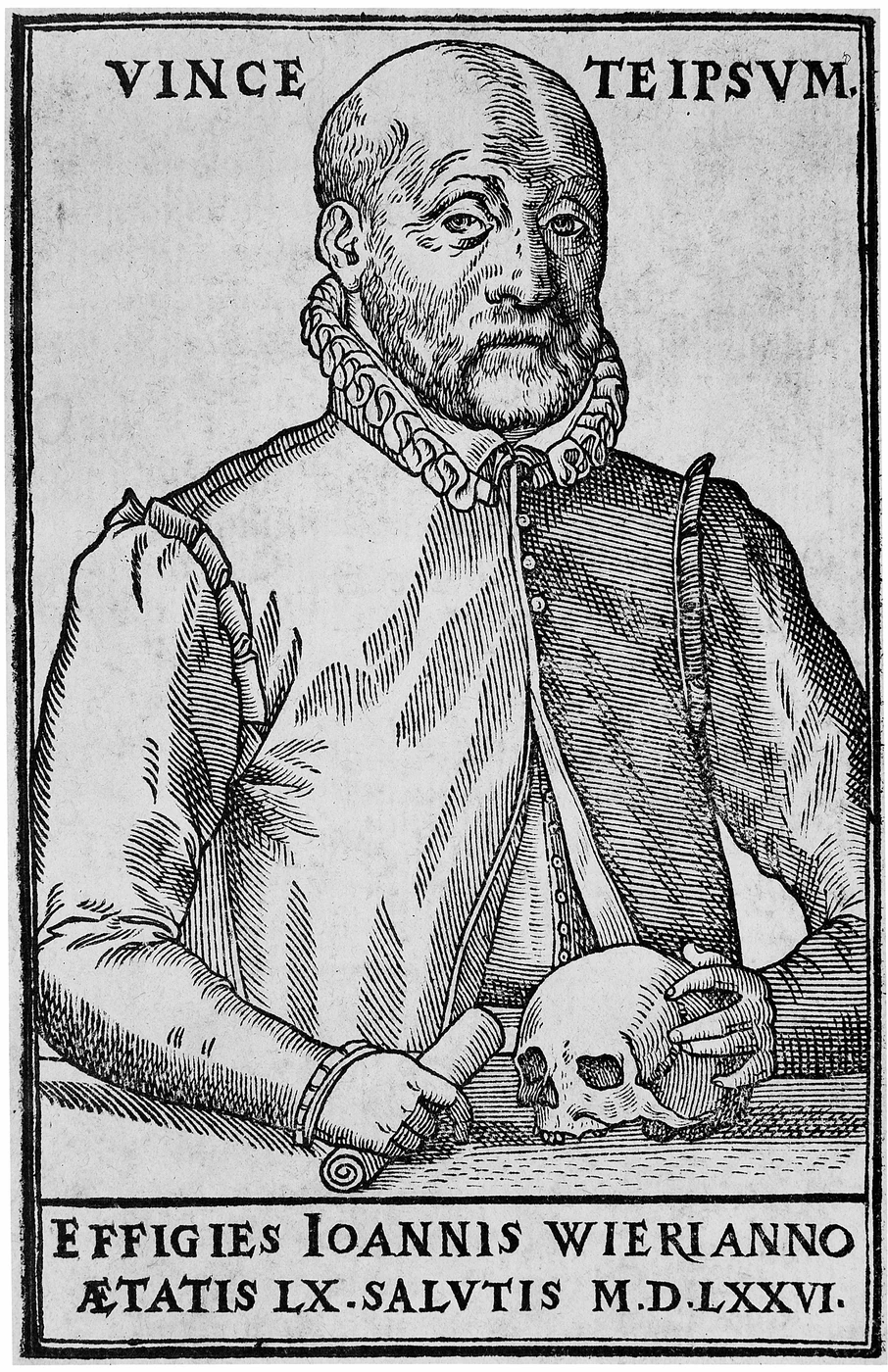
Johann Weyer
The physician and author whose Pseudomonarchia daemonum supplied an important source for later spirit catalogues.
The physician and author whose Pseudomonarchia daemonum supplied an important source for later spirit catalogues.
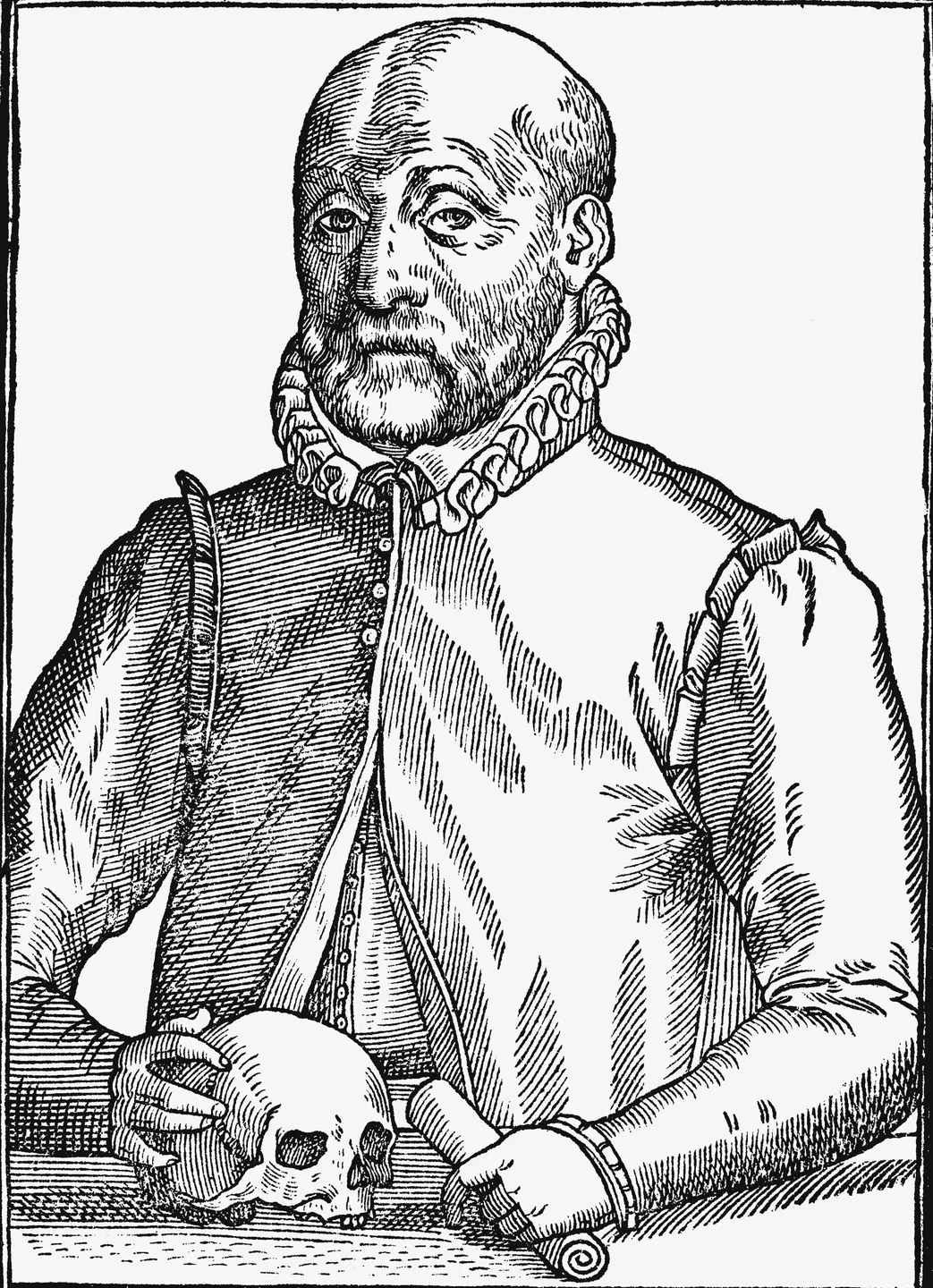
Pseudomonarchia Daemonum is a spirit catalogue associated with Johann Weyer. Its transmission helps explain similarities and differences in the later Ars Goetia.
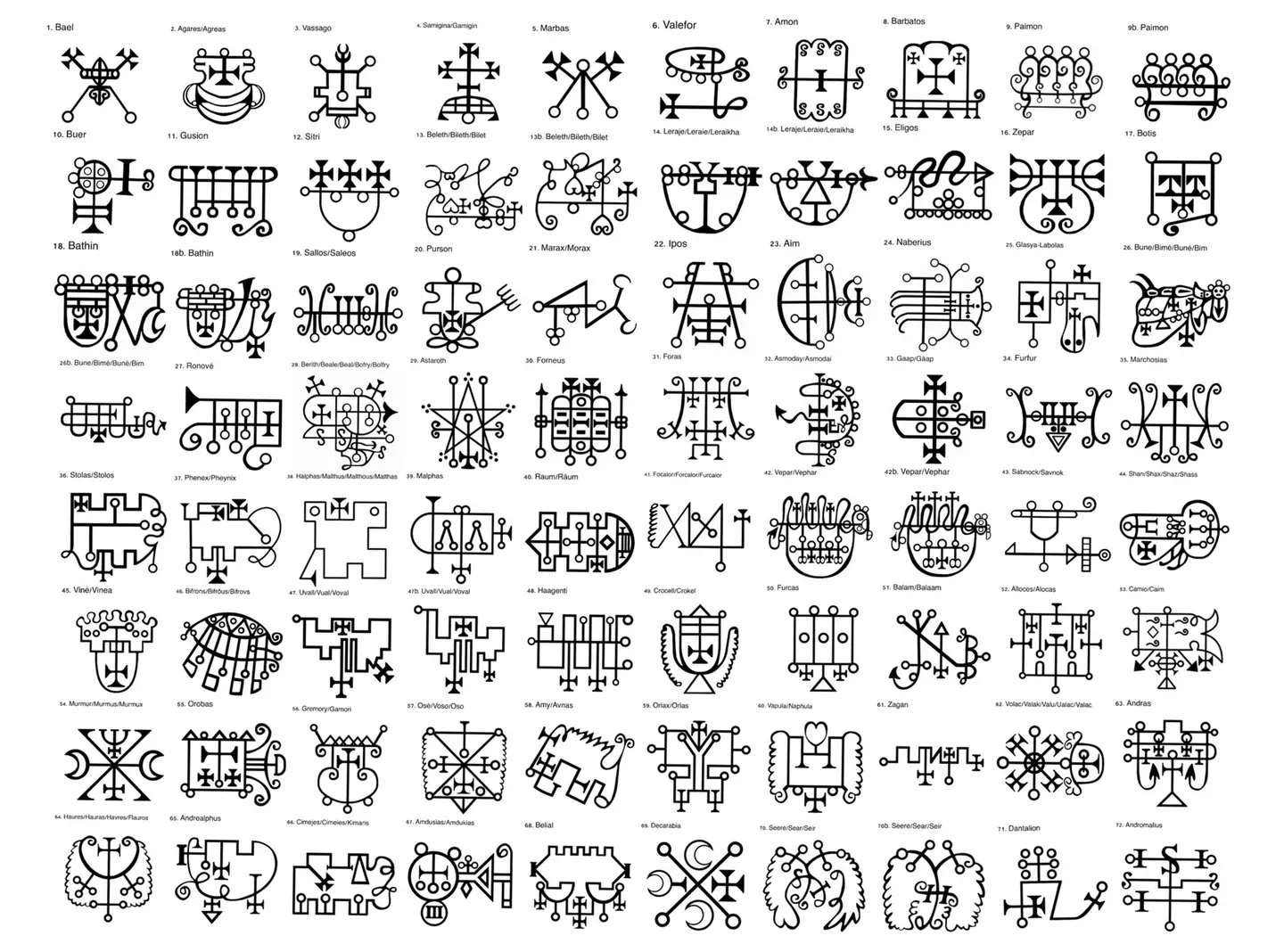
The Ars Goetia is the first section of the Lemegeton or Lesser Key of Solomon, an early modern English compilation of ceremonial magic. It is famous for a catalogue of seventy-two spirits, each described by name, rank, appearance, abilities, and a seal or character. In modern occultism the term “Goetia” is often used loosely for demon-summoning or work with these spirits, but historically the Ars Goetia…
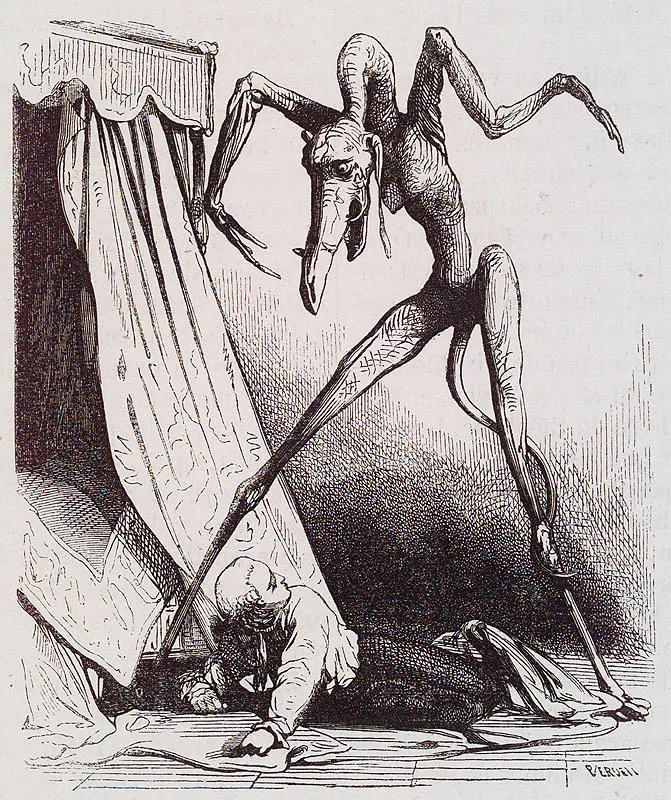
Demonology is the study, classification, and interpretation of demons and related spirits. In Western religious history it has included theological arguments about the nature and powers of demons, lists of named spirits, explanations of possession and temptation, magical techniques for summoning or constraining spirits, and folklore about dangerous supernatural beings. Modern theistic Satanists and…
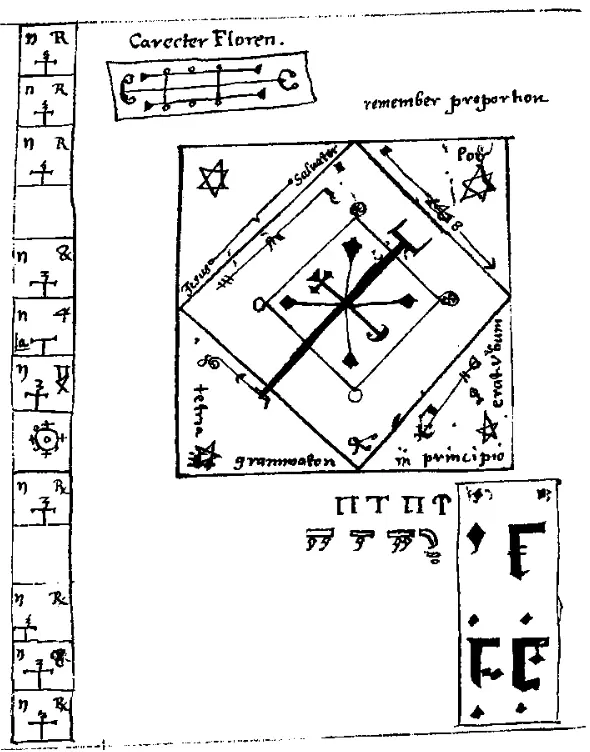
A grimoire is a book or manuscript containing magical knowledge, ritual procedures, charms, conjurations, talismans, spirit catalogues, astrological instructions, prayers, or other techniques intended to produce supernatural or occult effects. The term is most strongly associated with European magic, but scholars use it within a much wider history of magical books and written ritual technologies.
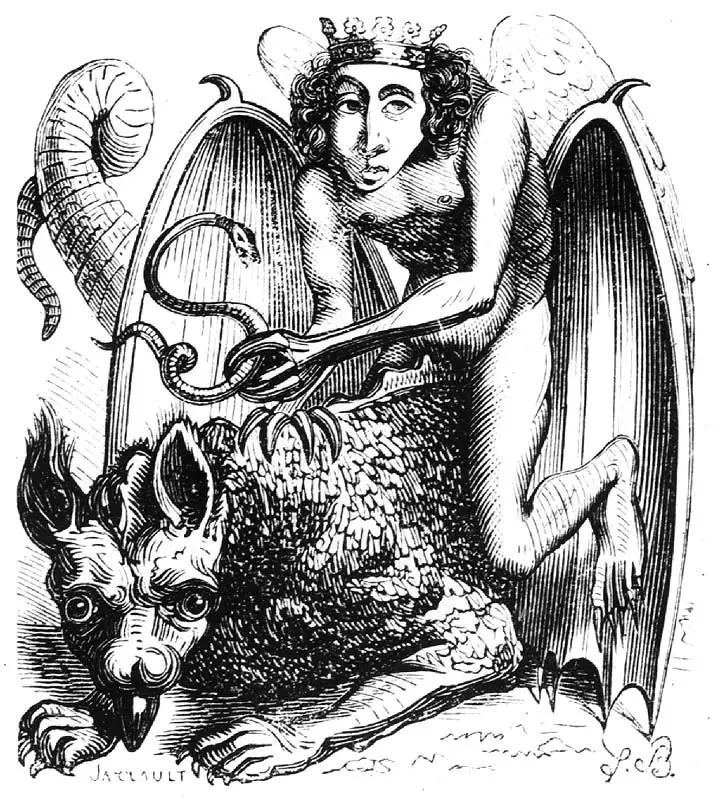
Astaroth appears in early modern spirit catalogues and later illustrated demonology. Source editions matter when comparing the figure’s rank, appearance, and supposed knowledge.
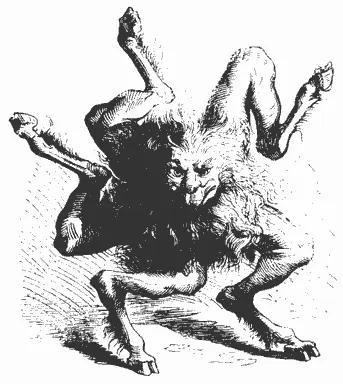
Buer is a spirit associated in magical catalogues with learning and healing. The well-known radial illustration belongs to later printed demonology.
The Malleus Maleficarum is a Latin treatise associated with the inquisitor Heinrich Kramer. It combined demonological argument with proposals for prosecuting alleged witches. Its allegations, treatment of women, and influence require critical historical reading.

A Goetic prince associated with finding lost things and knowledge of past and future events.
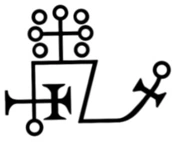
A many-faced Goetic duke carrying a book, associated with thoughts, knowledge, and visions of other people.
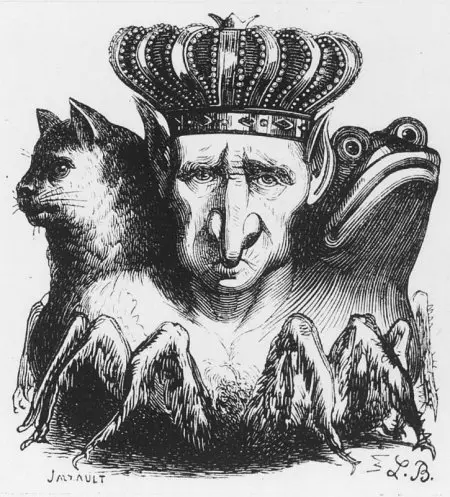
Bael is a ranked spirit in early modern magical catalogues. The Goetic figure should be distinguished from the wider use of the ancient title Baal.
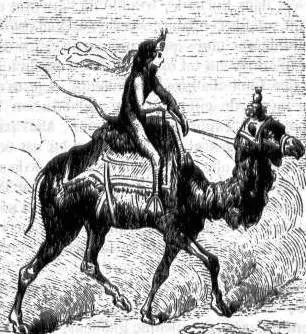
Paimon is a royal spirit described in the Ars Goetia and related literature. Musical procession and the teaching of knowledge are important elements of his received image.
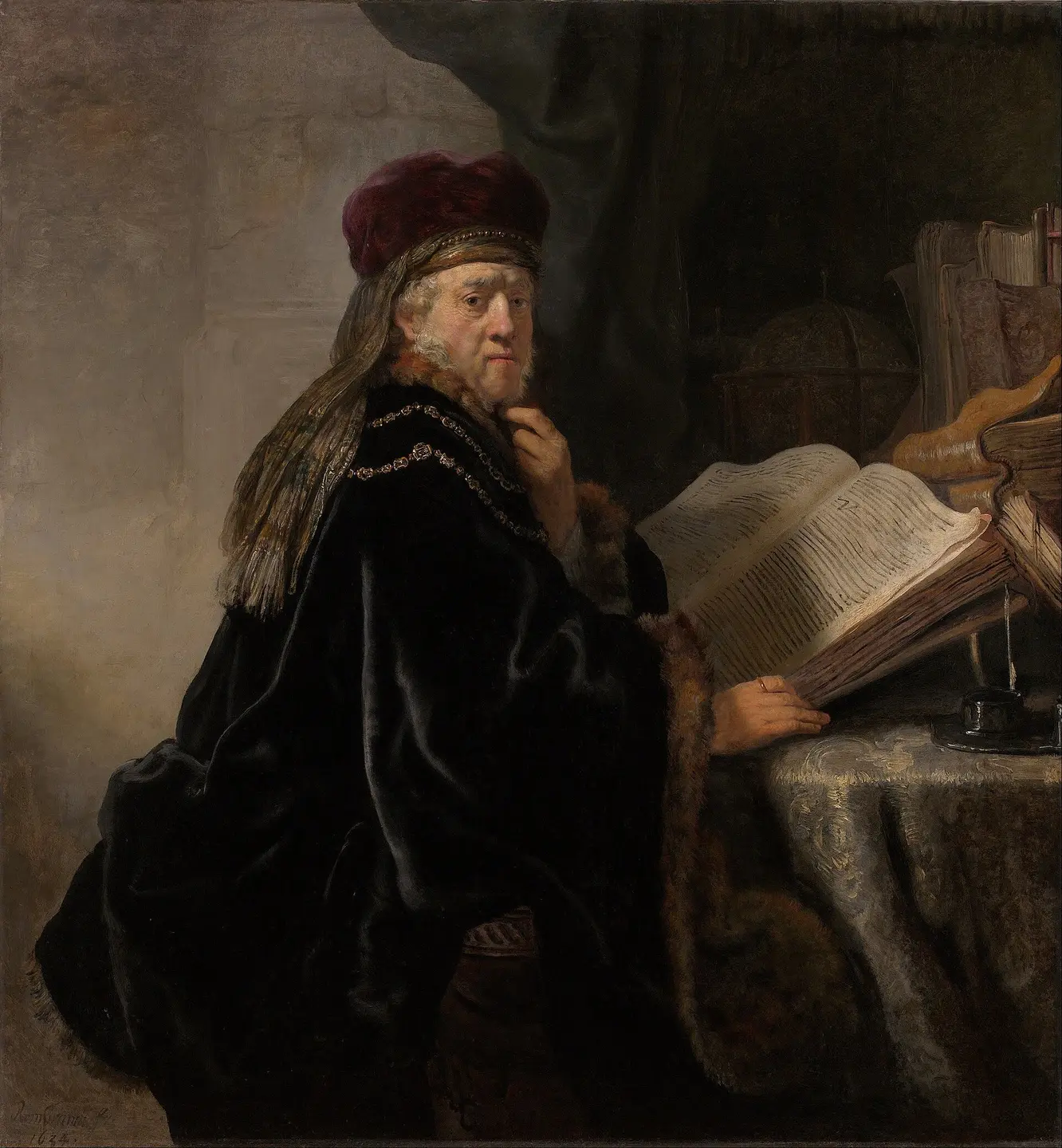
Primary sources provide direct evidence for a text, community, or historical setting. Reading them well requires context, precise citations, and comparison with other evidence.