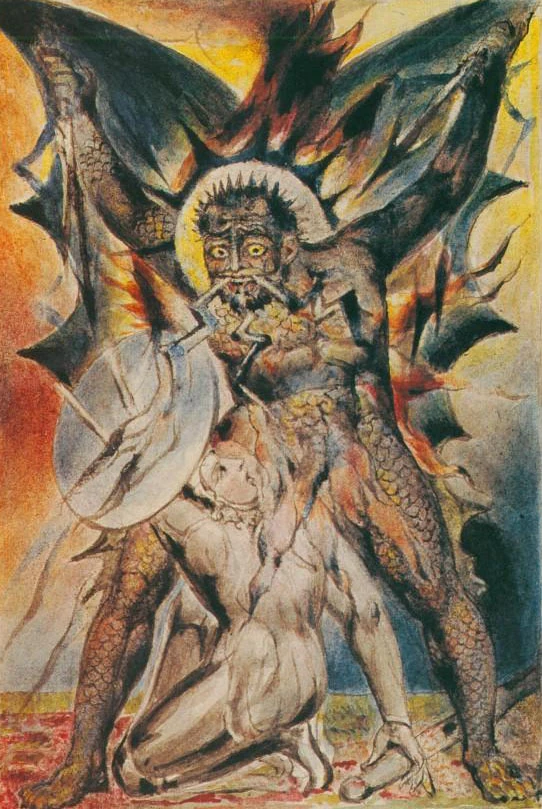
Abaddon
A biblical name associated with destruction, used in Revelation for the angel of the abyss.
20 published articles link to Reading religious primary sources.
A biblical name associated with destruction, used in Revelation for the angel of the abyss.
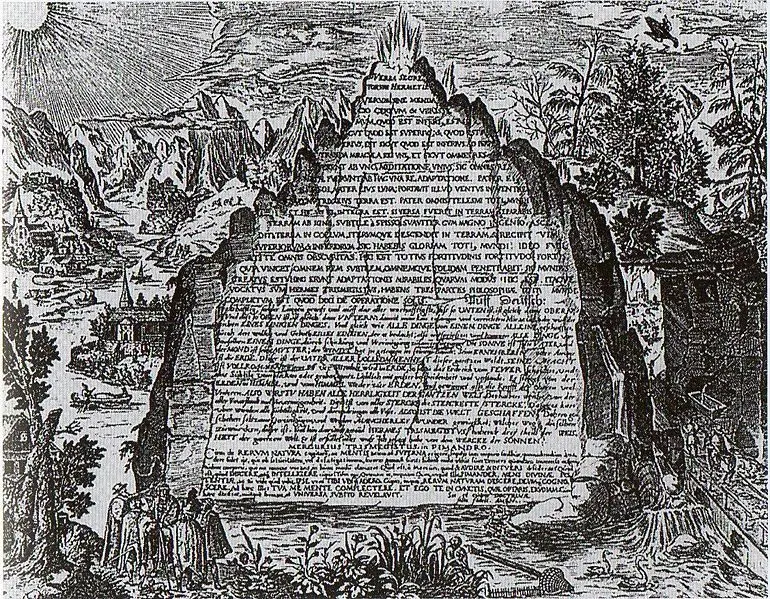
Alchemy concerns historical approaches to material transformation and the interpretation of nature. Spiritual readings form part of its reception but should not replace the material history.
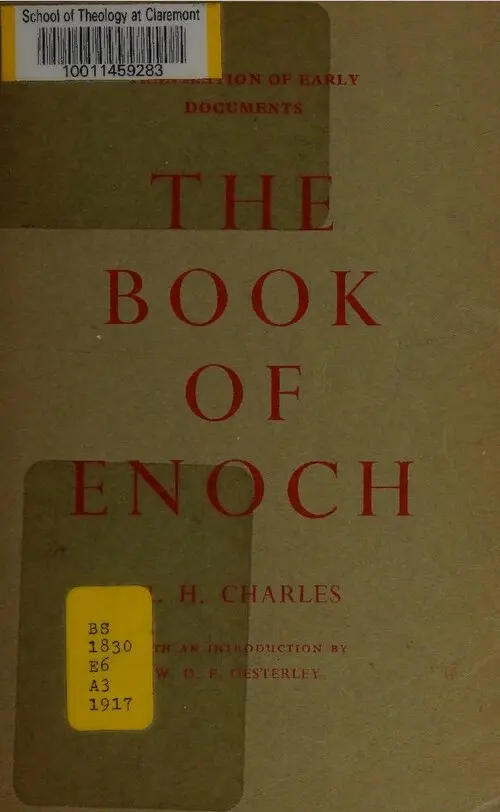
1 Enoch brings together accounts of heavenly beings, judgment, celestial order, and righteousness. It is a composite work rather than a single continuous biography of Enoch.

A mounted Goetic marquis associated with grammar, rhetoric, logic, and hidden treasure.

The Corpus Hermeticum is a collection of philosophical religious dialogues concerning mind, the divine, the cosmos, and human knowledge. It should be distinguished from later works marketed as Hermetic teaching.
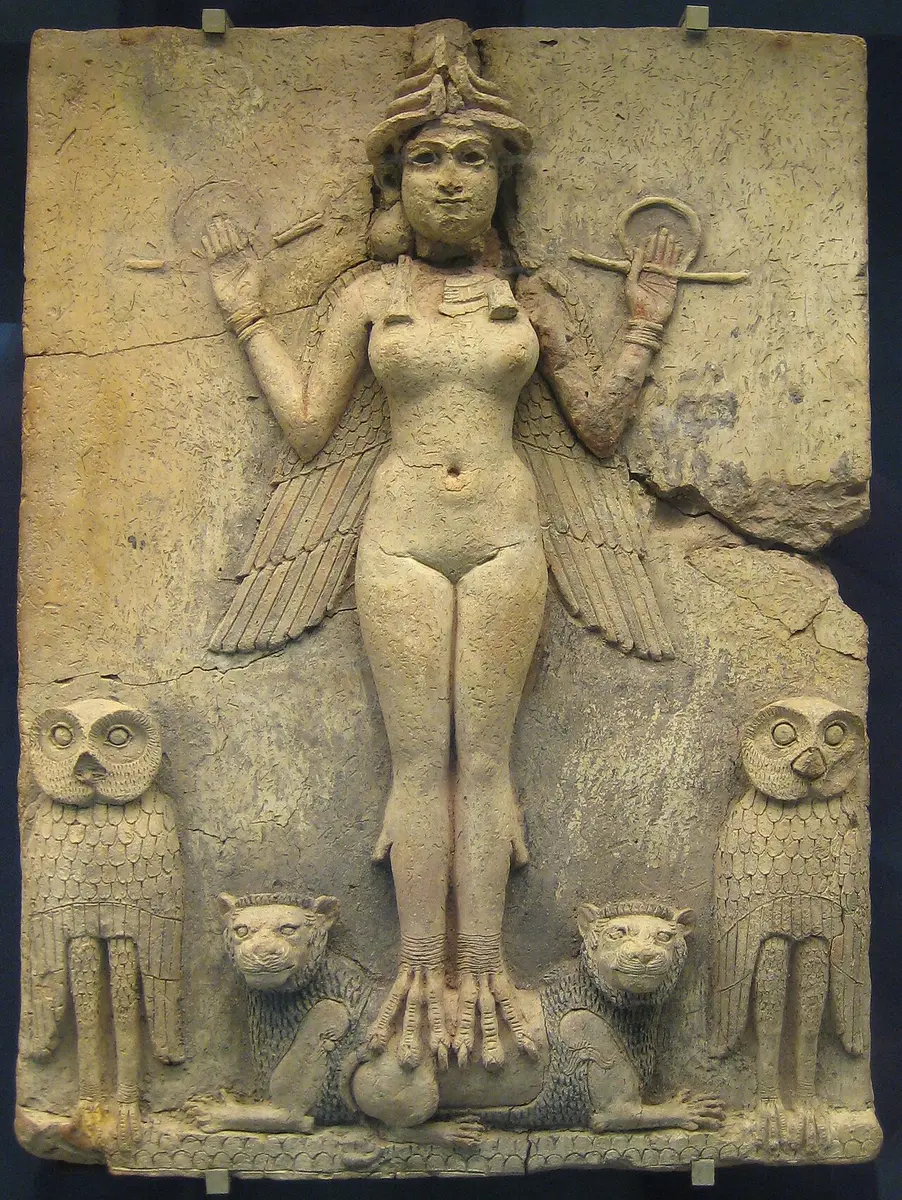
A Mesopotamian queen of the underworld, known through myths of descent and traditions concerning Nergal.

A Goetic president associated with logic, ethics, plants, stones, longevity, and lost things.
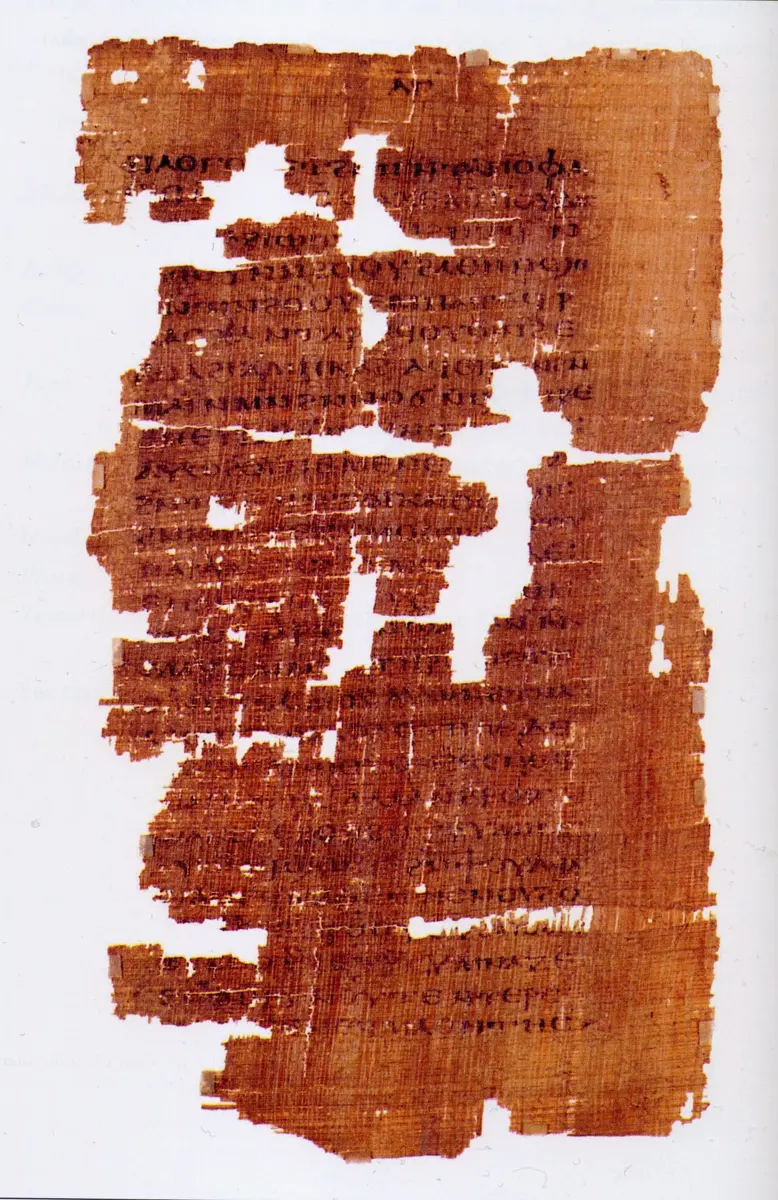
An early Christian revelation dialogue preserved in Coptic, known from the manuscript called Codex Tchacos.
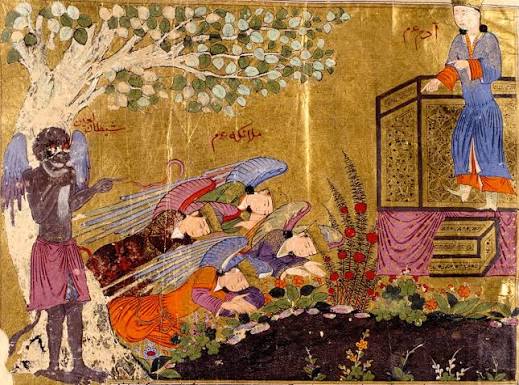
Iblis is the figure who refuses God’s command to bow to Adam in the Qur’an. Islamic commentary and Sufi literature explore his pride, his relationship to the jinn, his role as a tempter, and the meaning of his disobedience.

The Life of Adam and Eve is a group of related apocryphal narratives about the first humans. Its versions expand the Eden story through accounts of repentance, the Devil’s hostility, illness, burial, and hoped-for restoration.
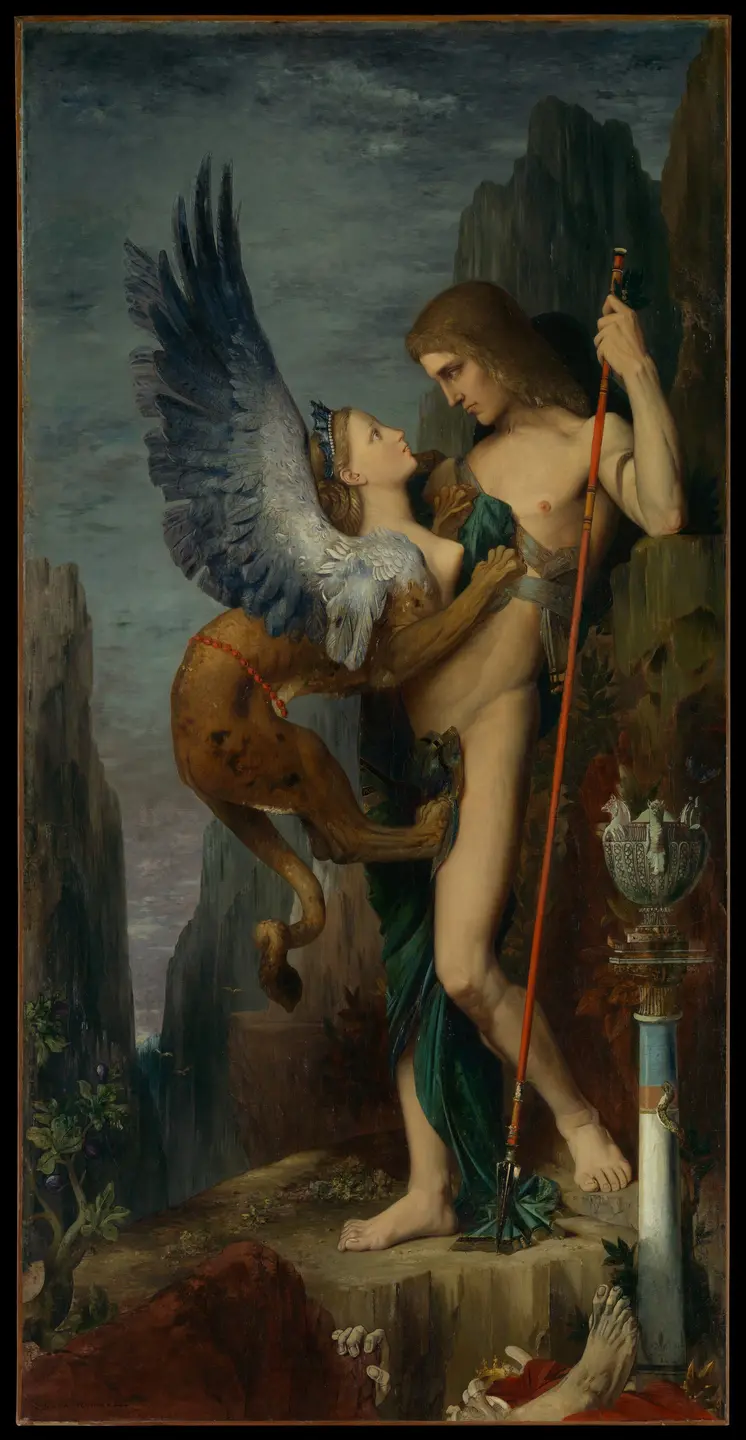
A religious myth can organize meaning while also receiving literal belief. Literary form, personal interpretation, and historical evidence should be discussed as related but distinct questions.
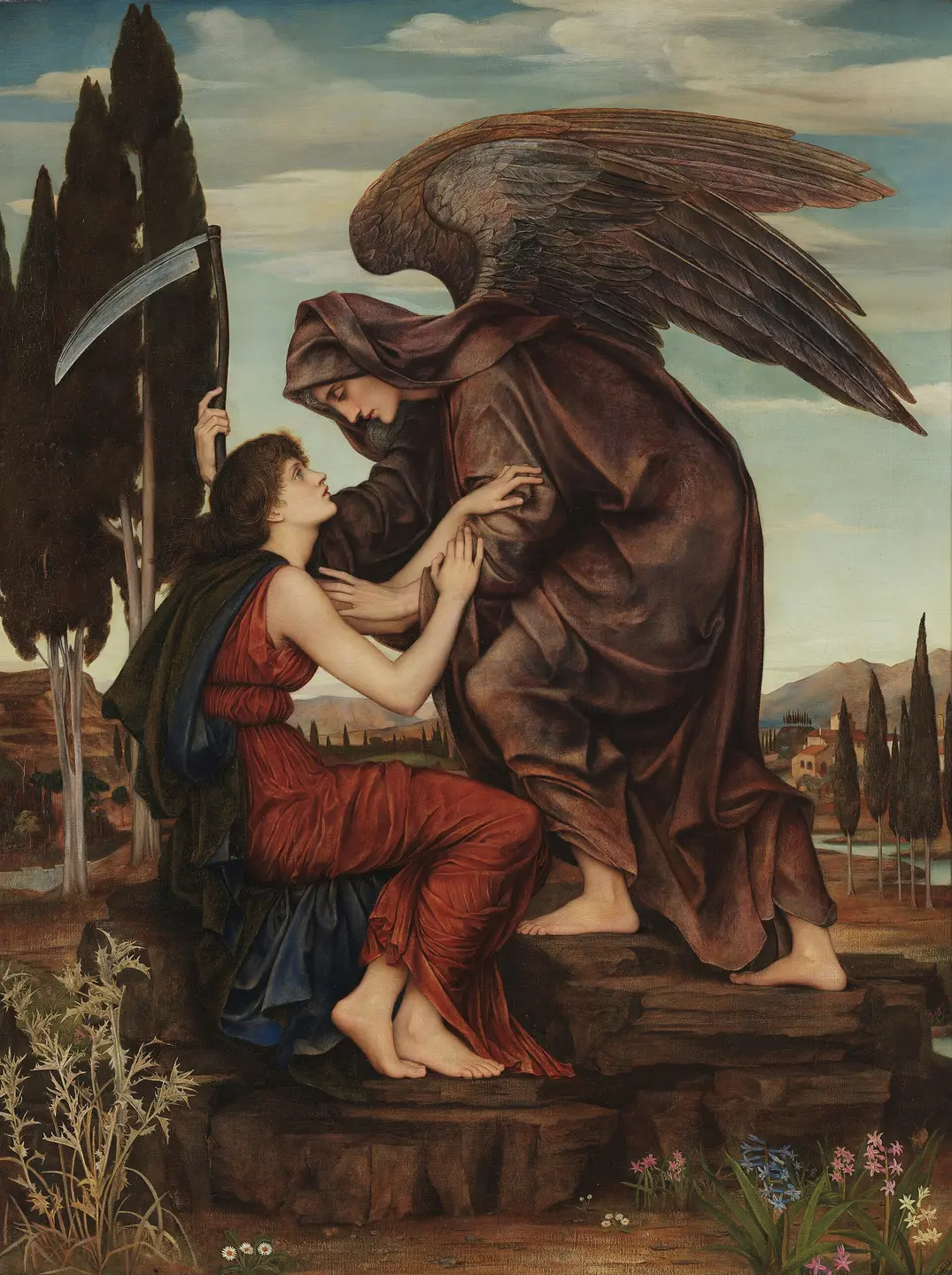
Samael appears in Jewish interpretive literature in roles that vary between texts. His relationship with Satan, the serpent, and other figures should be described source by source.
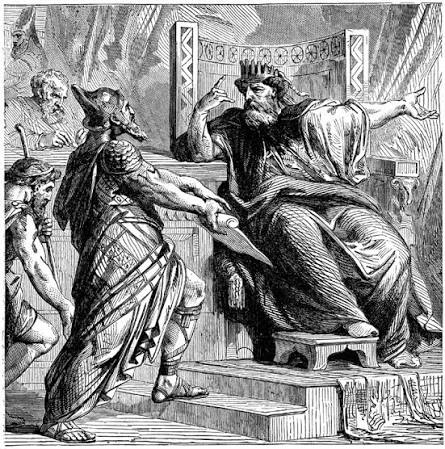
In 1 Chronicles 21, Satan or an adversary incites David to count Israel. Comparison with 2 Samuel 24 raises questions about divine agency, translation, and the development of the adversary figure.

The Satanic Panic refers to a wave of allegations concerning organized Satanic abuse, especially in the late twentieth century. Actual evidence of harm must be distinguished from expansive conspiracy claims.

The temptation of Jesus is an encounter with Satan in the wilderness narrated by Matthew, Mark, and Luke. Its differing forms connect hunger, divine sonship, scriptural argument, worldly rule, and worship.
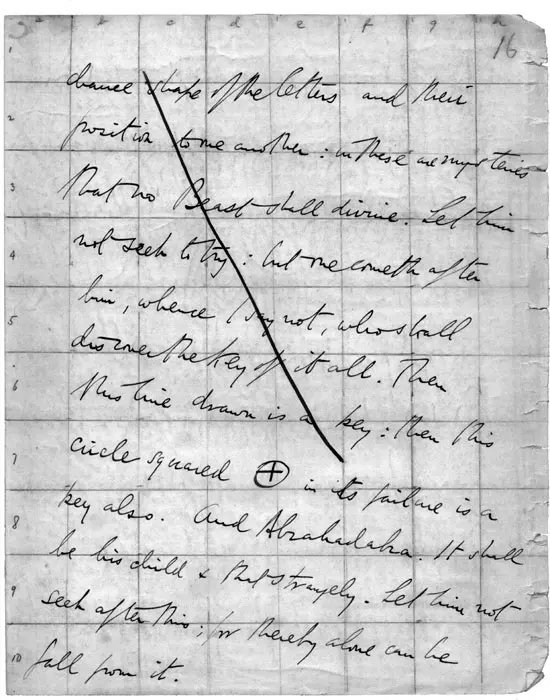
The three-chapter revelatory text at the center of Thelema, also titled Liber AL vel Legis.

A modern esoteric society with stated aims of fraternity, comparative study, and investigation of nature and human capacities.
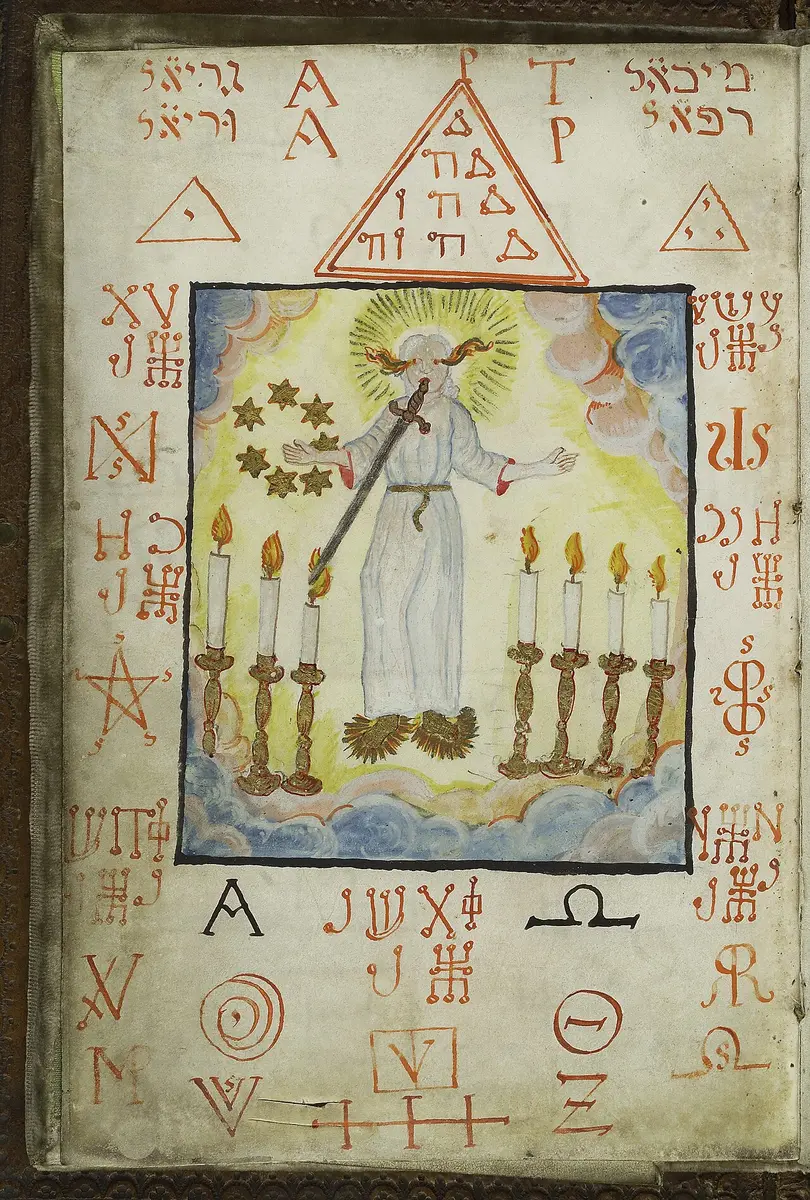
The Hebrew Enochic work associated with heavenly palaces and Enoch’s transformation into Metatron.

Unverified personal gnosis identifies a spiritual claim or interpretation whose source is personal experience rather than established textual or communal authority.

A Goetic duke first appearing as a dromedary, associated with affection, friendship, and knowledge.