Folk magic
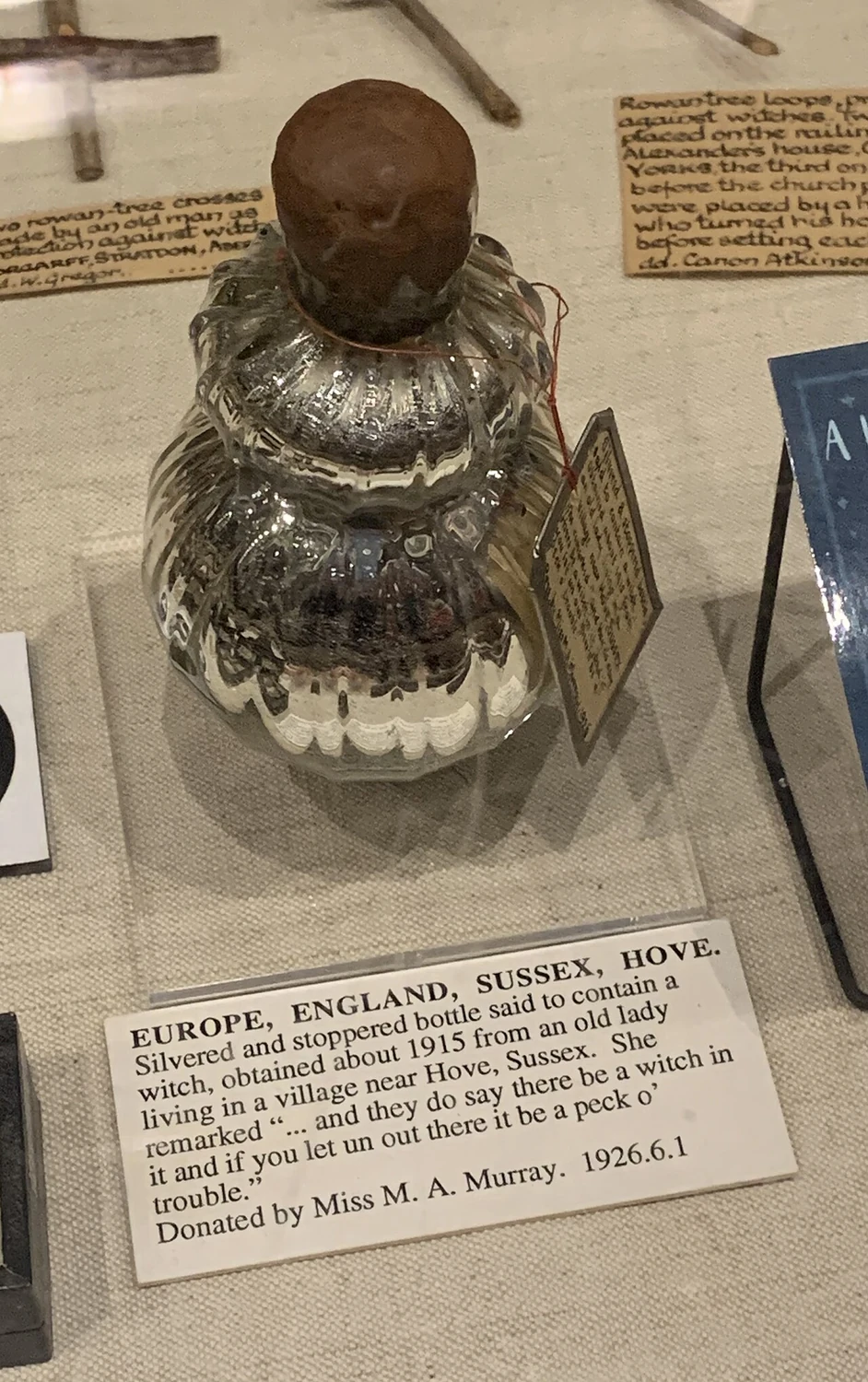
Protective charms, witch bottles, and everyday materials in local magical traditions, with documented British museum examples.
Protective charms, witch bottles, and everyday materials in local magical traditions, with documented British museum examples.
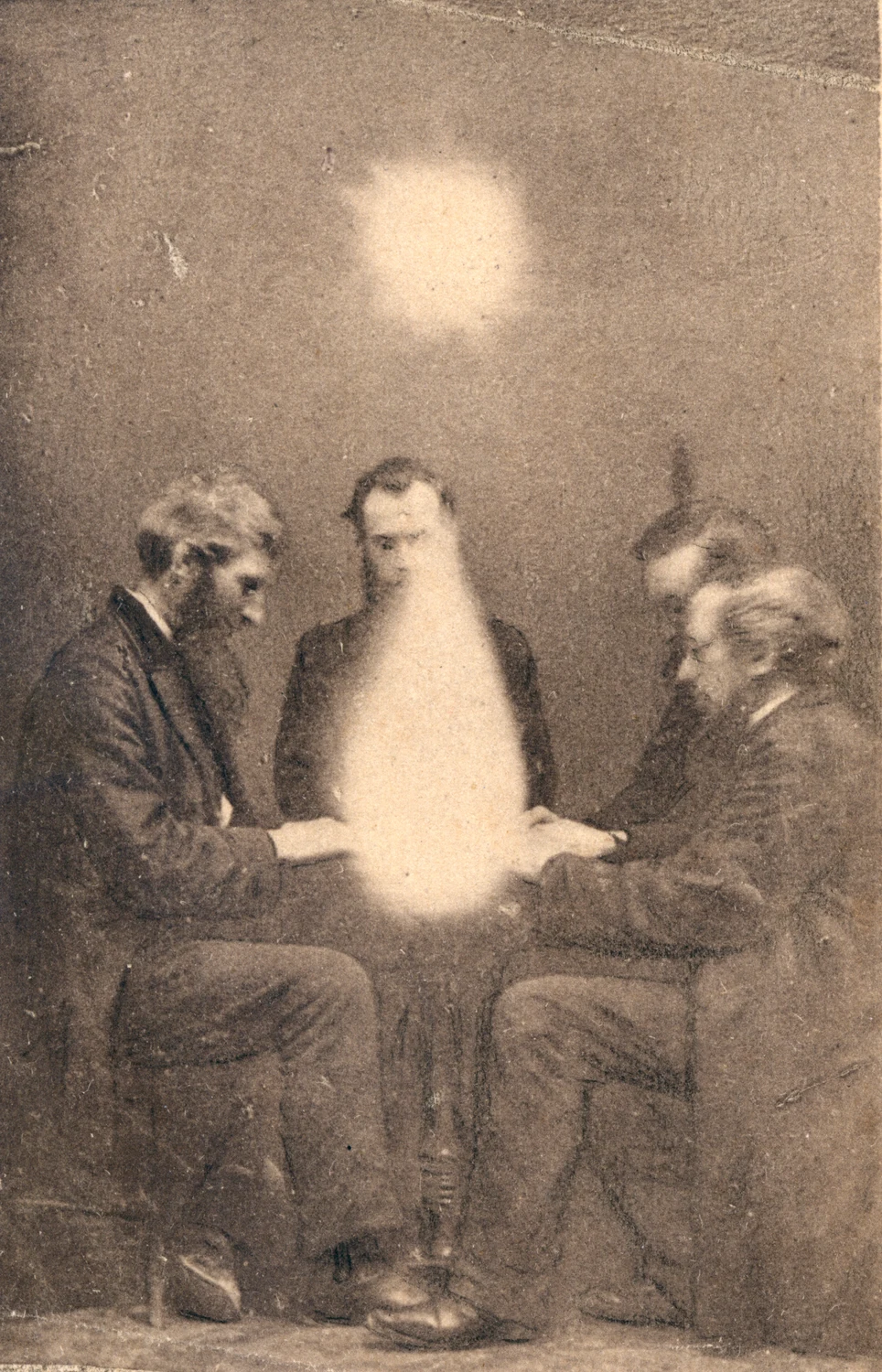
A religious movement centered on mediumship and continued personal identity after death, with church teachings and spirit photography.
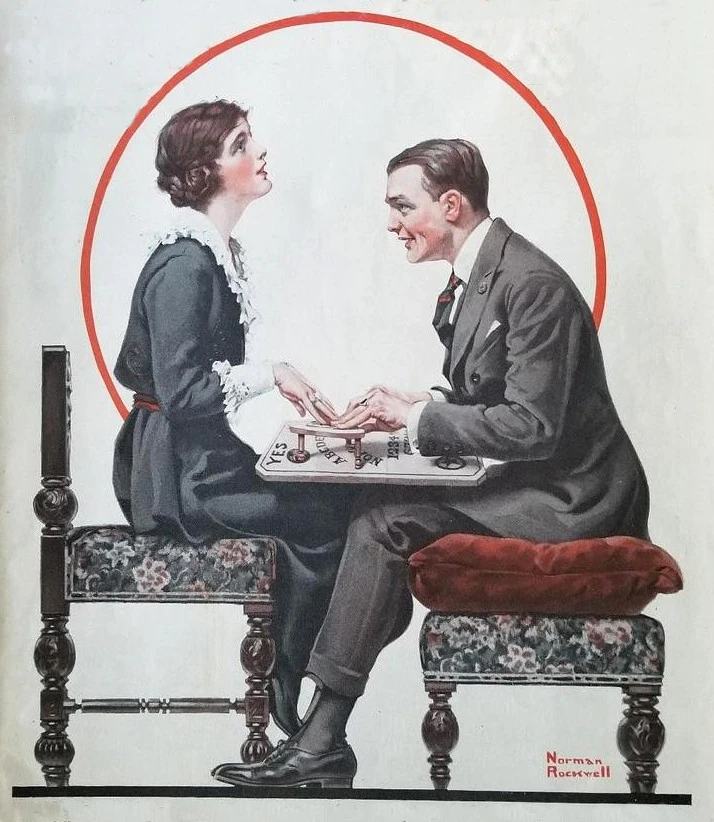
The patented talking-board game, its pointer and commercial history, and research on ideomotor movement and implicit memory.

The public holiday of 31 October, including lanterns, visiting customs, disguise, and its Celtic and Christian histories.
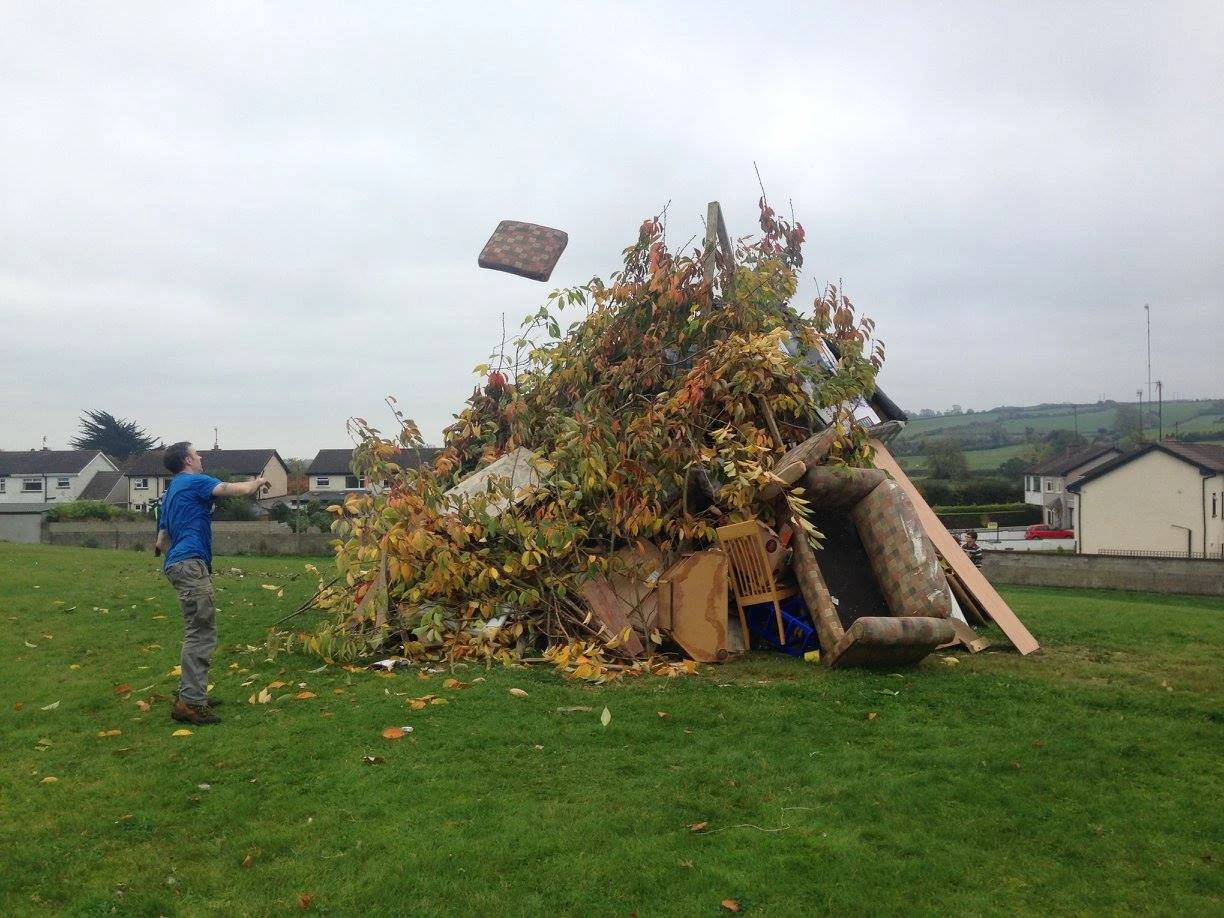
The Gaelic beginning-of-winter festival, Irish customs of food and divination, and its place in modern Pagan practice.
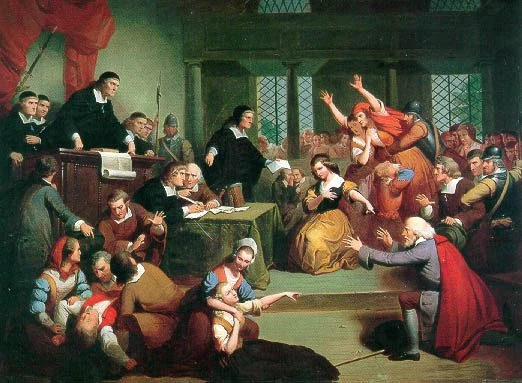
The Massachusetts prosecutions of 1692-1693, the spread of accusations, spectral evidence, and the surviving court archive.
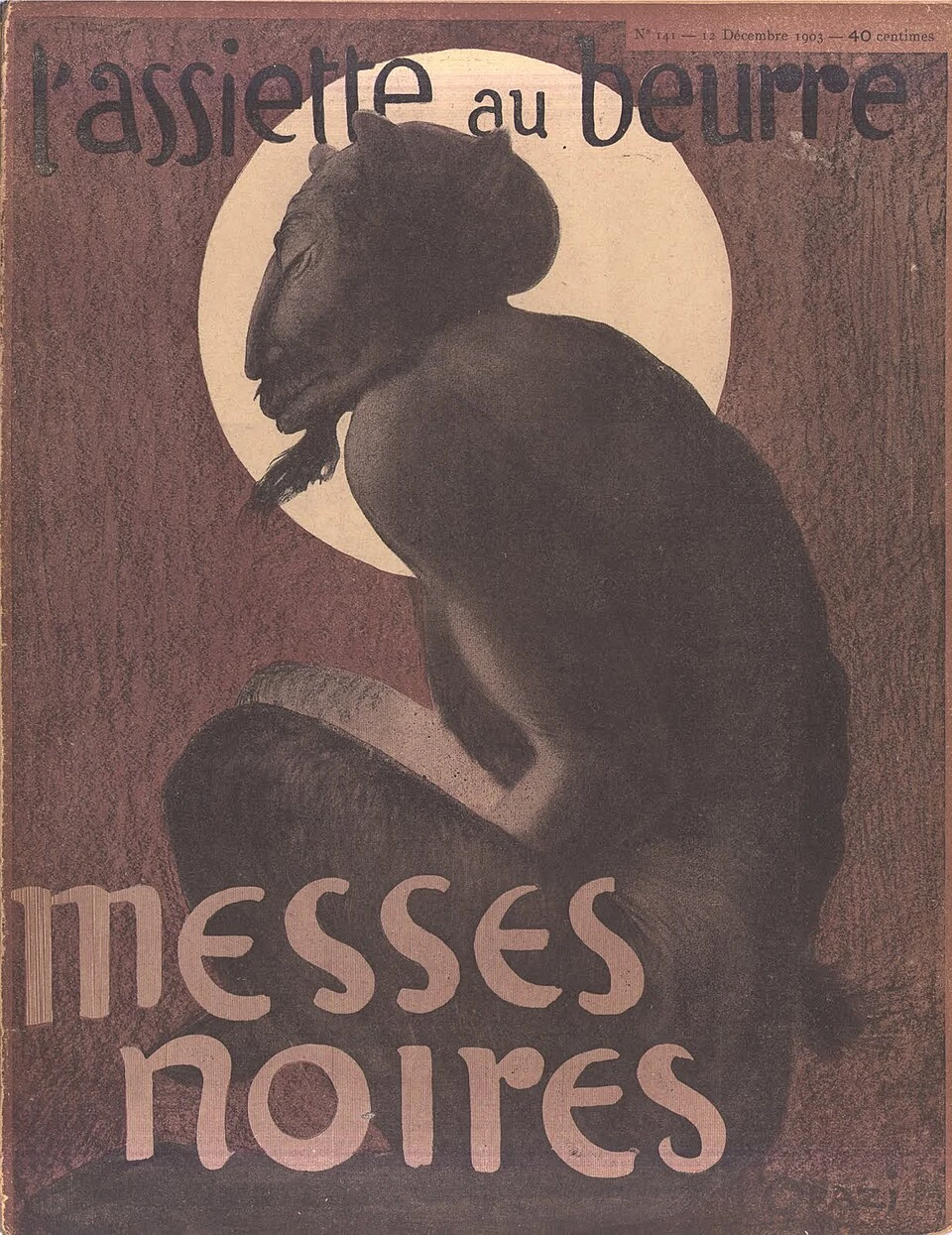
A term for ritual inversion of Christian worship, with Huysmans's literary portrayal and a modern distinction from Satanic Mass.

Freedom of religion and belief in international human rights texts, including minority religions, nonbelief, and religious expression.
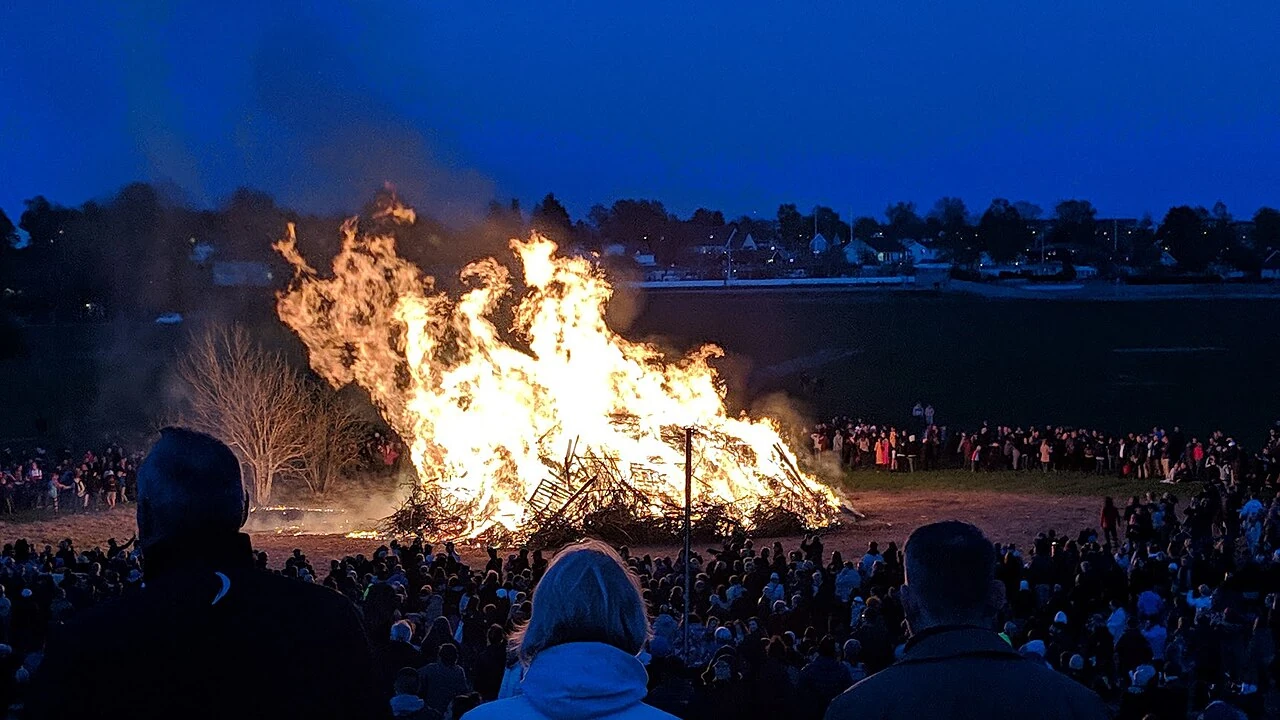
The different holiday calendars published by the Church of Satan and The Satanic Temple, with dates and organizational meanings.
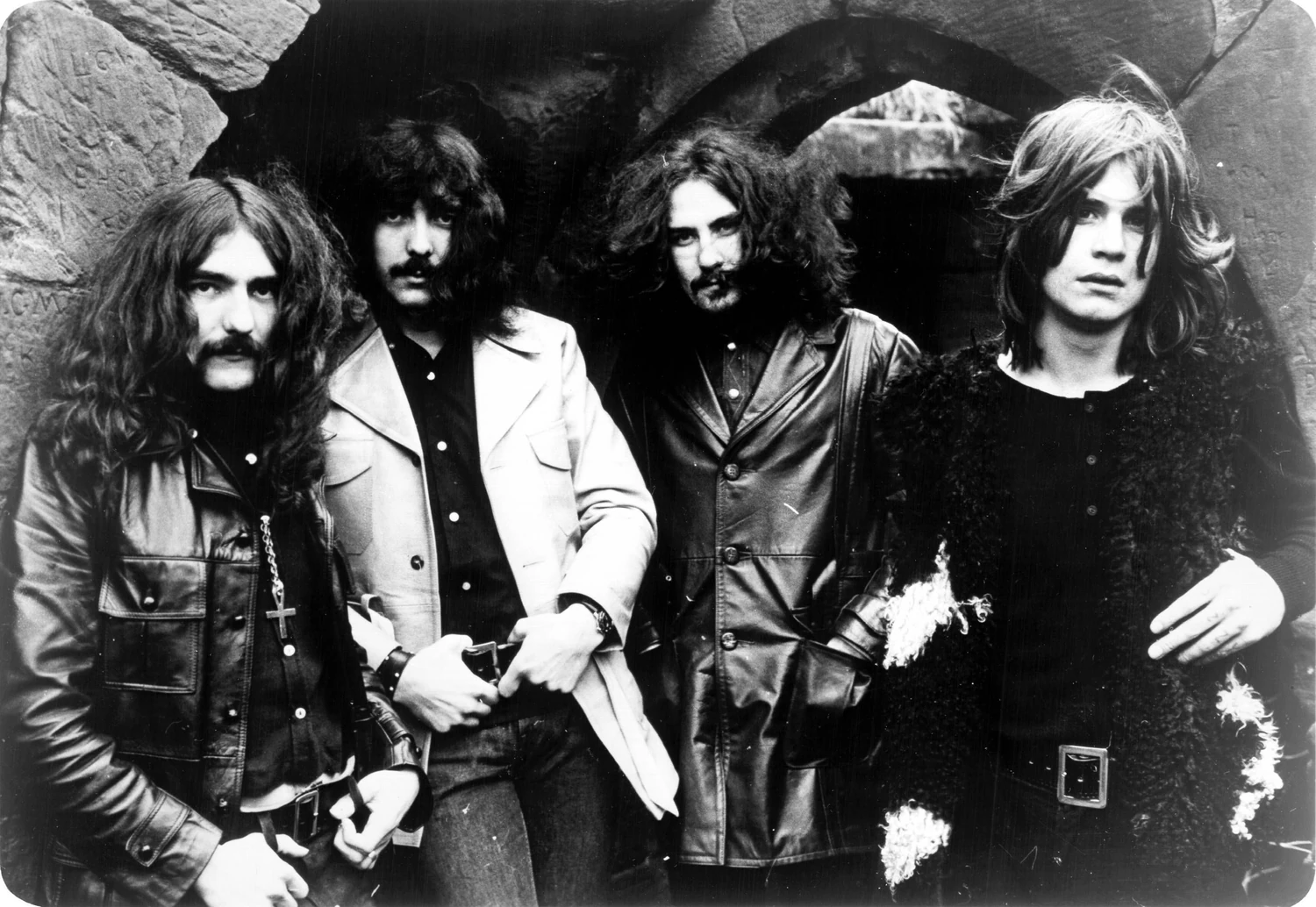
How Black Sabbath and Venom used dark or Satanic imagery, and why a song, stage character, and religious affiliation are different evidence.
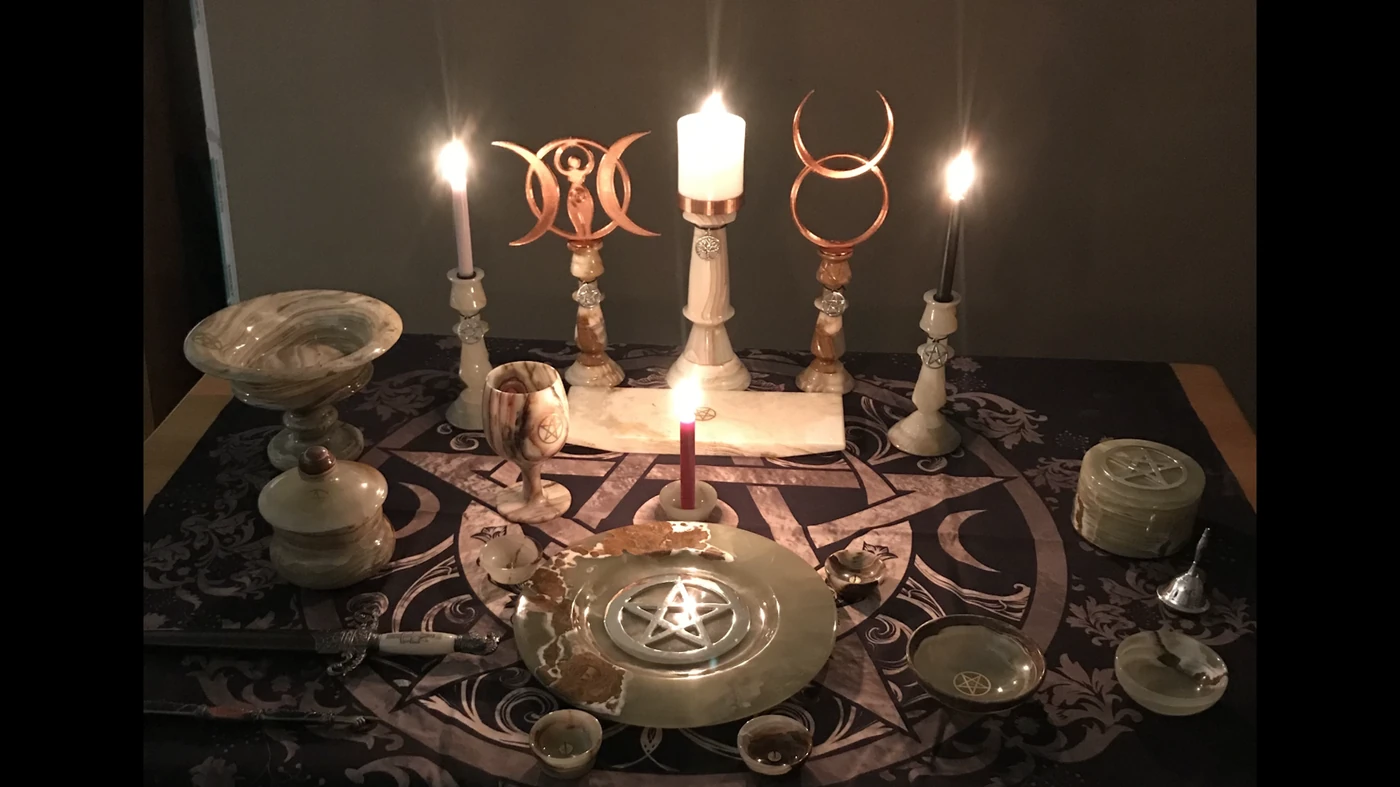
An altar is a designated place or surface used for religious devotion, ritual, offerings, sacred objects, or symbolic focus. Altars occur in many religious traditions, but their forms and meanings vary widely. In modern theistic Satanism an altar may function as a place for Prayer, Ritual, Offerings, meditation, spirit work, or the display of symbols connected with Satan and other beings.
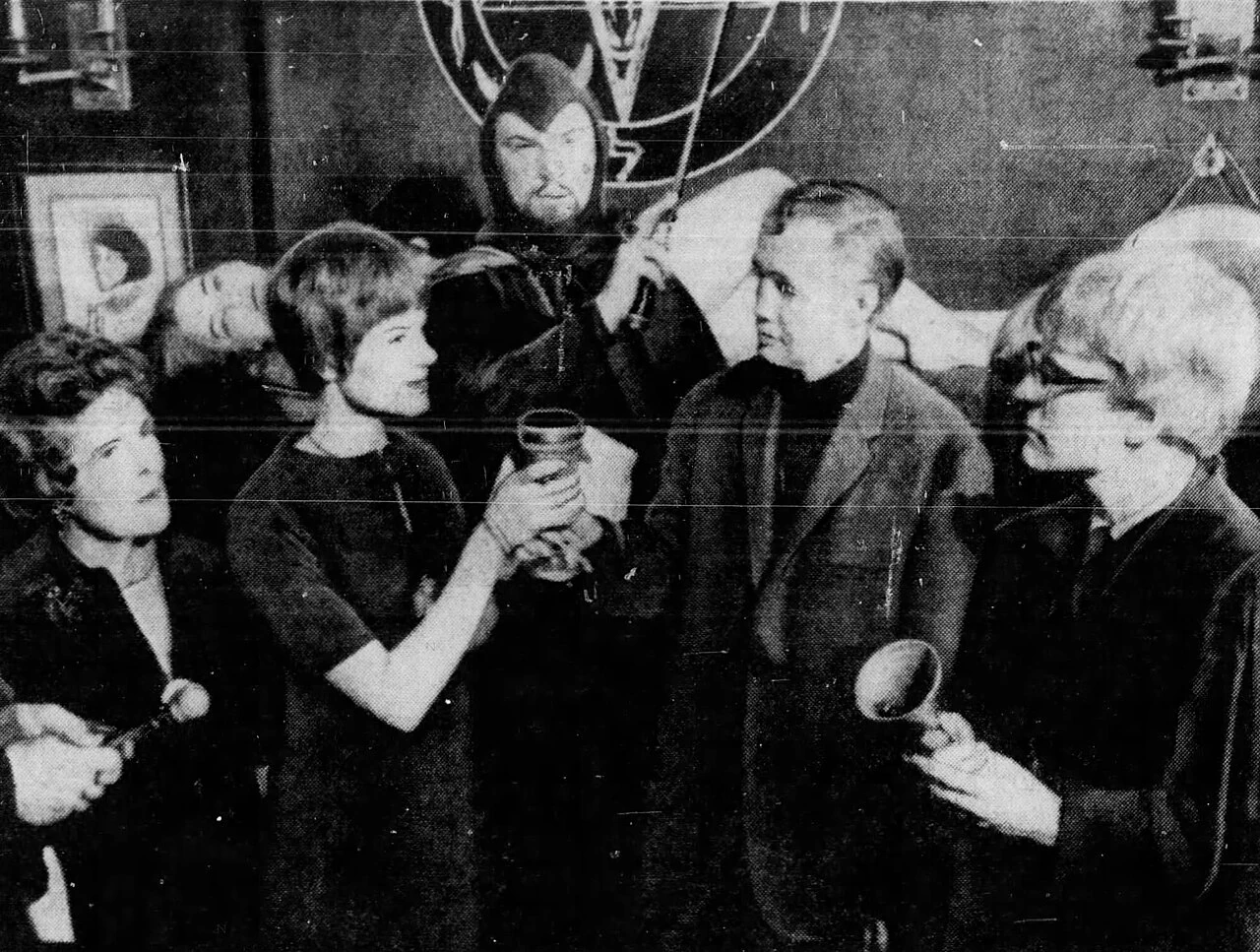
The Church of Satan is the organization founded by Anton LaVey in 1966. Its official account describes Satanism as atheistic and gives Satan a symbolic role.
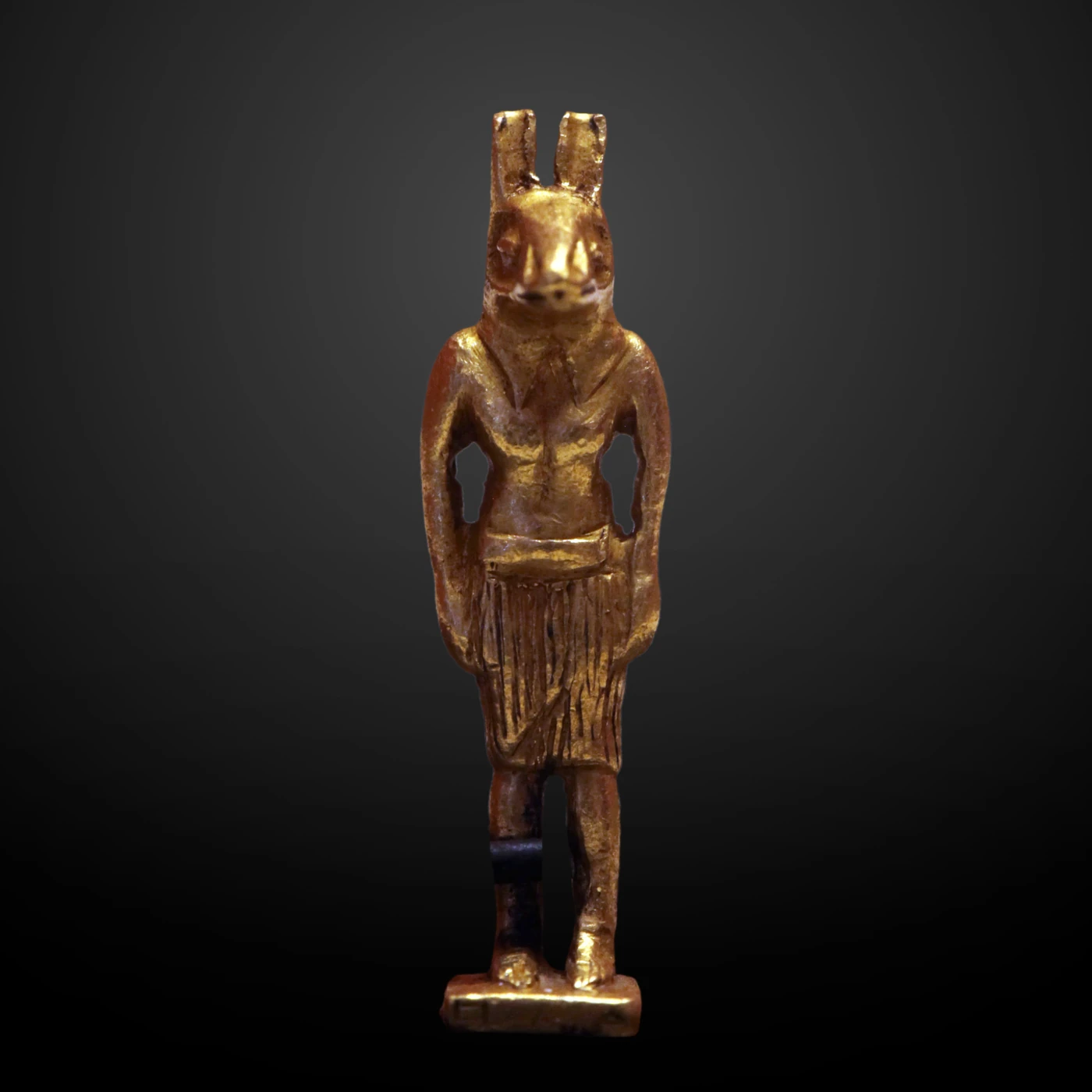
The Temple of Set is an initiatory organization whose identity centers on Set and Xeper. Its relationship with Satanism requires attention to both historical origins and later self-description.
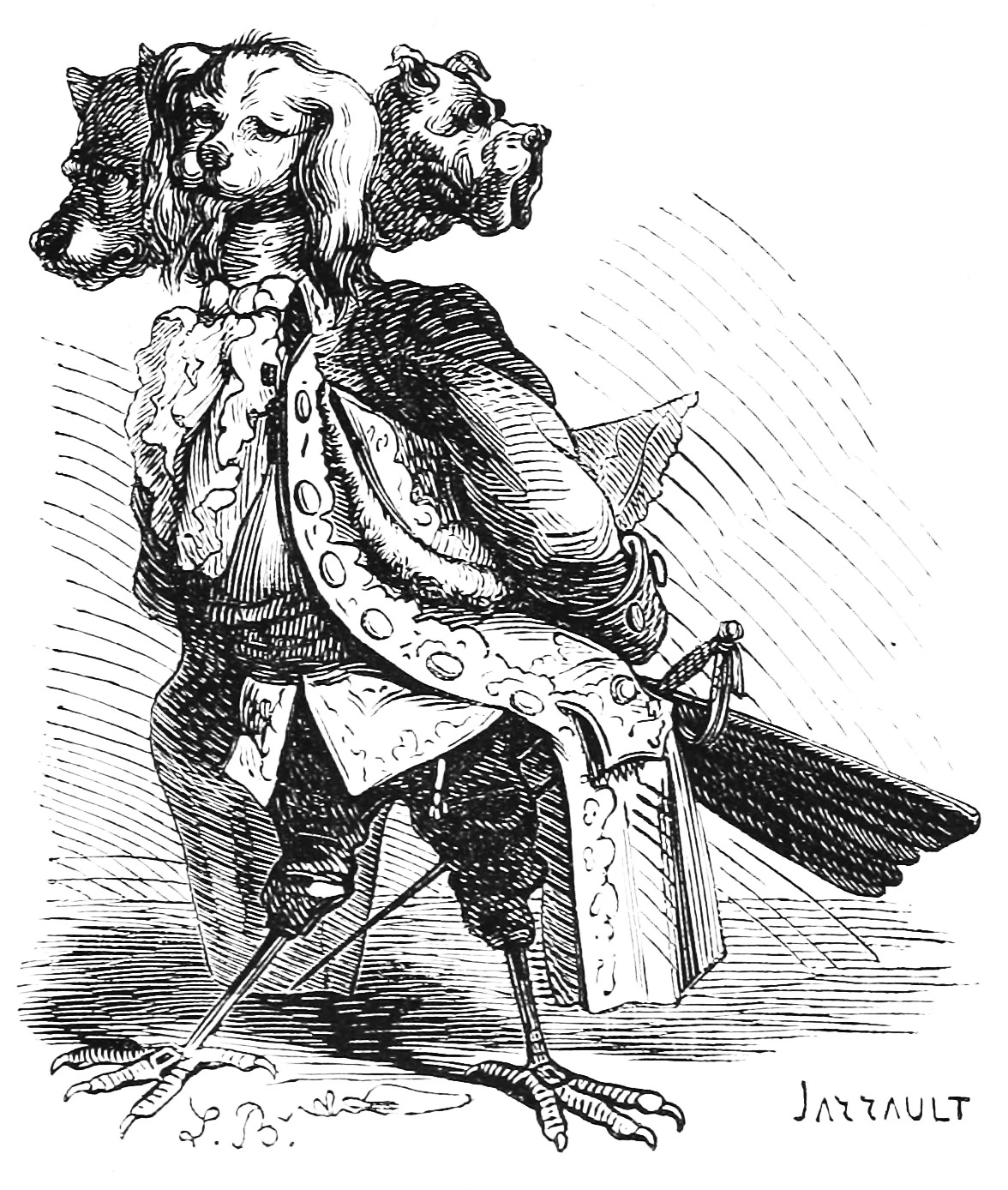
A Goetic marquis associated with rhetoric and the restoration of lost honors.
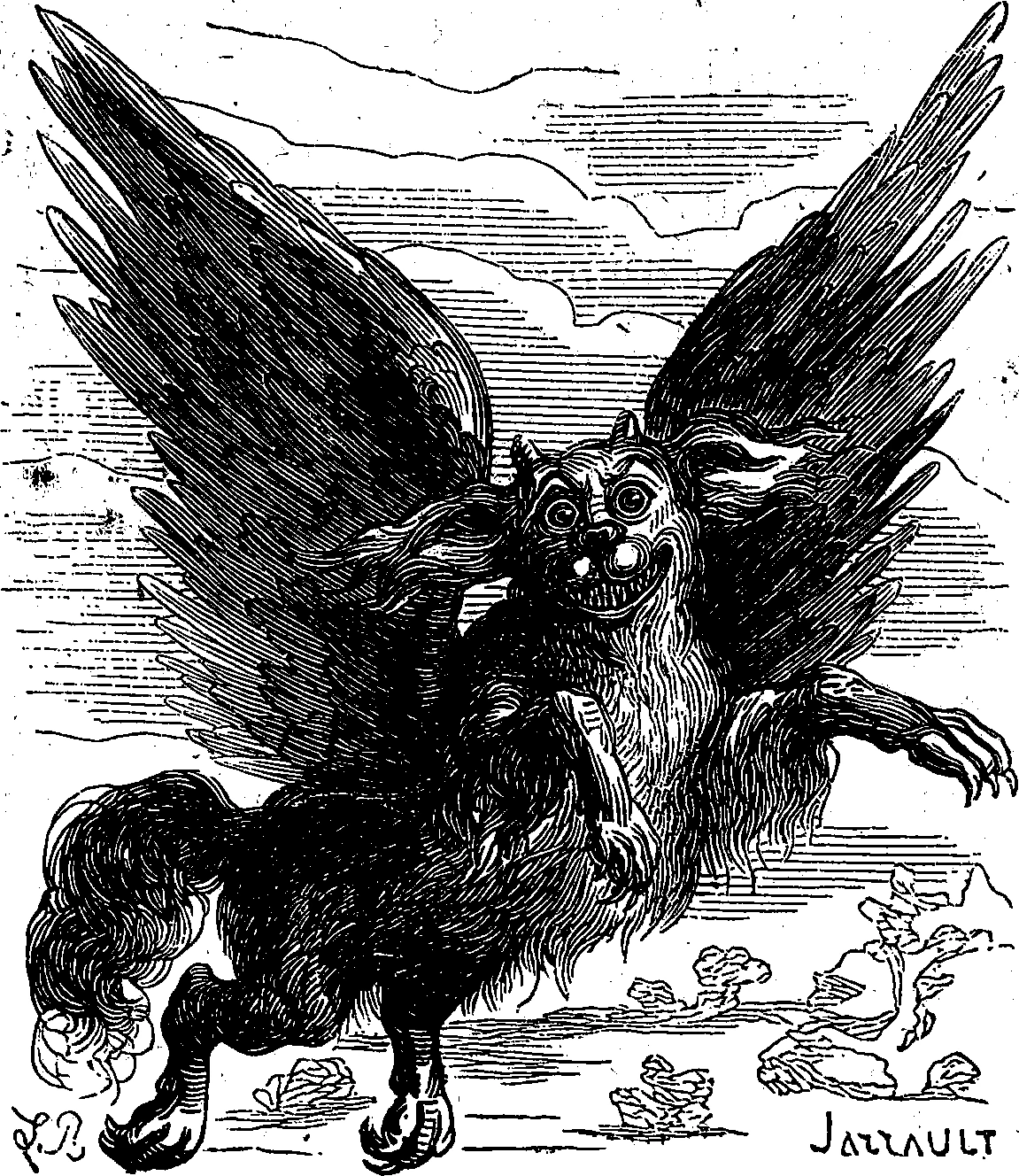
A Goetic spirit combining learned offices with a violent reputation and a winged dog form.
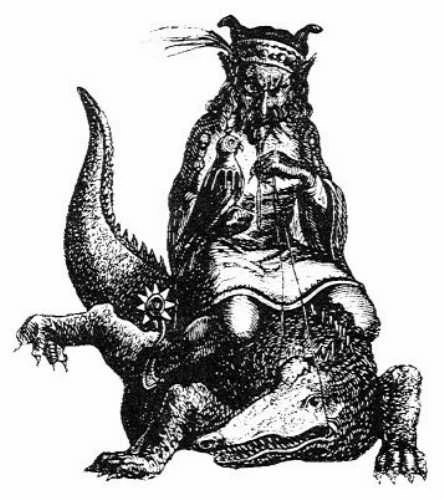
The second Goetic spirit, described as an elderly rider with a crocodile and a goshawk.