History
Solomon in magical literature
Solomon’s name supplies authority to several magical and religious works. Attribution to the king must be distinguished from the date and authorship of the surviving text.
Solomon’s name supplies authority to several magical and religious works. Attribution to the king must be distinguished from the date and authorship of the surviving text.
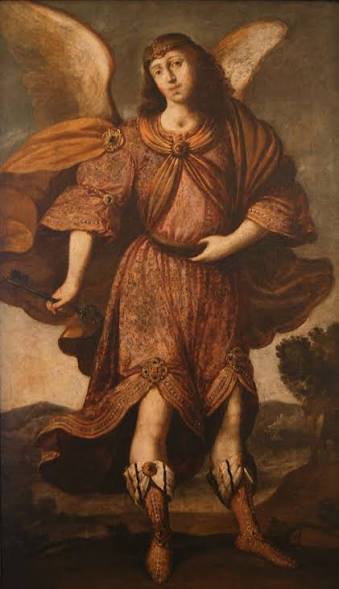
Raziel is an angel associated with the revelation of divine secrets, especially the legendary book given to Adam. His name appears in Jewish interpretive and magical literature and later Western esotericism, where Agrippa connects him with Chokmah, or Wisdom.
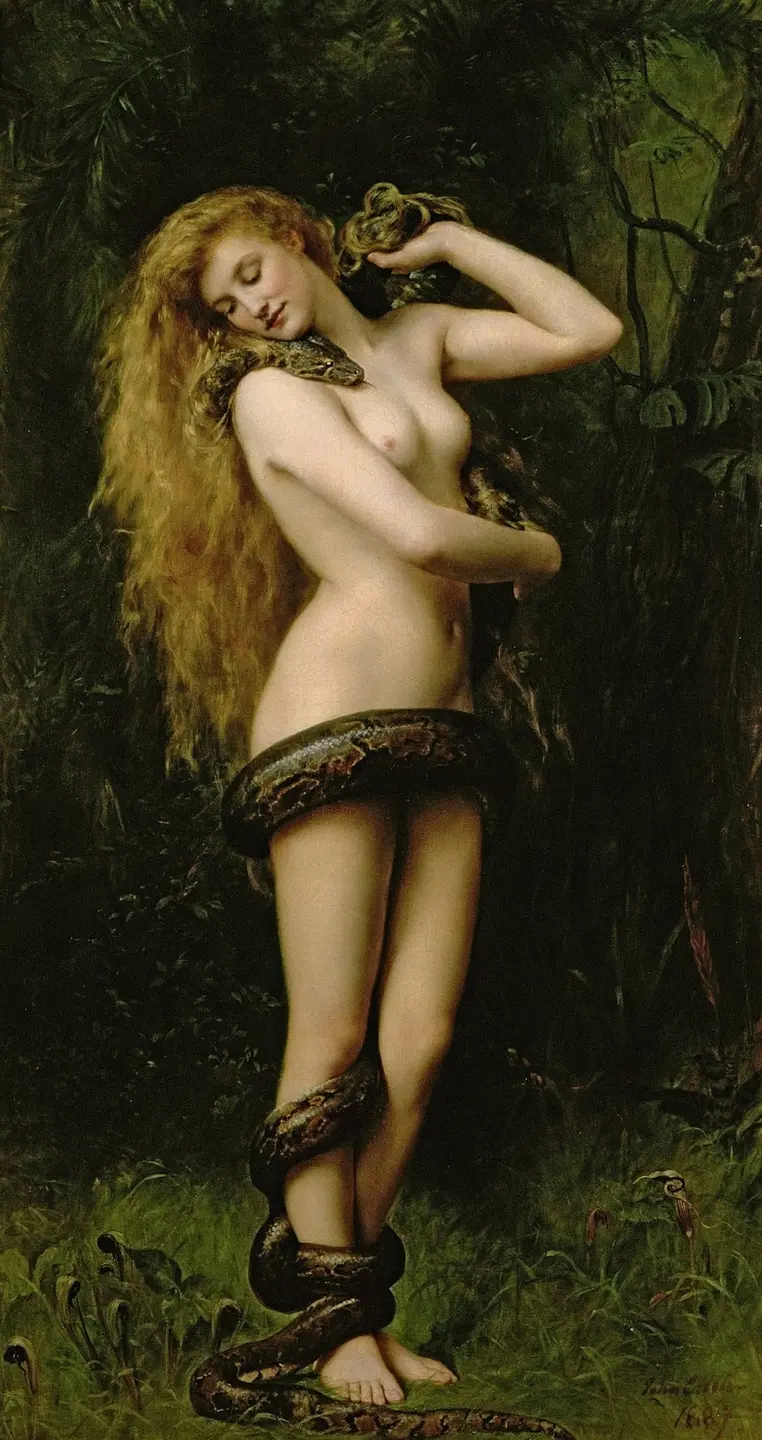
Lilith is a figure whose history spans ancient Near Eastern demonology, Jewish folklore, medieval protective magic, Kabbalah, literature, feminist reinterpretation, modern occultism, and contemporary Satanic or Luciferian religion. She is often introduced today as “Adam’s first wife,” but that familiar story is medieval rather than biblical. Earlier sources describe beings called lilith or lilin in…

The Devil is the principal personification of evil in much of Christian tradition and a major source for later Western images of Satan. The term is not identical with every historical use of Satan, nor does it describe one unchanging character across the Bible, theology, folklore, literature, art, and modern religion. In contemporary speech “the Devil” often functions as a proper name for Satan, but…
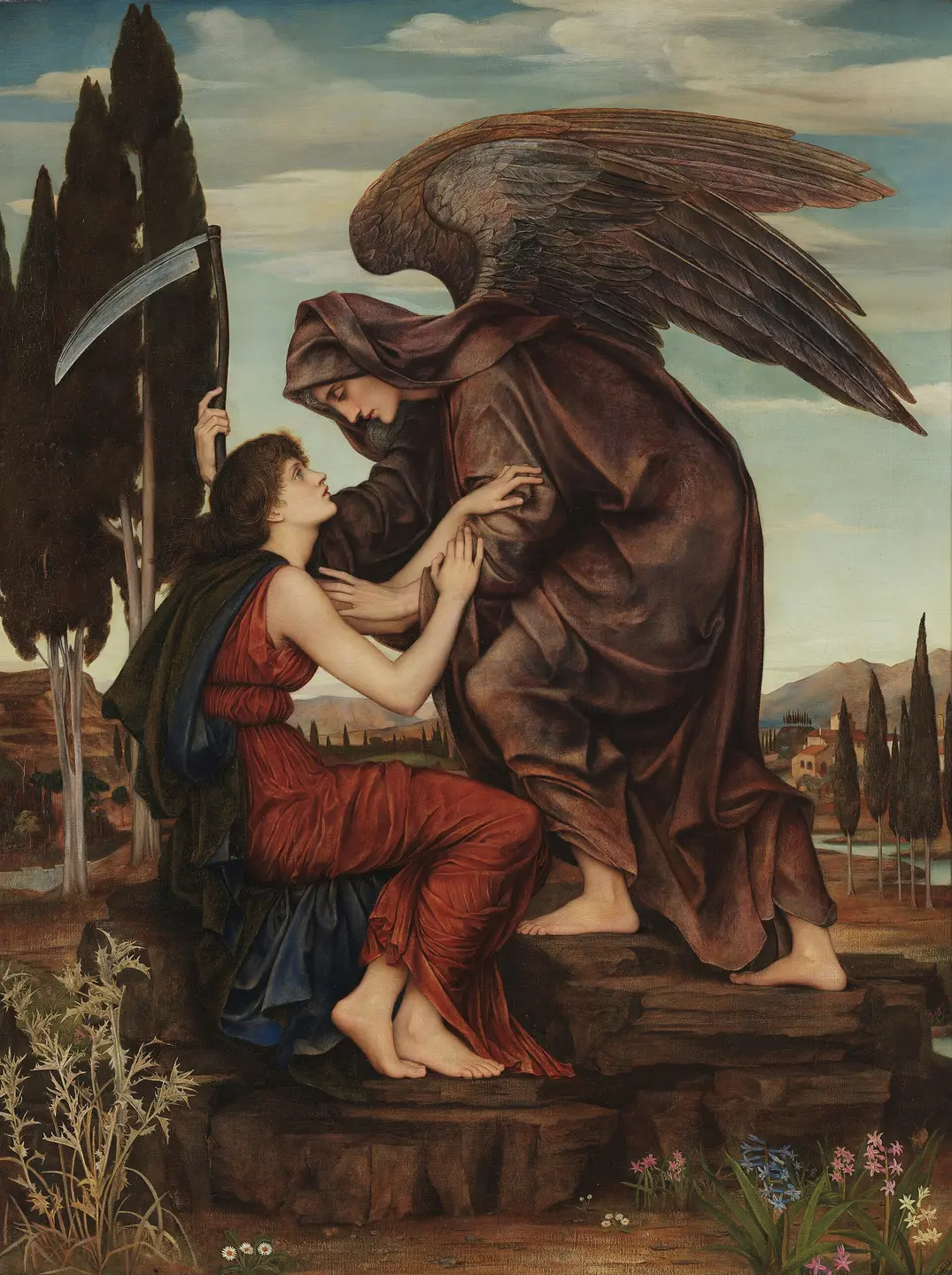
Samael appears in Jewish interpretive literature in roles that vary between texts. His relationship with Satan, the serpent, and other figures should be described source by source.
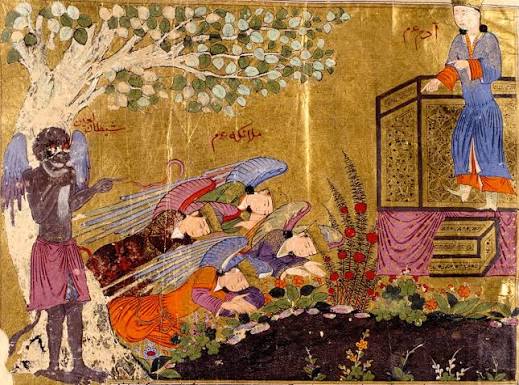
Iblis is the figure who refuses God’s command to bow to Adam in the Qur’an. Islamic commentary and Sufi literature explore his pride, his relationship to the jinn, his role as a tempter, and the meaning of his disobedience.
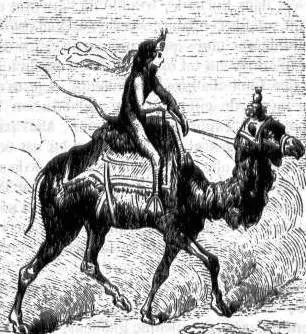
Paimon is a royal spirit described in the Ars Goetia and related literature. Musical procession and the teaching of knowledge are important elements of his received image.
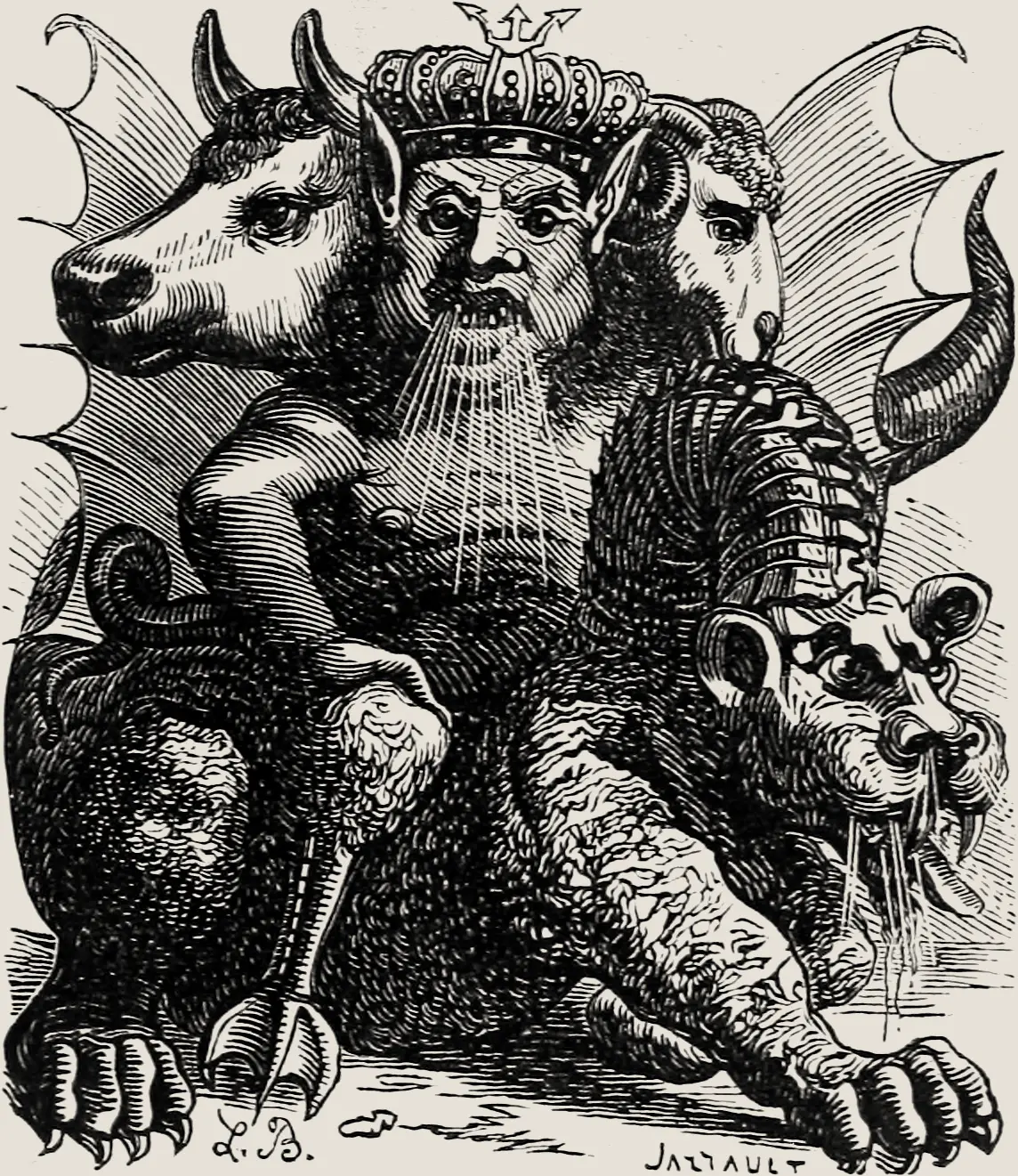
Asmodeus appears in the narrative of Tobit and in later magical and demonological literature. His different roles reflect the purposes of those texts.
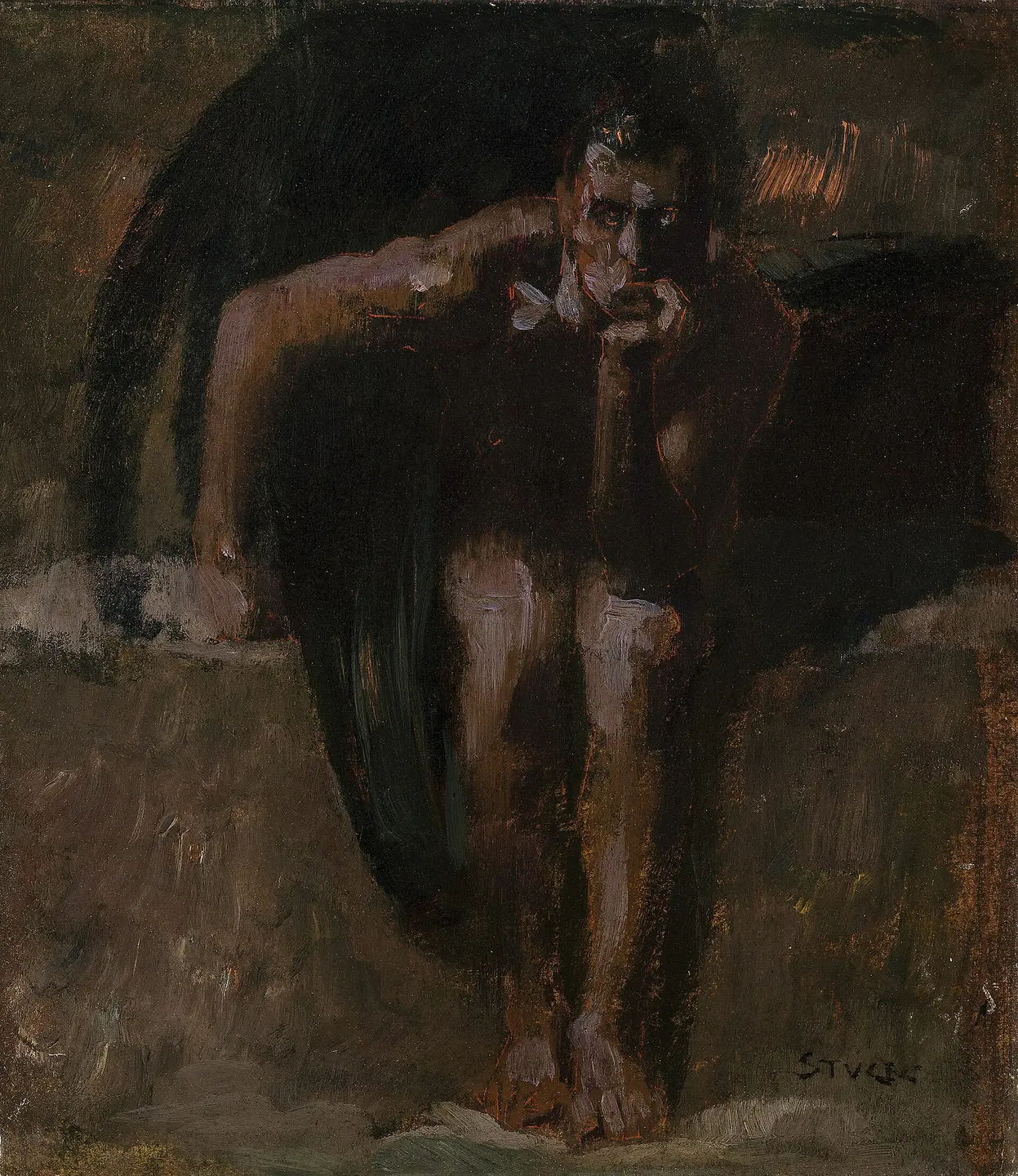
Theistic Satanism is a family of religious positions in which Satan is understood as an actually existing spiritual being, deity, intelligence, or metaphysical presence, rather than only a literary symbol or political metaphor. It is not a single church or creed. The term is best used as an umbrella for practitioners and groups whose beliefs differ on the nature of Satan, the status of other spirits,…
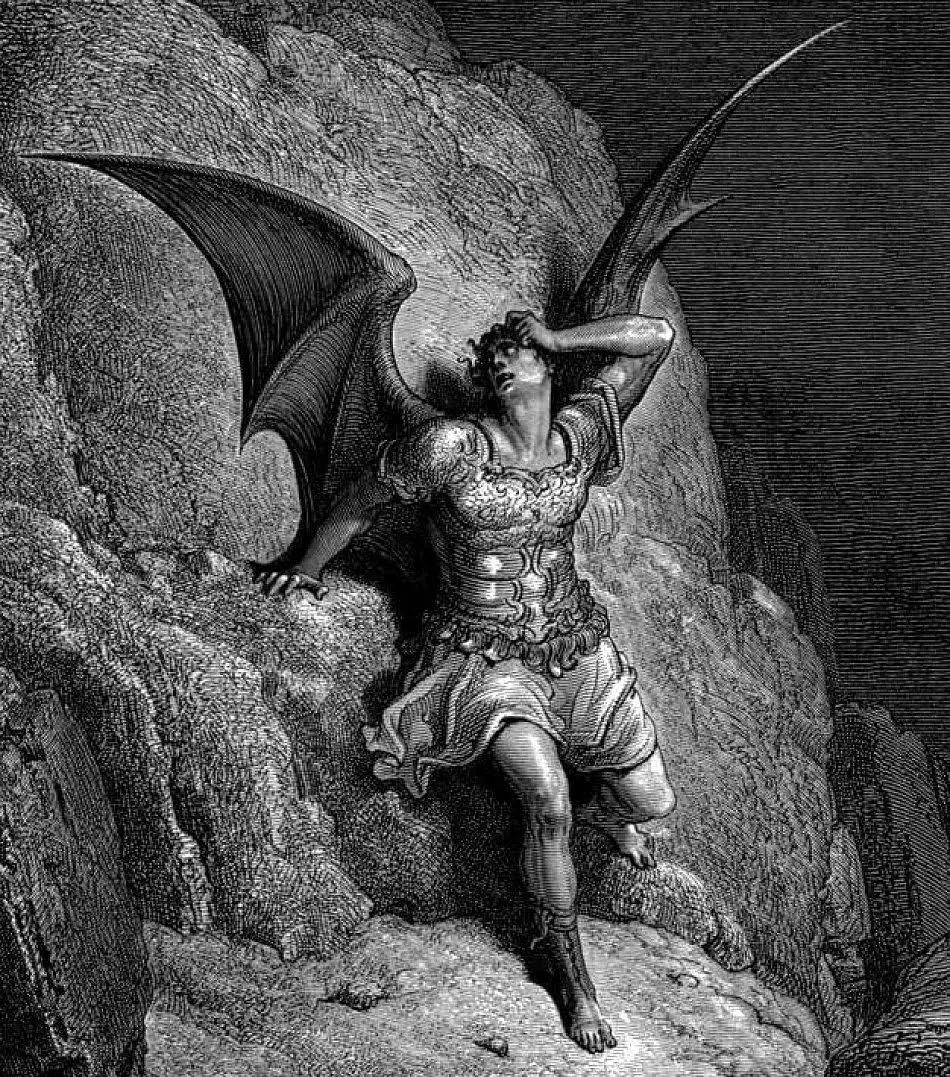
Satan is a figure whose meaning has changed substantially across Jewish, Christian, Islamic, literary, esoteric, and modern Satanic contexts. In contemporary theistic Satanism, Satan may be understood as a real deity, spirit, adversary, initiator, or metaphysical intelligence. Those modern interpretations draw on, but are not identical with, the much older history of the word and character.
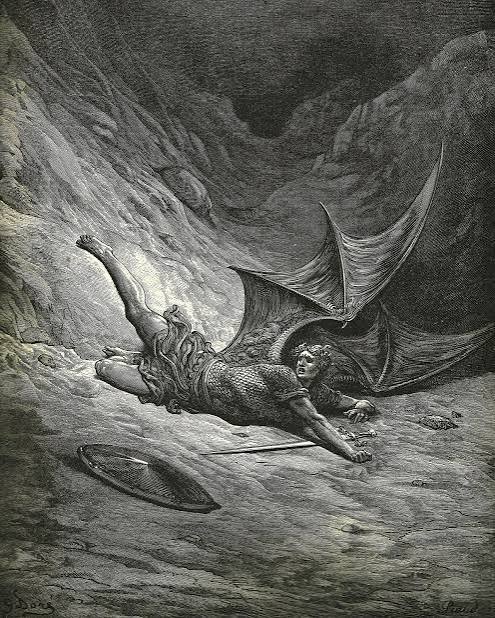
Modern theistic Satanism refers to contemporary religious currents in which Satan is understood as an independently real deity, spirit, intelligence, or metaphysical presence and is approached through devotion, ritual, prayer, magic, contemplation, or other religious practices. It is part of the wider field of modern Satanism but differs from explicitly non-theistic movements that use Satan primarily as…
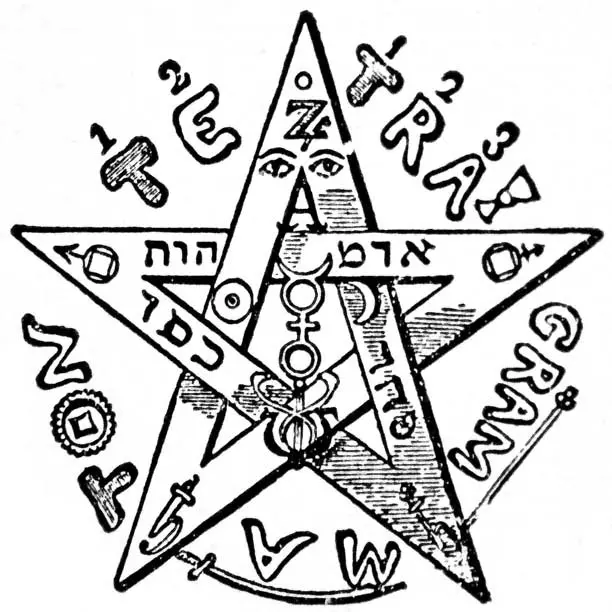
Occultism and Western esotericism provide an important historical and intellectual background for many forms of modern Satanism, but neither term is a synonym for Satanism. Western esotericism is an academic field encompassing currents such as Renaissance Hermetism, alchemy, astrology, Christian theosophy, Kabbalistic reception, Rosicrucianism, ceremonial magic, spiritualism, occultism, and later…
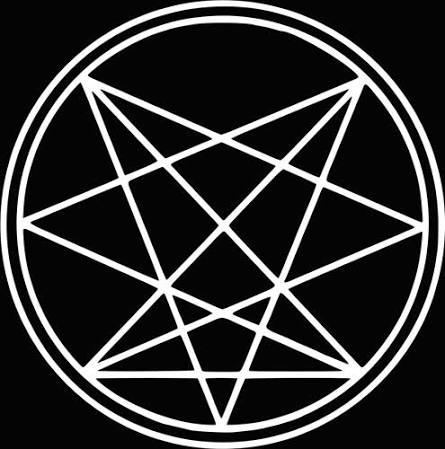
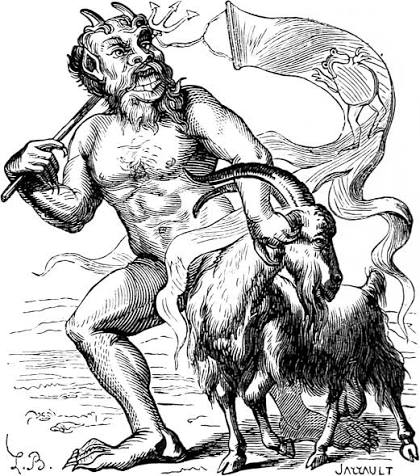
Azazel is a figure associated with the Day of Atonement in Leviticus, a rebellious Watcher in 1 Enoch, and a demonological and occult figure in later traditions. This article traces the development of Azazel from ancient Jewish texts through later demonology and modern Satanic interpretations.
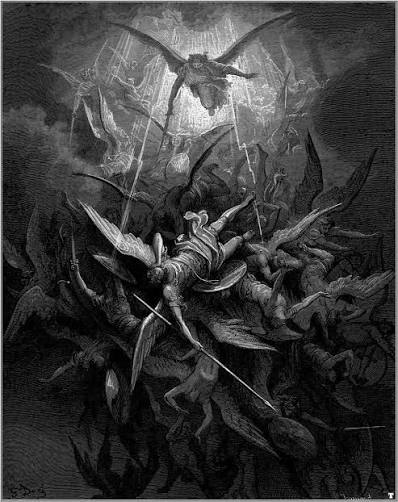
The Book of Giants names a fragmentary Jewish Enochic work represented at Qumran and a related Manichaean adaptation. Its surviving witnesses concern the offspring of the Watchers, ominous dreams, Enoch, and impending judgment.

An introduction to contemporary Pagan traditions, including Wicca, Druidry, and Heathenry, and their different uses of older sources.
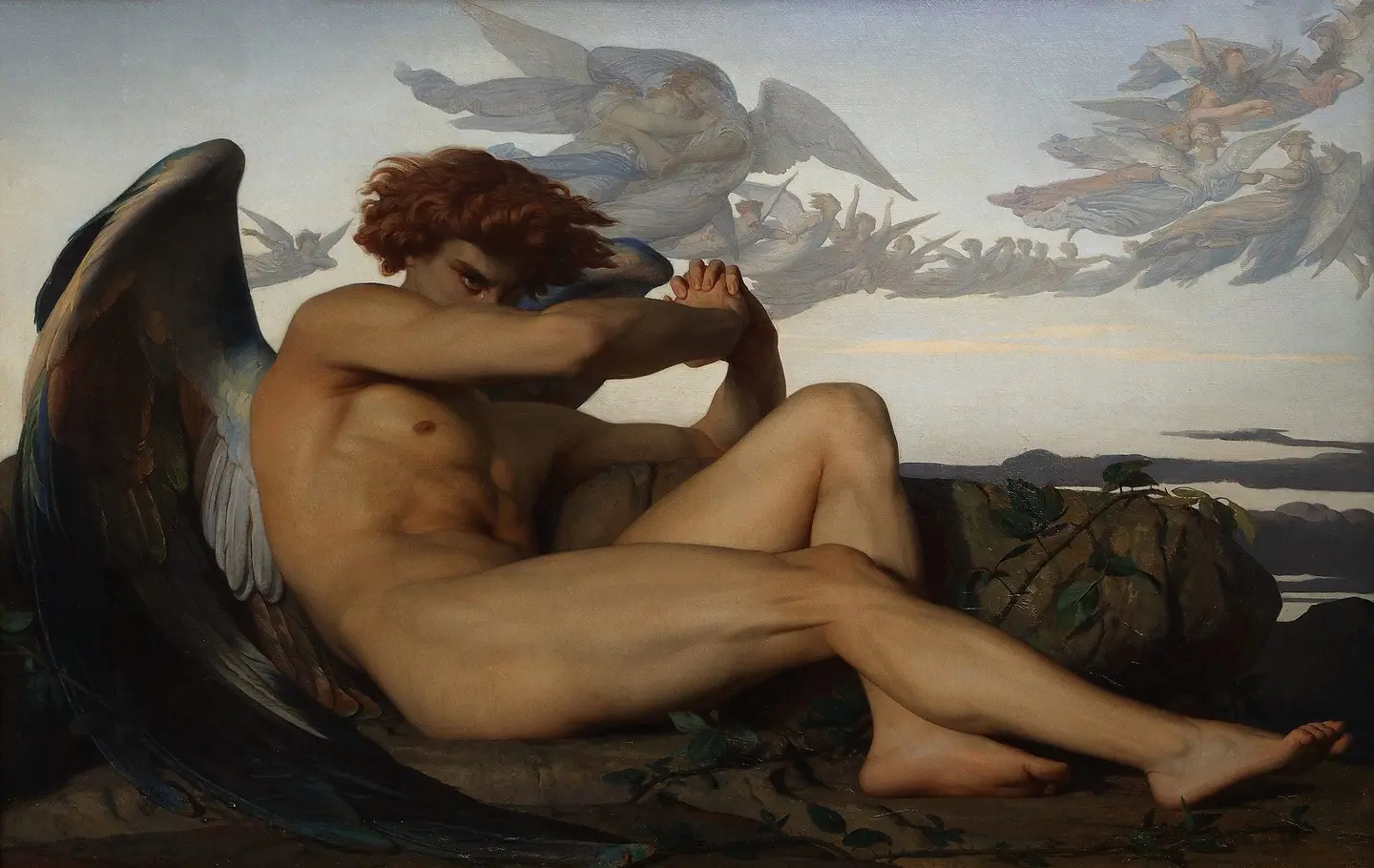
Lucifer is a name whose religious meaning developed from an ancient expression for the morning star into one of the best-known names associated with the Devil, fallen angels, occult illumination, and modern Luciferian religion. The word itself is Latin: lūcifer means “light-bringer” or “light-bearer” and was used for the planet Venus when it appeared before sunrise. The later equation “Lucifer = Satan”…
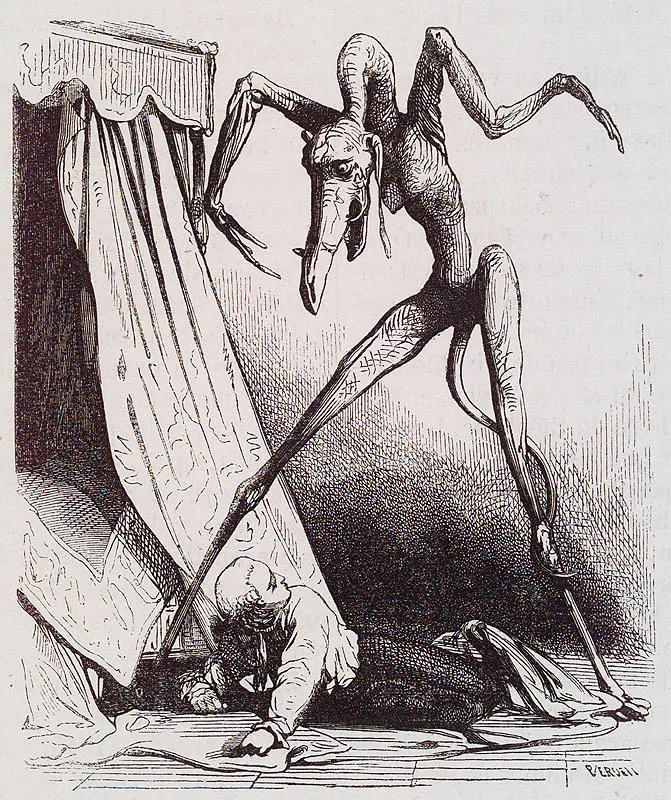
Demonology is the study, classification, and interpretation of demons and related spirits. In Western religious history it has included theological arguments about the nature and powers of demons, lists of named spirits, explanations of possession and temptation, magical techniques for summoning or constraining spirits, and folklore about dangerous supernatural beings. Modern theistic Satanists and…
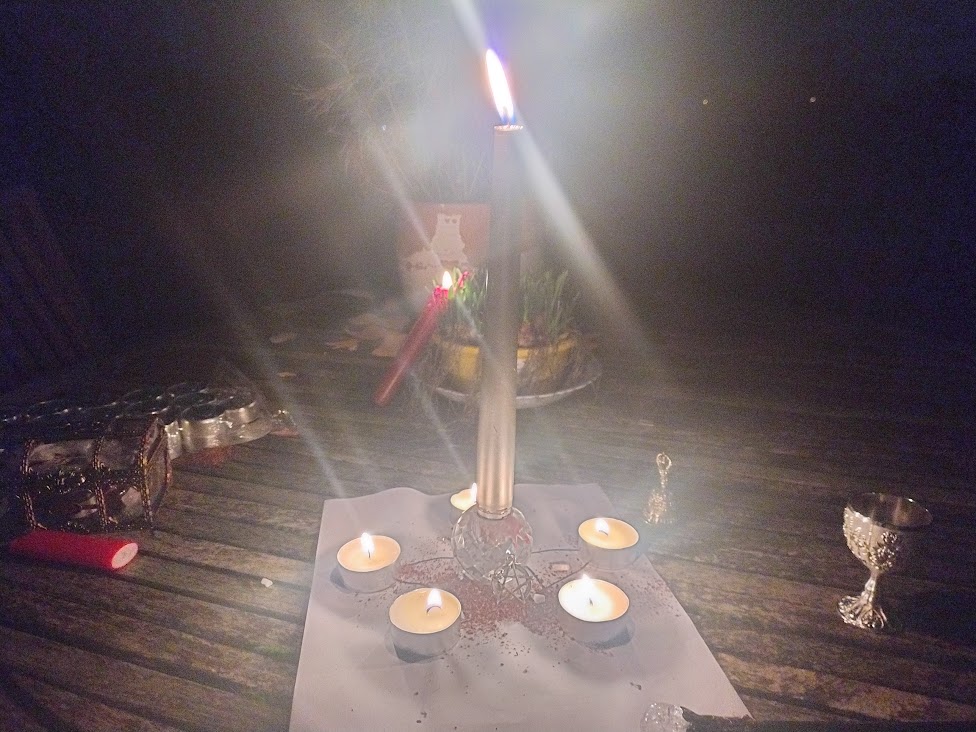
Ritual is patterned action given special religious, symbolic, social, or transformative significance. Ritual can mark time, establish sacred space, communicate with a deity, express commitment, create community, memorialize the dead, enact a transition, or focus attention on a chosen purpose. In theistic Satanism, ritual commonly includes devotional action directed toward Satan or other spirits…
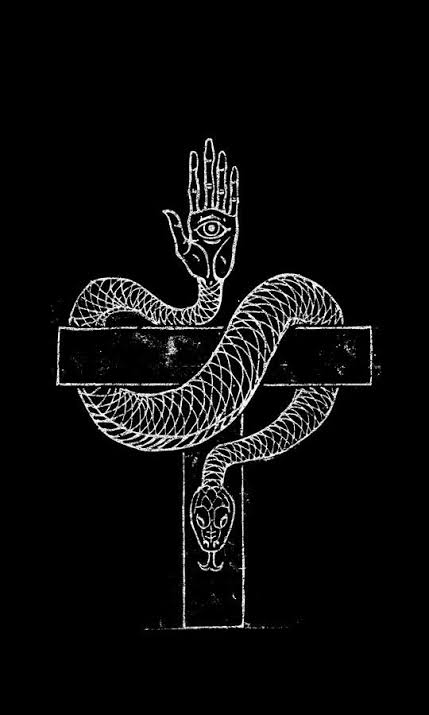
The left-hand path is a modern esoteric category used for religious and magical currents that emphasize themes such as individual self-direction, antinomianism, self-deification, initiatory transformation, or deliberate engagement with symbols rejected by dominant religious culture. It overlaps with some forms of Satanism, Luciferianism, Setianism, and modern occultism, but the terms are not synonymous.