Demonology & Spirits
Cimejes
A mounted Goetic marquis associated with grammar, rhetoric, logic, and hidden treasure.
A mounted Goetic marquis associated with grammar, rhetoric, logic, and hidden treasure.
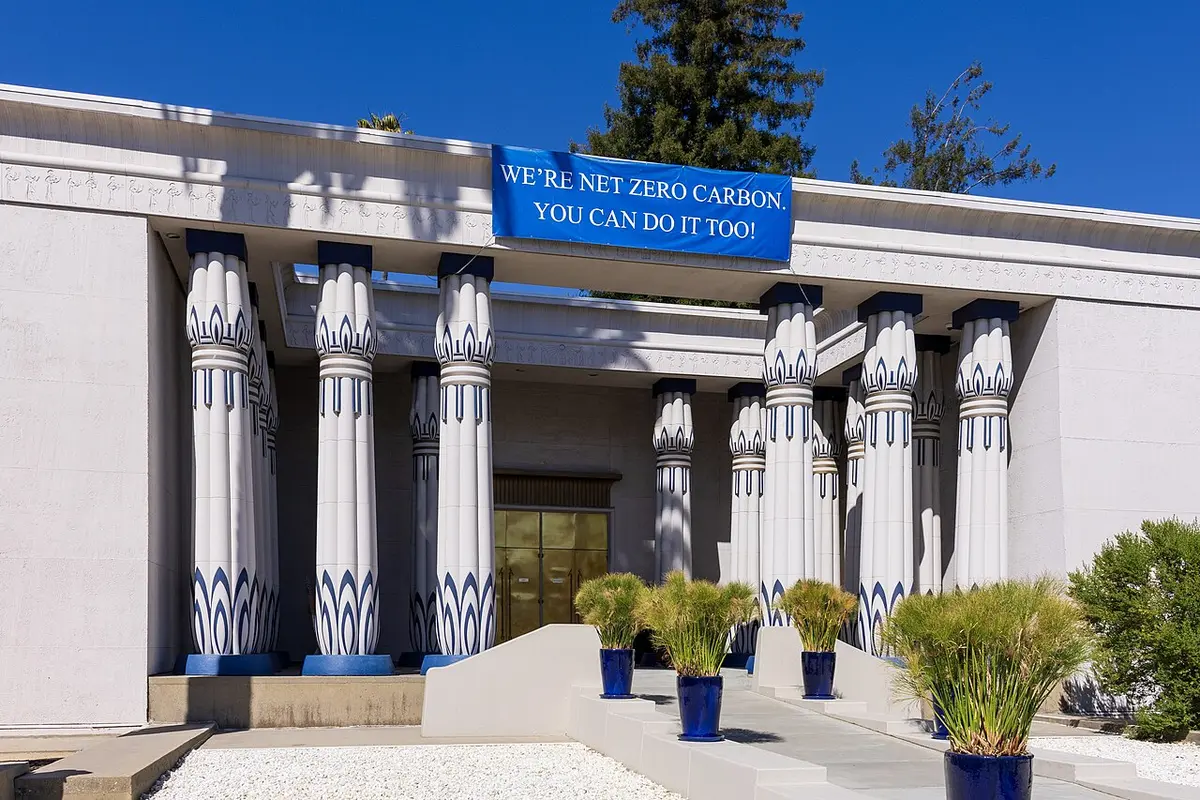
A modern Rosicrucian organization, usually called AMORC, that teaches through lessons and local study groups.
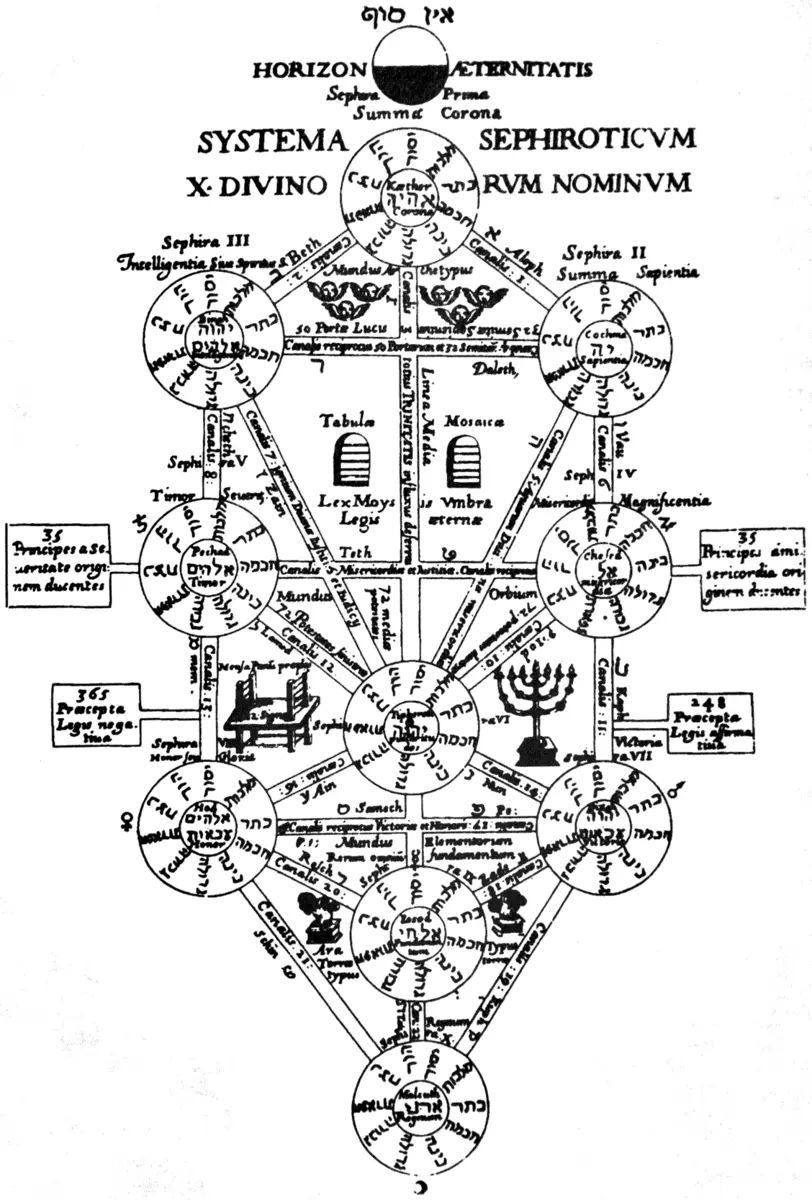
Western esoteric systems that adapt Kabbalistic ideas through ritual, correspondence tables, and symbolic interpretation.

A modern umbrella term for several ancient religious movements and texts concerned with saving knowledge and divine origins.
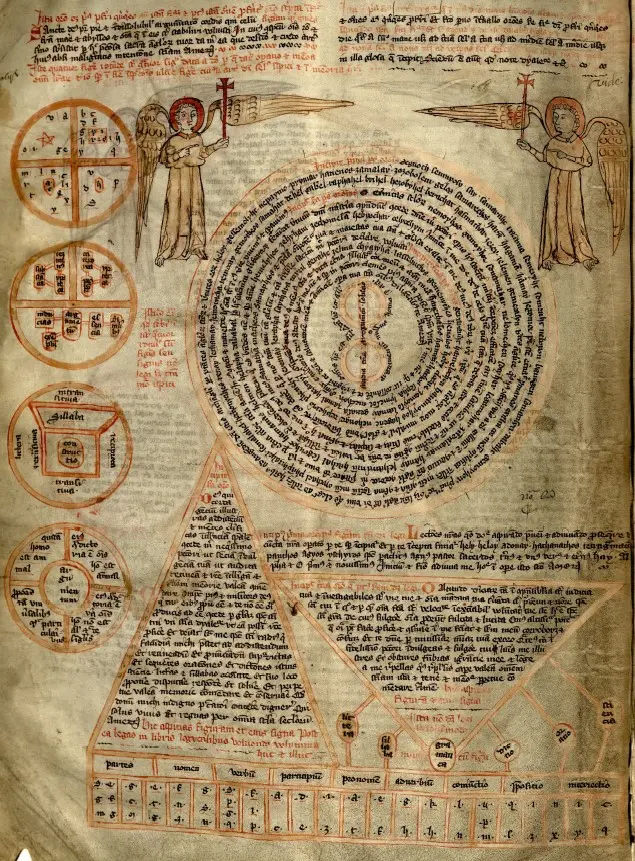
A medieval art of prayer and contemplation intended to confer learning, memory, and eloquence.

A grimoire of angelic conjuration organized around the seven days of the week.
A retelling of Genesis and early Exodus arranged through jubilees, with angelic revelation, calendar teaching, and expanded narratives.

An early Christian revelation dialogue preserved in Coptic, known from the manuscript called Codex Tchacos.
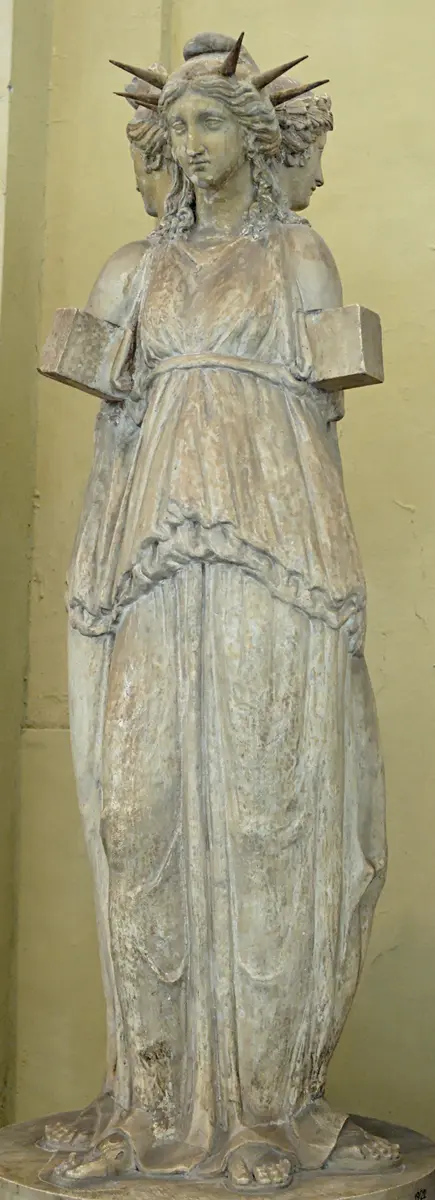
A Greek goddess with broad early powers and later associations with crossroads, spirits, and magic.
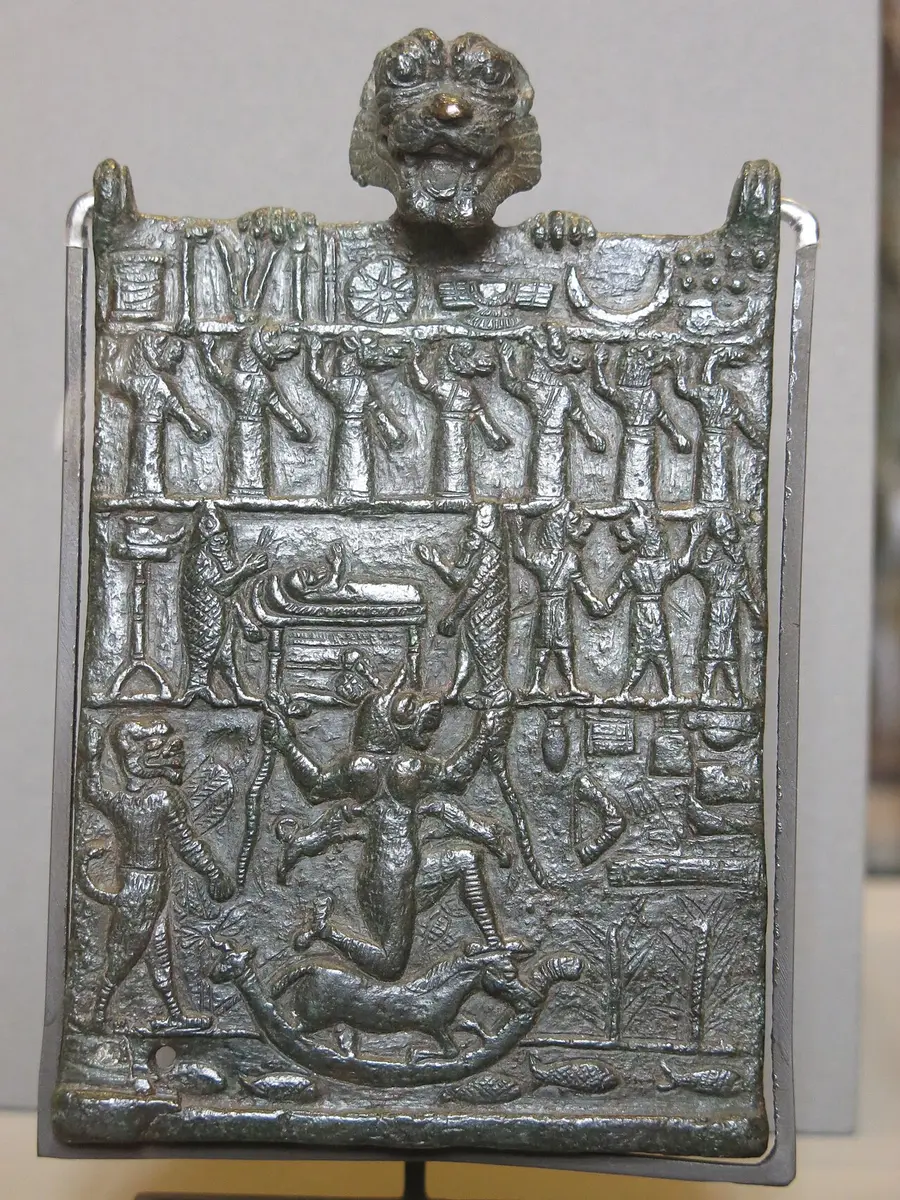
A Mesopotamian harmful female power represented on amulets and plaques intended to repel her.
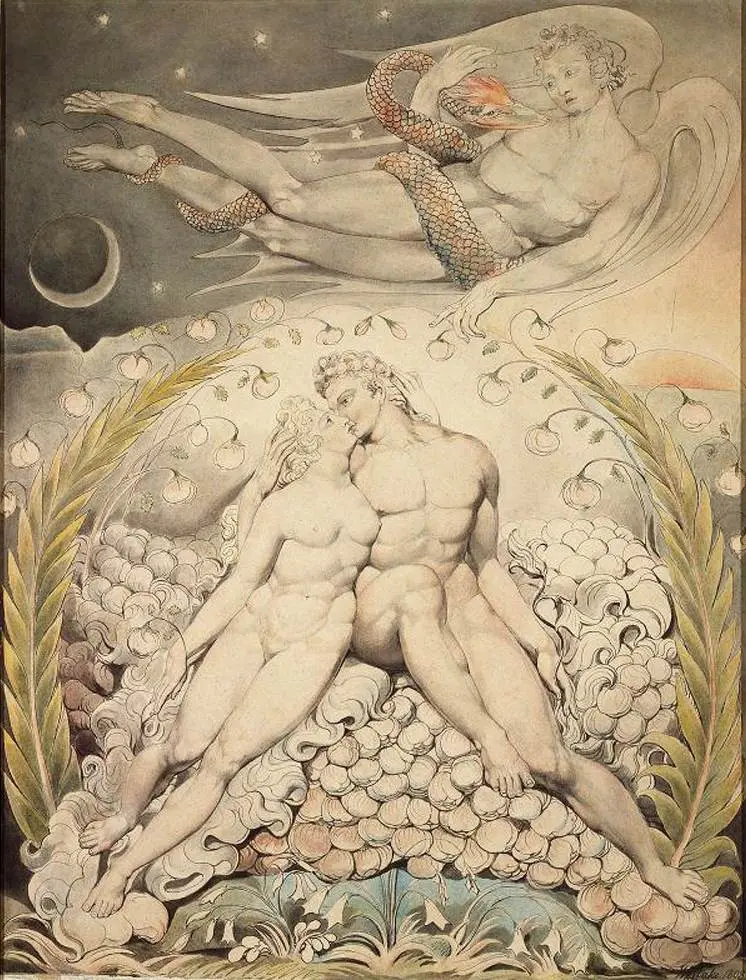
Religions that give Satan a central symbolic or divine role, with substantial differences in belief and practice.

A marked ritual space whose names, divisions, and purpose differ among magical texts and modern traditions.
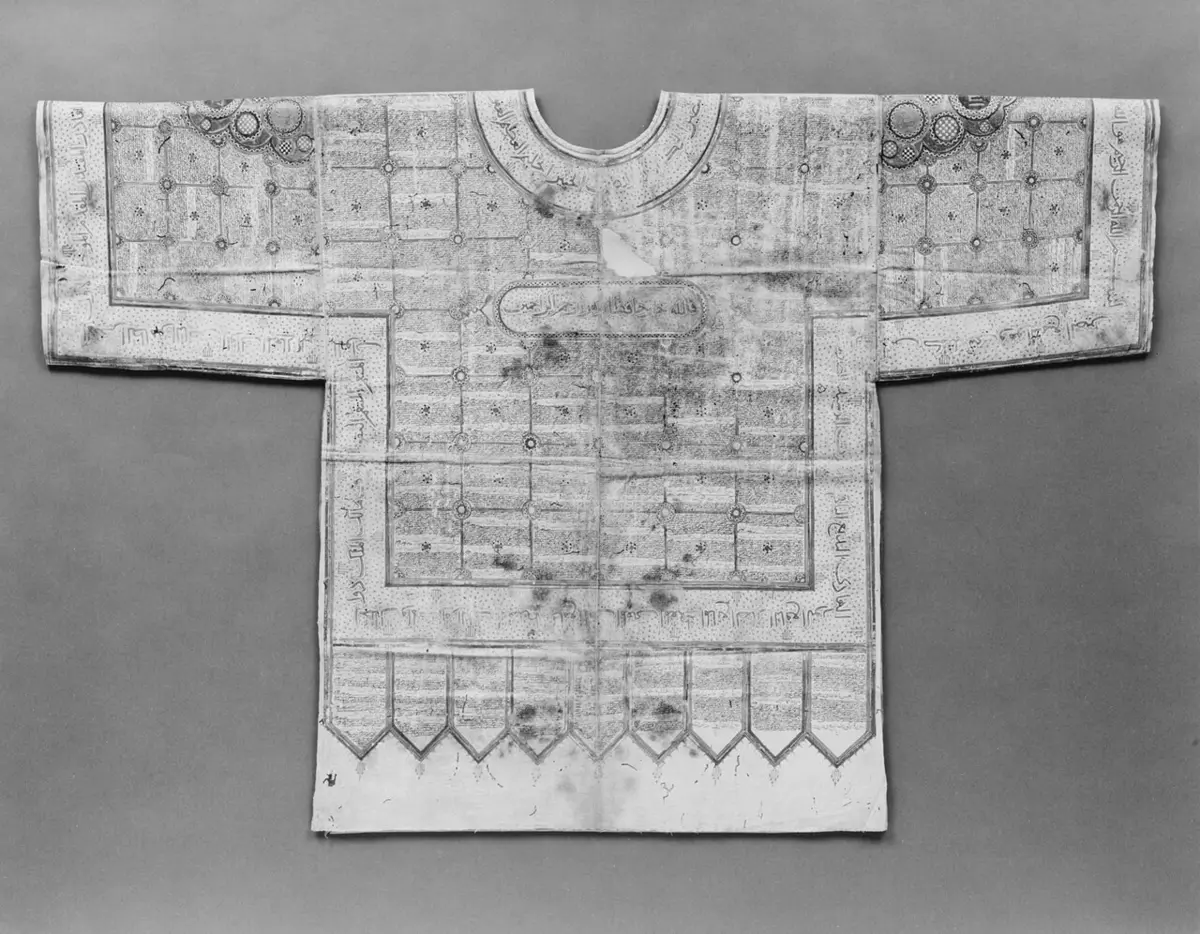
Objects prepared or used for a particular effect through inscriptions, images, materials, and ritual meaning.
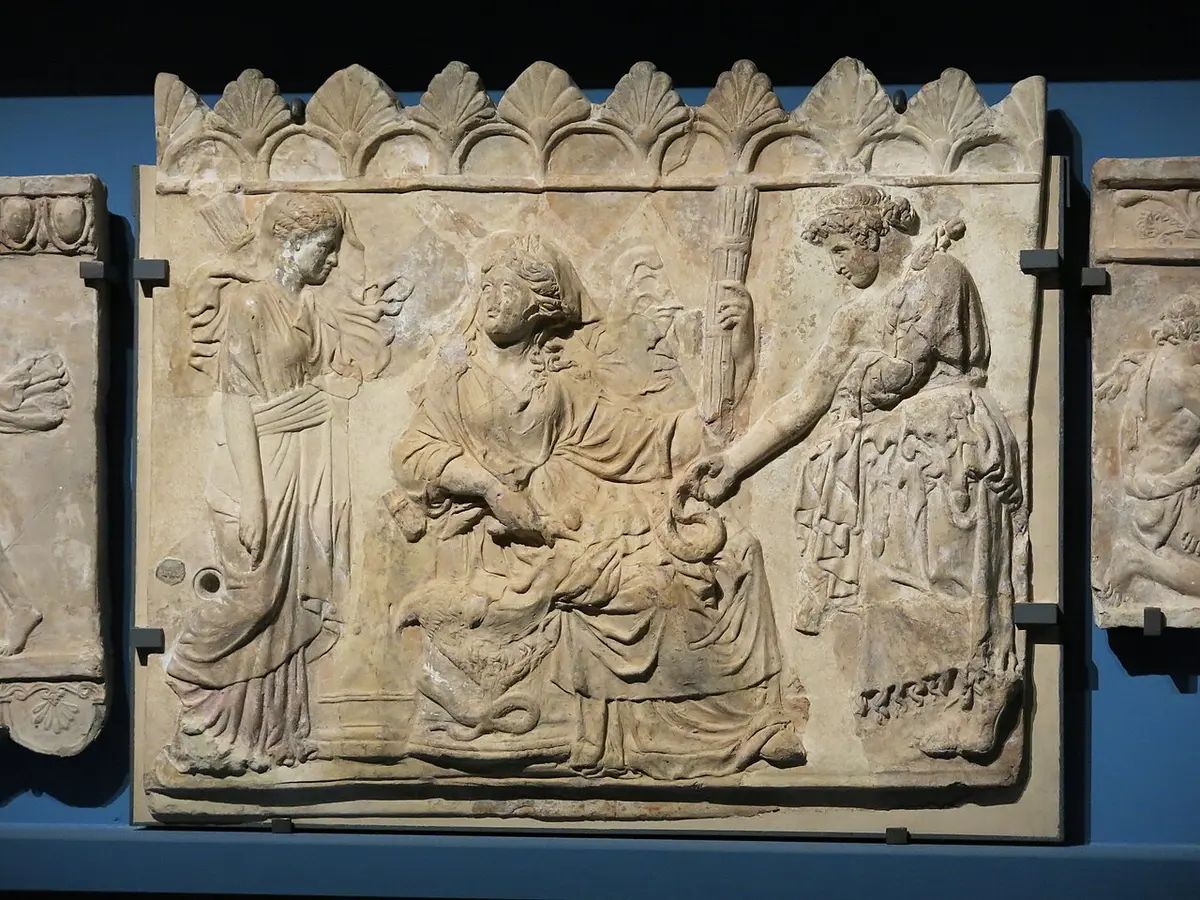
Entry into a religious or esoteric path through ceremony, instruction, recognition, and lived development.
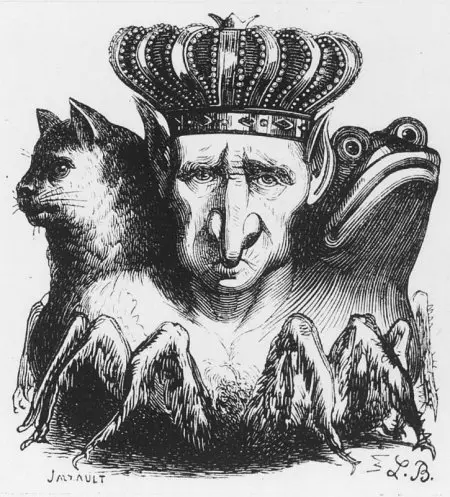
Bael is a ranked spirit in early modern magical catalogues. The Goetic figure should be distinguished from the wider use of the ancient title Baal.
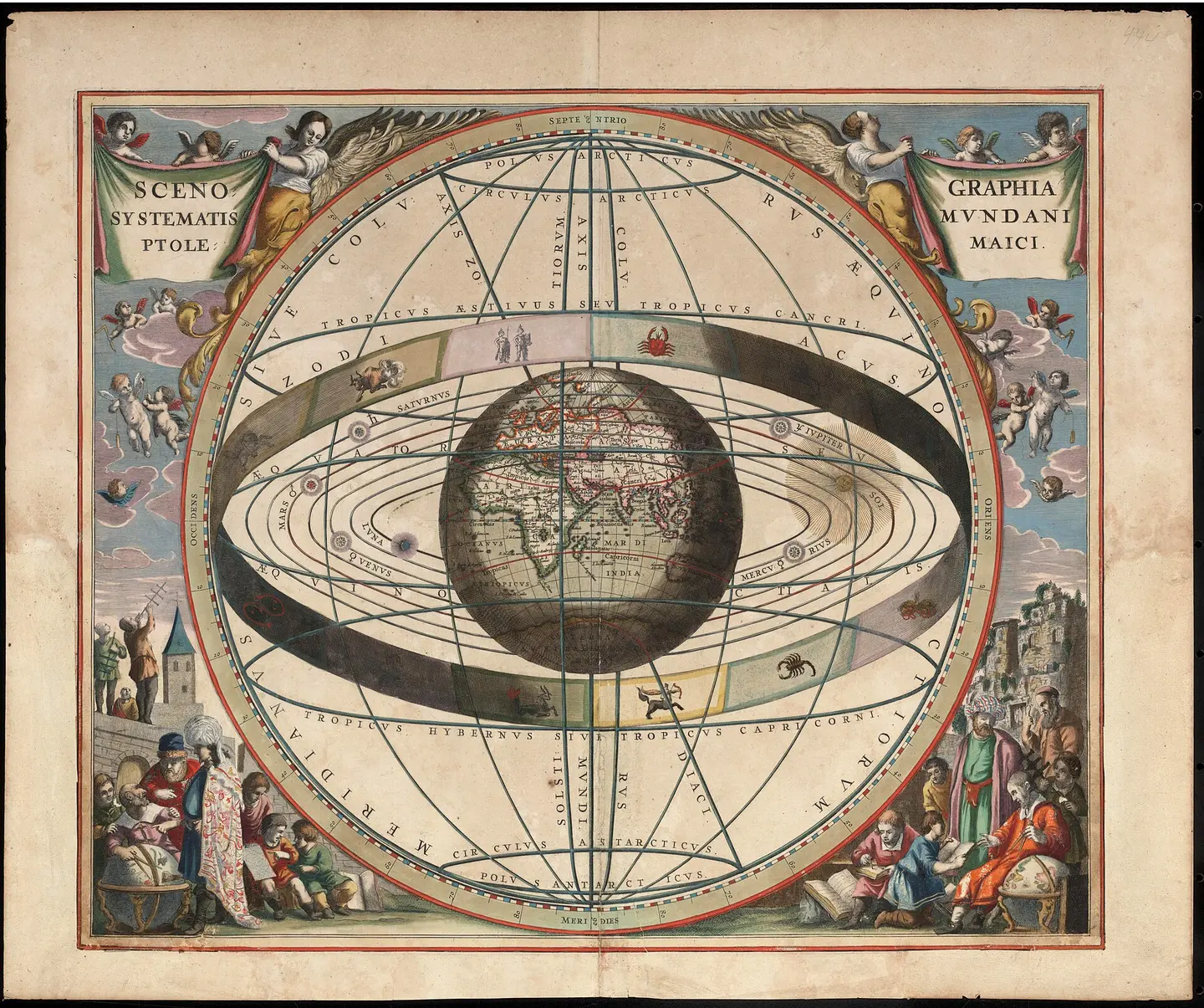
Astrology has supplied language and organizing systems to Western esoteric texts. Its historical role should be distinguished from demonstrated predictive effectiveness.
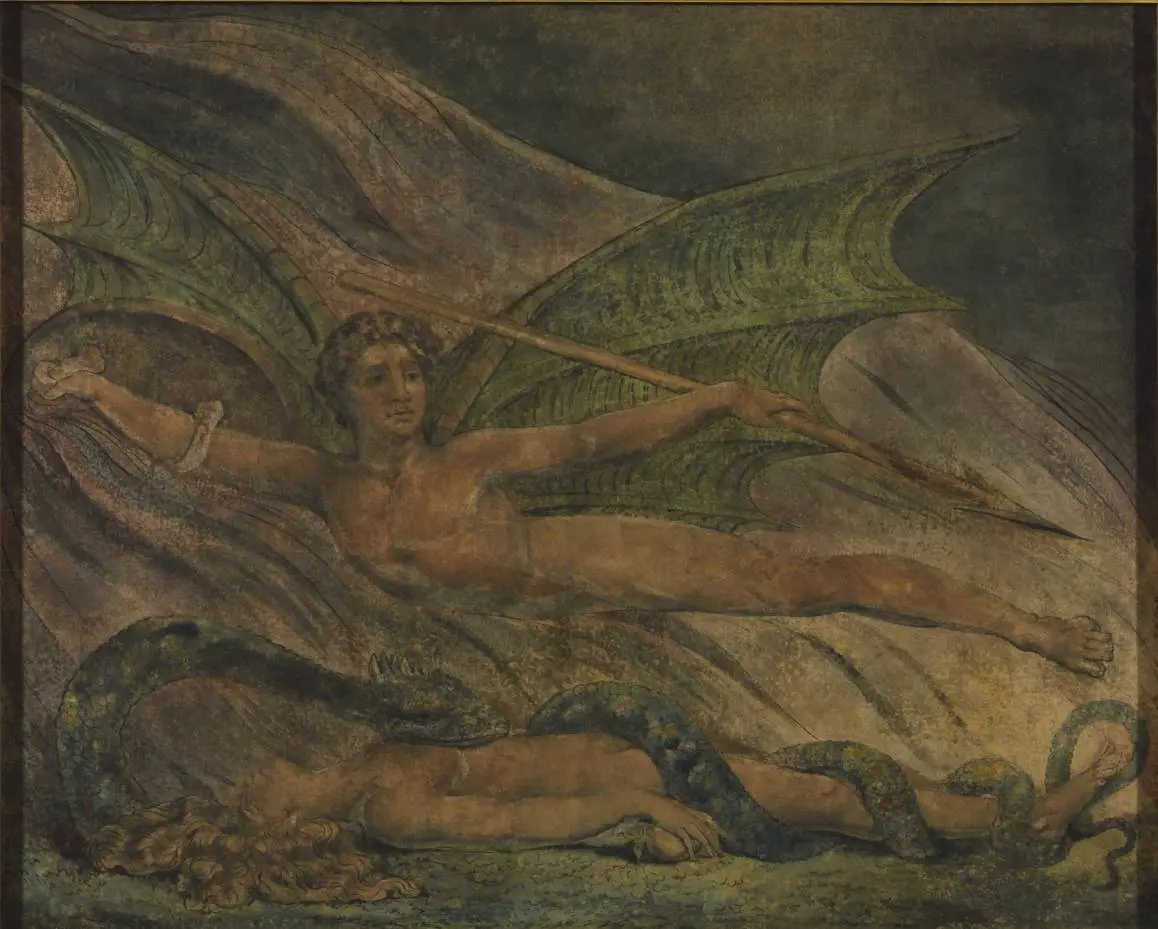
Romantic Satanism concerns literary and political readings that give Satan a positive role in opposition to tyranny or conventional authority. It should be distinguished from membership in a religious organization.

The Satanic Panic refers to a wave of allegations concerning organized Satanic abuse, especially in the late twentieth century. Actual evidence of harm must be distinguished from expansive conspiracy claims.
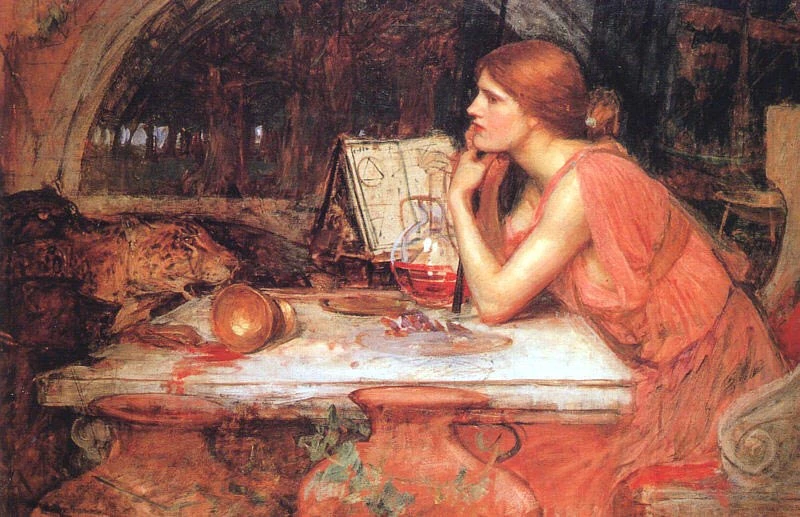
Ceremonies intended to clear, delimit, or reorder a ritual setting, with methods that vary by tradition.