
History
Michael Aquino
A founder and major author of the Temple of Set, associated with the modern Setian interpretation of Xeper.
A founder and major author of the Temple of Set, associated with the modern Setian interpretation of Xeper.
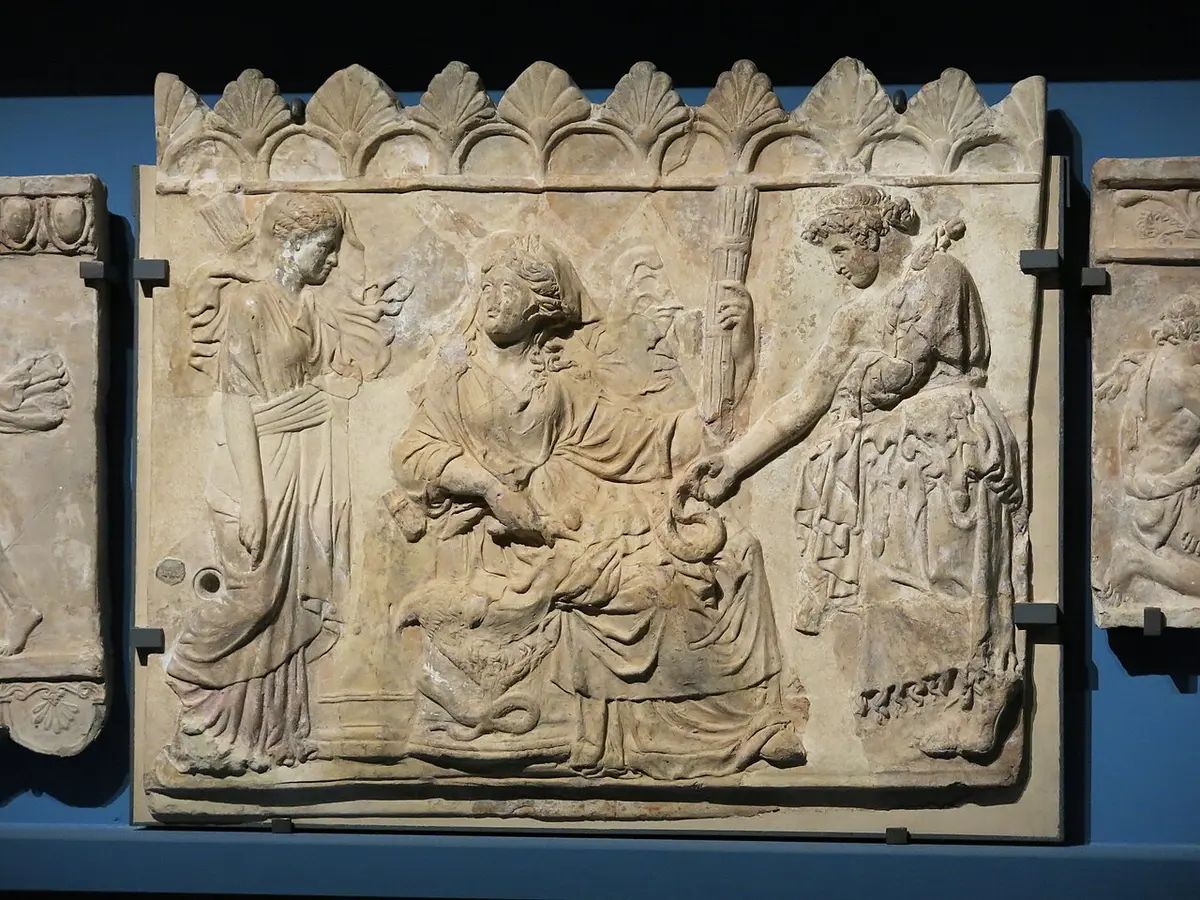
Entry into a religious or esoteric path through ceremony, instruction, recognition, and lived development.

A divinatory or visionary practice involving a reflective surface, crystal, or other focus for reported images and messages.
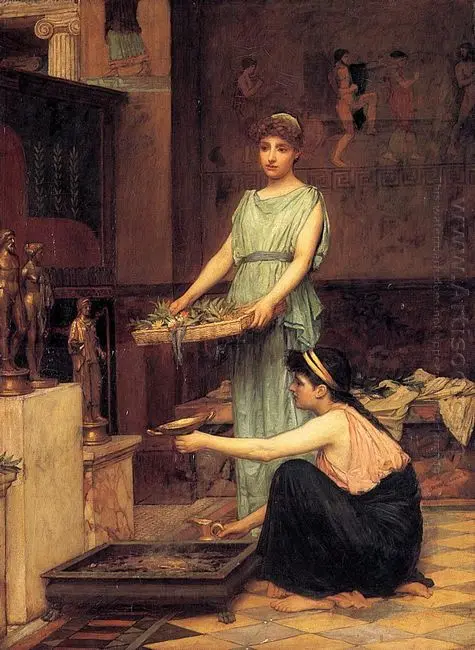
Offerings are objects, substances, actions, or works intentionally presented to a deity, spirit, sacred power, or religious community. Across religious history offerings have included food, drink, incense, flowers, animal sacrifice, money, vows, music, labor, art, and acts of service. In theistic Satanism, offerings are commonly used to express devotion, gratitude, hospitality, dedication, or…
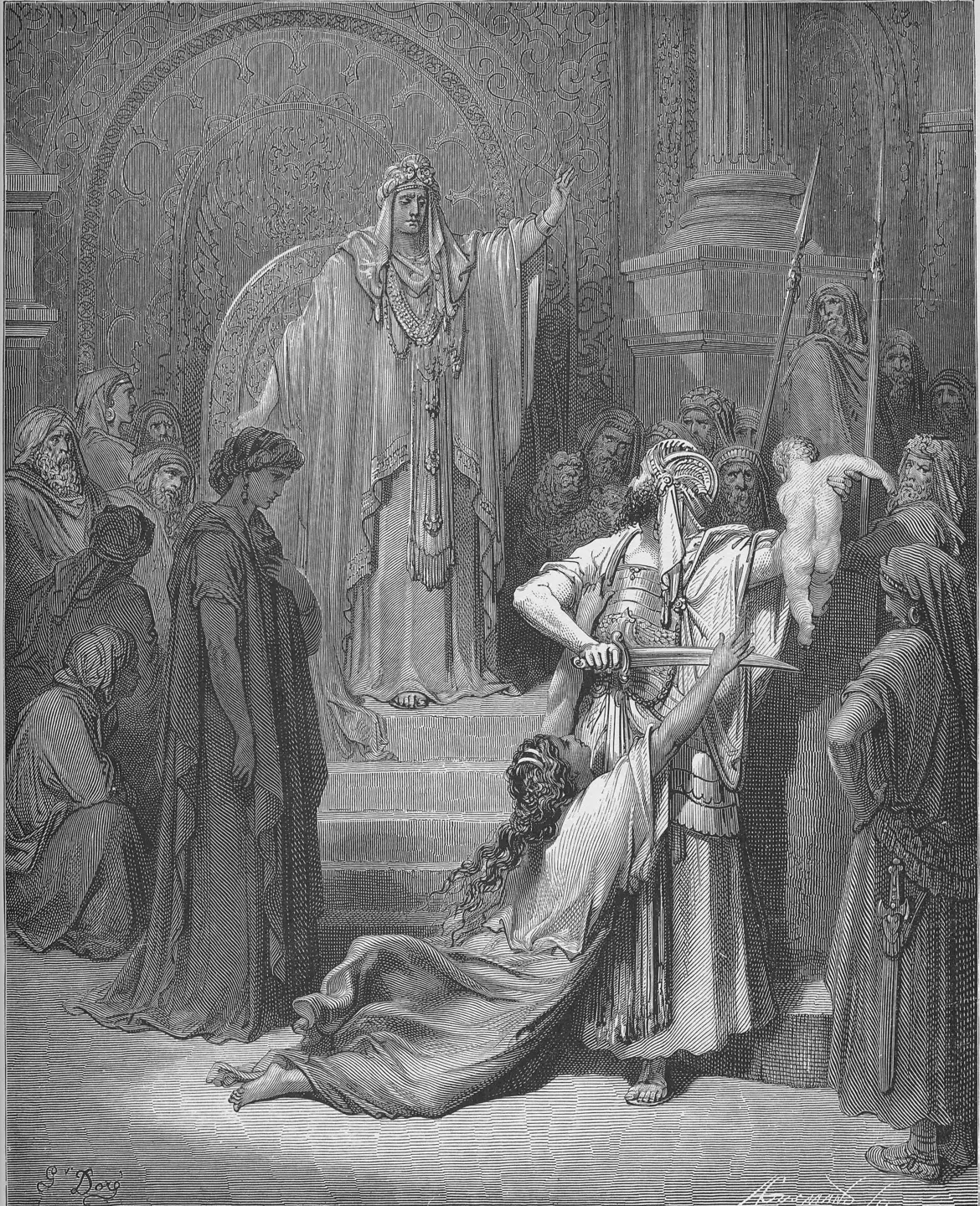
Solomon’s name supplies authority to several magical and religious works. Attribution to the king must be distinguished from the date and authorship of the surviving text.
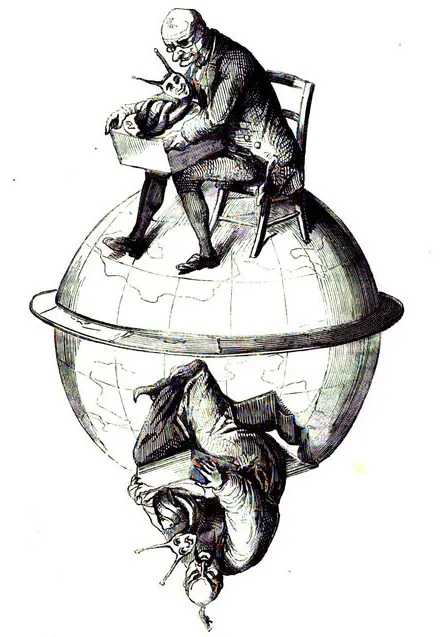
Collin de Plancy’s Dictionnaire infernal gathered supernatural traditions in a dictionary format. Its 1863 entries and illustrations remain influential in modern depictions of spirits.
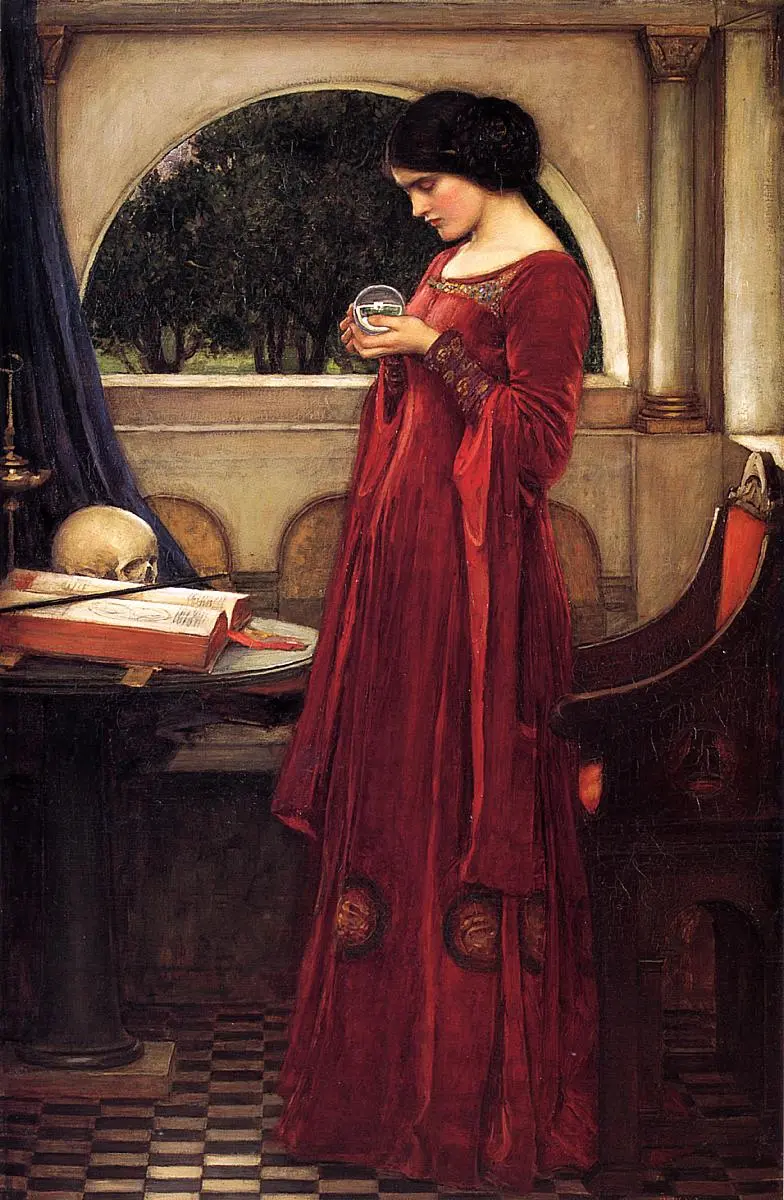
Divination consists of practices that interpret signs as answers, indications, or guidance. Methods differ in their religious assumptions and in the kinds of claims they make.
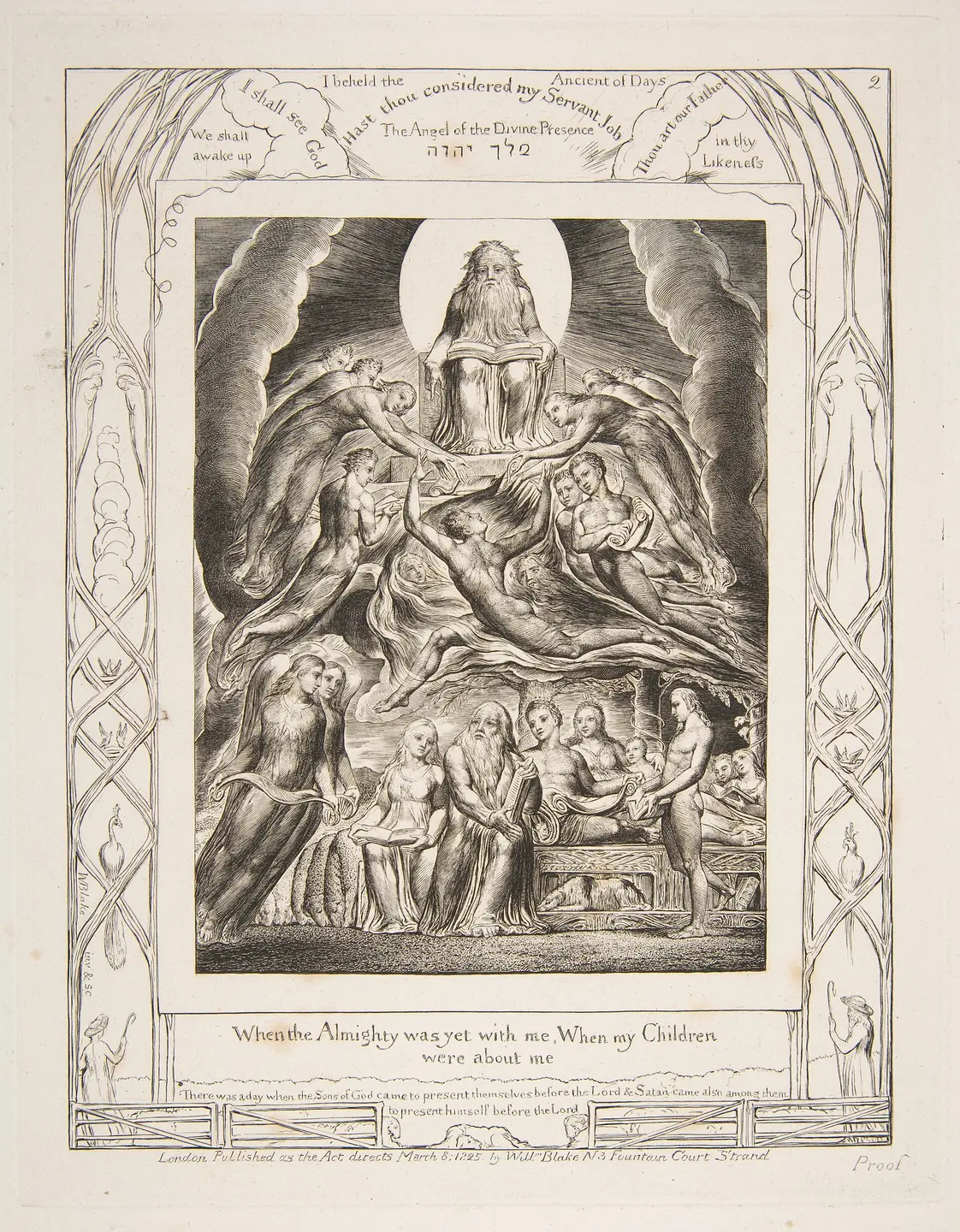
Job 1–2 presents Satan in a heavenly assembly and in a dispute about Job’s righteousness. The passage should be read before later accounts of Satan’s origins are supplied.
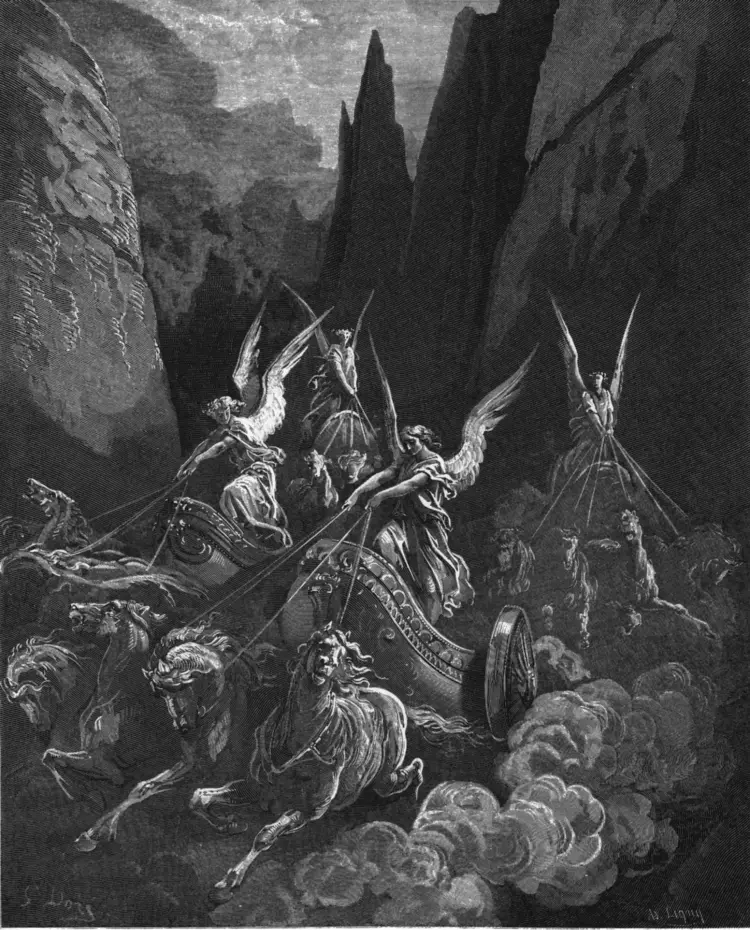
Zechariah 3 presents Satan accusing Joshua the high priest within a vision of judgment and restoration. The scene has a specific religious and literary purpose.
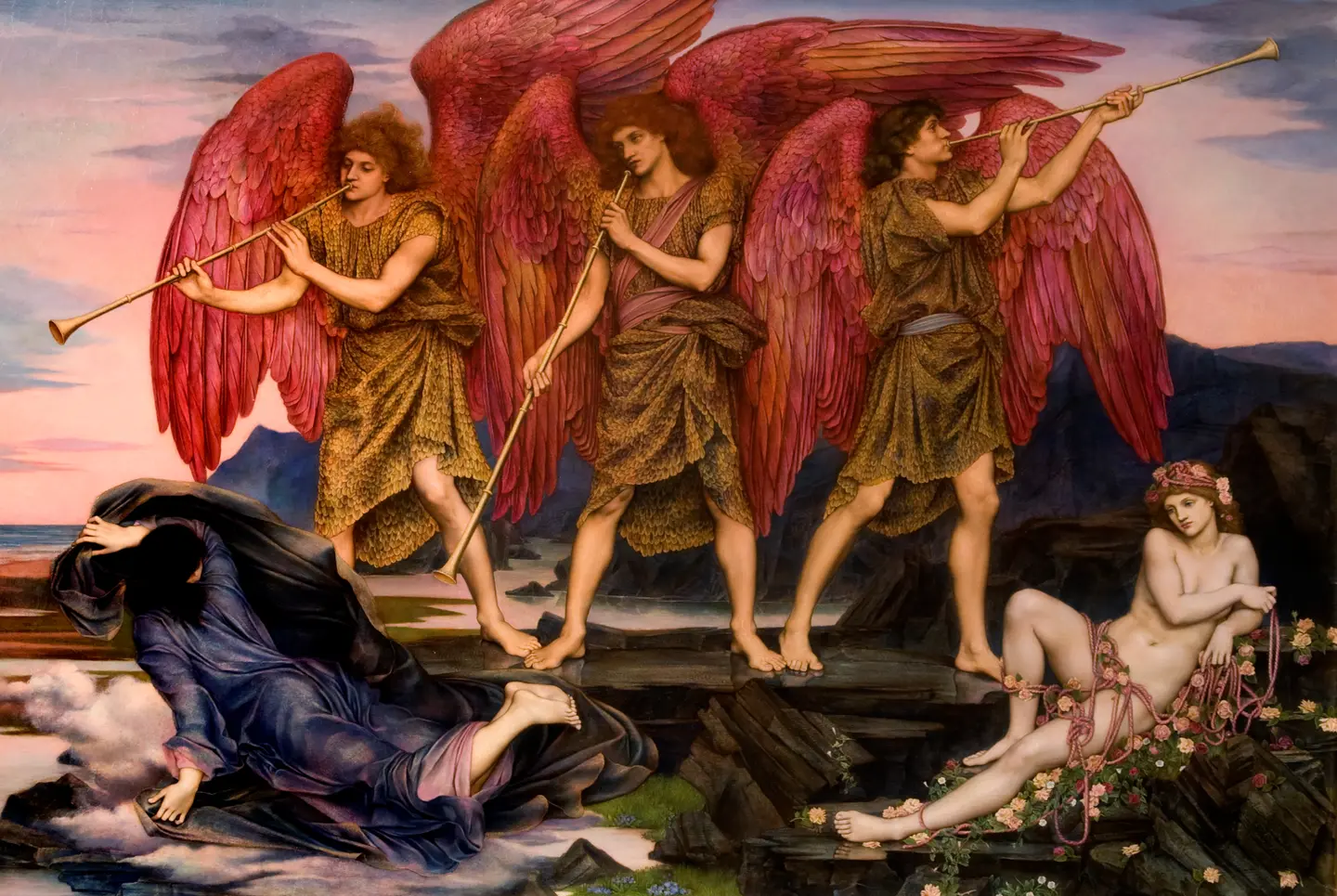
Isaiah 14 addresses the downfall of a ruler through an image of a fallen morning star. Later religious interpretations connect the passage with Lucifer and Satan.
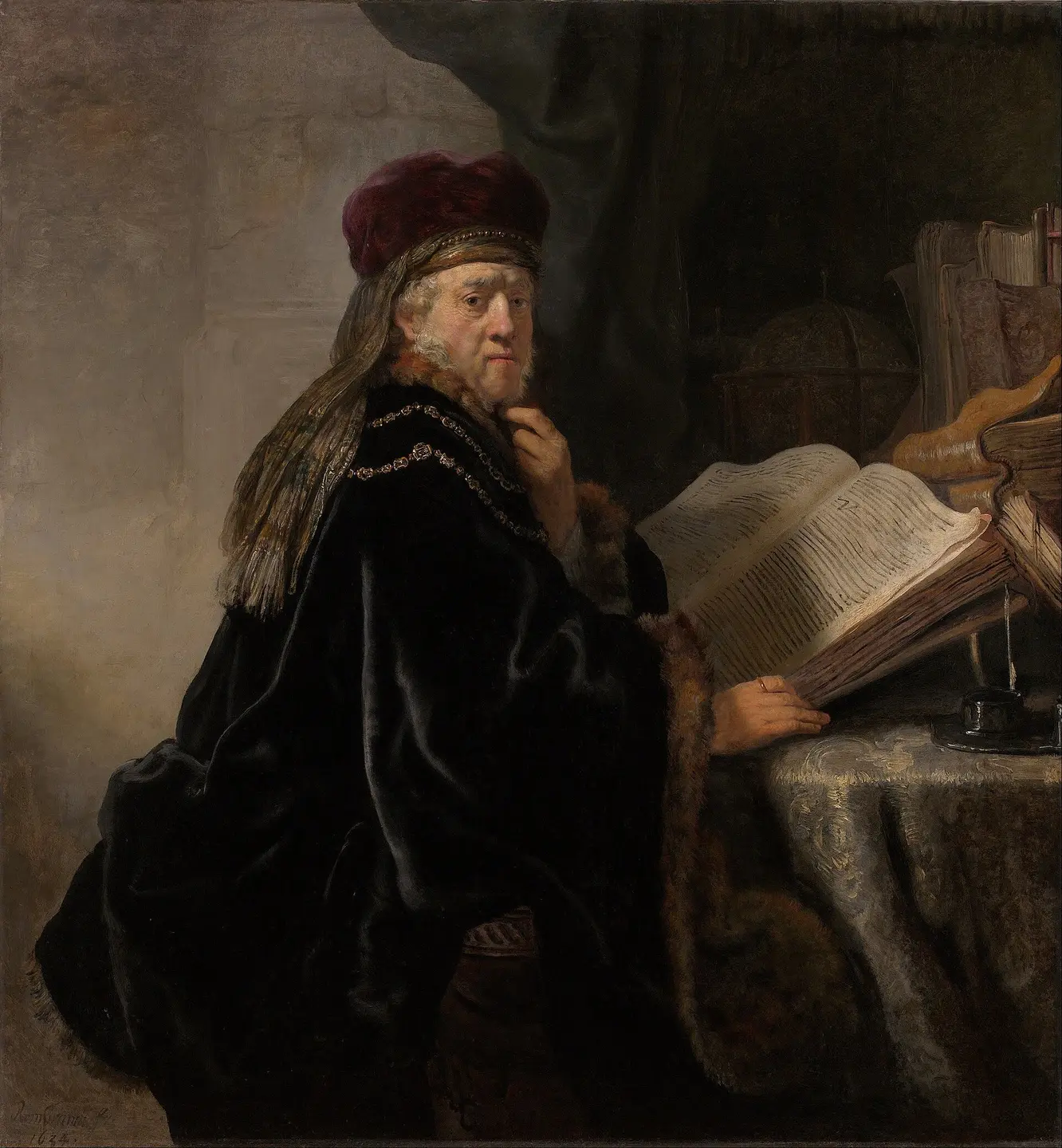
Primary sources provide direct evidence for a text, community, or historical setting. Reading them well requires context, precise citations, and comparison with other evidence.
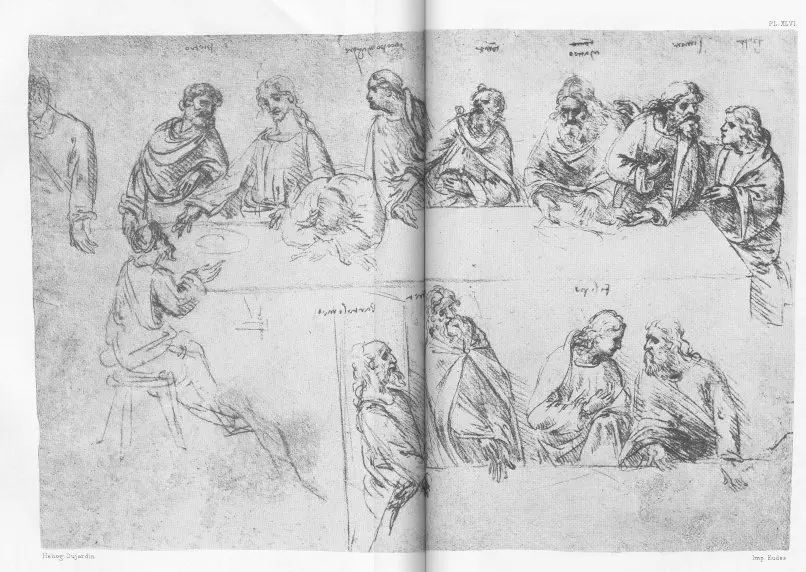
An occult diary records religious or magical work as it occurs. Separating observations from interpretations makes reflection and comparison more reliable.
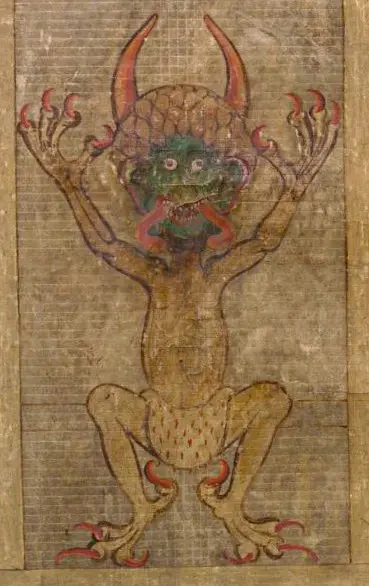
The Devil is the principal personification of evil in much of Christian tradition and a major source for later Western images of Satan. The term is not identical with every historical use of Satan, nor does it describe one unchanging character across the Bible, theology, folklore, literature, art, and modern religion. In contemporary speech “the Devil” often functions as a proper name for Satan, but…
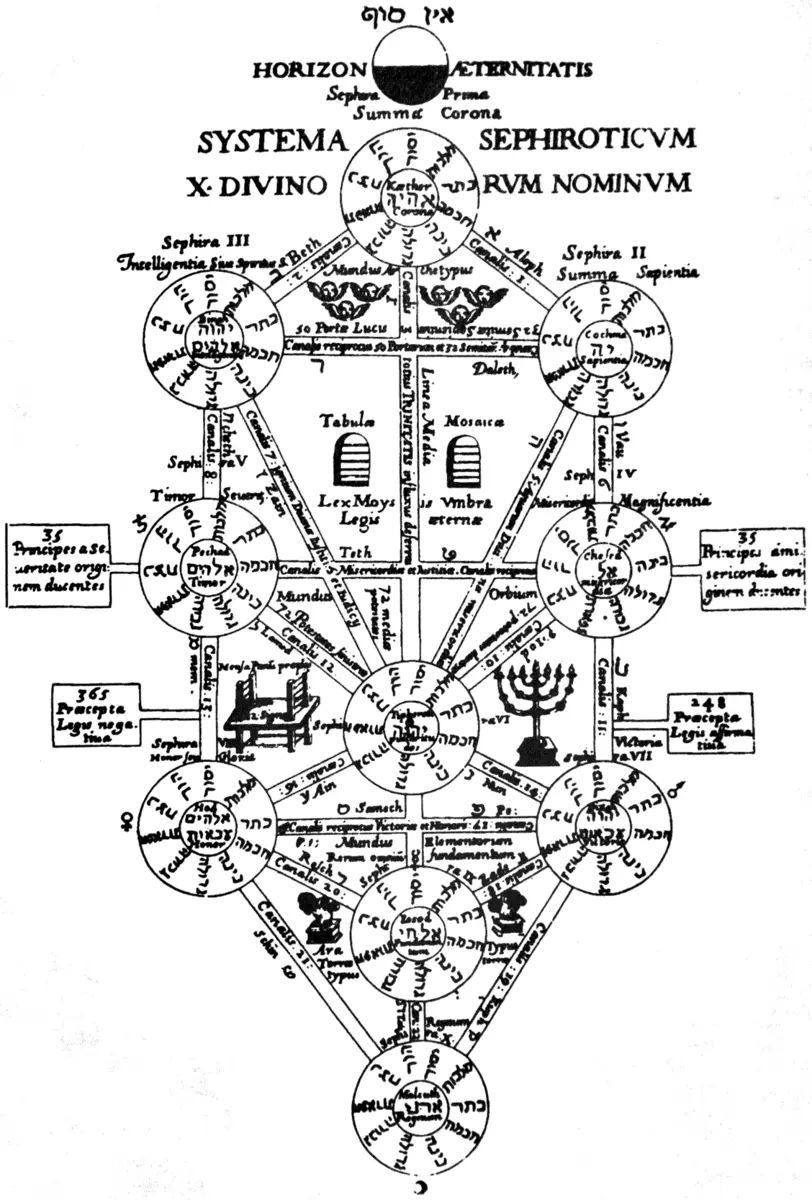
Western esoteric systems that adapt Kabbalistic ideas through ritual, correspondence tables, and symbolic interpretation.
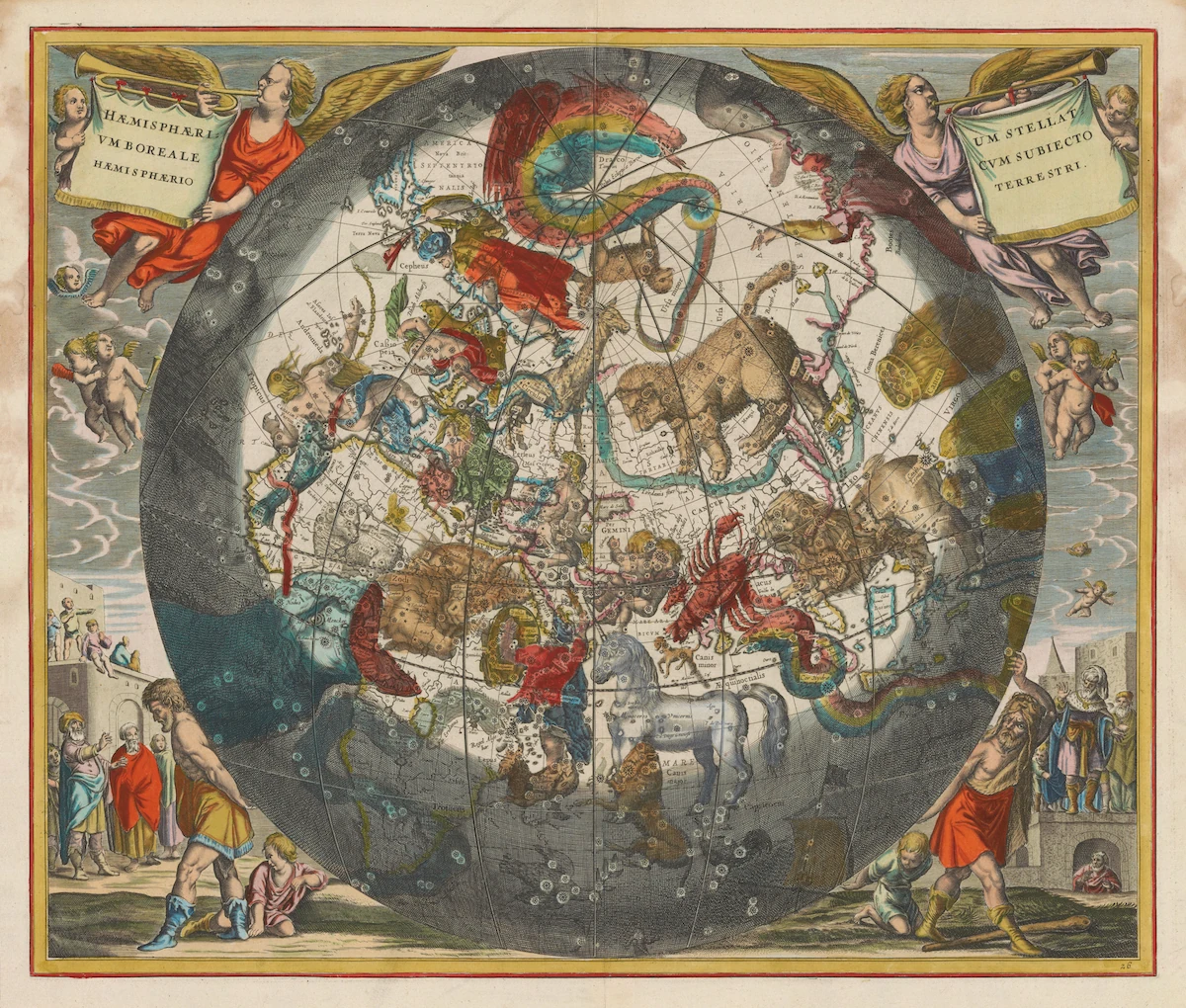
Magical systems using the seven traditional planets through timing, correspondences, images, and invocations.
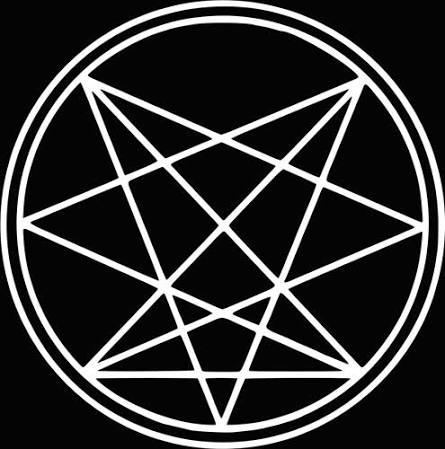
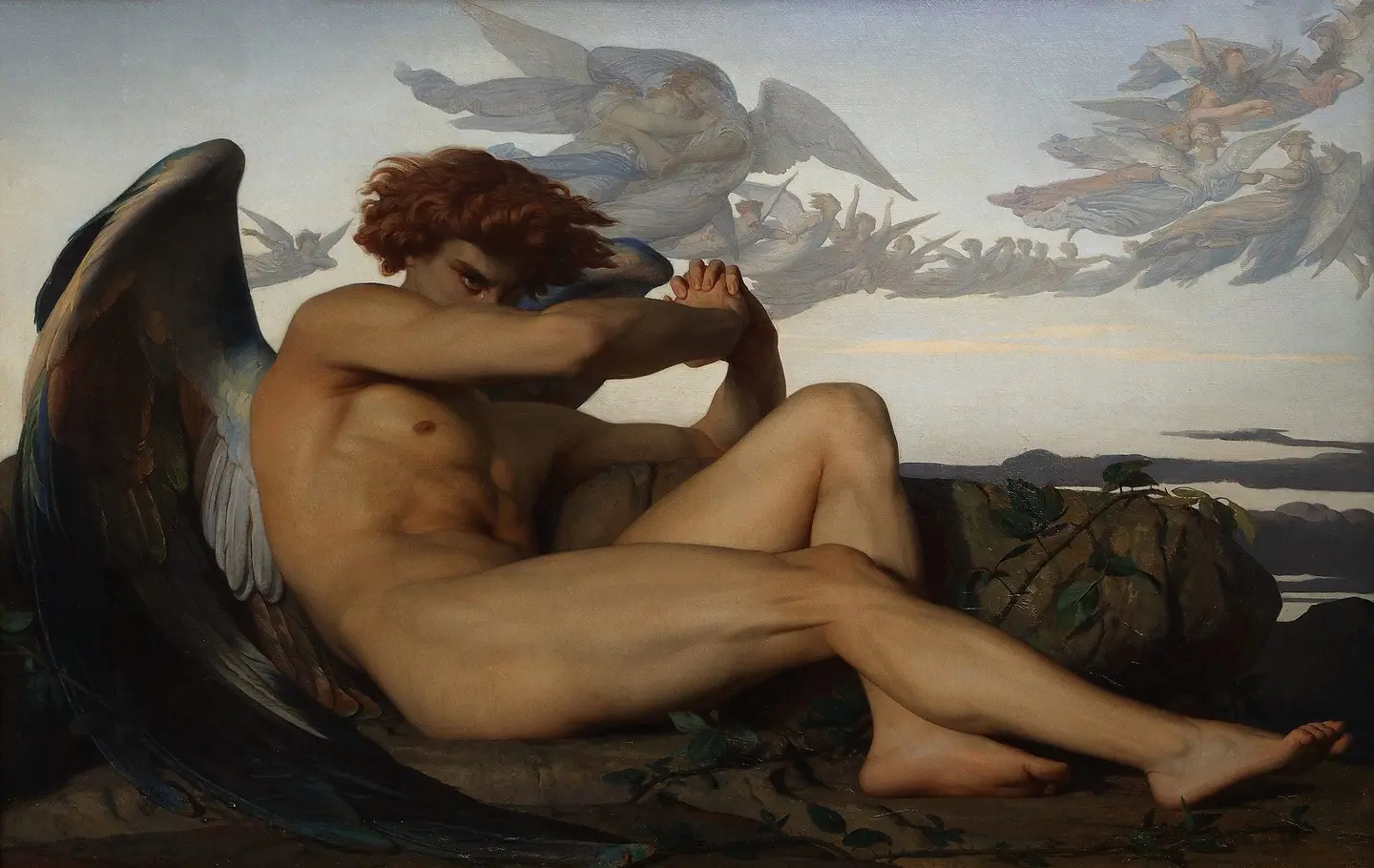
Lucifer is a name whose religious meaning developed from an ancient expression for the morning star into one of the best-known names associated with the Devil, fallen angels, occult illumination, and modern Luciferian religion. The word itself is Latin: lūcifer means “light-bringer” or “light-bearer” and was used for the planet Venus when it appeared before sunrise. The later equation “Lucifer = Satan”…
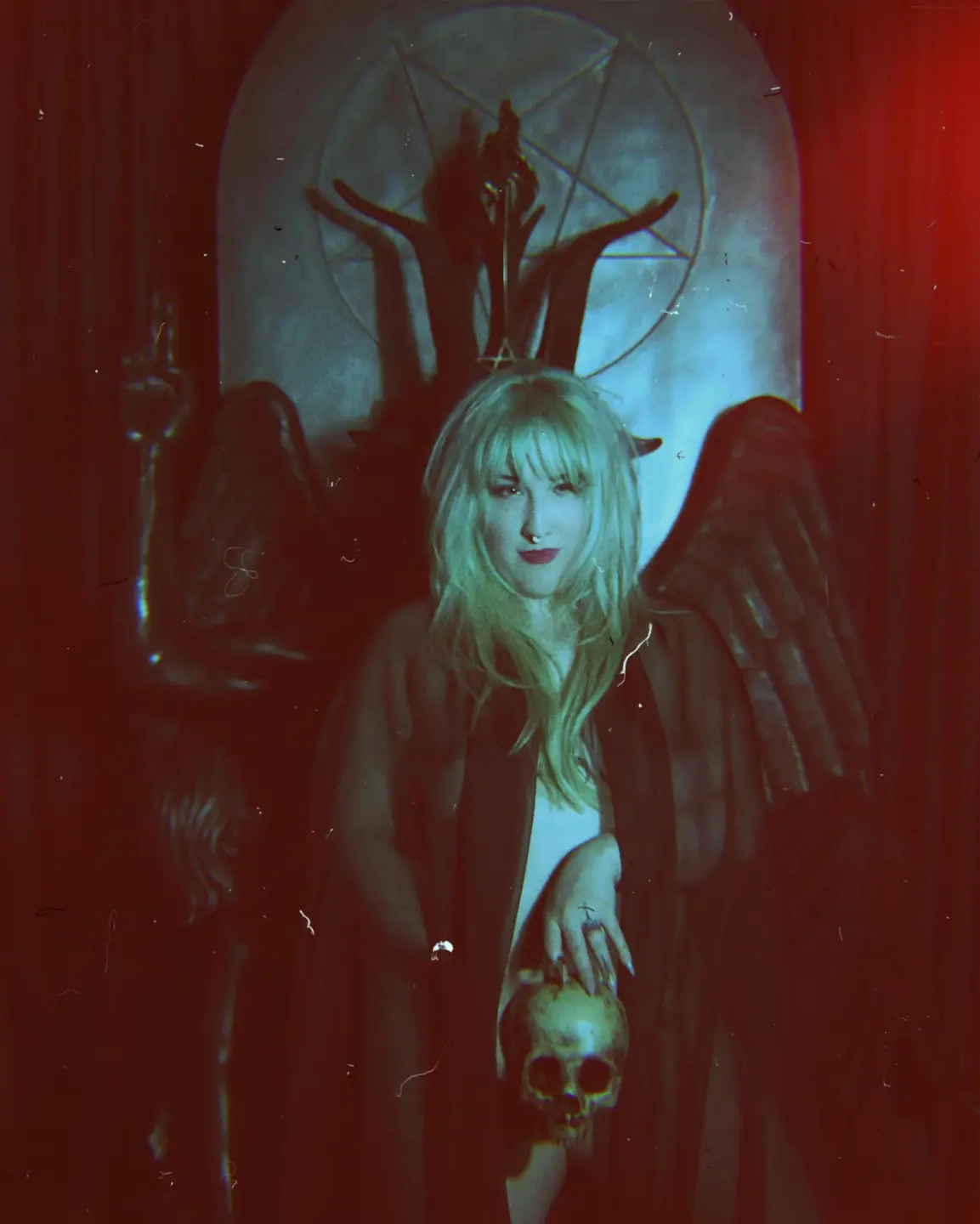
Baphomet is an occult figure whose history connects the medieval trial of the Knights Templar, nineteenth-century ceremonial symbolism, twentieth-century Satanic iconography, and the modern public imagery of The Satanic Temple. The familiar goat-headed, winged, androgynous figure is not a medieval portrait of a secret Templar god. It was created in the nineteenth century by the French occultist Éliphas…
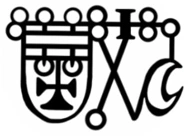
A Goetic duke associated with herbs, precious stones, and sudden travel between countries.
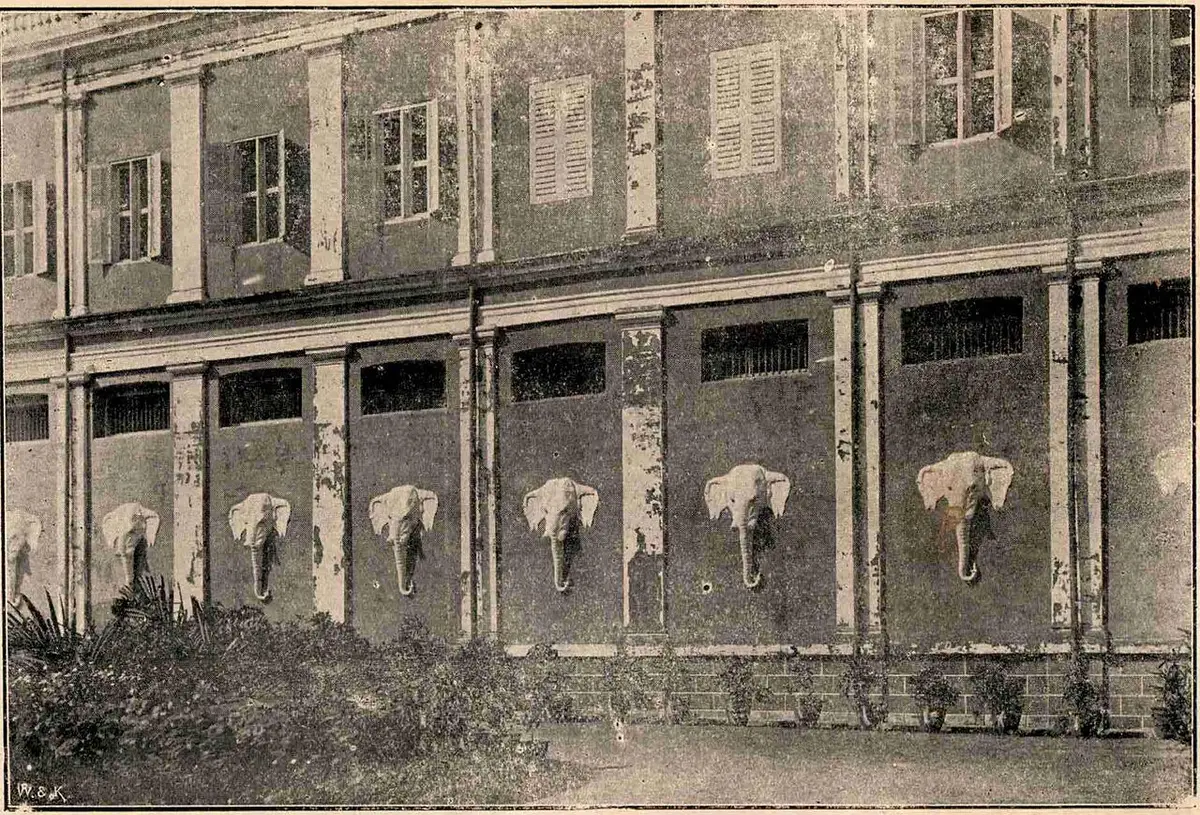
A modern esoteric society with stated aims of fraternity, comparative study, and investigation of nature and human capacities.