Texts & Sources
Key of Solomon
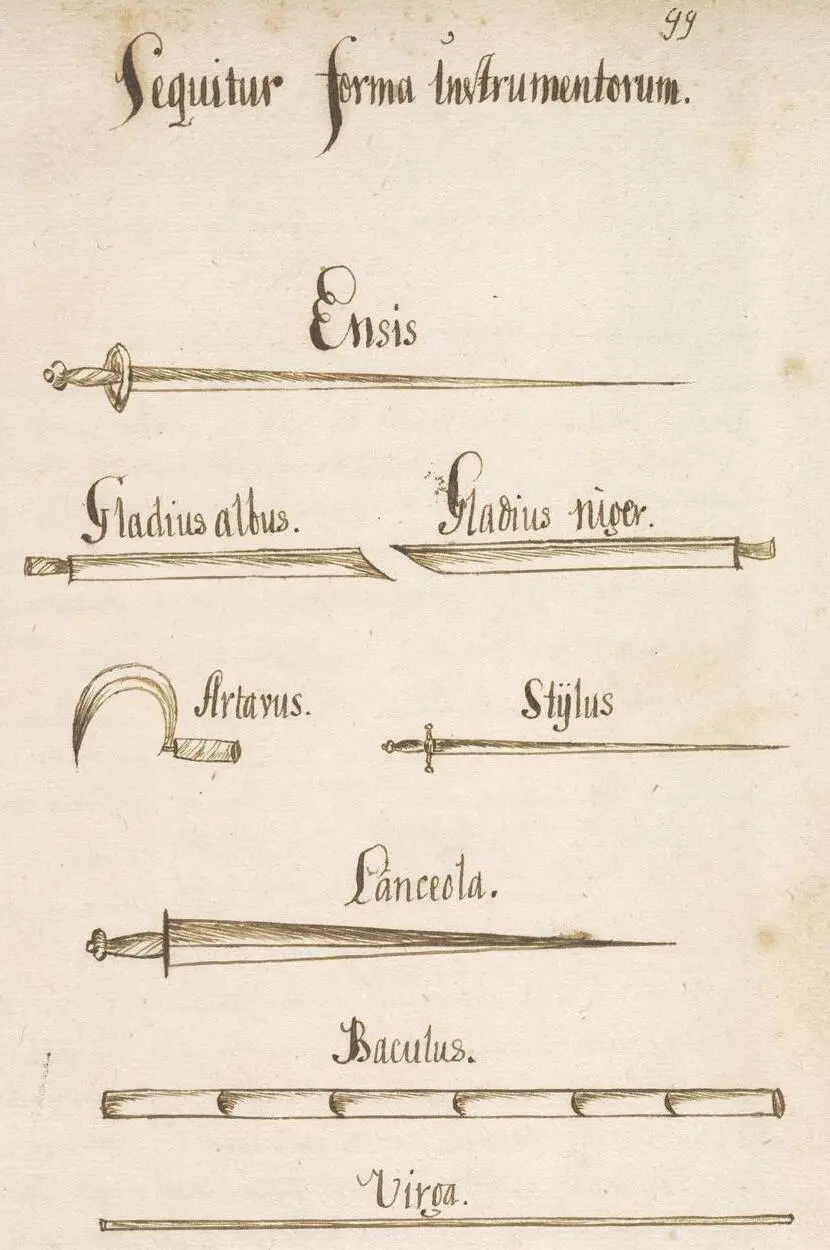
The Key of Solomon is a transmitted family of magical texts concerning preparation, ritual, and ceremonial instruments. It should be distinguished from the five-part Lesser Key of Solomon.
The Key of Solomon is a transmitted family of magical texts concerning preparation, ritual, and ceremonial instruments. It should be distinguished from the five-part Lesser Key of Solomon.
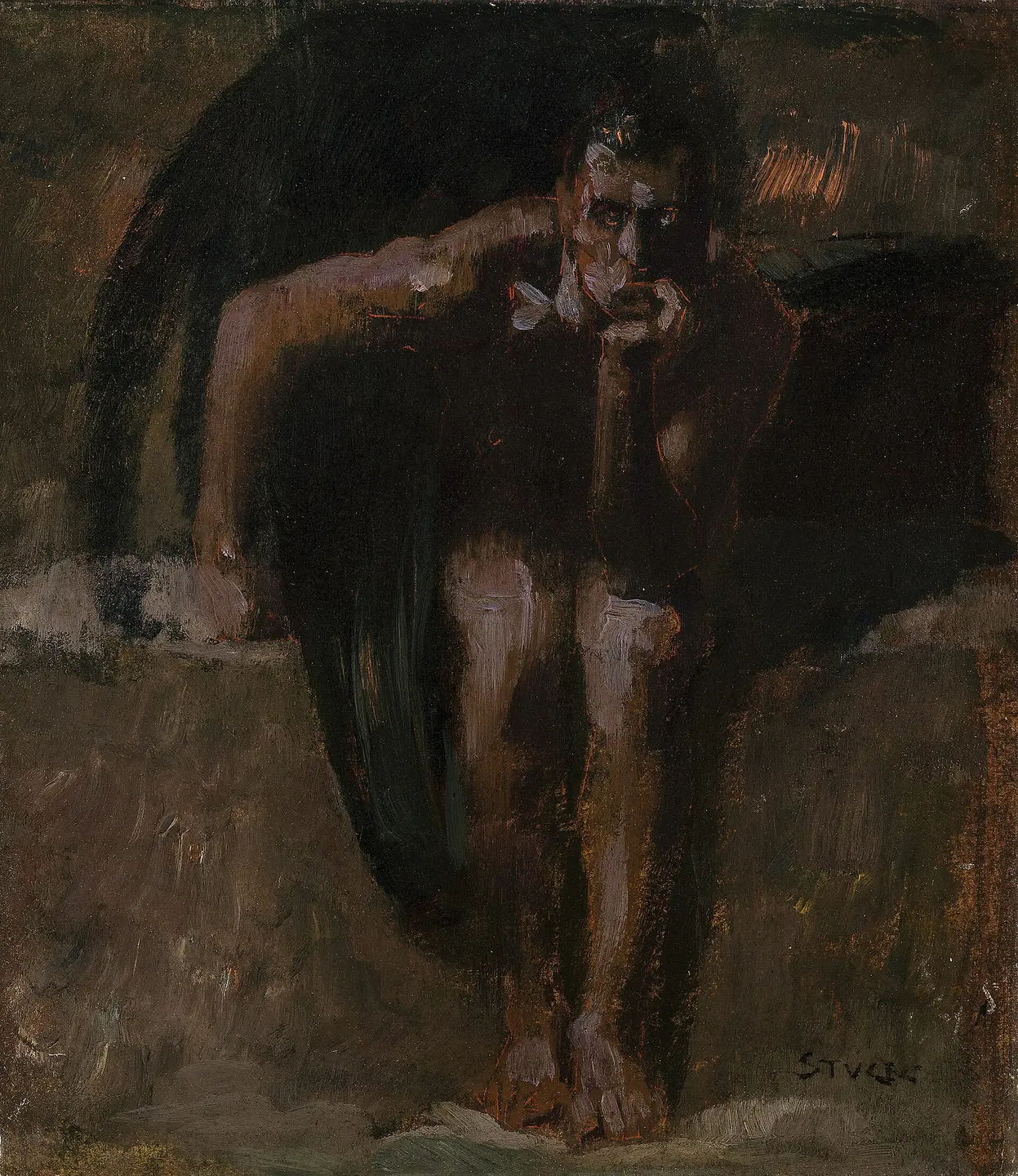
Theistic Satanism is a family of religious positions in which Satan is understood as an actually existing spiritual being, deity, intelligence, or metaphysical presence, rather than only a literary symbol or political metaphor. It is not a single church or creed. The term is best used as an umbrella for practitioners and groups whose beliefs differ on the nature of Satan, the status of other spirits,…

Satan is a figure whose meaning has changed substantially across Jewish, Christian, Islamic, literary, esoteric, and modern Satanic contexts. In contemporary theistic Satanism, Satan may be understood as a real deity, spirit, adversary, initiator, or metaphysical intelligence. Those modern interpretations draw on, but are not identical with, the much older history of the word and character.
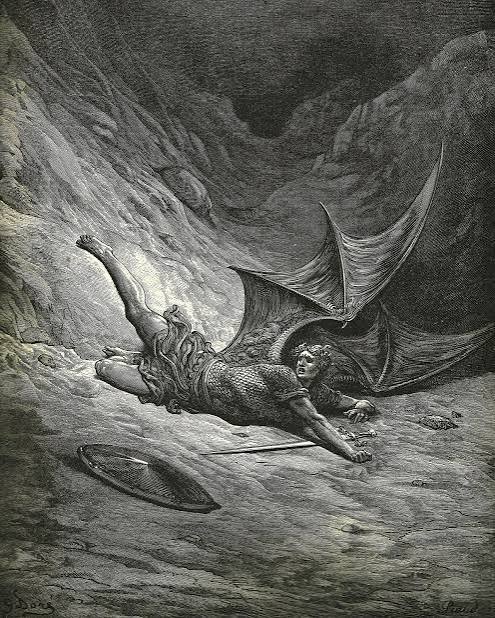
Modern theistic Satanism refers to contemporary religious currents in which Satan is understood as an independently real deity, spirit, intelligence, or metaphysical presence and is approached through devotion, ritual, prayer, magic, contemplation, or other religious practices. It is part of the wider field of modern Satanism but differs from explicitly non-theistic movements that use Satan primarily as…
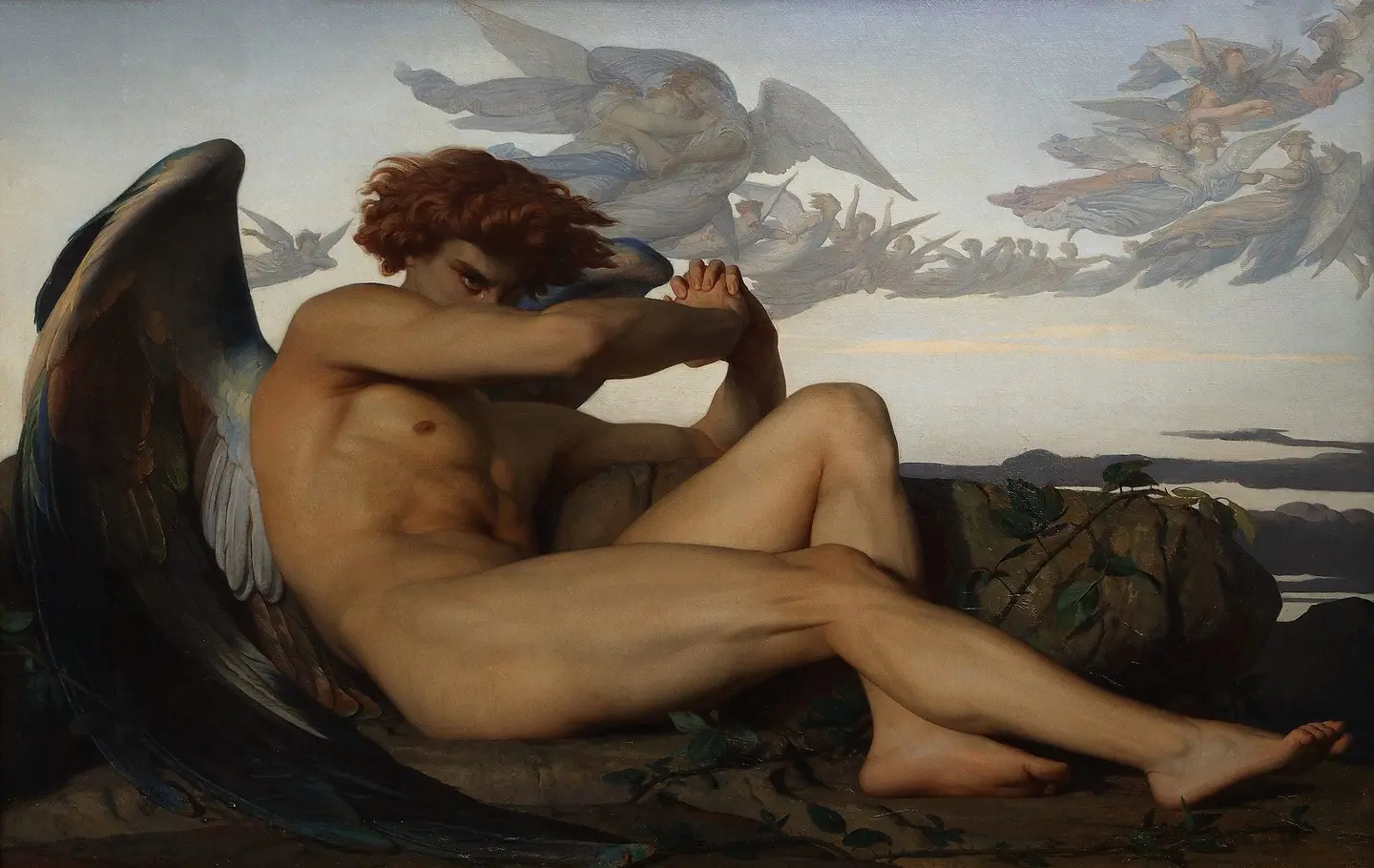
Lucifer is a name whose religious meaning developed from an ancient expression for the morning star into one of the best-known names associated with the Devil, fallen angels, occult illumination, and modern Luciferian religion. The word itself is Latin: lūcifer means “light-bringer” or “light-bearer” and was used for the planet Venus when it appeared before sunrise. The later equation “Lucifer = Satan”…
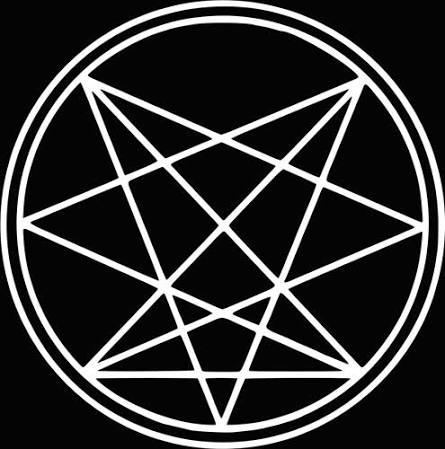
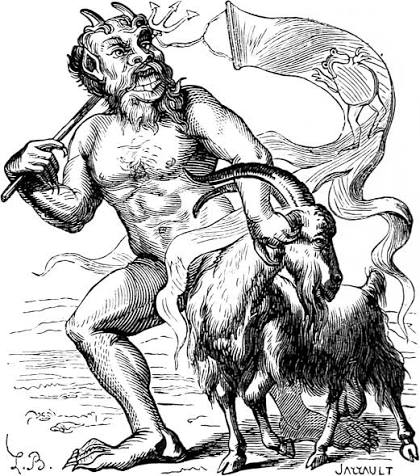
Azazel is a figure associated with the Day of Atonement in Leviticus, a rebellious Watcher in 1 Enoch, and a demonological and occult figure in later traditions. This article traces the development of Azazel from ancient Jewish texts through later demonology and modern Satanic interpretations.
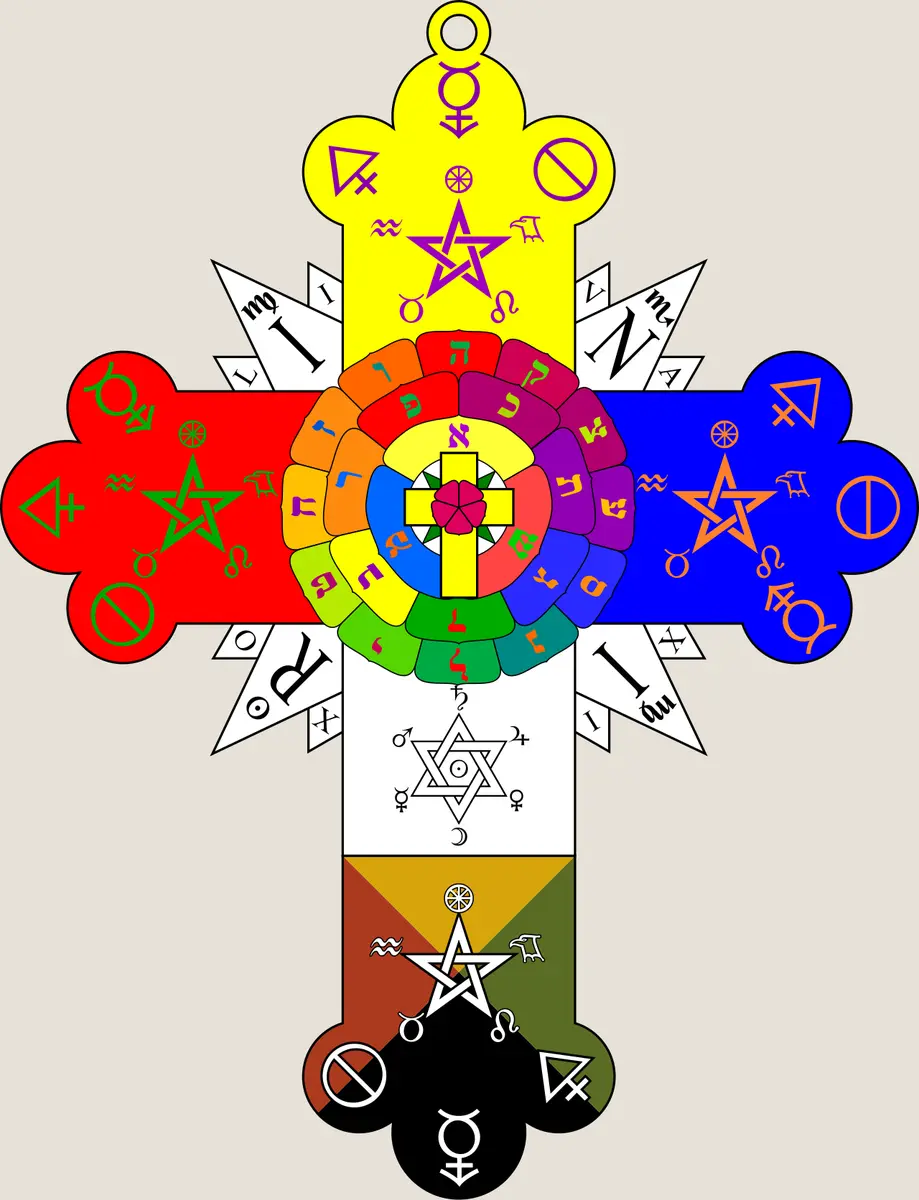
A late nineteenth-century British initiatory order that shaped modern ceremonial magic, Tarot, and Hermetic Qabalah.
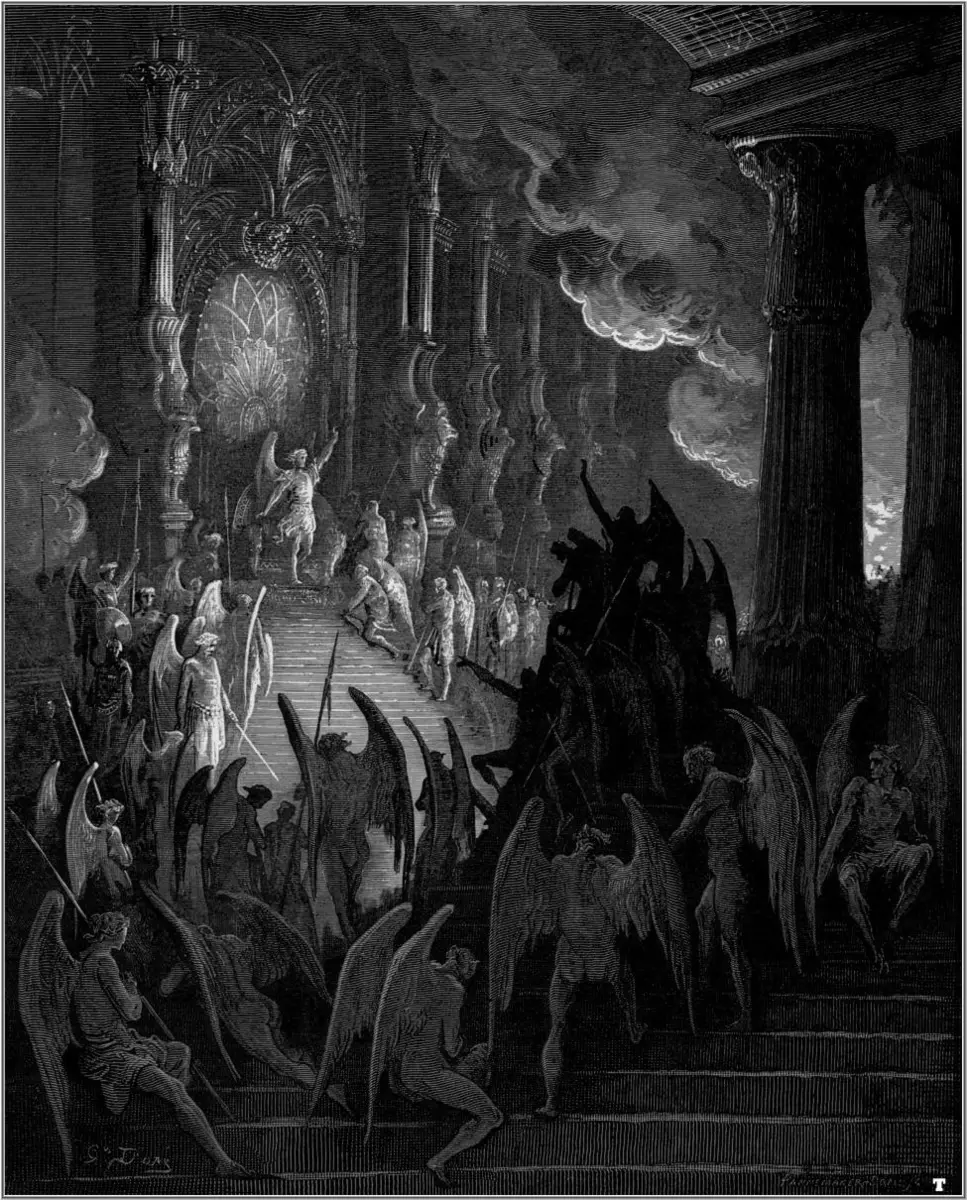
A nontheistic Satanic organization whose public principles emphasize self-determination, compassion, and responsibility.
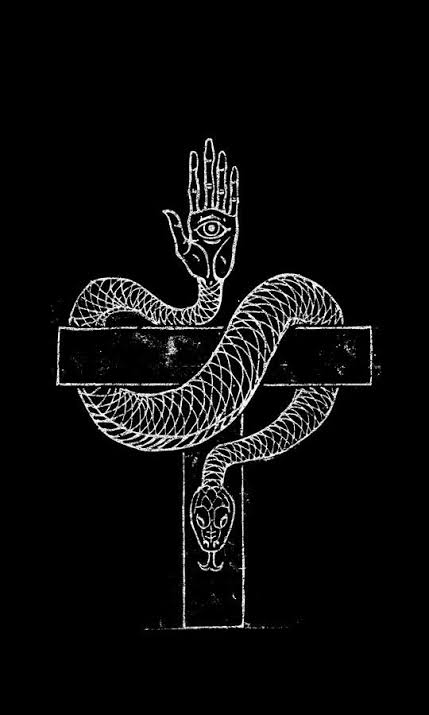
The left-hand path is a modern esoteric category used for religious and magical currents that emphasize themes such as individual self-direction, antinomianism, self-deification, initiatory transformation, or deliberate engagement with symbols rejected by dominant religious culture. It overlaps with some forms of Satanism, Luciferianism, Setianism, and modern occultism, but the terms are not synonymous.
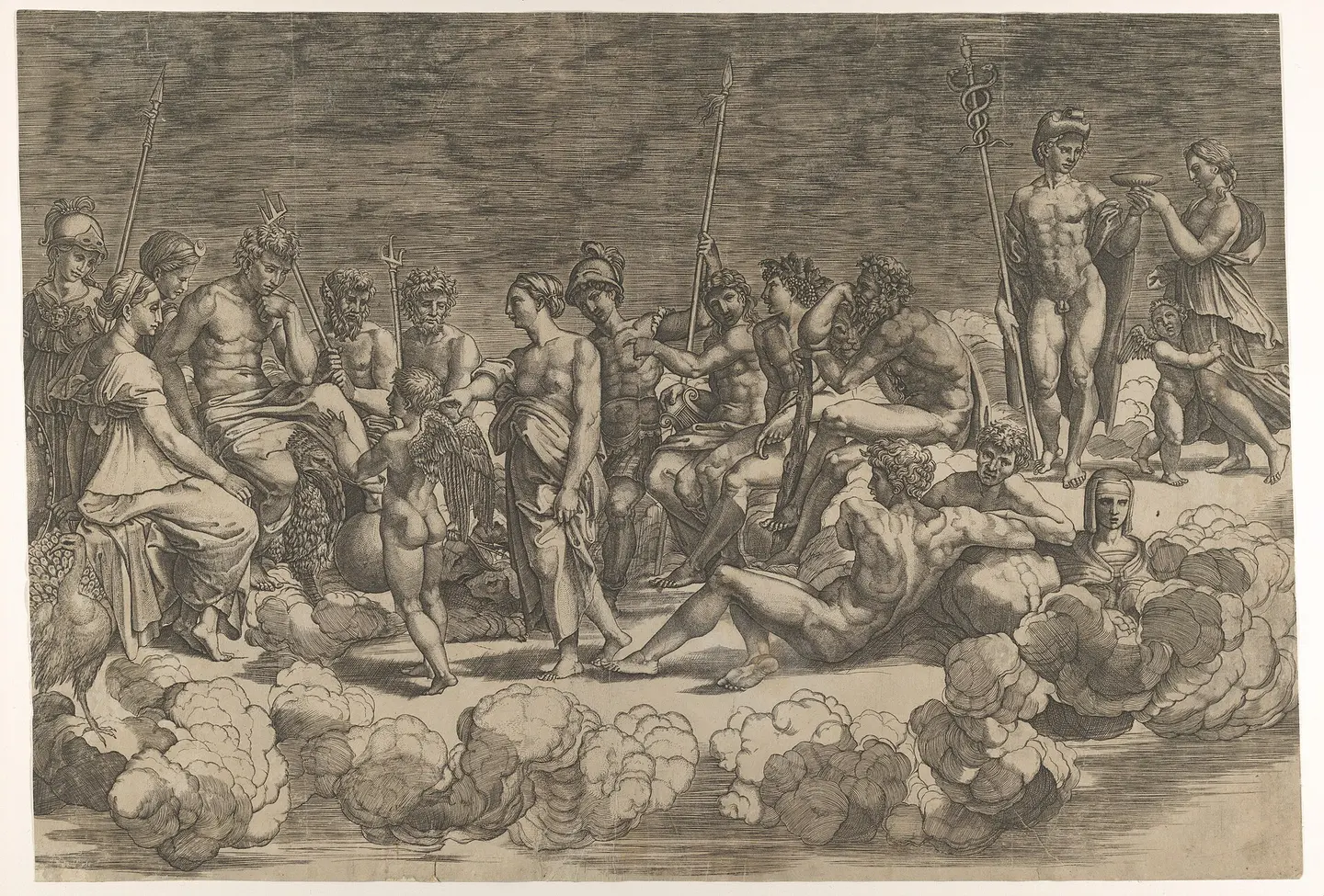
Polytheism involves belief in multiple deities. The existence of several gods does not by itself settle their relationships, moral authority, or the forms of devotion directed toward them.
The grimoire compilation known as the Lemegeton, including the Goetia and several angelic arts.
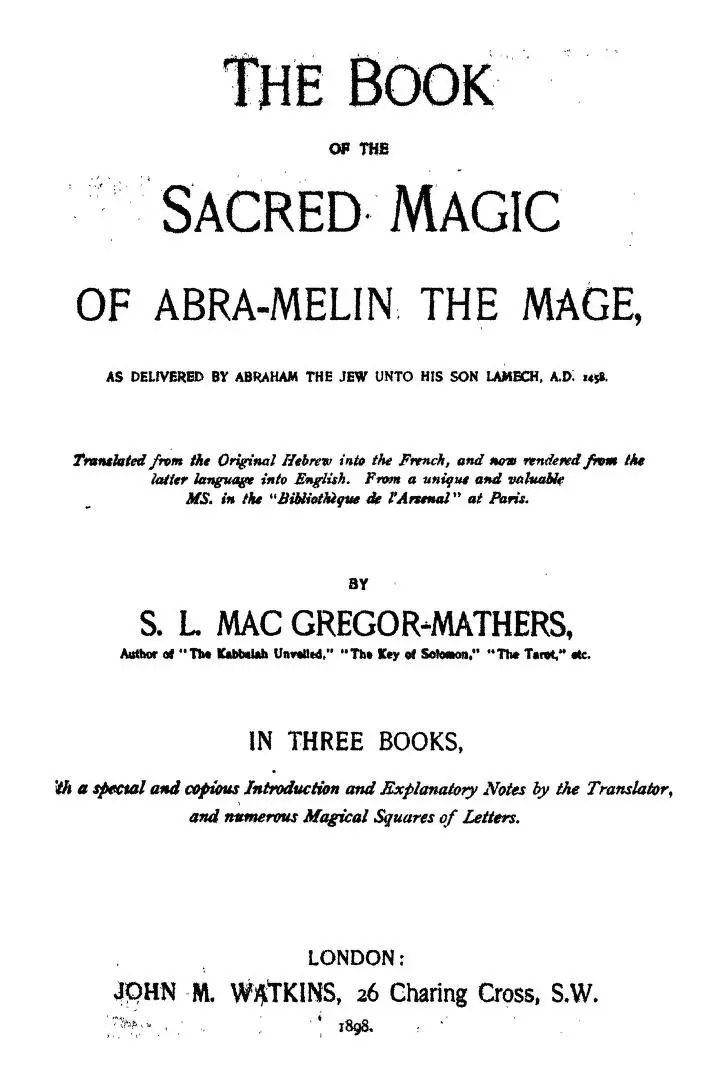
A grimoire built around religious preparation, the guardian angel, and subsequent work with spirits and magical squares.
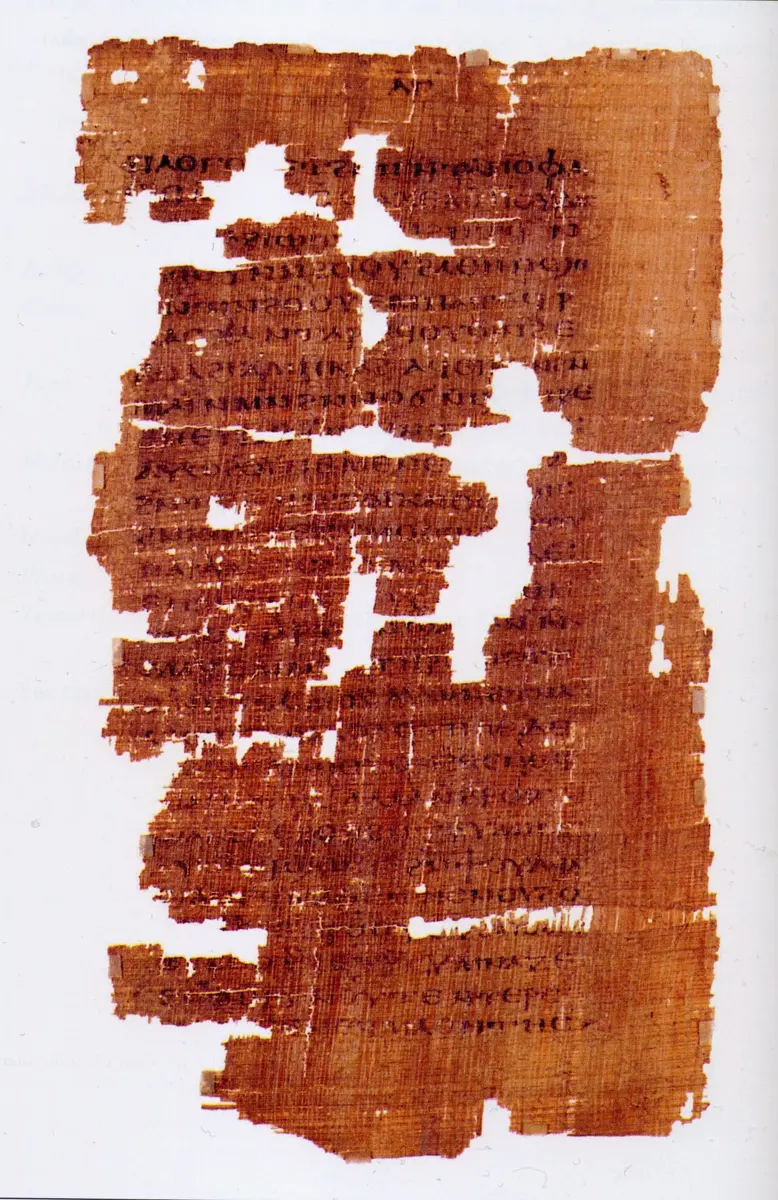
An early Christian revelation dialogue preserved in Coptic, known from the manuscript called Codex Tchacos.

Freedom of religion and belief in international human rights texts, including minority religions, nonbelief, and religious expression.
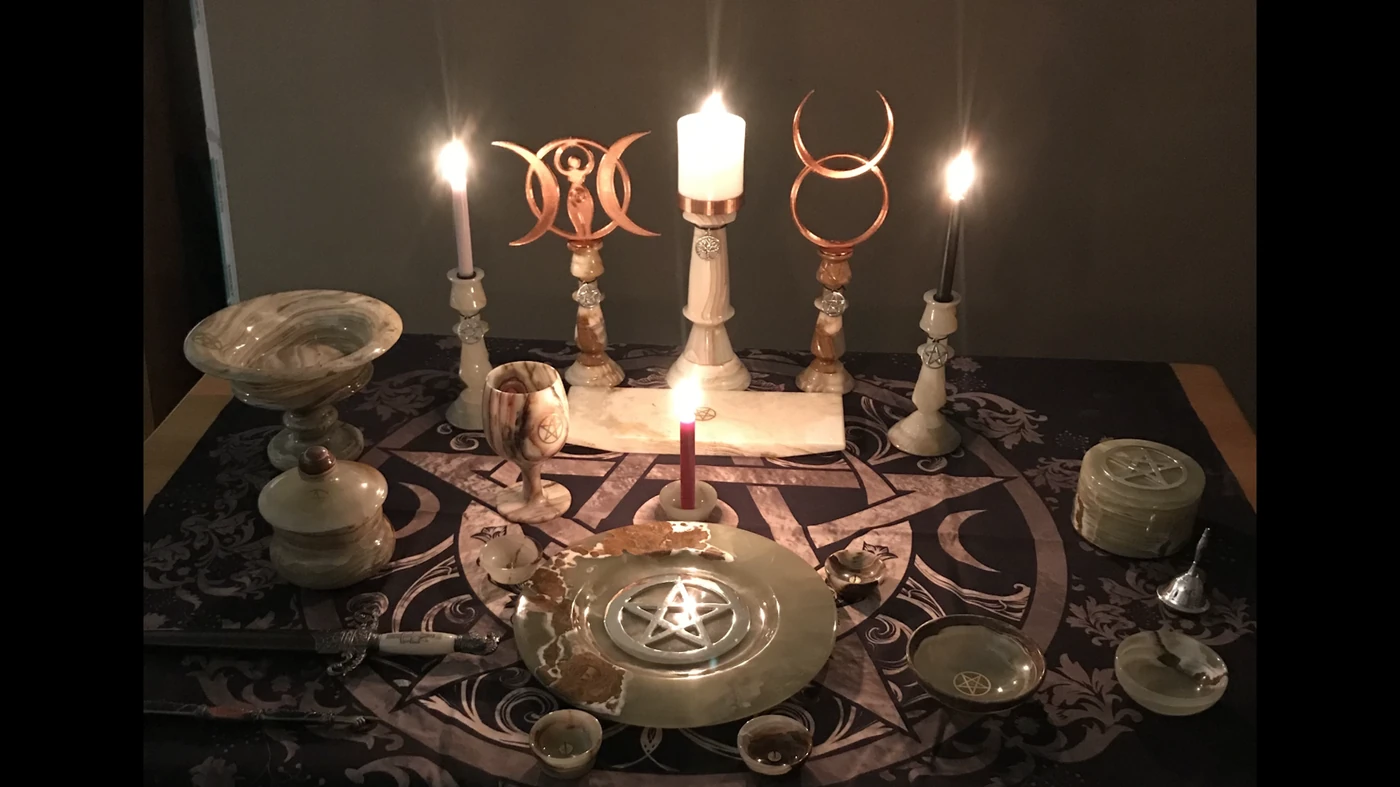
An altar is a designated place or surface used for religious devotion, ritual, offerings, sacred objects, or symbolic focus. Altars occur in many religious traditions, but their forms and meanings vary widely. In modern theistic Satanism an altar may function as a place for Prayer, Ritual, Offerings, meditation, spirit work, or the display of symbols connected with Satan and other beings.
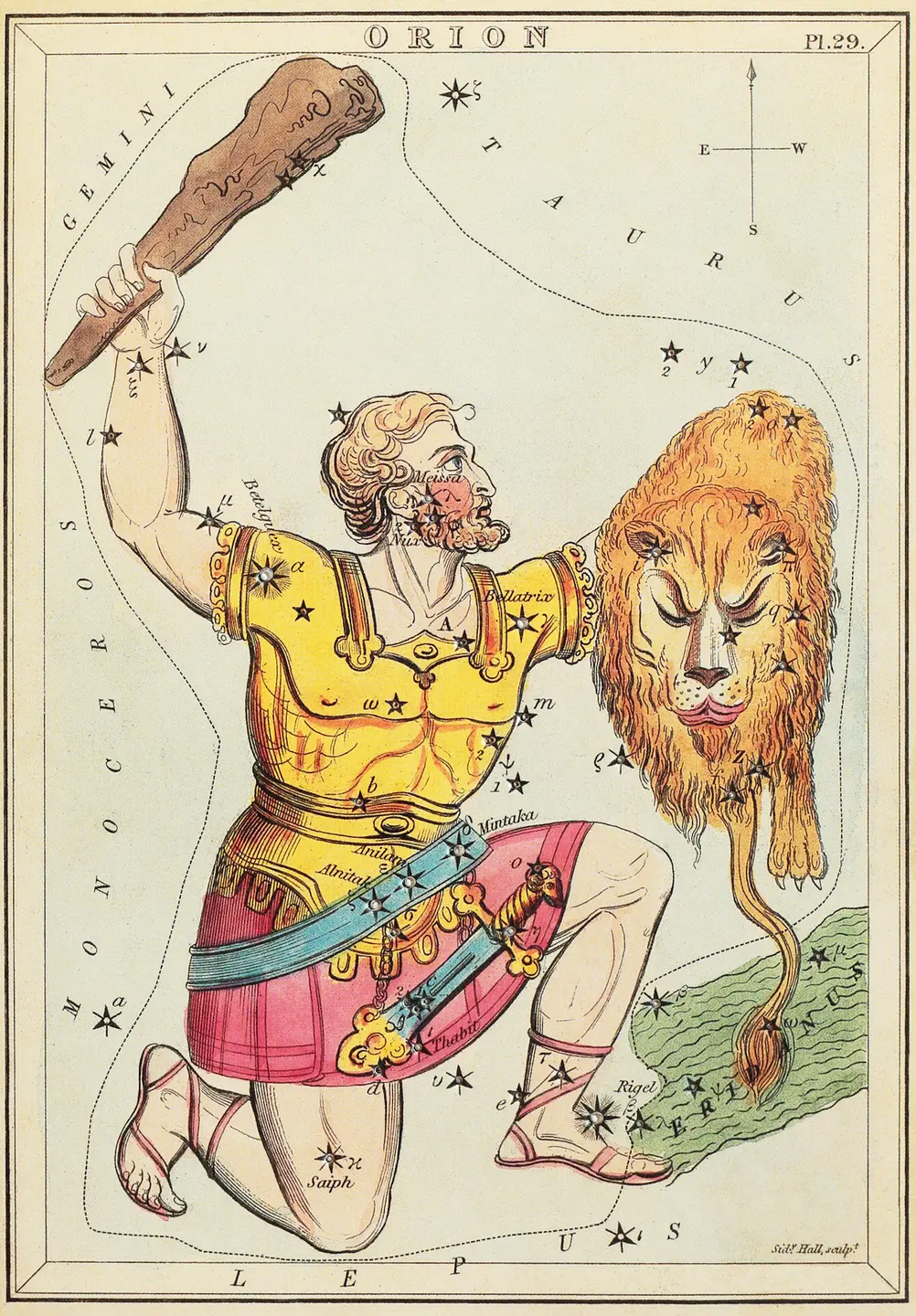
Semjaza is a leading figure in the Enochic account of the Watchers’ oath and descent. His role differs from the teaching and punishment associated with Azazel.
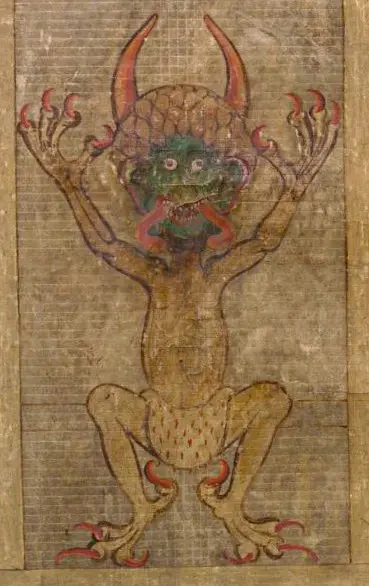
The Devil is the principal personification of evil in much of Christian tradition and a major source for later Western images of Satan. The term is not identical with every historical use of Satan, nor does it describe one unchanging character across the Bible, theology, folklore, literature, art, and modern religion. In contemporary speech “the Devil” often functions as a proper name for Satan, but…
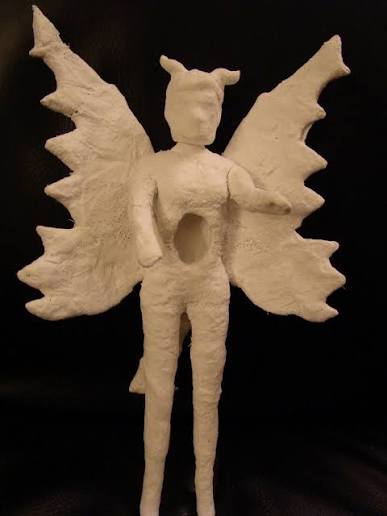
Mastema is a leader of harmful spirits in the Book of Jubilees. His appearances in the stories of Noah, Abraham, and Moses connect temptation, accusation, and hostility with a power that remains subject to divine limits.
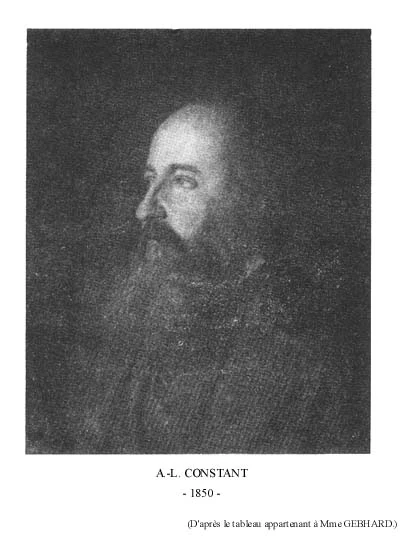
A nineteenth-century French occult author associated with ceremonial symbolism and the influential image of Baphomet.