History
Witchcraft
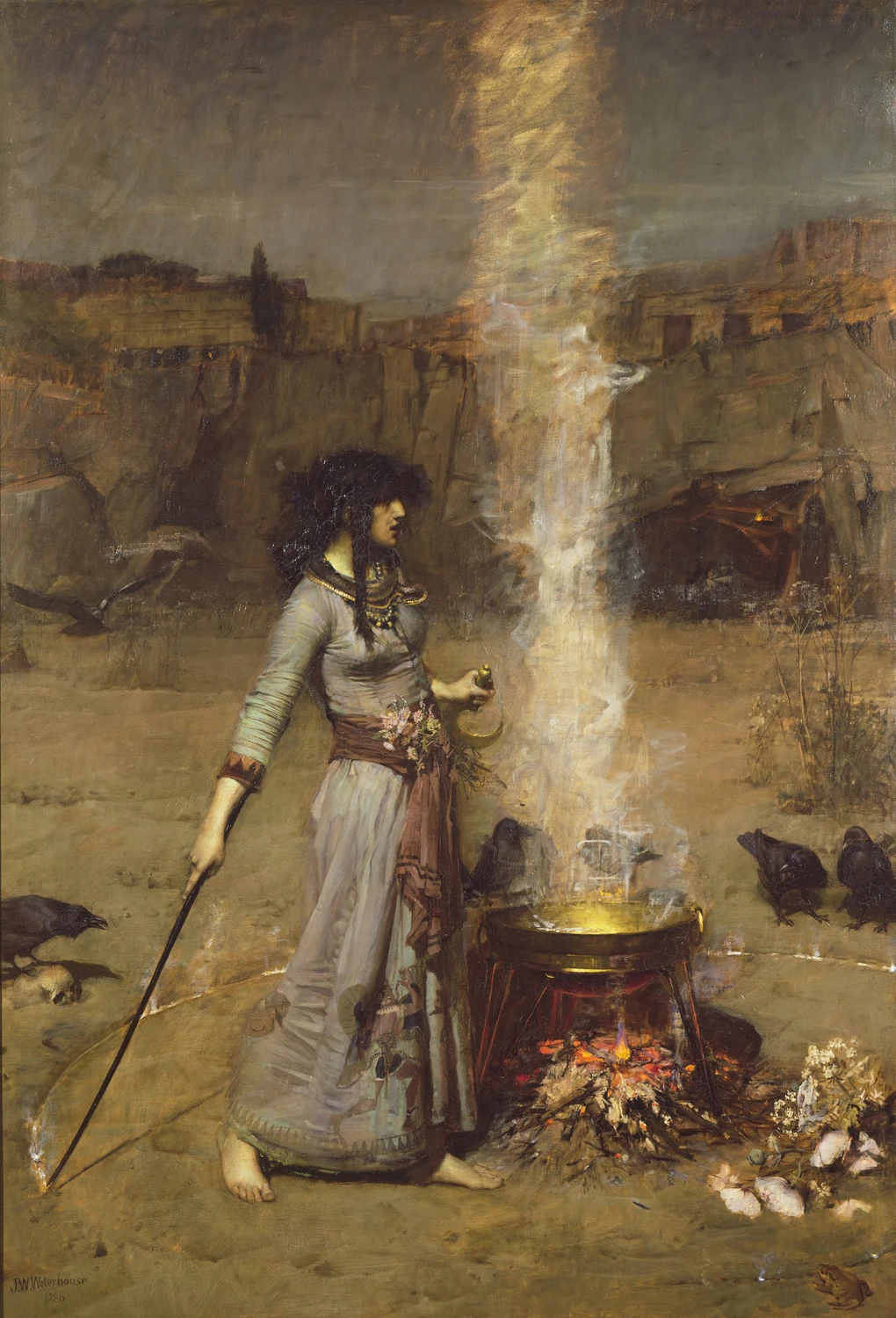
How witchcraft has meant an accusation, a magical practice, and a modern identity, with examples from museums and trial records.
How witchcraft has meant an accusation, a magical practice, and a modern identity, with examples from museums and trial records.
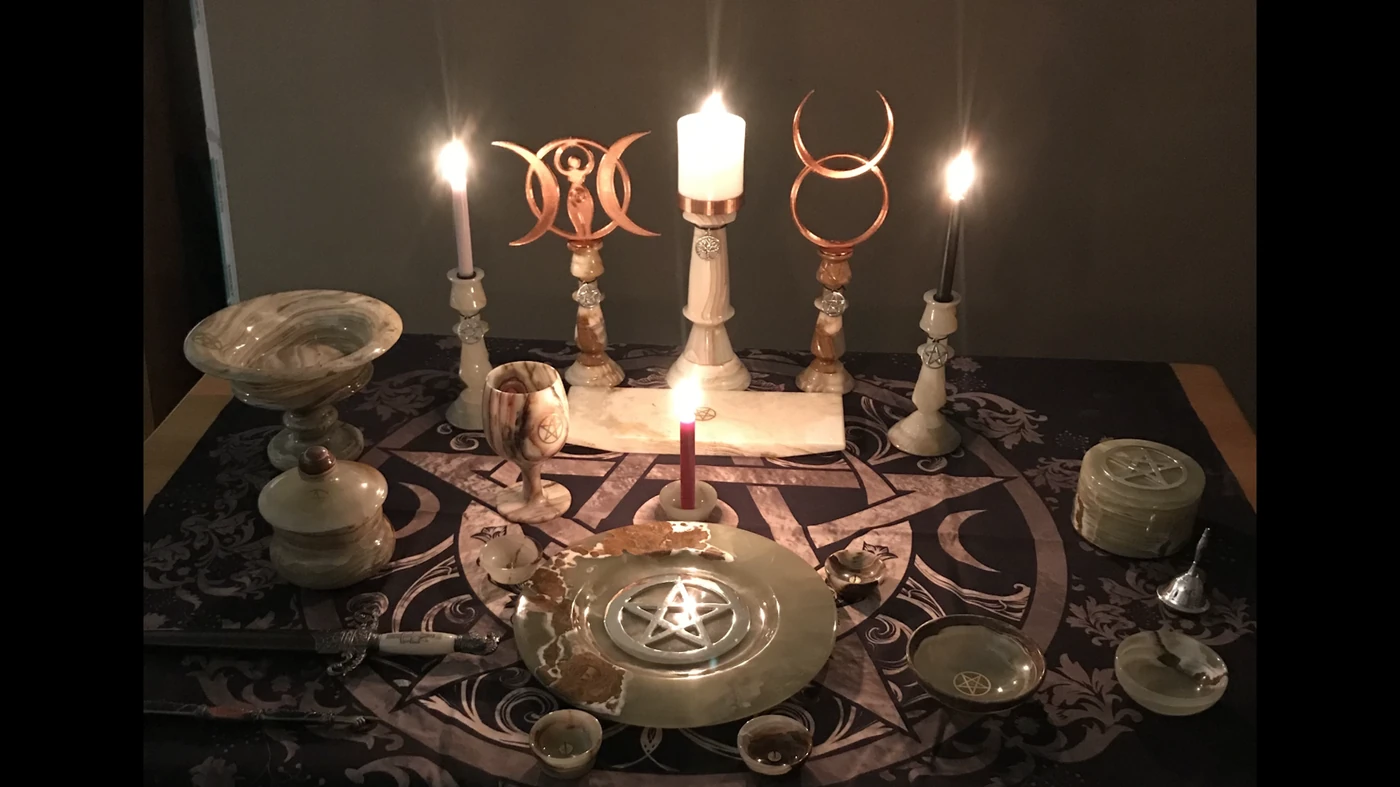
An altar is a designated place or surface used for religious devotion, ritual, offerings, sacred objects, or symbolic focus. Altars occur in many religious traditions, but their forms and meanings vary widely. In modern theistic Satanism an altar may function as a place for Prayer, Ritual, Offerings, meditation, spirit work, or the display of symbols connected with Satan and other beings.
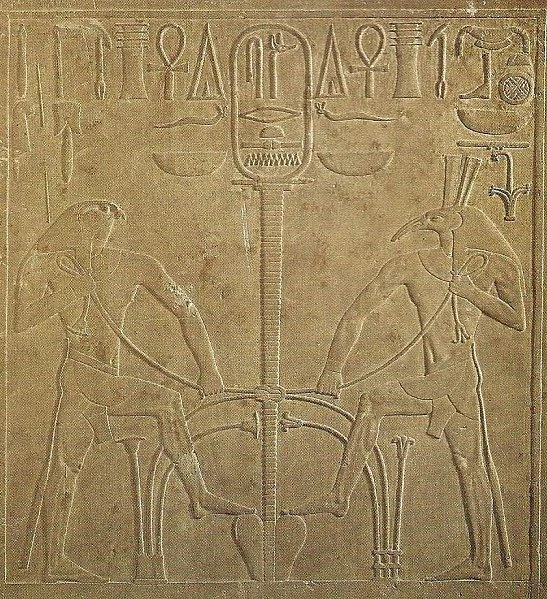
The religious philosophy associated with the Temple of Set, the Egyptian name Set, and the idea of Xeper.

The founder of the Church of Satan and author of The Satanic Bible and The Satanic Rituals.
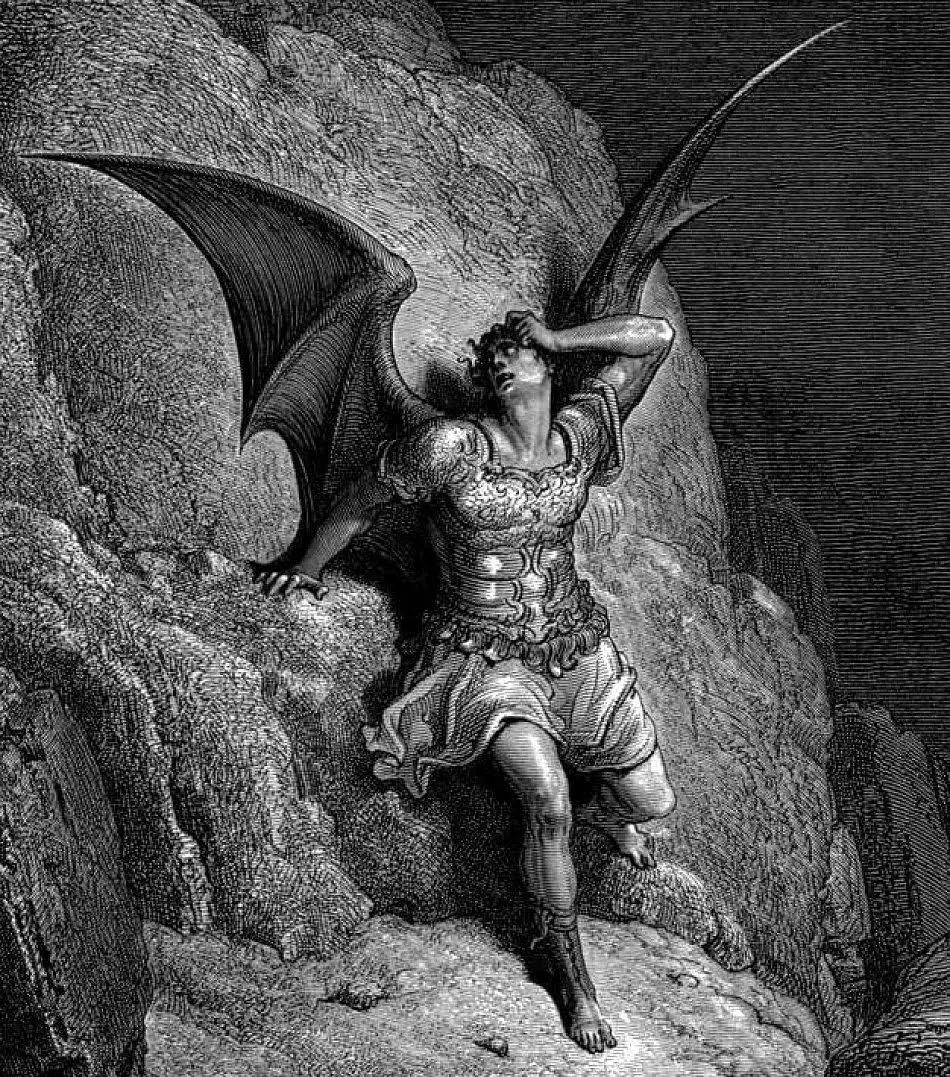
Satan is a figure whose meaning has changed substantially across Jewish, Christian, Islamic, literary, esoteric, and modern Satanic contexts. In contemporary theistic Satanism, Satan may be understood as a real deity, spirit, adversary, initiator, or metaphysical intelligence. Those modern interpretations draw on, but are not identical with, the much older history of the word and character.
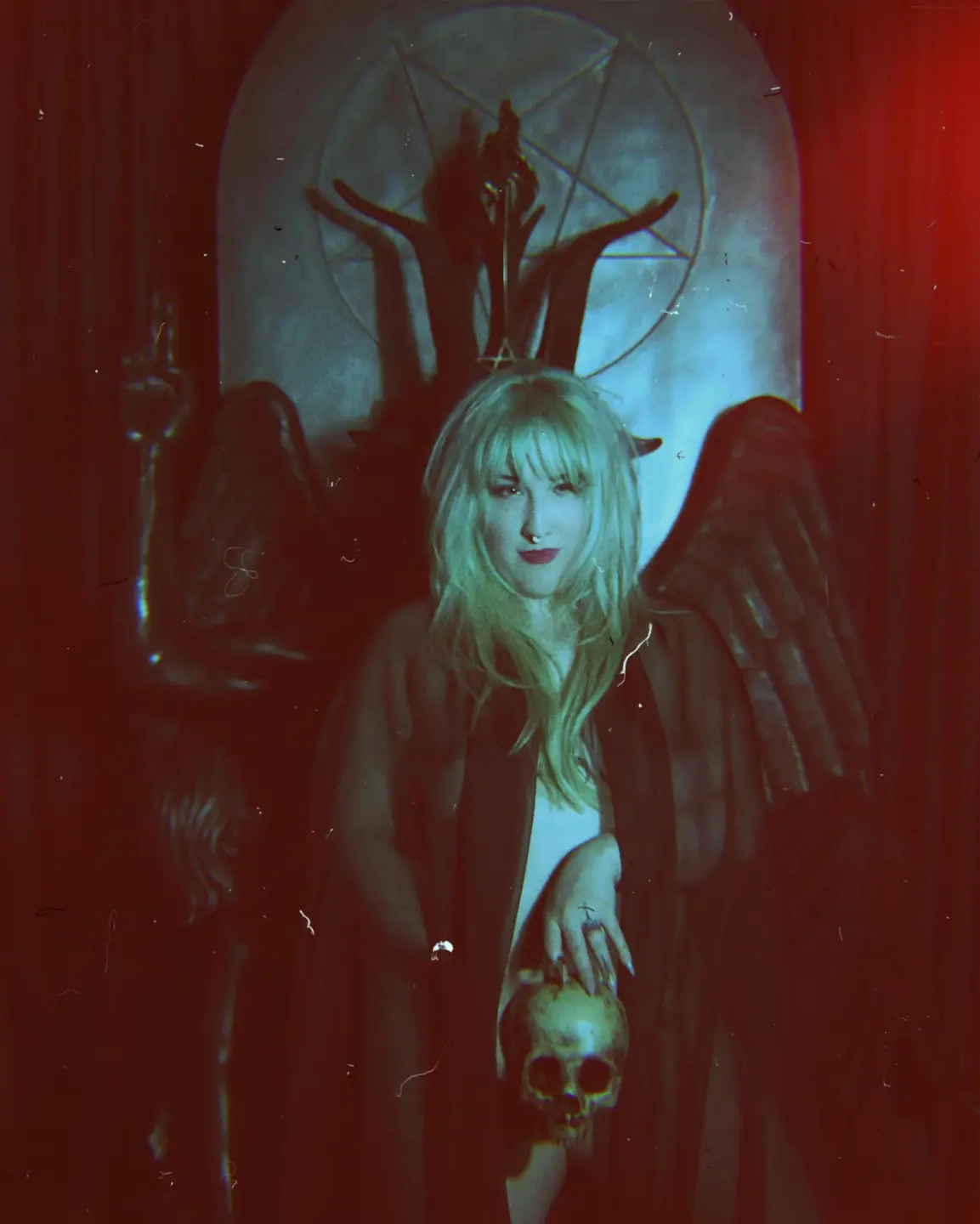
Baphomet is an occult figure whose history connects the medieval trial of the Knights Templar, nineteenth-century ceremonial symbolism, twentieth-century Satanic iconography, and the modern public imagery of The Satanic Temple. The familiar goat-headed, winged, androgynous figure is not a medieval portrait of a secret Templar god. It was created in the nineteenth century by the French occultist Éliphas…
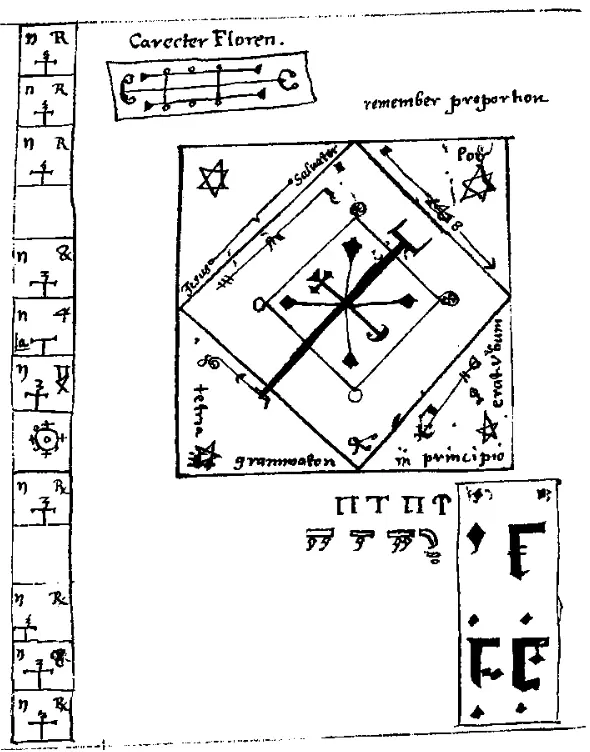
A grimoire is a book or manuscript containing magical knowledge, ritual procedures, charms, conjurations, talismans, spirit catalogues, astrological instructions, prayers, or other techniques intended to produce supernatural or occult effects. The term is most strongly associated with European magic, but scholars use it within a much wider history of magical books and written ritual technologies.
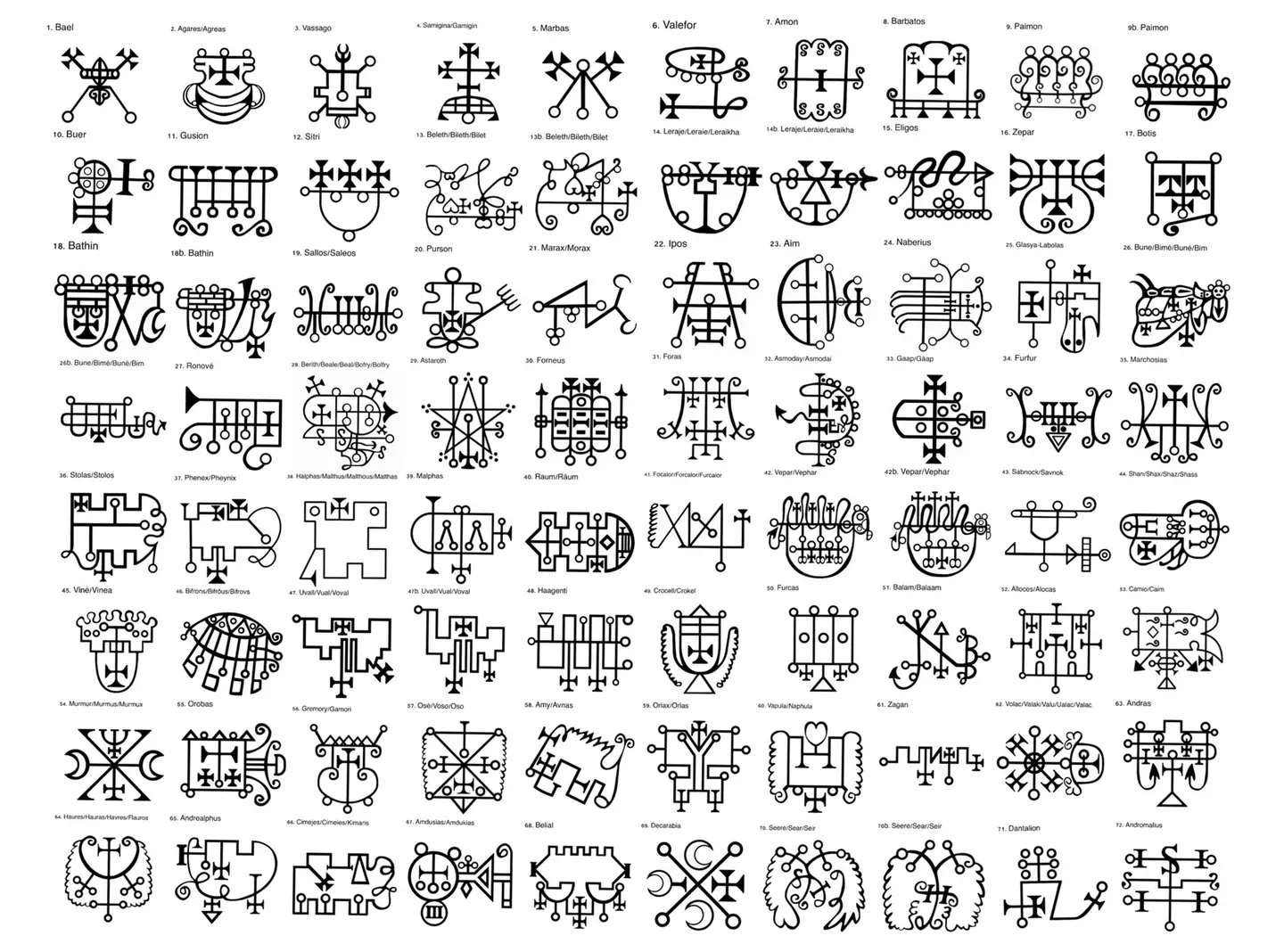
The Ars Goetia is the first section of the Lemegeton or Lesser Key of Solomon, an early modern English compilation of ceremonial magic. It is famous for a catalogue of seventy-two spirits, each described by name, rank, appearance, abilities, and a seal or character. In modern occultism the term “Goetia” is often used loosely for demon-summoning or work with these spirits, but historically the Ars Goetia…
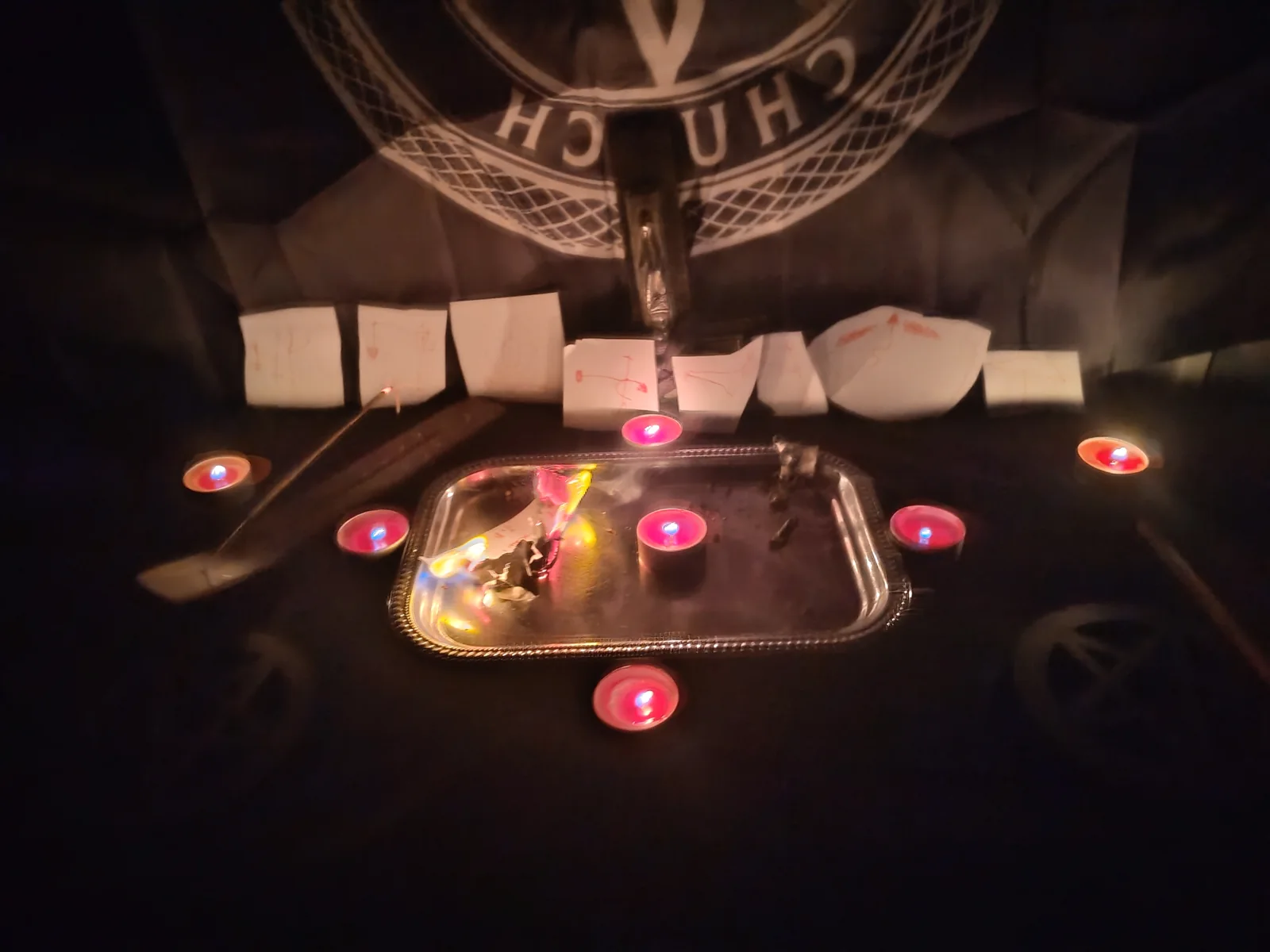
Prayer is intentional communication addressed to a deity, spirit, sacred power, or ultimate reality. It can include praise, petition, confession, thanksgiving, lament, dedication, silence, repetition, or simple direct speech. In theistic Satanism, prayer usually means addressing Satan or another spiritually real being rather than speaking only to oneself or performing a purely symbolic exercise.
The High Satanic Church is an independent theistic Satanist religious organization and online congregation centered on the worship of Satan as a real deity. Its public website describes the Church as theistic, devotional, and unaffiliated with both the Church of Satan and The Satanic Temple. The organization maintains public material on beliefs and practice as well as member accounts, lodges, writings,…
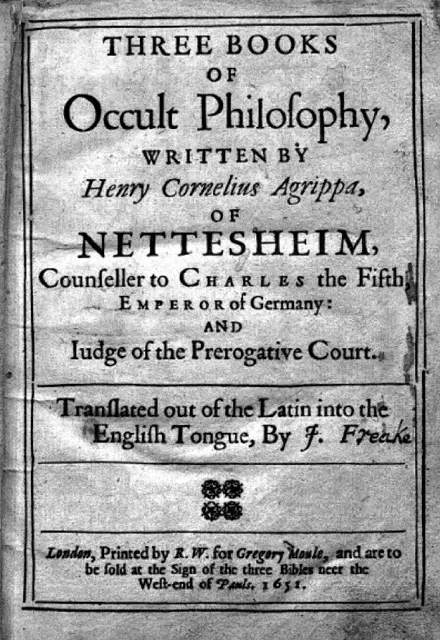
Ceremonial magic uses formally organized ritual actions. Its historical systems combine preparation, symbols, instruments, and accounts of spiritual authority in different ways.
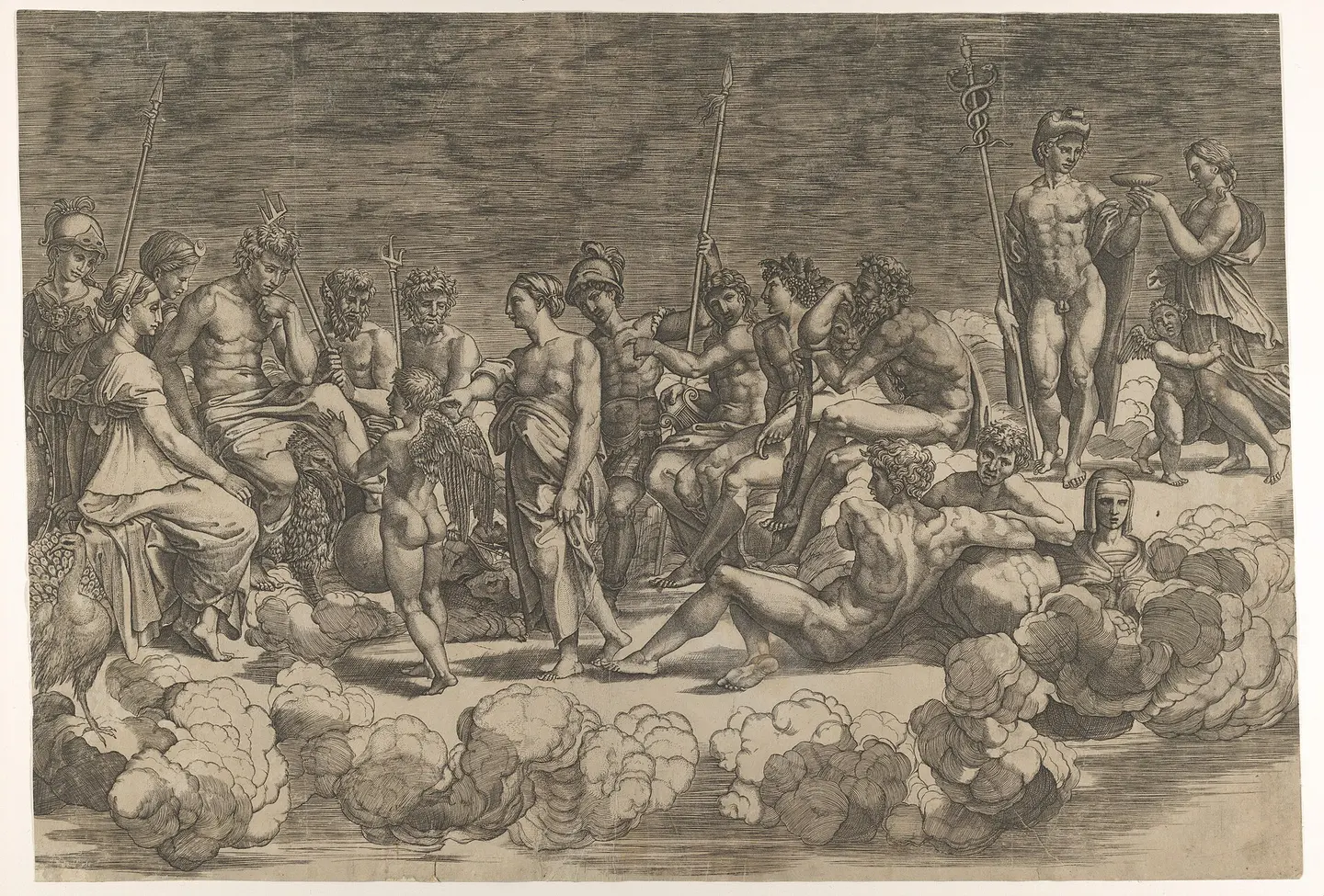
Polytheism involves belief in multiple deities. The existence of several gods does not by itself settle their relationships, moral authority, or the forms of devotion directed toward them.
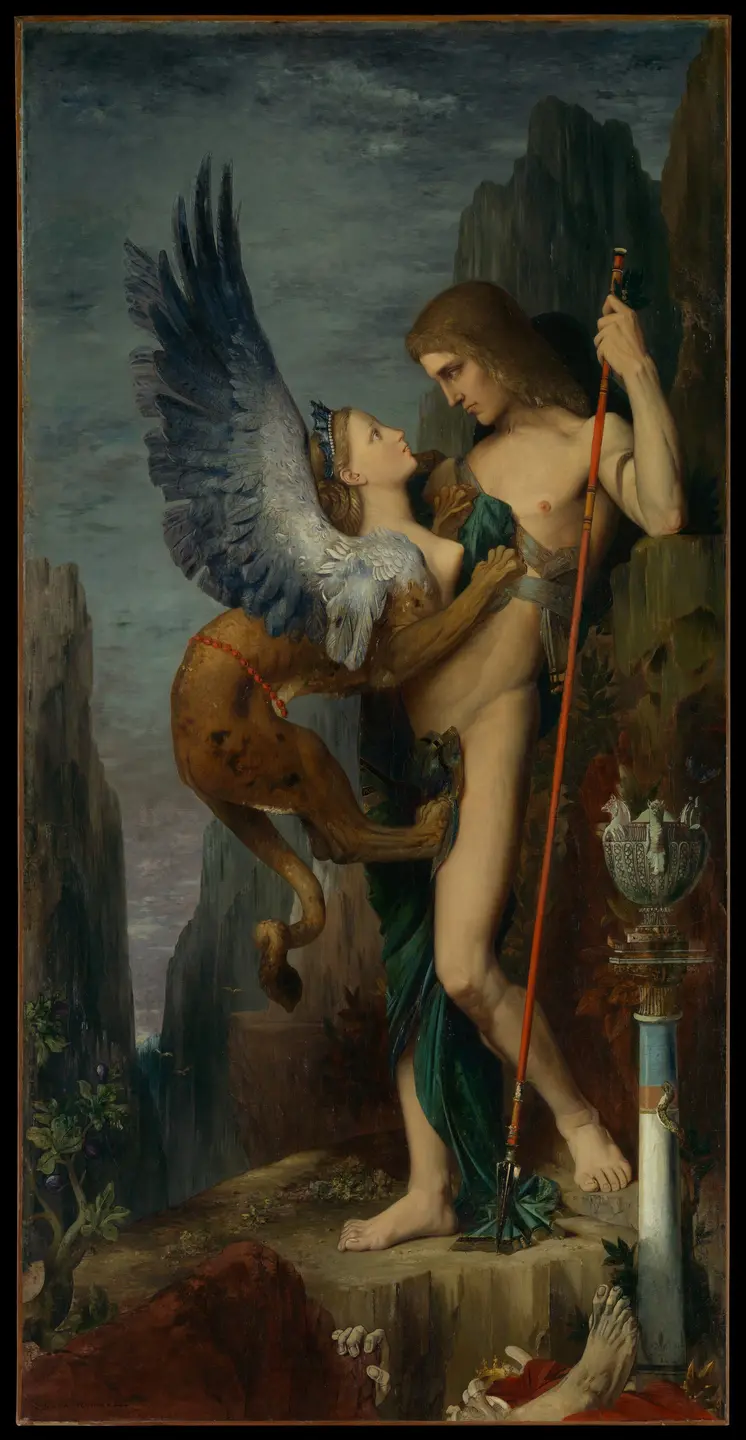
A religious myth can organize meaning while also receiving literal belief. Literary form, personal interpretation, and historical evidence should be discussed as related but distinct questions.
A modern esoteric society with stated aims of fraternity, comparative study, and investigation of nature and human capacities.
Agrippa’s Renaissance synthesis of natural, celestial, and religious magic.
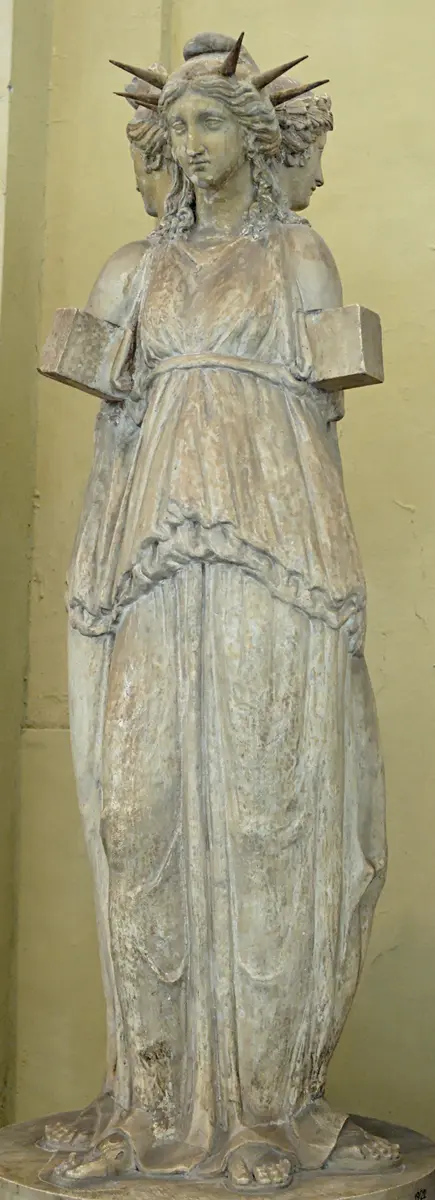
A Greek goddess with broad early powers and later associations with crossroads, spirits, and magic.
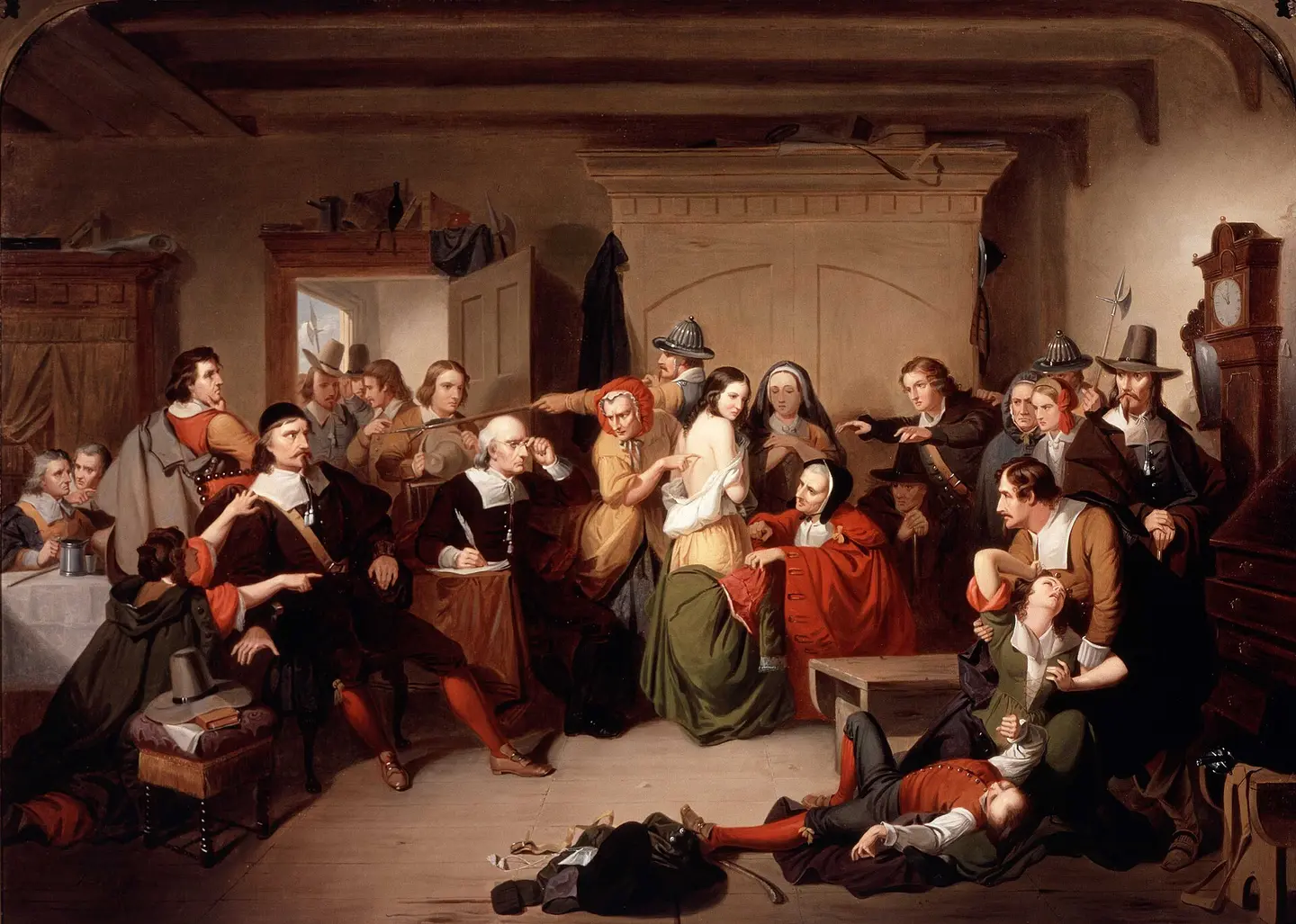
Witch trials produced records of accusations about harmful magic and the Devil. Those records require attention to how testimony was obtained and to the purposes of judges and writers.
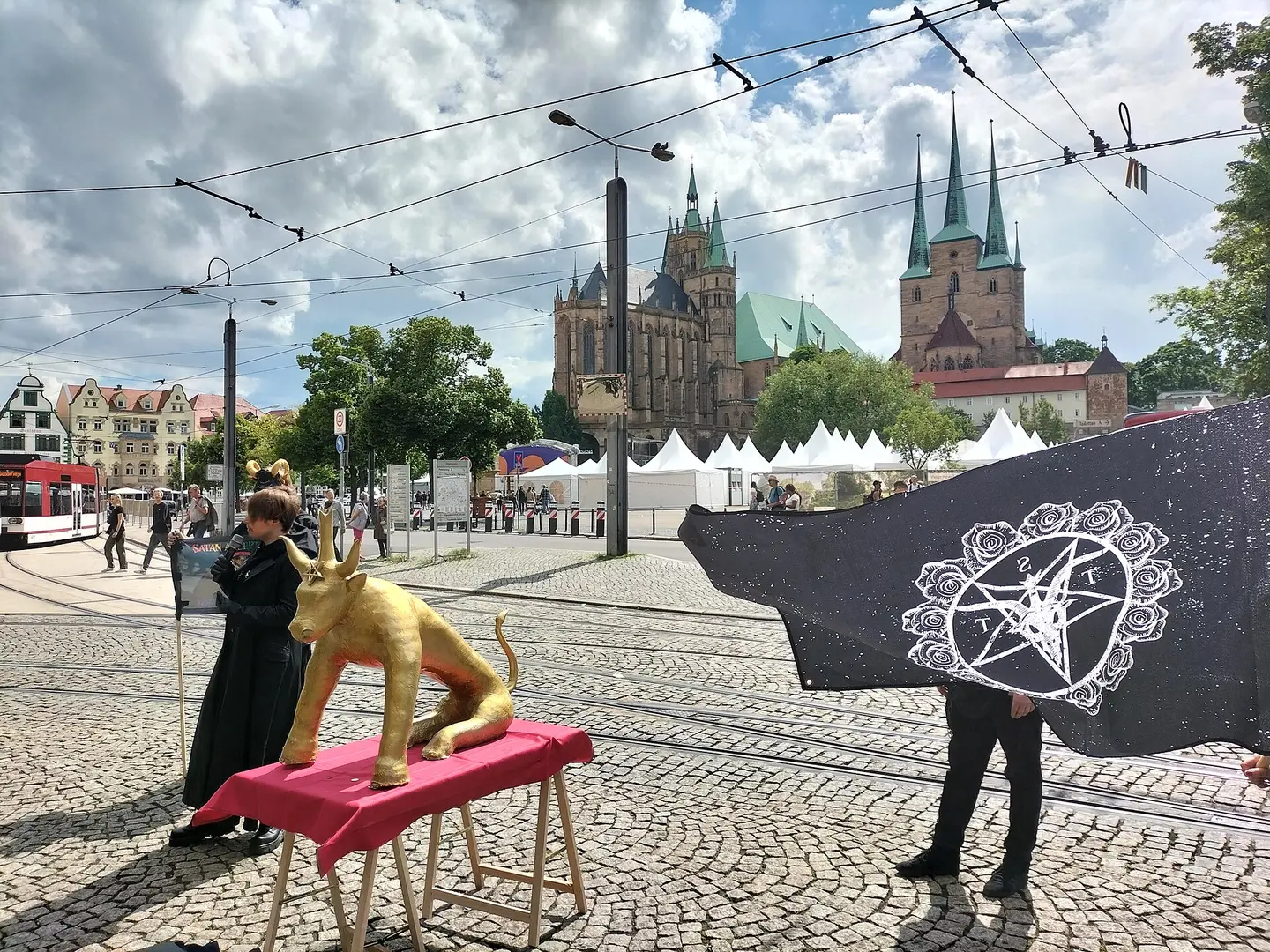
The Satanic Temple is a non-theistic religious organization whose public principles and activism differ from those of the Church of Satan and from theistic Satanist devotion.
The life and writings of David Myatt, covering his extremist activism, later philosophy, and disputed identification as Anton Long.
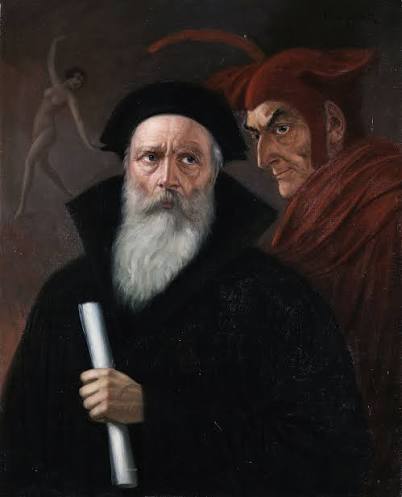
Faust is the scholar or magician at the center of a European legend about bargaining with the Devil. The 1587 Faust book, Marlowe’s Doctor Faustus, and Goethe’s Faust give the story different treatments of knowledge, desire, damnation, and human striving.