Texts & Sources
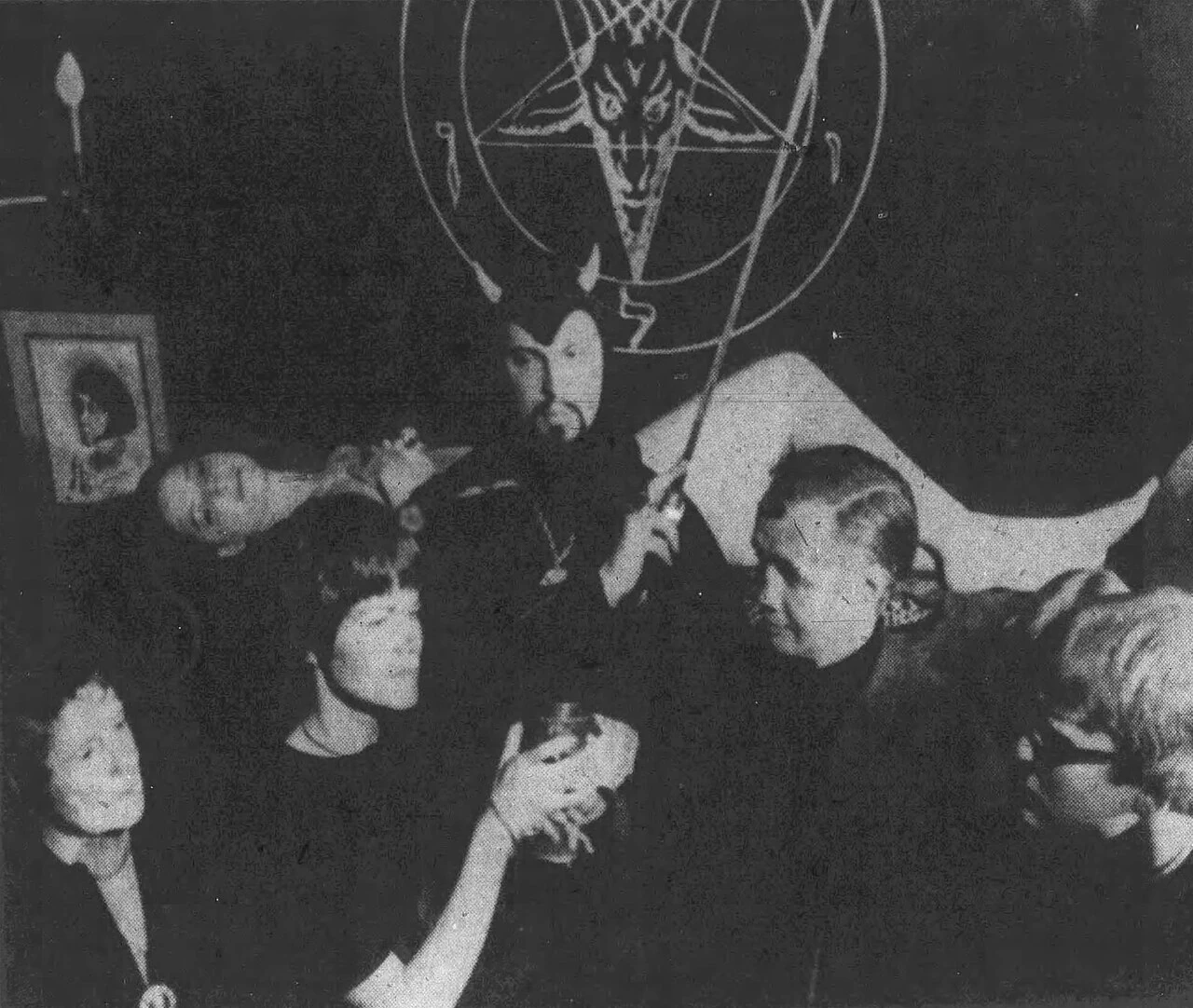
The Satanic Rituals
Anton LaVey’s collection of ceremonial material, published as a companion to The Satanic Bible.
Anton LaVey’s collection of ceremonial material, published as a companion to The Satanic Bible.
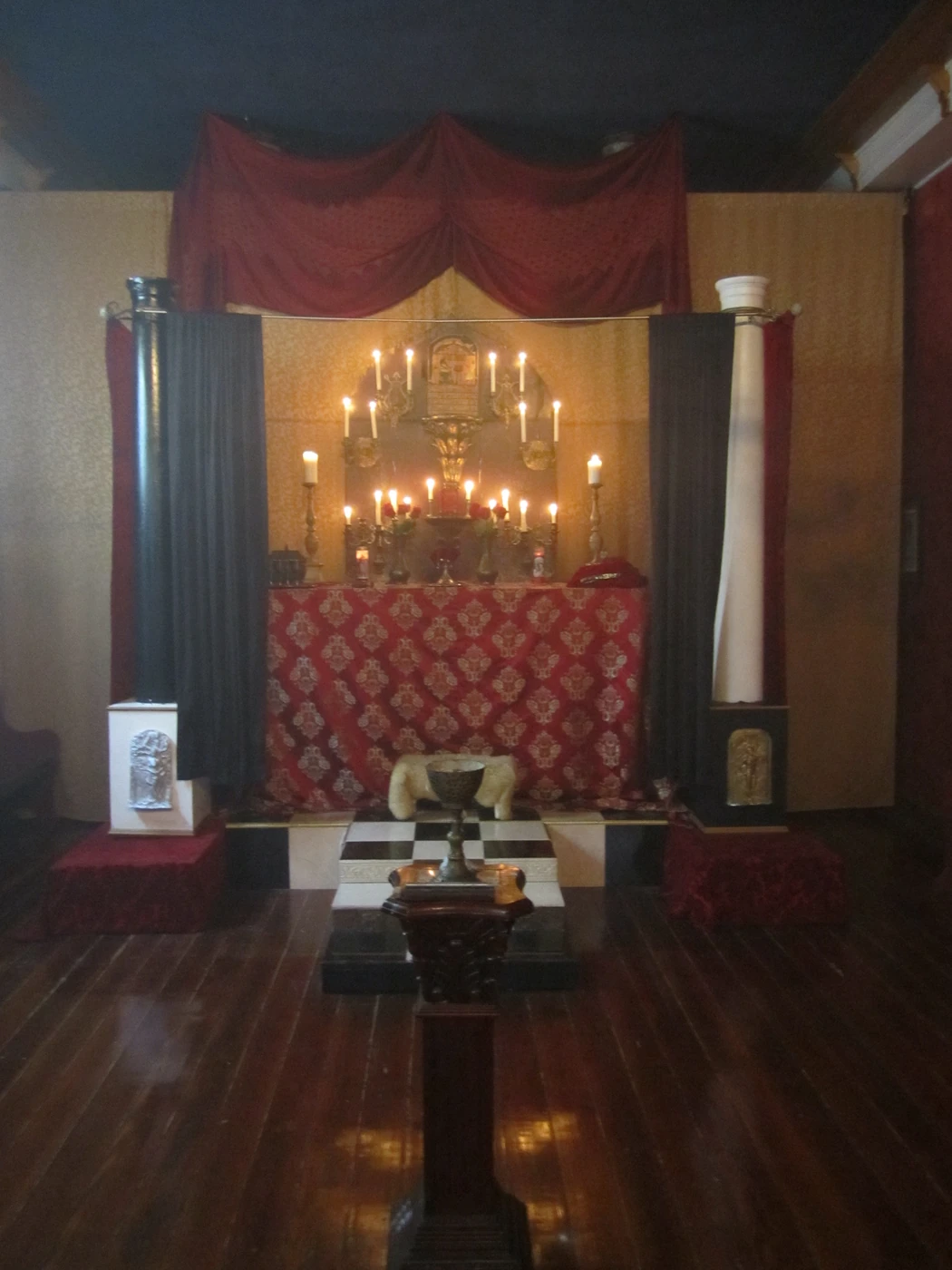
The central public liturgy of Ecclesia Gnostica Catholica, written by Aleister Crowley as Liber XV.

Meditation in theistic Satanism refers to contemplative practices used to focus attention, examine experience, cultivate devotional awareness, or create a deliberate setting for approaching Satan and other spirits. There is no single Satanic meditation method. Practices range from silent sitting and breath awareness to visualization, repetitive prayer, sigil contemplation, journaling, and extended…
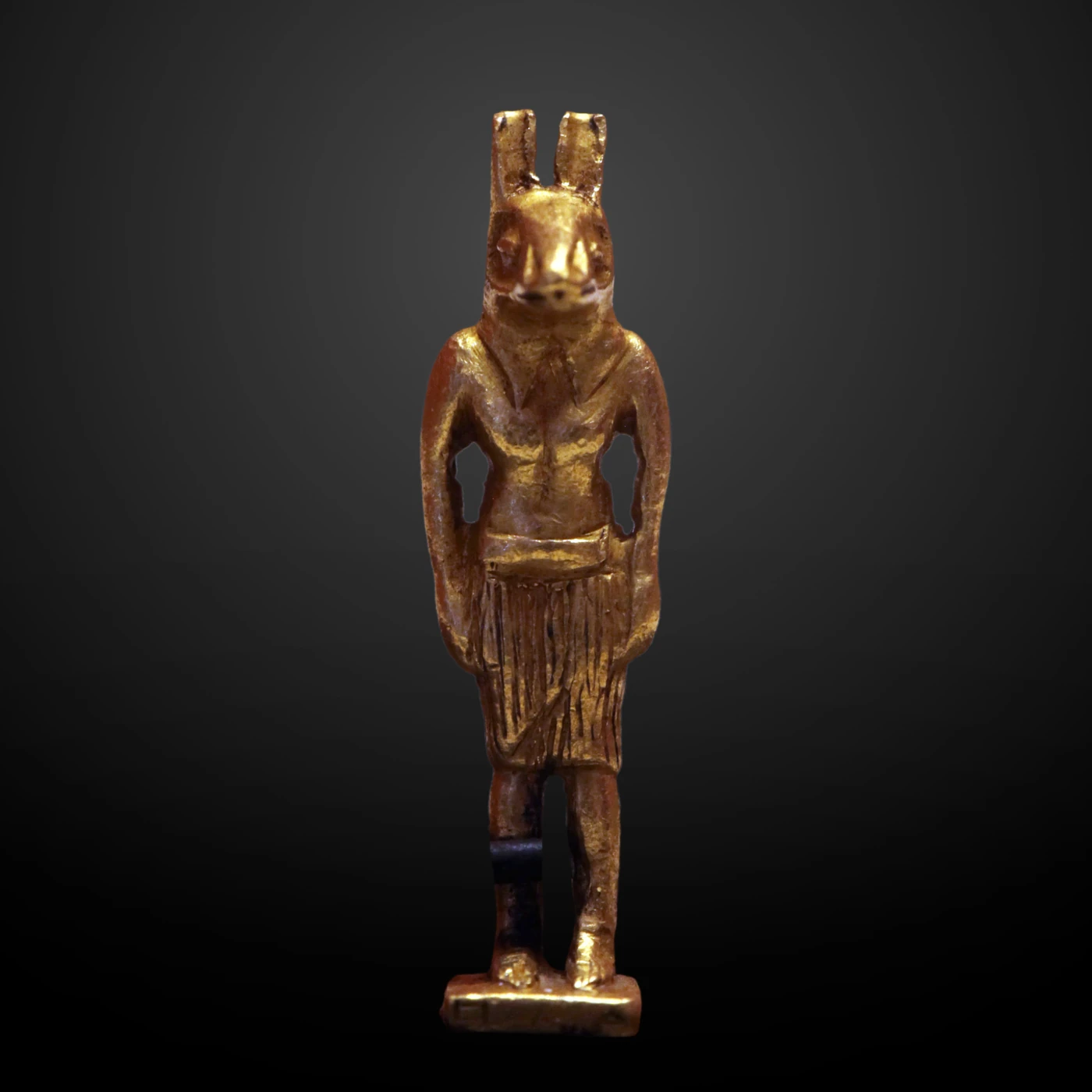
The Temple of Set is an initiatory organization whose identity centers on Set and Xeper. Its relationship with Satanism requires attention to both historical origins and later self-description.
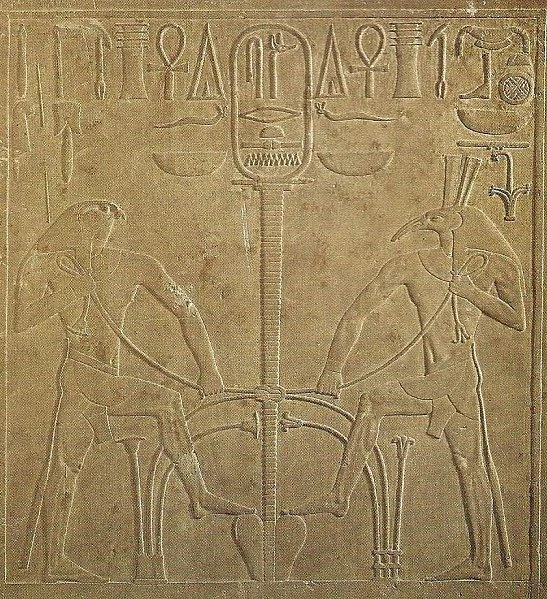
The religious philosophy associated with the Temple of Set, the Egyptian name Set, and the idea of Xeper.
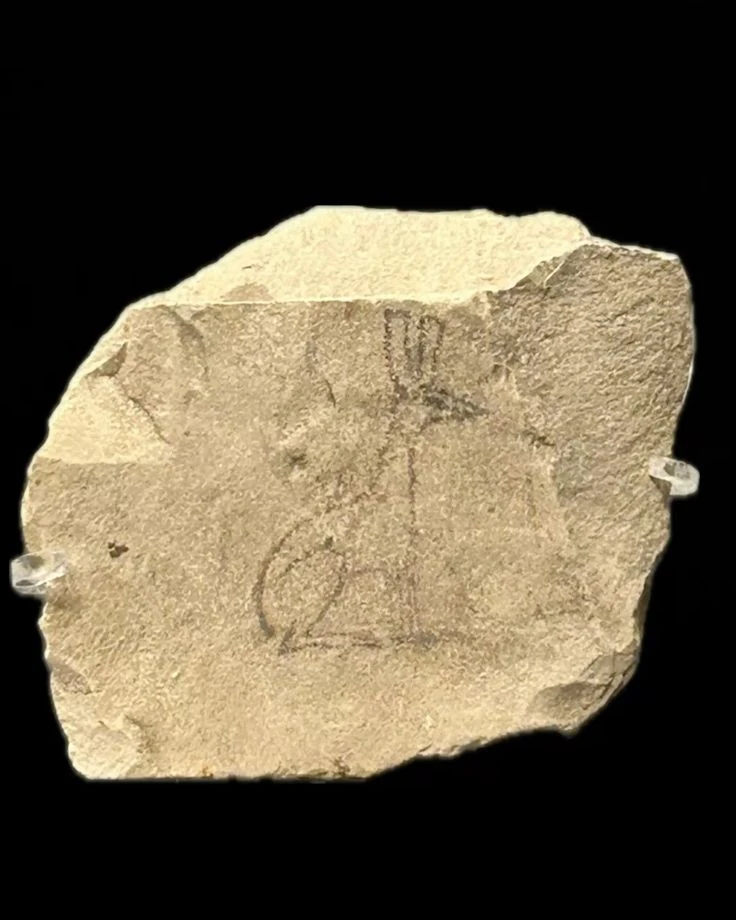
An ancient Egyptian deity associated with conflict and disorder, also reinterpreted in modern Setian religion.
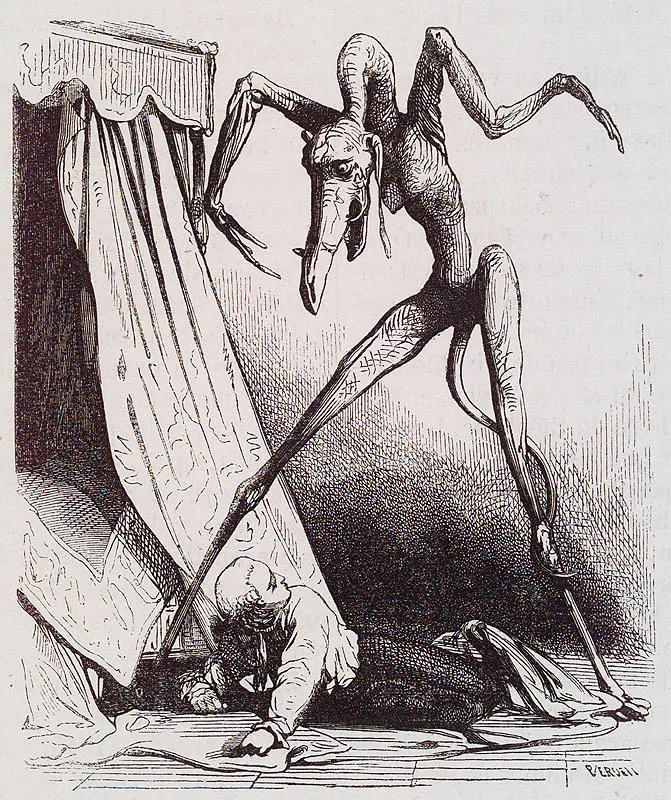
Demonology is the study, classification, and interpretation of demons and related spirits. In Western religious history it has included theological arguments about the nature and powers of demons, lists of named spirits, explanations of possession and temptation, magical techniques for summoning or constraining spirits, and folklore about dangerous supernatural beings. Modern theistic Satanists and…

An initiatory organization associated with Thelema and the public celebration of the Gnostic Mass.
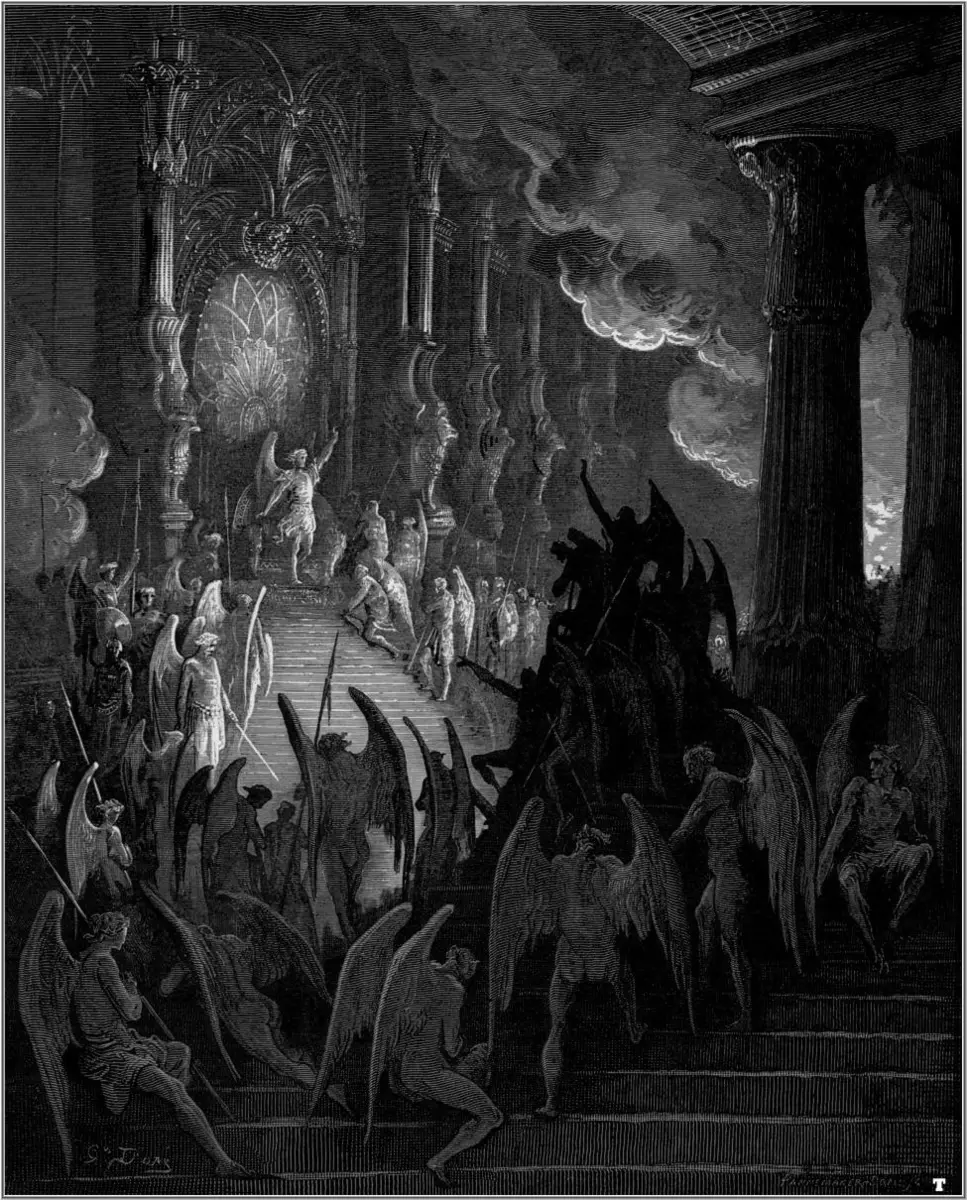
A nontheistic Satanic organization whose public principles emphasize self-determination, compassion, and responsibility.

A founder and major author of the Temple of Set, associated with the modern Setian interpretation of Xeper.
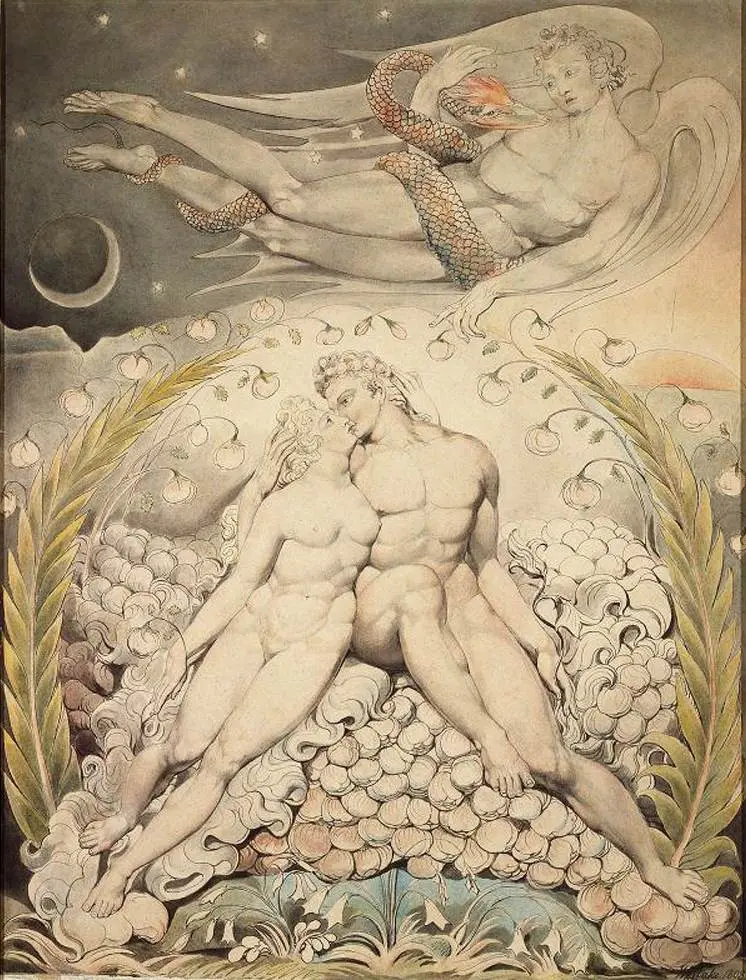
Religions that give Satan a central symbolic or divine role, with substantial differences in belief and practice.
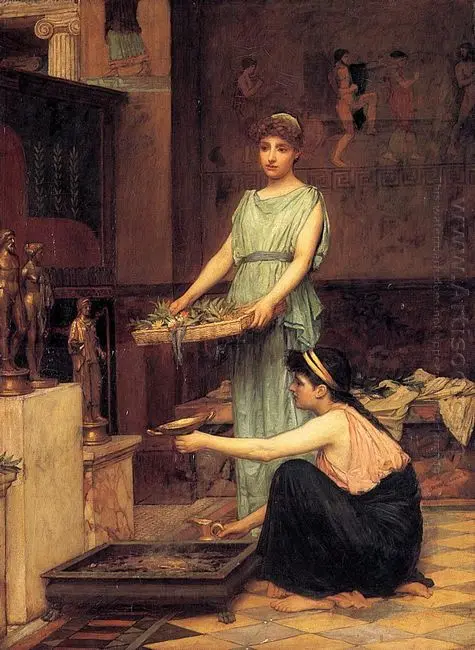
Offerings are objects, substances, actions, or works intentionally presented to a deity, spirit, sacred power, or religious community. Across religious history offerings have included food, drink, incense, flowers, animal sacrifice, money, vows, music, labor, art, and acts of service. In theistic Satanism, offerings are commonly used to express devotion, gratitude, hospitality, dedication, or…
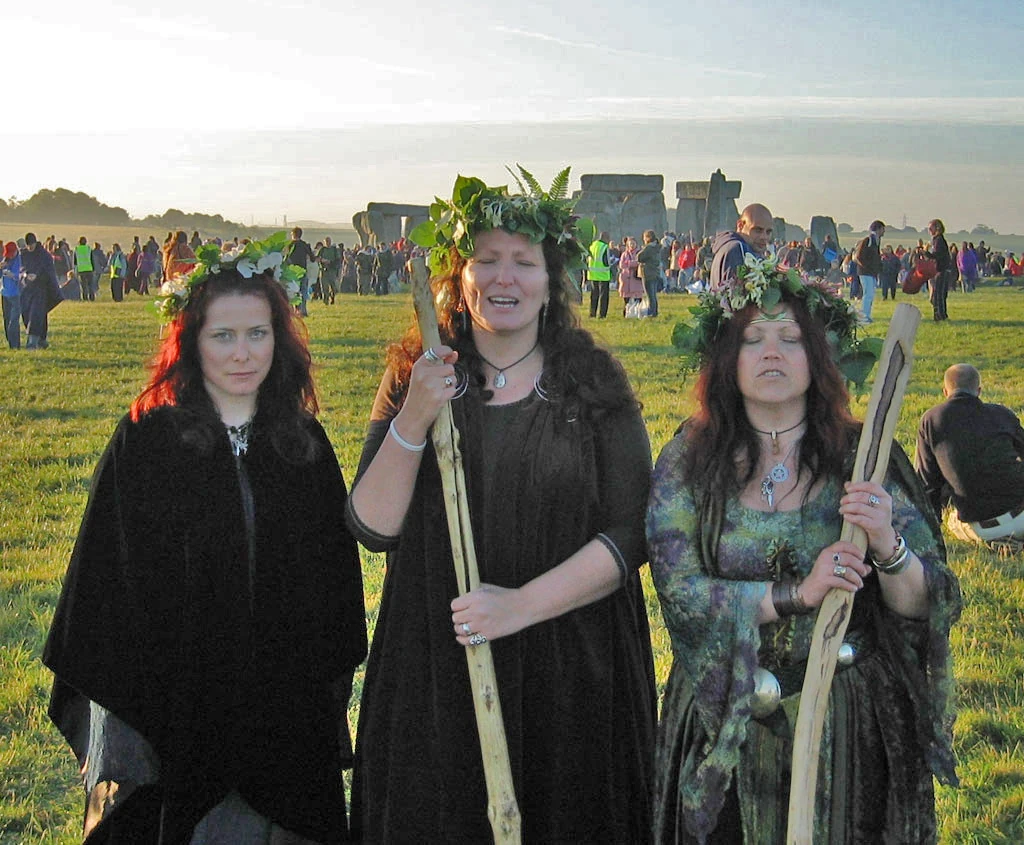
An introduction to contemporary Pagan traditions, including Wicca, Druidry, and Heathenry, and their different uses of older sources.

The public holiday of 31 October, including lanterns, visiting customs, disguise, and its Celtic and Christian histories.

The Massachusetts prosecutions of 1692-1693, the spread of accusations, spectral evidence, and the surviving court archive.
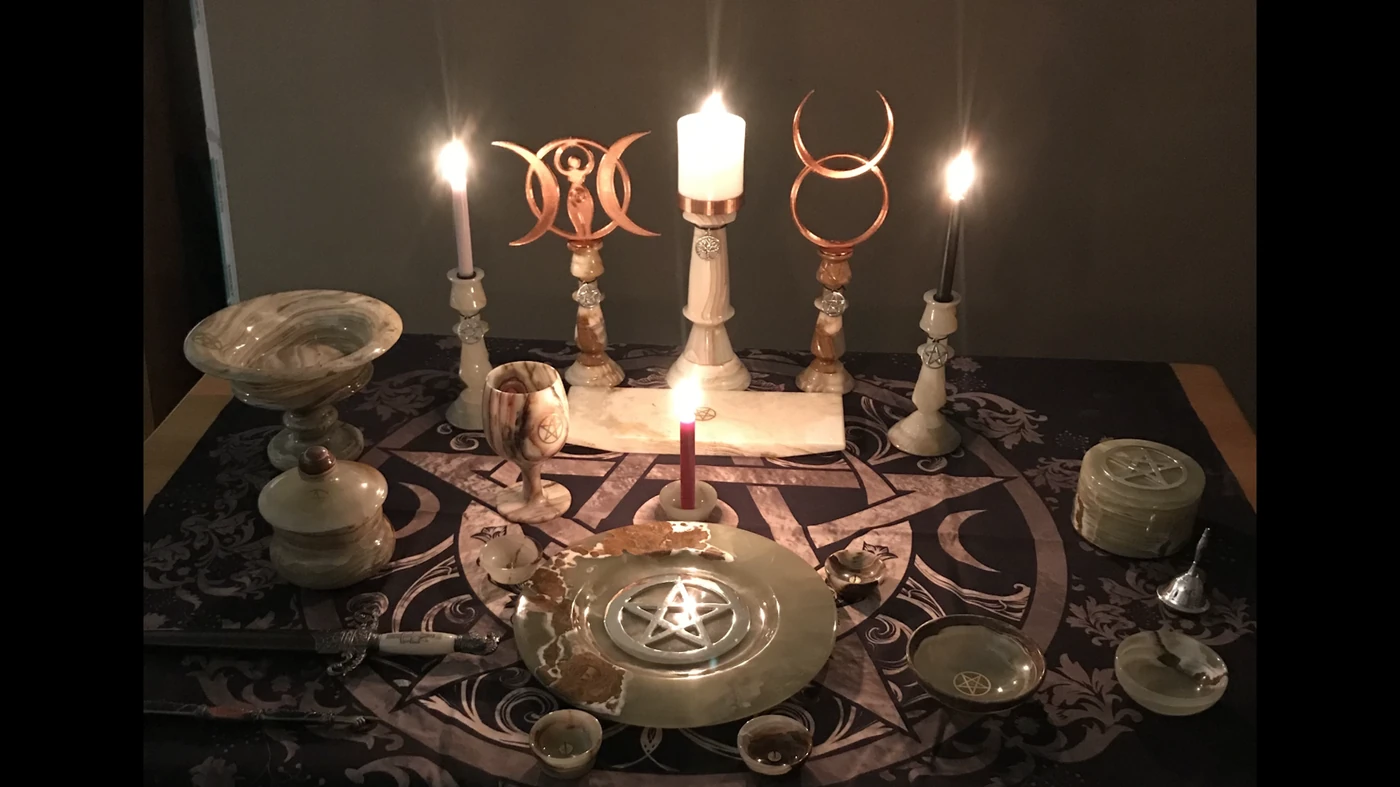
An altar is a designated place or surface used for religious devotion, ritual, offerings, sacred objects, or symbolic focus. Altars occur in many religious traditions, but their forms and meanings vary widely. In modern theistic Satanism an altar may function as a place for Prayer, Ritual, Offerings, meditation, spirit work, or the display of symbols connected with Satan and other beings.

A German magical fraternity whose teaching gives Saturn a central symbolic and initiatory role.

A modern approach to magic that treats techniques and belief systems as tools for practical experimentation.

A nineteenth-century French occult author associated with ceremonial symbolism and the influential image of Baphomet.

An English artist and occult author whose treatment of desire and sigils influenced later magical practice.