Organizations & Traditions
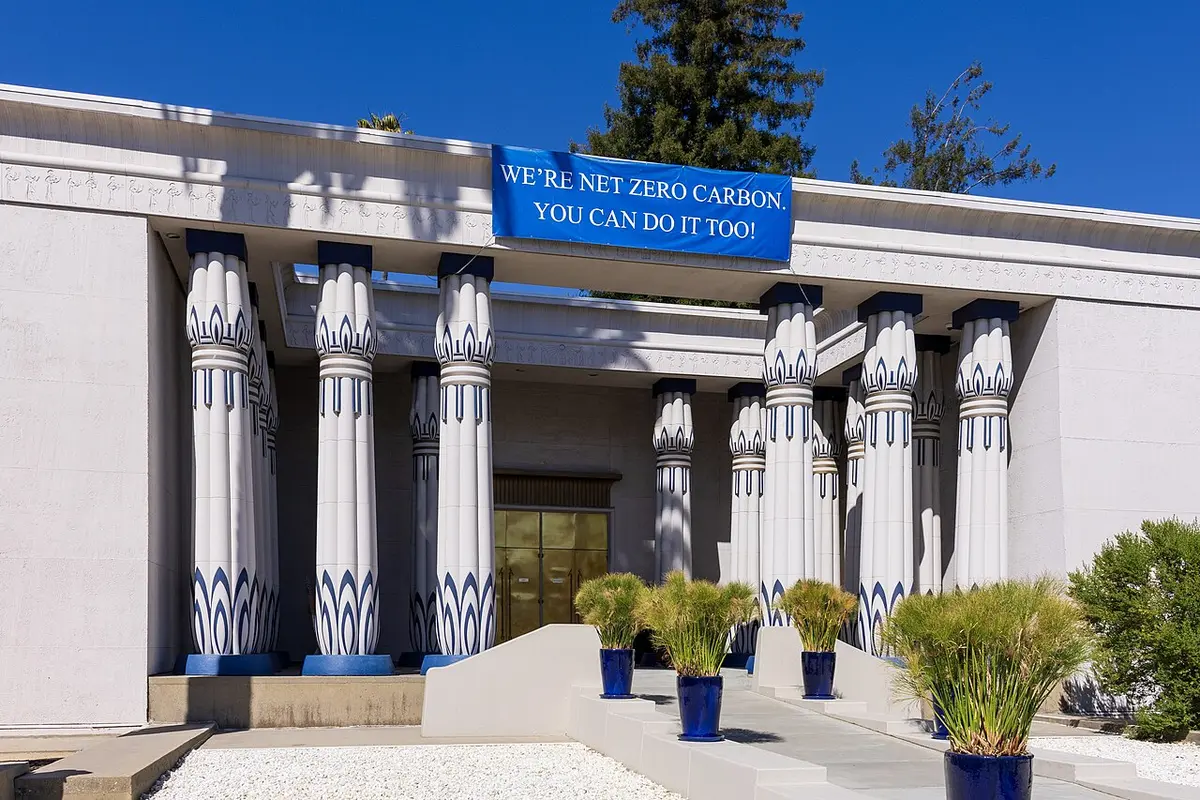
Ancient Mystical Order Rosae Crucis
A modern Rosicrucian organization, usually called AMORC, that teaches through lessons and local study groups.
A modern Rosicrucian organization, usually called AMORC, that teaches through lessons and local study groups.
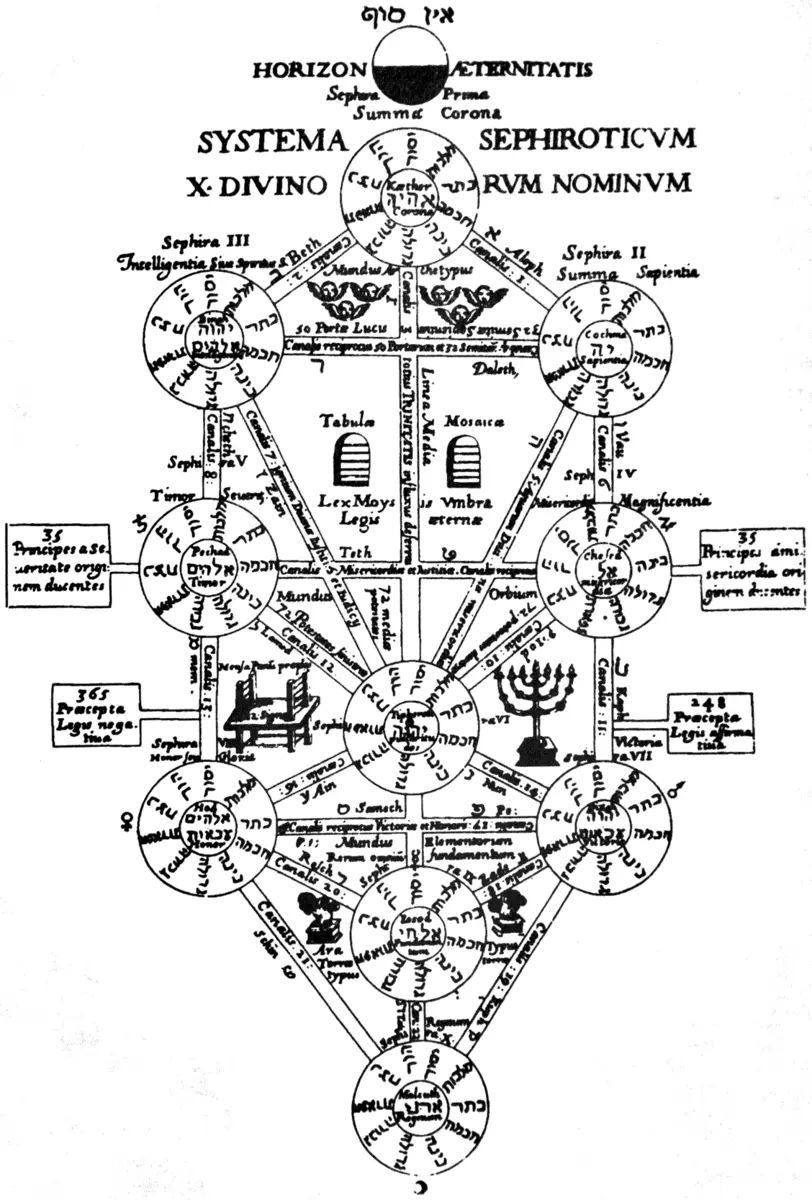
Western esoteric systems that adapt Kabbalistic ideas through ritual, correspondence tables, and symbolic interpretation.
An angelic art in the Lemegeton, using a wax tablet, candles, and a hierarchy of heavenly altitudes.
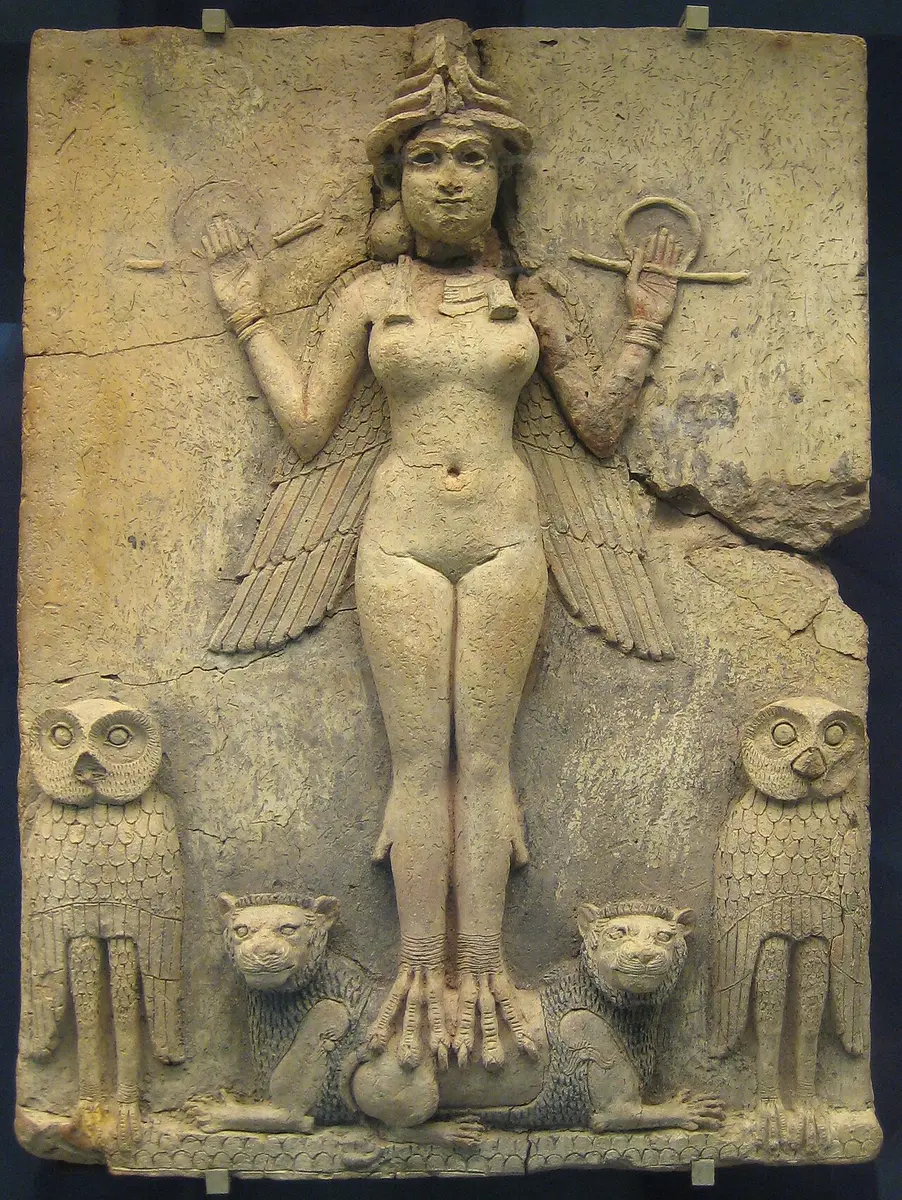
A Mesopotamian queen of the underworld, known through myths of descent and traditions concerning Nergal.
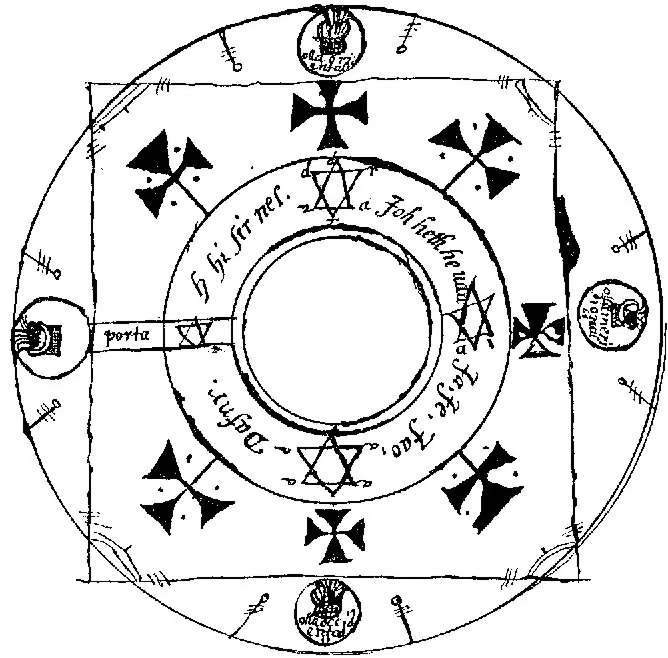
A marked ritual space whose names, divisions, and purpose differ among magical texts and modern traditions.
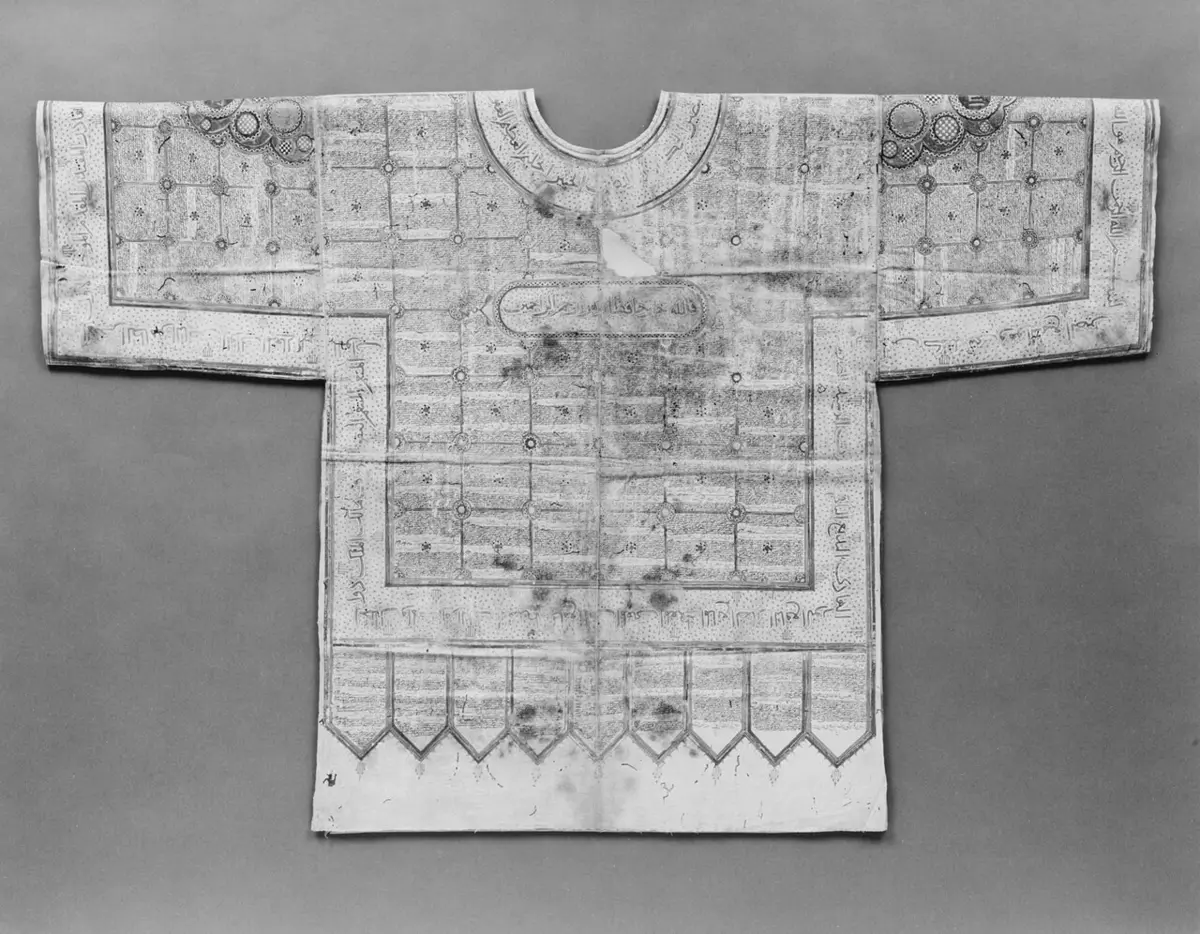
Objects prepared or used for a particular effect through inscriptions, images, materials, and ritual meaning.
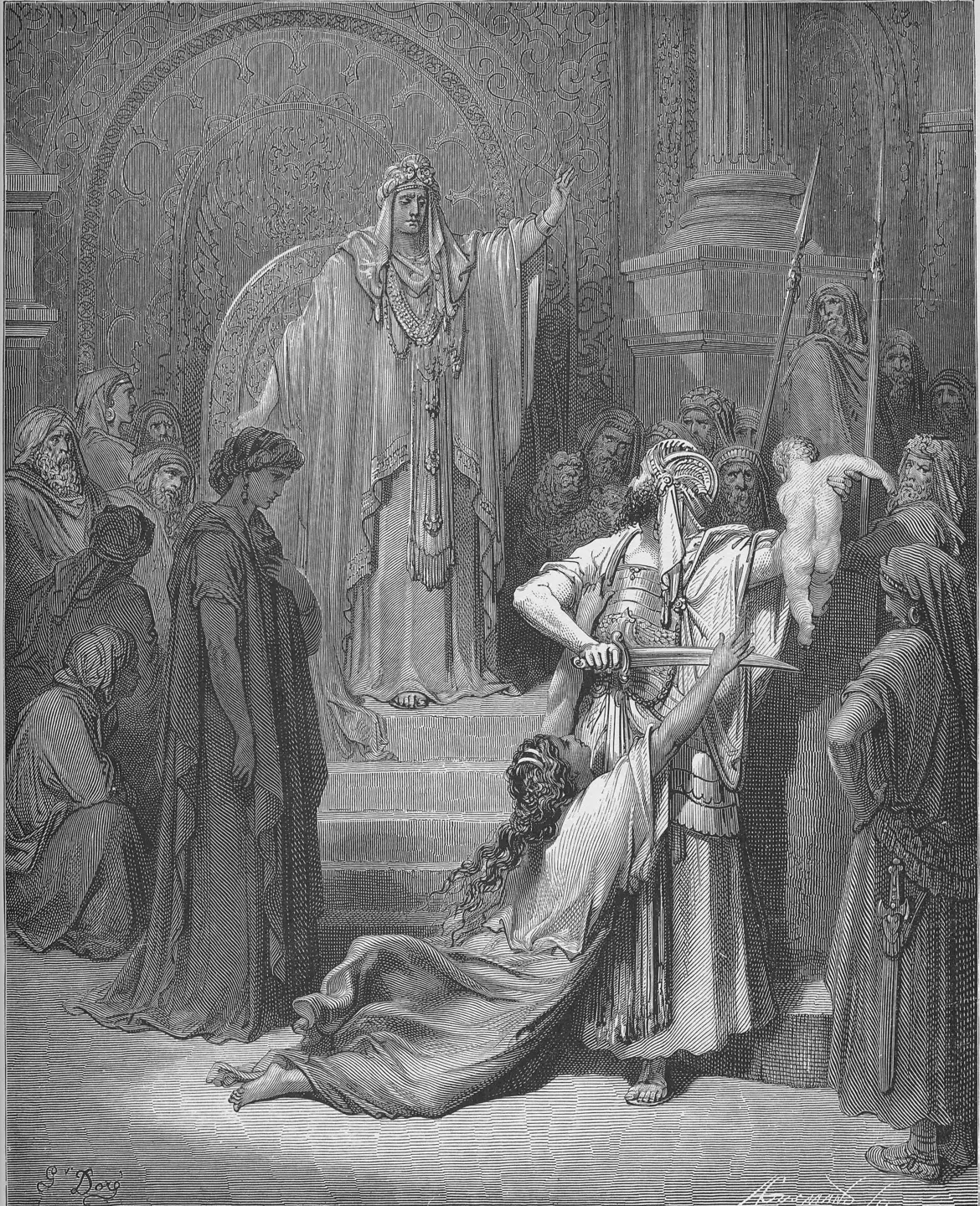
Solomon’s name supplies authority to several magical and religious works. Attribution to the king must be distinguished from the date and authorship of the surviving text.
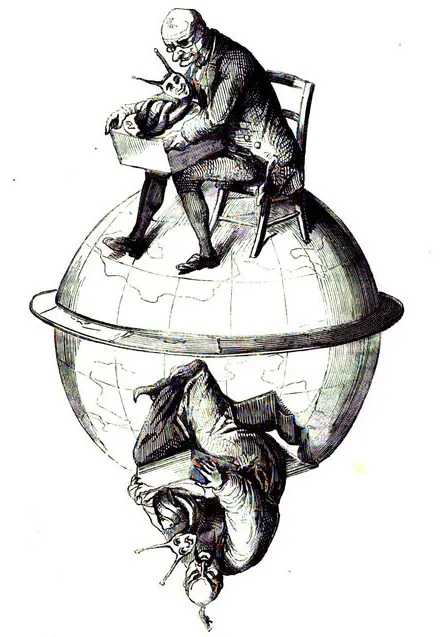
Collin de Plancy’s Dictionnaire infernal gathered supernatural traditions in a dictionary format. Its 1863 entries and illustrations remain influential in modern depictions of spirits.
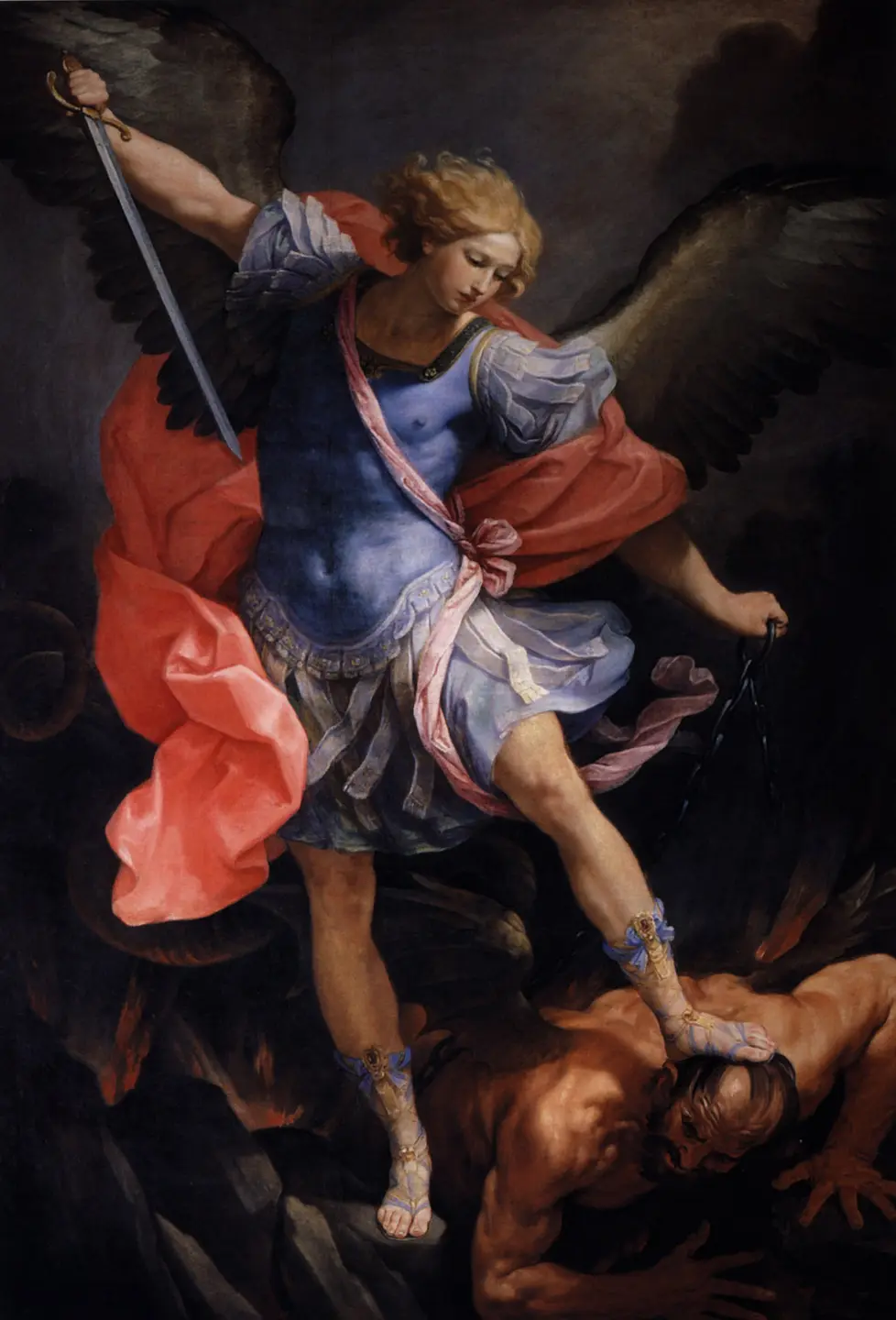
Monotheism and religious dualism concern different questions about ultimate reality. The presence of an adversary does not automatically establish two equal divine principles.
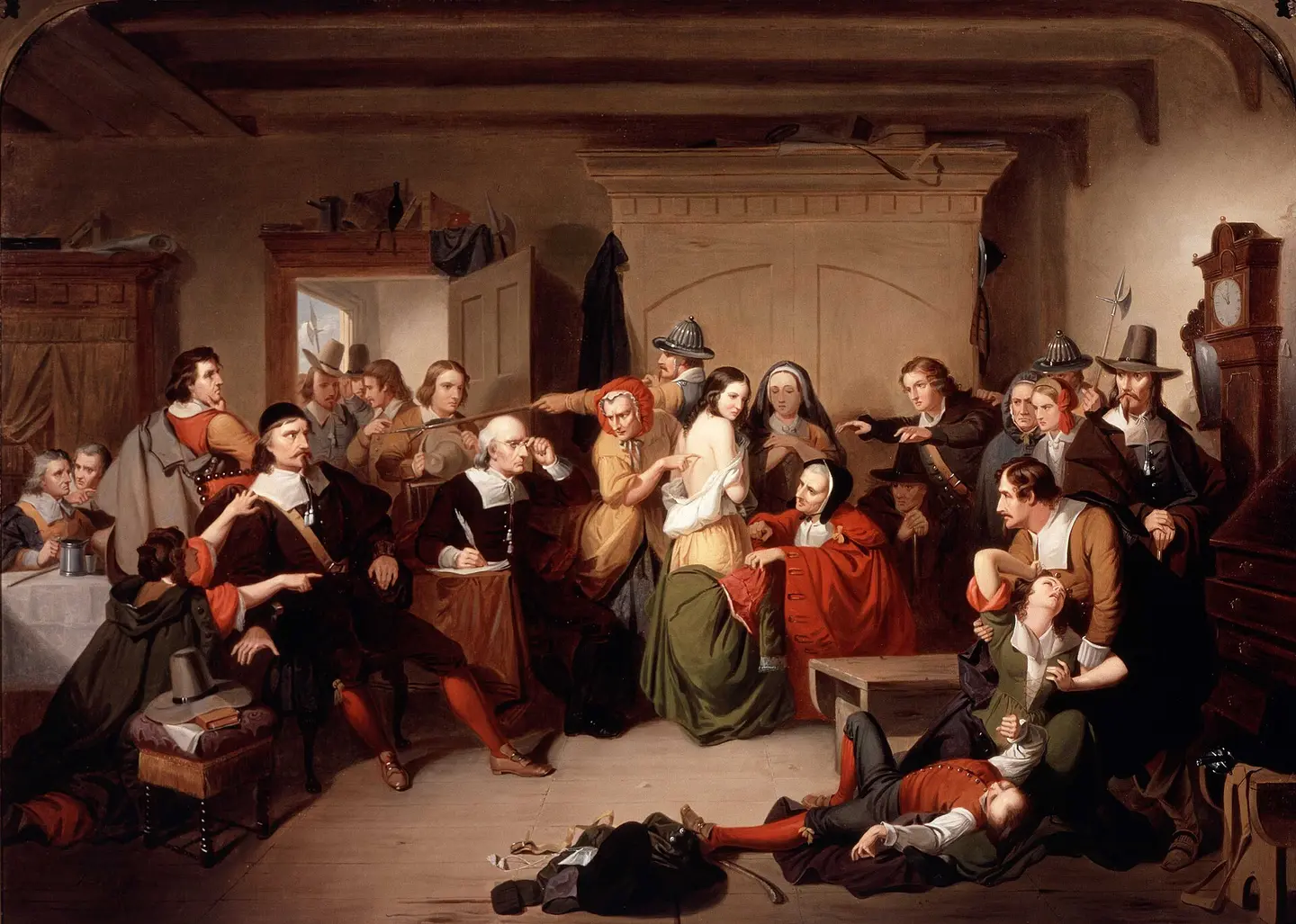
Witch trials produced records of accusations about harmful magic and the Devil. Those records require attention to how testimony was obtained and to the purposes of judges and writers.
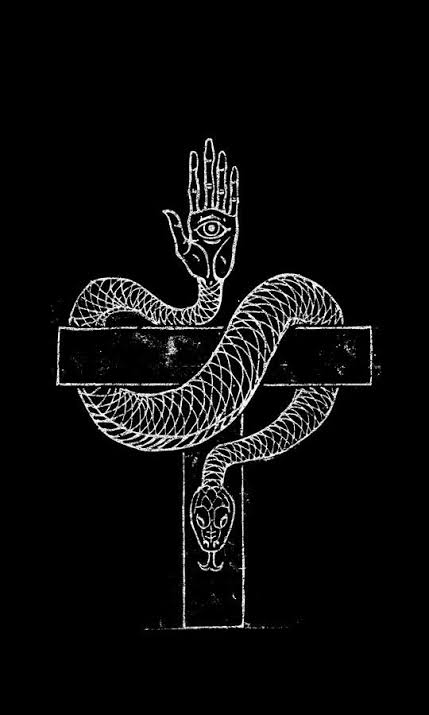
The left-hand path is a modern esoteric category used for religious and magical currents that emphasize themes such as individual self-direction, antinomianism, self-deification, initiatory transformation, or deliberate engagement with symbols rejected by dominant religious culture. It overlaps with some forms of Satanism, Luciferianism, Setianism, and modern occultism, but the terms are not synonymous.
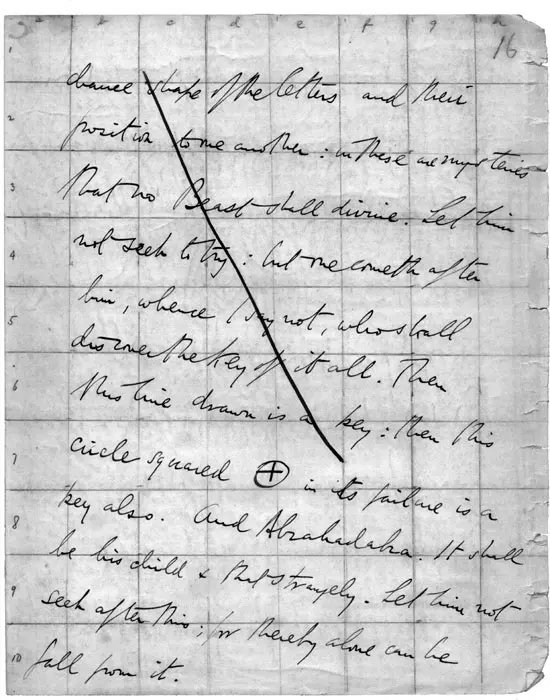
The three-chapter revelatory text at the center of Thelema, also titled Liber AL vel Legis.
The medieval Liber Juratus, a work of sacred magic concerned with divine vision, angels, and ritual authority.
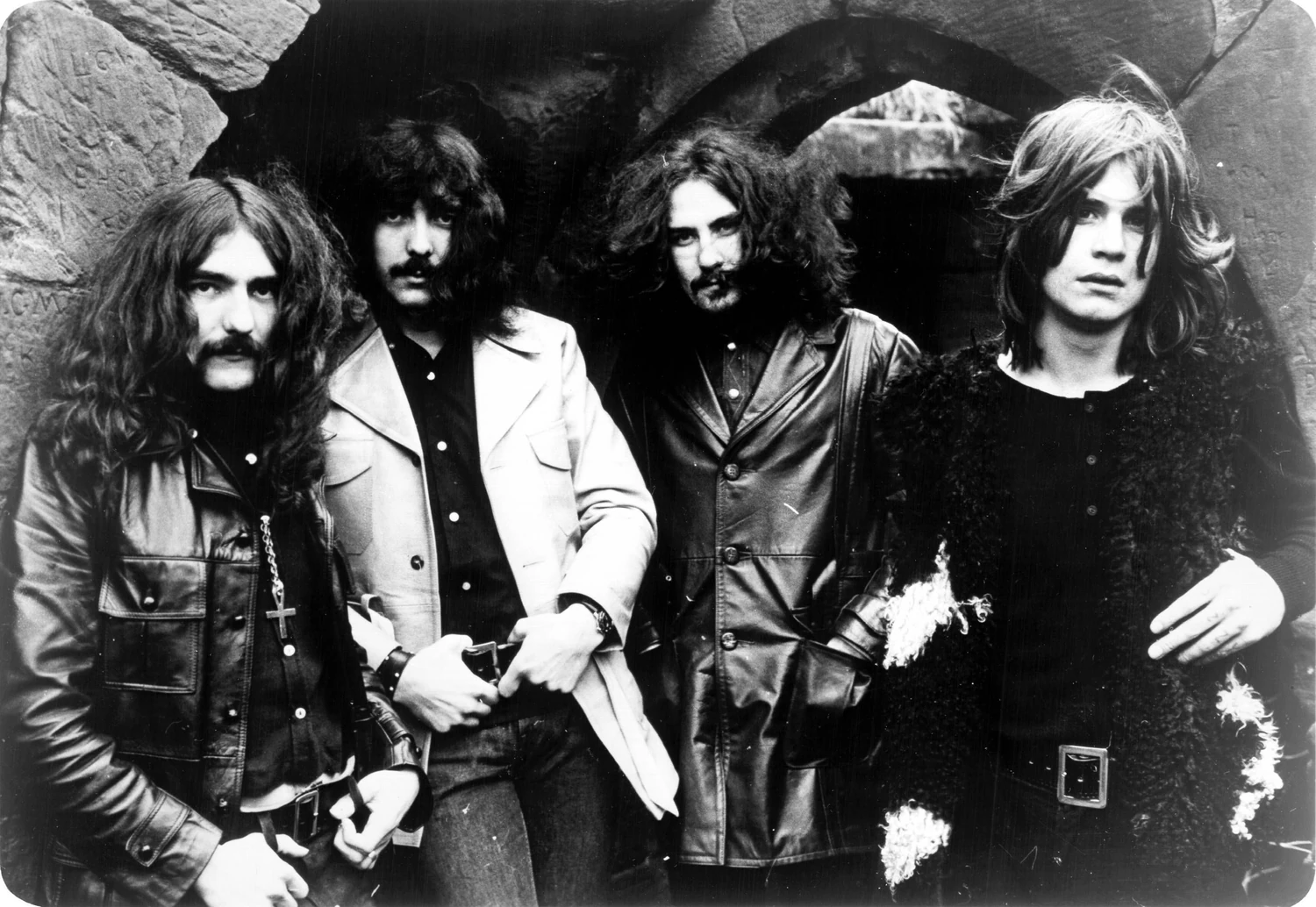
How Black Sabbath and Venom used dark or Satanic imagery, and why a song, stage character, and religious affiliation are different evidence.
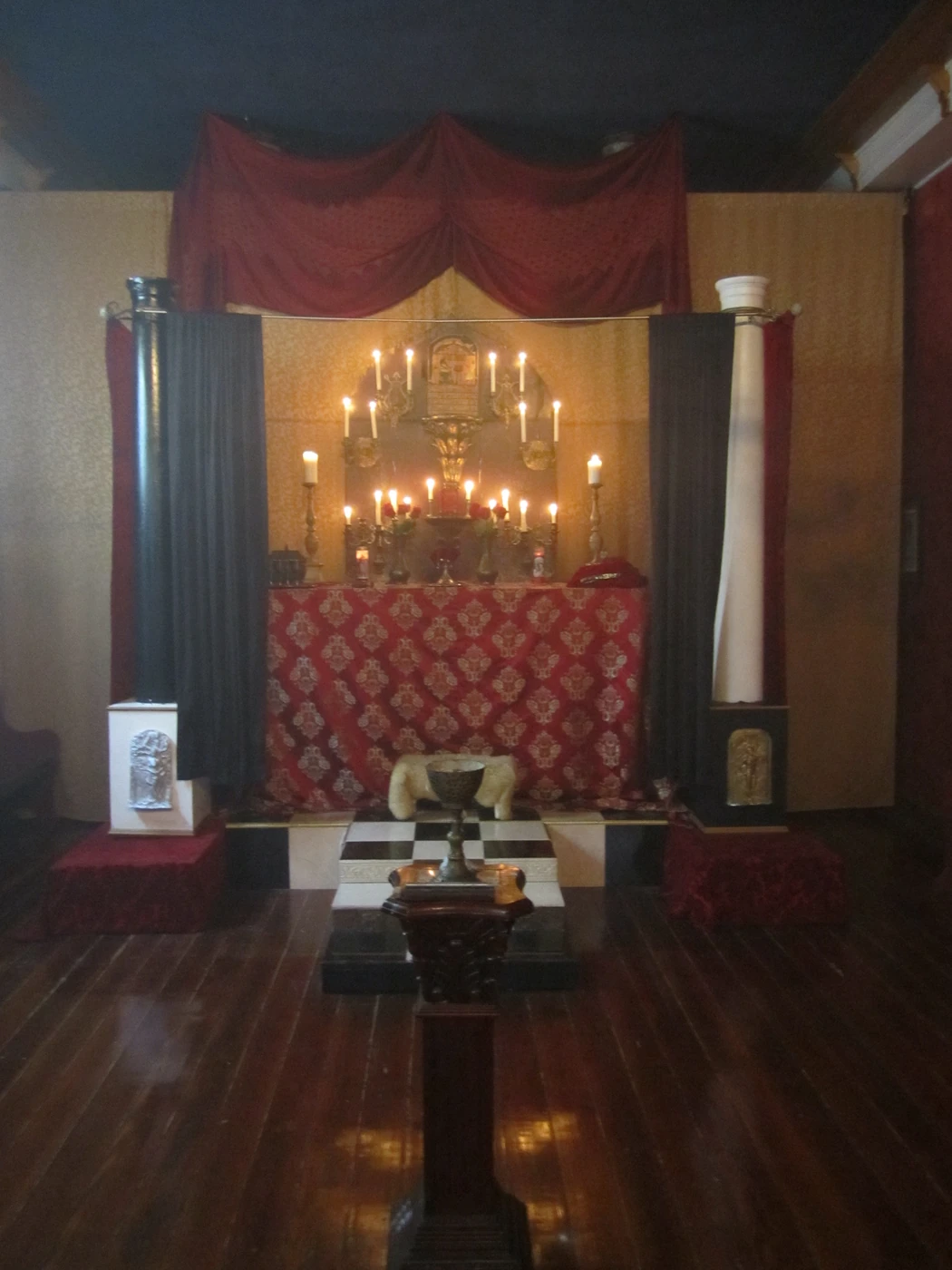
The central public liturgy of Ecclesia Gnostica Catholica, written by Aleister Crowley as Liber XV.
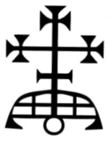
A Goetic marquis, also called Gamigin, associated with liberal studies and accounts of deceased souls.

The public holiday of 31 October, including lanterns, visiting customs, disguise, and its Celtic and Christian histories.
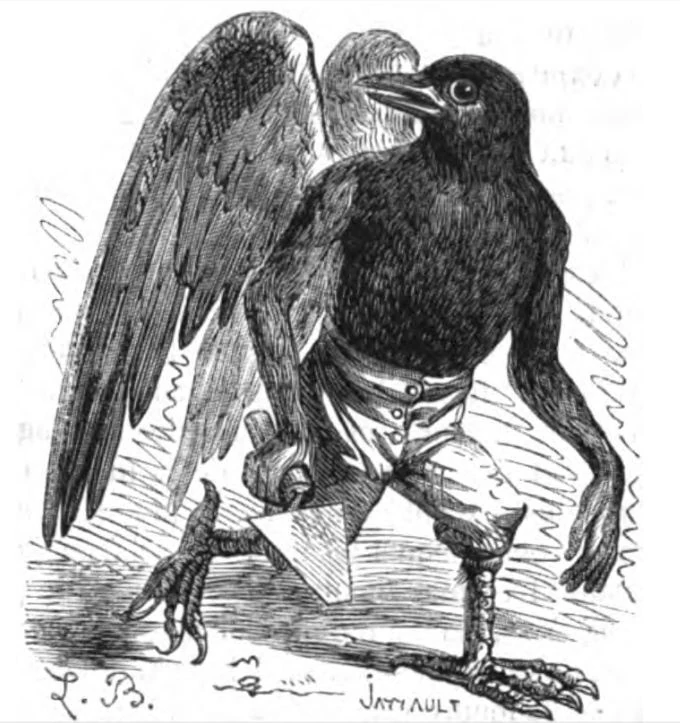
A Goetic president in a dark bird form, associated with building and a warning about offerings.
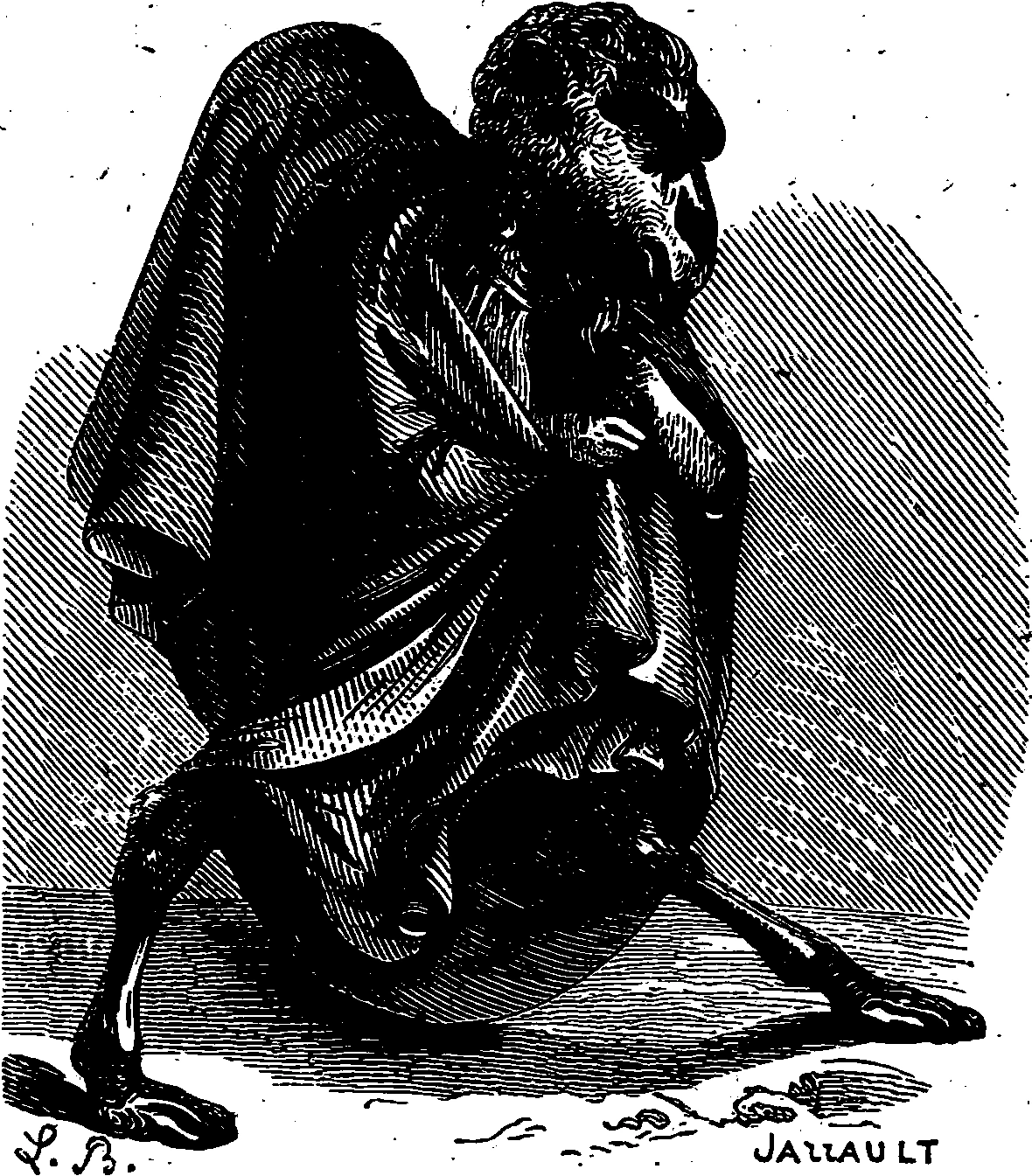
A Goetic duke first appearing as a dromedary, associated with affection, friendship, and knowledge.
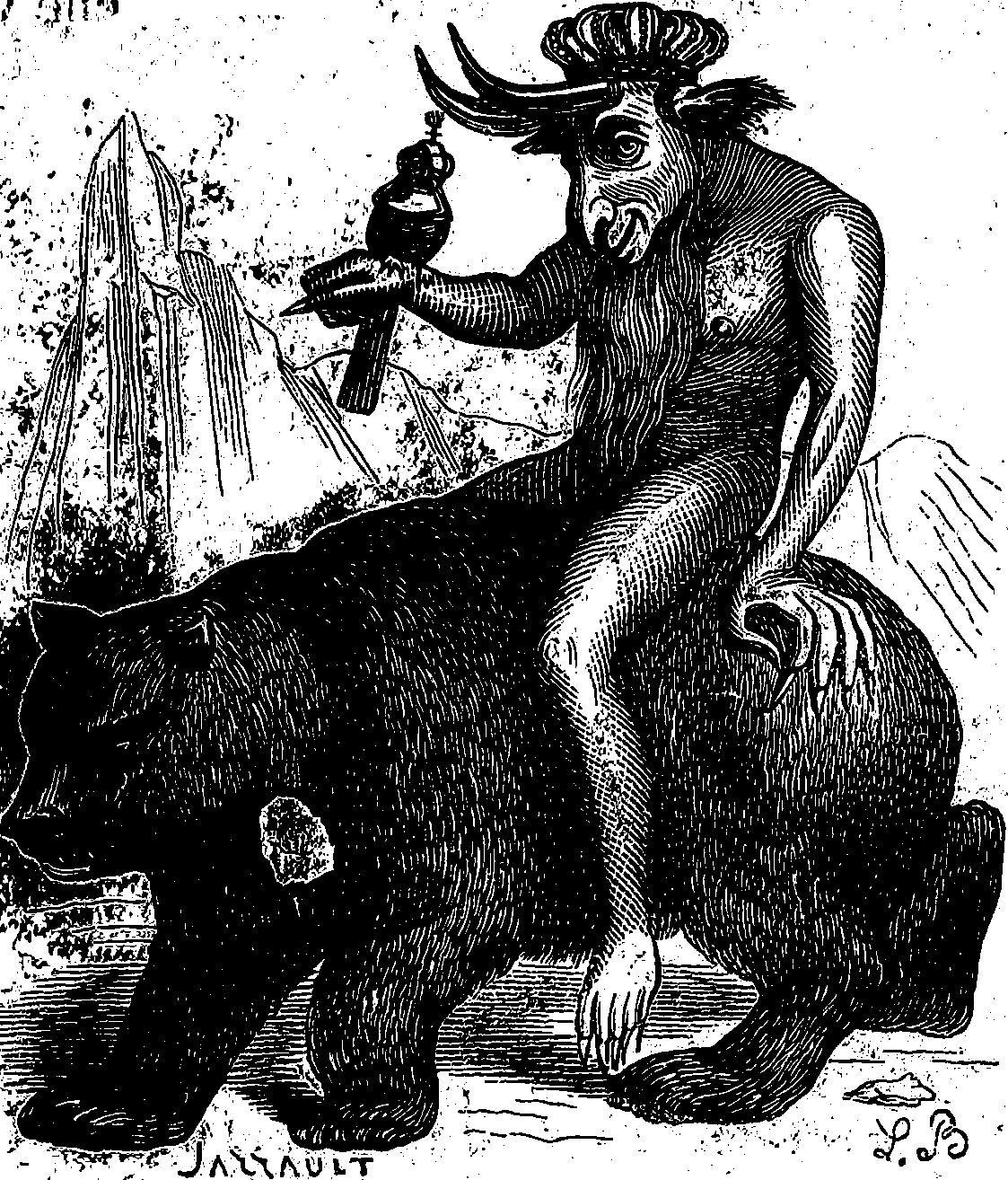
A three-headed Goetic king riding a bear, associated with answers, wit, and invisibility.