Texts & Sources
Three Books of Occult Philosophy
Agrippa’s Renaissance synthesis of natural, celestial, and religious magic.
Agrippa’s Renaissance synthesis of natural, celestial, and religious magic.
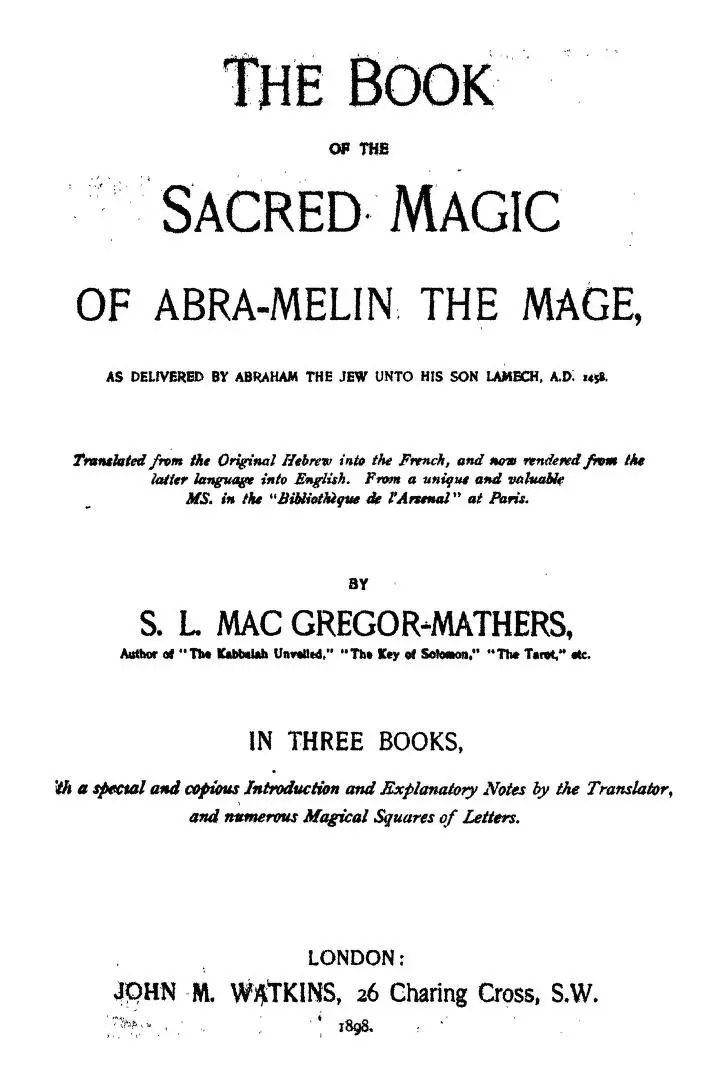
A grimoire built around religious preparation, the guardian angel, and subsequent work with spirits and magical squares.
The medieval Liber Juratus, a work of sacred magic concerned with divine vision, angels, and ritual authority.
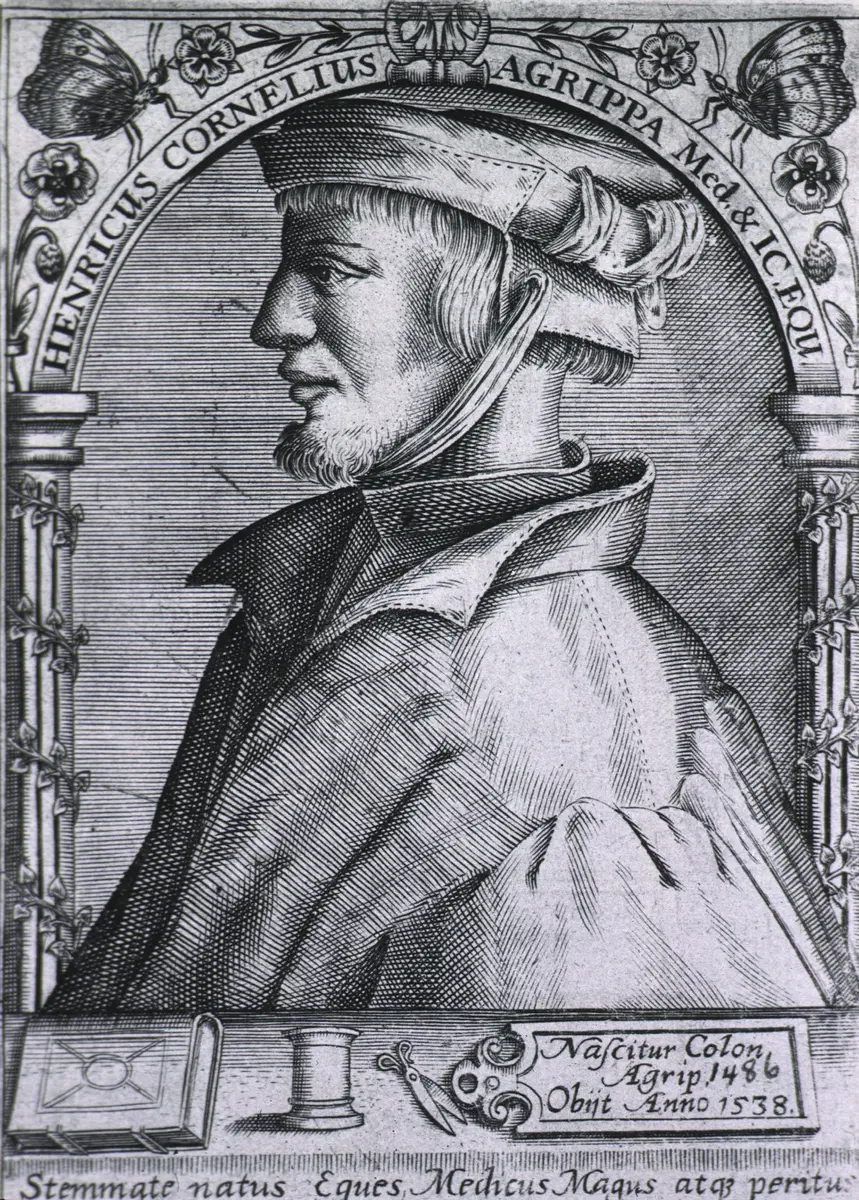
A Renaissance author whose Three Books of Occult Philosophy became a major source for Western magical systems.
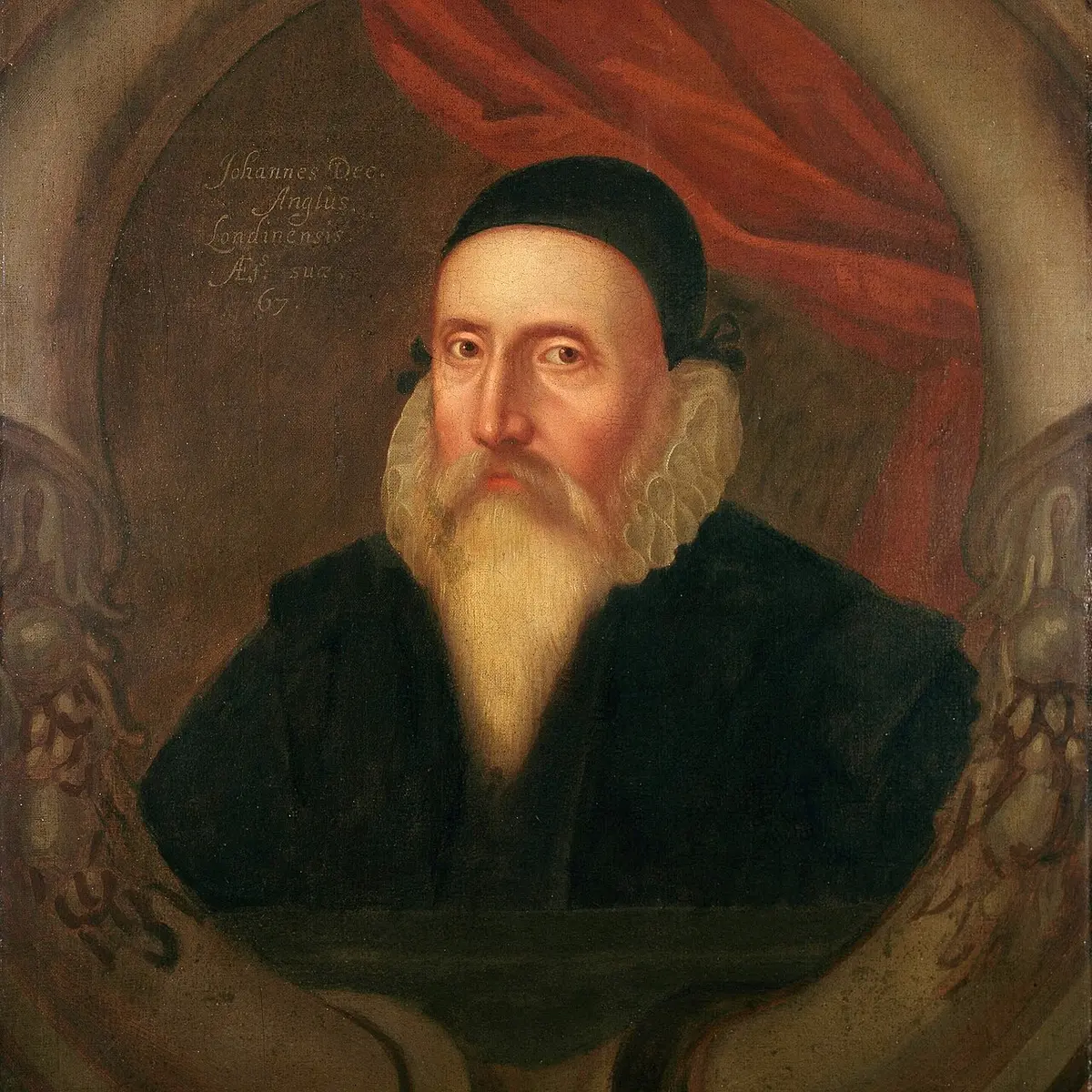
An English scholar whose records of spirit conversations became a major source for later angelic magic.
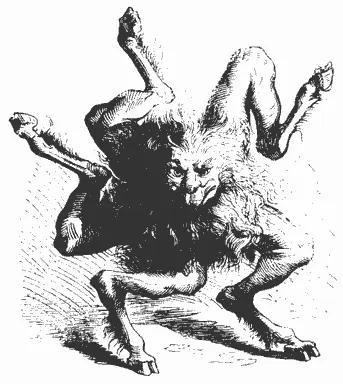
Buer is a spirit associated in magical catalogues with learning and healing. The well-known radial illustration belongs to later printed demonology.
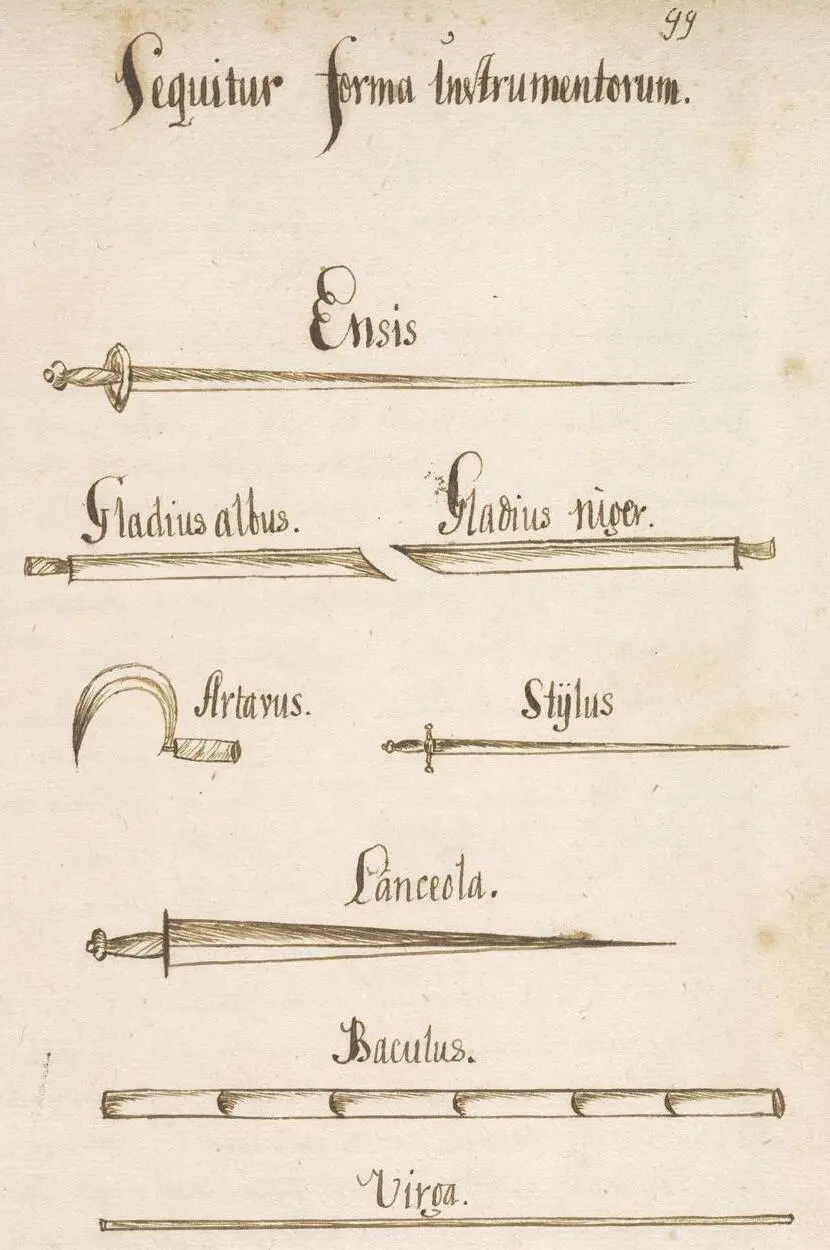
The Key of Solomon is a transmitted family of magical texts concerning preparation, ritual, and ceremonial instruments. It should be distinguished from the five-part Lesser Key of Solomon.
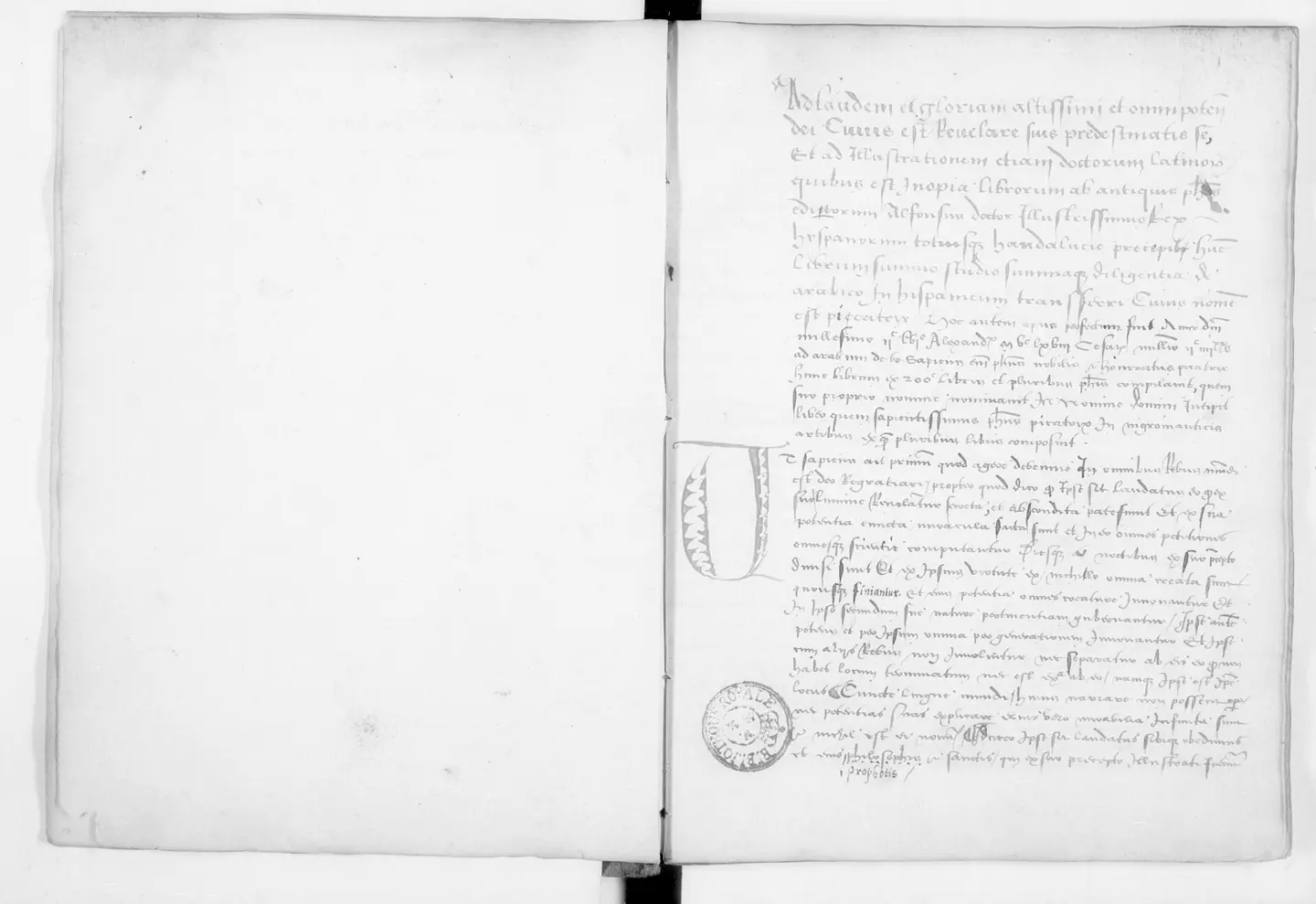
Picatrix is the Latin title associated with an influential Arabic work of astral magic. Its cosmological and ritual framework differs from a catalogue of Goetic spirits.
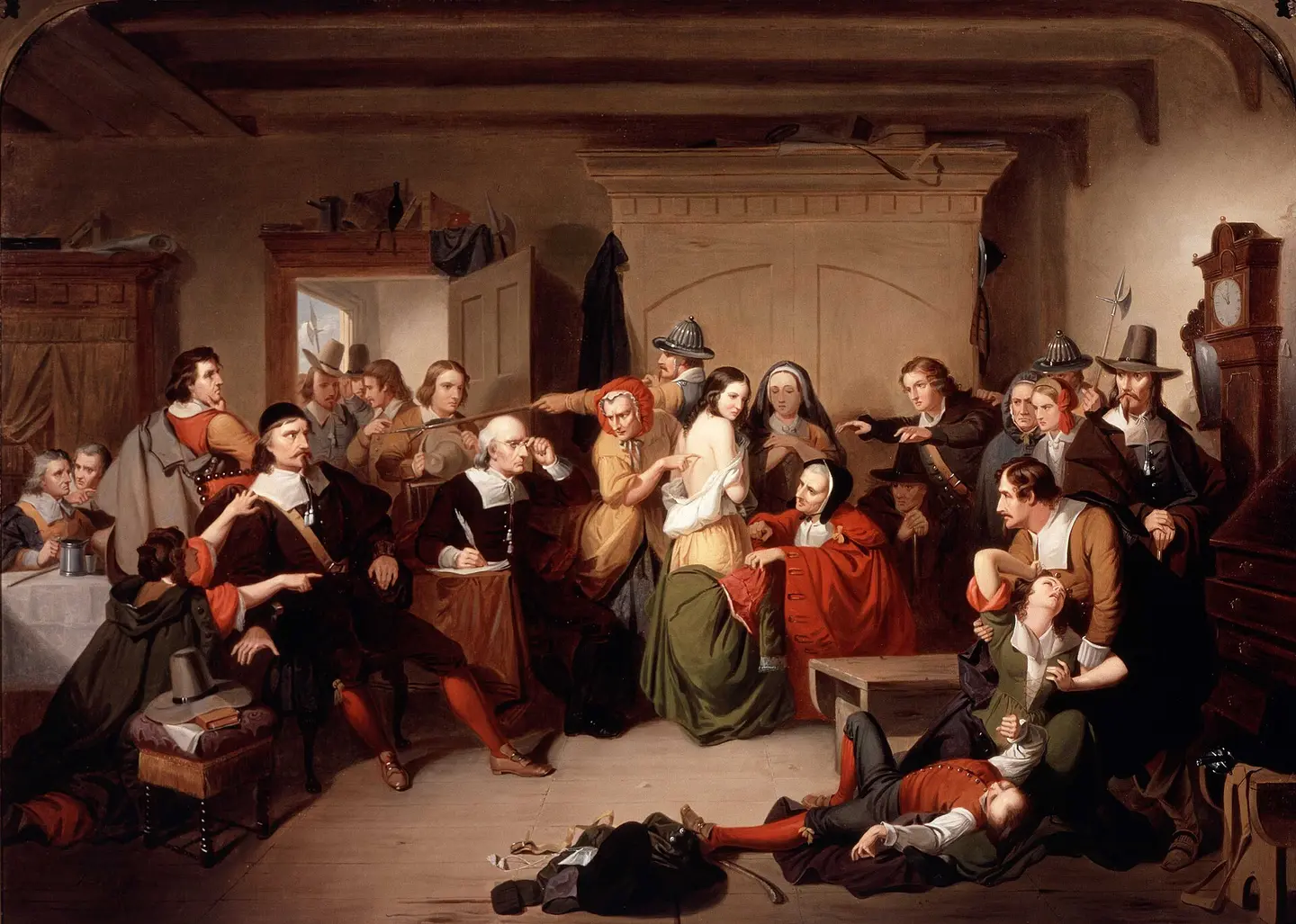
Witch trials produced records of accusations about harmful magic and the Devil. Those records require attention to how testimony was obtained and to the purposes of judges and writers.
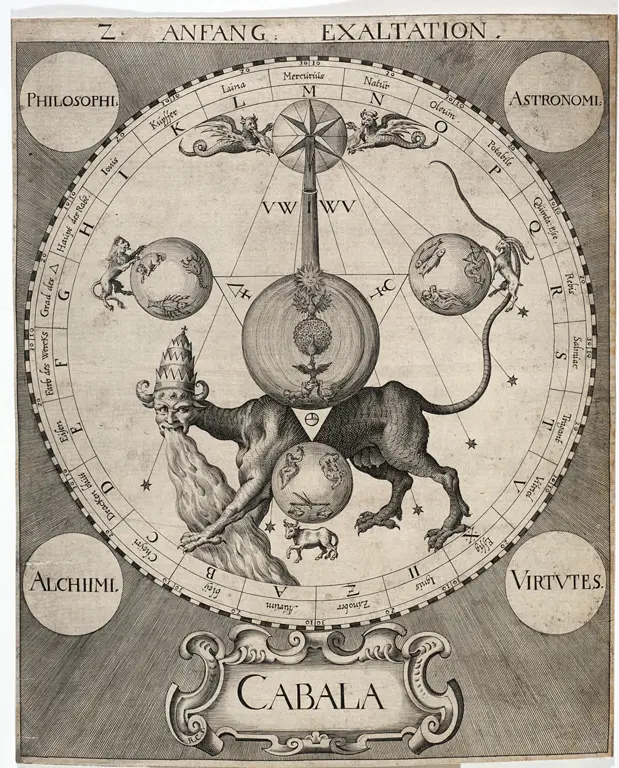
An initiatory order whose Draconian system brings together Qliphoth, Goetic magic, alchemy, and other esoteric traditions.
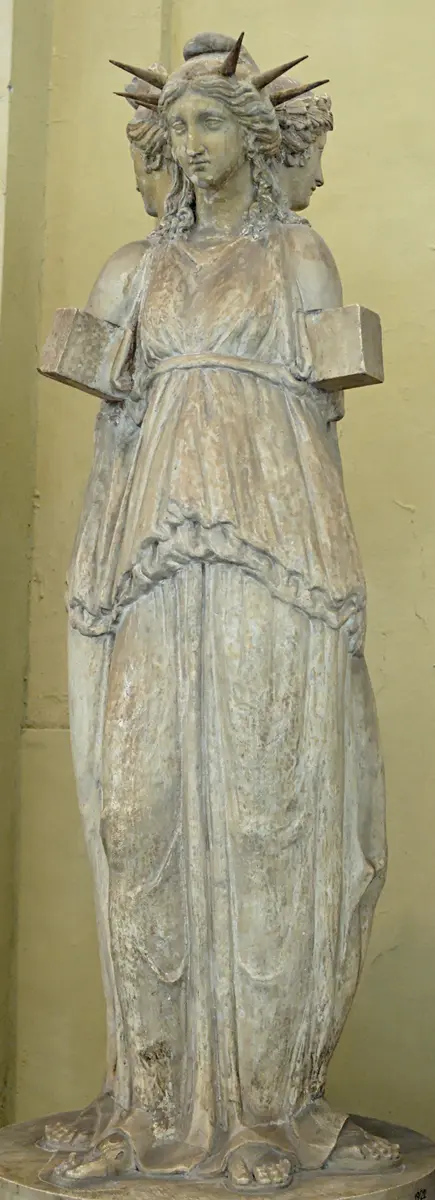
A Greek goddess with broad early powers and later associations with crossroads, spirits, and magic.
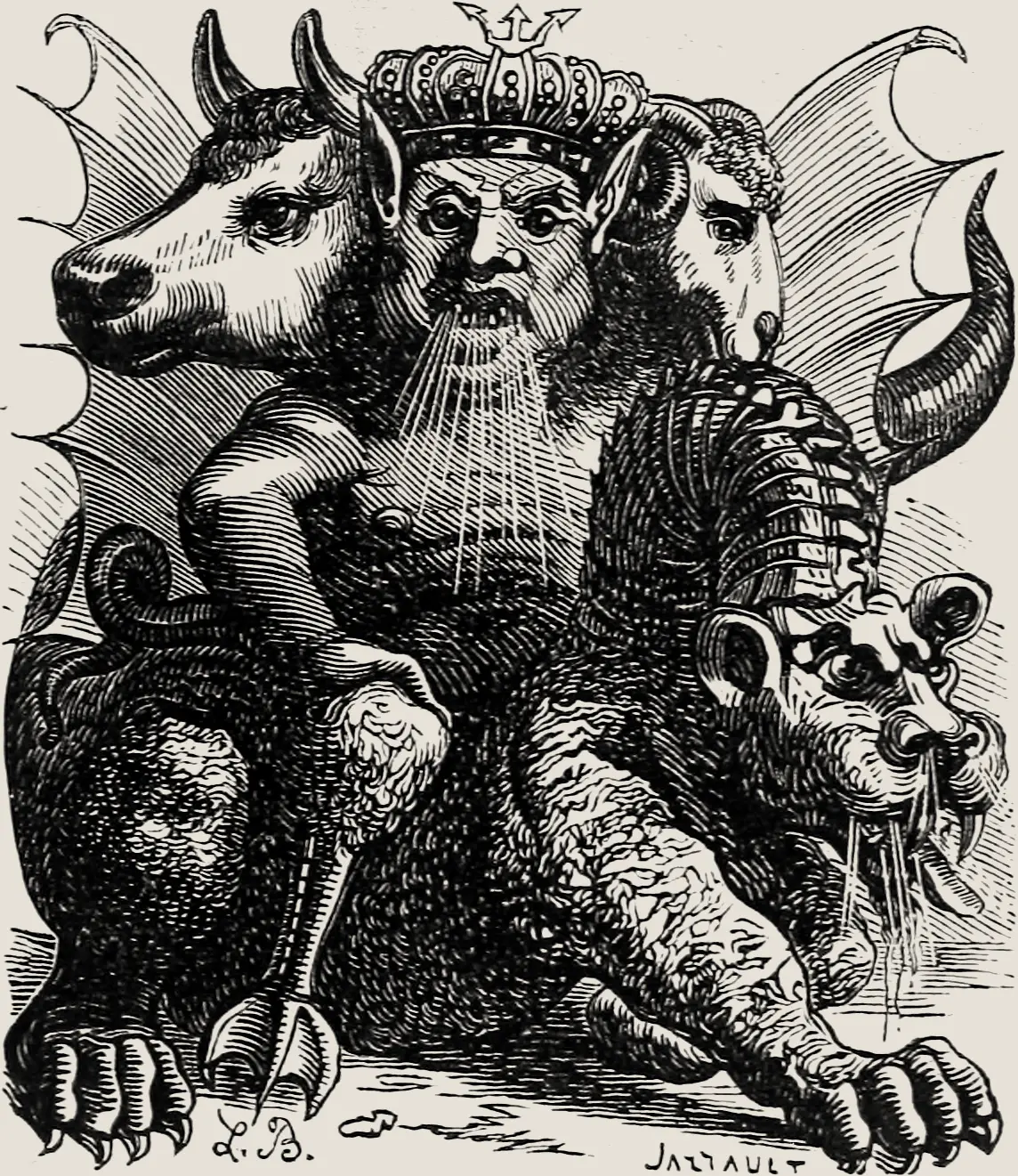
Asmodeus appears in the narrative of Tobit and in later magical and demonological literature. His different roles reflect the purposes of those texts.
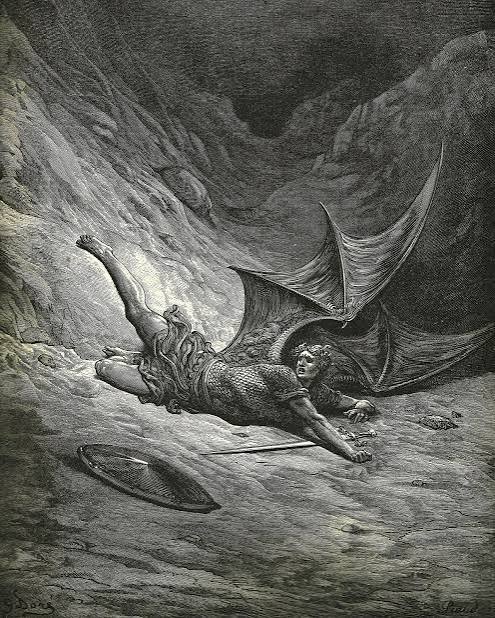
Modern theistic Satanism refers to contemporary religious currents in which Satan is understood as an independently real deity, spirit, intelligence, or metaphysical presence and is approached through devotion, ritual, prayer, magic, contemplation, or other religious practices. It is part of the wider field of modern Satanism but differs from explicitly non-theistic movements that use Satan primarily as…
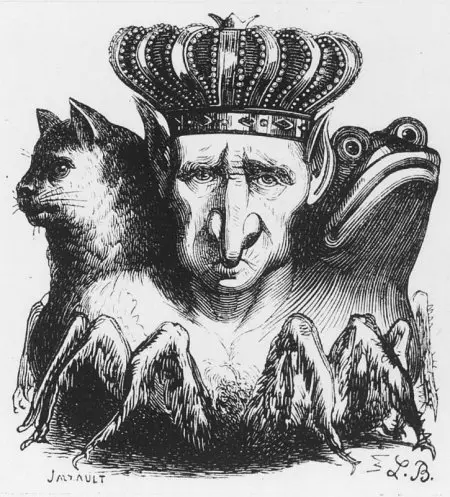
Bael is a ranked spirit in early modern magical catalogues. The Goetic figure should be distinguished from the wider use of the ancient title Baal.
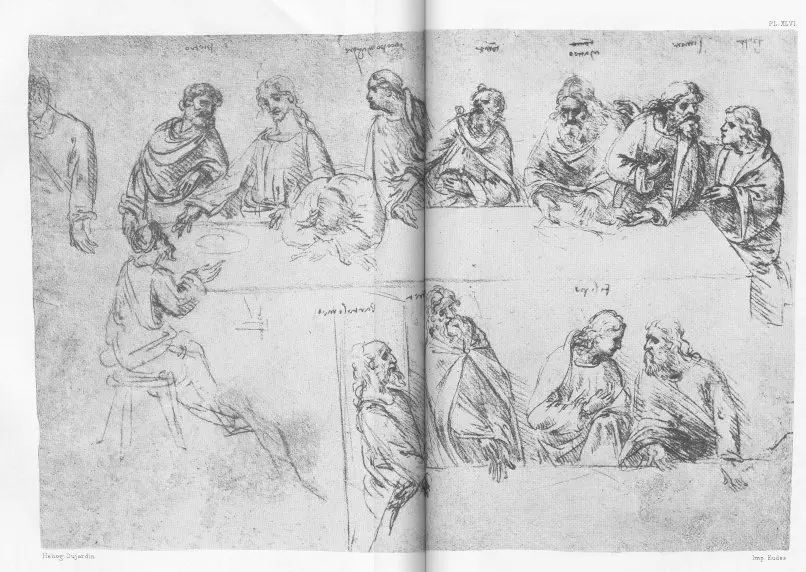
An occult diary records religious or magical work as it occurs. Separating observations from interpretations makes reflection and comparison more reliable.
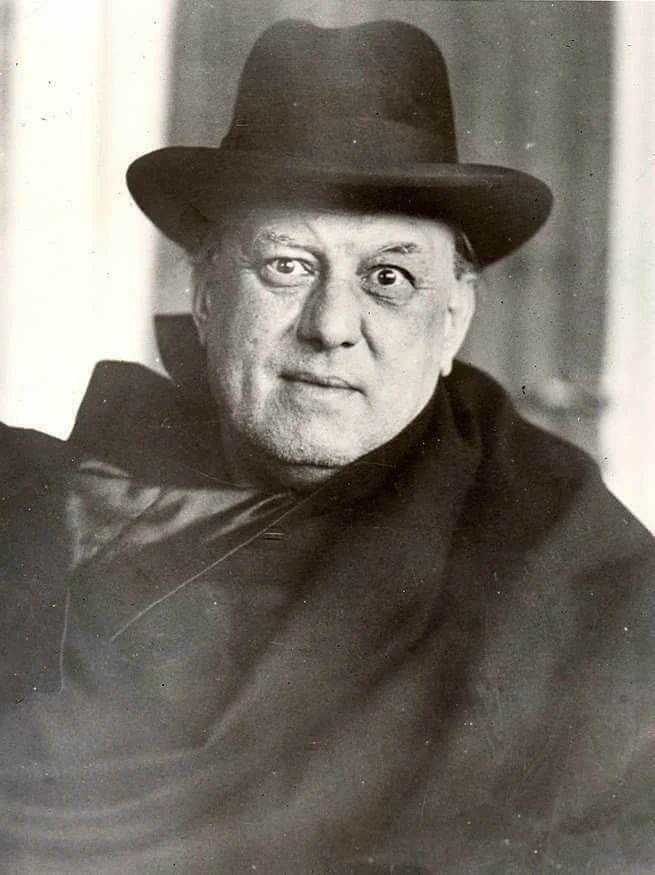
The author and religious figure associated with Thelema, The Book of the Law, and a large body of magical instruction.
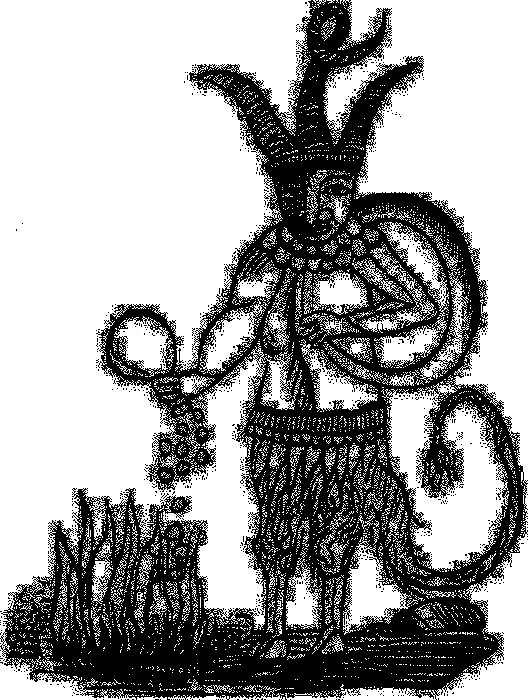
A grimoire best known for its staged encounter and pact with Lucifuge Rofocale.
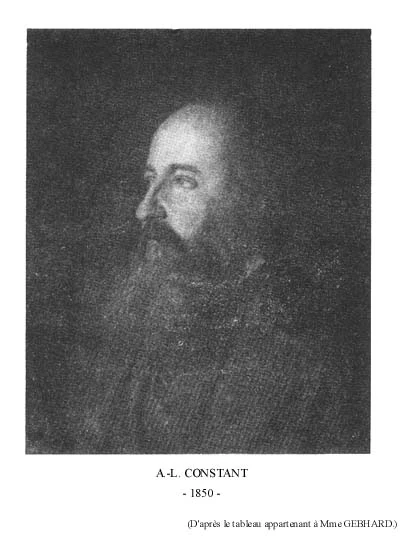
A nineteenth-century French occult author associated with ceremonial symbolism and the influential image of Baphomet.
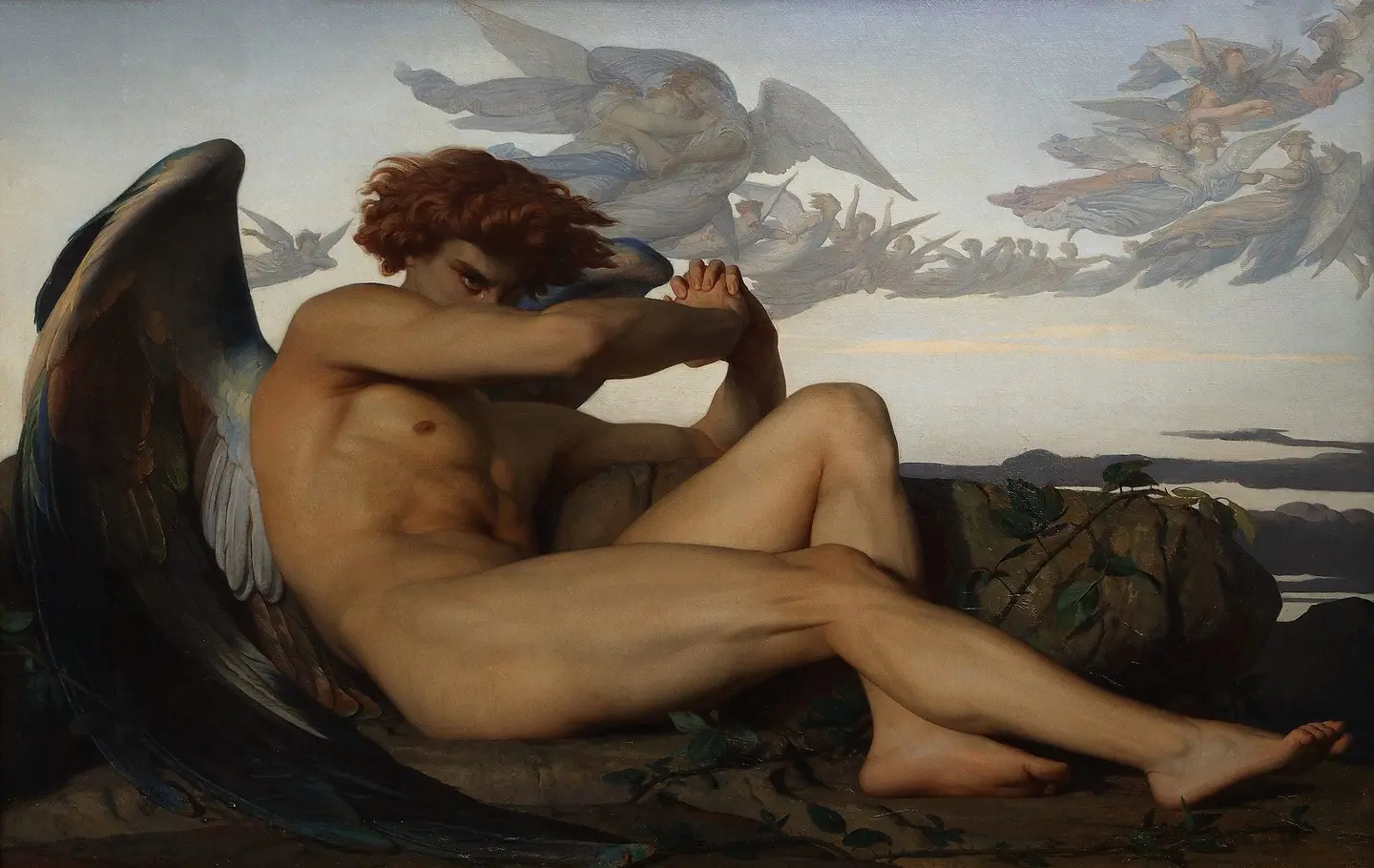
Lucifer is a name whose religious meaning developed from an ancient expression for the morning star into one of the best-known names associated with the Devil, fallen angels, occult illumination, and modern Luciferian religion. The word itself is Latin: lūcifer means “light-bringer” or “light-bearer” and was used for the planet Venus when it appeared before sunrise. The later equation “Lucifer = Satan”…
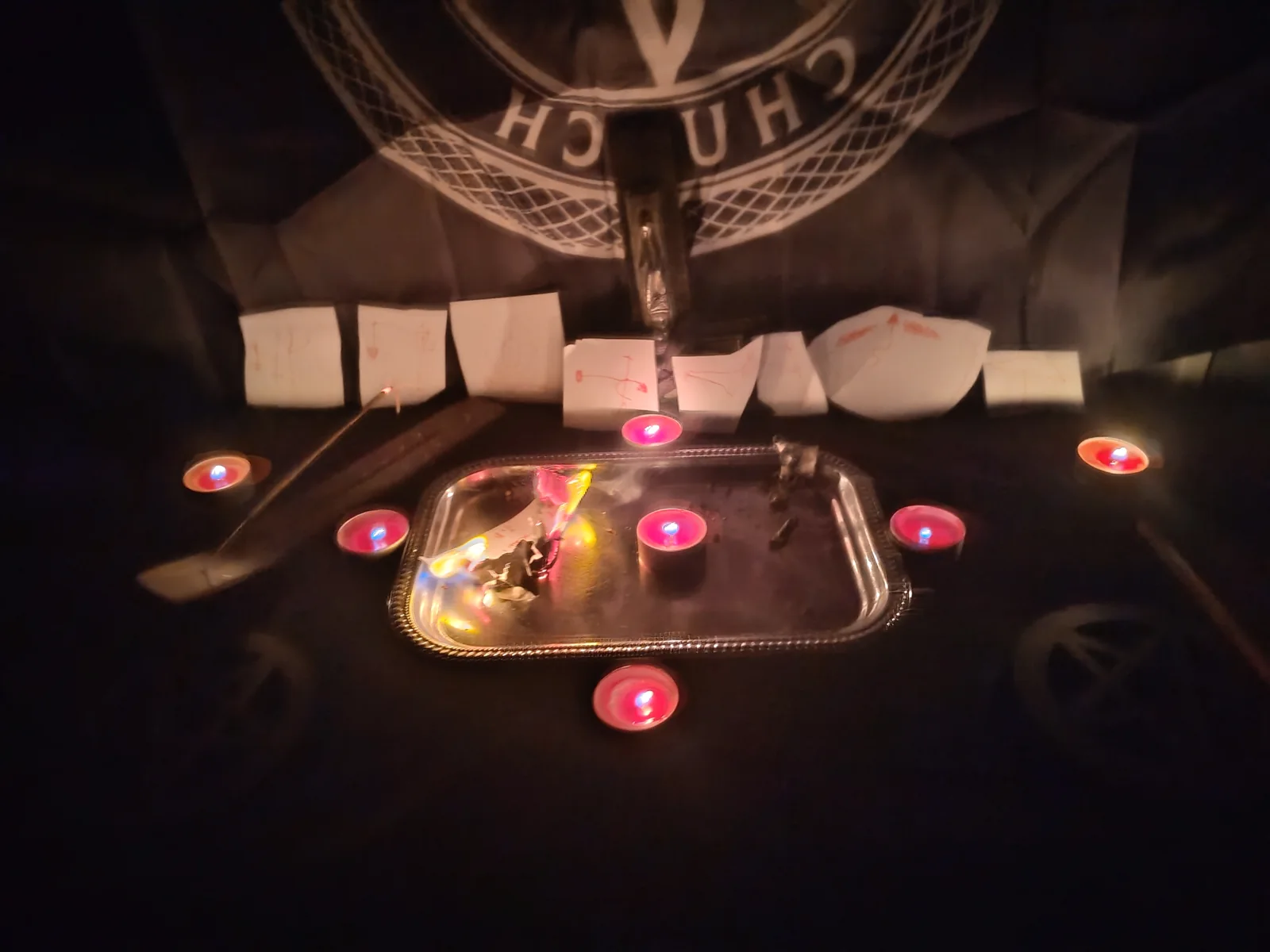
Prayer is intentional communication addressed to a deity, spirit, sacred power, or ultimate reality. It can include praise, petition, confession, thanksgiving, lament, dedication, silence, repetition, or simple direct speech. In theistic Satanism, prayer usually means addressing Satan or another spiritually real being rather than speaking only to oneself or performing a purely symbolic exercise.