Theology & Cosmology
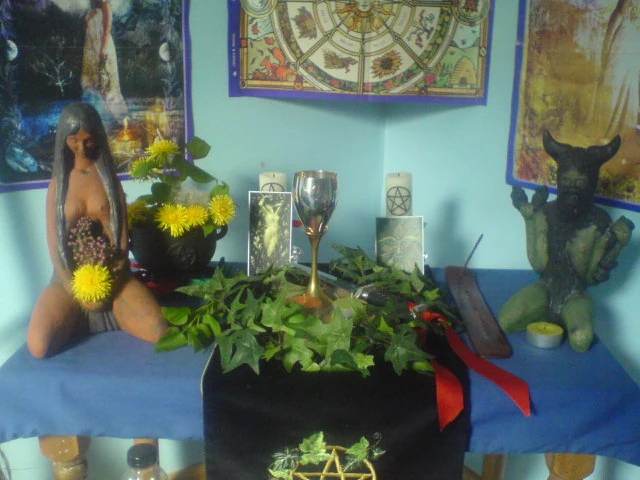
Wicca
Modern Pagan religious witchcraft, its Gardnerian and Alexandrian traditions, ritual practice, and relationship to Satanism.
Modern Pagan religious witchcraft, its Gardnerian and Alexandrian traditions, ritual practice, and relationship to Satanism.
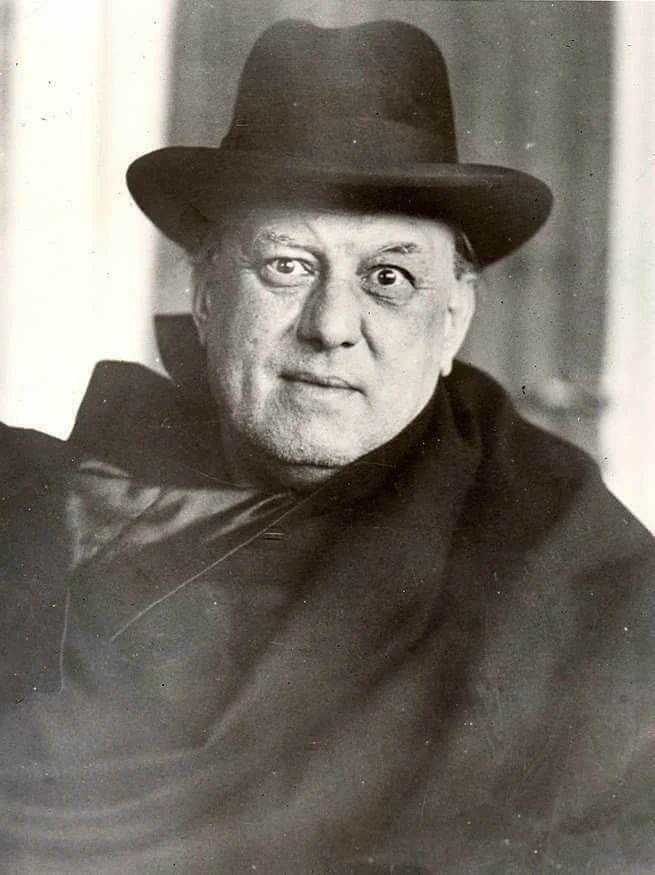
The author and religious figure associated with Thelema, The Book of the Law, and a large body of magical instruction.
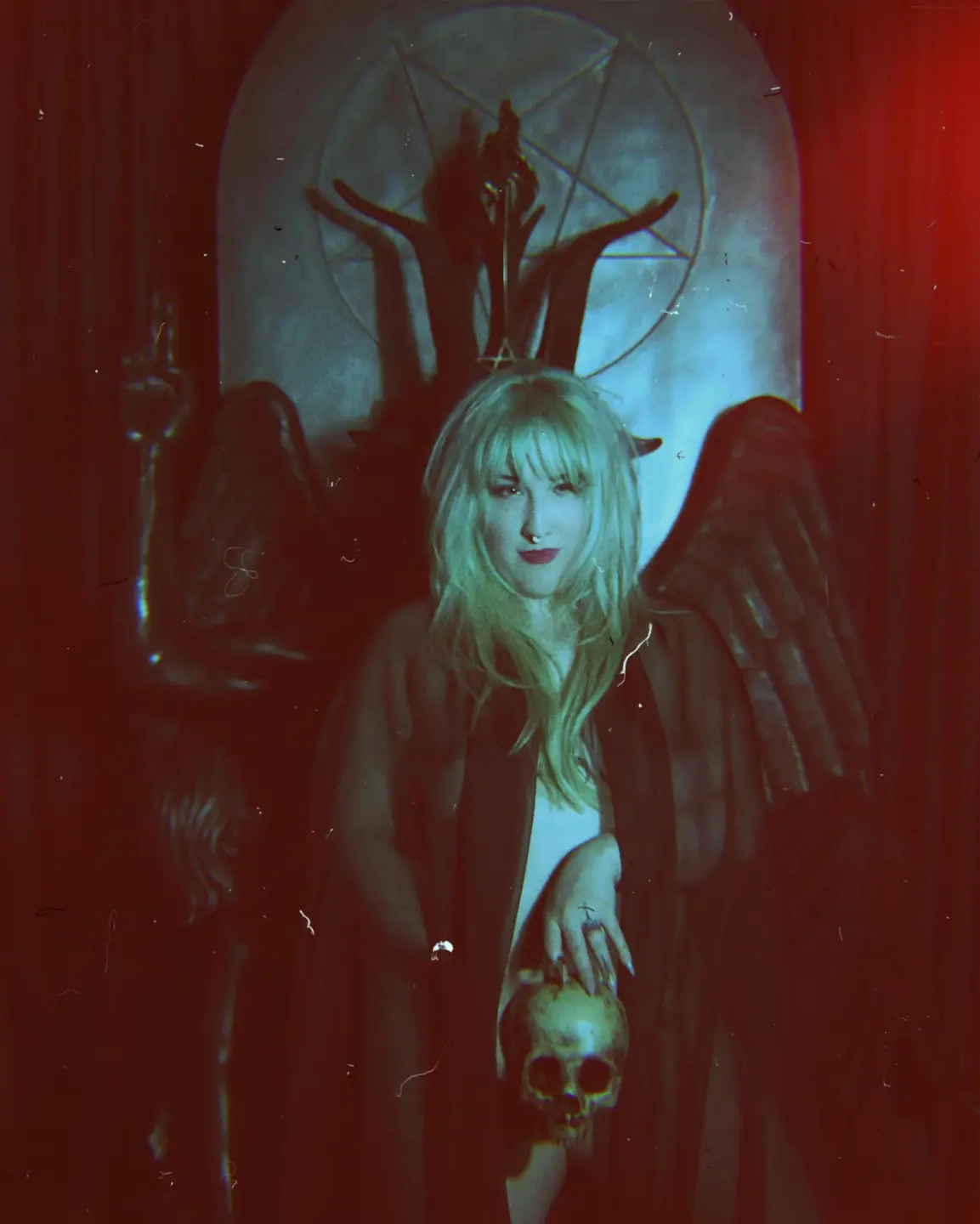
Baphomet is an occult figure whose history connects the medieval trial of the Knights Templar, nineteenth-century ceremonial symbolism, twentieth-century Satanic iconography, and the modern public imagery of The Satanic Temple. The familiar goat-headed, winged, androgynous figure is not a medieval portrait of a secret Templar god. It was created in the nineteenth century by the French occultist Éliphas…
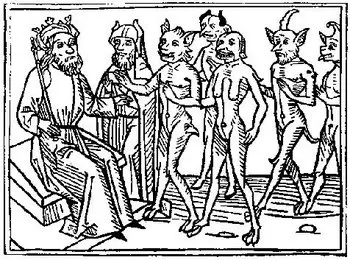
Belial appears in biblical religious language and later spirit catalogues. These uses should be distinguished rather than treated as one unchanged biography.
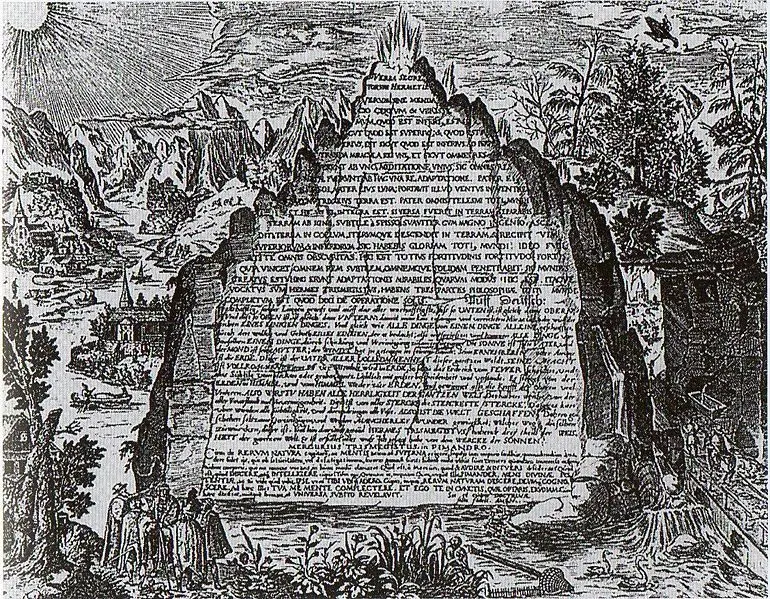
Alchemy concerns historical approaches to material transformation and the interpretation of nature. Spiritual readings form part of its reception but should not replace the material history.
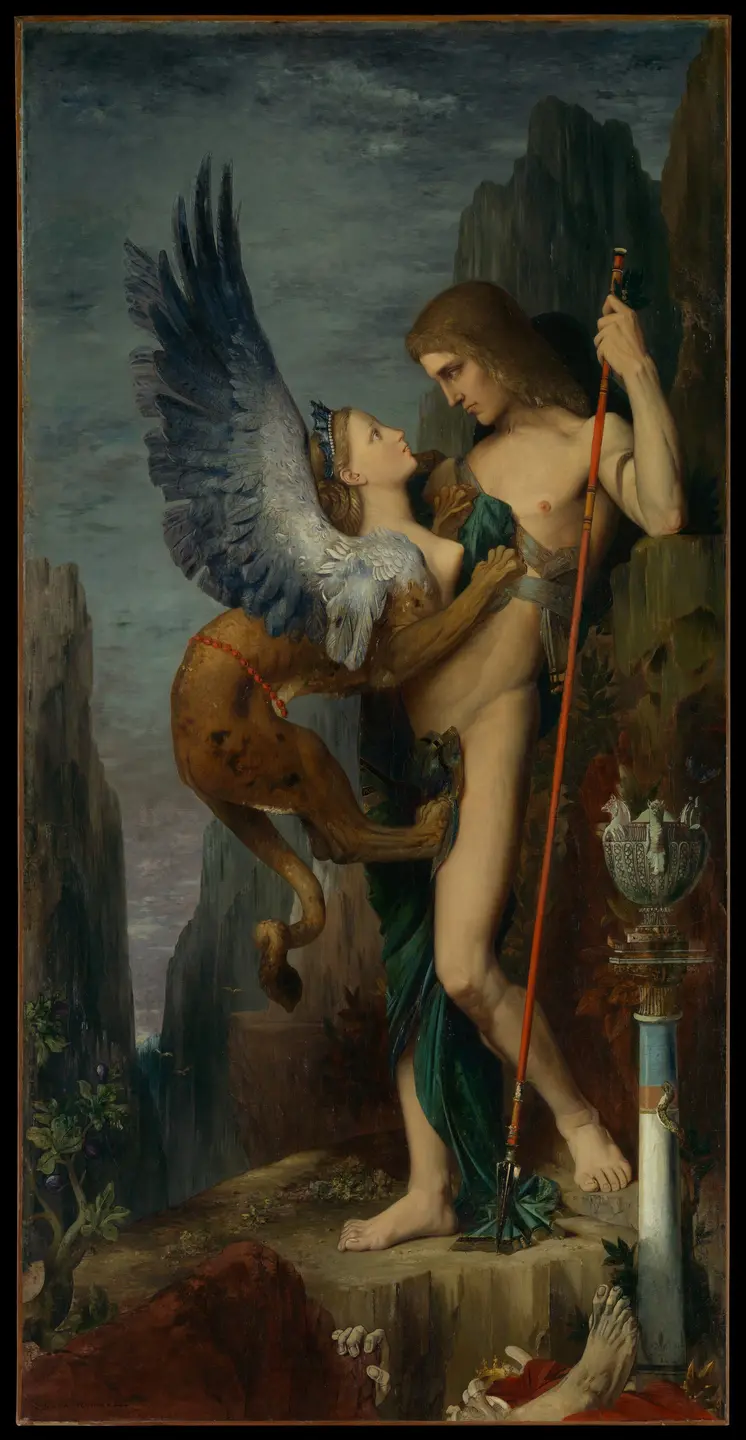
A religious myth can organize meaning while also receiving literal belief. Literary form, personal interpretation, and historical evidence should be discussed as related but distinct questions.
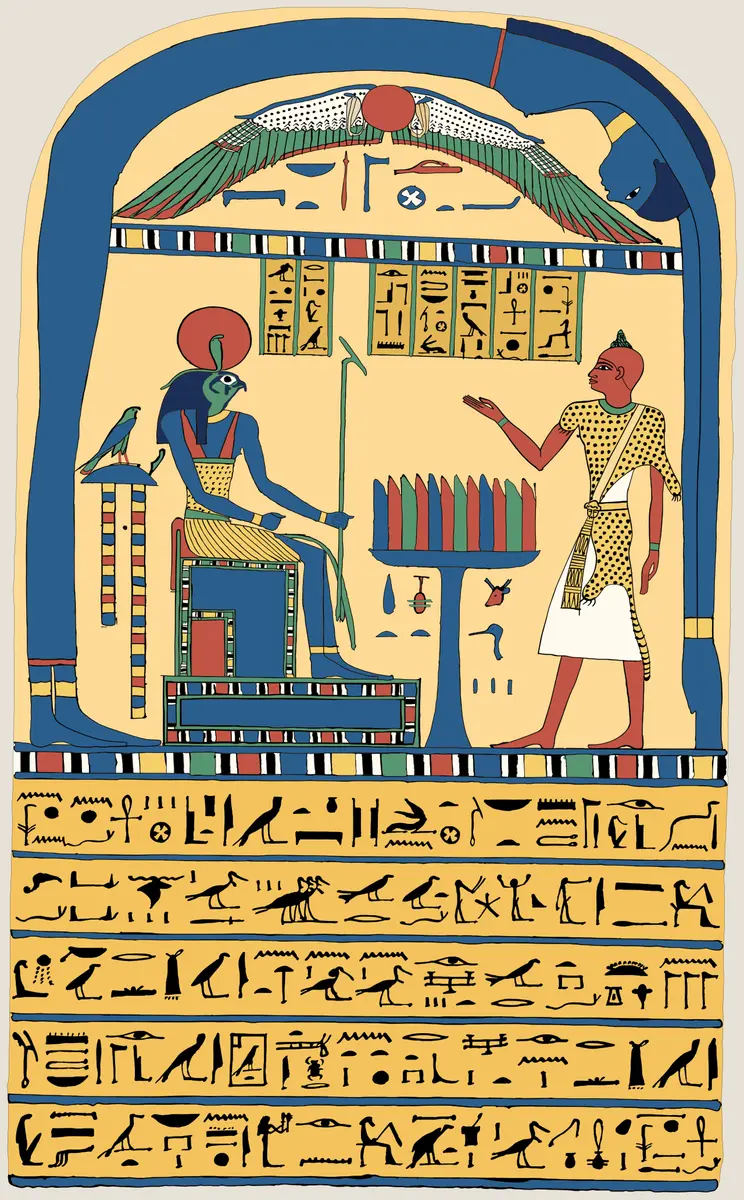
The religious and philosophical tradition associated with Aleister Crowley and The Book of the Law.
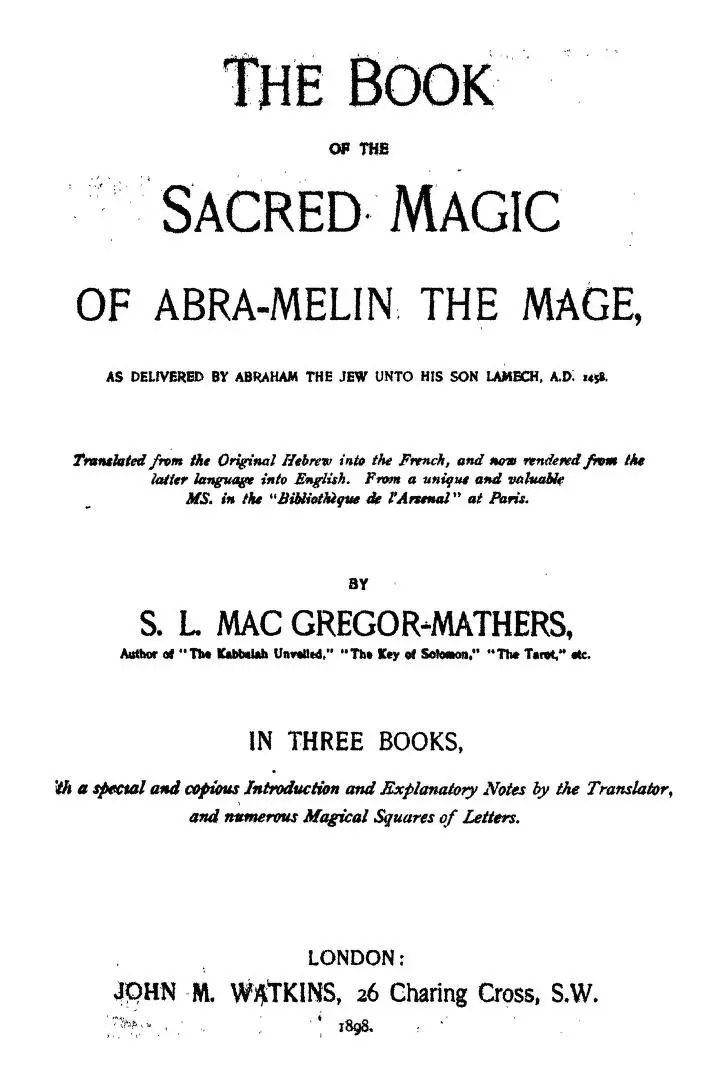
A grimoire built around religious preparation, the guardian angel, and subsequent work with spirits and magical squares.
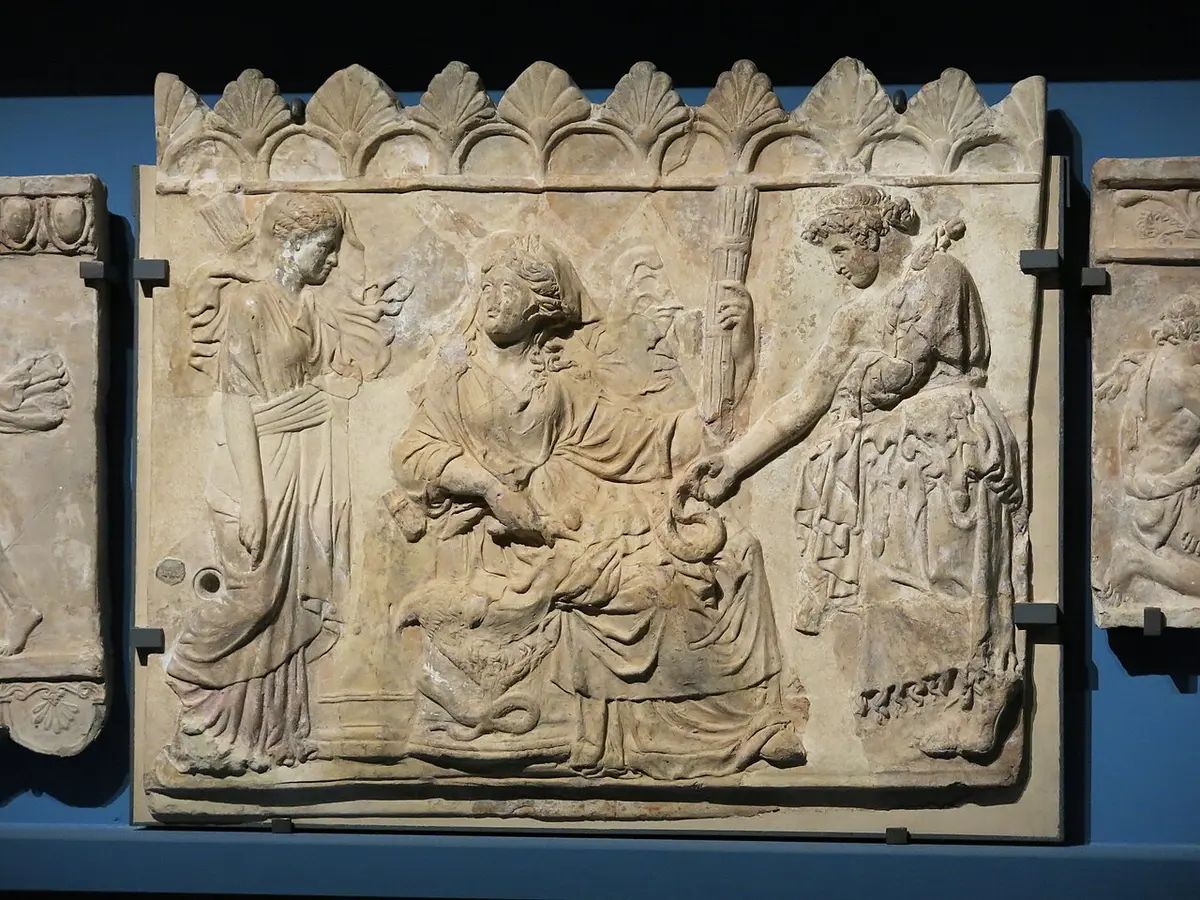
Entry into a religious or esoteric path through ceremony, instruction, recognition, and lived development.
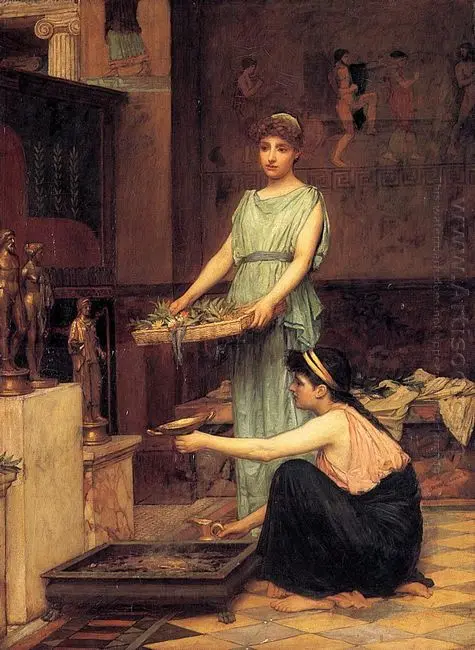
Offerings are objects, substances, actions, or works intentionally presented to a deity, spirit, sacred power, or religious community. Across religious history offerings have included food, drink, incense, flowers, animal sacrifice, money, vows, music, labor, art, and acts of service. In theistic Satanism, offerings are commonly used to express devotion, gratitude, hospitality, dedication, or…
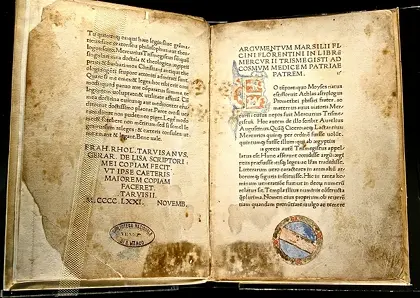
The Corpus Hermeticum is a collection of philosophical religious dialogues concerning mind, the divine, the cosmos, and human knowledge. It should be distinguished from later works marketed as Hermetic teaching.
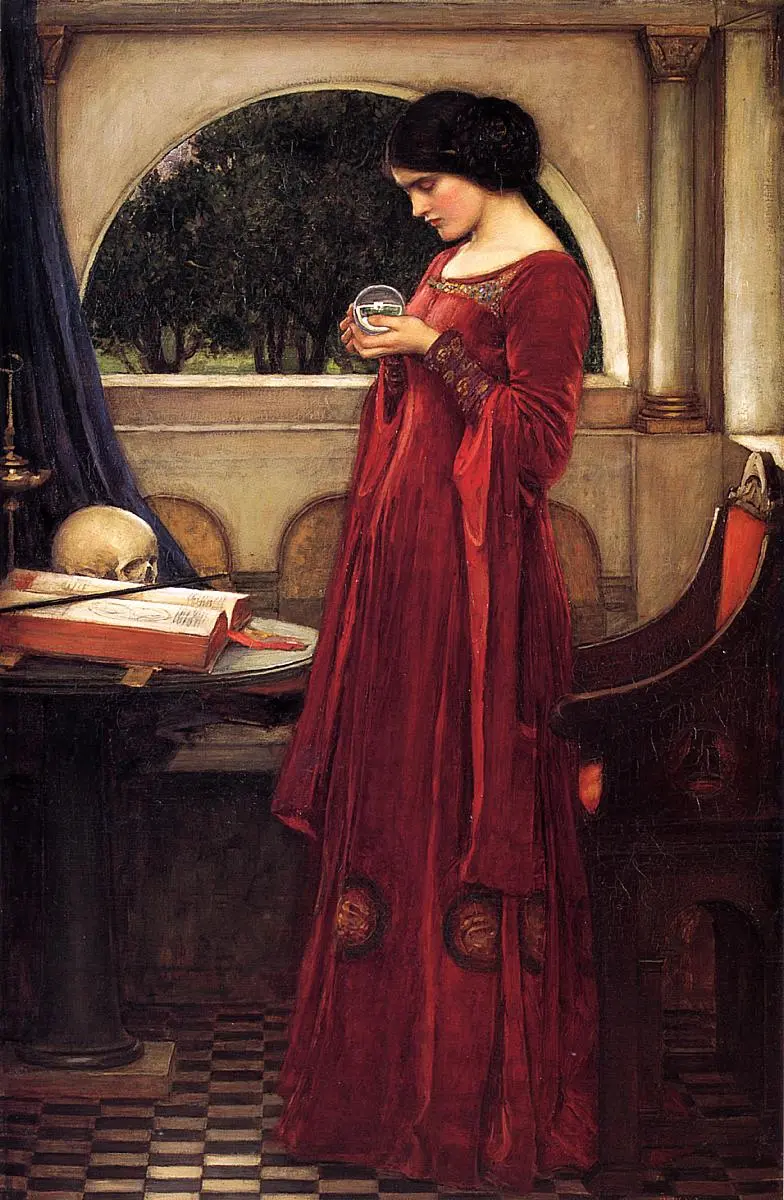
Divination consists of practices that interpret signs as answers, indications, or guidance. Methods differ in their religious assumptions and in the kinds of claims they make.
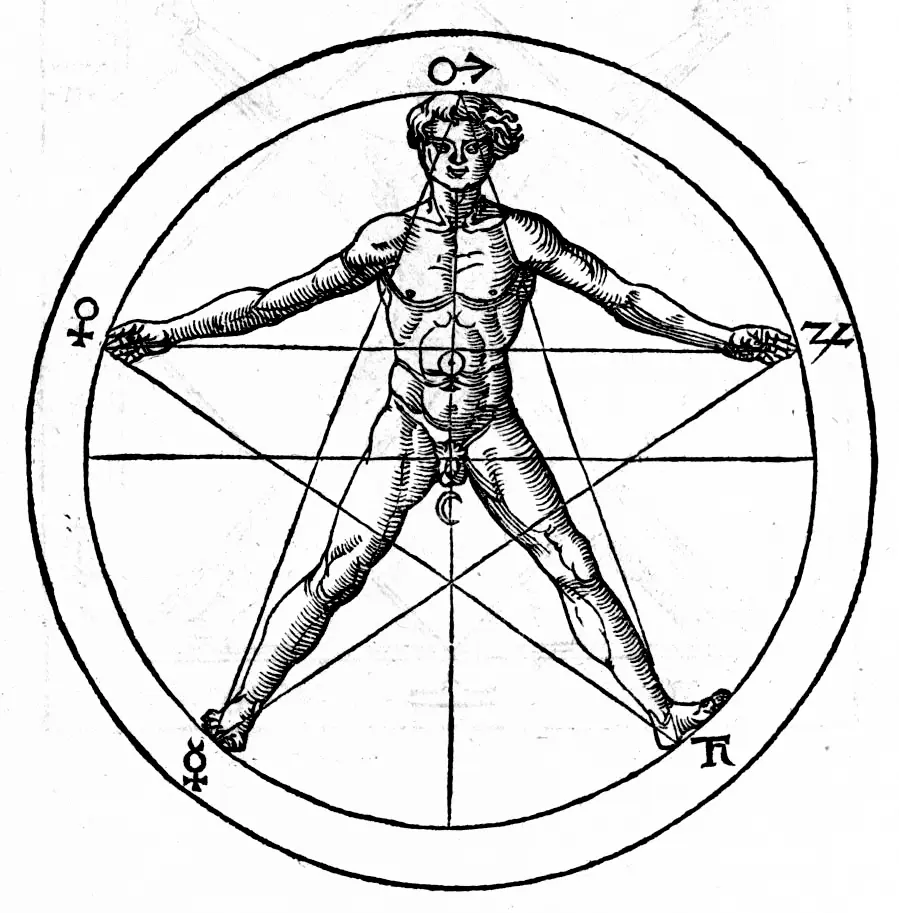
A pentagram is a five-pointed star figure used in different religious and esoteric settings. Orientation and surrounding imagery matter, but do not establish one universal meaning.
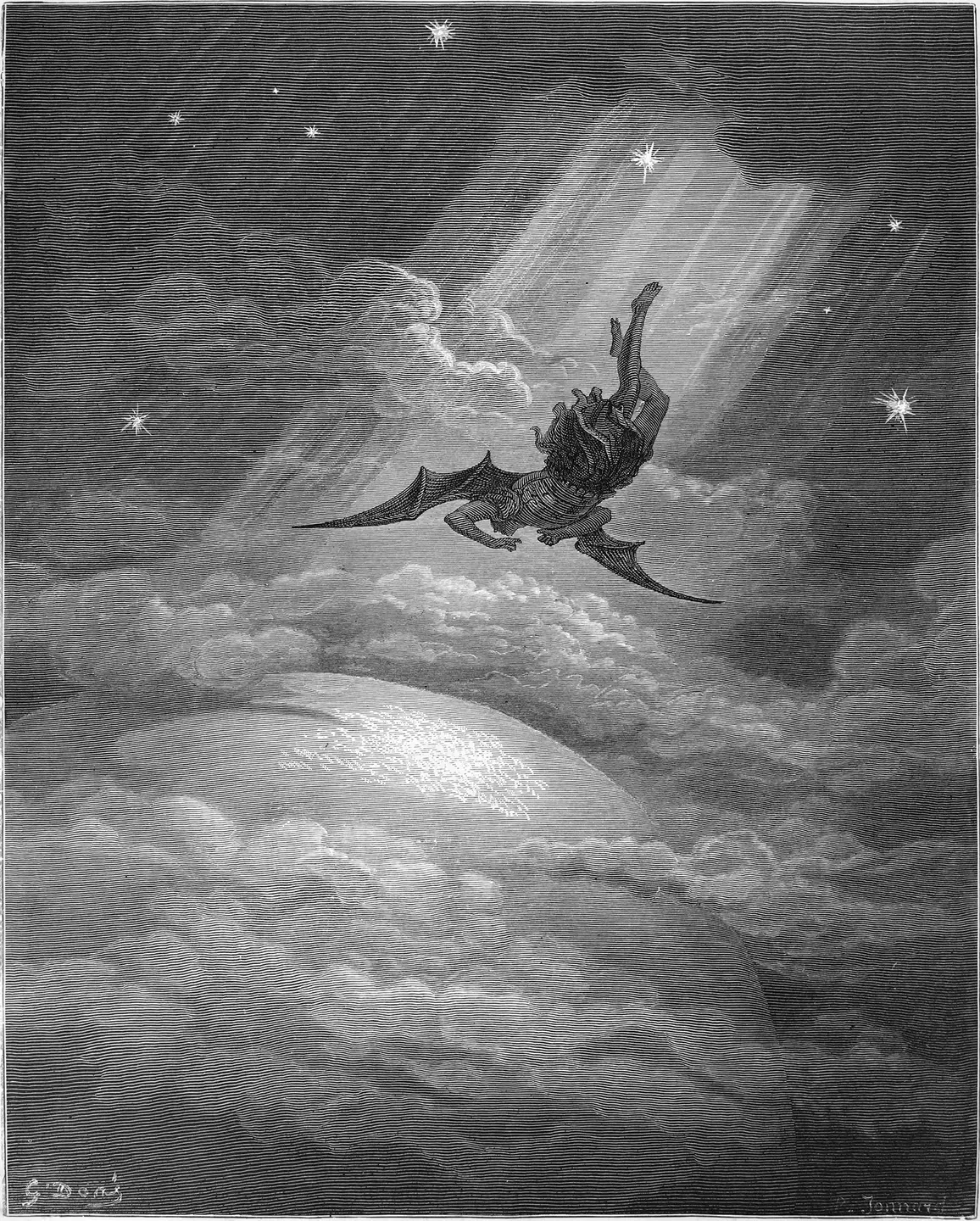
Luciferianism describes different religious and philosophical approaches that give Lucifer a positive role. Belief, practice, and identity vary among writers and communities.
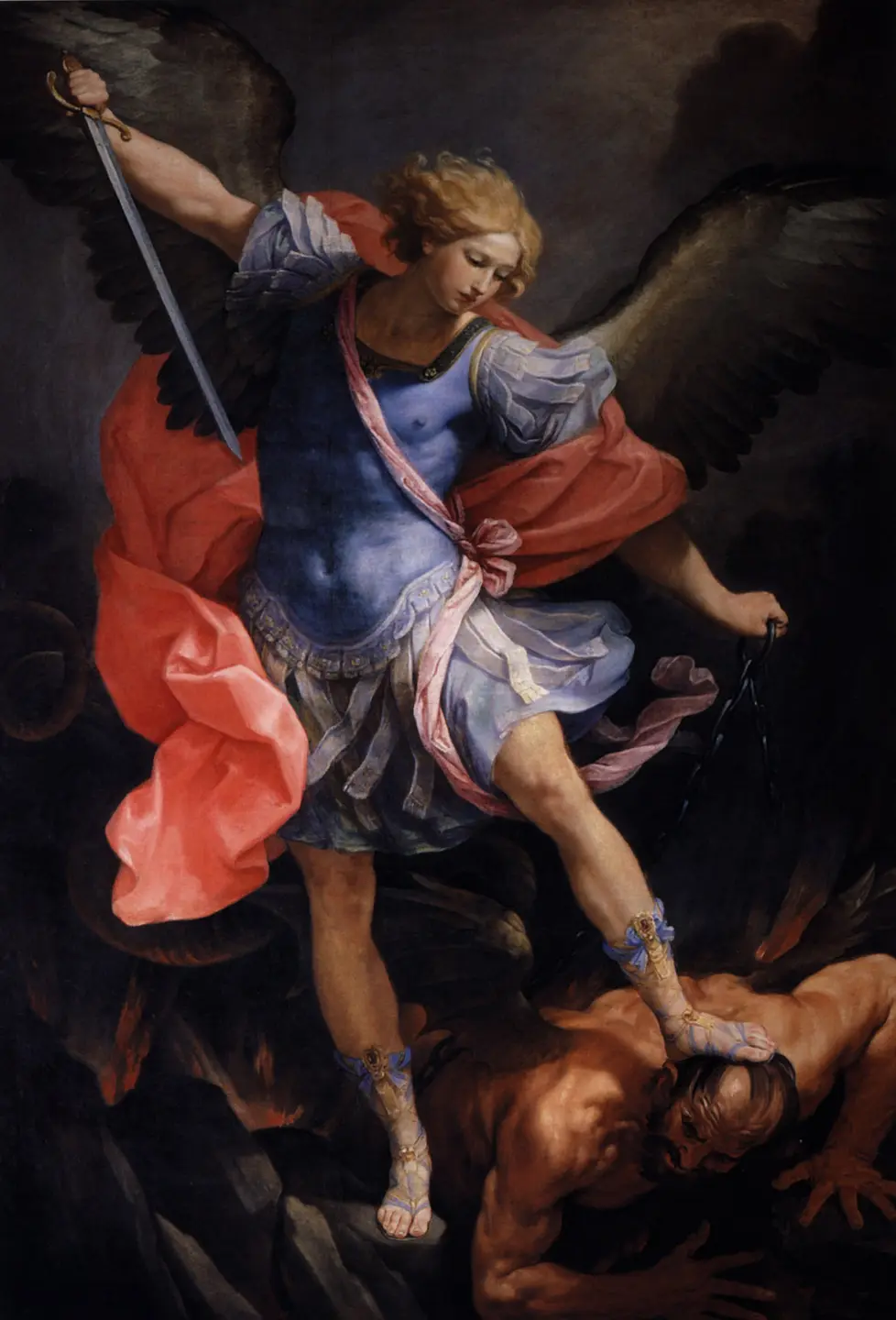
Monotheism and religious dualism concern different questions about ultimate reality. The presence of an adversary does not automatically establish two equal divine principles.
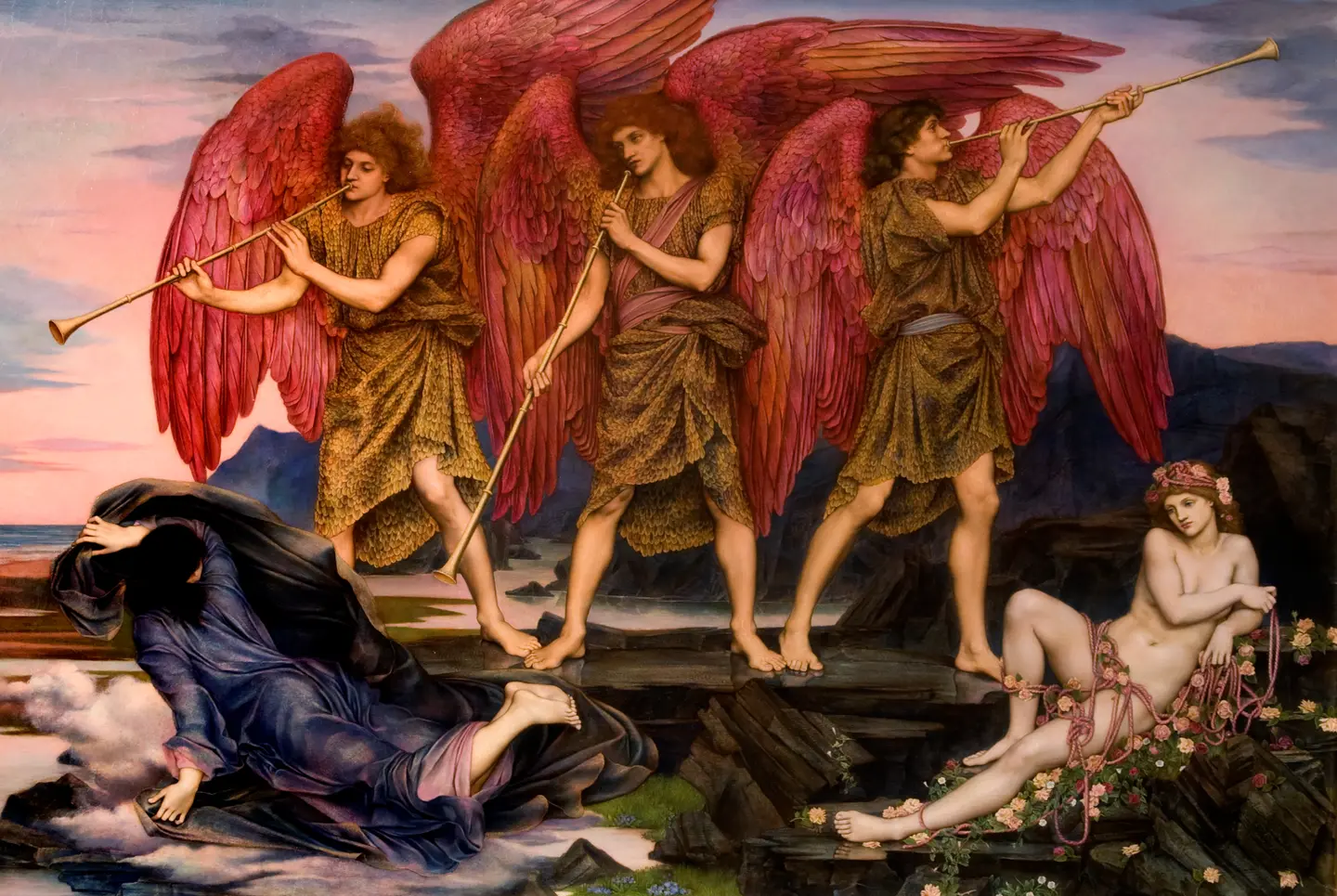
Isaiah 14 addresses the downfall of a ruler through an image of a fallen morning star. Later religious interpretations connect the passage with Lucifer and Satan.
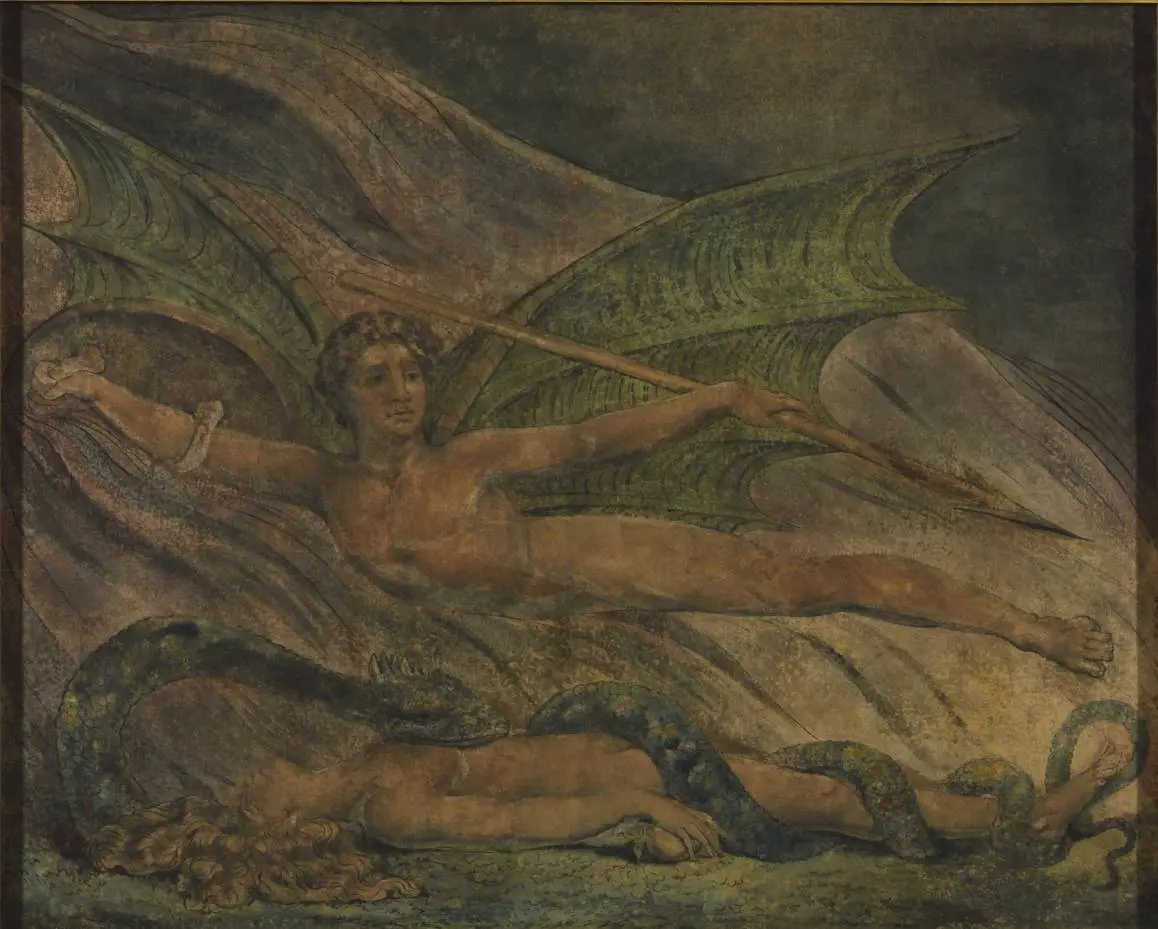
Romantic Satanism concerns literary and political readings that give Satan a positive role in opposition to tyranny or conventional authority. It should be distinguished from membership in a religious organization.
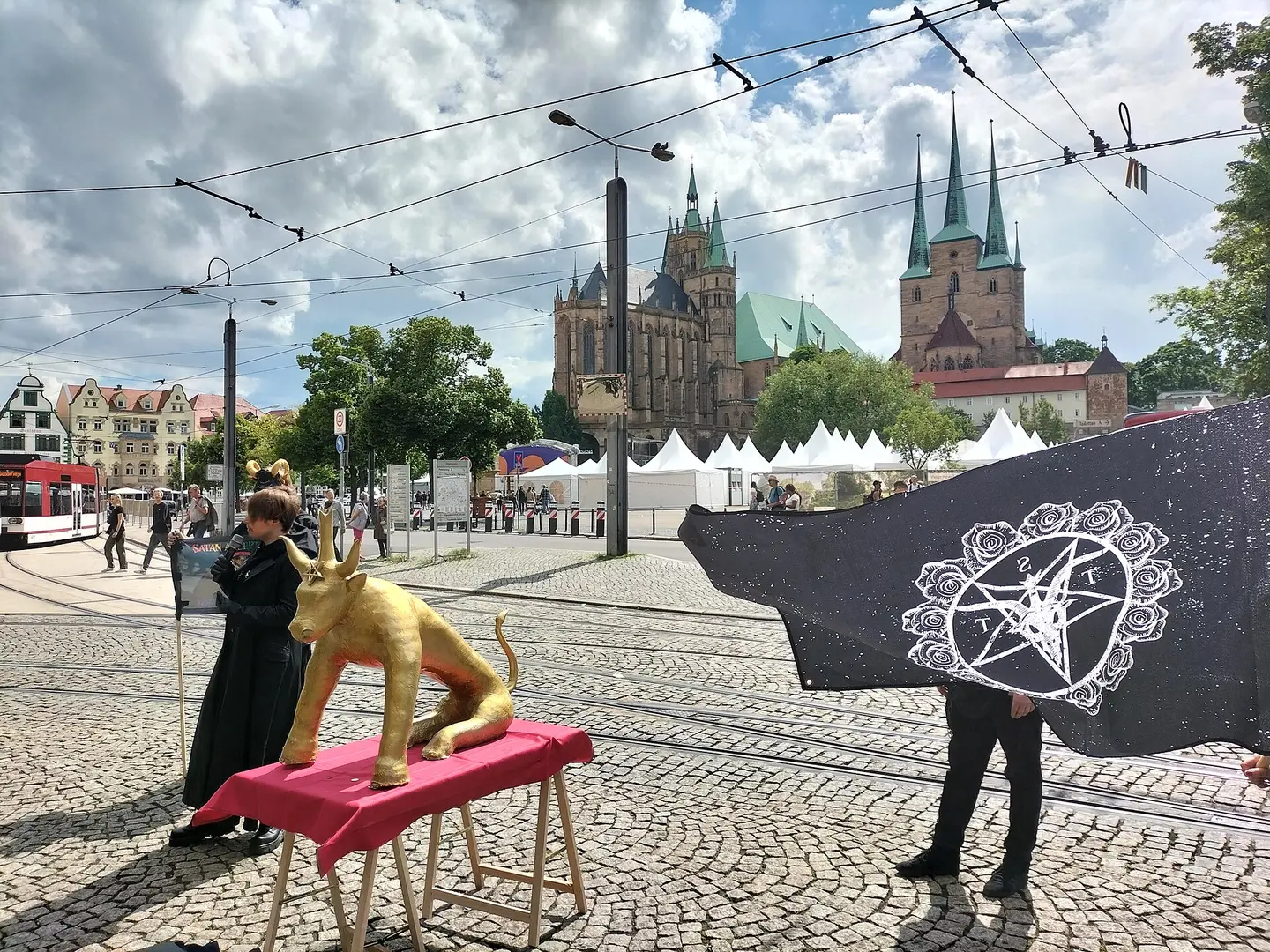
The Satanic Temple is a non-theistic religious organization whose public principles and activism differ from those of the Church of Satan and from theistic Satanist devotion.
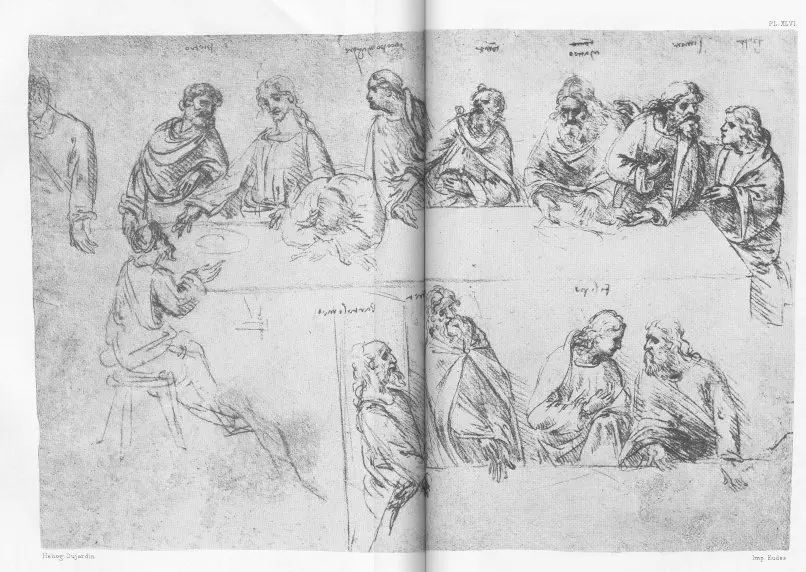
An occult diary records religious or magical work as it occurs. Separating observations from interpretations makes reflection and comparison more reliable.
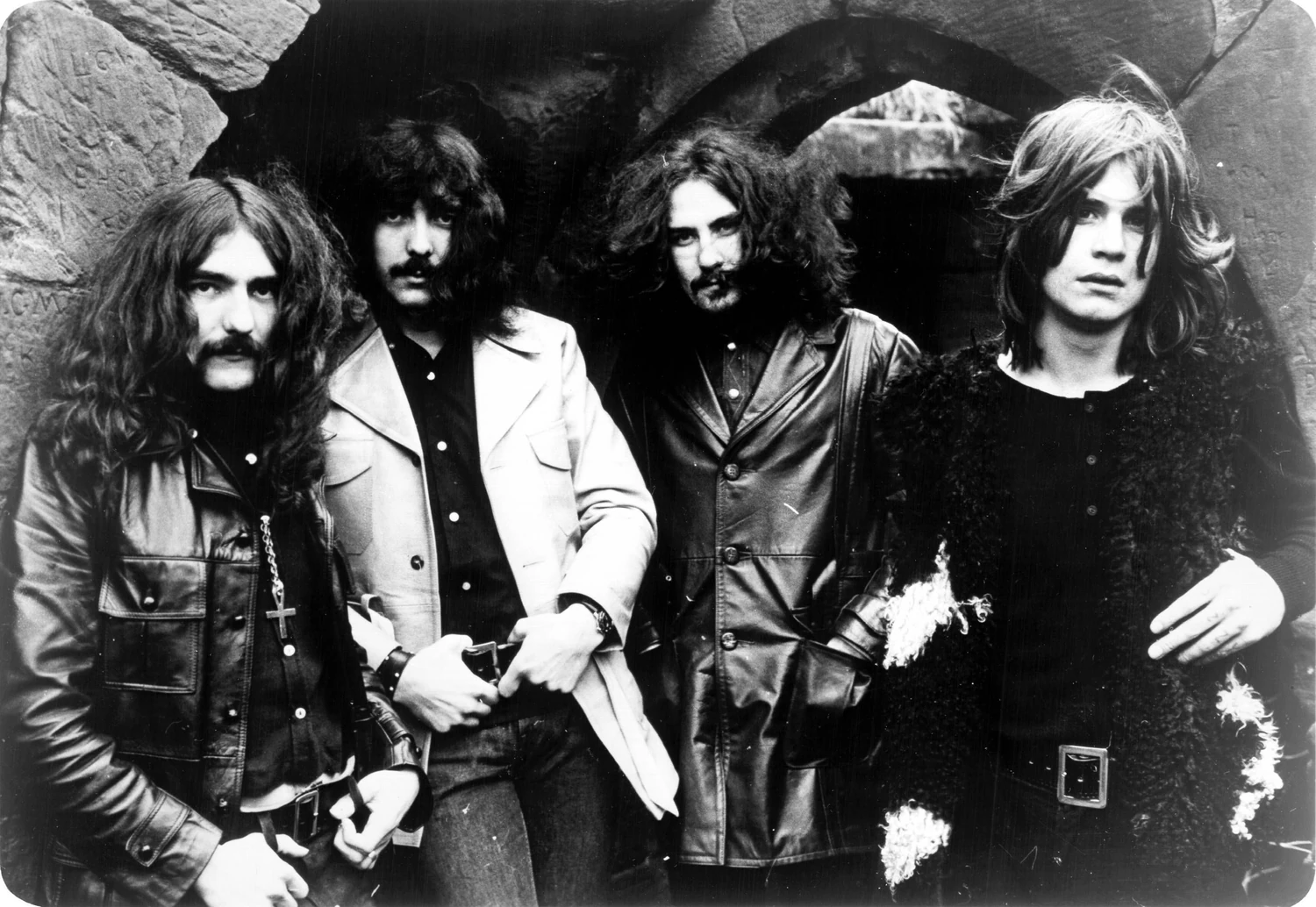
How Black Sabbath and Venom used dark or Satanic imagery, and why a song, stage character, and religious affiliation are different evidence.