Search

Results for “occult history”

125 resultsResults prioritize title matches, then summaries and article text.Try topic browsing →
Devotional Practice

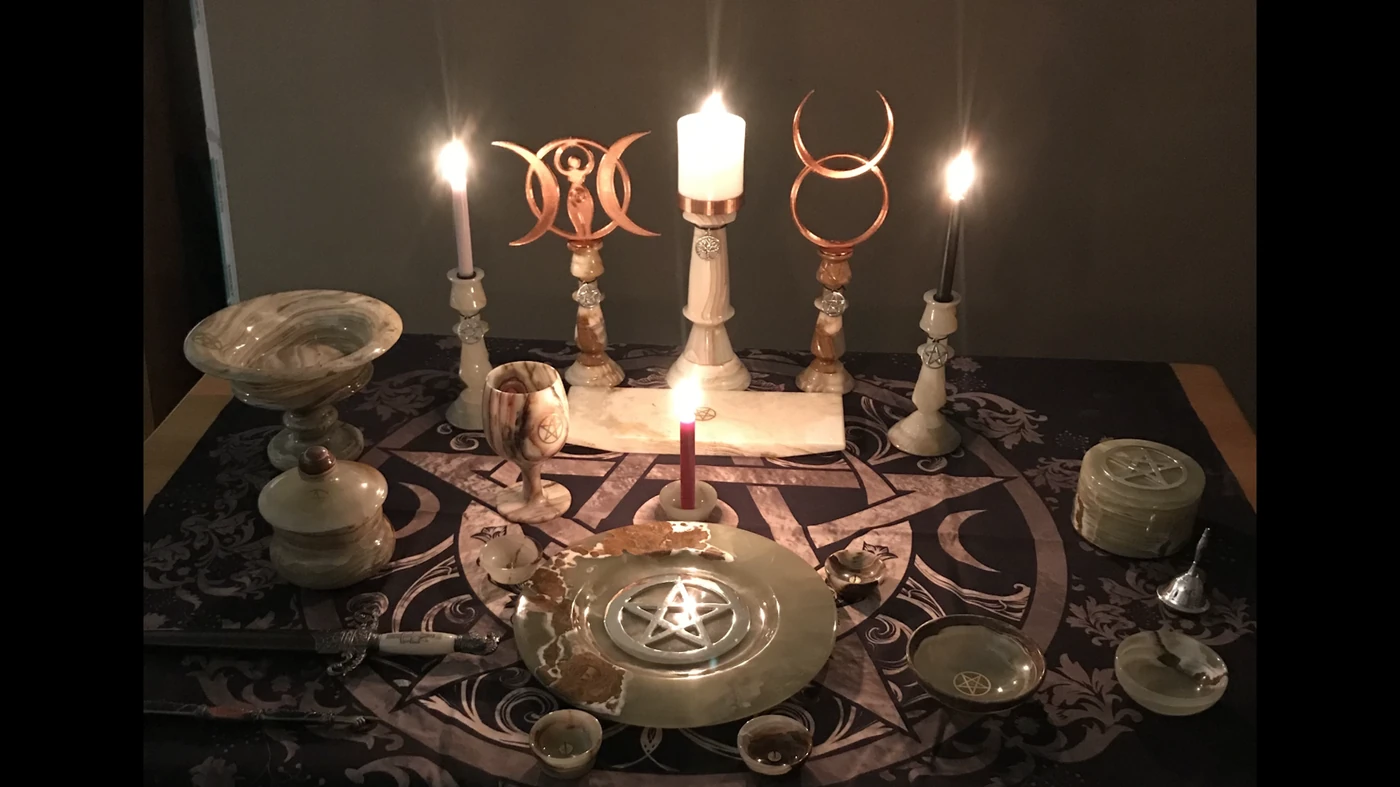
Altar

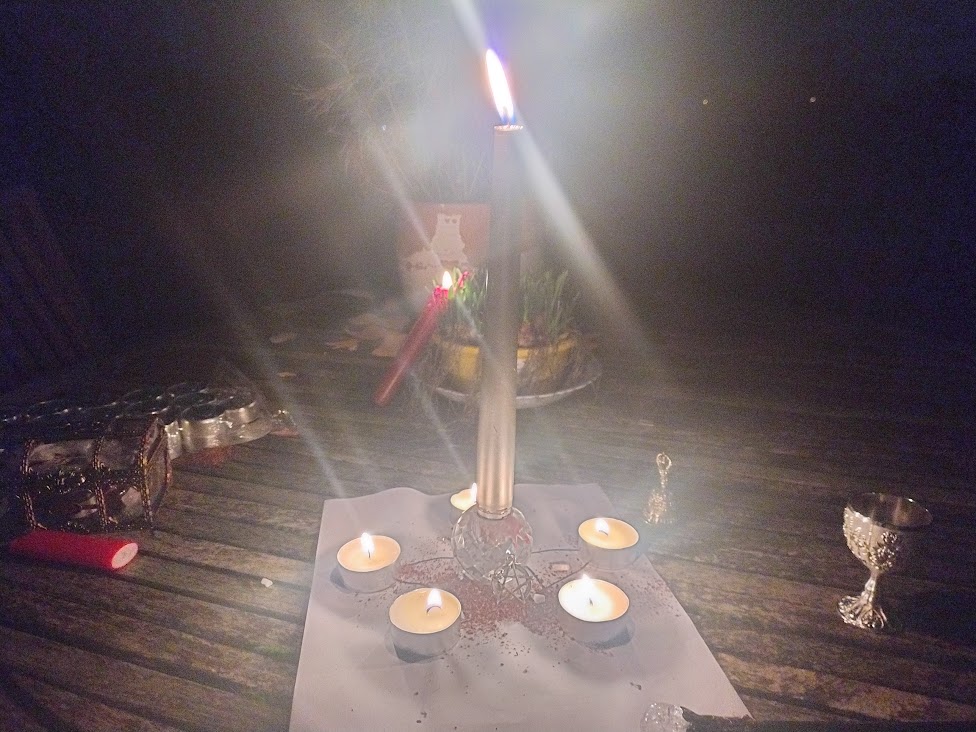
An altar is a designated place or surface used for religious devotion, ritual, offerings, sacred objects, or symbolic focus. Altars occur in many religious traditions, but their forms and meanings vary widely. In modern theistic Satanism an altar may function as a place for Prayer, Ritual, Offerings, meditation, spirit work, or the display of symbols connected with Satan and other beings.
Theology & Cosmology

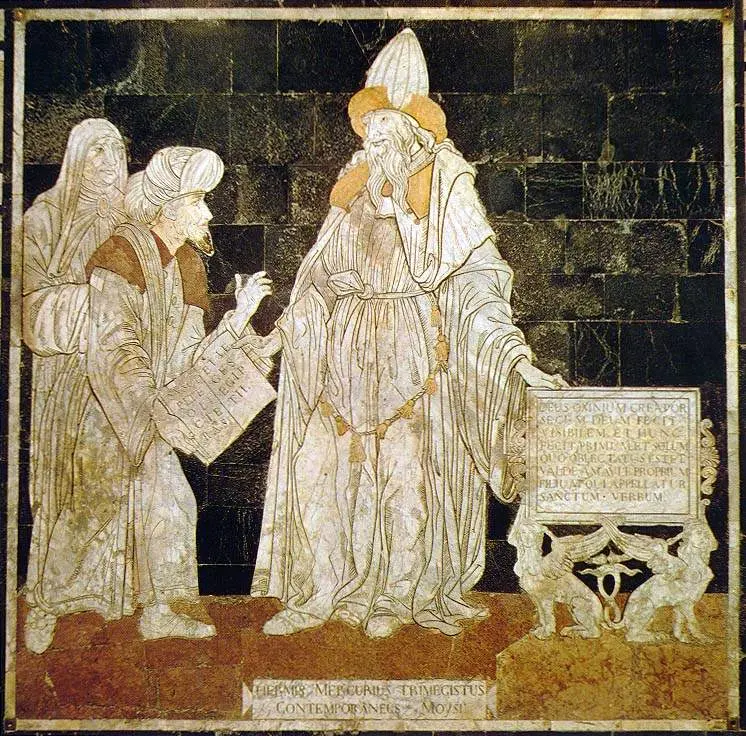
Hermeticism

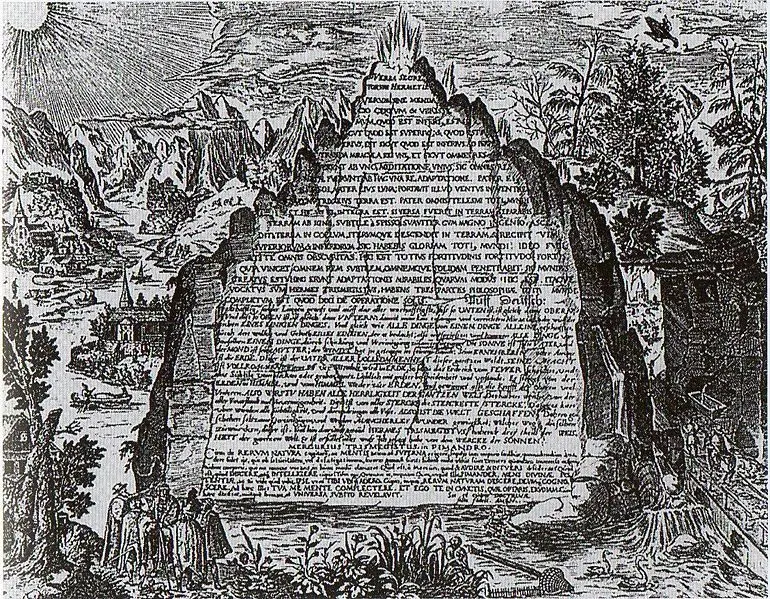
Hermeticism names several related traditions associated with Hermes Trismegistus. Philosophical dialogues, alchemical texts, and later occult systems require separate historical treatment.

History

The Devil

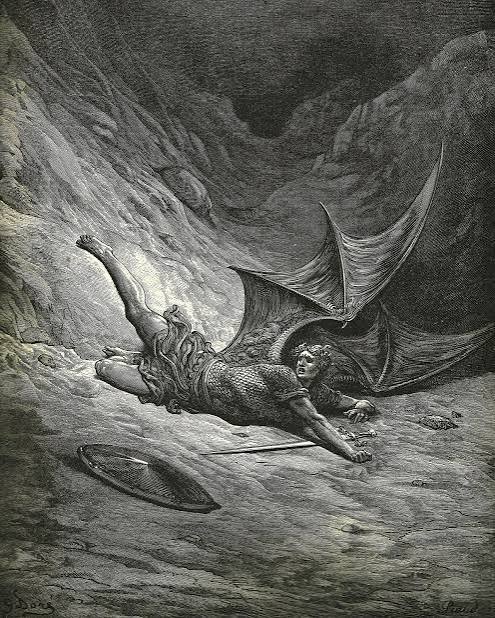
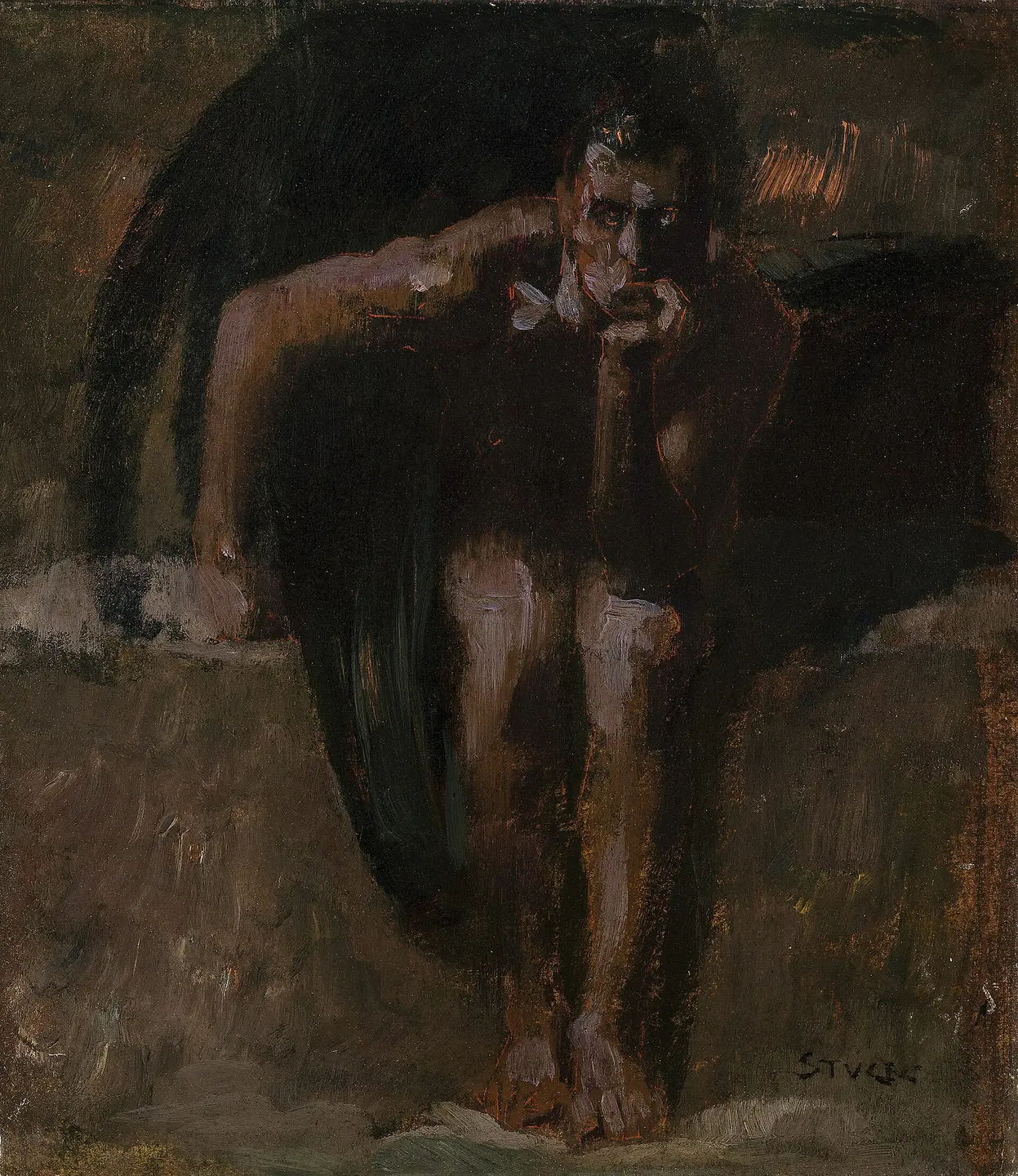
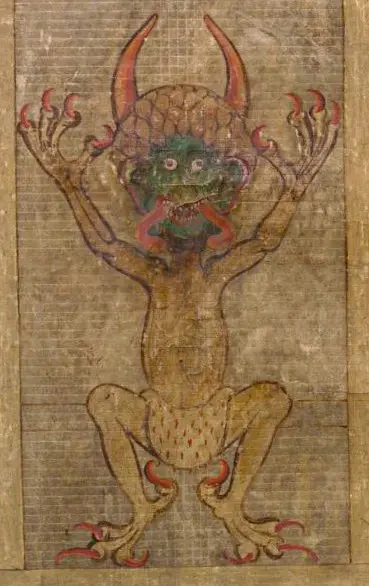
The Devil is the principal personification of evil in much of Christian tradition and a major source for later Western images of Satan. The term is not identical with every historical use of Satan, nor does it describe one unchanging character across the Bible, theology, folklore, literature, art, and modern religion. In contemporary speech “the Devil” often functions as a proper name for Satan, but…

History

Modern theistic Satanism

Modern theistic Satanism refers to contemporary religious currents in which Satan is understood as an independently real deity, spirit, intelligence, or metaphysical presence and is approached through devotion, ritual, prayer, magic, contemplation, or other religious practices. It is part of the wider field of modern Satanism but differs from explicitly non-theistic movements that use Satan primarily as…

Theistic Satanism

Symbolic and theistic Satanism

Symbolic and theistic Satanism are broad labels used to distinguish Satanist traditions according to how they understand Satan’s reality. In theistic Satanism, Satan is ordinarily regarded as a real deity, spirit, intelligence, or independently existing being. In symbolic or non-theistic Satanism, Satan is understood primarily as a symbol, literary figure, archetype, cultural adversary, or name for a…

Organizations & Traditions

Theosophical Society

A modern esoteric society with stated aims of fraternity, comparative study, and investigation of nature and human capacities.

Texts & Sources

Serpent in Genesis

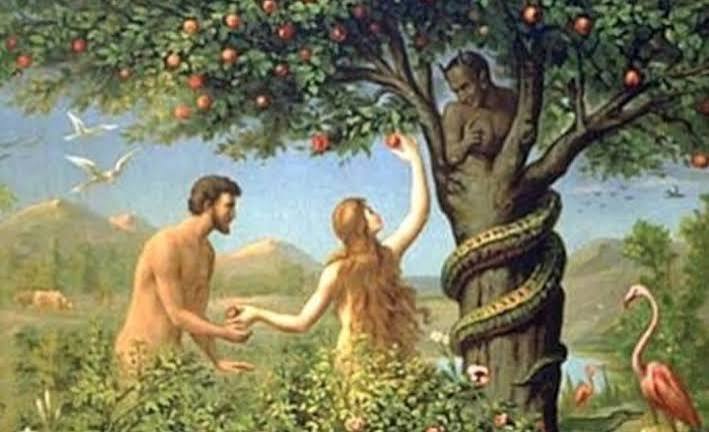
The serpent in Genesis 3 persuades the woman to eat from the tree of knowledge. The chapter does not name Satan. Later texts and interpretations connect the serpent with the Devil, adding to the history of the Eden story.

High Satanic Church

The High Satanic Church

The High Satanic Church is an independent theistic Satanist religious organization and online congregation centered on the worship of Satan as a real deity. Its public website describes the Church as theistic, devotional, and unaffiliated with both the Church of Satan and The Satanic Temple. The organization maintains public material on beliefs and practice as well as member accounts, lodges, writings,…

History

Alchemy

Alchemy concerns historical approaches to material transformation and the interpretation of nature. Spiritual readings form part of its reception but should not replace the material history.

Culture & Ethics

Ouija board

The patented talking-board game, its pointer and commercial history, and research on ideomotor movement and implicit memory.

History

Aleister Crowley

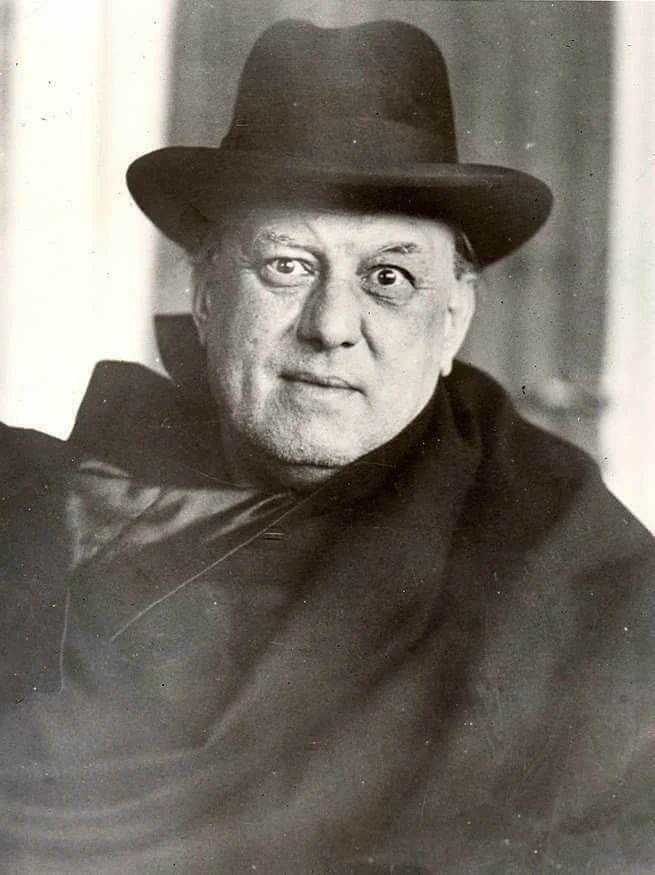
The author and religious figure associated with Thelema, The Book of the Law, and a large body of magical instruction.

Devotional Practice

Ritual in theistic Satanism

Ritual is patterned action given special religious, symbolic, social, or transformative significance. Ritual can mark time, establish sacred space, communicate with a deity, express commitment, create community, memorialize the dead, enact a transition, or focus attention on a chosen purpose. In theistic Satanism, ritual commonly includes devotional action directed toward Satan or other spirits…

Texts & Sources

Book of Jubilees

A retelling of Genesis and early Exodus arranged through jubilees, with angelic revelation, calendar teaching, and expanded narratives.

Culture & Ethics

Halloween

The public holiday of 31 October, including lanterns, visiting customs, disguise, and its Celtic and Christian histories.

Theistic Satanism

Theistic Satanism

Theistic Satanism is a family of religious positions in which Satan is understood as an actually existing spiritual being, deity, intelligence, or metaphysical presence, rather than only a literary symbol or political metaphor. It is not a single church or creed. The term is best used as an umbrella for practitioners and groups whose beliefs differ on the nature of Satan, the status of other spirits,…

Theology & Cosmology

Hermetic Qabalah

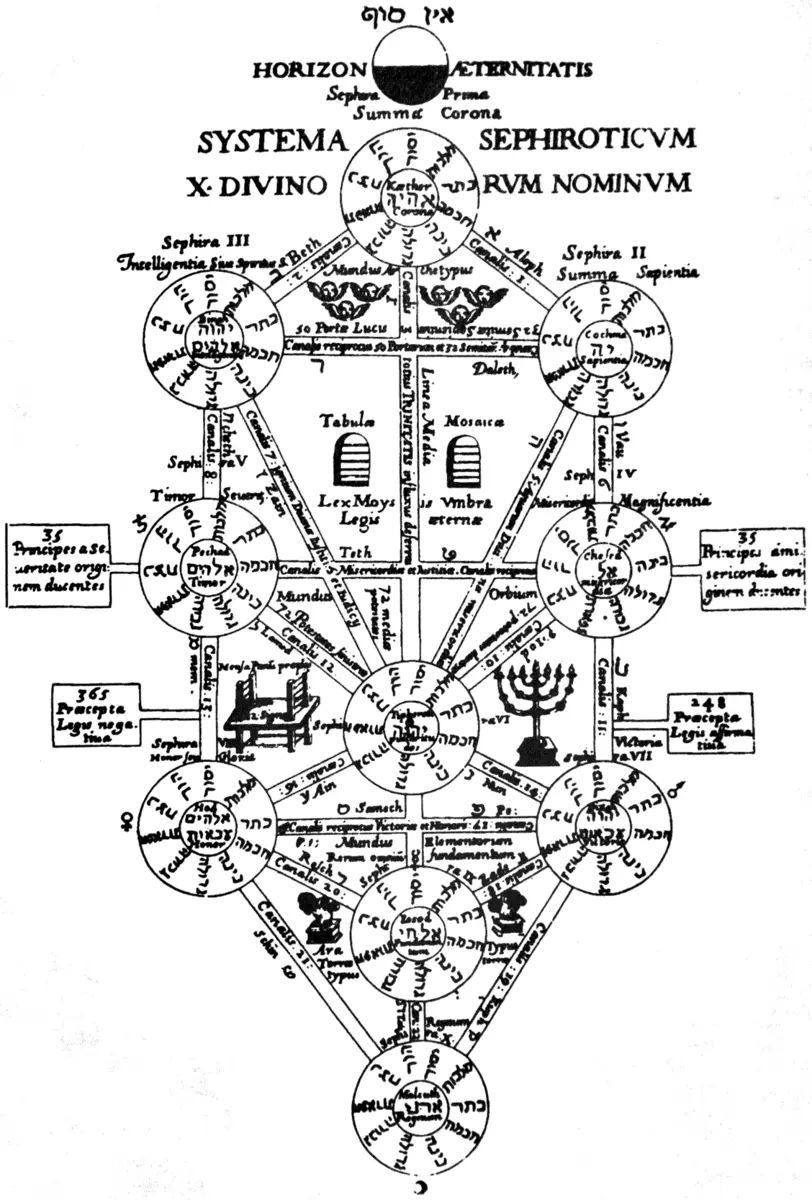
Western esoteric systems that adapt Kabbalistic ideas through ritual, correspondence tables, and symbolic interpretation.

History

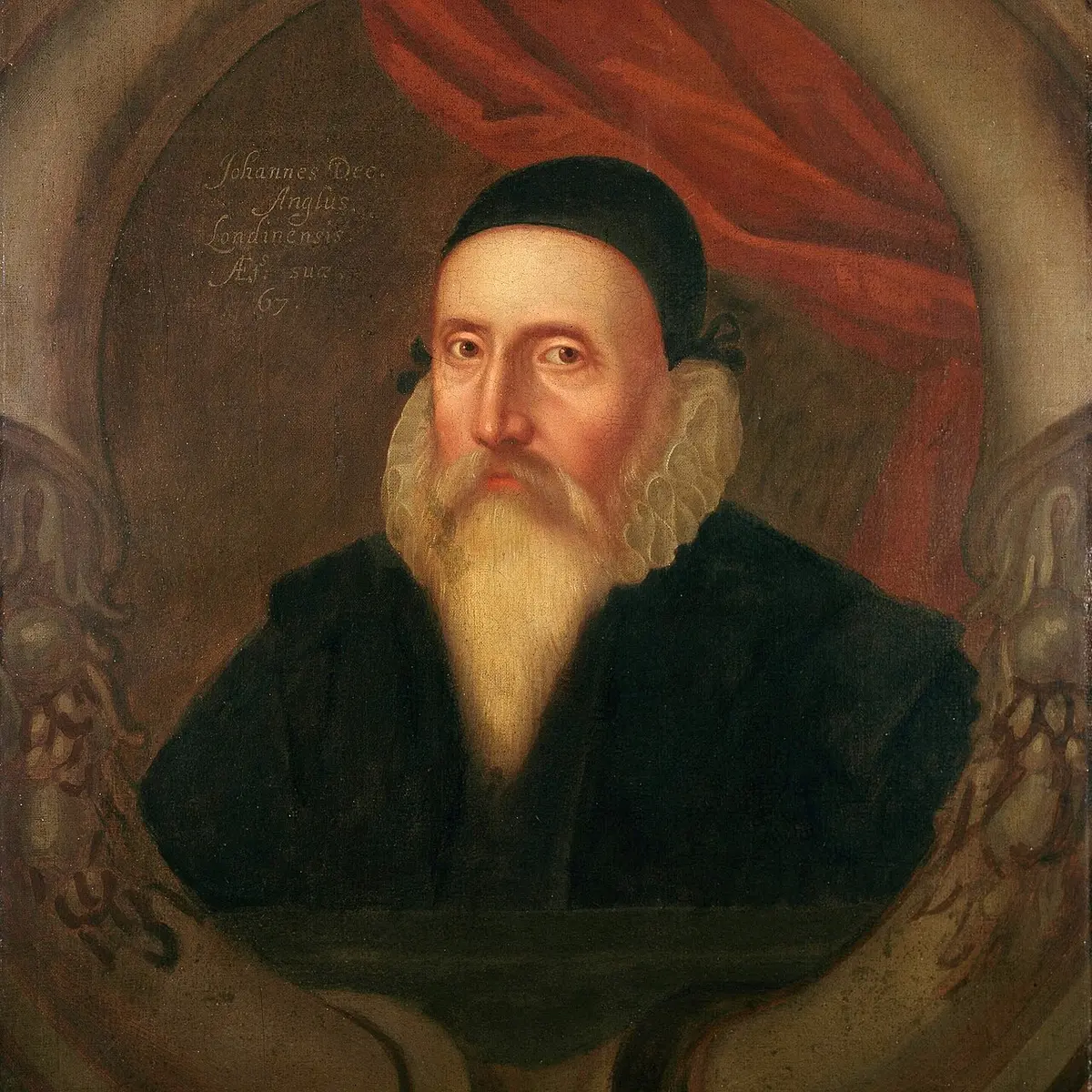
John Dee

An English scholar whose records of spirit conversations became a major source for later angelic magic.

History

Michael Aquino

A founder and major author of the Temple of Set, associated with the modern Setian interpretation of Xeper.

Culture & Ethics

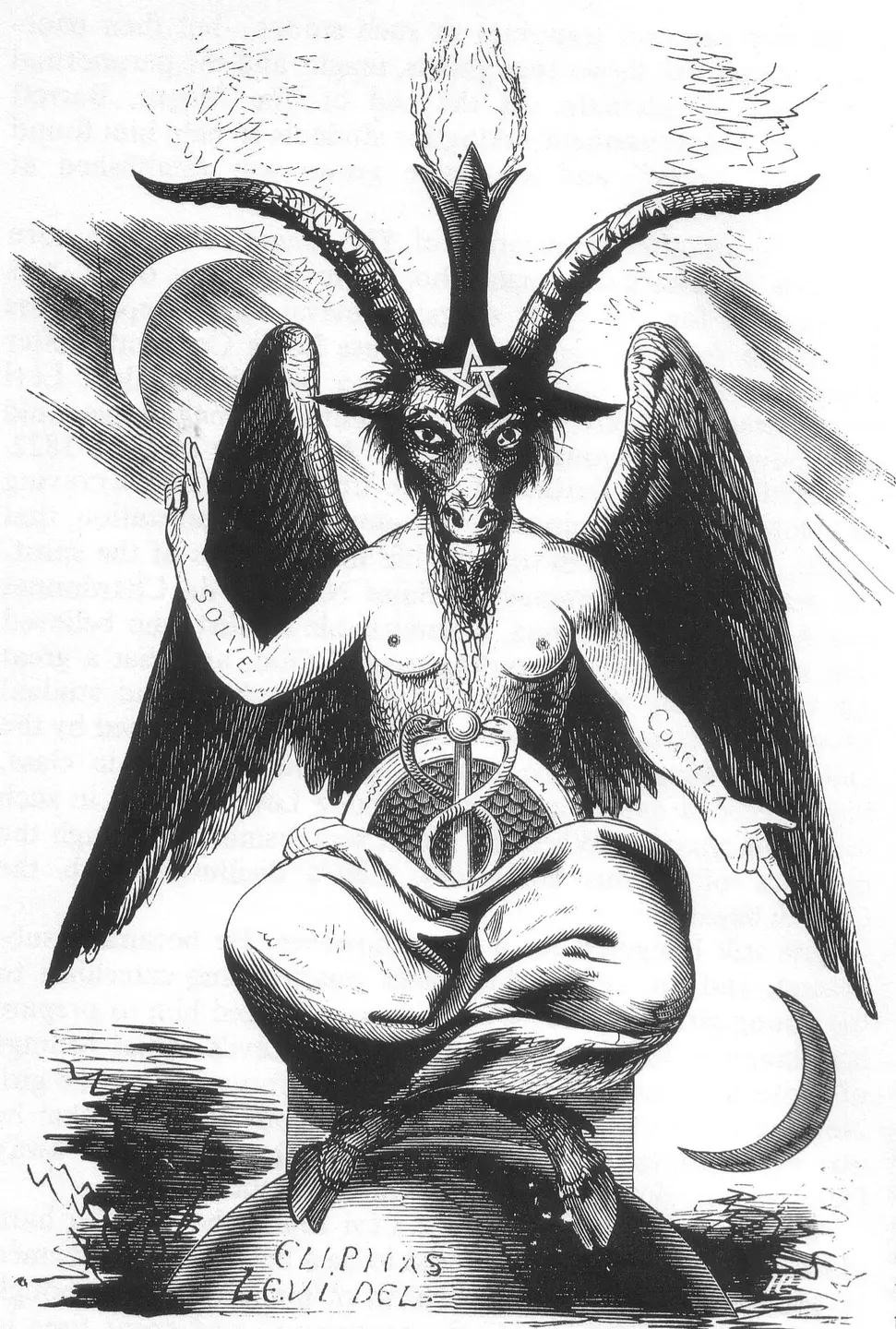
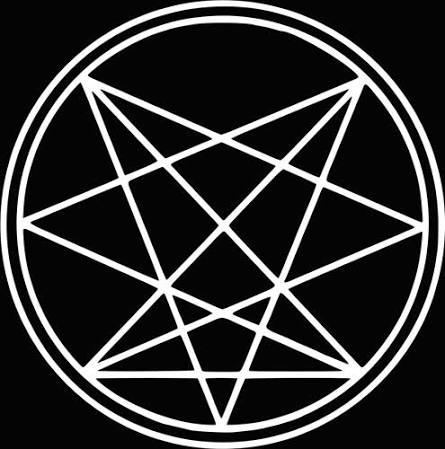
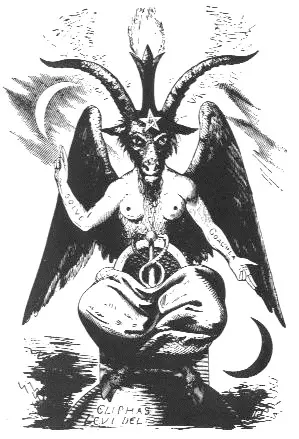
Satanic symbolism

The images, names, and gestures used by Satanic traditions, whose meanings depend on their religious and historical setting.