Demonology & Spirits
Murmur
A Goetic spirit associated with philosophy and the compelled appearance of deceased souls.
A Goetic spirit associated with philosophy and the compelled appearance of deceased souls.
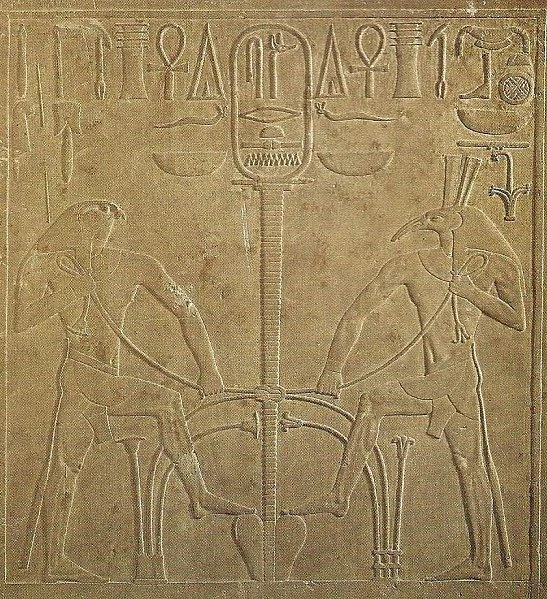
The religious philosophy associated with the Temple of Set, the Egyptian name Set, and the idea of Xeper.

Anton LaVey’s 1969 book of Satanic philosophy and ritual, foundational to the Church of Satan.
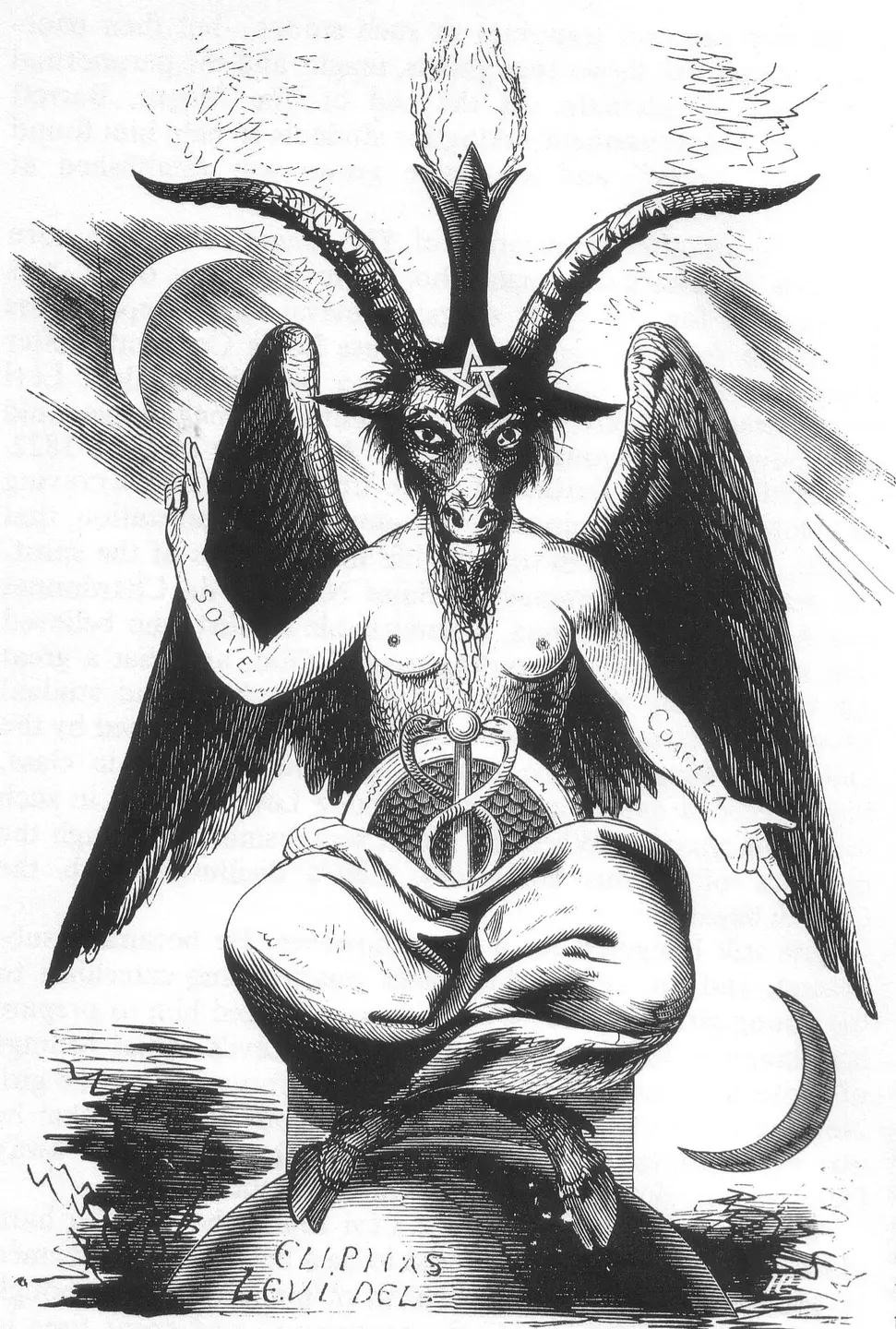
Symbolic and theistic Satanism are broad labels used to distinguish Satanist traditions according to how they understand Satan’s reality. In theistic Satanism, Satan is ordinarily regarded as a real deity, spirit, intelligence, or independently existing being. In symbolic or non-theistic Satanism, Satan is understood primarily as a symbol, literary figure, archetype, cultural adversary, or name for a…
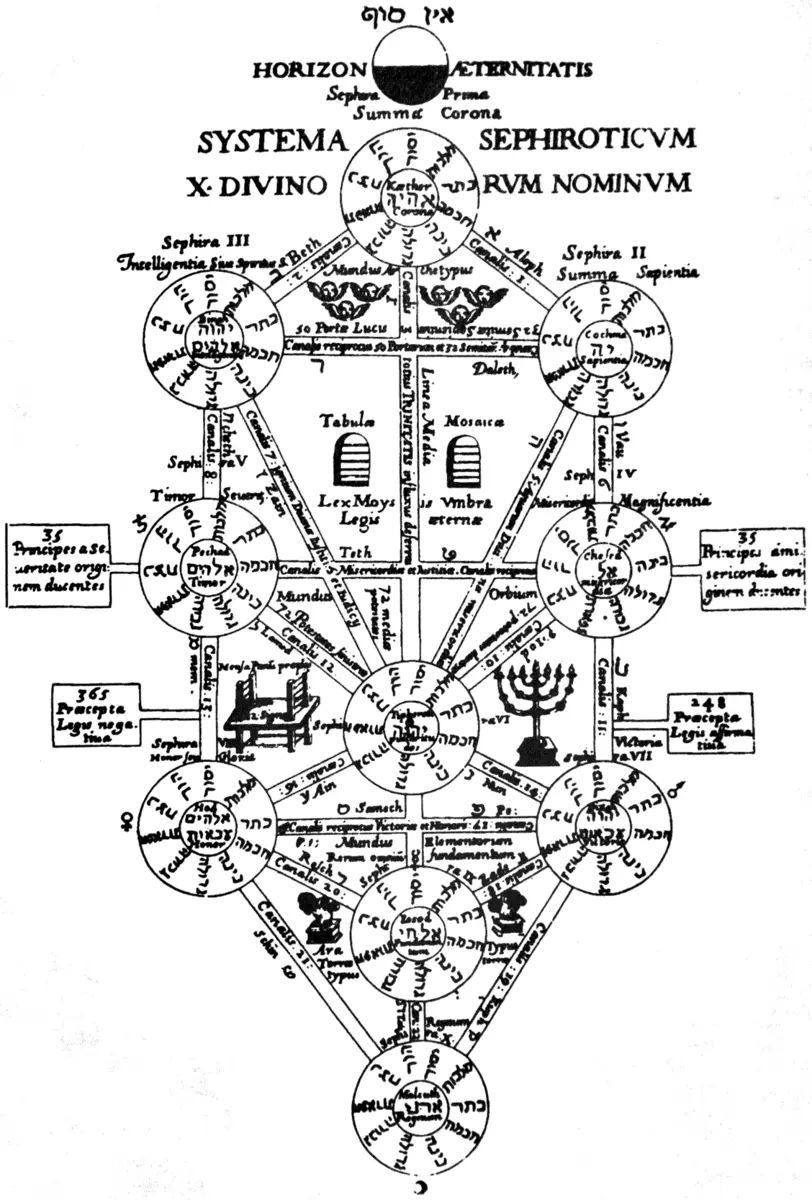
Western esoteric systems that adapt Kabbalistic ideas through ritual, correspondence tables, and symbolic interpretation.
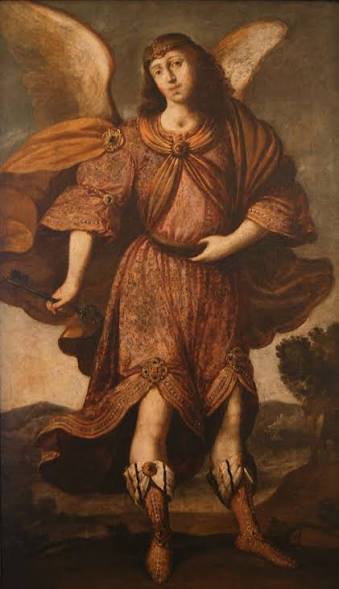
Raziel is an angel associated with the revelation of divine secrets, especially the legendary book given to Adam. His name appears in Jewish interpretive and magical literature and later Western esotericism, where Agrippa connects him with Chokmah, or Wisdom.
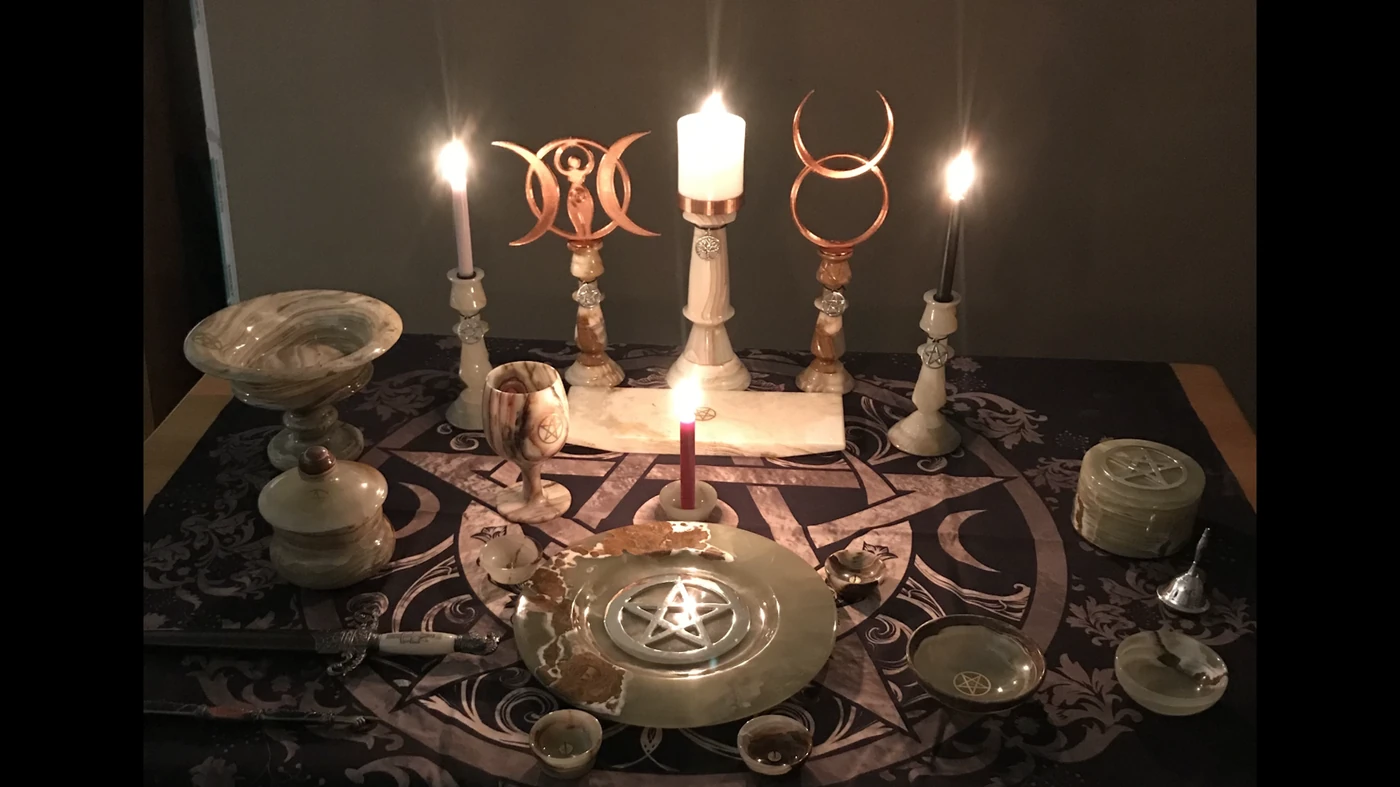
An altar is a designated place or surface used for religious devotion, ritual, offerings, sacred objects, or symbolic focus. Altars occur in many religious traditions, but their forms and meanings vary widely. In modern theistic Satanism an altar may function as a place for Prayer, Ritual, Offerings, meditation, spirit work, or the display of symbols connected with Satan and other beings.
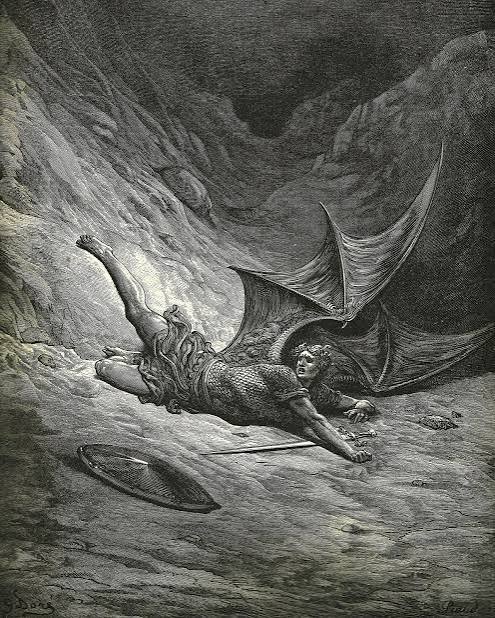
Modern theistic Satanism refers to contemporary religious currents in which Satan is understood as an independently real deity, spirit, intelligence, or metaphysical presence and is approached through devotion, ritual, prayer, magic, contemplation, or other religious practices. It is part of the wider field of modern Satanism but differs from explicitly non-theistic movements that use Satan primarily as…
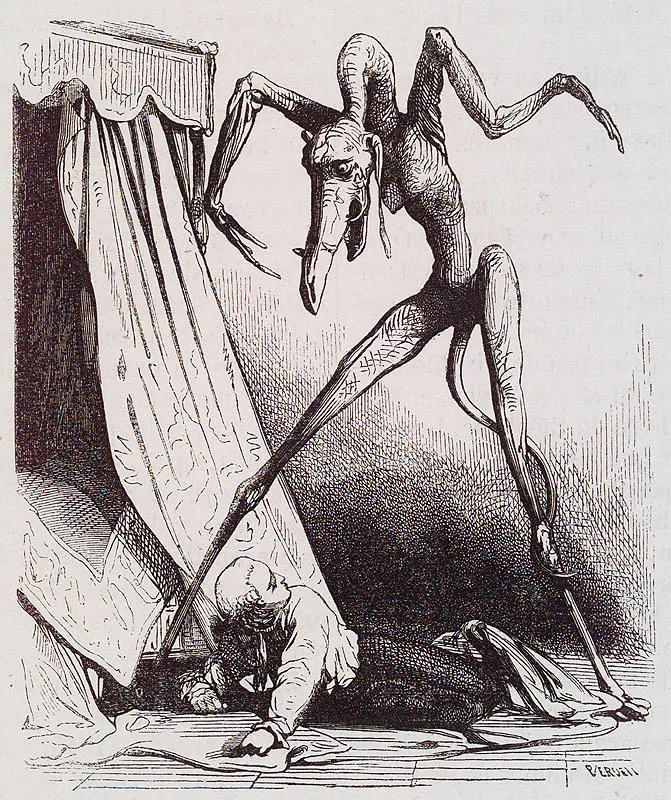
Demonology is the study, classification, and interpretation of demons and related spirits. In Western religious history it has included theological arguments about the nature and powers of demons, lists of named spirits, explanations of possession and temptation, magical techniques for summoning or constraining spirits, and folklore about dangerous supernatural beings. Modern theistic Satanists and…
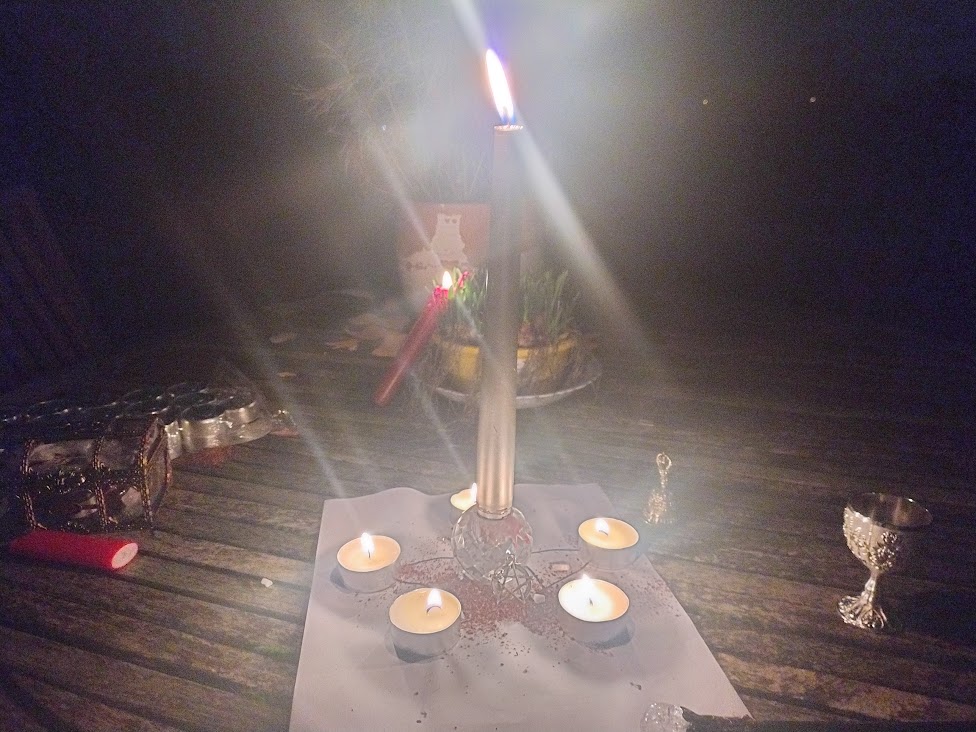
Ritual is patterned action given special religious, symbolic, social, or transformative significance. Ritual can mark time, establish sacred space, communicate with a deity, express commitment, create community, memorialize the dead, enact a transition, or focus attention on a chosen purpose. In theistic Satanism, ritual commonly includes devotional action directed toward Satan or other spirits…
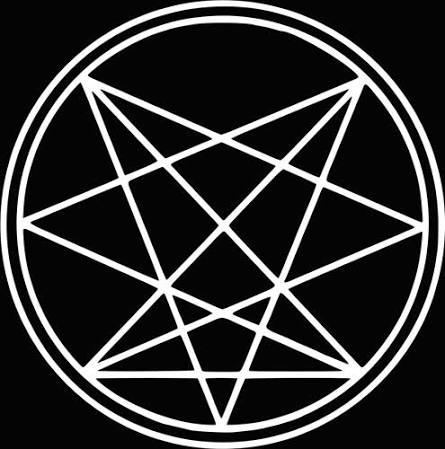
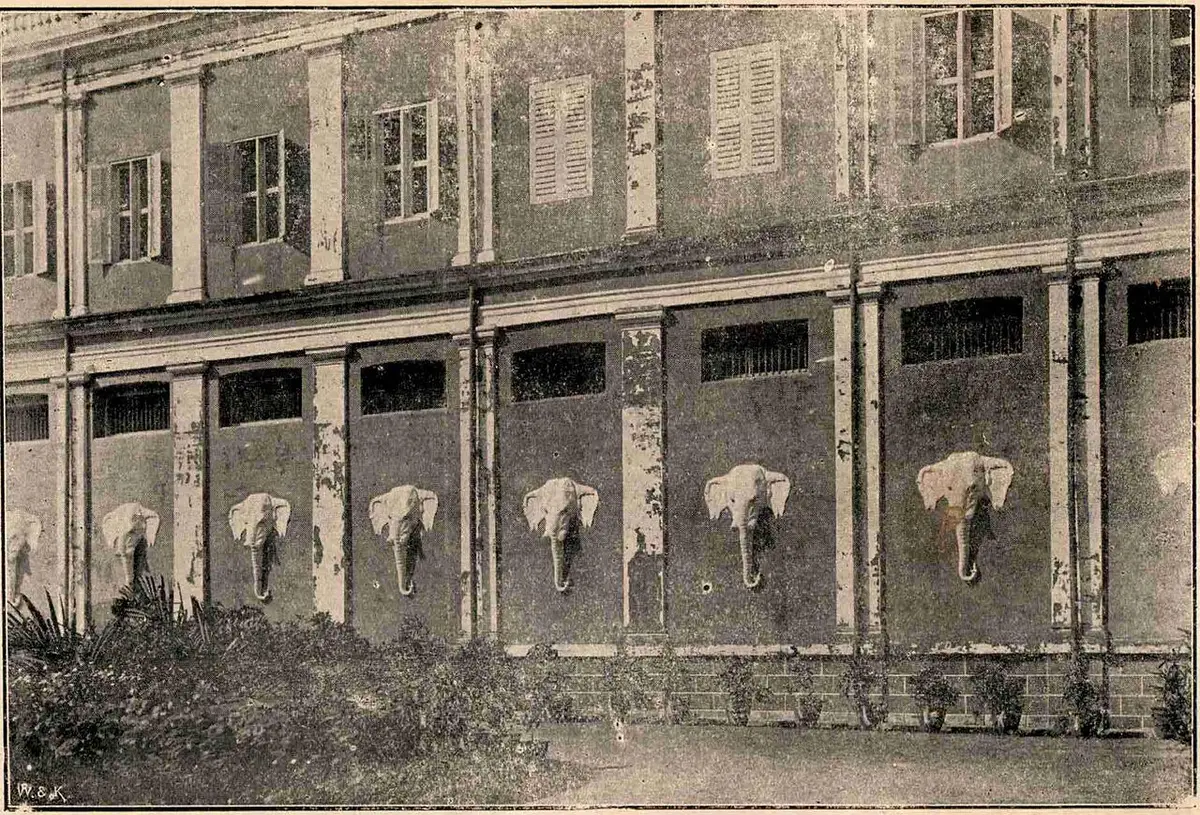
A modern esoteric society with stated aims of fraternity, comparative study, and investigation of nature and human capacities.

The Devil is the principal personification of evil in much of Christian tradition and a major source for later Western images of Satan. The term is not identical with every historical use of Satan, nor does it describe one unchanging character across the Bible, theology, folklore, literature, art, and modern religion. In contemporary speech “the Devil” often functions as a proper name for Satan, but…
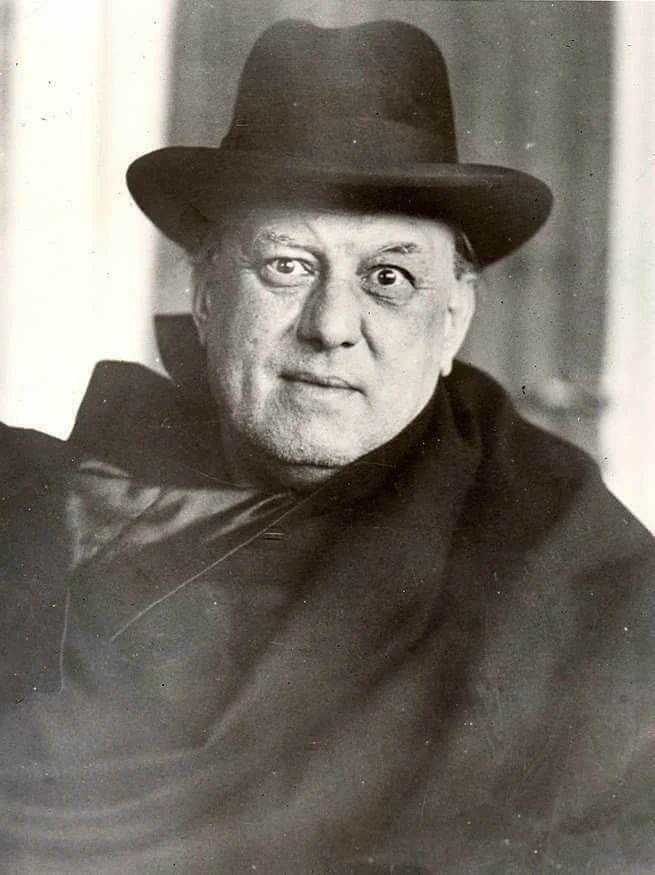
The author and religious figure associated with Thelema, The Book of the Law, and a large body of magical instruction.
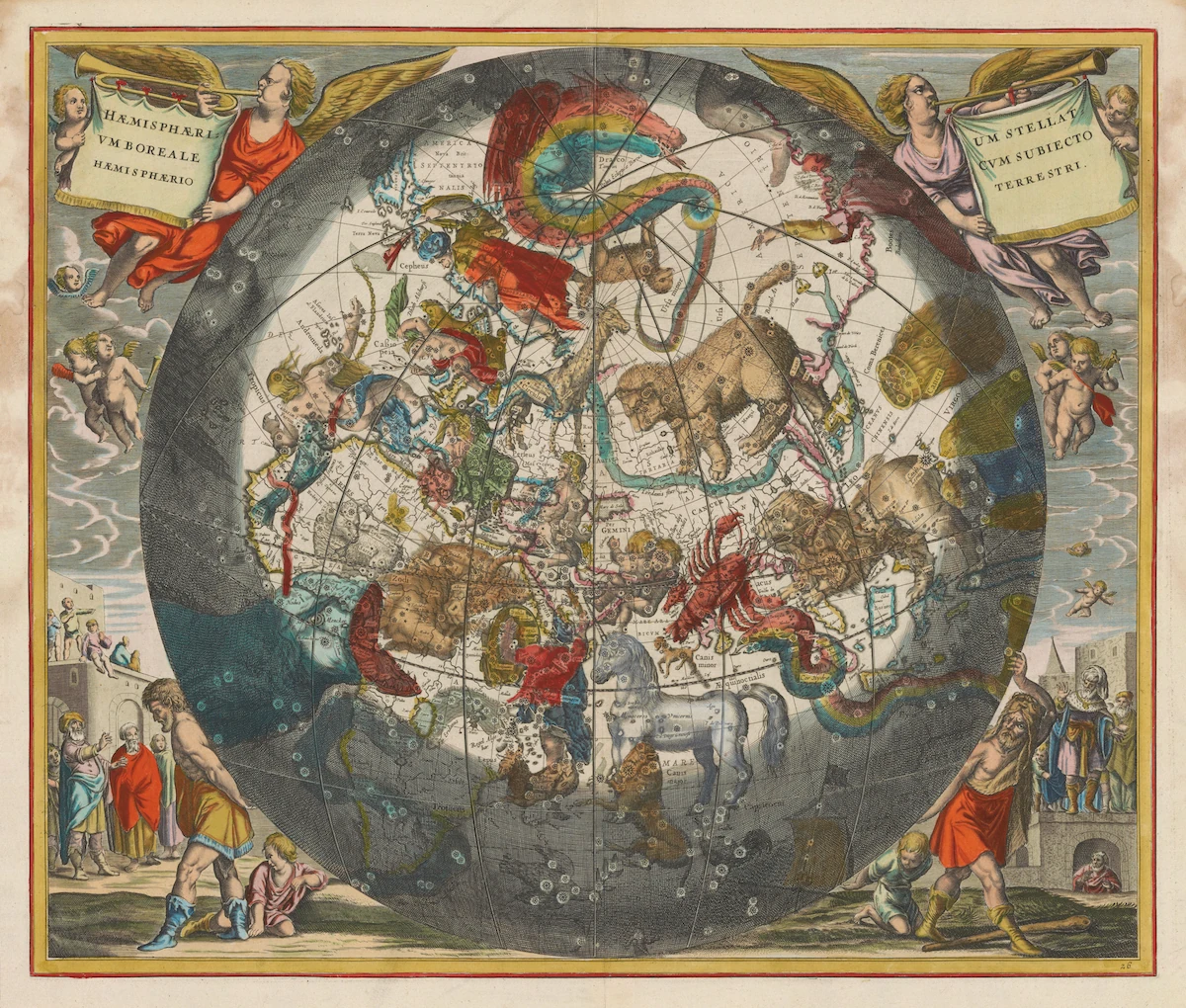
Magical systems using the seven traditional planets through timing, correspondences, images, and invocations.
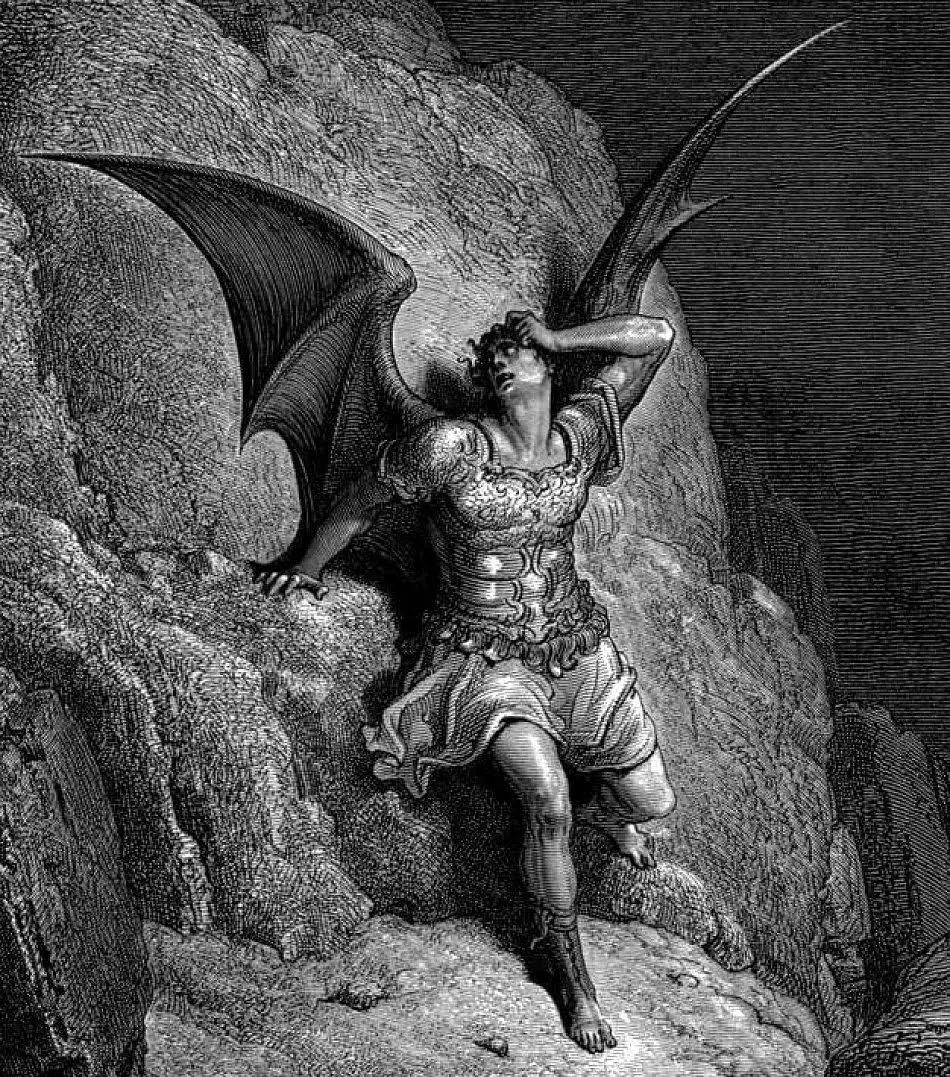
Satan is a figure whose meaning has changed substantially across Jewish, Christian, Islamic, literary, esoteric, and modern Satanic contexts. In contemporary theistic Satanism, Satan may be understood as a real deity, spirit, adversary, initiator, or metaphysical intelligence. Those modern interpretations draw on, but are not identical with, the much older history of the word and character.
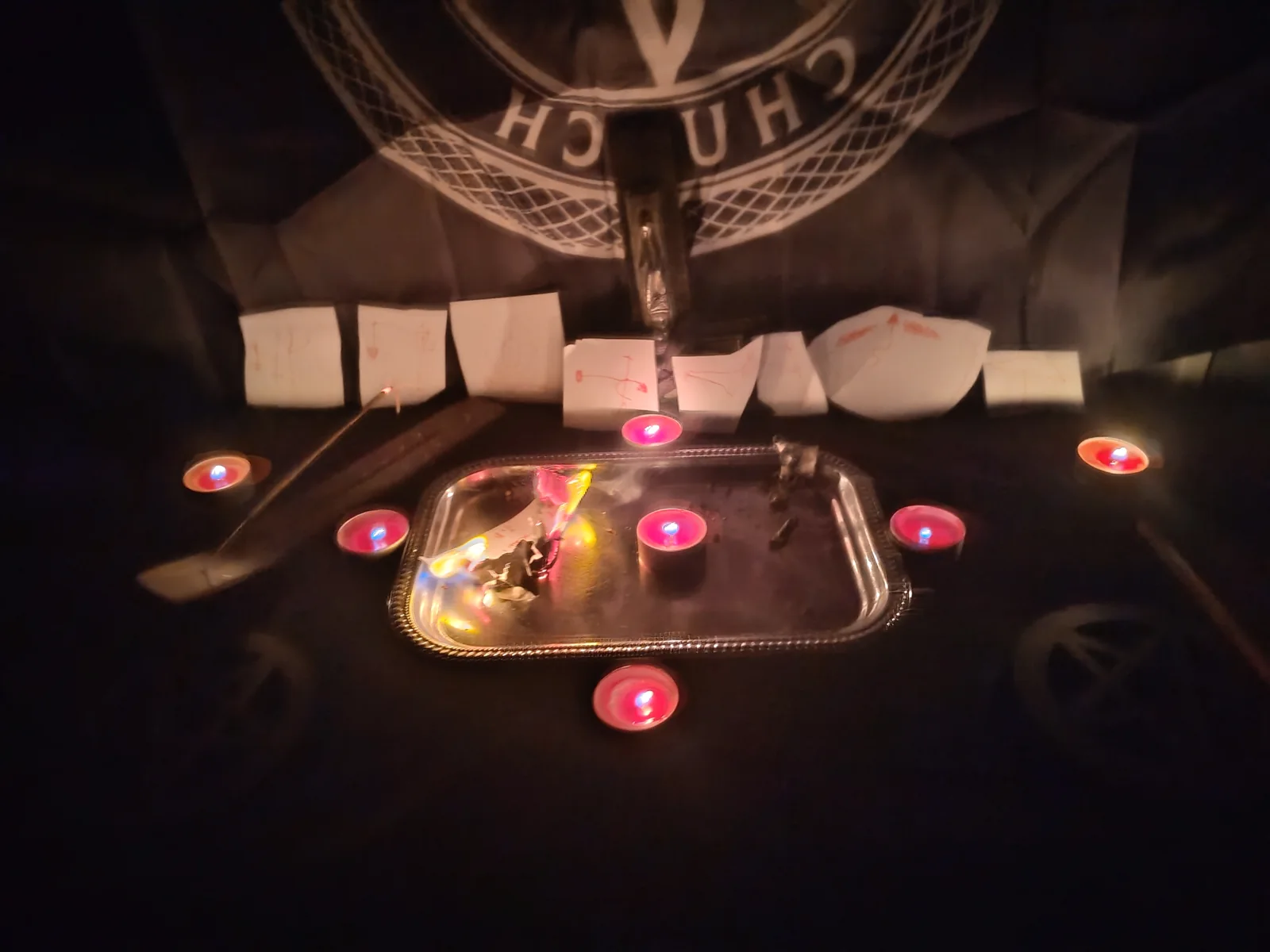
Prayer is intentional communication addressed to a deity, spirit, sacred power, or ultimate reality. It can include praise, petition, confession, thanksgiving, lament, dedication, silence, repetition, or simple direct speech. In theistic Satanism, prayer usually means addressing Satan or another spiritually real being rather than speaking only to oneself or performing a purely symbolic exercise.
The High Satanic Church is an independent theistic Satanist religious organization and online congregation centered on the worship of Satan as a real deity. Its public website describes the Church as theistic, devotional, and unaffiliated with both the Church of Satan and The Satanic Temple. The organization maintains public material on beliefs and practice as well as member accounts, lodges, writings,…
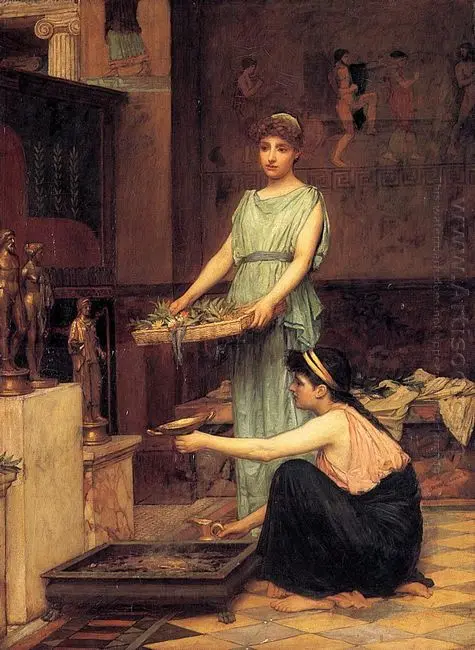
Offerings are objects, substances, actions, or works intentionally presented to a deity, spirit, sacred power, or religious community. Across religious history offerings have included food, drink, incense, flowers, animal sacrifice, money, vows, music, labor, art, and acts of service. In theistic Satanism, offerings are commonly used to express devotion, gratitude, hospitality, dedication, or…