Demonology & Spirits
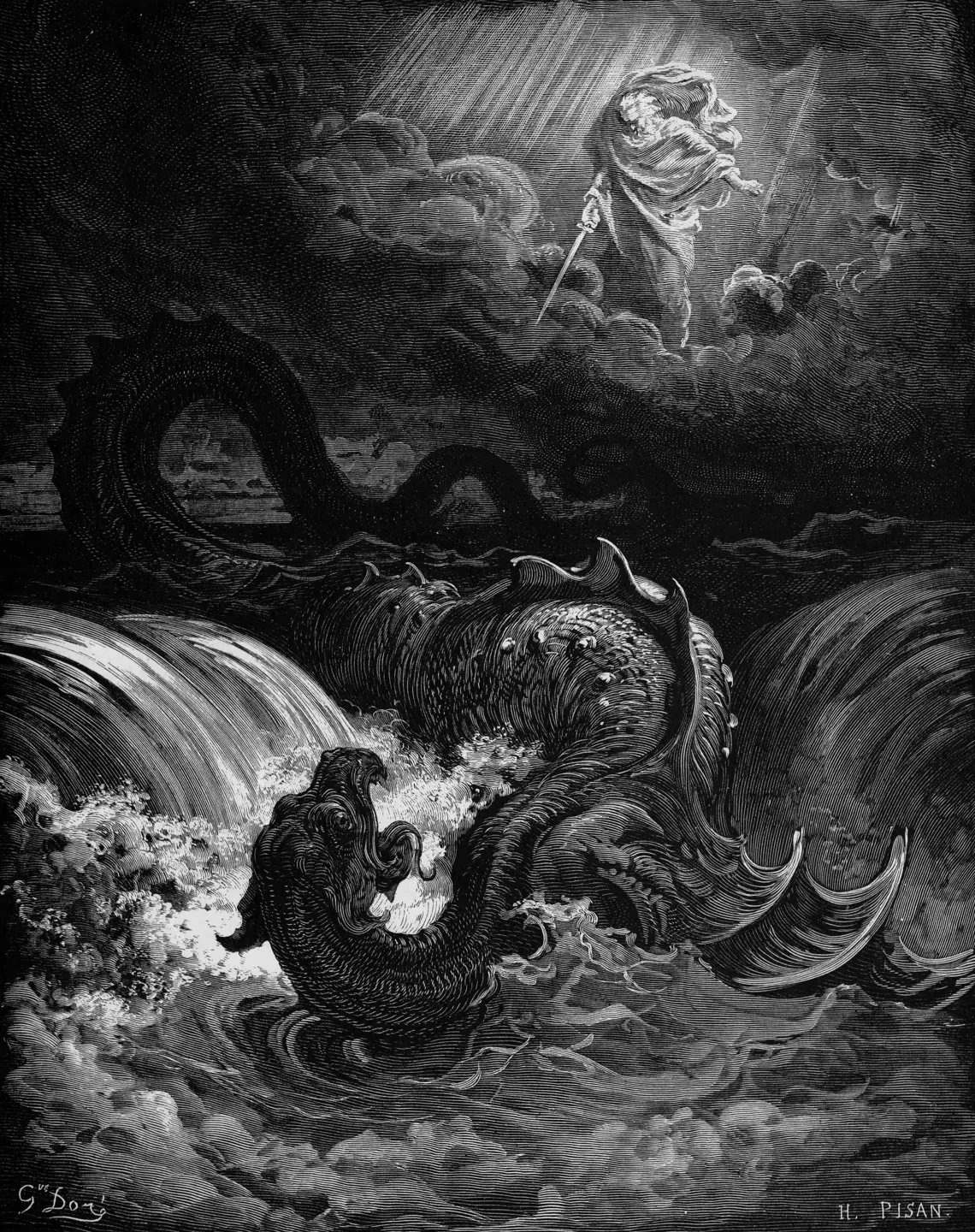
Leviathan
Leviathan appears in biblical poetry and later religious symbolism. The vivid descriptions belong to different literary contexts and should be interpreted accordingly.
Leviathan appears in biblical poetry and later religious symbolism. The vivid descriptions belong to different literary contexts and should be interpreted accordingly.
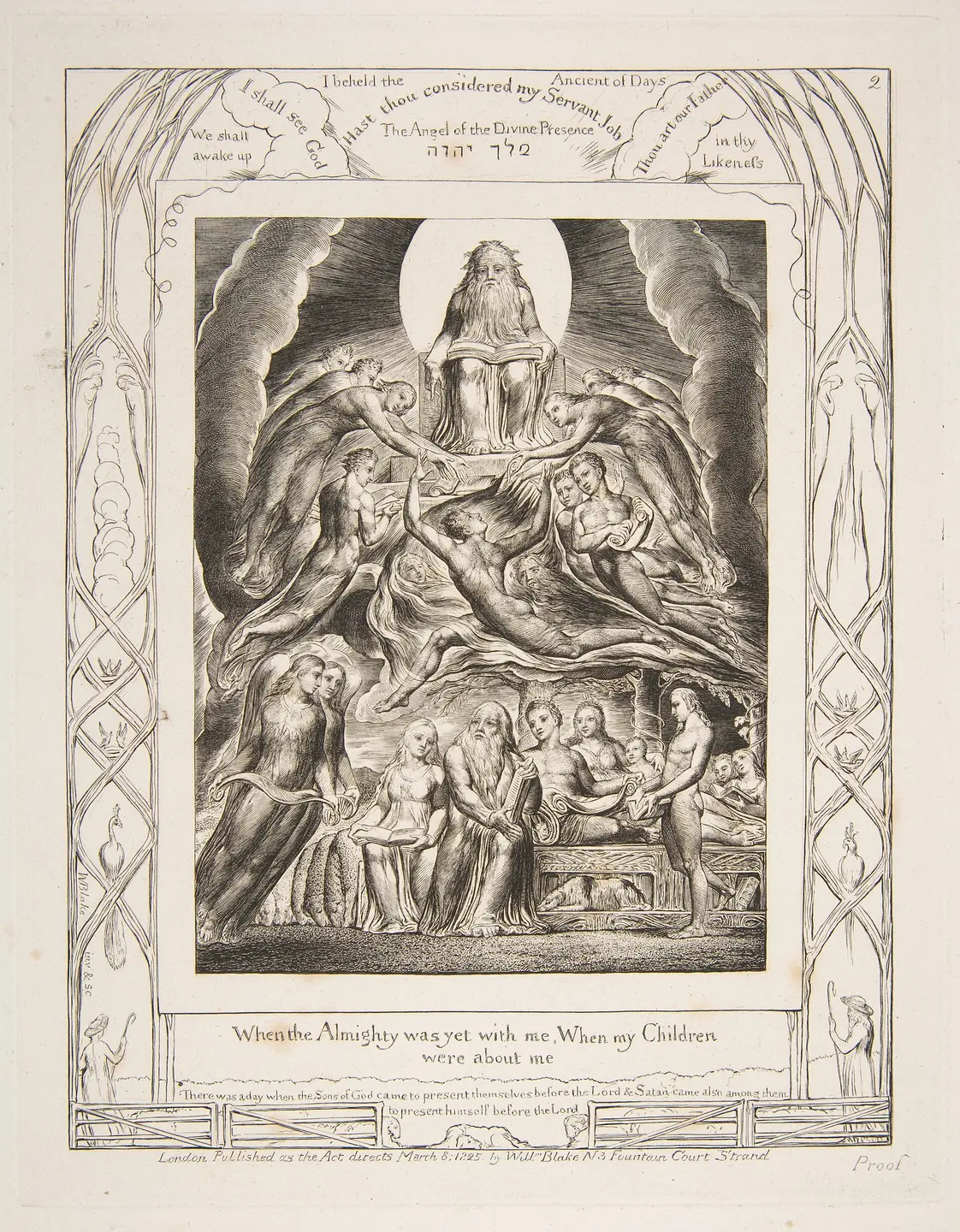
Job 1–2 presents Satan in a heavenly assembly and in a dispute about Job’s righteousness. The passage should be read before later accounts of Satan’s origins are supplied.
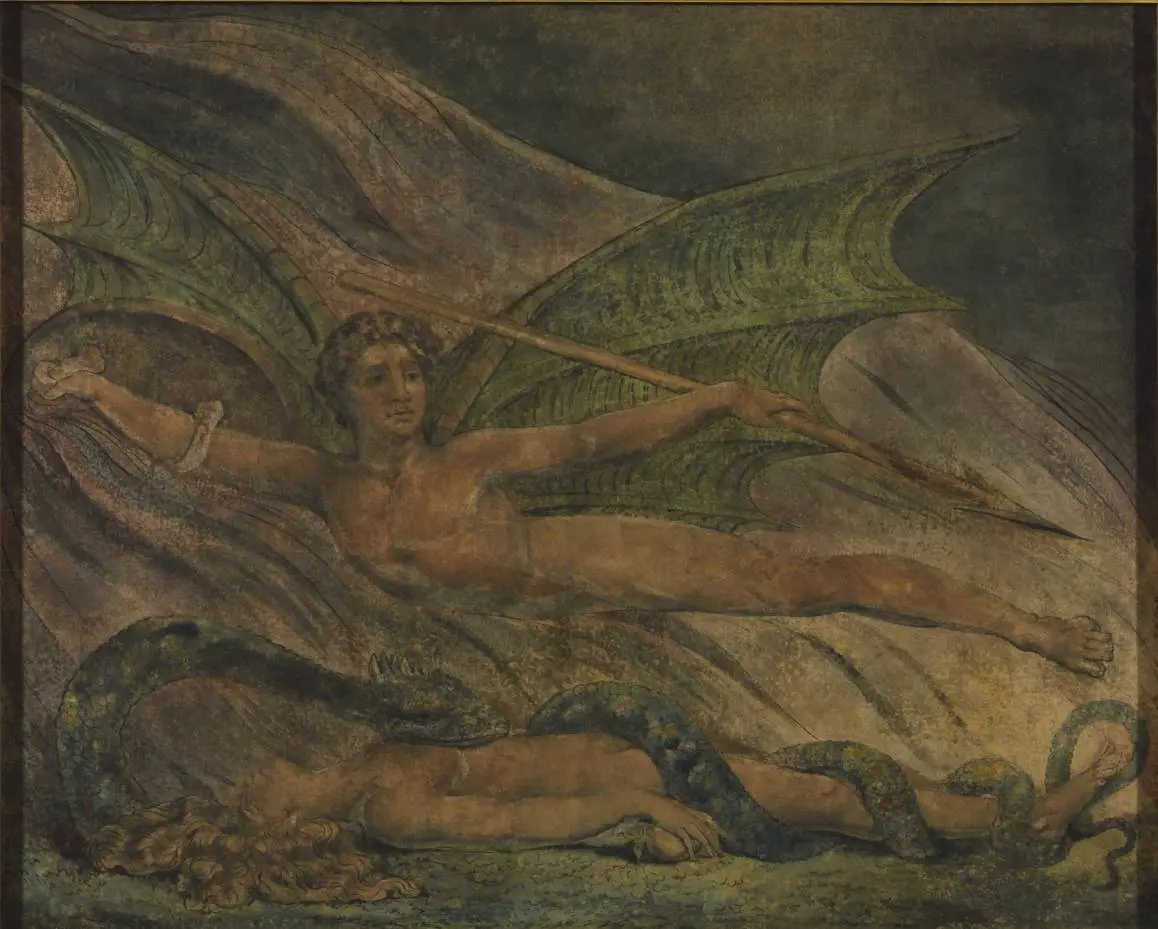
Romantic Satanism concerns literary and political readings that give Satan a positive role in opposition to tyranny or conventional authority. It should be distinguished from membership in a religious organization.
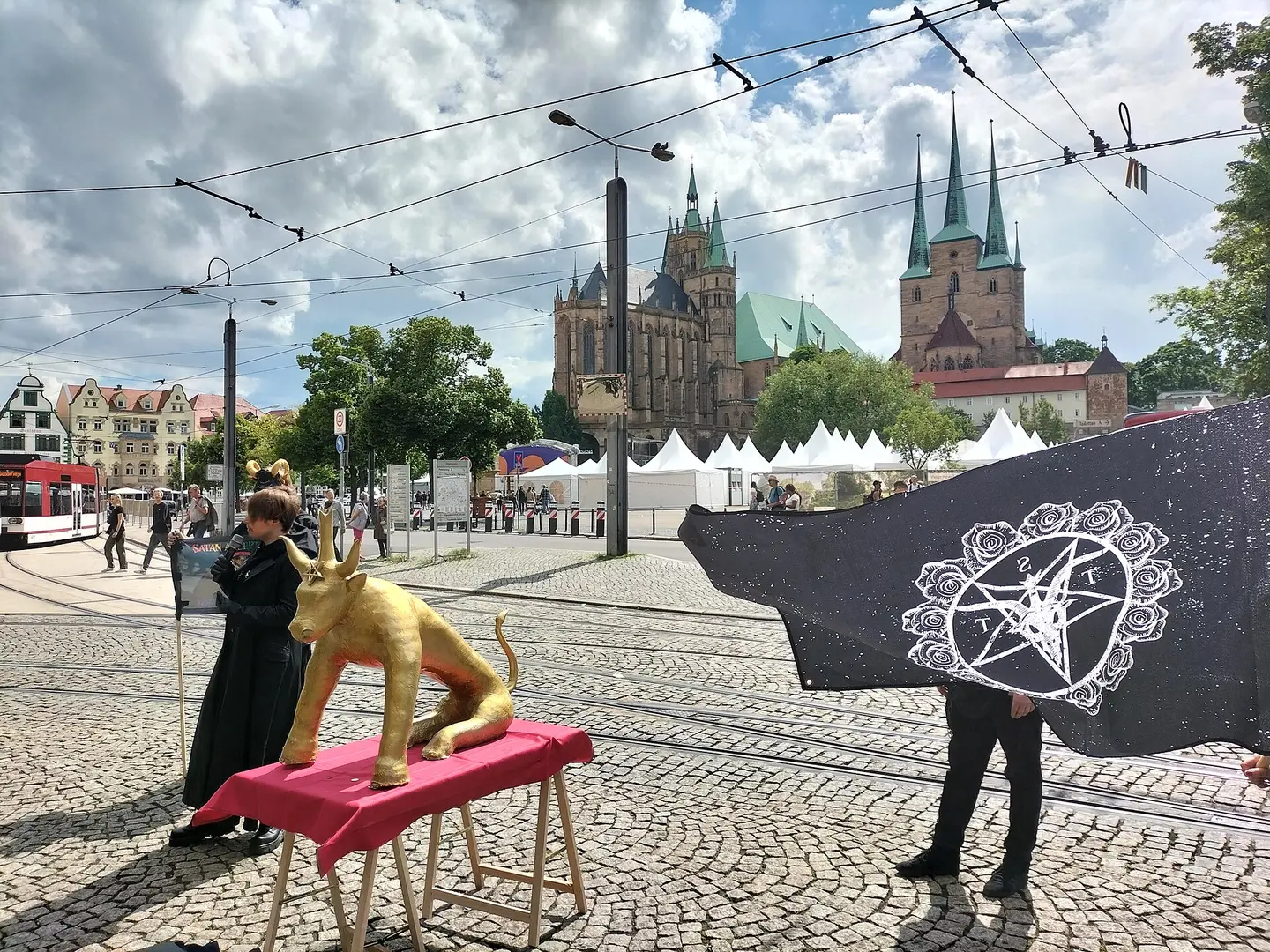
The Satanic Temple is a non-theistic religious organization whose public principles and activism differ from those of the Church of Satan and from theistic Satanist devotion.
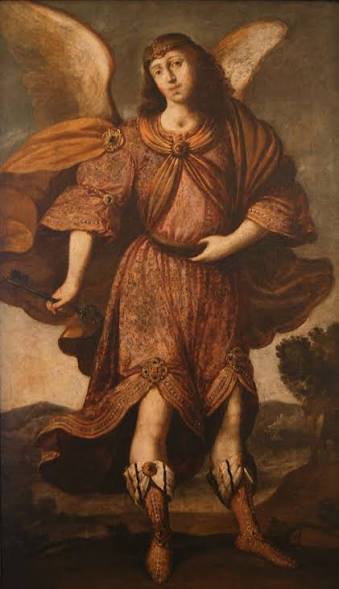
Raziel is an angel associated with the revelation of divine secrets, especially the legendary book given to Adam. His name appears in Jewish interpretive and magical literature and later Western esotericism, where Agrippa connects him with Chokmah, or Wisdom.
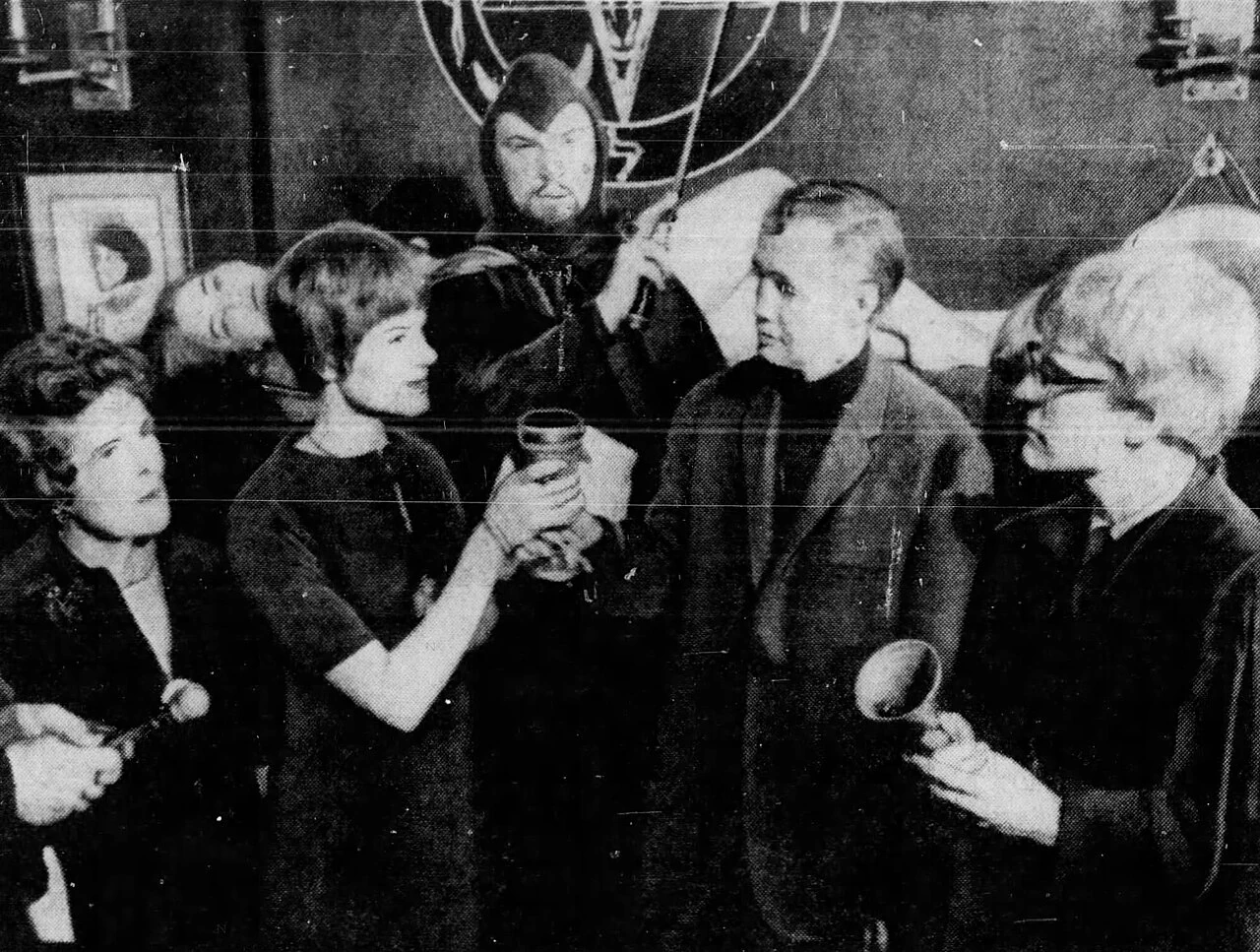
The Church of Satan is the organization founded by Anton LaVey in 1966. Its official account describes Satanism as atheistic and gives Satan a symbolic role.
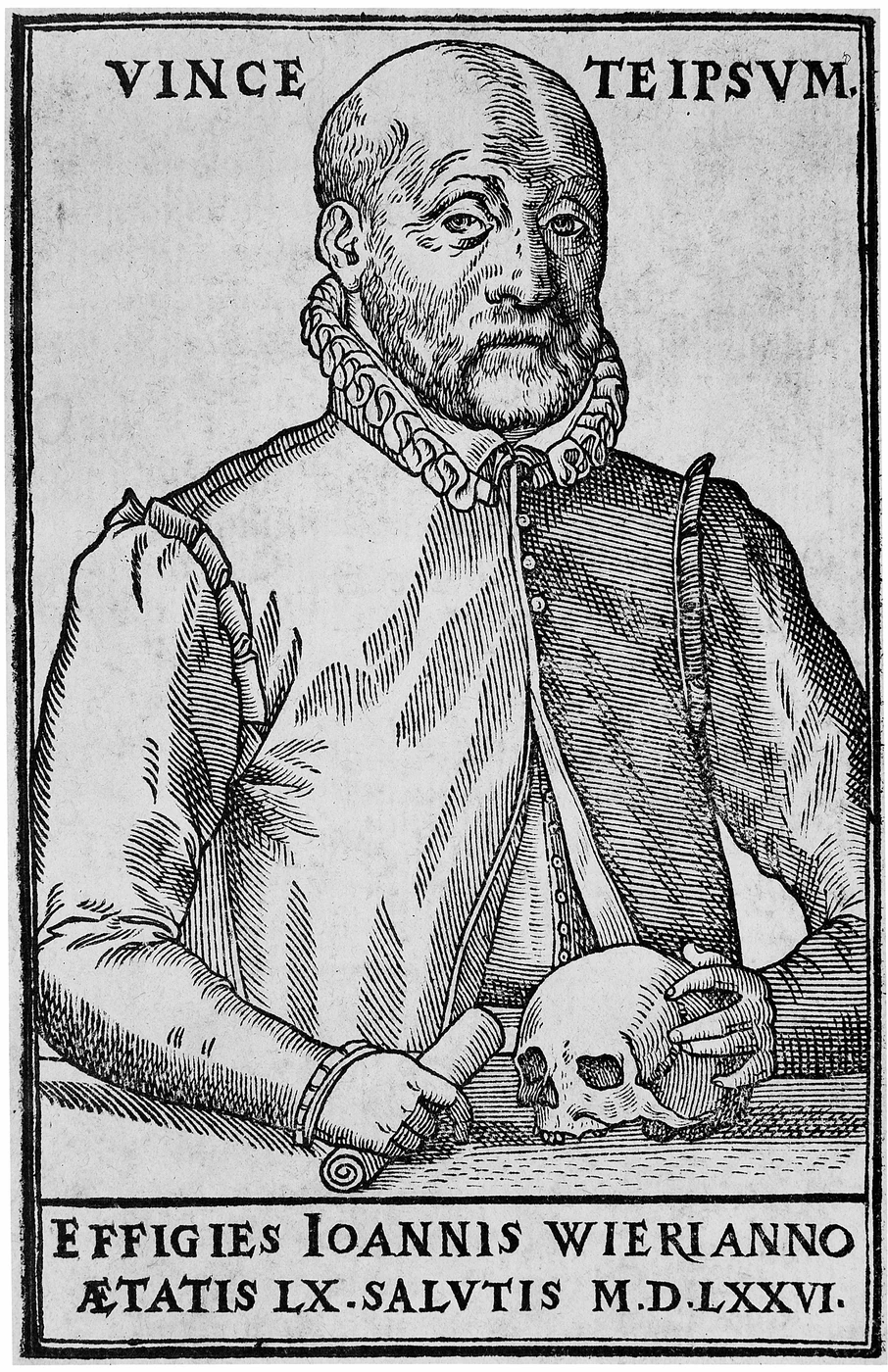
The physician and author whose Pseudomonarchia daemonum supplied an important source for later spirit catalogues.
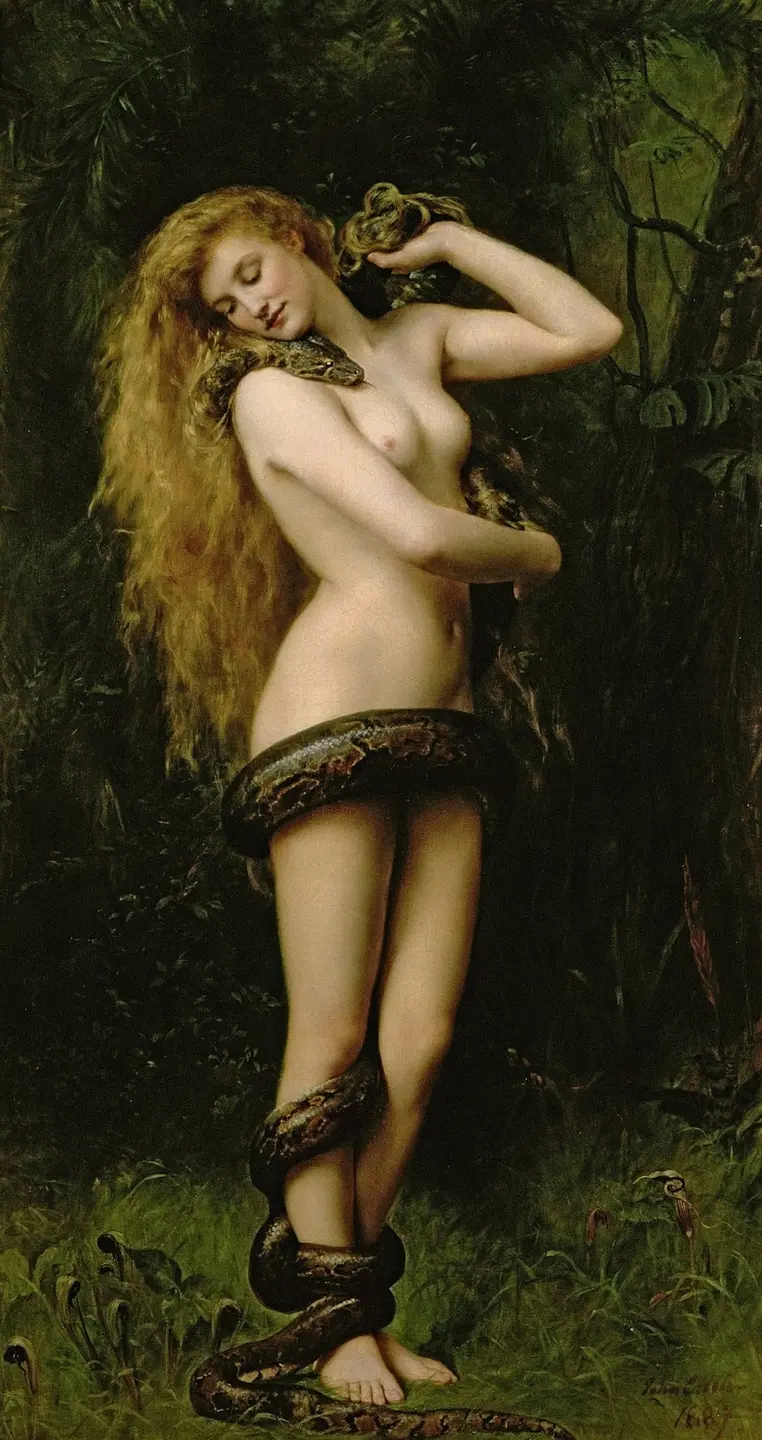
Lilith is a figure whose history spans ancient Near Eastern demonology, Jewish folklore, medieval protective magic, Kabbalah, literature, feminist reinterpretation, modern occultism, and contemporary Satanic or Luciferian religion. She is often introduced today as “Adam’s first wife,” but that familiar story is medieval rather than biblical. Earlier sources describe beings called lilith or lilin in…
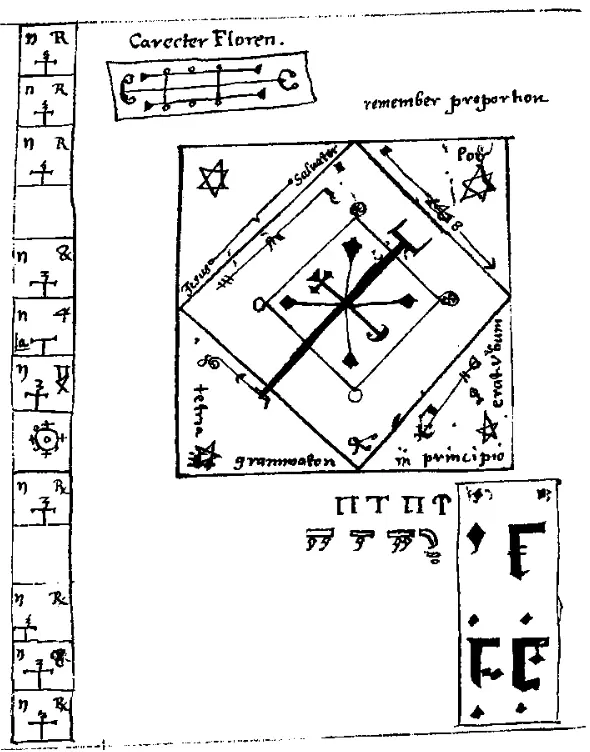
A grimoire is a book or manuscript containing magical knowledge, ritual procedures, charms, conjurations, talismans, spirit catalogues, astrological instructions, prayers, or other techniques intended to produce supernatural or occult effects. The term is most strongly associated with European magic, but scholars use it within a much wider history of magical books and written ritual technologies.
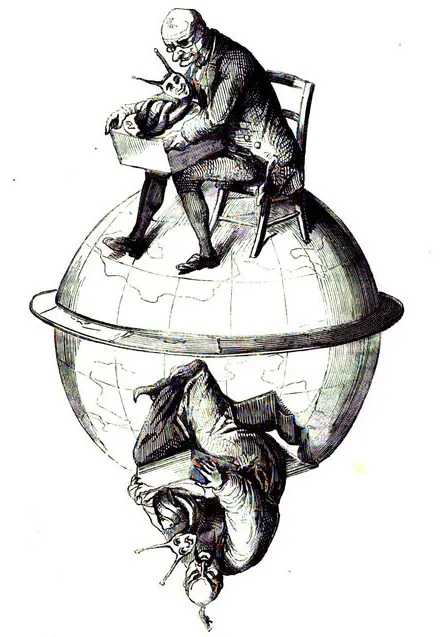
Collin de Plancy’s Dictionnaire infernal gathered supernatural traditions in a dictionary format. Its 1863 entries and illustrations remain influential in modern depictions of spirits.
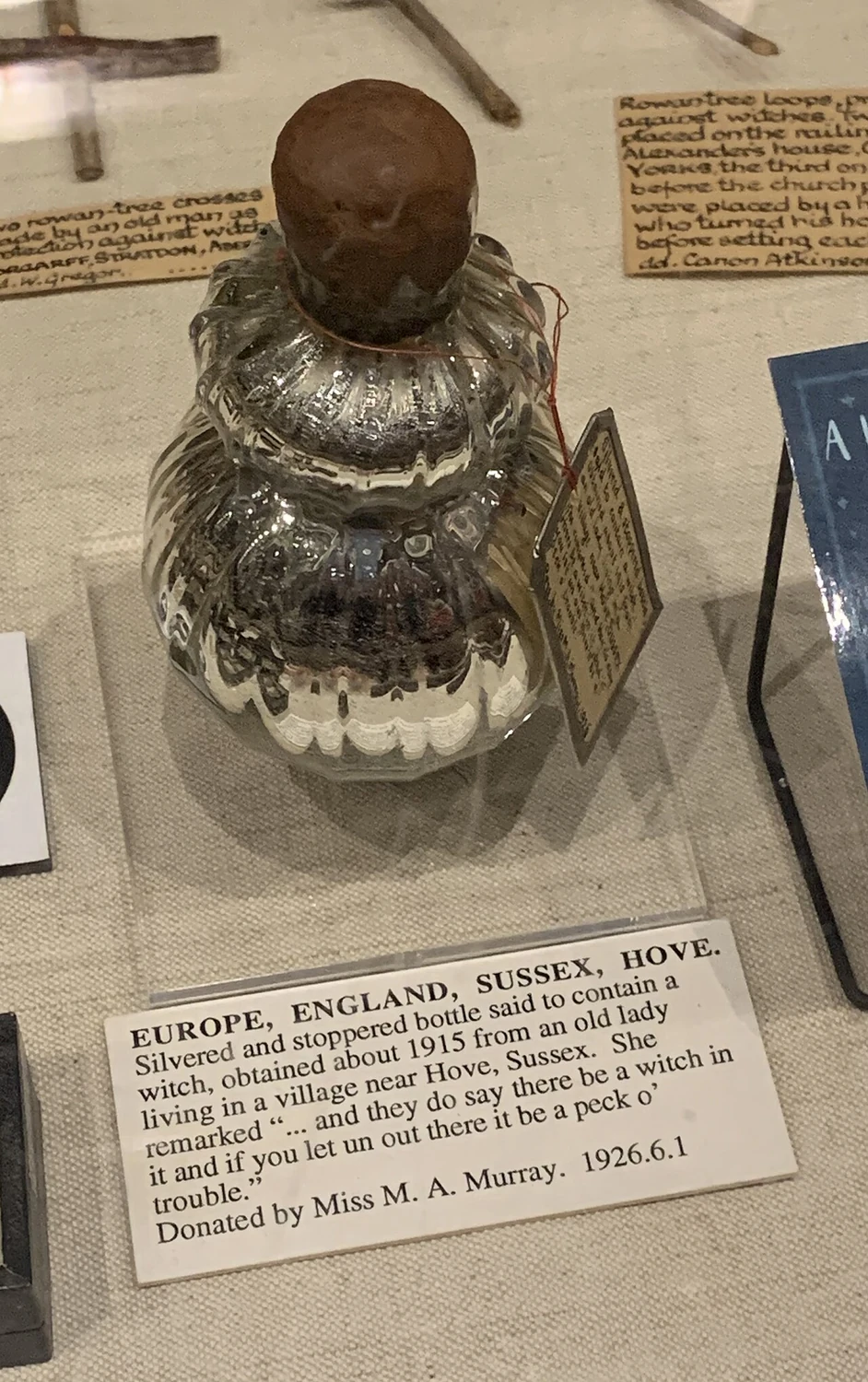
Protective charms, witch bottles, and everyday materials in local magical traditions, with documented British museum examples.

The public holiday of 31 October, including lanterns, visiting customs, disguise, and its Celtic and Christian histories.
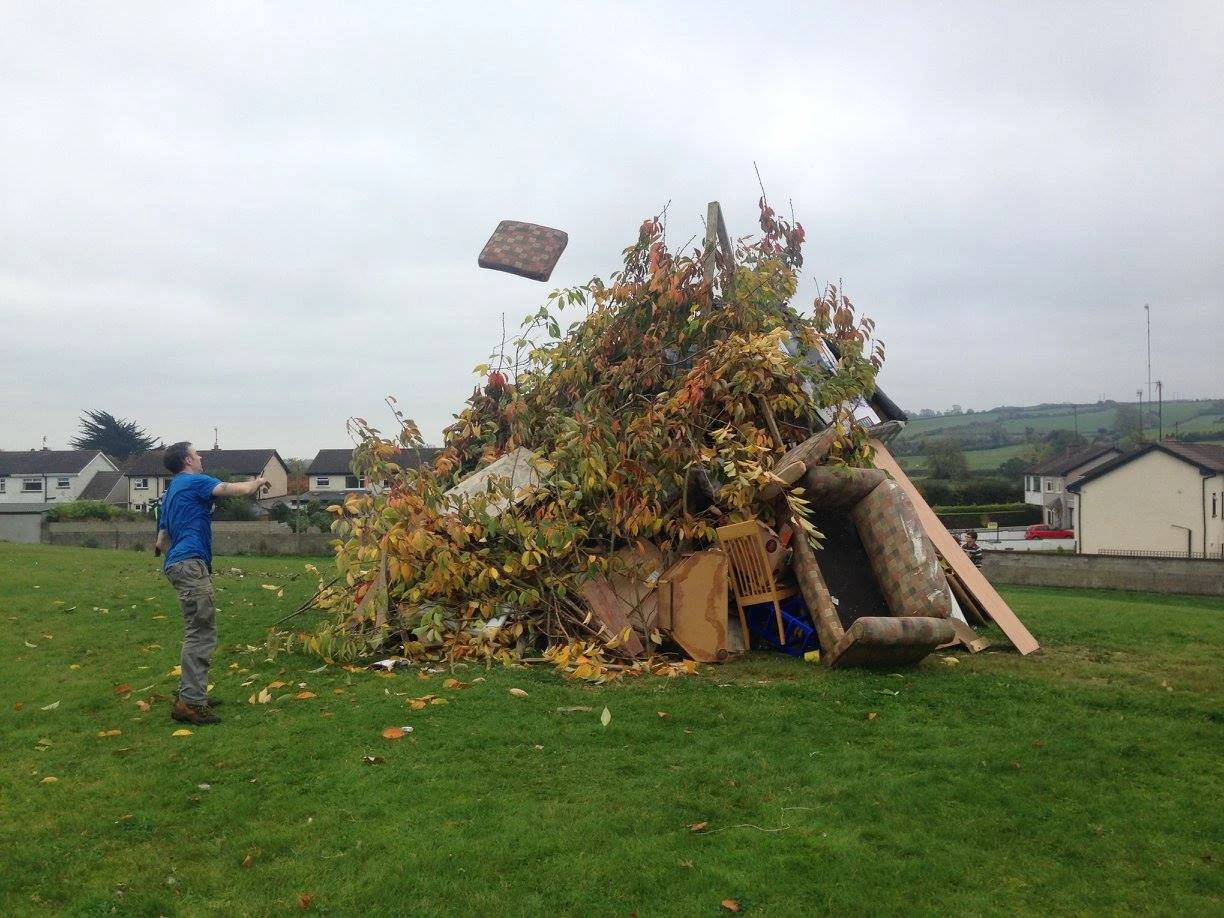
The Gaelic beginning-of-winter festival, Irish customs of food and divination, and its place in modern Pagan practice.
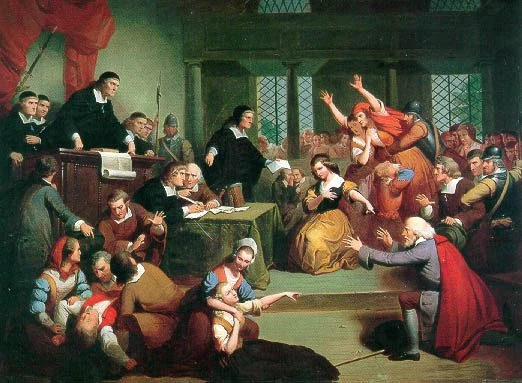
The Massachusetts prosecutions of 1692-1693, the spread of accusations, spectral evidence, and the surviving court archive.
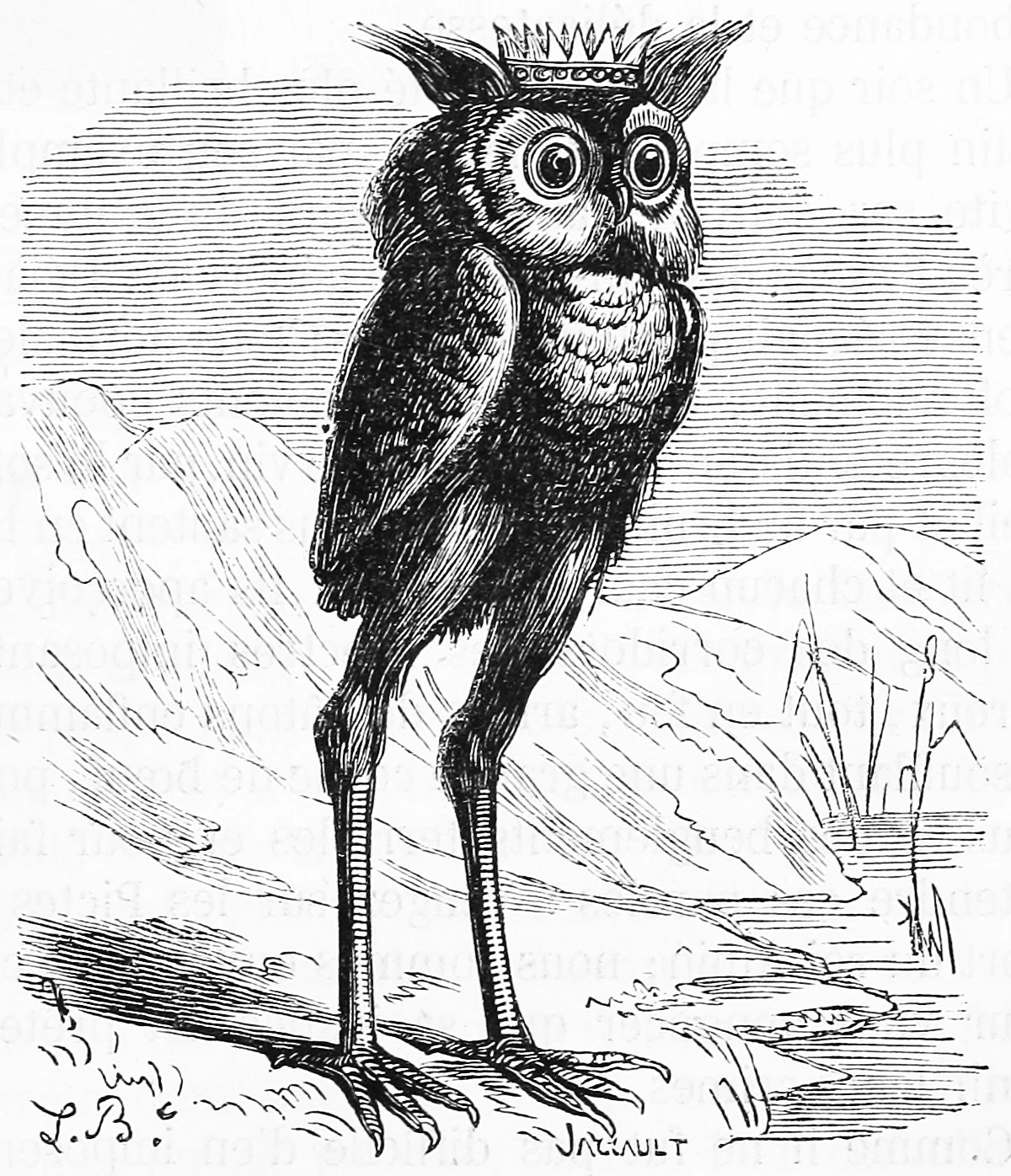
A Goetic prince associated with astronomy, herbs, and precious stones, with changing bird imagery in later reception.

Anton LaVey’s 1969 book of Satanic philosophy and ritual, foundational to the Church of Satan.

The founder of the Church of Satan and author of The Satanic Bible and The Satanic Rituals.
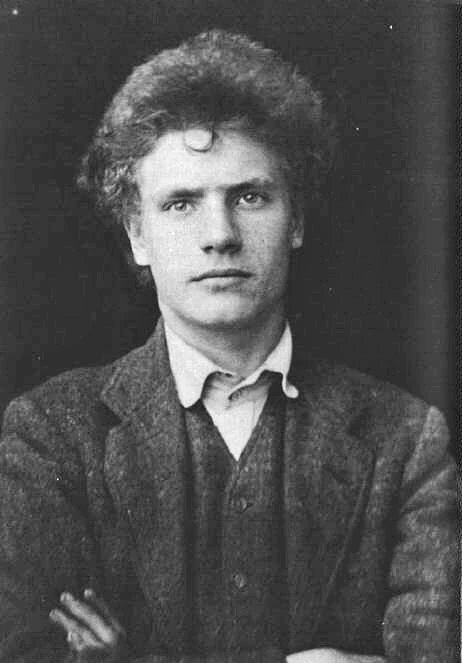
An English artist and occult author whose treatment of desire and sigils influenced later magical practice.
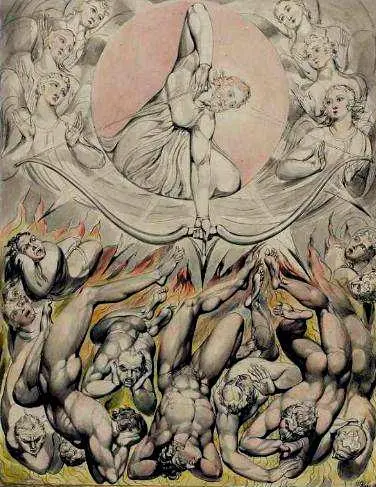
The Watchers are heavenly beings whose descent, teachings, and punishment are narrated in 1 Enoch. Their literary identity must be distinguished from later religious interpretations.
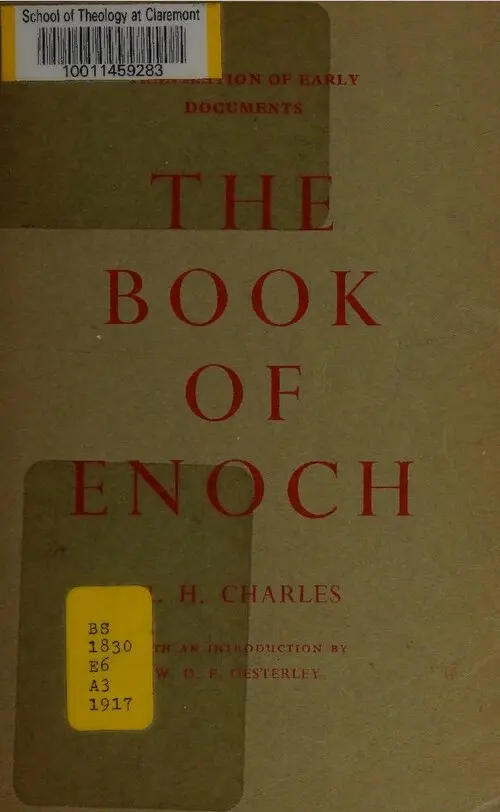
1 Enoch brings together accounts of heavenly beings, judgment, celestial order, and righteousness. It is a composite work rather than a single continuous biography of Enoch.