Devotional Practice
Folk magic
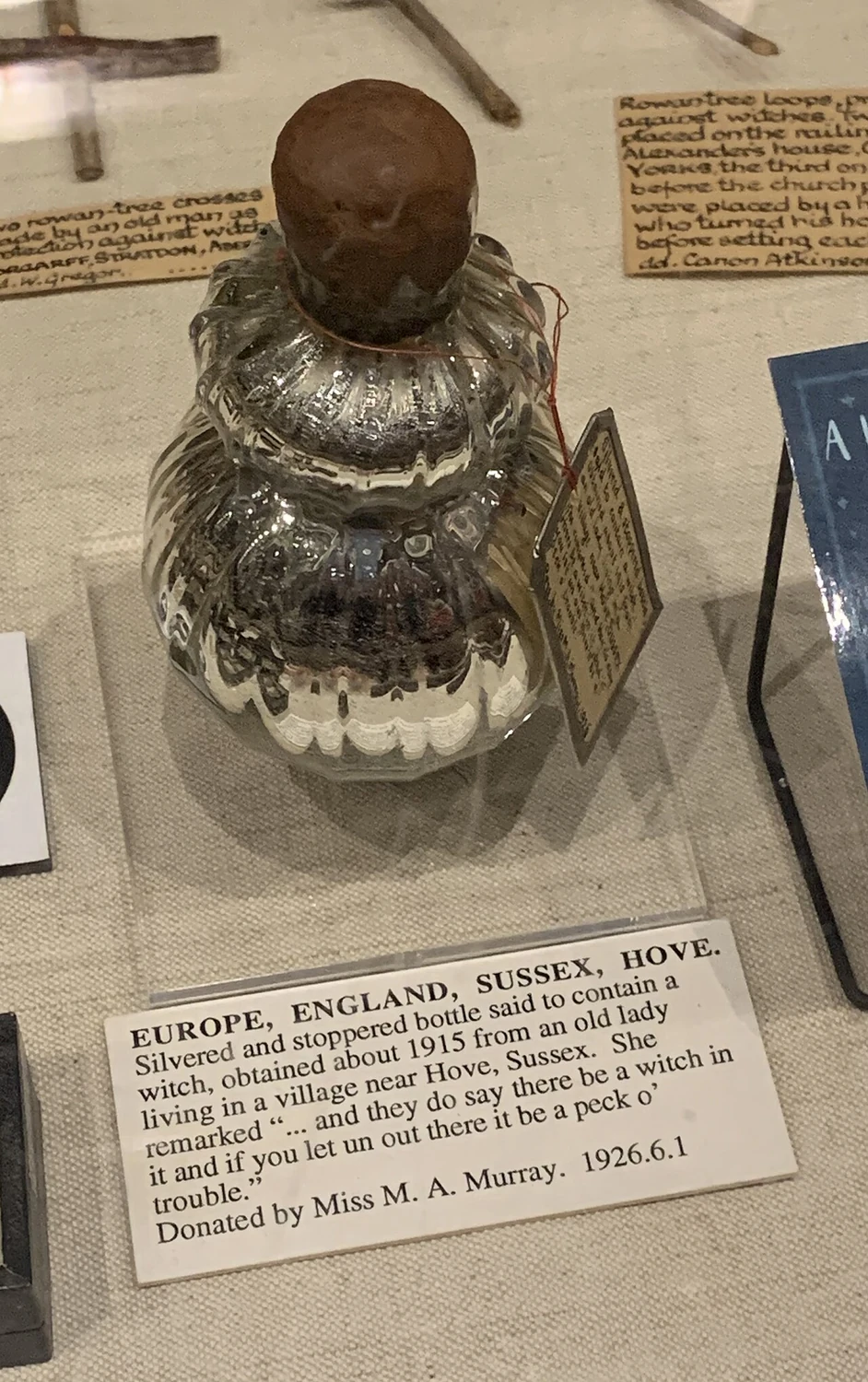
Protective charms, witch bottles, and everyday materials in local magical traditions, with documented British museum examples.
Protective charms, witch bottles, and everyday materials in local magical traditions, with documented British museum examples.
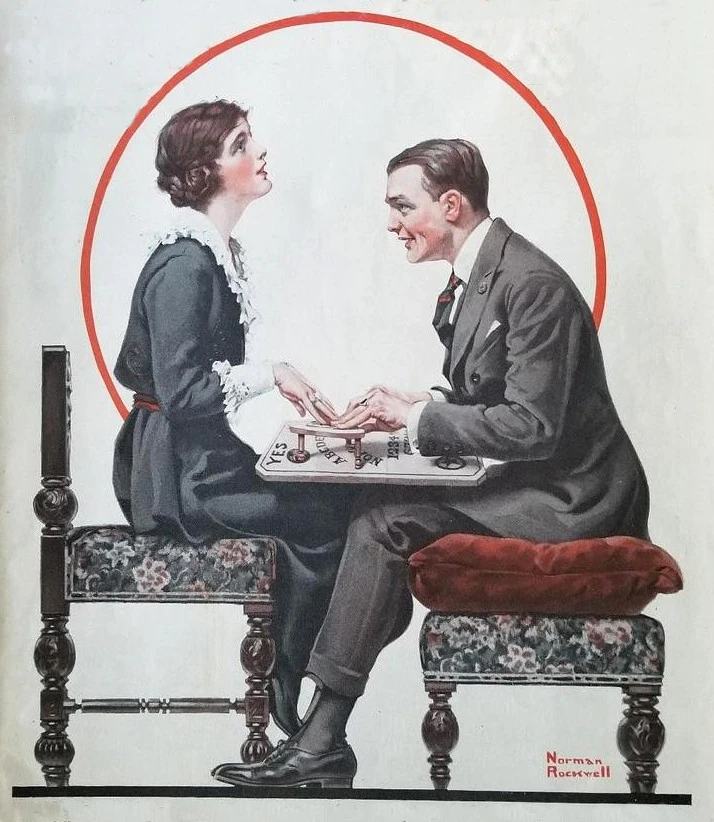
The patented talking-board game, its pointer and commercial history, and research on ideomotor movement and implicit memory.
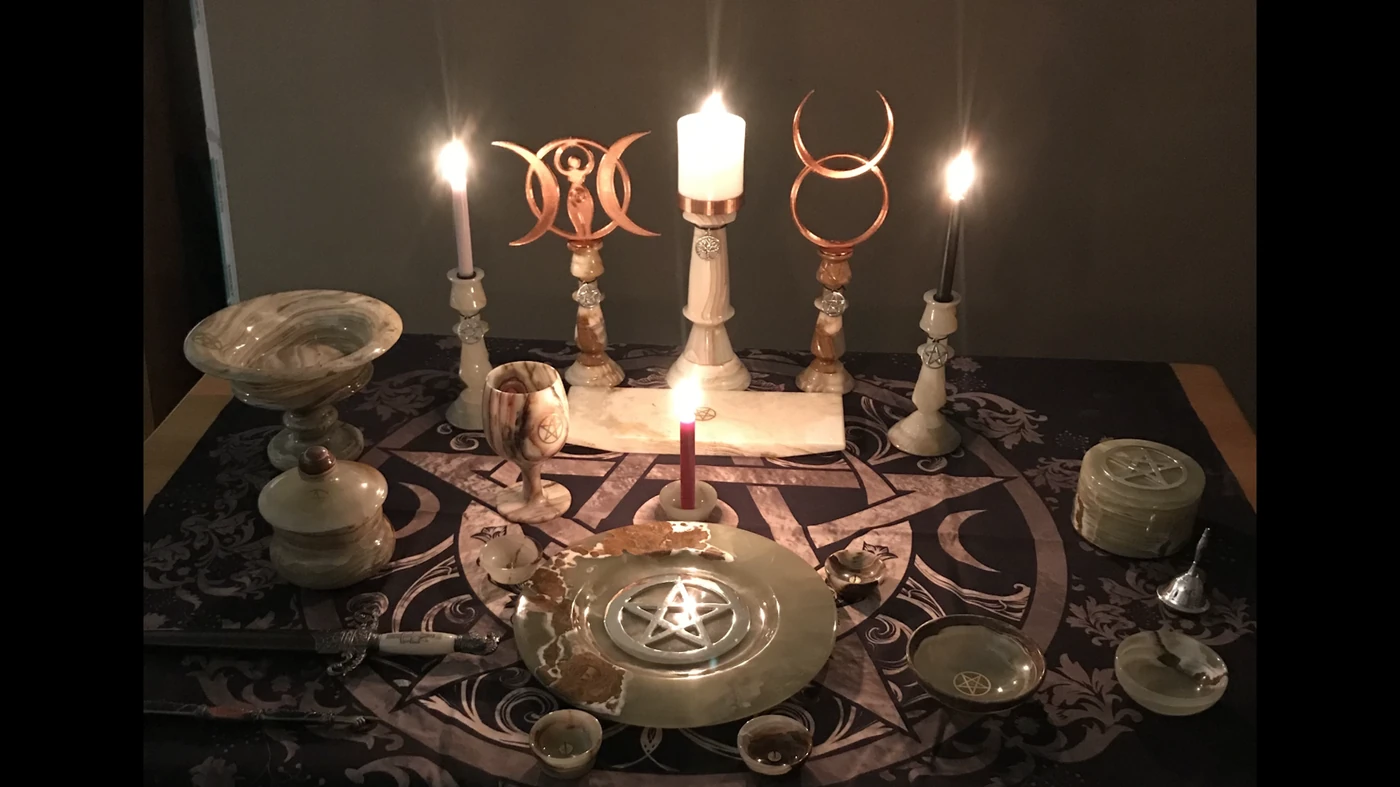
An altar is a designated place or surface used for religious devotion, ritual, offerings, sacred objects, or symbolic focus. Altars occur in many religious traditions, but their forms and meanings vary widely. In modern theistic Satanism an altar may function as a place for Prayer, Ritual, Offerings, meditation, spirit work, or the display of symbols connected with Satan and other beings.
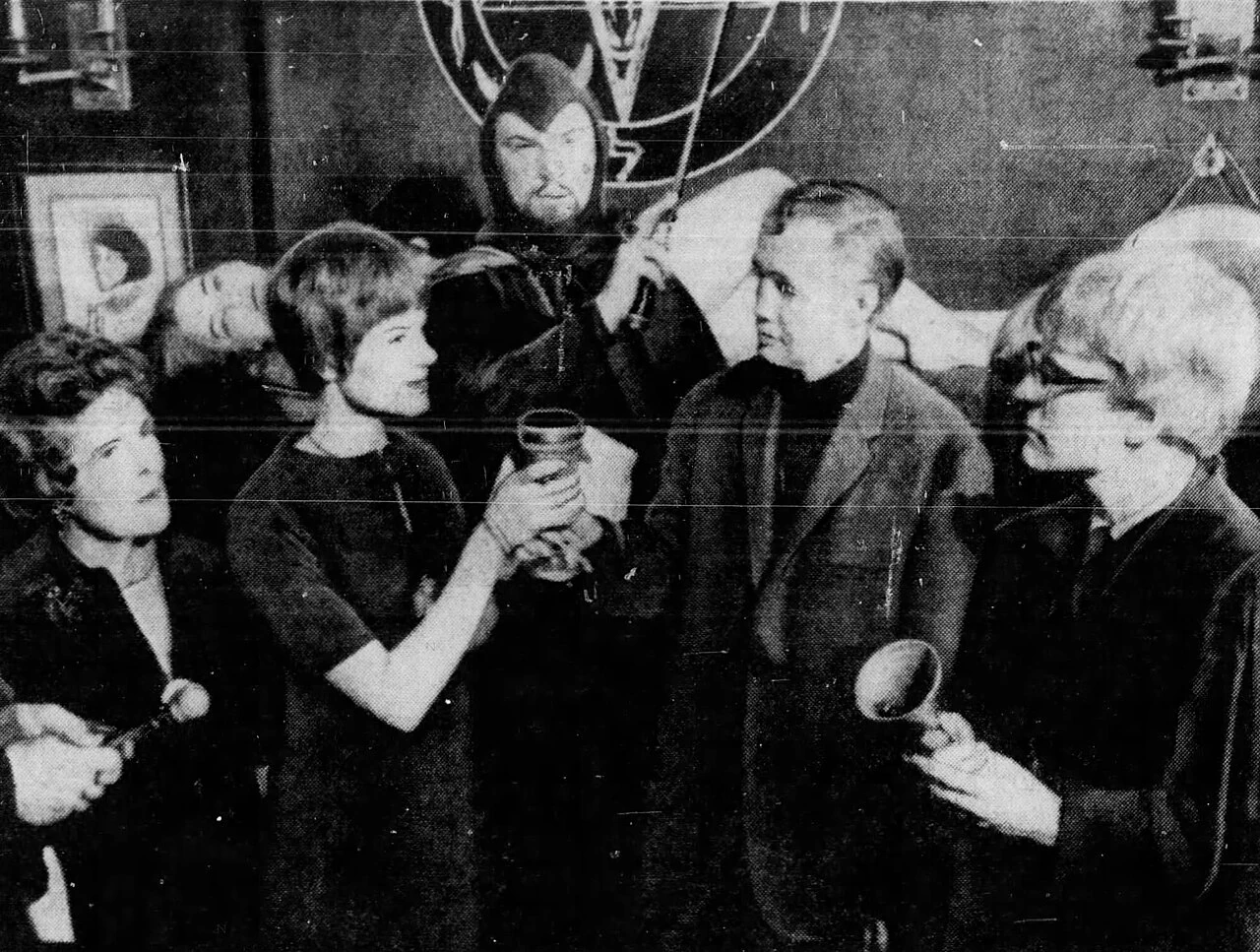
The Church of Satan is the organization founded by Anton LaVey in 1966. Its official account describes Satanism as atheistic and gives Satan a symbolic role.
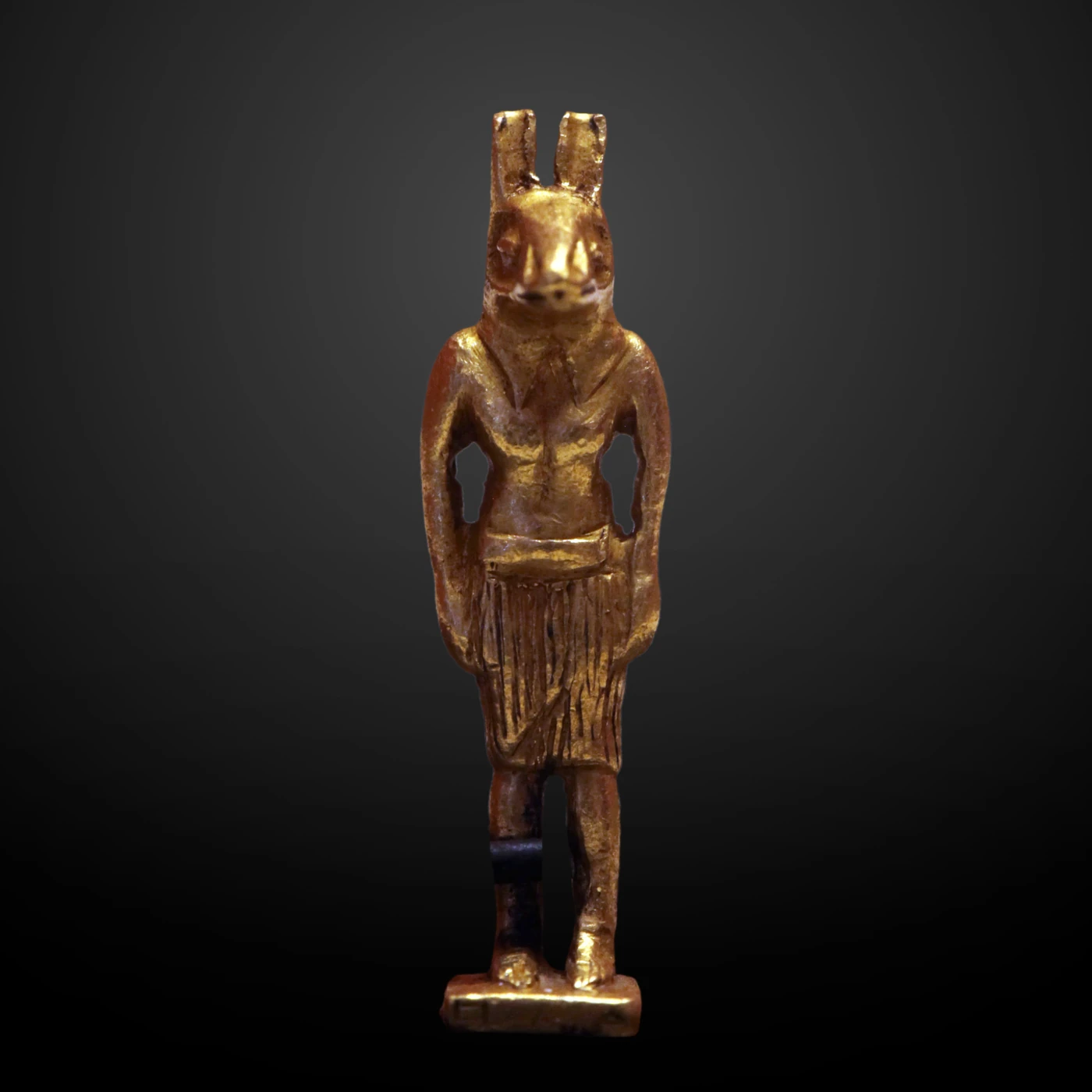
The Temple of Set is an initiatory organization whose identity centers on Set and Xeper. Its relationship with Satanism requires attention to both historical origins and later self-description.
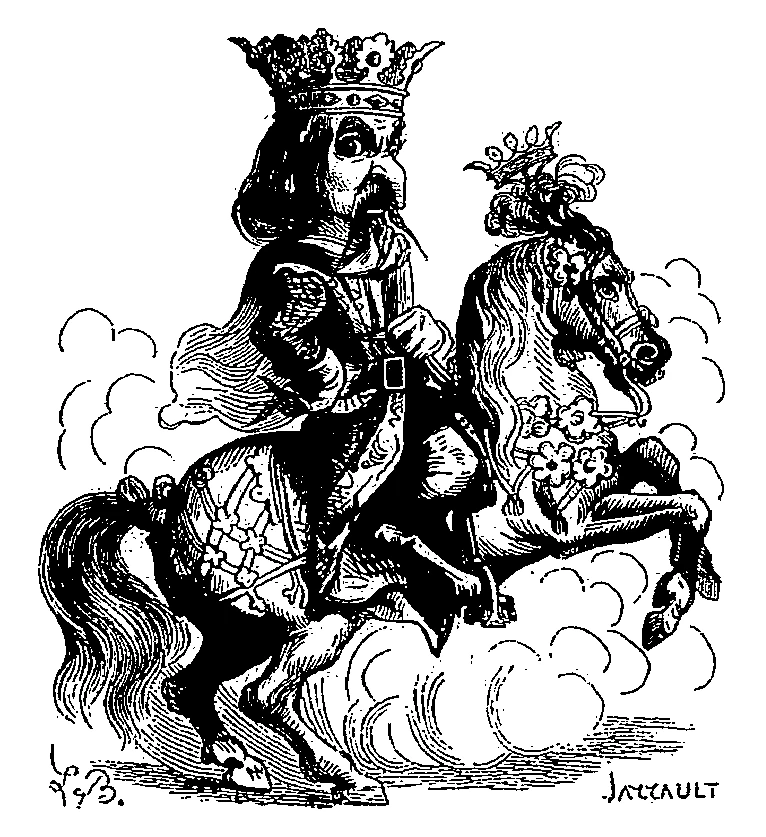
A Goetic duke riding a red horse, credited with knowledge, honors, and the transformation of metals.

The founder of the Church of Satan and author of The Satanic Bible and The Satanic Rituals.
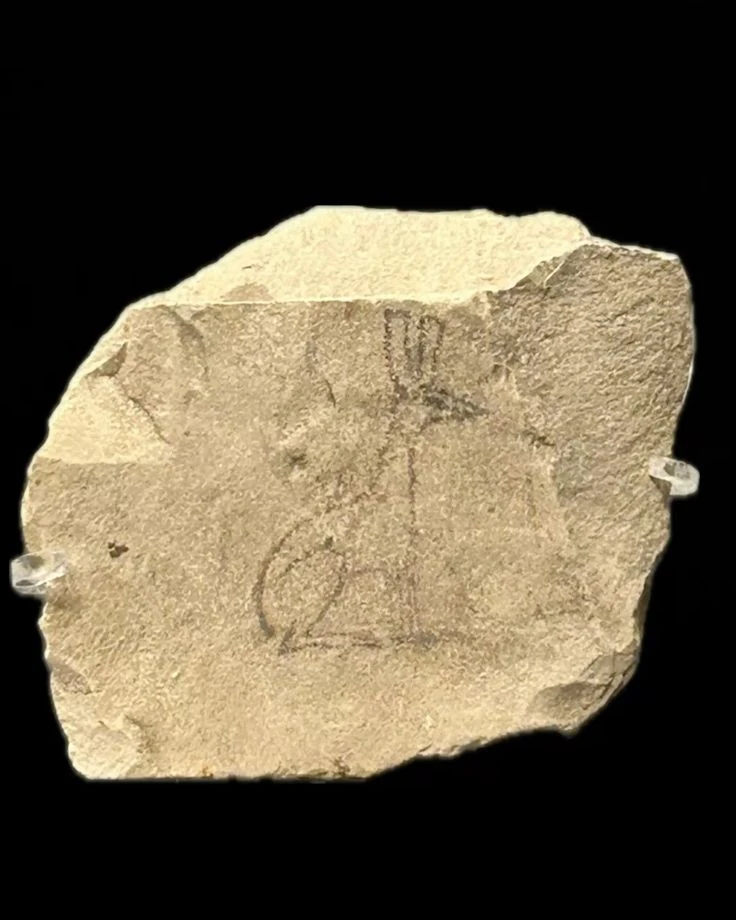
An ancient Egyptian deity associated with conflict and disorder, also reinterpreted in modern Setian religion.
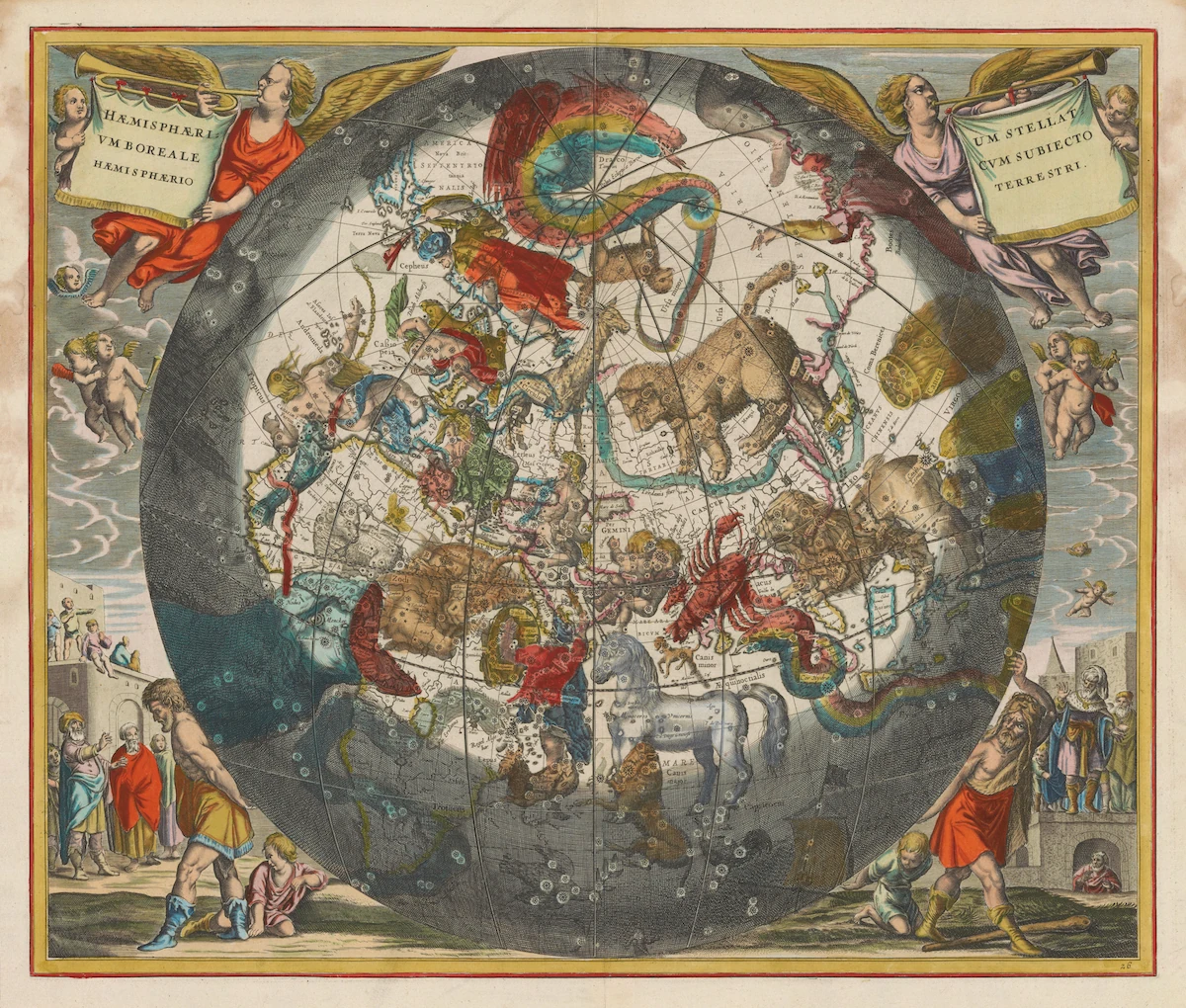
Magical systems using the seven traditional planets through timing, correspondences, images, and invocations.
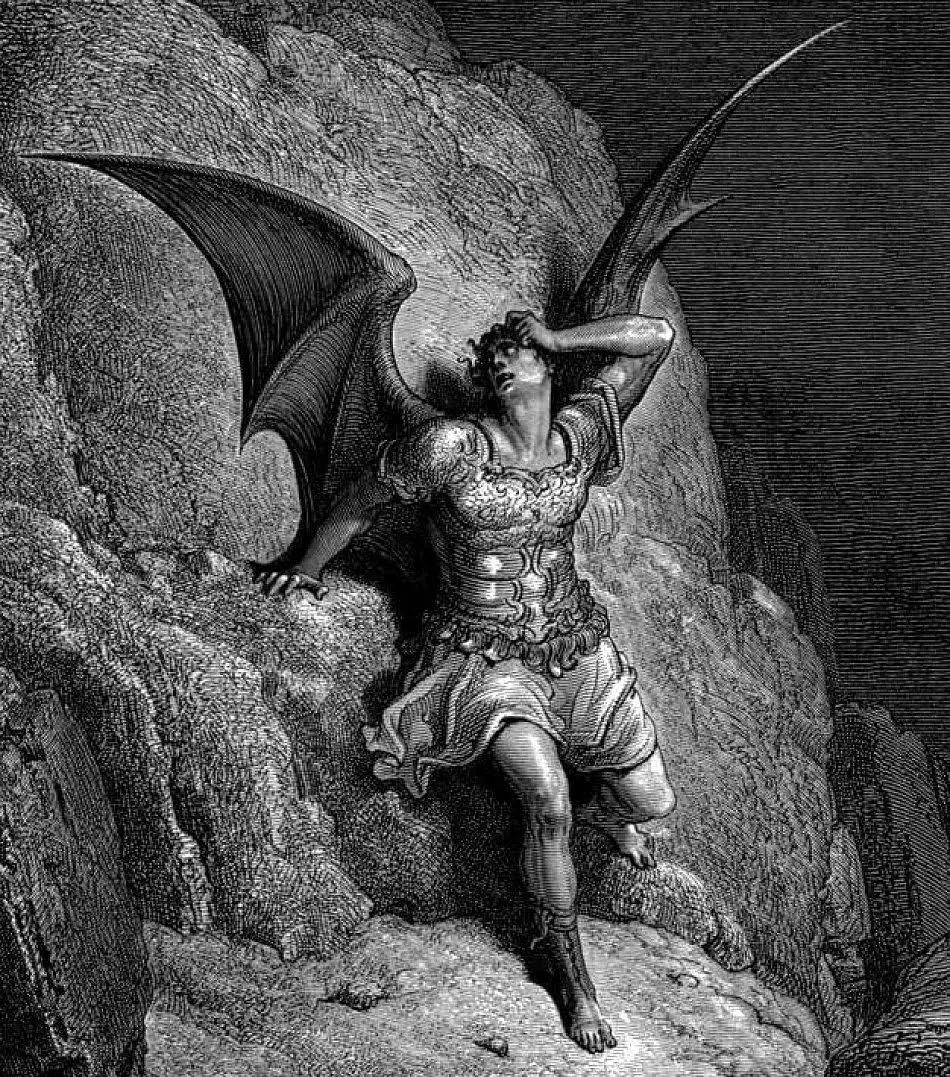
Satan is a figure whose meaning has changed substantially across Jewish, Christian, Islamic, literary, esoteric, and modern Satanic contexts. In contemporary theistic Satanism, Satan may be understood as a real deity, spirit, adversary, initiator, or metaphysical intelligence. Those modern interpretations draw on, but are not identical with, the much older history of the word and character.
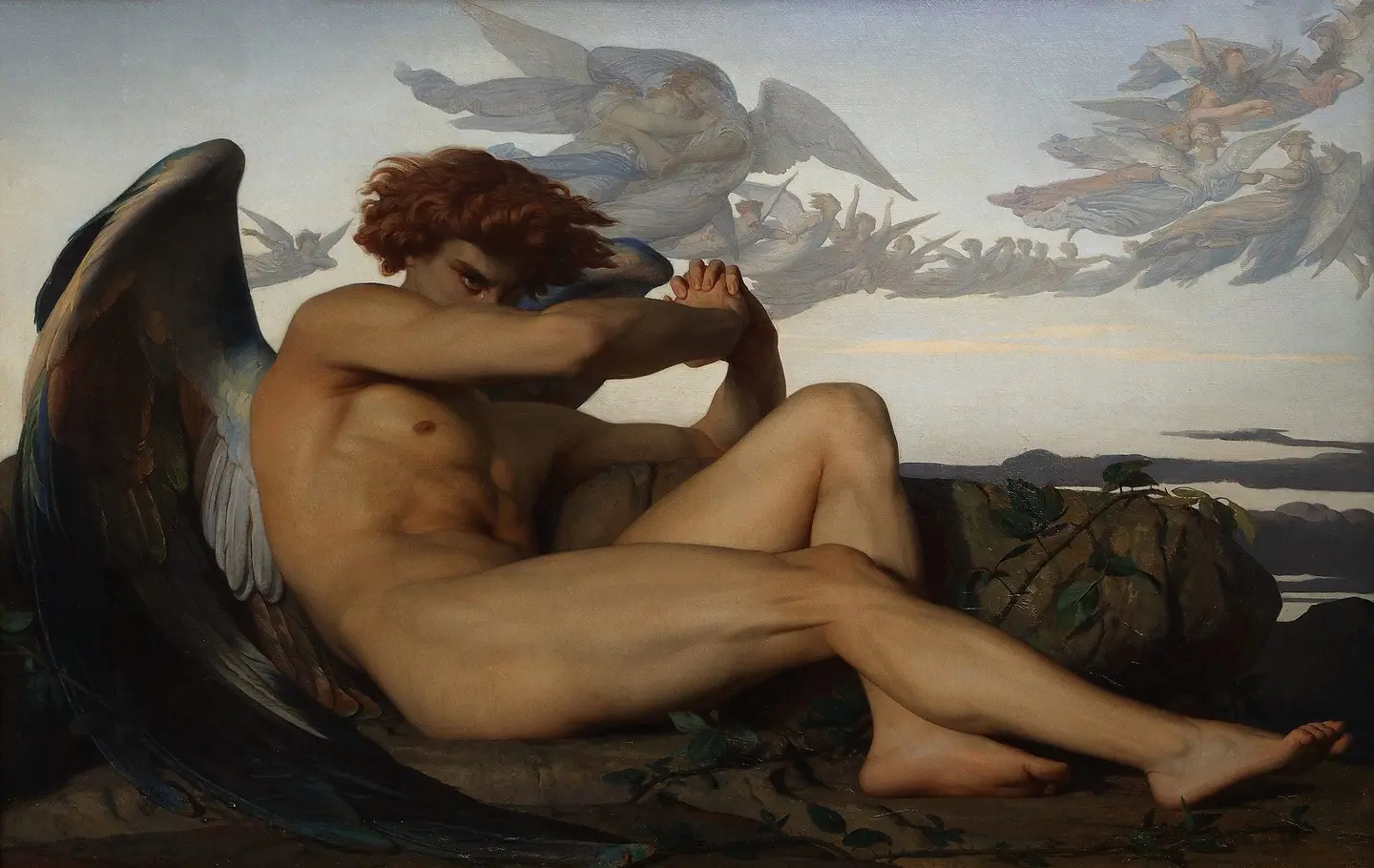
Lucifer is a name whose religious meaning developed from an ancient expression for the morning star into one of the best-known names associated with the Devil, fallen angels, occult illumination, and modern Luciferian religion. The word itself is Latin: lūcifer means “light-bringer” or “light-bearer” and was used for the planet Venus when it appeared before sunrise. The later equation “Lucifer = Satan”…
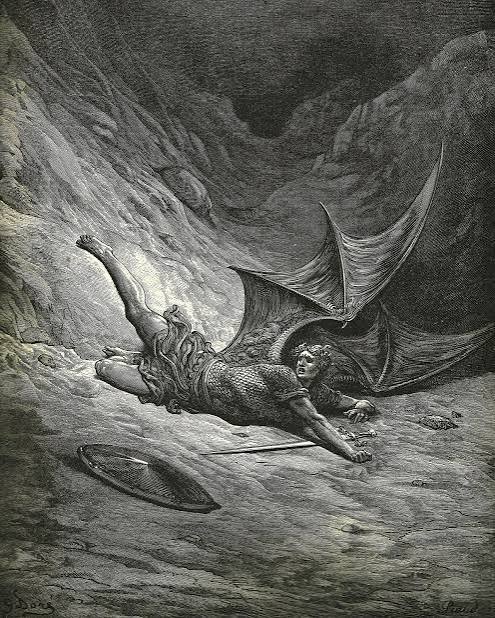
Modern theistic Satanism refers to contemporary religious currents in which Satan is understood as an independently real deity, spirit, intelligence, or metaphysical presence and is approached through devotion, ritual, prayer, magic, contemplation, or other religious practices. It is part of the wider field of modern Satanism but differs from explicitly non-theistic movements that use Satan primarily as…
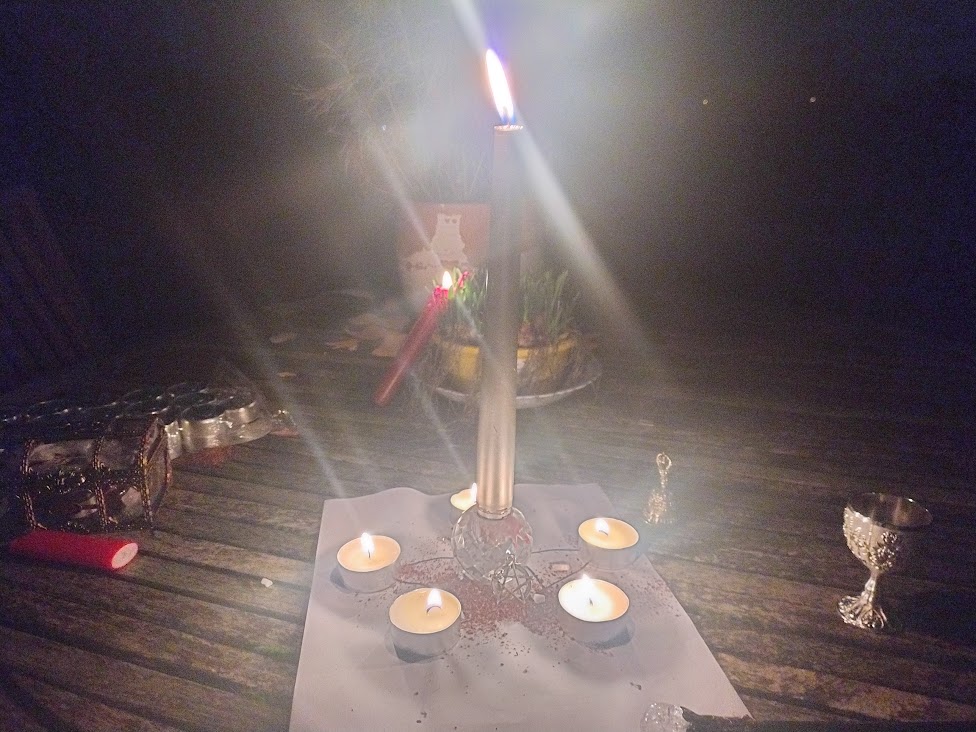
Ritual is patterned action given special religious, symbolic, social, or transformative significance. Ritual can mark time, establish sacred space, communicate with a deity, express commitment, create community, memorialize the dead, enact a transition, or focus attention on a chosen purpose. In theistic Satanism, ritual commonly includes devotional action directed toward Satan or other spirits…
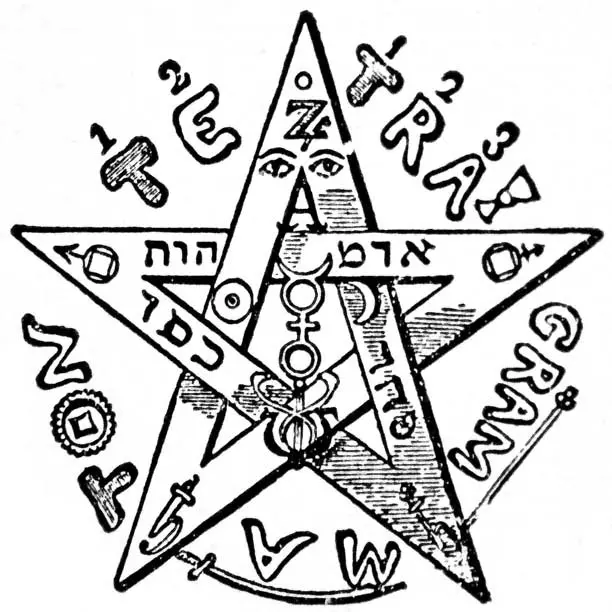
Occultism and Western esotericism provide an important historical and intellectual background for many forms of modern Satanism, but neither term is a synonym for Satanism. Western esotericism is an academic field encompassing currents such as Renaissance Hermetism, alchemy, astrology, Christian theosophy, Kabbalistic reception, Rosicrucianism, ceremonial magic, spiritualism, occultism, and later…
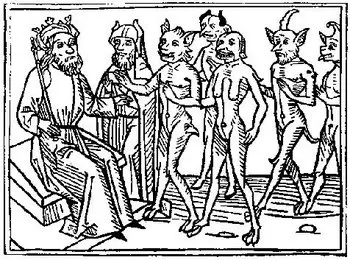
Belial appears in biblical religious language and later spirit catalogues. These uses should be distinguished rather than treated as one unchanged biography.
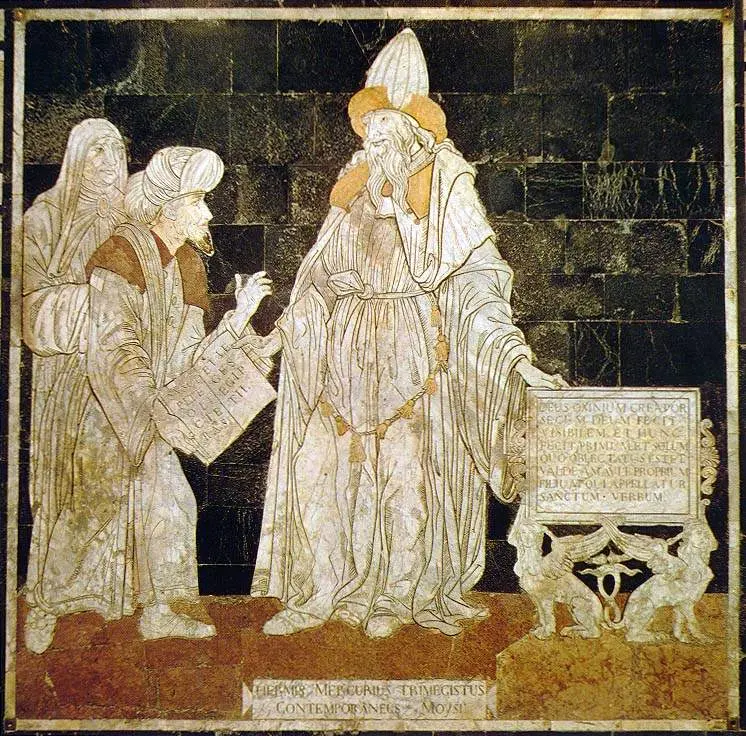
Hermeticism names several related traditions associated with Hermes Trismegistus. Philosophical dialogues, alchemical texts, and later occult systems require separate historical treatment.
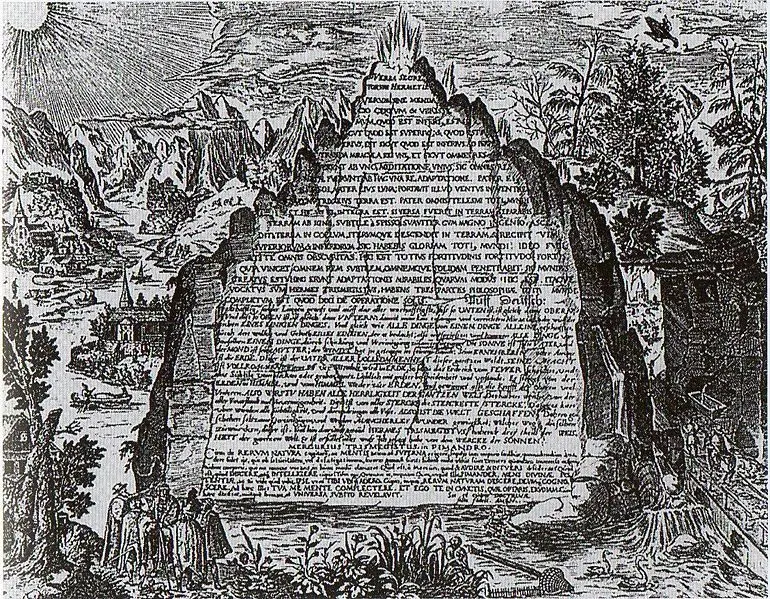
Alchemy concerns historical approaches to material transformation and the interpretation of nature. Spiritual readings form part of its reception but should not replace the material history.
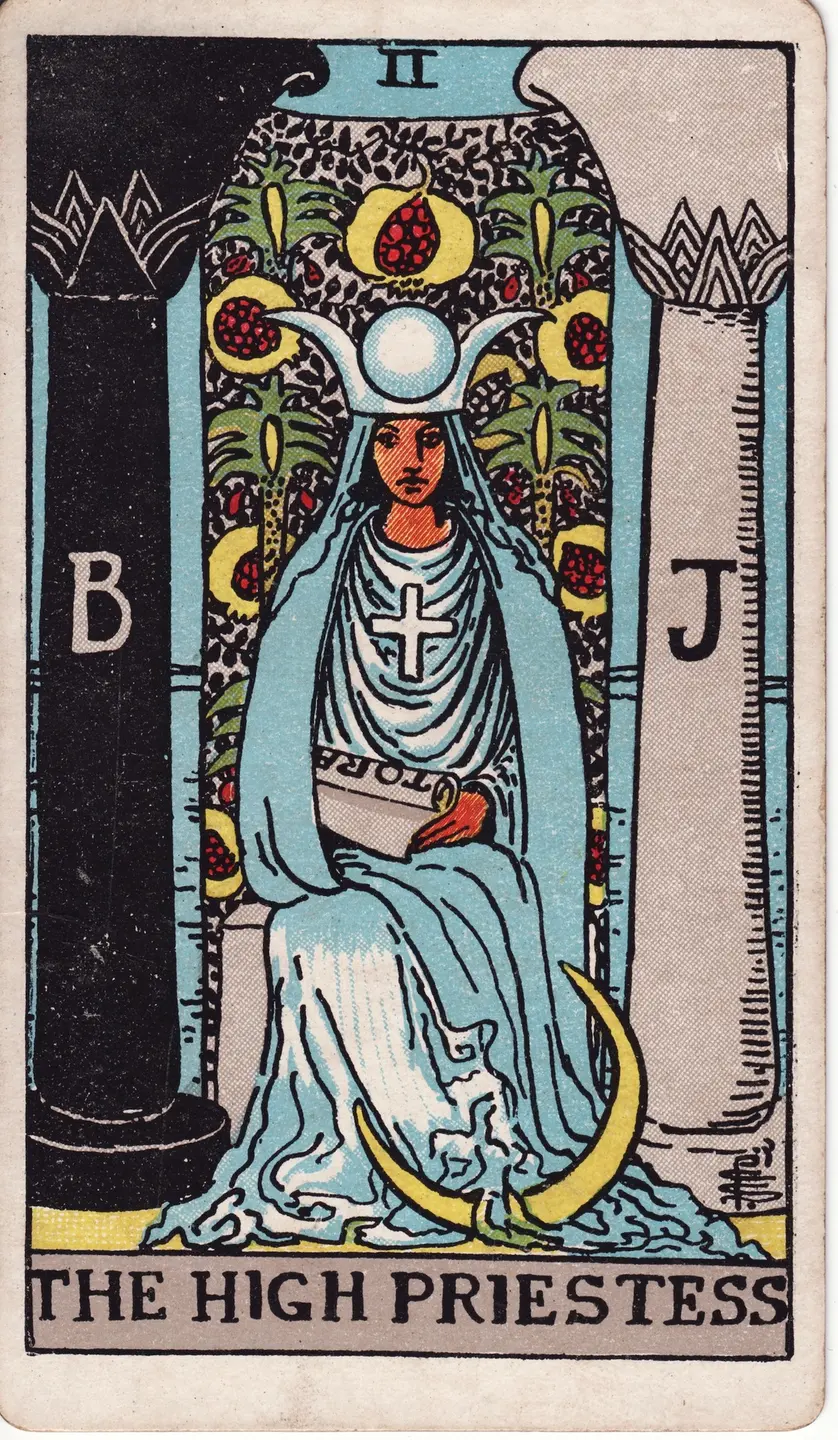
Tarot developed as playing cards before becoming an influential tool of occult interpretation. The history of the cards differs from later claims about their hidden origins.
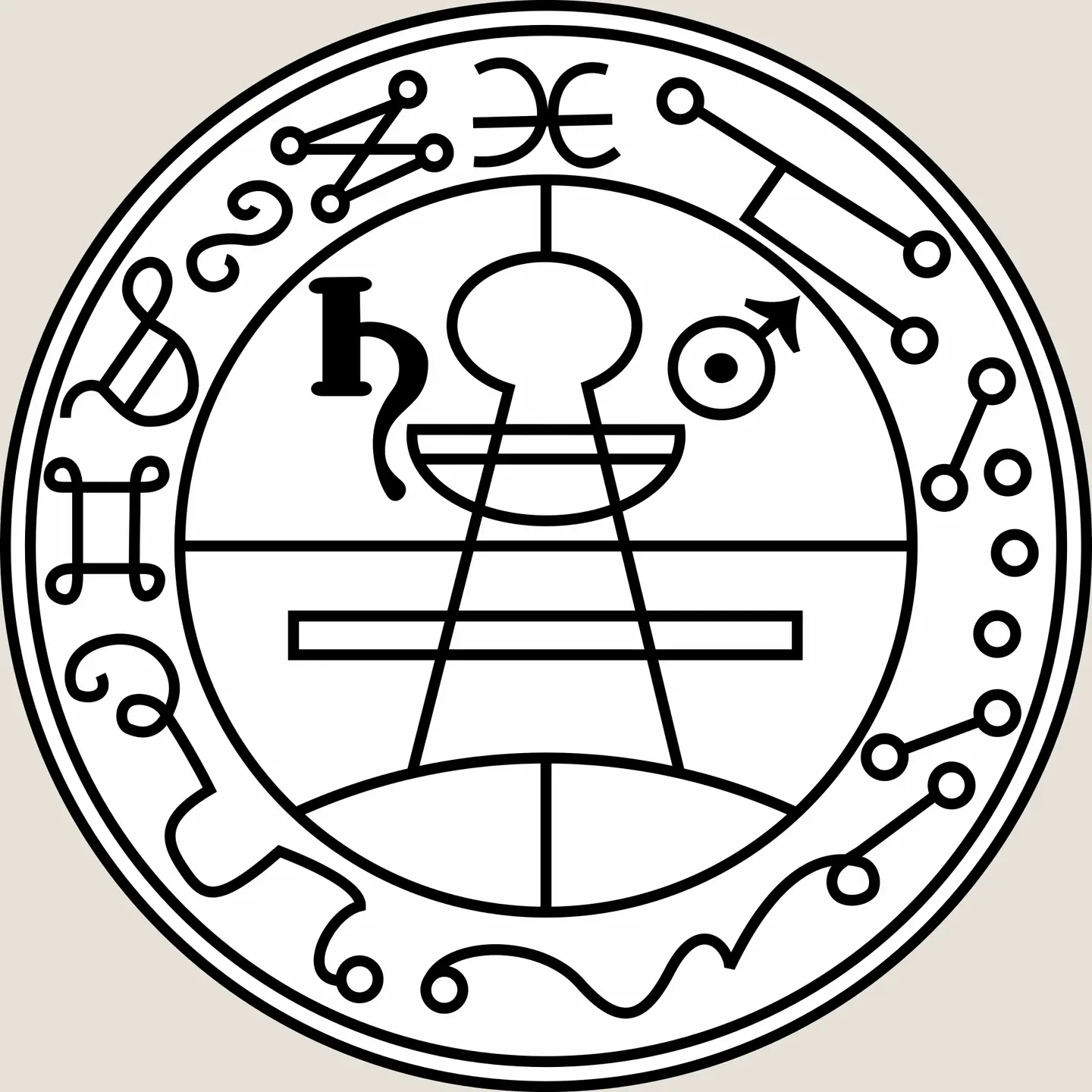
Sigils are graphic signs used in particular magical systems. Historical spirit seals, ceremonial figures, and modern personal signs should be distinguished.
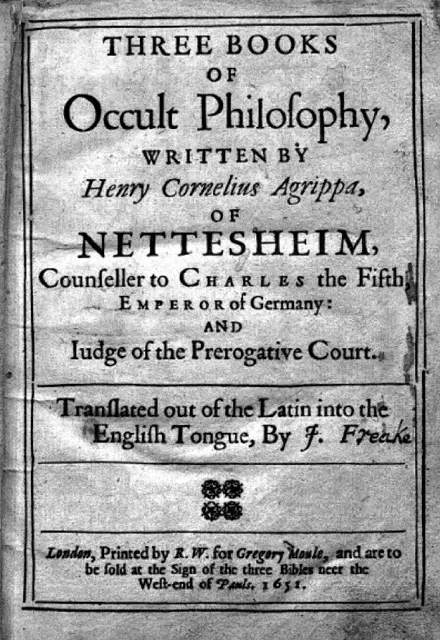
Ceremonial magic uses formally organized ritual actions. Its historical systems combine preparation, symbols, instruments, and accounts of spiritual authority in different ways.