Texts & Sources
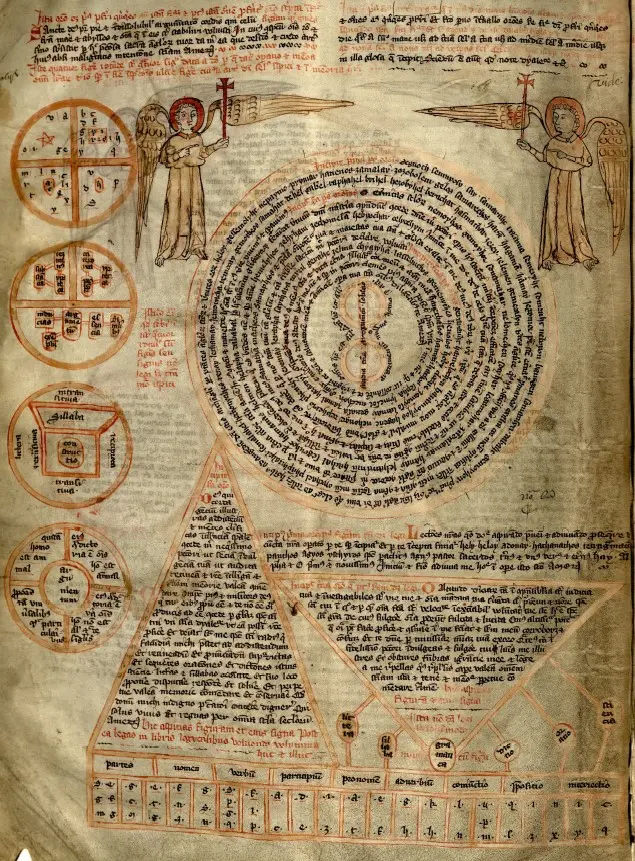
Ars Notoria
A medieval art of prayer and contemplation intended to confer learning, memory, and eloquence.
A medieval art of prayer and contemplation intended to confer learning, memory, and eloquence.

A divinatory or visionary practice involving a reflective surface, crystal, or other focus for reported images and messages.
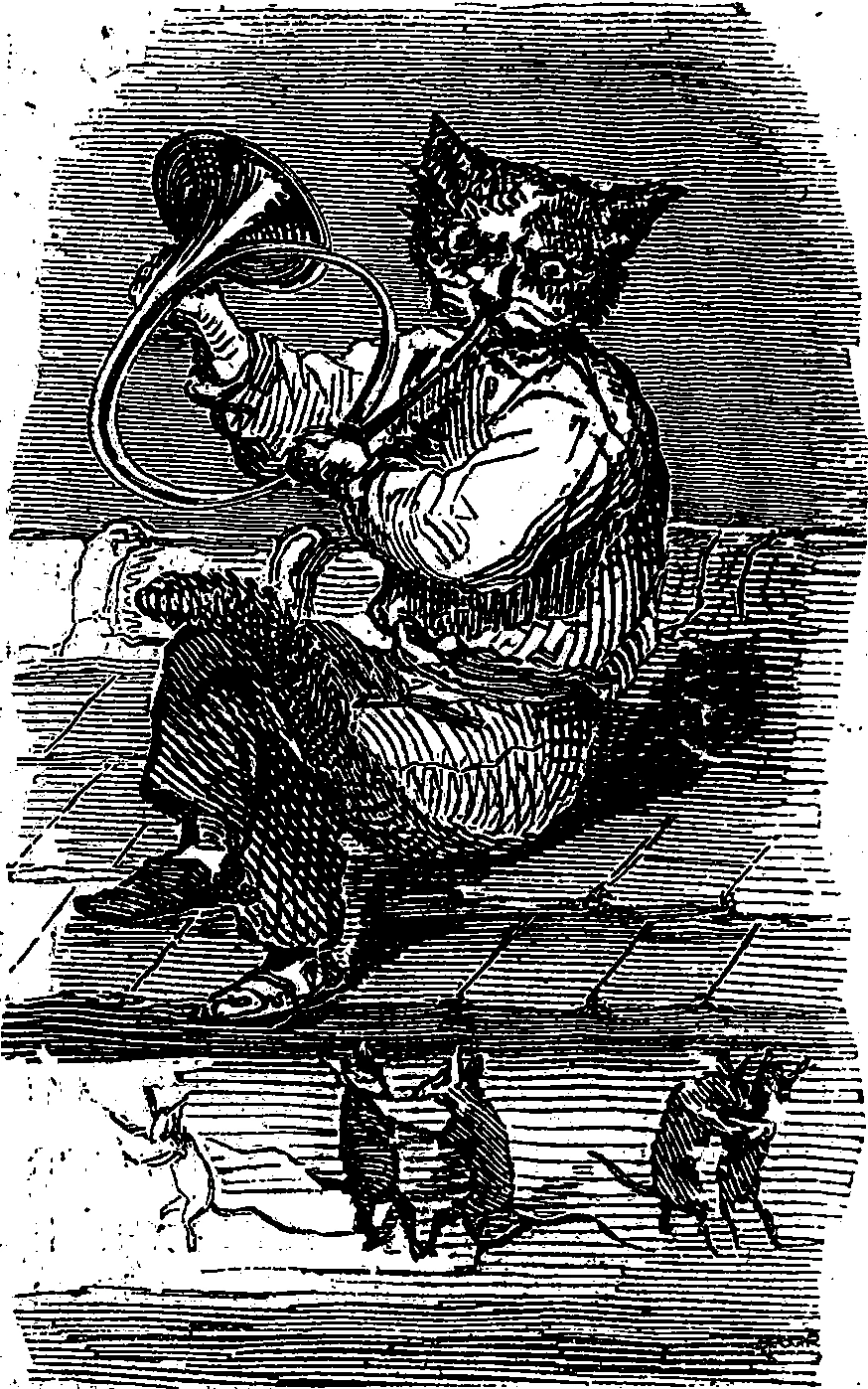
Paimon is a royal spirit described in the Ars Goetia and related literature. Musical procession and the teaching of knowledge are important elements of his received image.
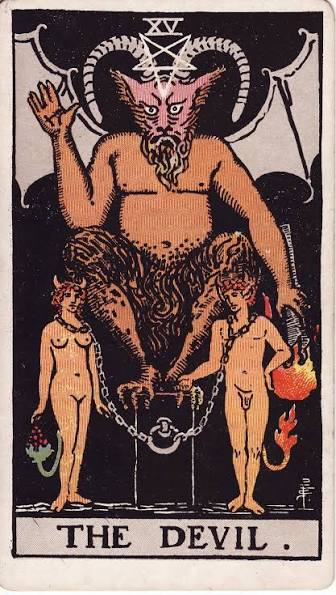
The Devil is a tarot trump commonly numbered XV. Its imagery and interpretation vary between decks and writers. Waite and Papus connect it with material constraint, fatality, and occult forces, while tarot’s history begins in the world of playing cards.
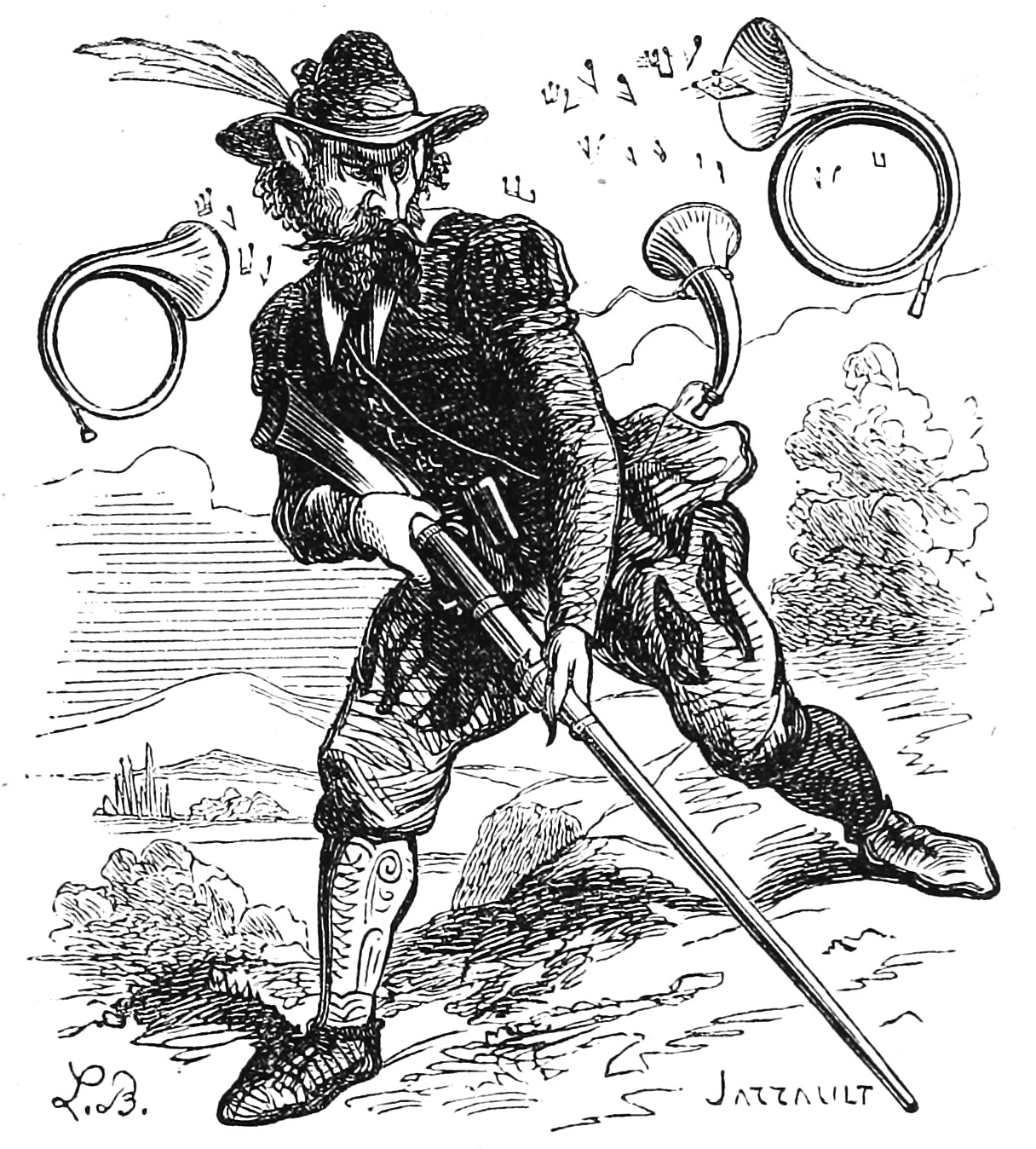
A Goetic duke connected with the speech of animals, enchanted treasure, and reconciliation.
A Goetic king riding a pale horse, associated with desire and an elaborate ceremonial reception.
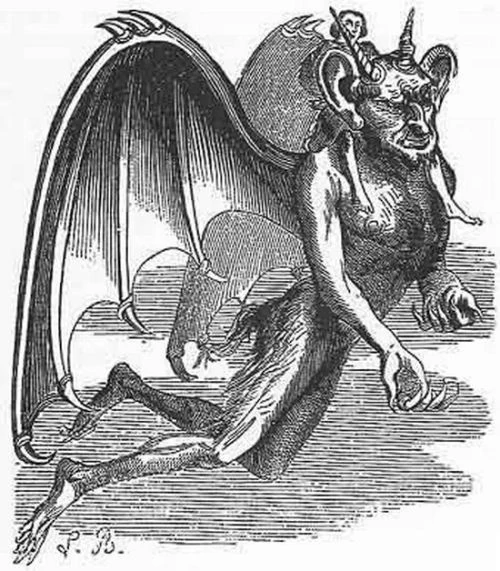
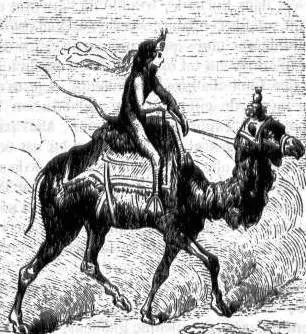
A Goetic spirit associated with learning, altered perception, familiars, and rapid travel.
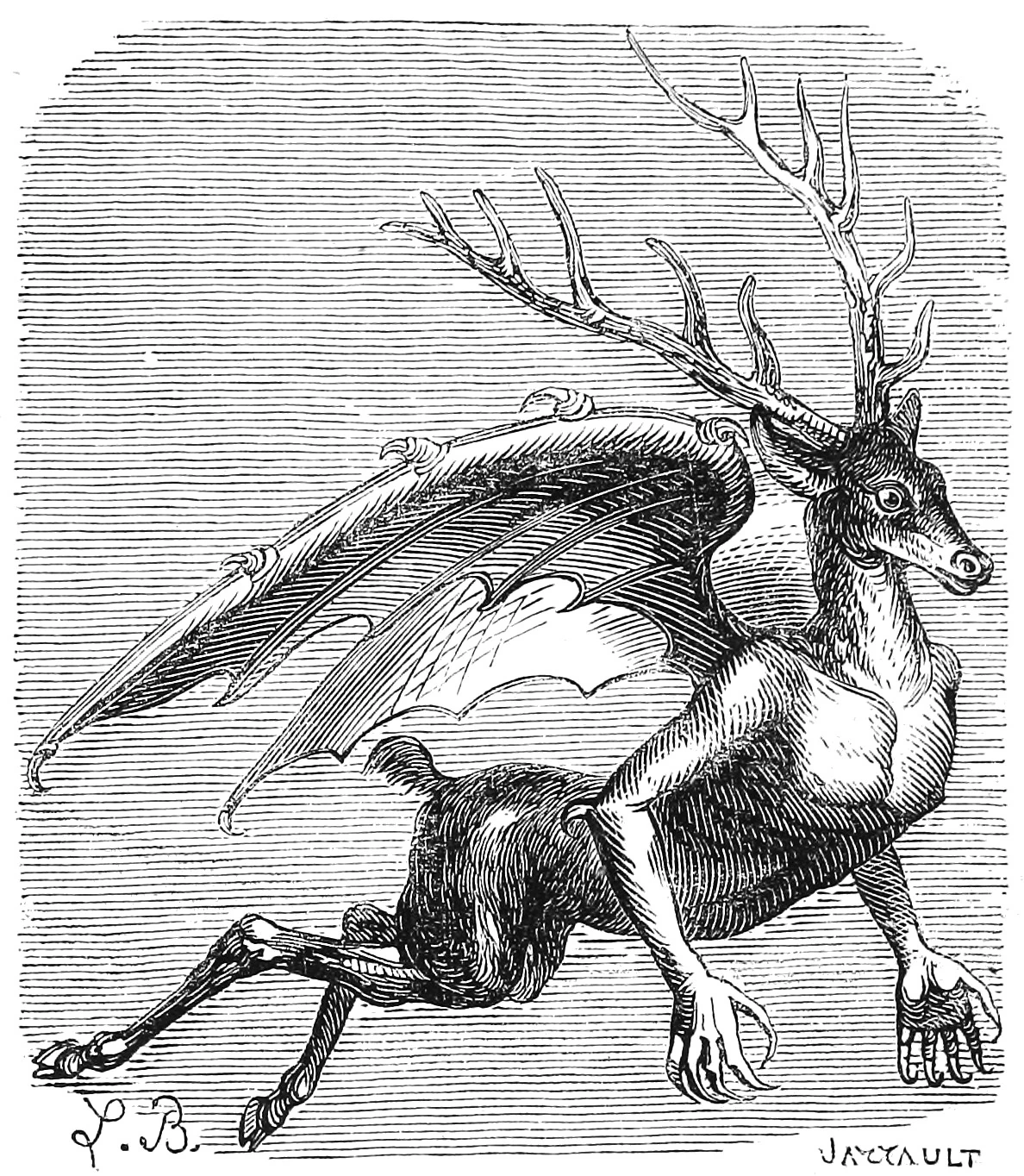
A Goetic earl depicted as a hart with a fiery tail, associated with storms and constrained answers.
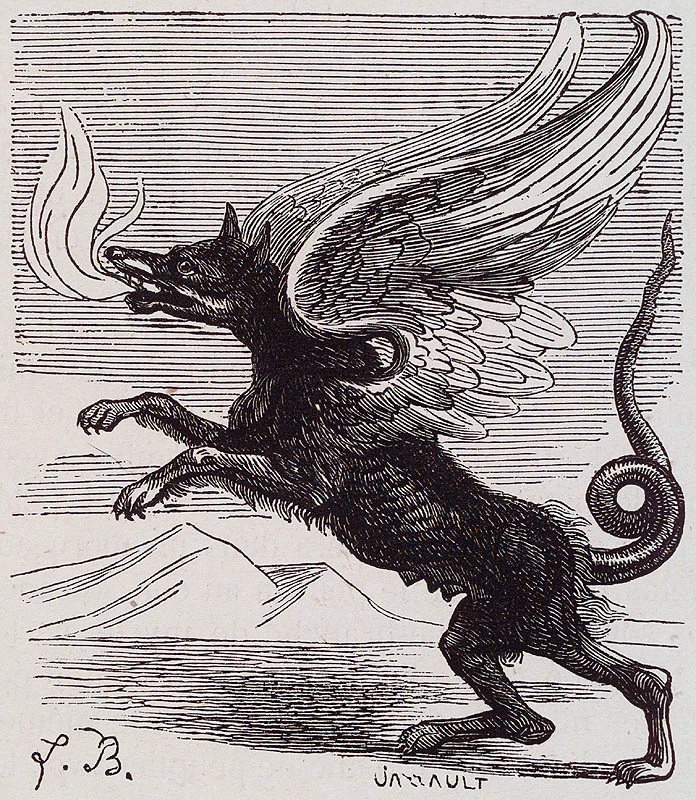
A Goetic marquis with a winged wolf form, described as a fighter who hopes to return to a heavenly throne.
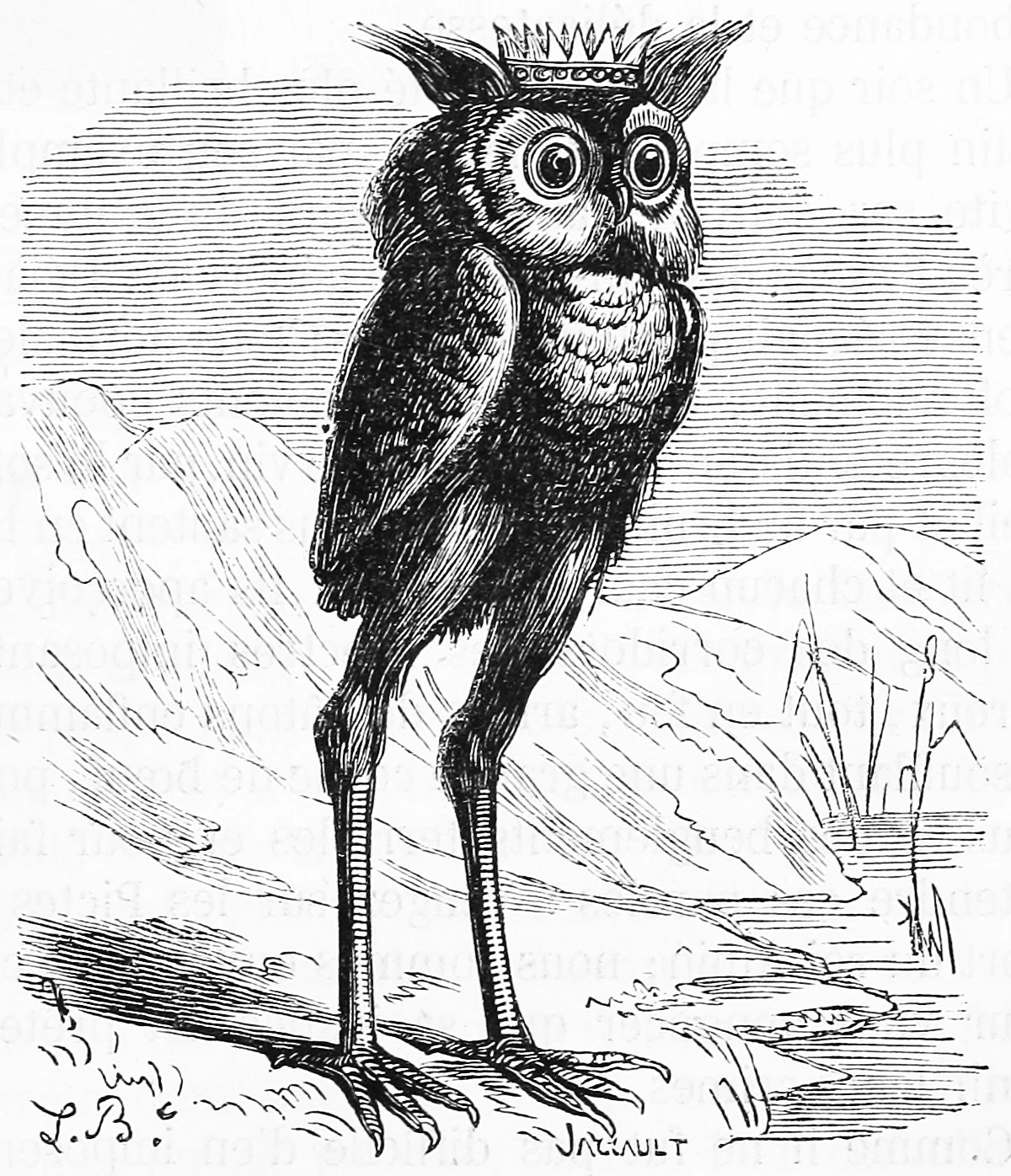
A Goetic prince associated with astronomy, herbs, and precious stones, with changing bird imagery in later reception.
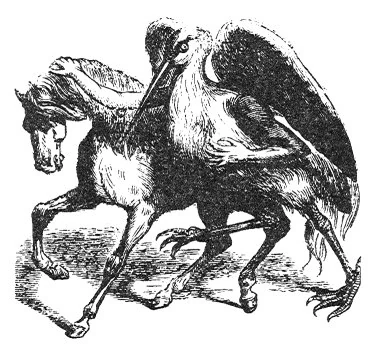
A Goetic marquis in bird form, associated with concealment, royal money, and unreliable answers.
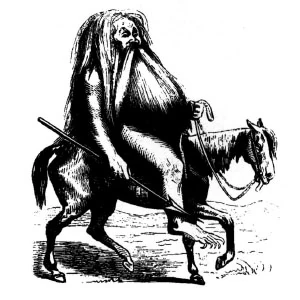
The Goetic knight, associated with philosophy, learned arts, and forms of divination.
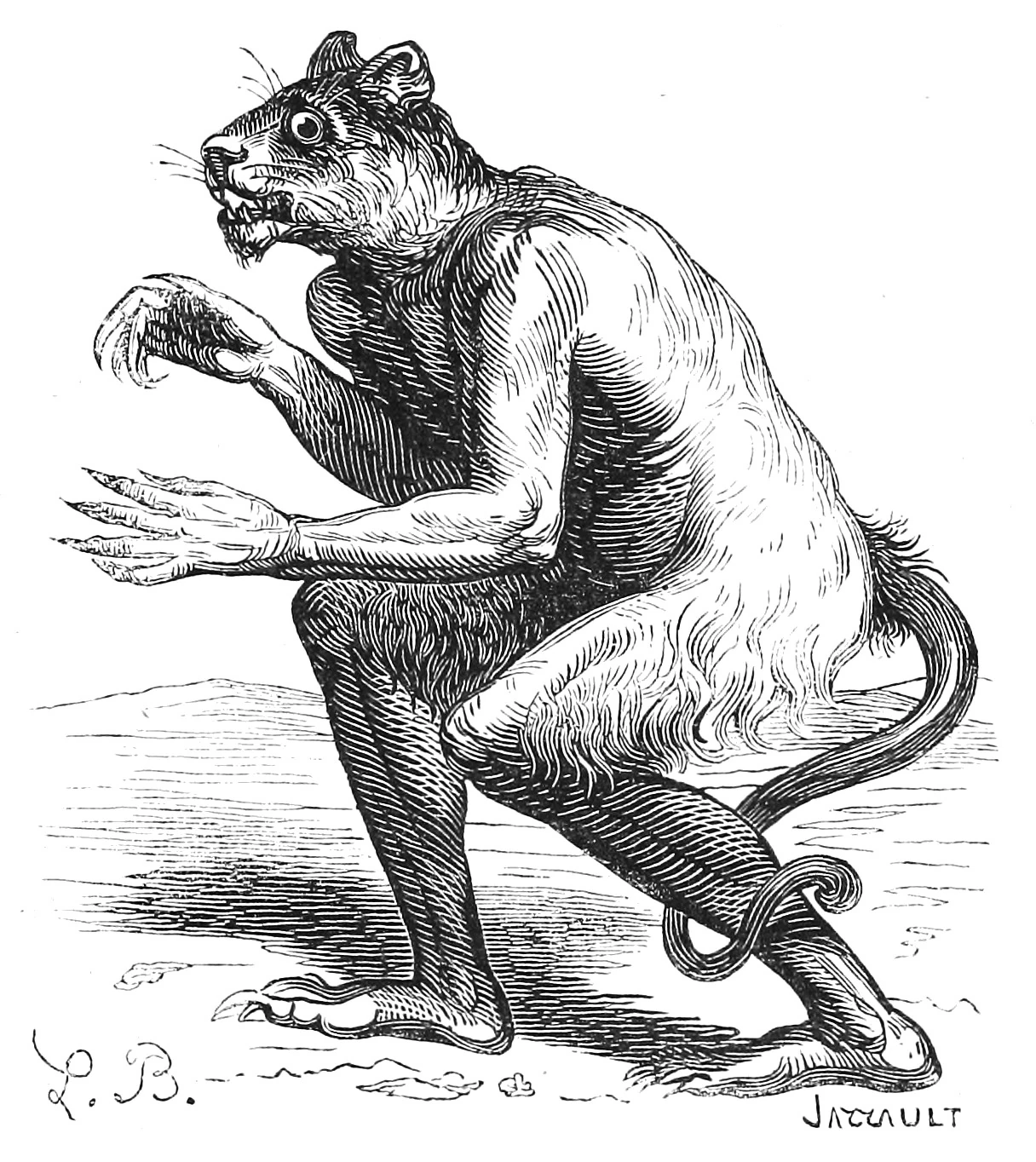
A Goetic duke, also called Flauros, associated with fiery destruction and answers about divine matters.

Anton LaVey’s 1969 book of Satanic philosophy and ritual, foundational to the Church of Satan.

The physician and author whose Pseudomonarchia daemonum supplied an important source for later spirit catalogues.

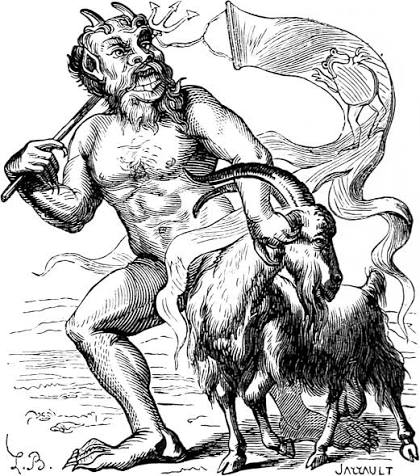
Azazel is a figure associated with the Day of Atonement in Leviticus, a rebellious Watcher in 1 Enoch, and a demonological and occult figure in later traditions. This article traces the development of Azazel from ancient Jewish texts through later demonology and modern Satanic interpretations.
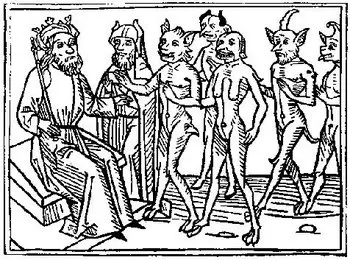
Belial appears in biblical religious language and later spirit catalogues. These uses should be distinguished rather than treated as one unchanged biography.
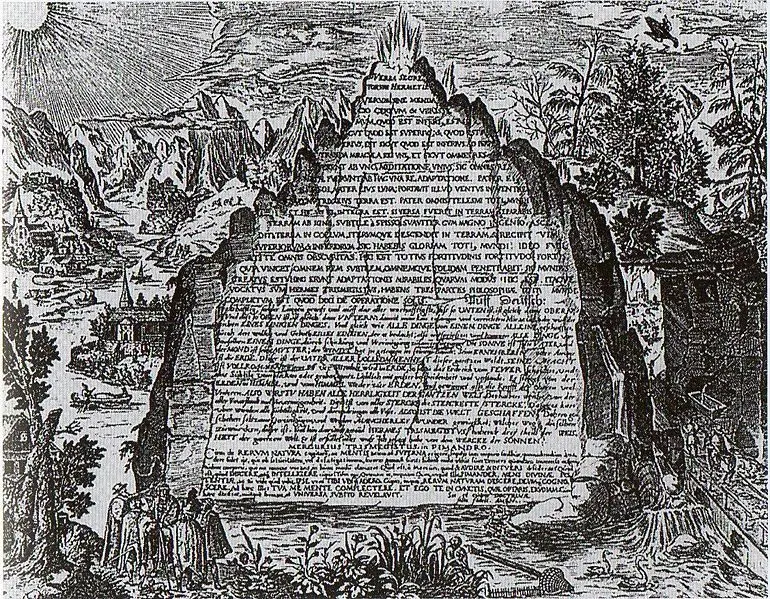
Alchemy concerns historical approaches to material transformation and the interpretation of nature. Spiritual readings form part of its reception but should not replace the material history.