Demonology & Spirits
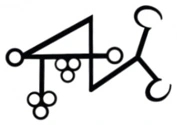
Morax
A Goetic spirit called Morax or Marax, associated with astronomy and the properties of plants and stones.
A Goetic spirit called Morax or Marax, associated with astronomy and the properties of plants and stones.

An initiatory organization associated with Thelema and the public celebration of the Gnostic Mass.
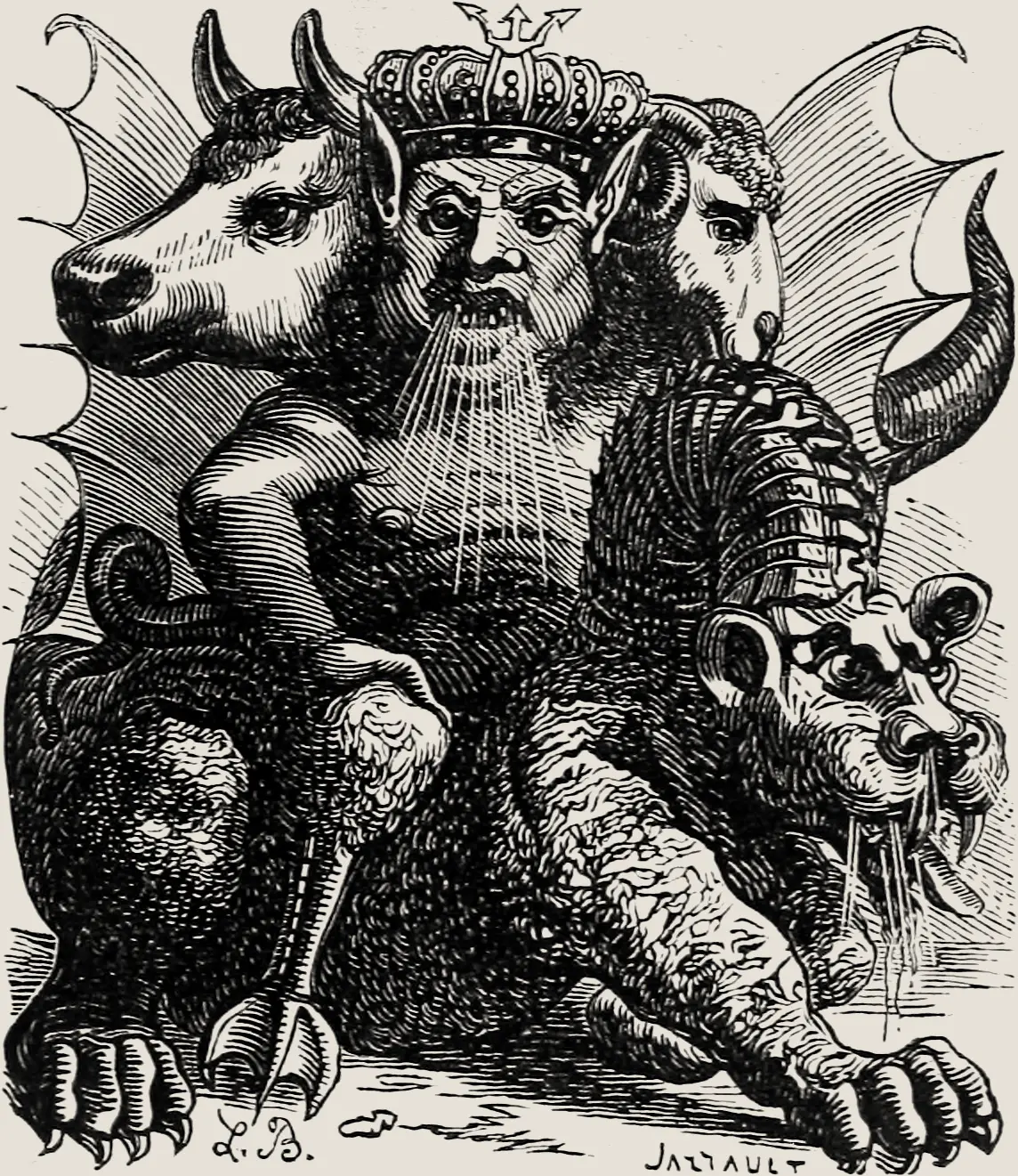
Asmodeus appears in the narrative of Tobit and in later magical and demonological literature. His different roles reflect the purposes of those texts.
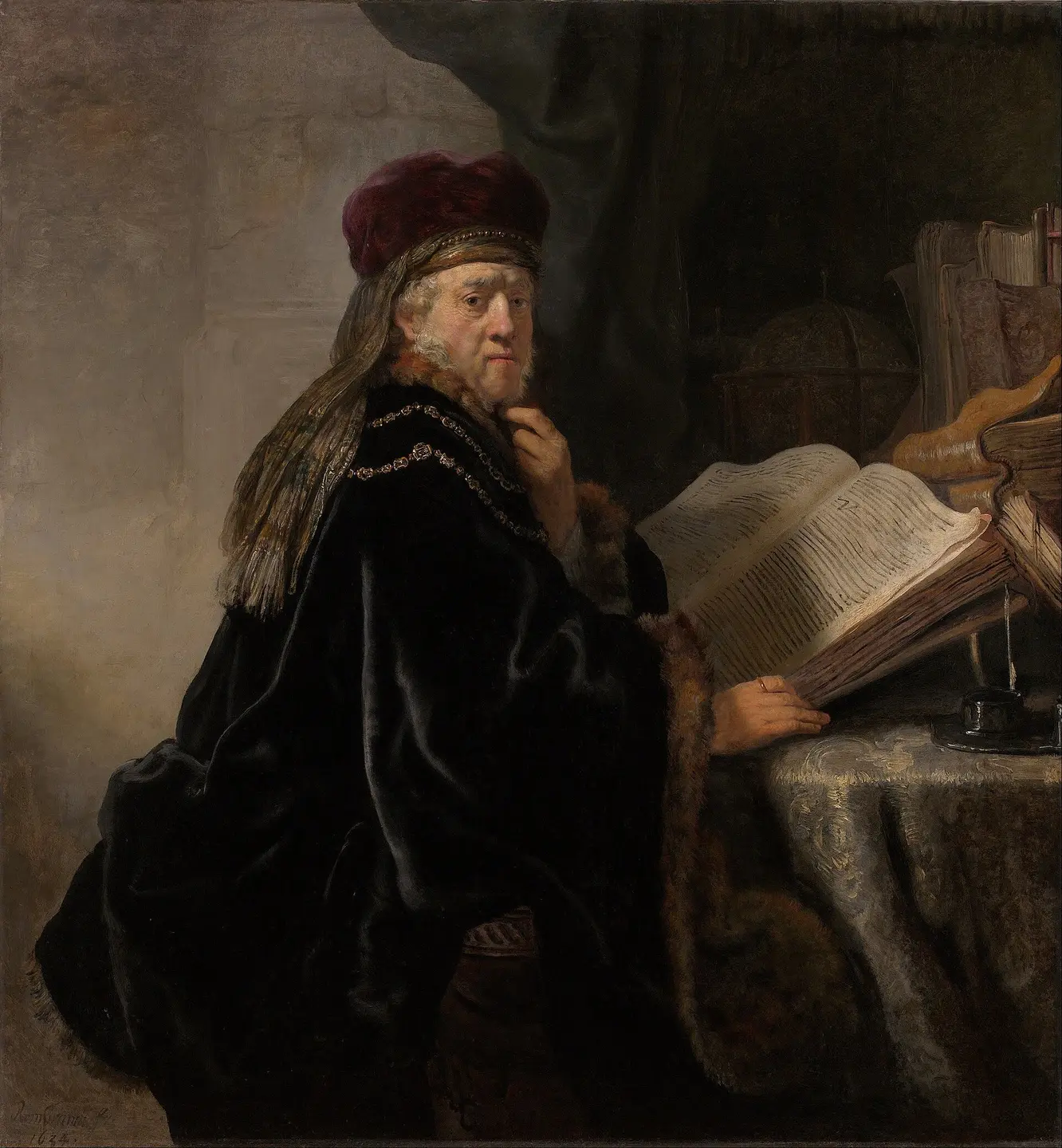
Primary sources provide direct evidence for a text, community, or historical setting. Reading them well requires context, precise citations, and comparison with other evidence.
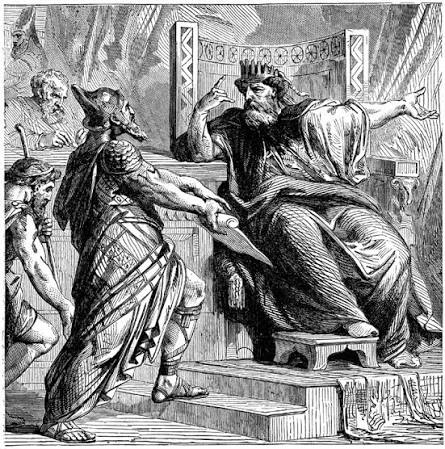
In 1 Chronicles 21, Satan or an adversary incites David to count Israel. Comparison with 2 Samuel 24 raises questions about divine agency, translation, and the development of the adversary figure.
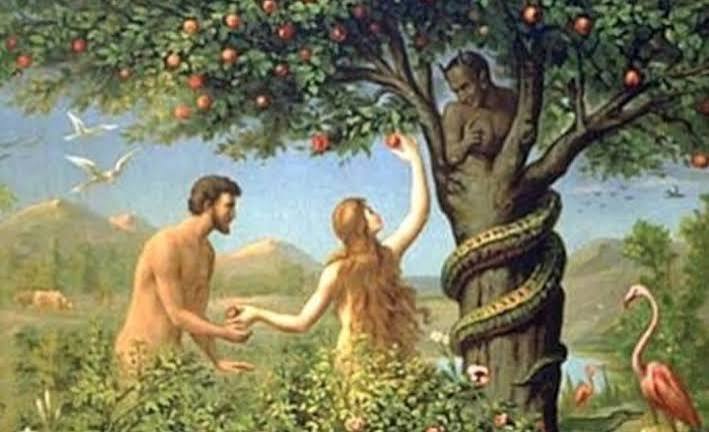
The serpent in Genesis 3 persuades the woman to eat from the tree of knowledge. The chapter does not name Satan. Later texts and interpretations connect the serpent with the Devil, adding to the history of the Eden story.
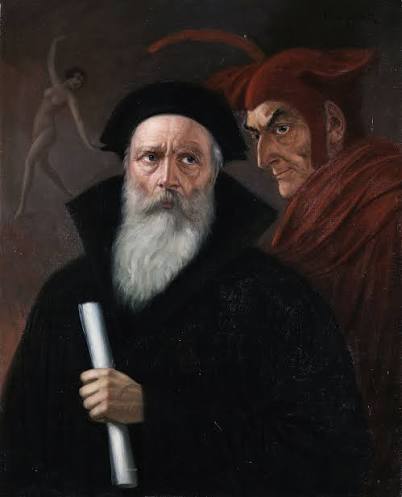
Faust is the scholar or magician at the center of a European legend about bargaining with the Devil. The 1587 Faust book, Marlowe’s Doctor Faustus, and Goethe’s Faust give the story different treatments of knowledge, desire, damnation, and human striving.
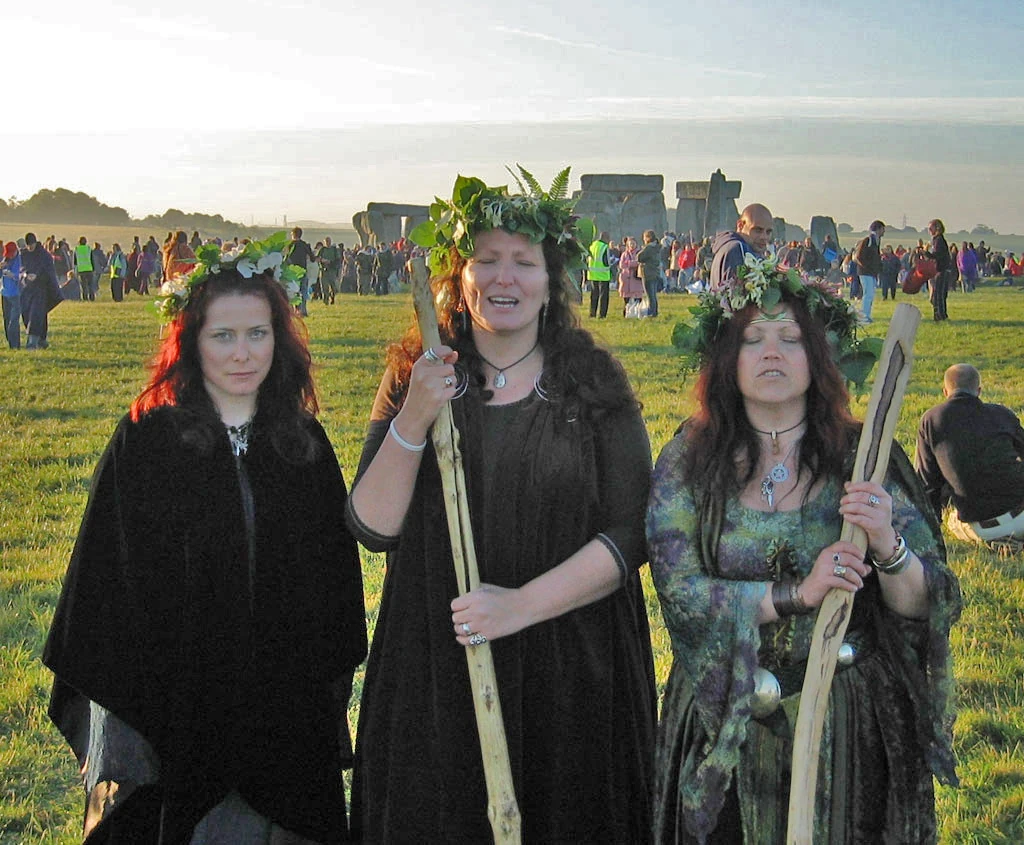
An introduction to contemporary Pagan traditions, including Wicca, Druidry, and Heathenry, and their different uses of older sources.

The public holiday of 31 October, including lanterns, visiting customs, disguise, and its Celtic and Christian histories.
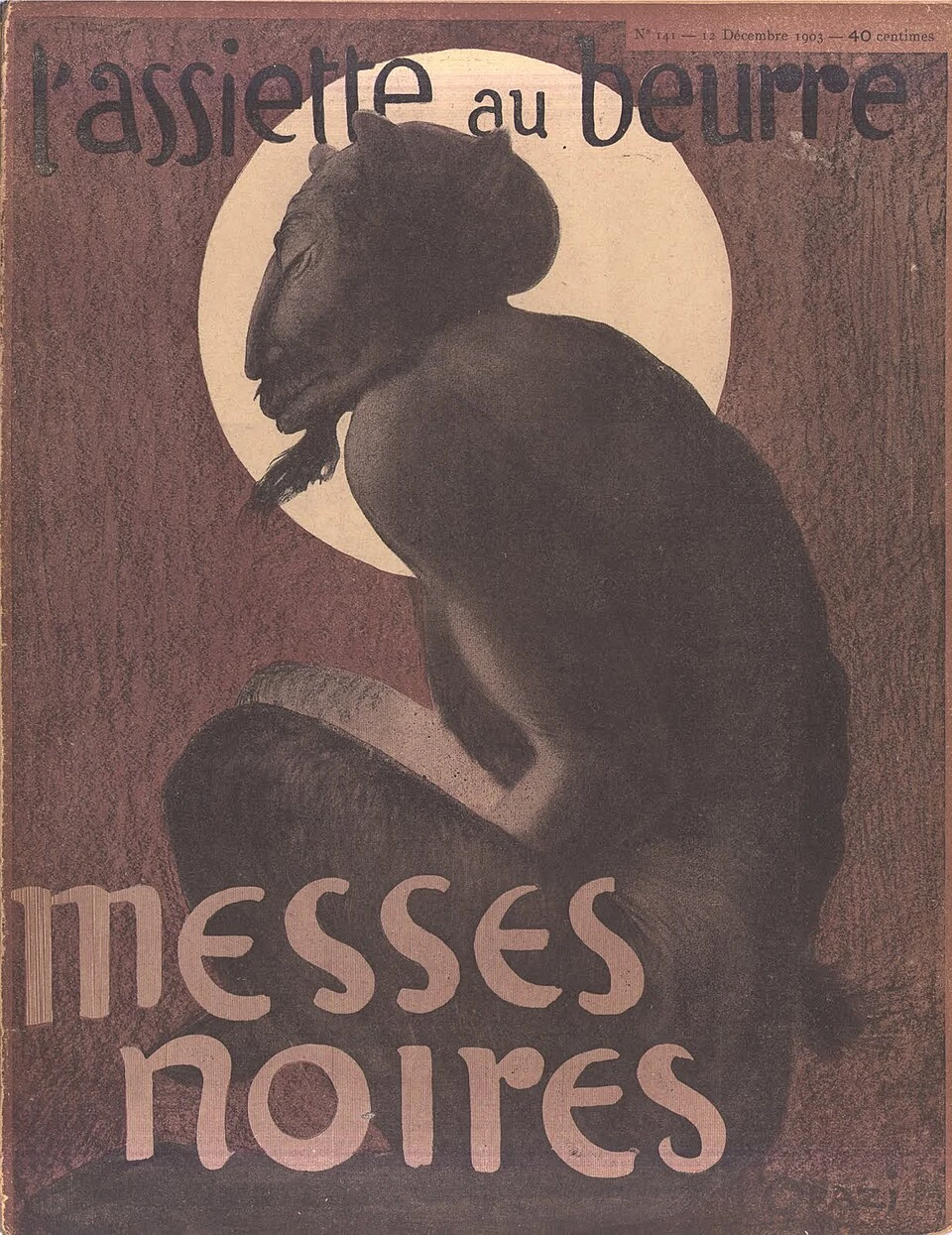
A term for ritual inversion of Christian worship, with Huysmans's literary portrayal and a modern distinction from Satanic Mass.
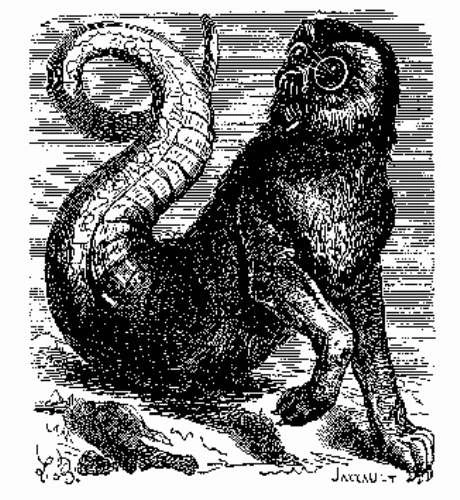
A Goetic marquis with a wolf-like appearance, associated with knowledge and the making or resolution of disputes.
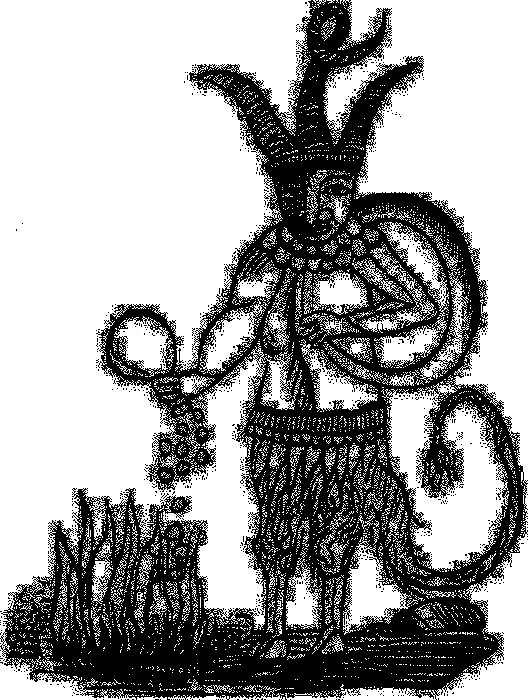
A grimoire best known for its staged encounter and pact with Lucifuge Rofocale.
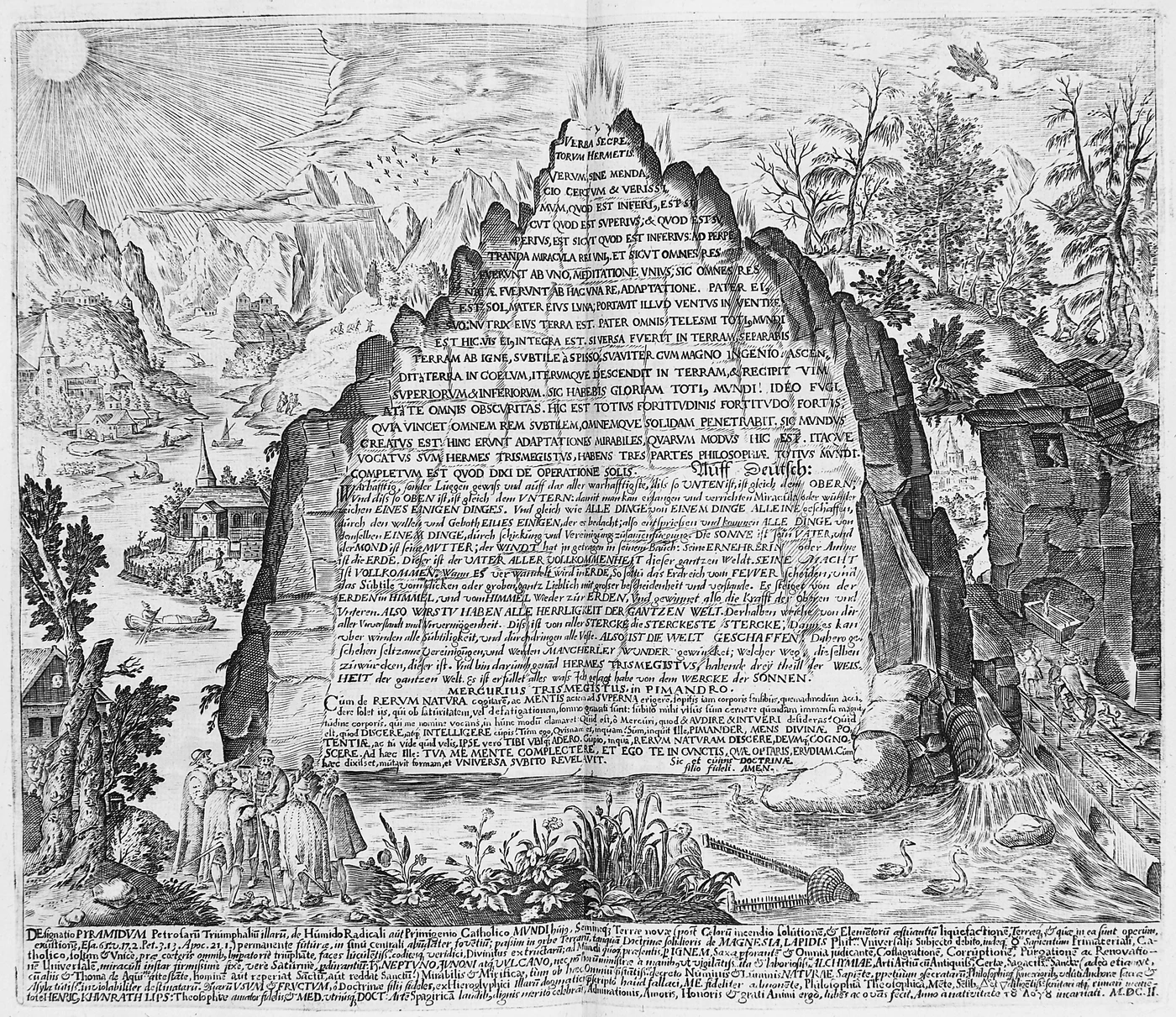
A brief Hermetic text whose images of above and below, sun and moon, and transformation influenced alchemical writing.
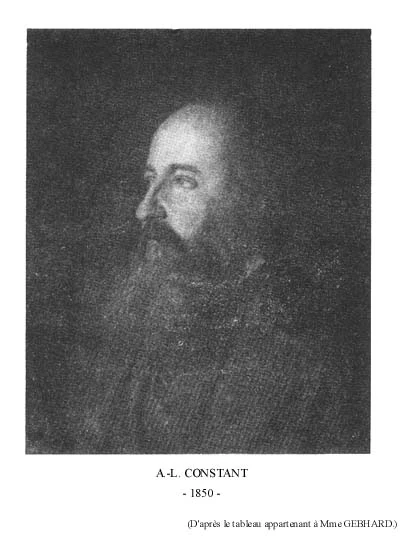
A nineteenth-century French occult author associated with ceremonial symbolism and the influential image of Baphomet.
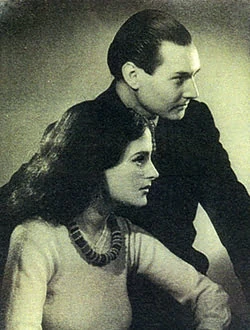
A British occult writer associated with the Typhonian current, Thelema, and the work of Austin Osman Spare.
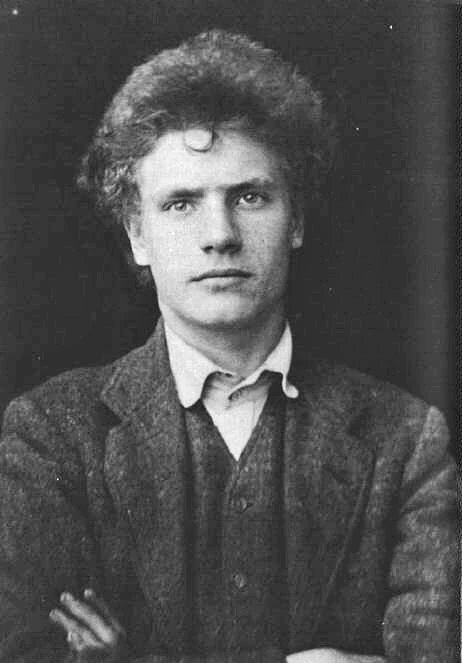
An English artist and occult author whose treatment of desire and sigils influenced later magical practice.
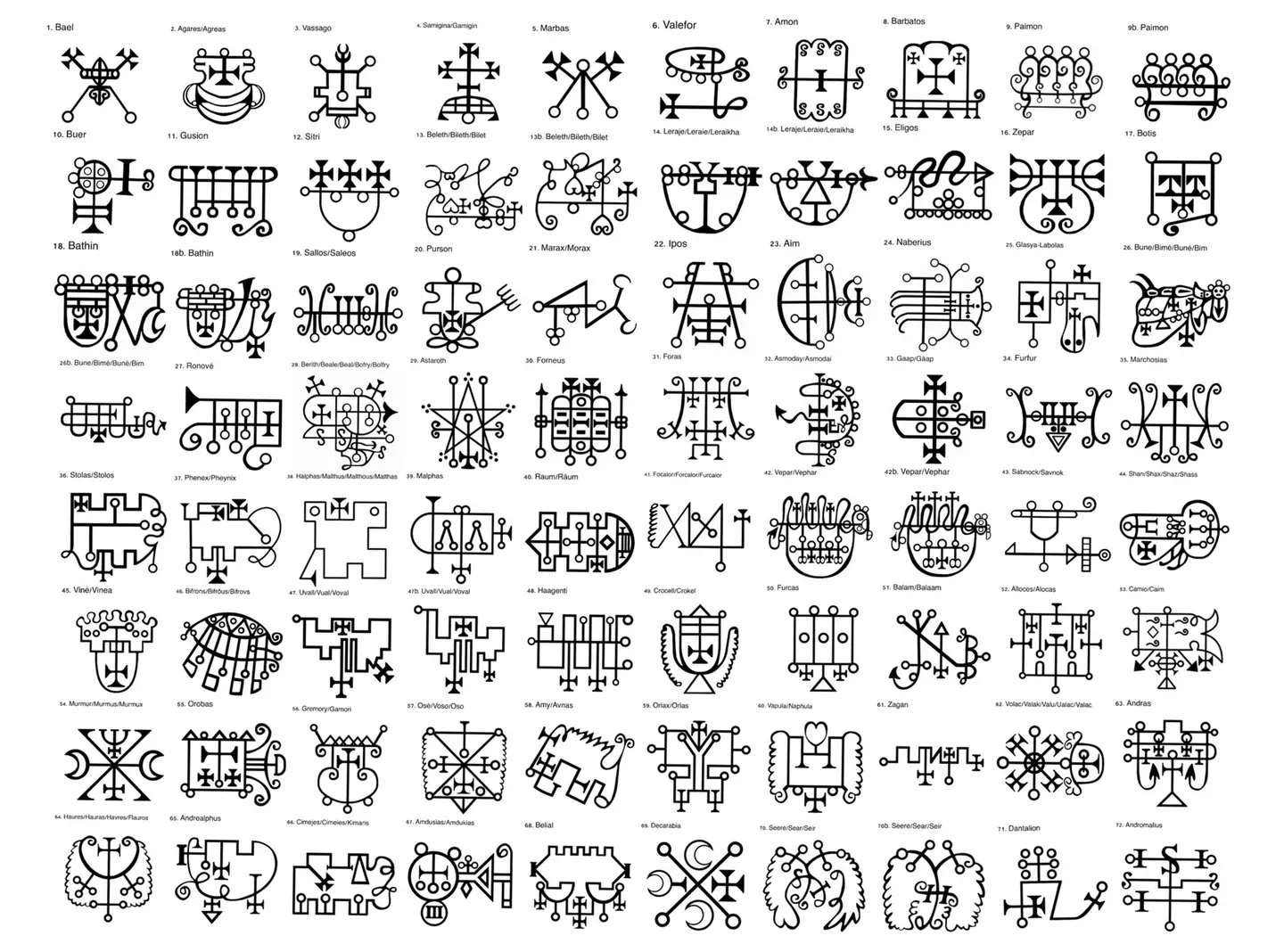
The Ars Goetia is the first section of the Lemegeton or Lesser Key of Solomon, an early modern English compilation of ceremonial magic. It is famous for a catalogue of seventy-two spirits, each described by name, rank, appearance, abilities, and a seal or character. In modern occultism the term “Goetia” is often used loosely for demon-summoning or work with these spirits, but historically the Ars Goetia…
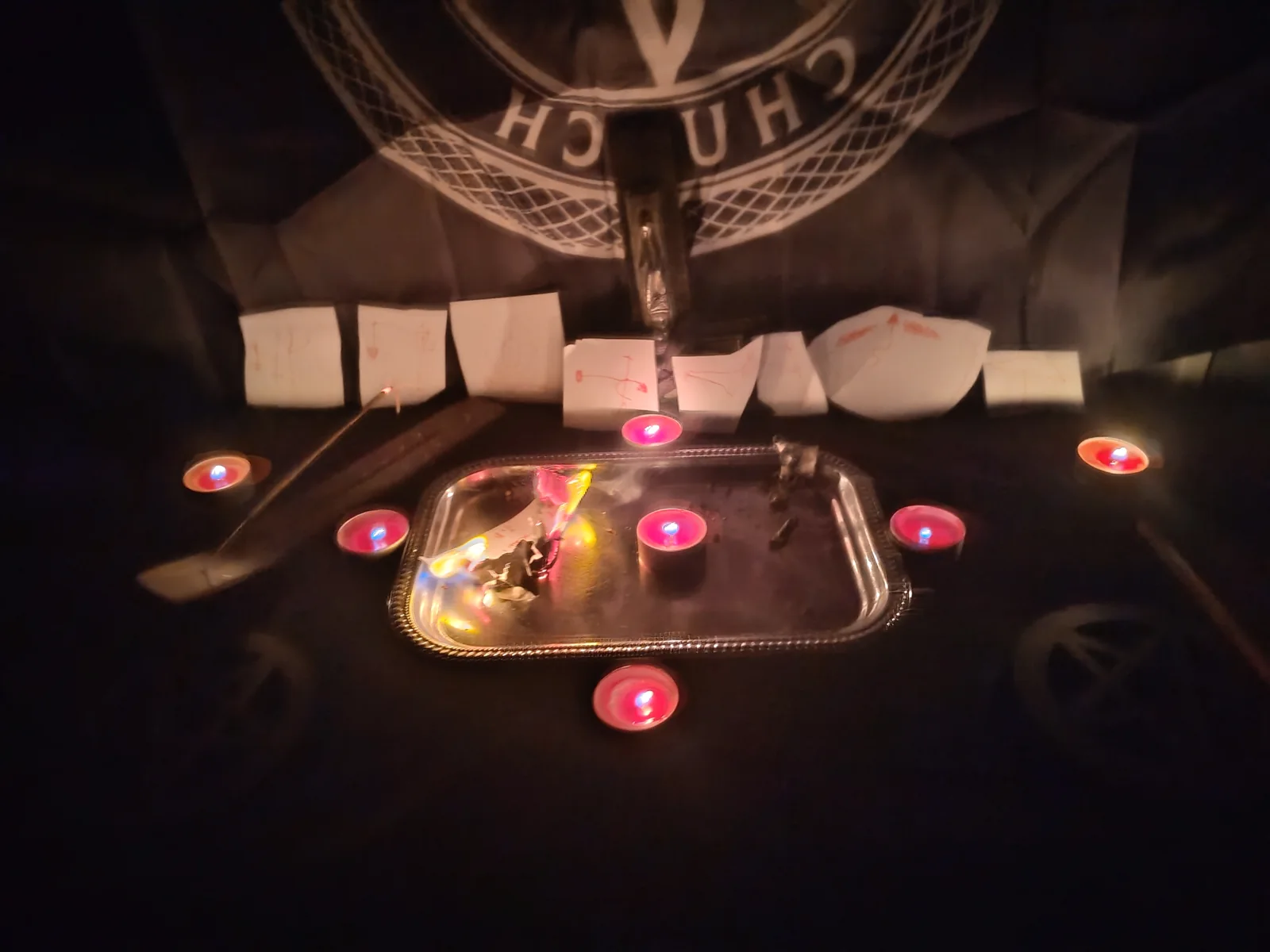
Prayer is intentional communication addressed to a deity, spirit, sacred power, or ultimate reality. It can include praise, petition, confession, thanksgiving, lament, dedication, silence, repetition, or simple direct speech. In theistic Satanism, prayer usually means addressing Satan or another spiritually real being rather than speaking only to oneself or performing a purely symbolic exercise.
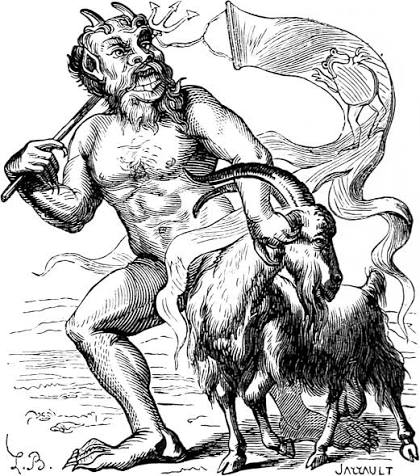
Azazel is a figure associated with the Day of Atonement in Leviticus, a rebellious Watcher in 1 Enoch, and a demonological and occult figure in later traditions. This article traces the development of Azazel from ancient Jewish texts through later demonology and modern Satanic interpretations.
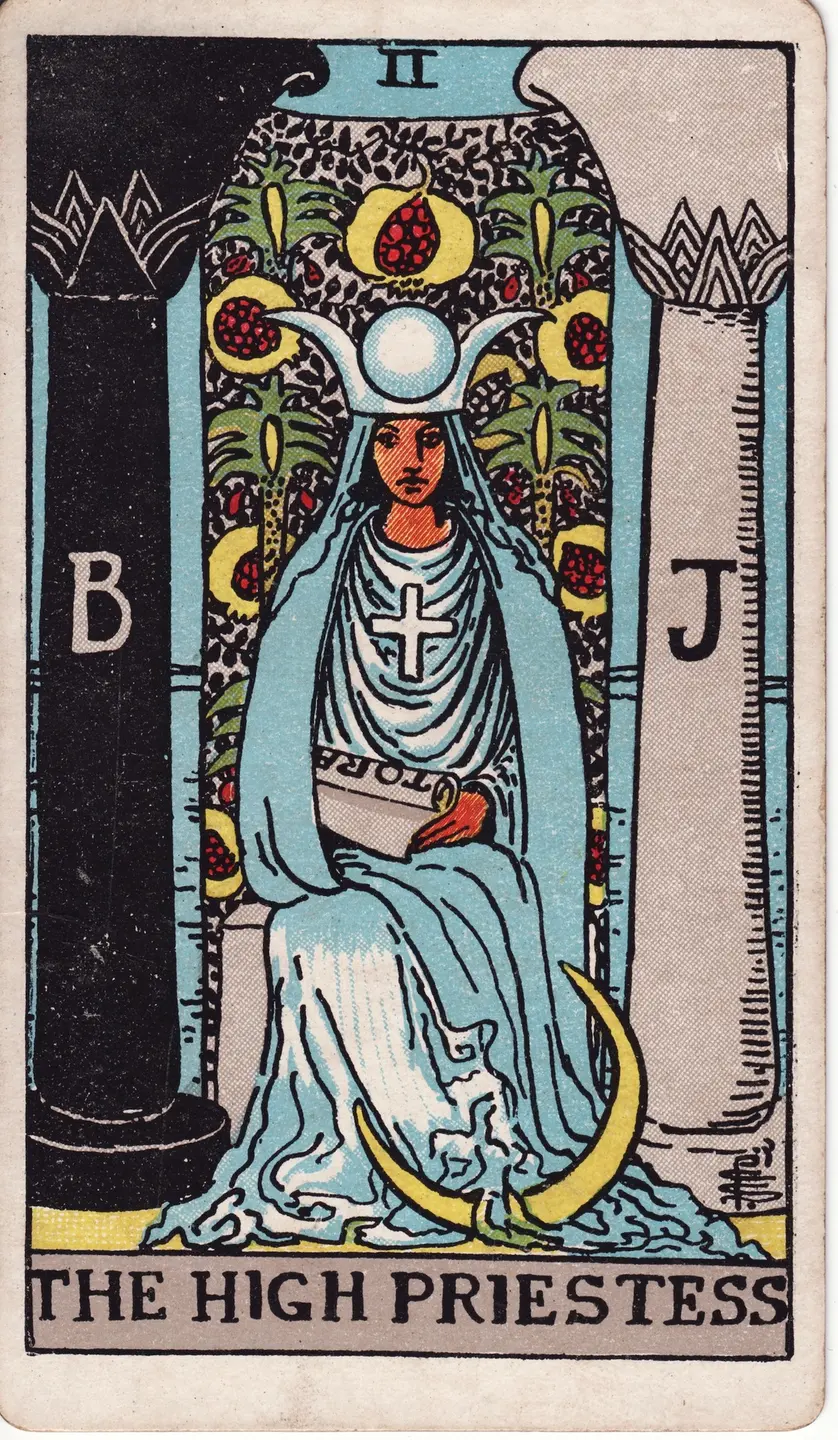
Tarot developed as playing cards before becoming an influential tool of occult interpretation. The history of the cards differs from later claims about their hidden origins.