Organizations & Traditions
Temple of Set
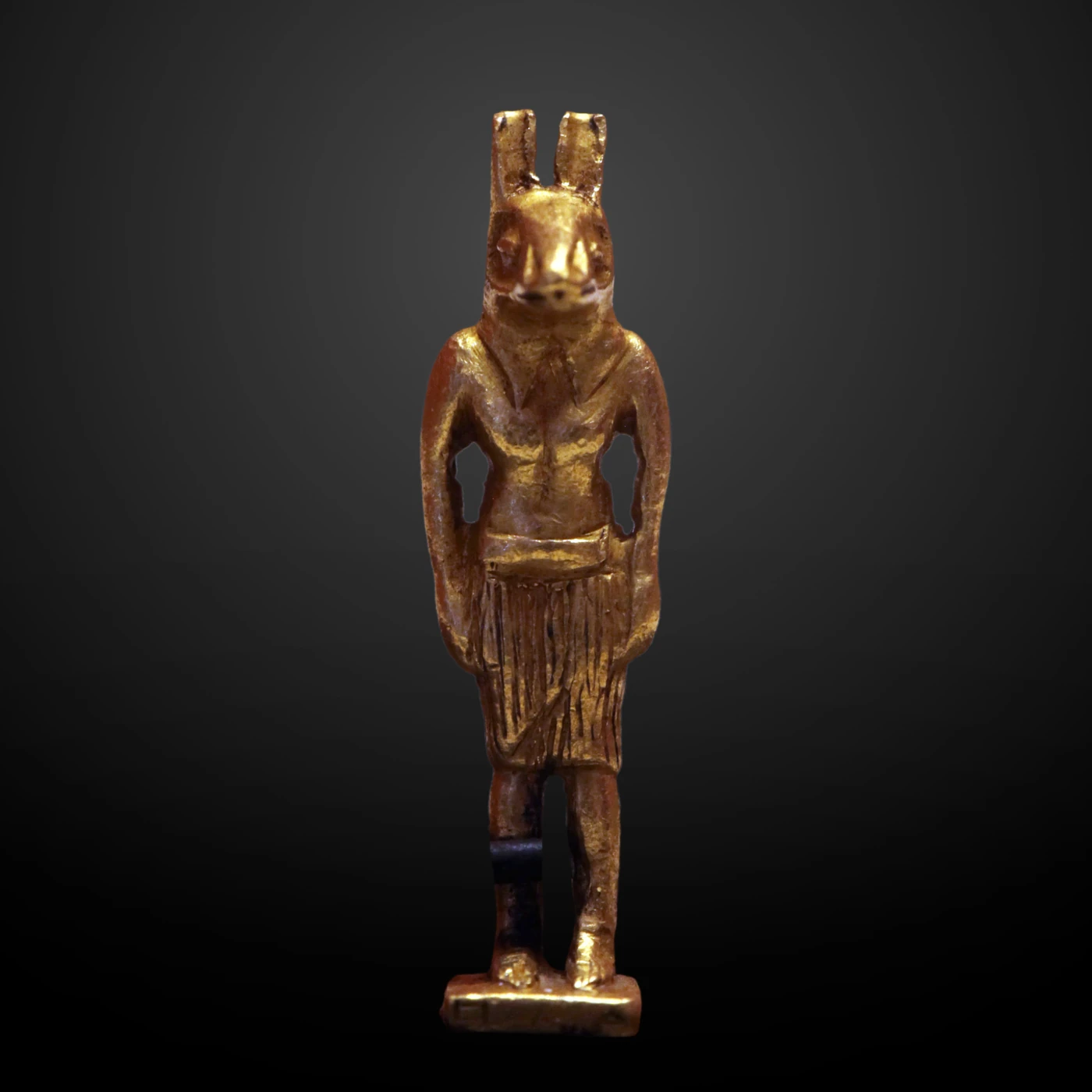
The Temple of Set is an initiatory organization whose identity centers on Set and Xeper. Its relationship with Satanism requires attention to both historical origins and later self-description.
The Temple of Set is an initiatory organization whose identity centers on Set and Xeper. Its relationship with Satanism requires attention to both historical origins and later self-description.
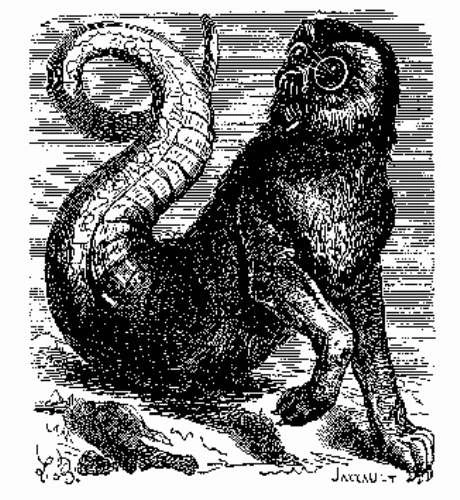
A Goetic marquis with a wolf-like appearance, associated with knowledge and the making or resolution of disputes.
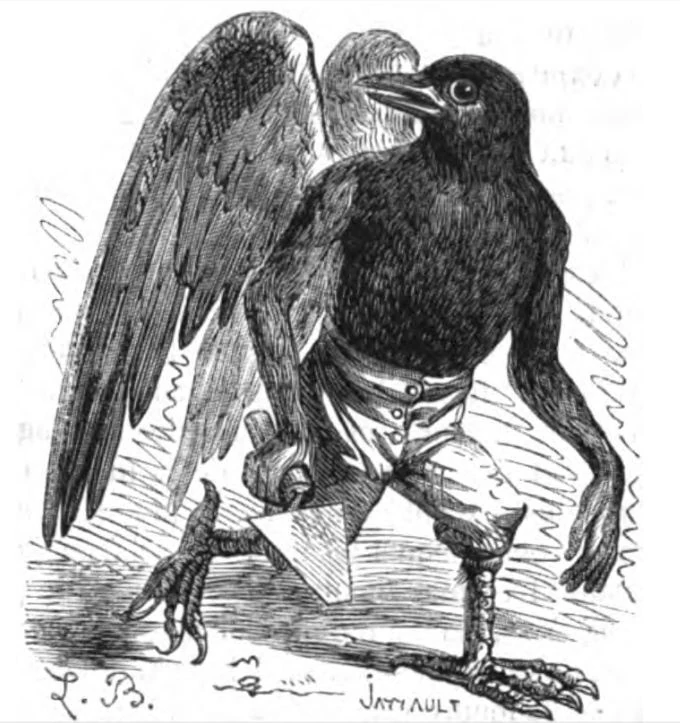
A Goetic president in a dark bird form, associated with building and a warning about offerings.

A German magical fraternity whose teaching gives Saturn a central symbolic and initiatory role.
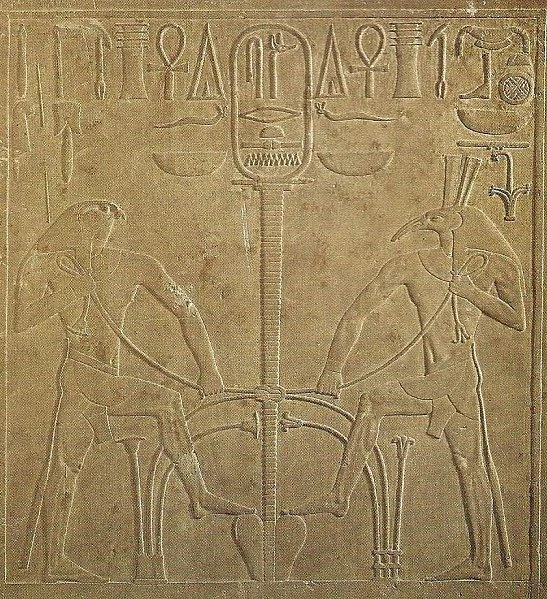
The religious philosophy associated with the Temple of Set, the Egyptian name Set, and the idea of Xeper.

A modern approach to magic that treats techniques and belief systems as tools for practical experimentation.

Anton LaVey’s 1969 book of Satanic philosophy and ritual, foundational to the Church of Satan.
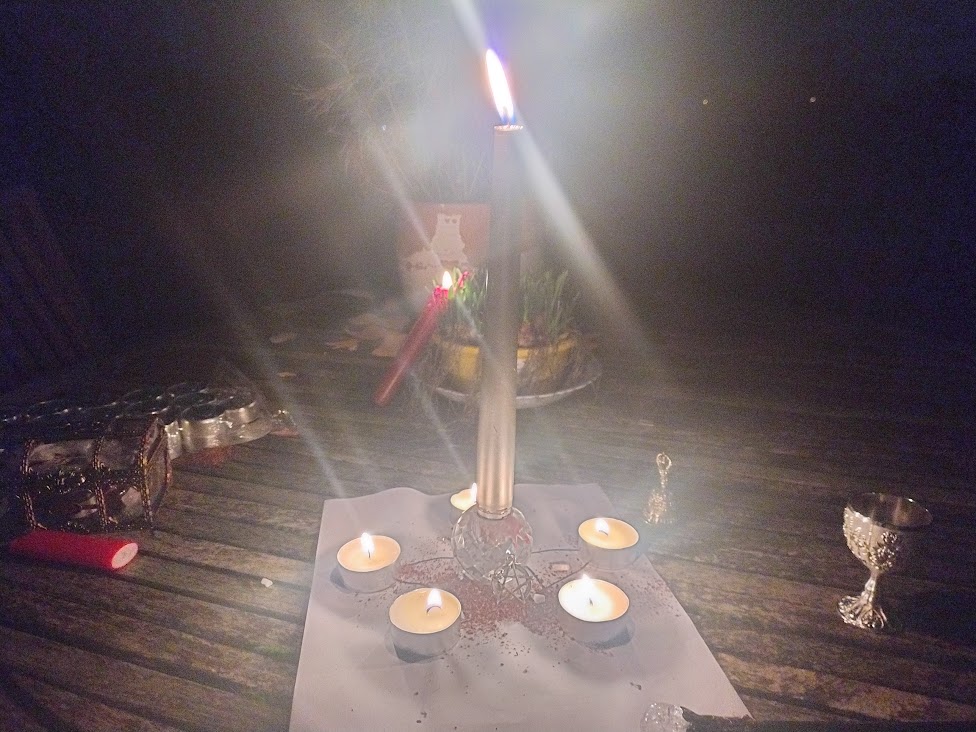
Ritual is patterned action given special religious, symbolic, social, or transformative significance. Ritual can mark time, establish sacred space, communicate with a deity, express commitment, create community, memorialize the dead, enact a transition, or focus attention on a chosen purpose. In theistic Satanism, ritual commonly includes devotional action directed toward Satan or other spirits…
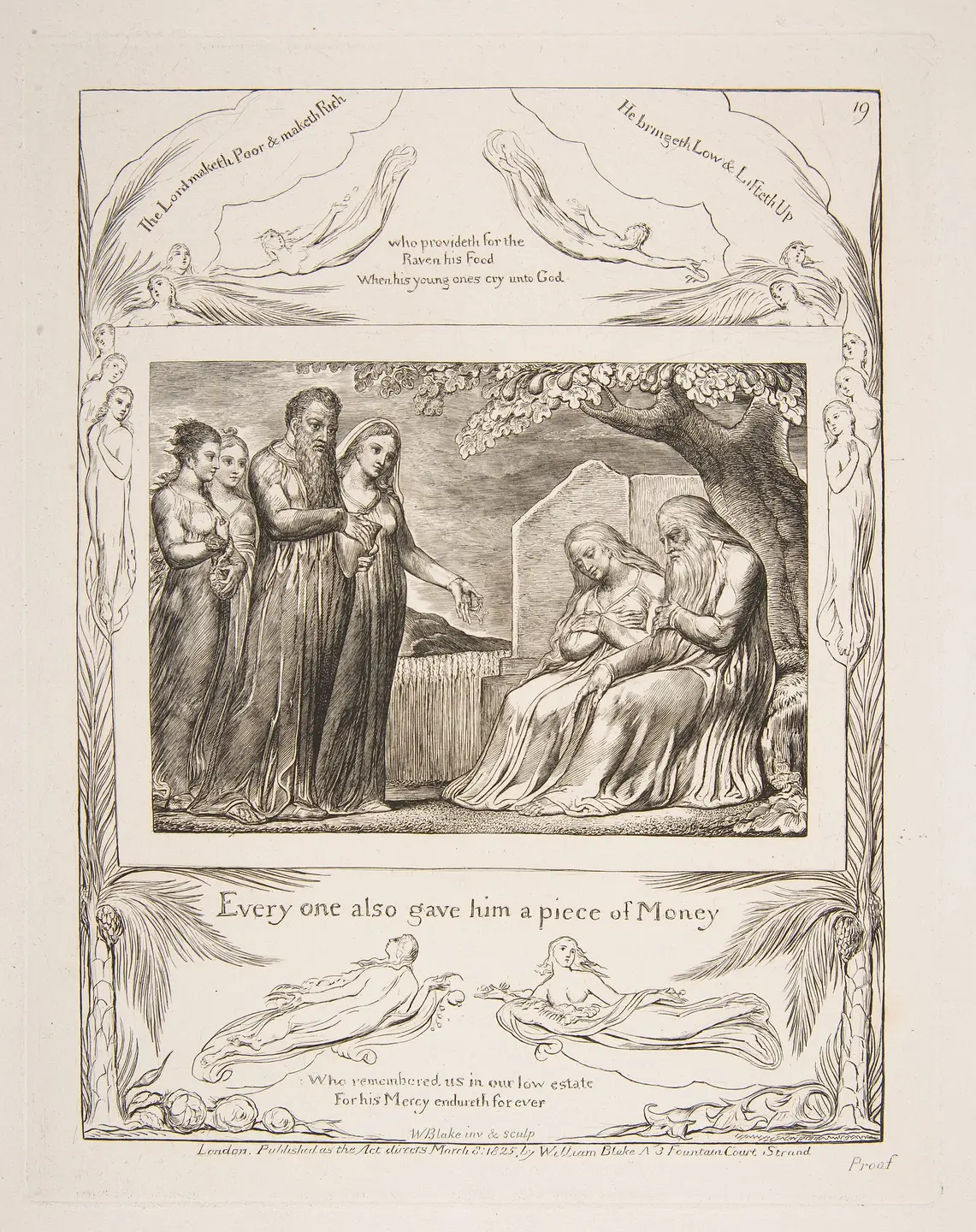
Ethics in theistic Satanism concerns the moral principles, responsibilities, virtues, prohibitions, and methods of judgement developed by Satanists who regard Satan or related beings as real rather than purely symbolic. There is no universal Satanic ethical code. Theistic Satanism is decentralized, and its practitioners may draw on personal conscience, religious devotion, philosophical individualism,…
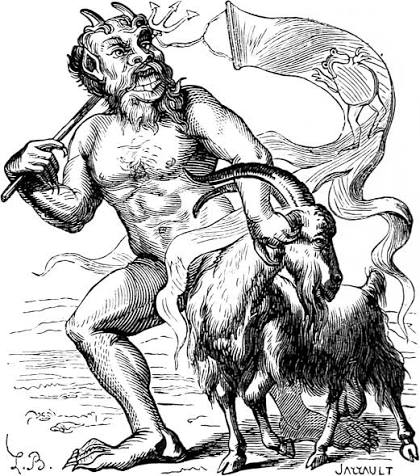
Azazel is a figure associated with the Day of Atonement in Leviticus, a rebellious Watcher in 1 Enoch, and a demonological and occult figure in later traditions. This article traces the development of Azazel from ancient Jewish texts through later demonology and modern Satanic interpretations.
1 Enoch brings together accounts of heavenly beings, judgment, celestial order, and righteousness. It is a composite work rather than a single continuous biography of Enoch.
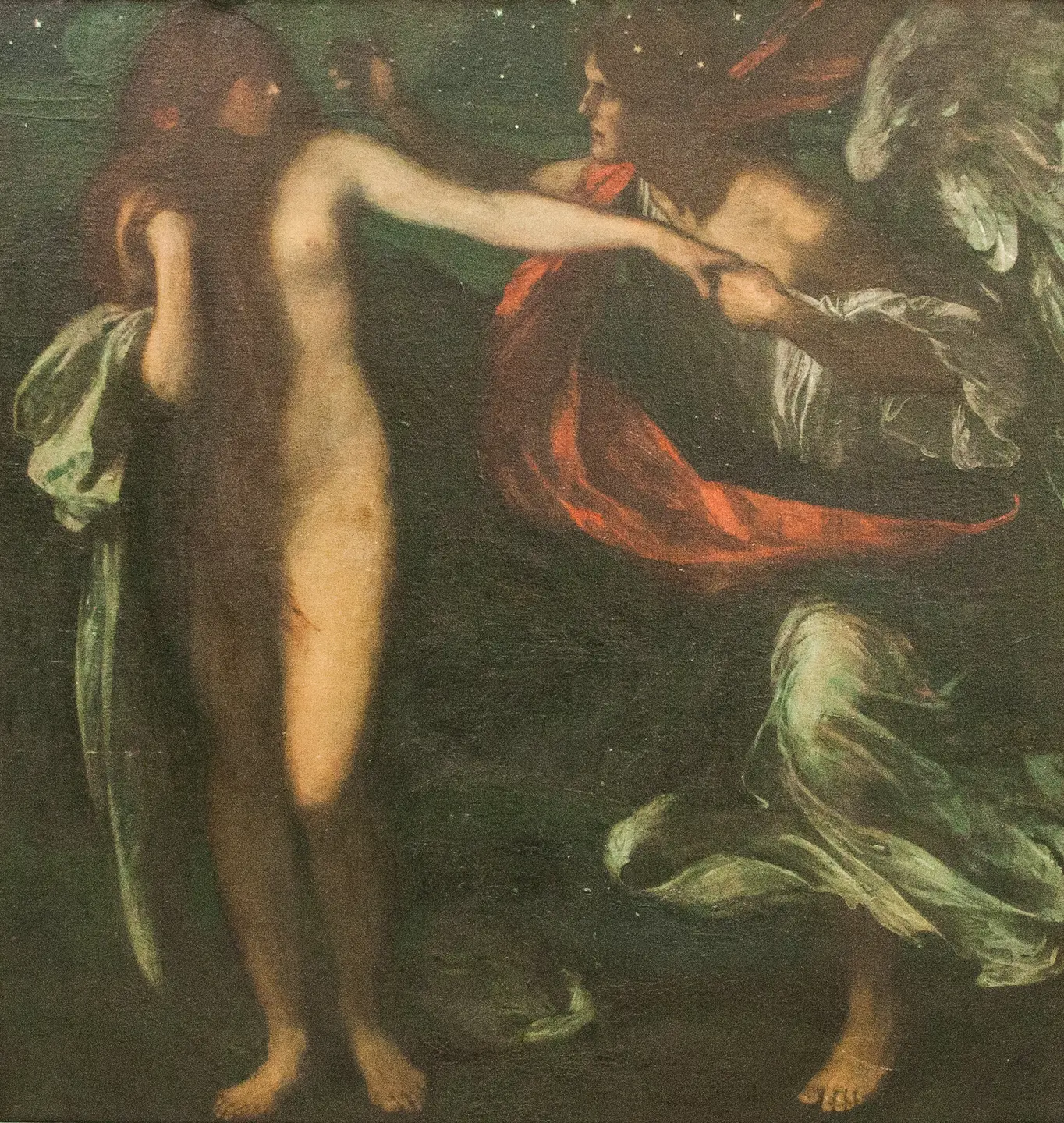
The Nephilim appear in brief biblical passages and in later traditions about giants. Different texts should be distinguished before their accounts are combined.
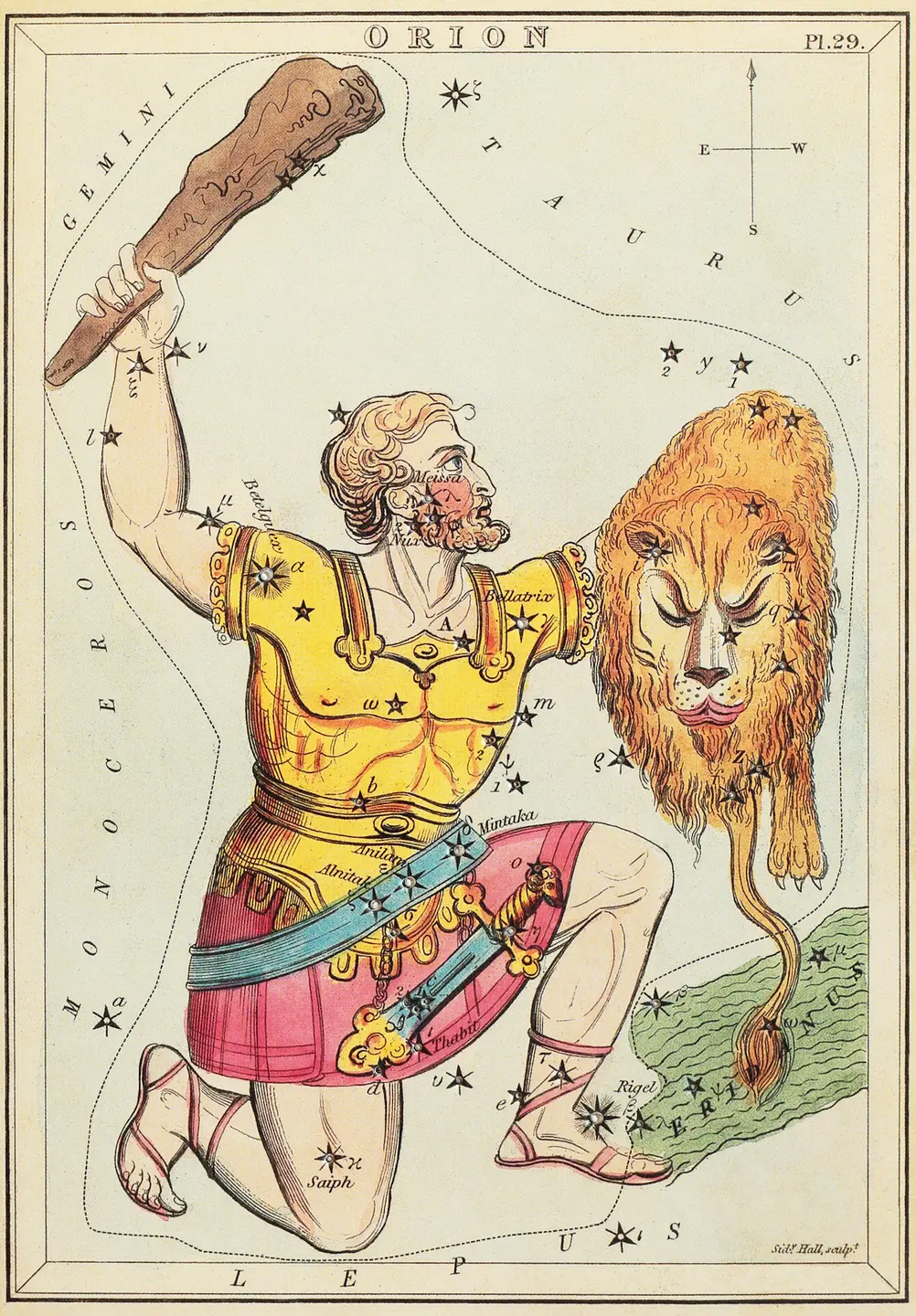
Semjaza is a leading figure in the Enochic account of the Watchers’ oath and descent. His role differs from the teaching and punishment associated with Azazel.
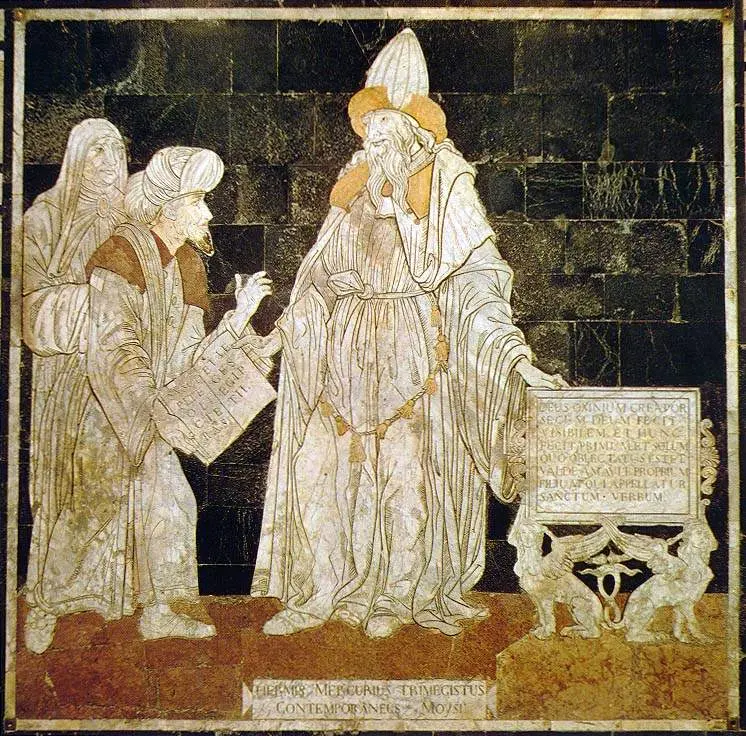
Hermeticism names several related traditions associated with Hermes Trismegistus. Philosophical dialogues, alchemical texts, and later occult systems require separate historical treatment.
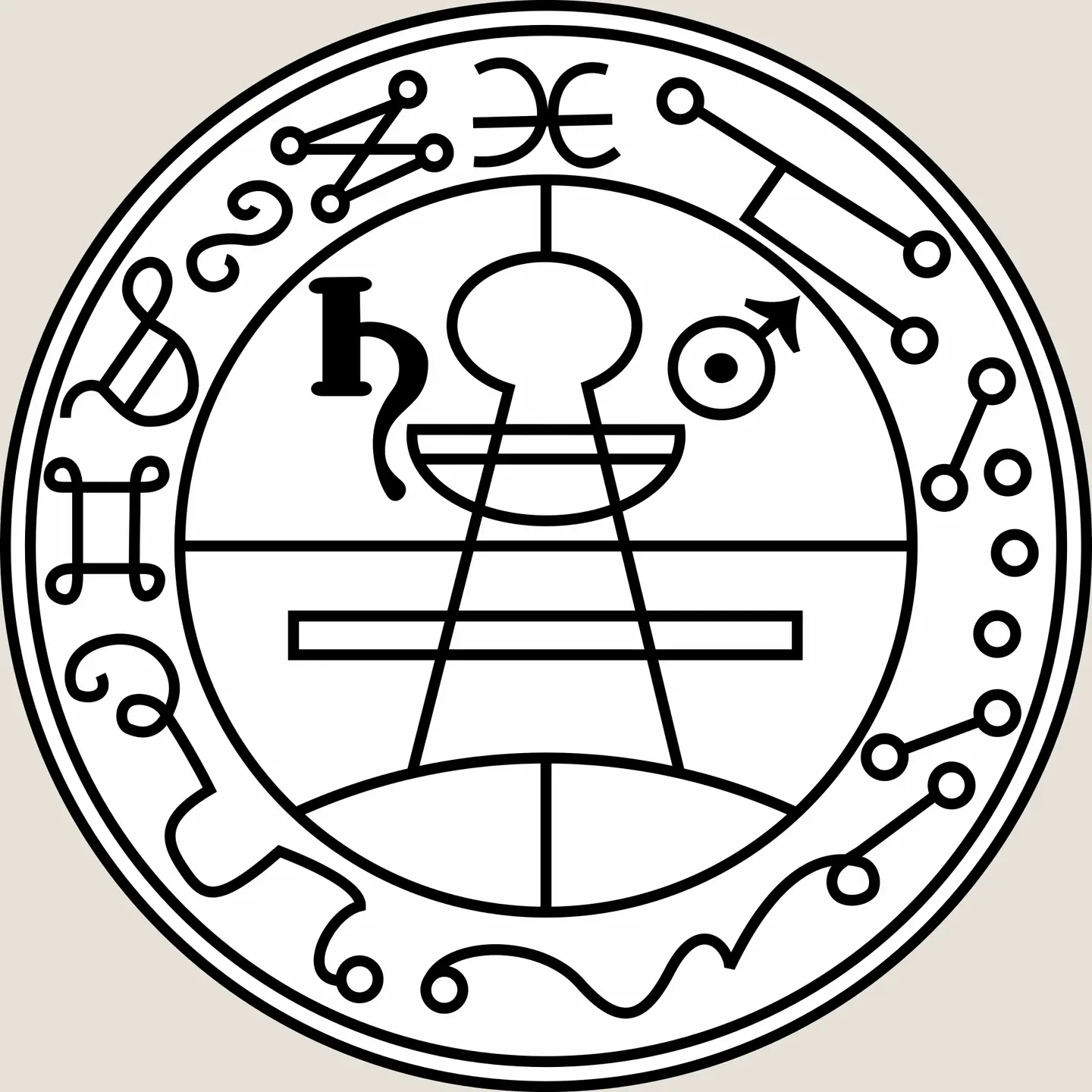
Sigils are graphic signs used in particular magical systems. Historical spirit seals, ceremonial figures, and modern personal signs should be distinguished.
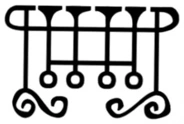
A Goetic duke associated with answers, reconciliation, and the obscure term Xenopilus.
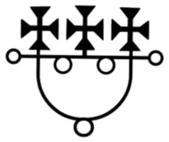
A Goetic prince portrayed with a leopard head and griffin wings, whose stated office concerns desire.
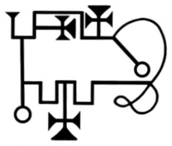
A Goetic marquis in phoenix form, associated with poetry, learning, and a hope of heavenly restoration.
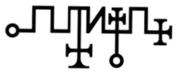
A Goetic spirit with a winged bull form, associated with wit and transformations of liquids and metals.

An initiatory organization associated with Thelema and the public celebration of the Gnostic Mass.