History
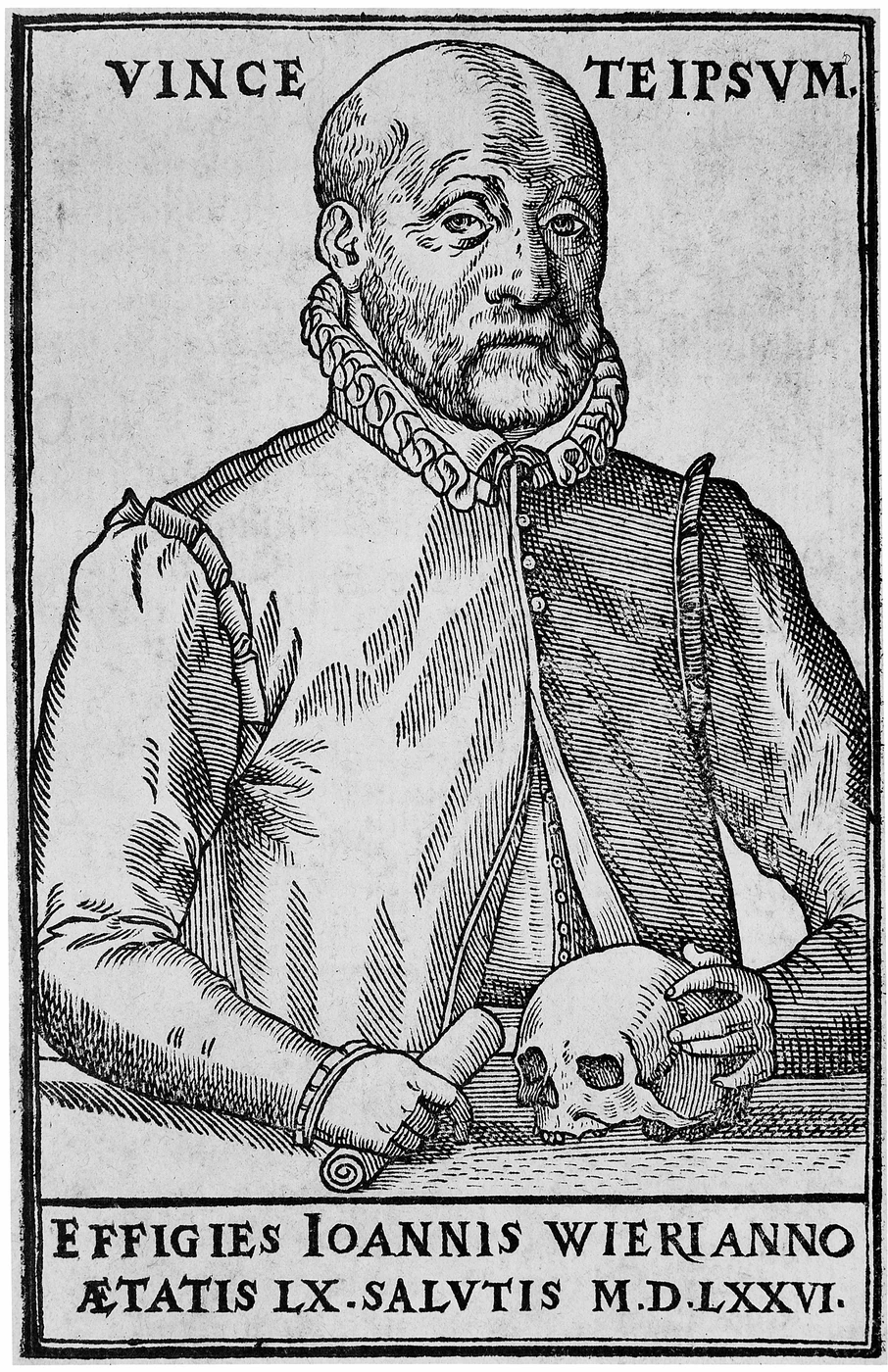
Johann Weyer
The physician and author whose Pseudomonarchia daemonum supplied an important source for later spirit catalogues.
The physician and author whose Pseudomonarchia daemonum supplied an important source for later spirit catalogues.
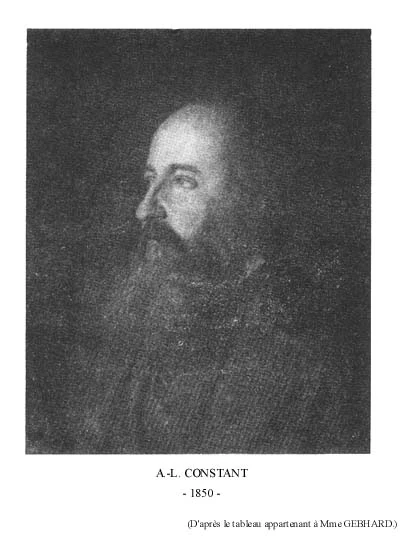
A nineteenth-century French occult author associated with ceremonial symbolism and the influential image of Baphomet.
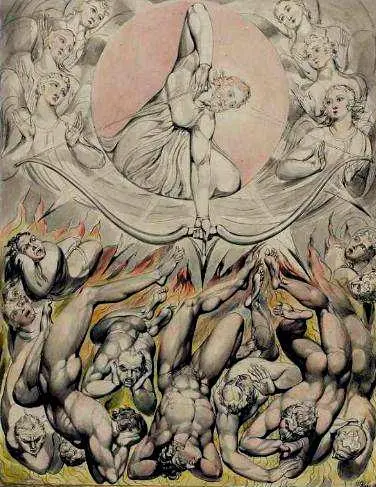
The Watchers are heavenly beings whose descent, teachings, and punishment are narrated in 1 Enoch. Their literary identity must be distinguished from later religious interpretations.
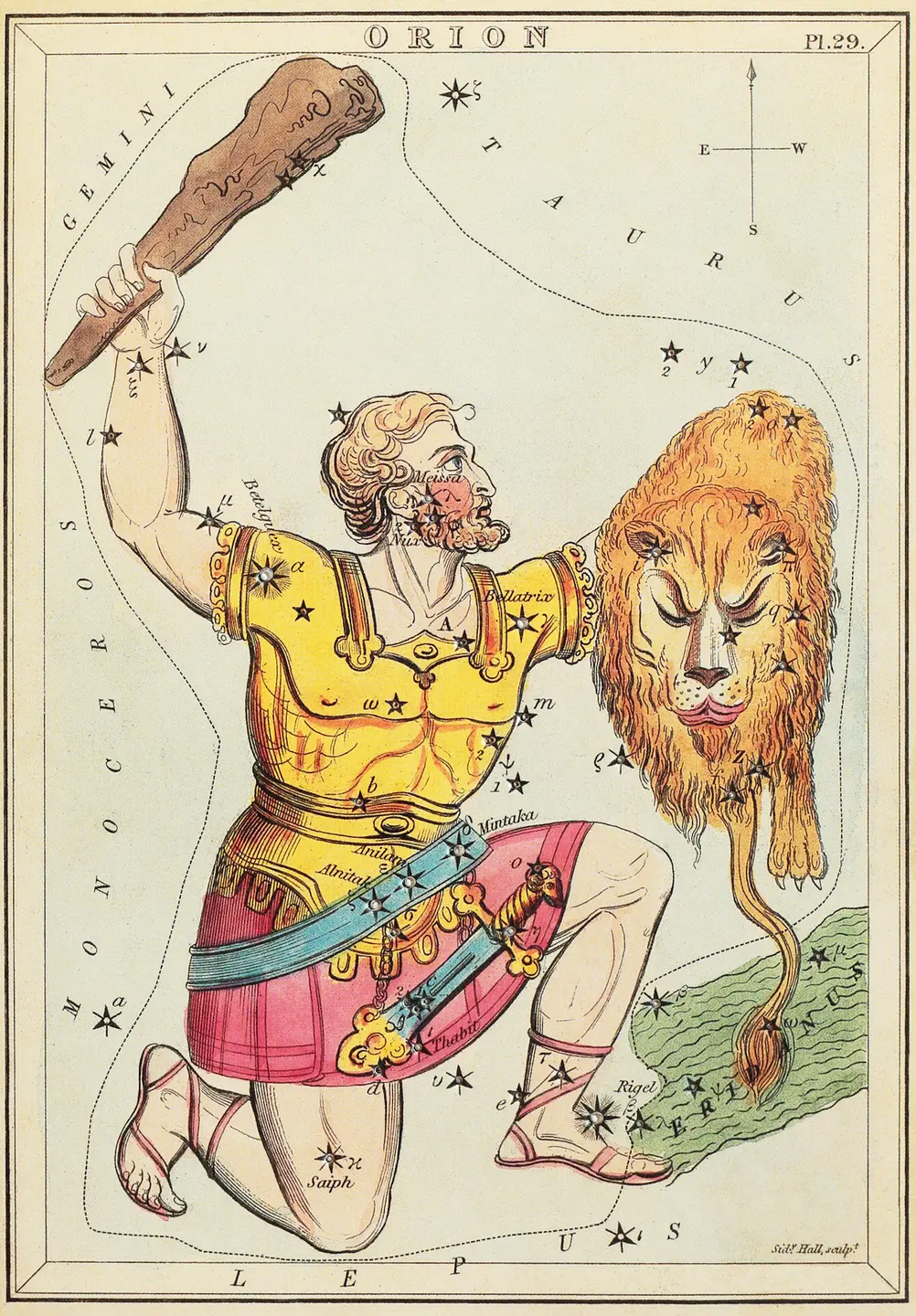
Semjaza is a leading figure in the Enochic account of the Watchers’ oath and descent. His role differs from the teaching and punishment associated with Azazel.
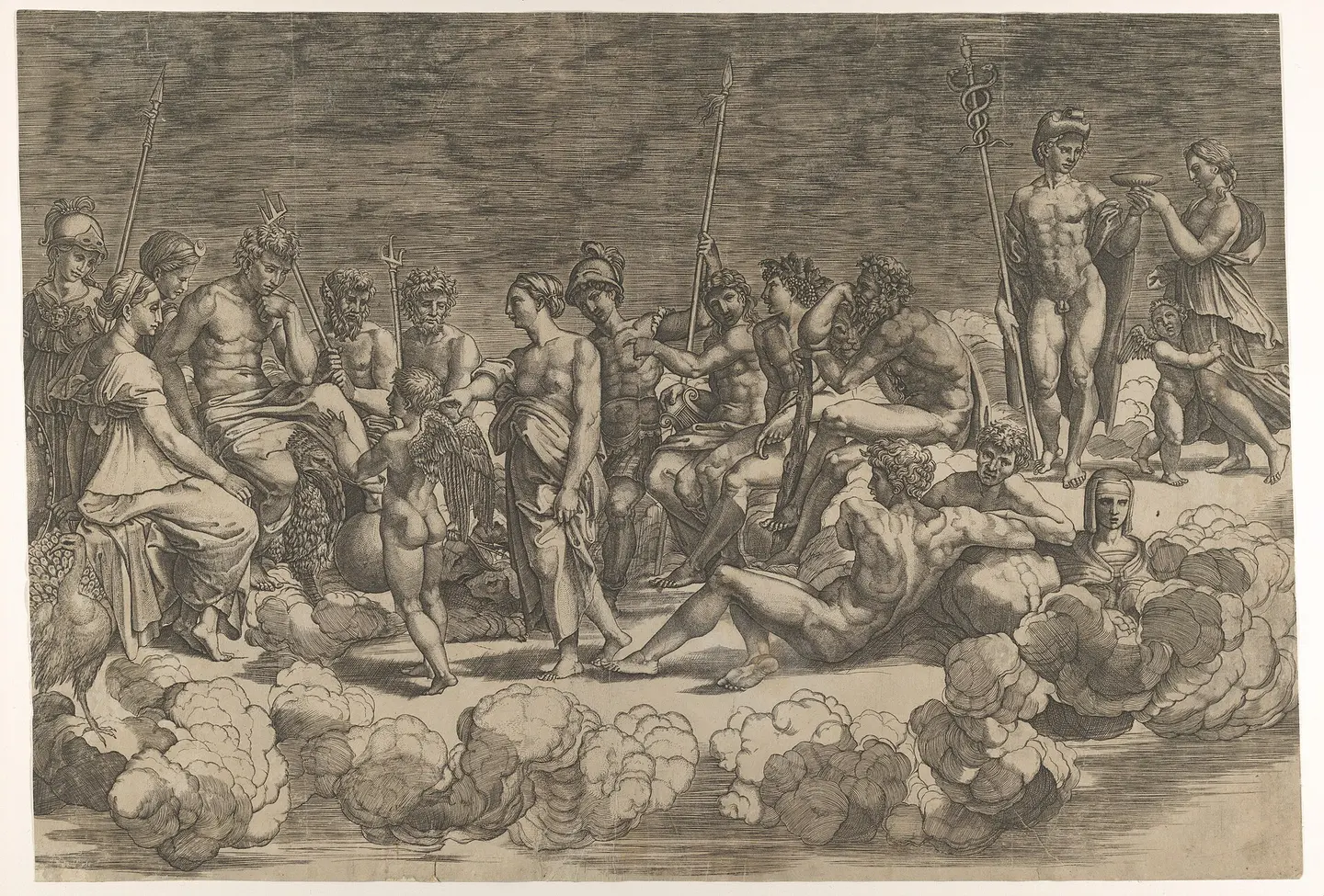
Polytheism involves belief in multiple deities. The existence of several gods does not by itself settle their relationships, moral authority, or the forms of devotion directed toward them.
A grimoire with a hierarchy centered on Lucifer, Beelzebub, and Astaroth, followed by spirit operations and practical recipes.
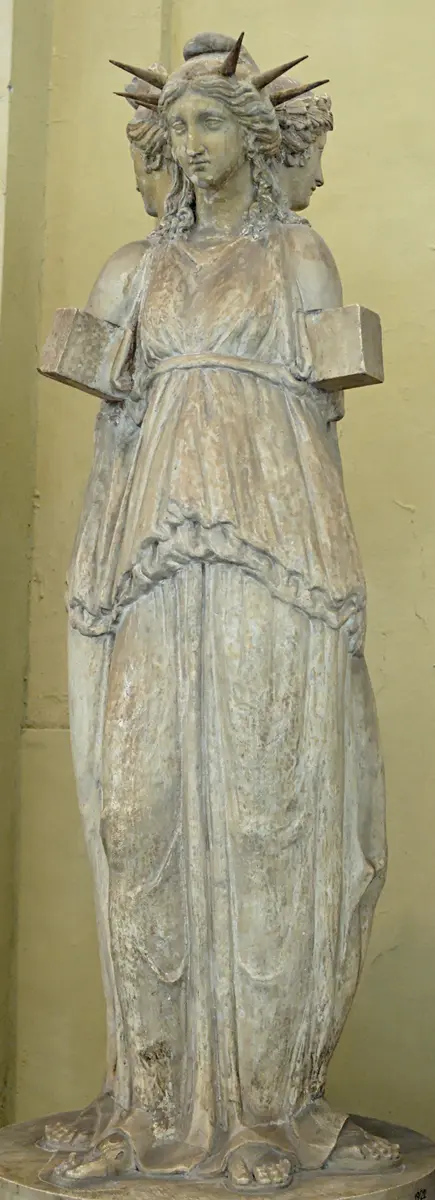
A Greek goddess with broad early powers and later associations with crossroads, spirits, and magic.
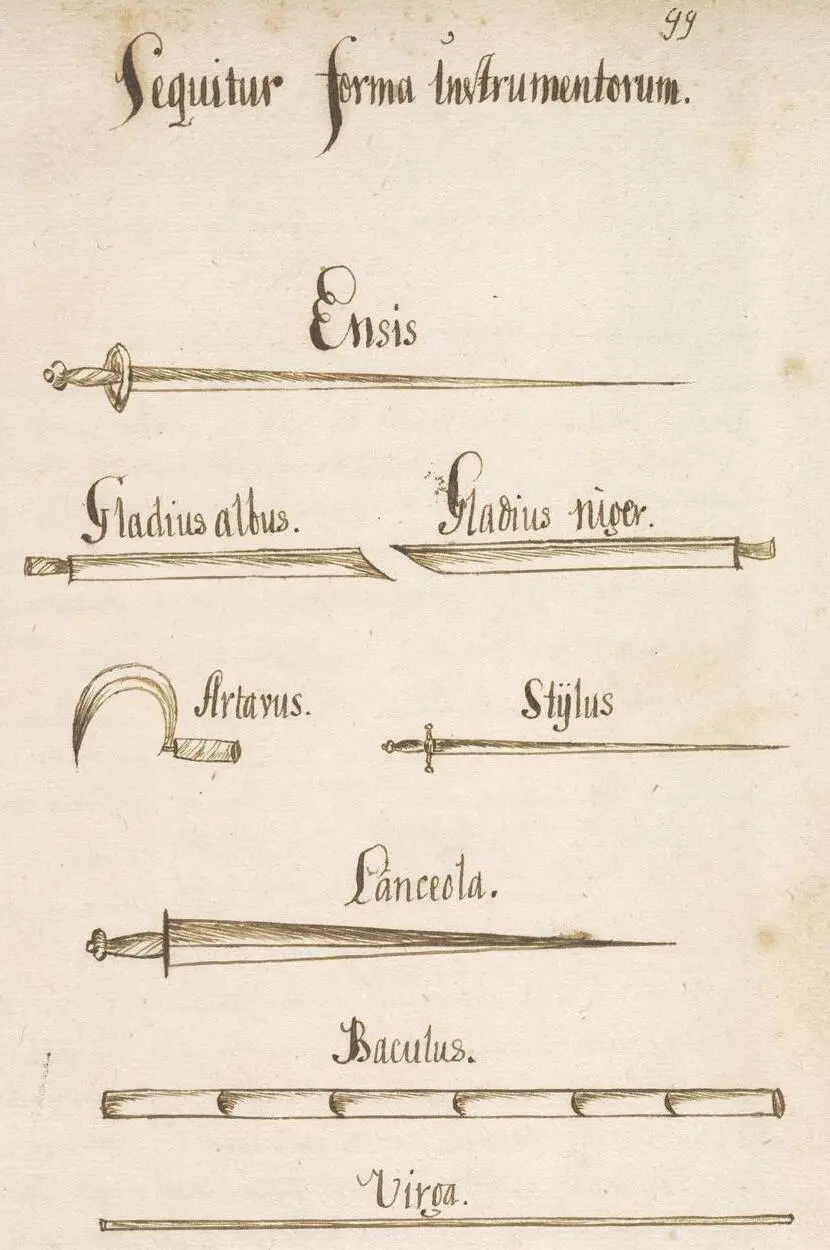
The Key of Solomon is a transmitted family of magical texts concerning preparation, ritual, and ceremonial instruments. It should be distinguished from the five-part Lesser Key of Solomon.
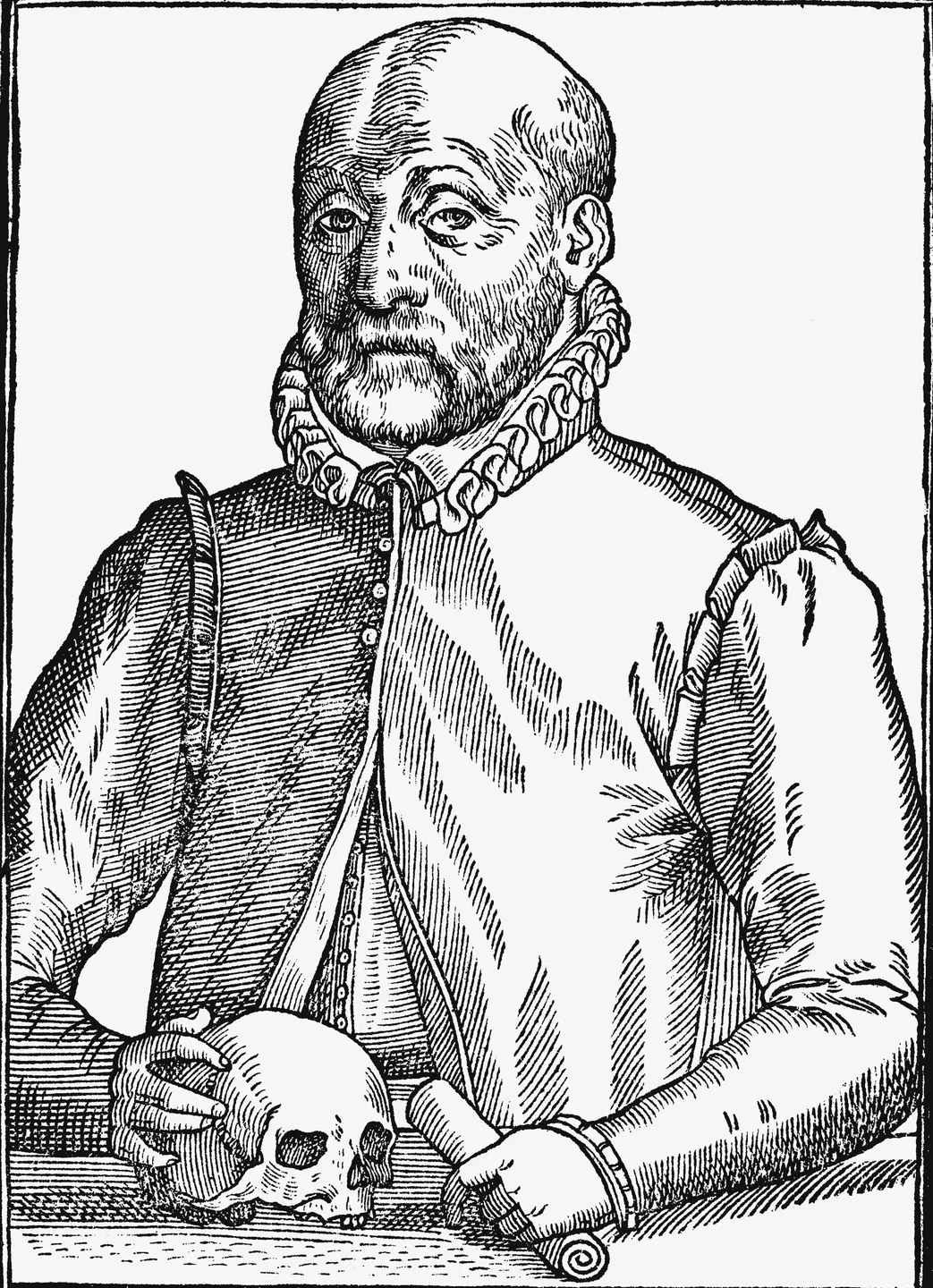
Pseudomonarchia Daemonum is a spirit catalogue associated with Johann Weyer. Its transmission helps explain similarities and differences in the later Ars Goetia.
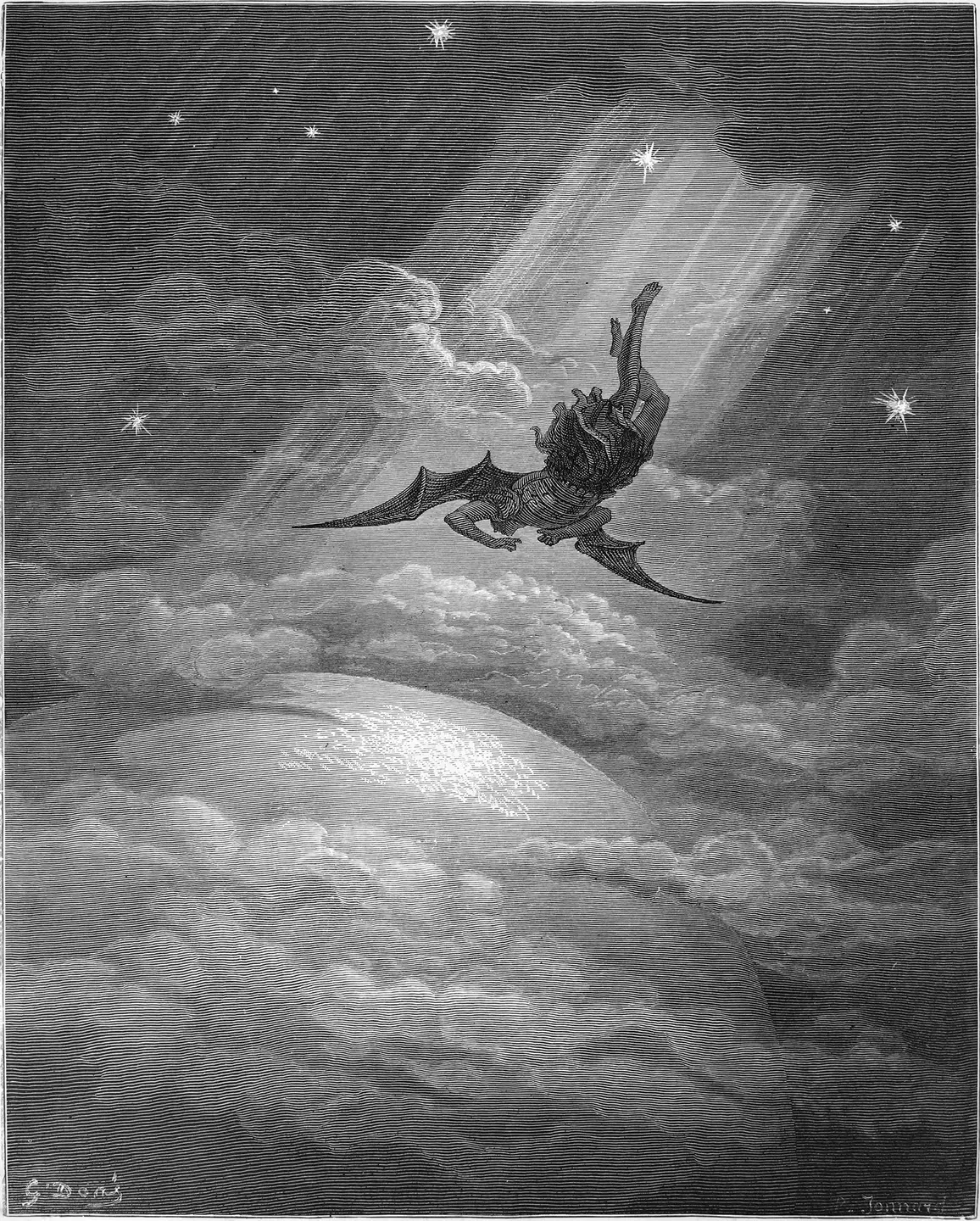
Luciferianism describes different religious and philosophical approaches that give Lucifer a positive role. Belief, practice, and identity vary among writers and communities.
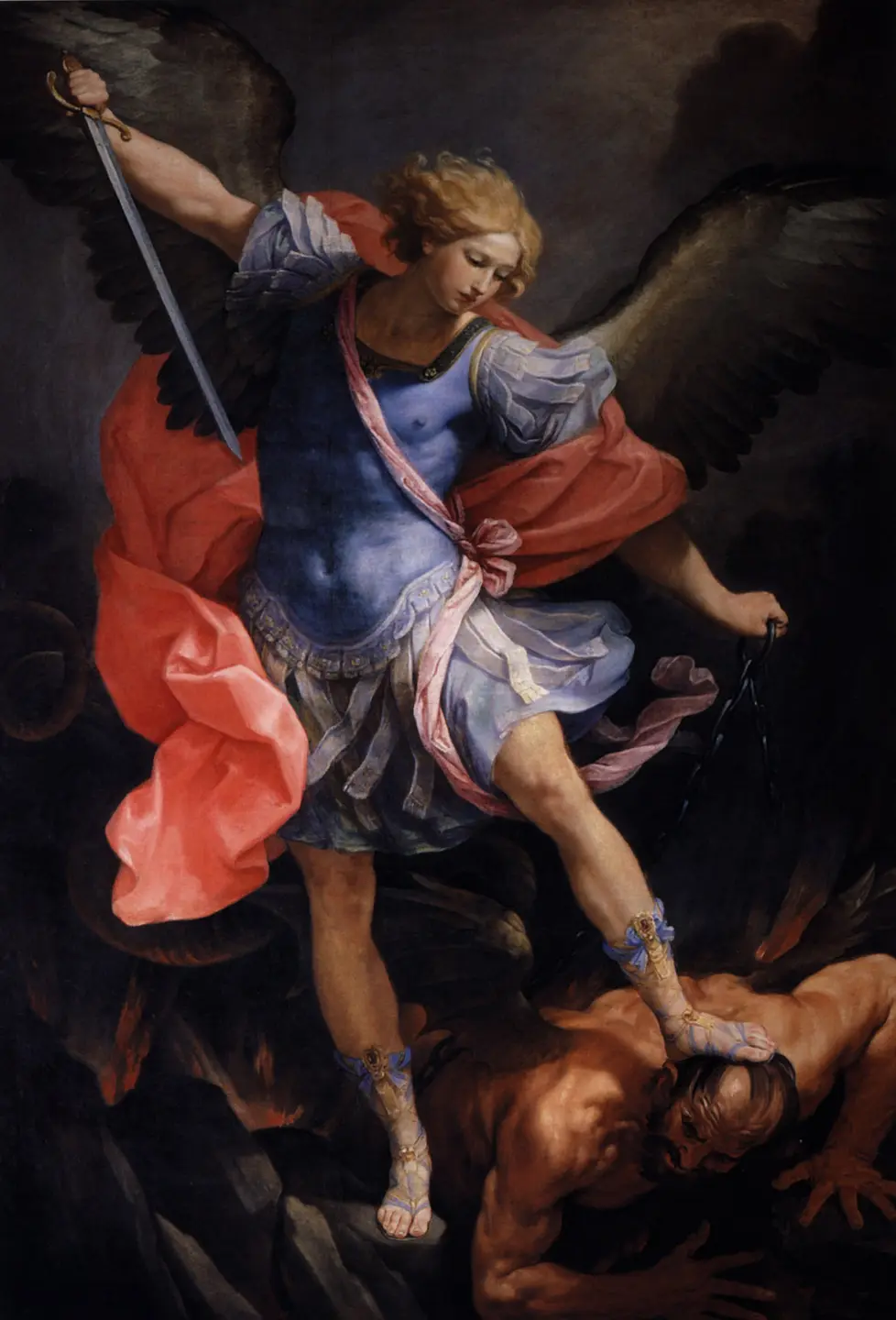
Monotheism and religious dualism concern different questions about ultimate reality. The presence of an adversary does not automatically establish two equal divine principles.
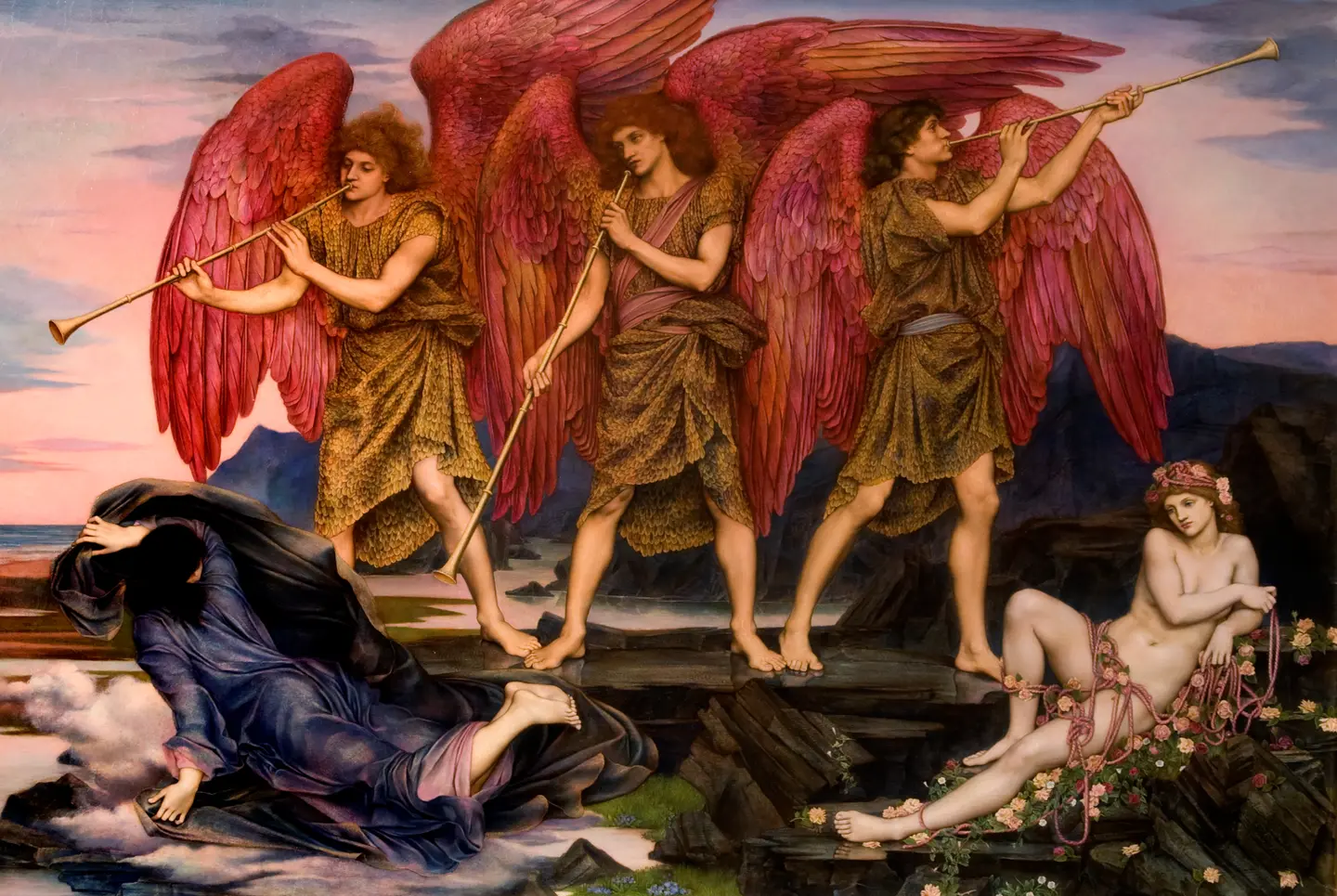
Isaiah 14 addresses the downfall of a ruler through an image of a fallen morning star. Later religious interpretations connect the passage with Lucifer and Satan.
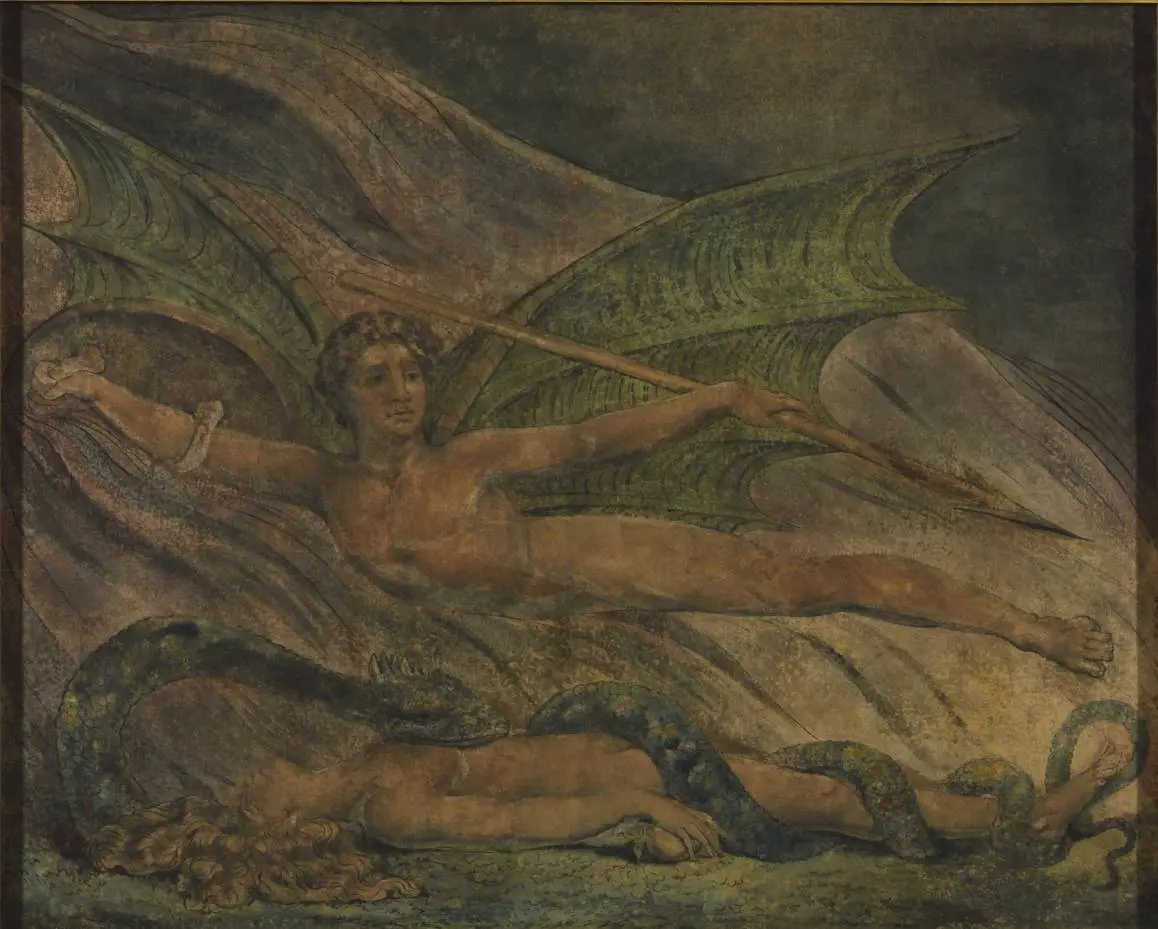
Romantic Satanism concerns literary and political readings that give Satan a positive role in opposition to tyranny or conventional authority. It should be distinguished from membership in a religious organization.
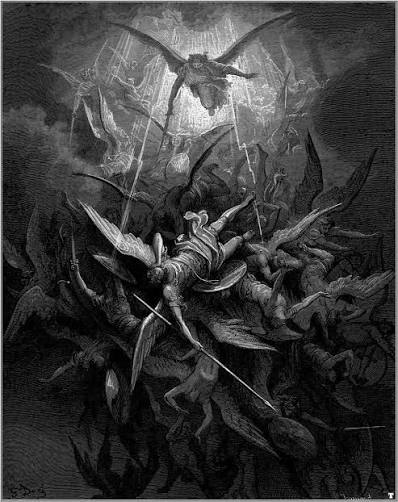
The Book of Giants names a fragmentary Jewish Enochic work represented at Qumran and a related Manichaean adaptation. Its surviving witnesses concern the offspring of the Watchers, ominous dreams, Enoch, and impending judgment.
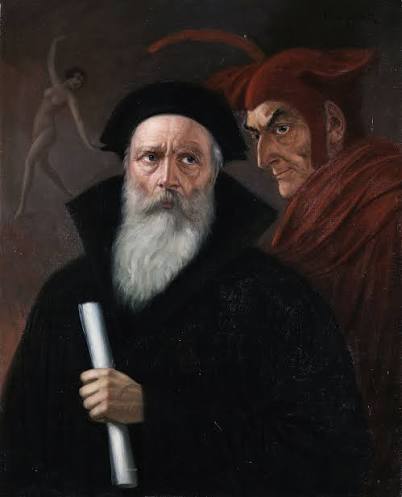
Faust is the scholar or magician at the center of a European legend about bargaining with the Devil. The 1587 Faust book, Marlowe’s Doctor Faustus, and Goethe’s Faust give the story different treatments of knowledge, desire, damnation, and human striving.

The public holiday of 31 October, including lanterns, visiting customs, disguise, and its Celtic and Christian histories.
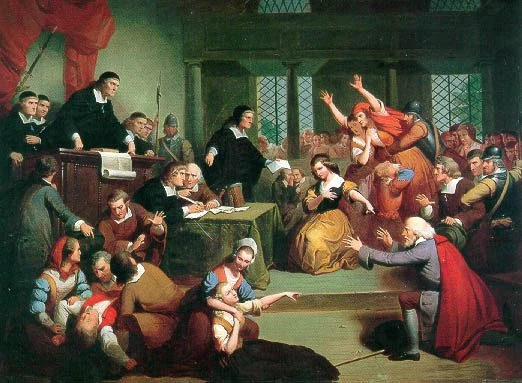
The Massachusetts prosecutions of 1692-1693, the spread of accusations, spectral evidence, and the surviving court archive.
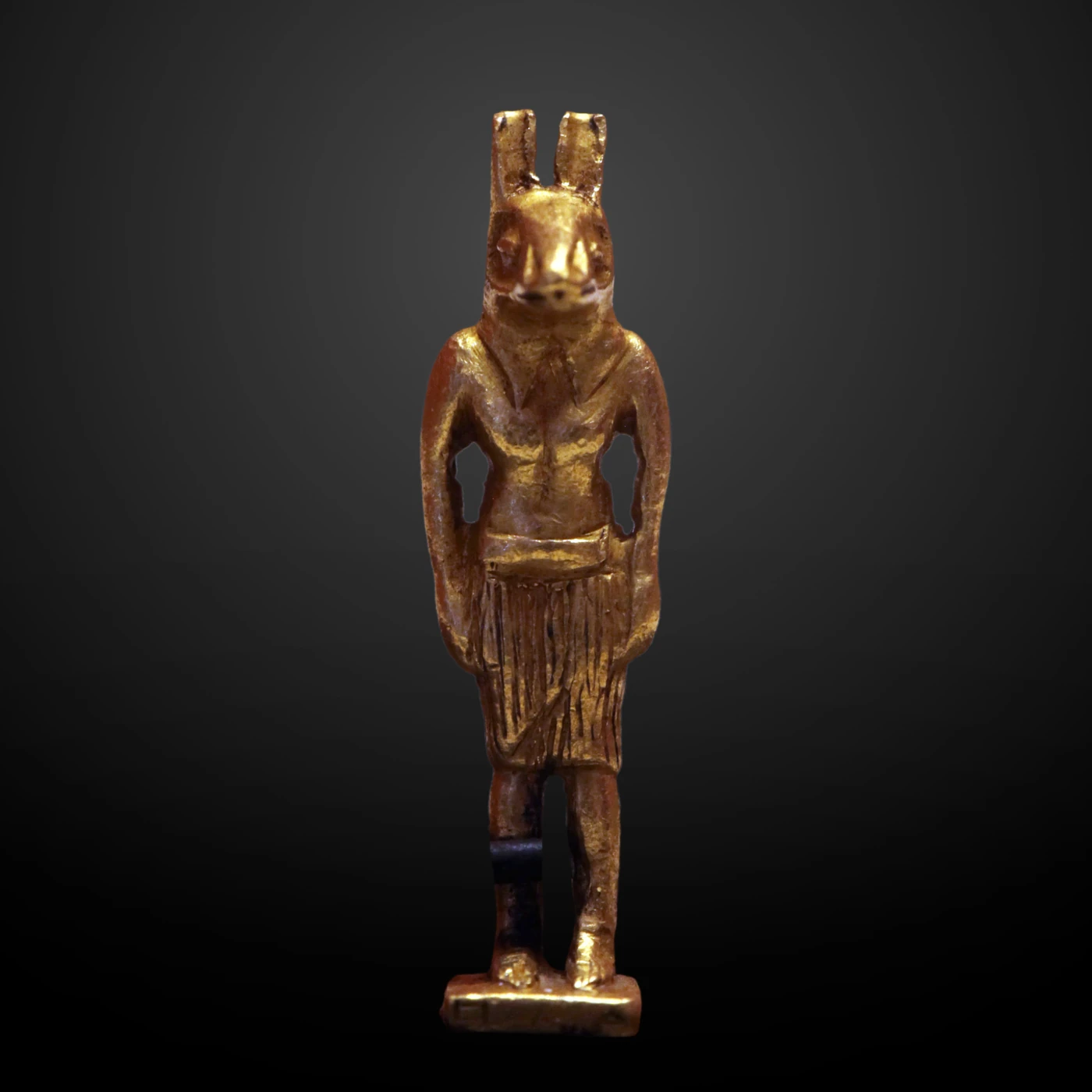
The Temple of Set is an initiatory organization whose identity centers on Set and Xeper. Its relationship with Satanism requires attention to both historical origins and later self-description.
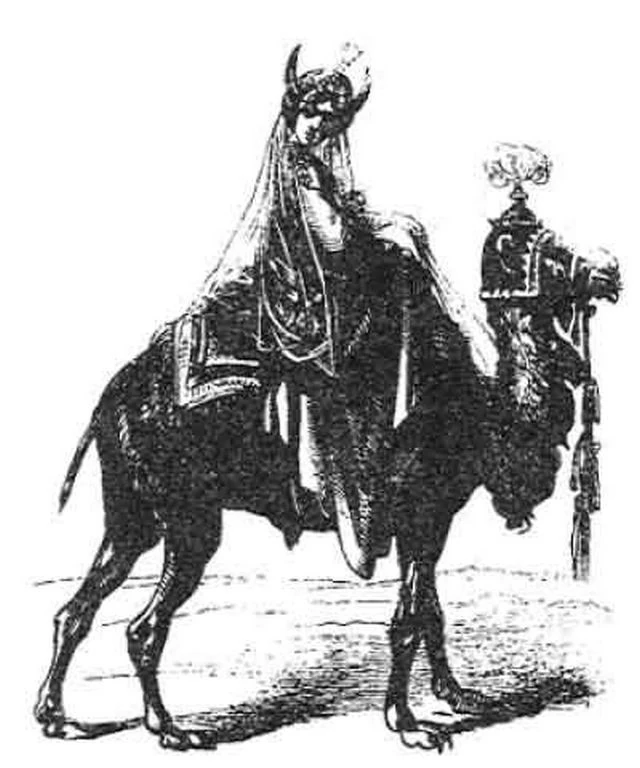
A Goetic duke depicted as a woman on a camel, associated with hidden knowledge, treasure, and attraction.

The central public liturgy of Ecclesia Gnostica Catholica, written by Aleister Crowley as Liber XV.