History
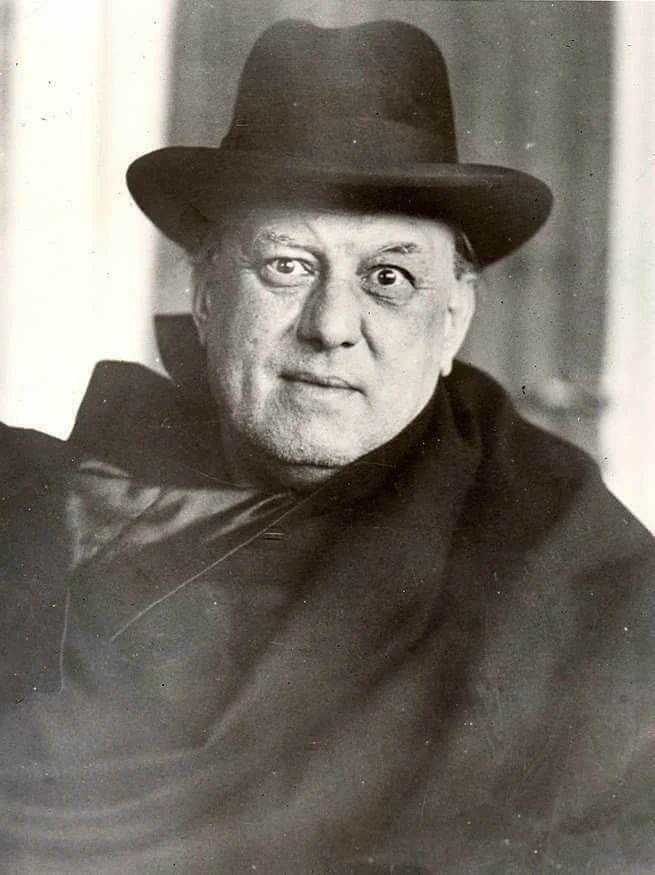
Aleister Crowley
The author and religious figure associated with Thelema, The Book of the Law, and a large body of magical instruction.
The author and religious figure associated with Thelema, The Book of the Law, and a large body of magical instruction.
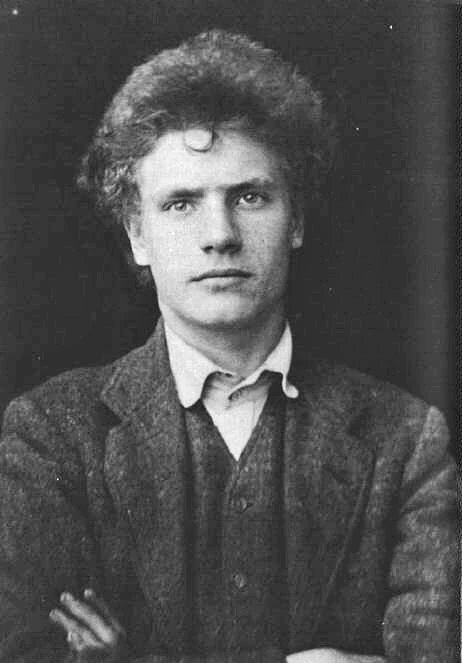
An English artist and occult author whose treatment of desire and sigils influenced later magical practice.
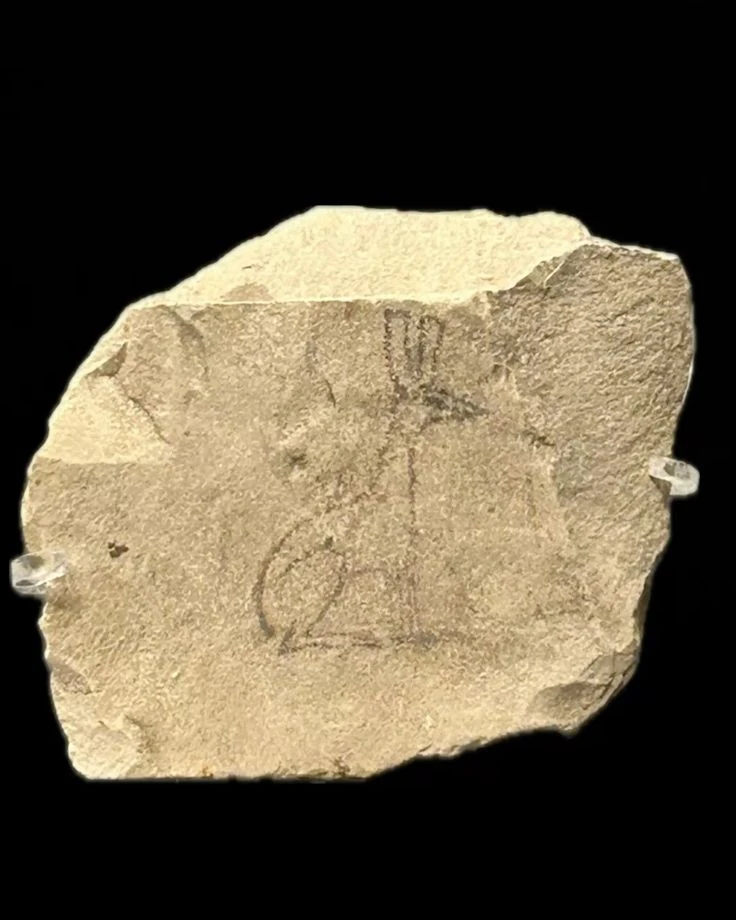
An ancient Egyptian deity associated with conflict and disorder, also reinterpreted in modern Setian religion.
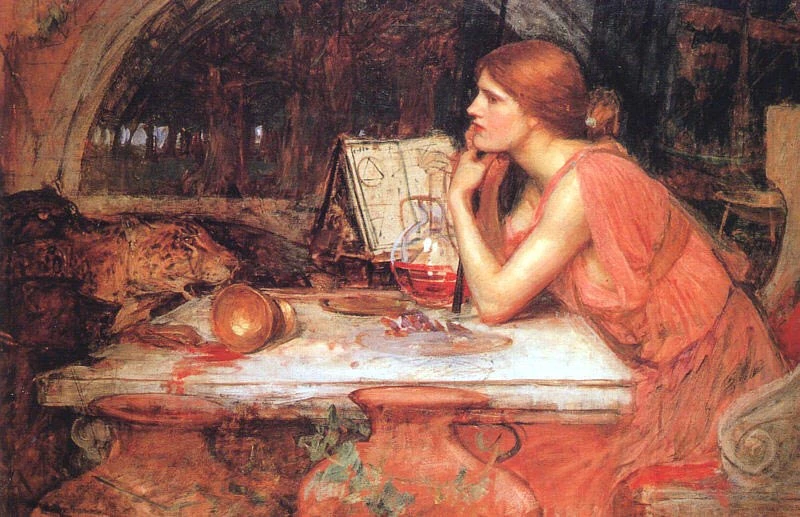
Ceremonies intended to clear, delimit, or reorder a ritual setting, with methods that vary by tradition.
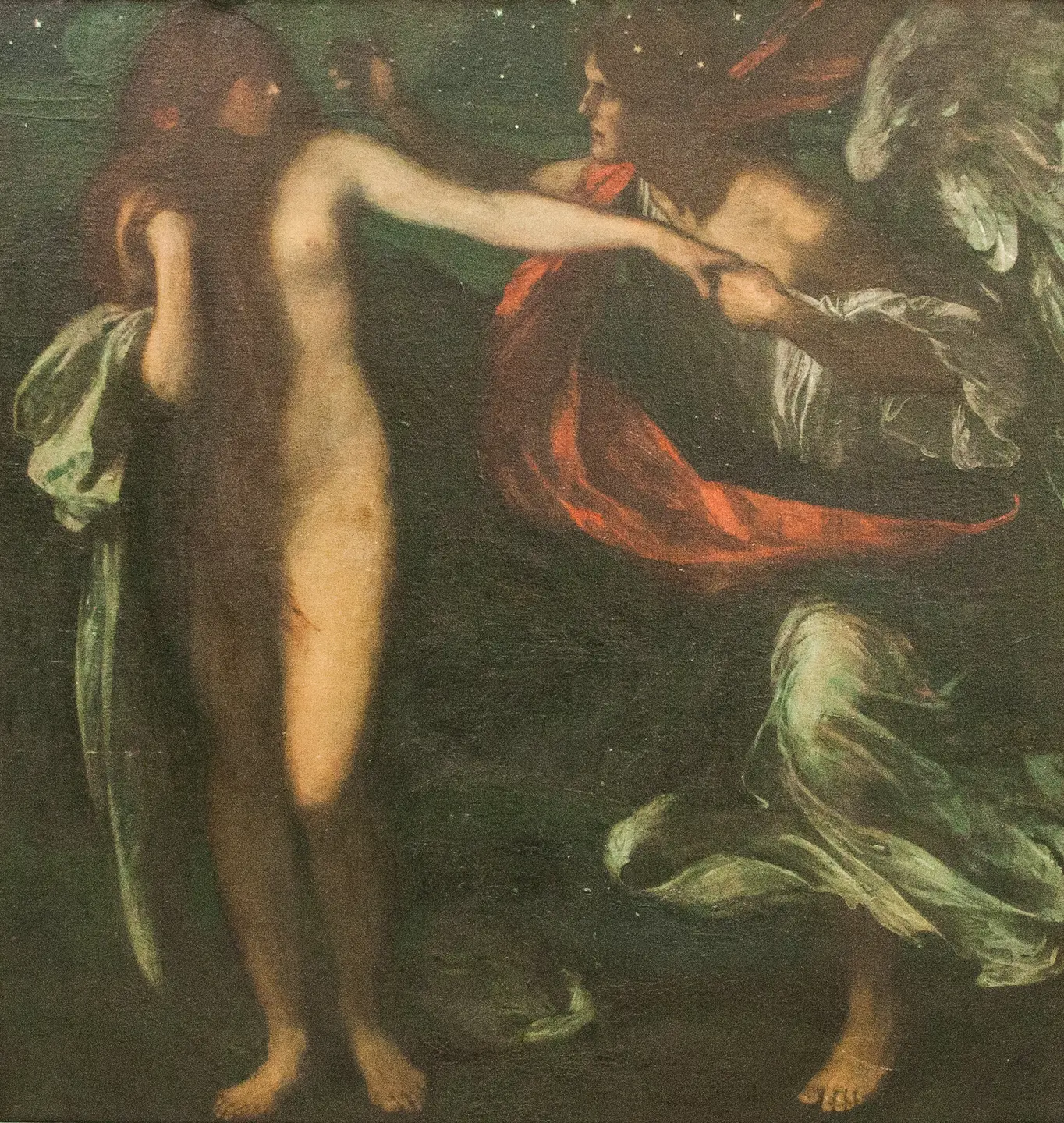
The Nephilim appear in brief biblical passages and in later traditions about giants. Different texts should be distinguished before their accounts are combined.
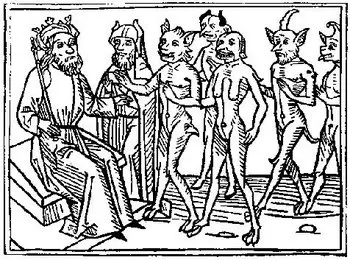
Belial appears in biblical religious language and later spirit catalogues. These uses should be distinguished rather than treated as one unchanged biography.
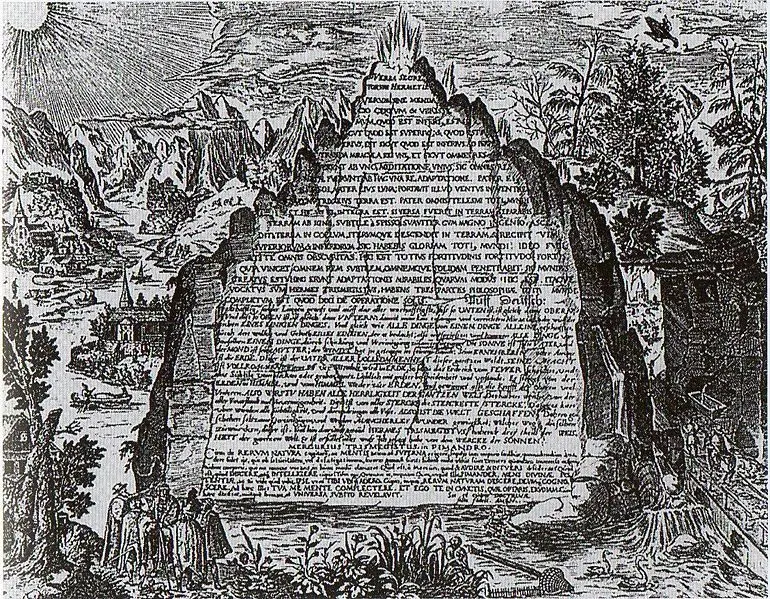
Alchemy concerns historical approaches to material transformation and the interpretation of nature. Spiritual readings form part of its reception but should not replace the material history.
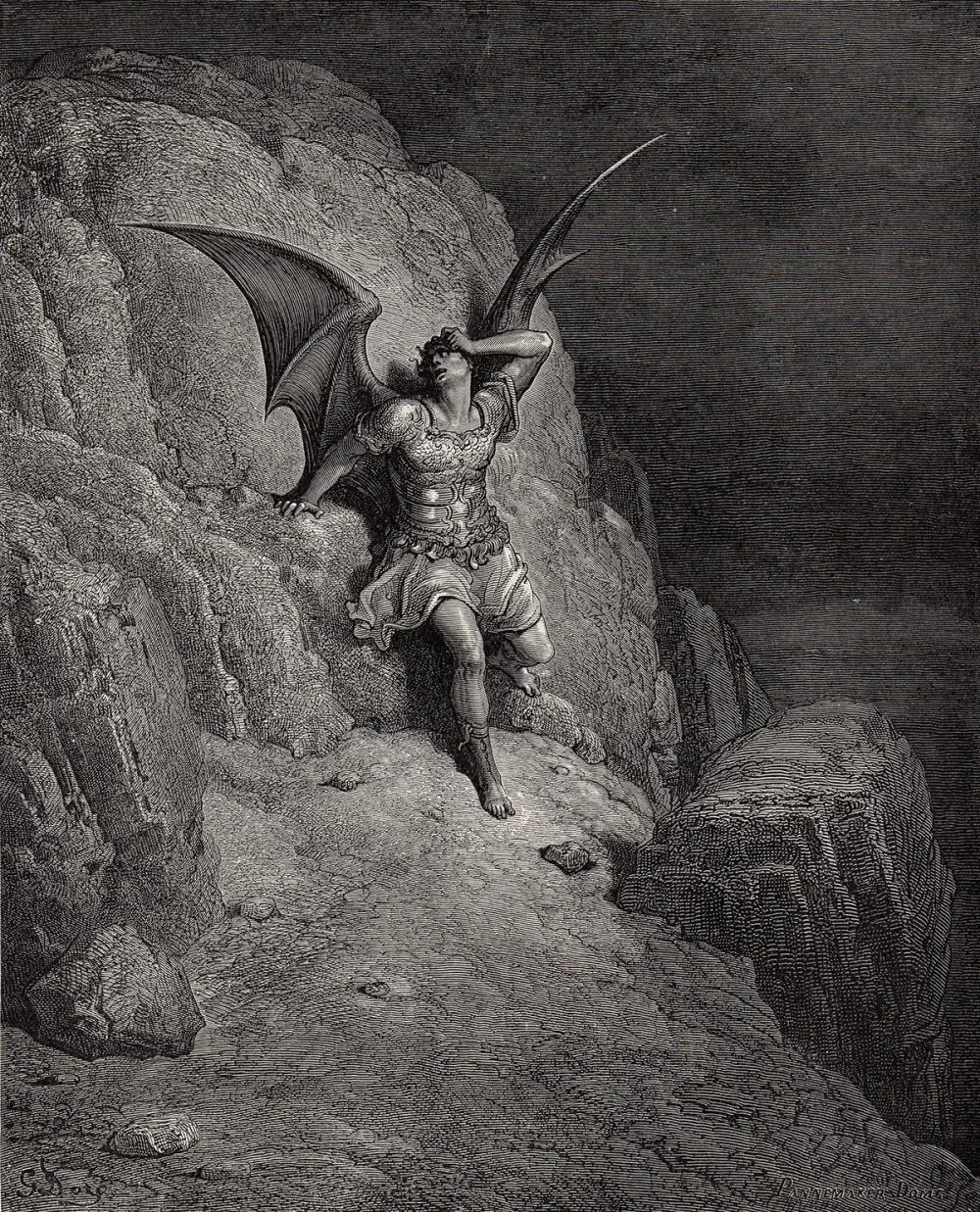
Milton’s Paradise Lost gives Satan an influential literary characterization. His persuasive speeches must be read alongside the narrator’s account and the consequences of his actions.
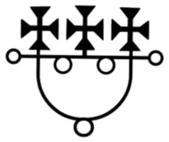
A Goetic prince portrayed with a leopard head and griffin wings, whose stated office concerns desire.

A Goetic duke depicted as a red-clad soldier whose entry concerns attraction and fertility.
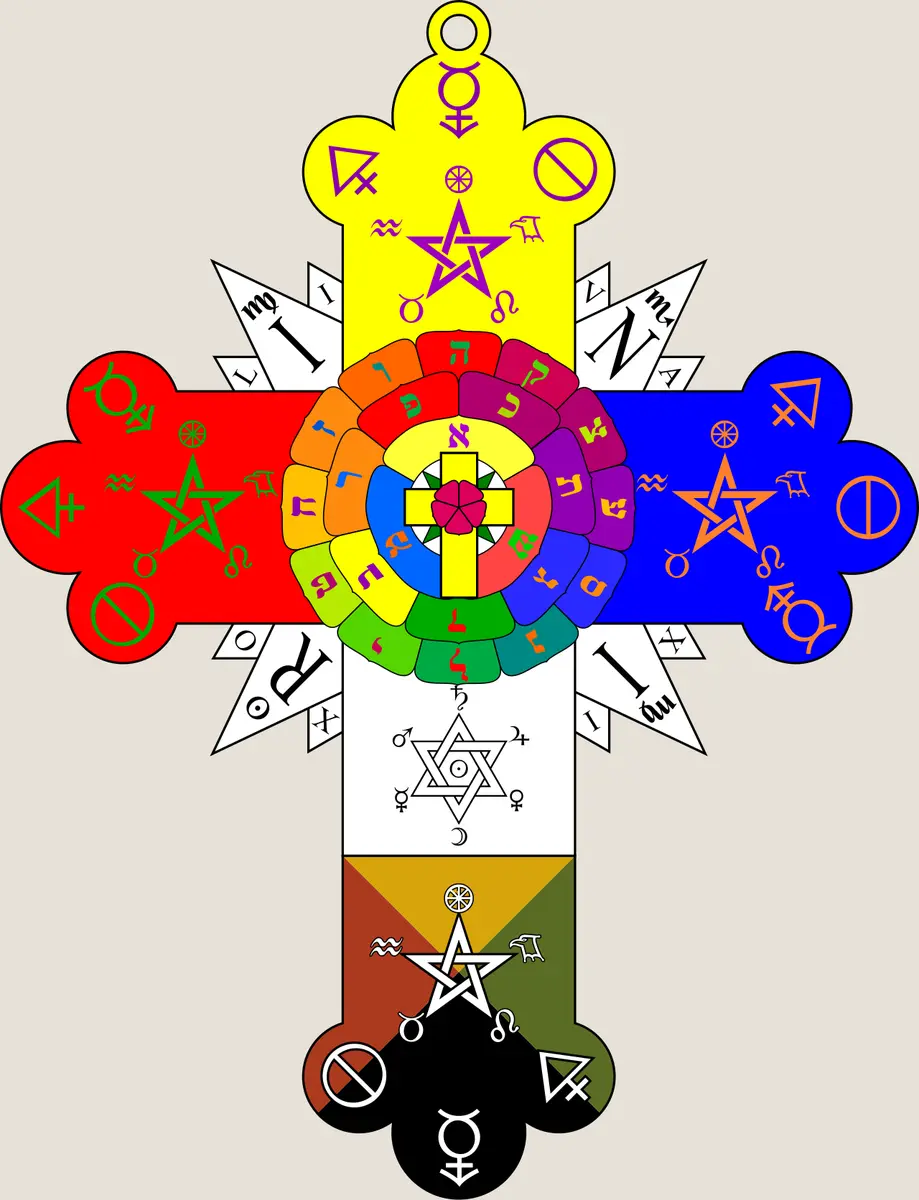
A late nineteenth-century British initiatory order that shaped modern ceremonial magic, Tarot, and Hermetic Qabalah.
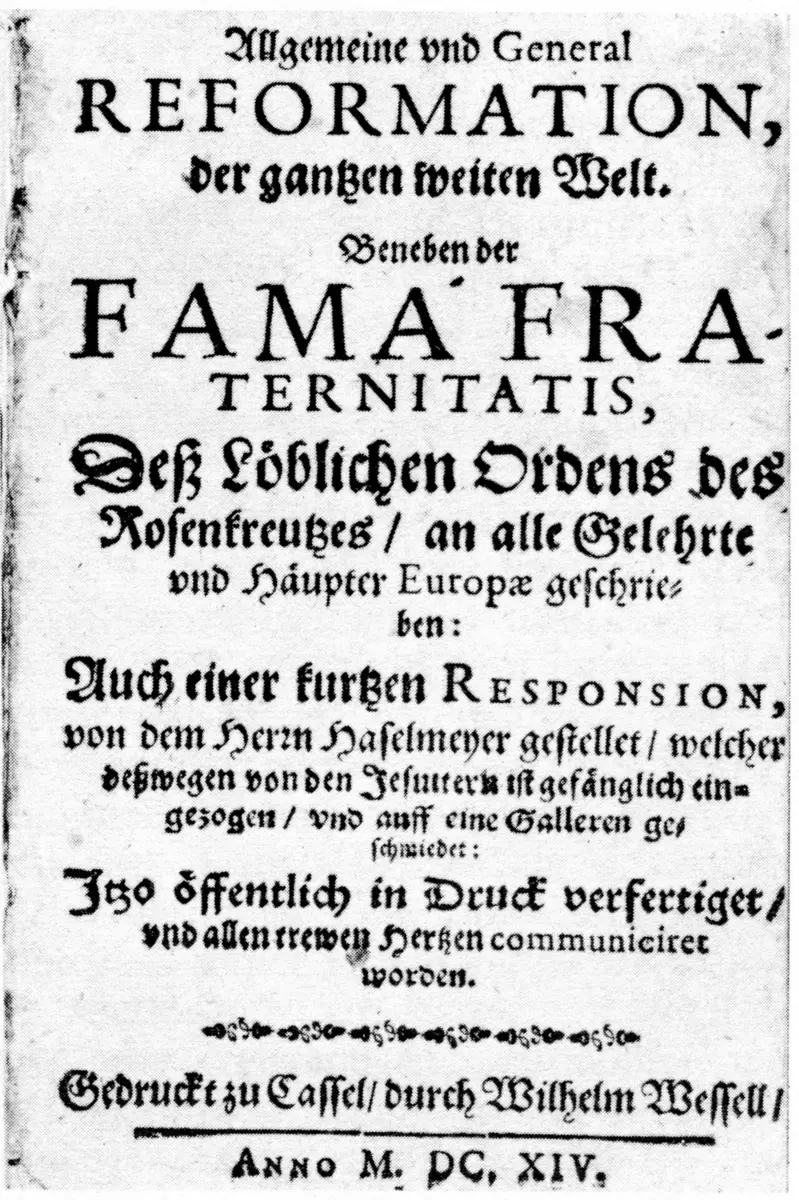
Traditions associated with the rose and cross, the early modern Rosicrucian manifestos, and later initiatory societies.
A grimoire with a hierarchy centered on Lucifer, Beelzebub, and Astaroth, followed by spirit operations and practical recipes.
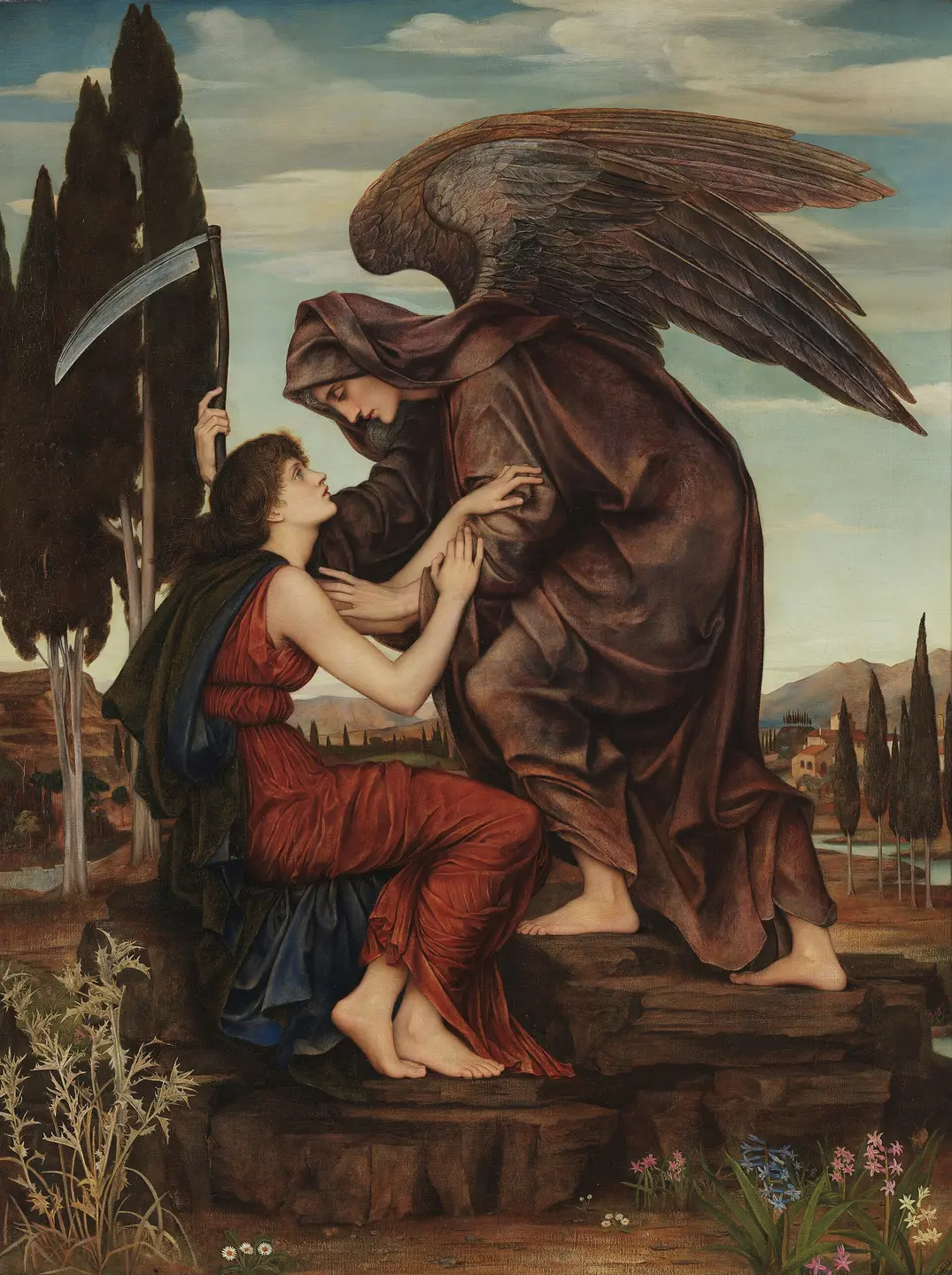
Samael appears in Jewish interpretive literature in roles that vary between texts. His relationship with Satan, the serpent, and other figures should be described source by source.
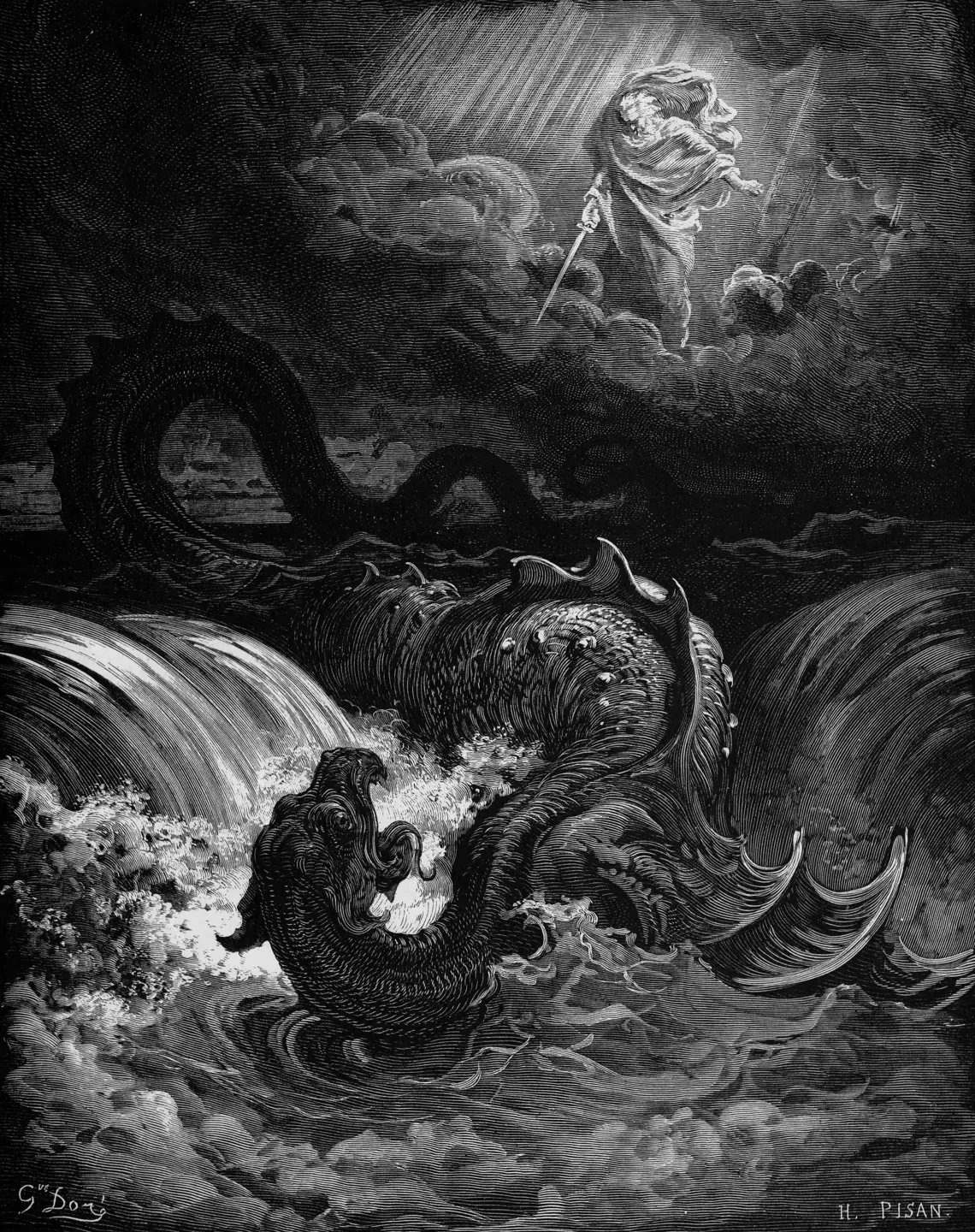
Leviathan appears in biblical poetry and later religious symbolism. The vivid descriptions belong to different literary contexts and should be interpreted accordingly.
Paimon is a royal spirit described in the Ars Goetia and related literature. Musical procession and the teaching of knowledge are important elements of his received image.
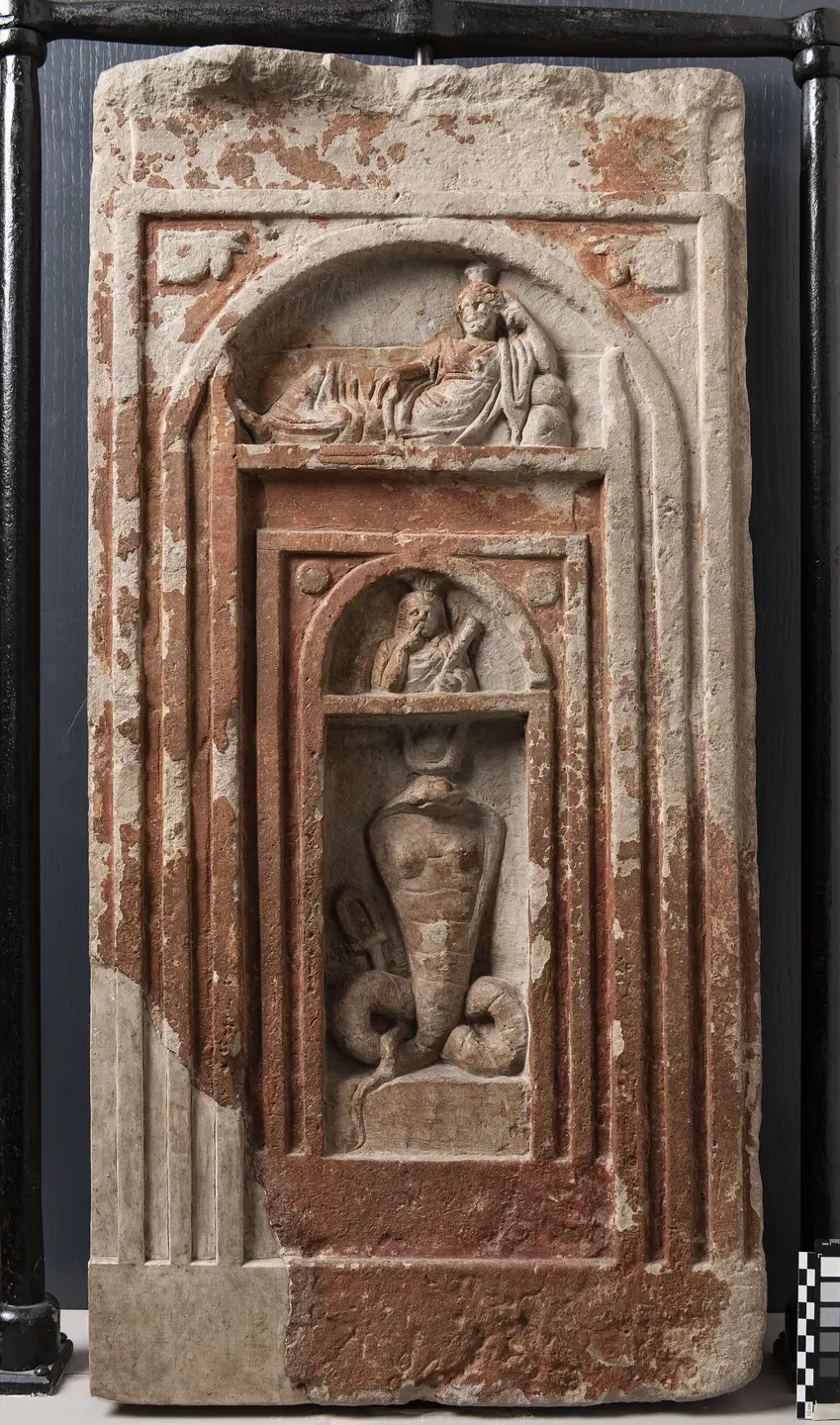
Religious syncretism concerns the combination of ideas, figures, and practices from different traditions. Similarity of names or imagery alone does not establish identity or historical continuity.
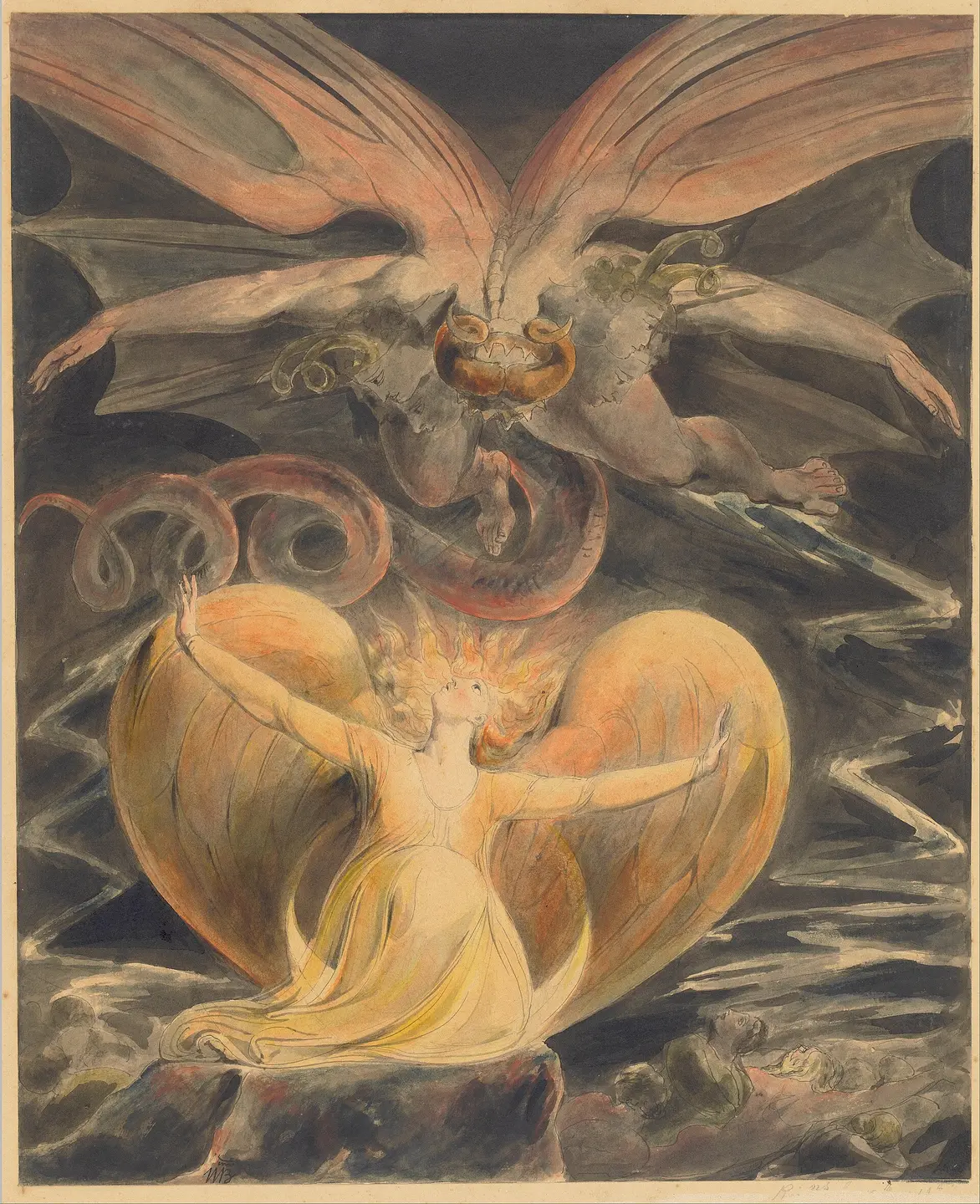
Revelation 12 identifies its dragon with the Devil and Satan. The chapter’s imagery should be read in its apocalyptic narrative before being used to interpret other passages.