Search

Results for “Grigorist Temple of Satanael”

226 resultsResults prioritize title matches, then summaries and article text.Try topic browsing →
Theistic Satanism

Symbolic and theistic Satanism

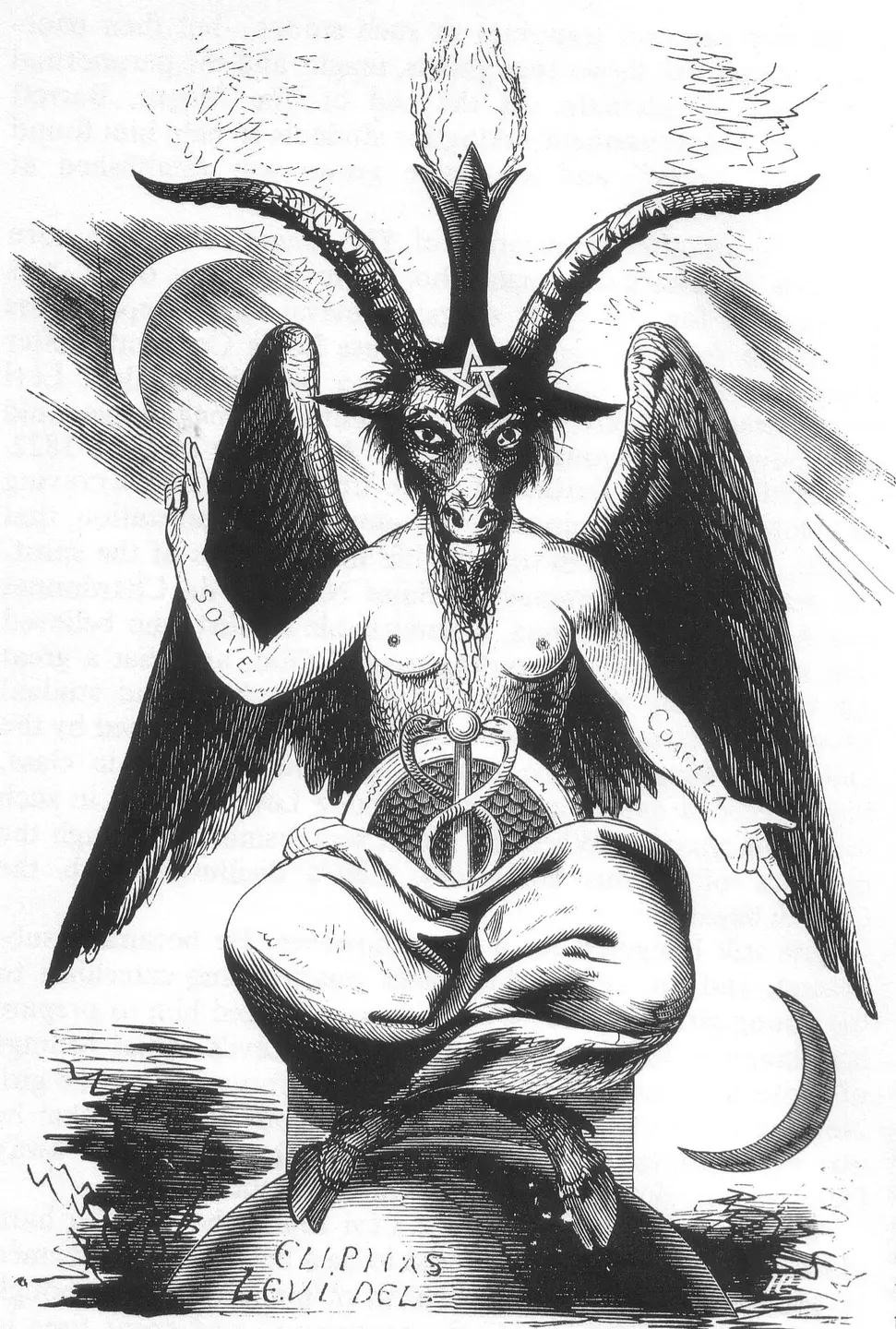
Symbolic and theistic Satanism are broad labels used to distinguish Satanist traditions according to how they understand Satan’s reality. In theistic Satanism, Satan is ordinarily regarded as a real deity, spirit, intelligence, or independently existing being. In symbolic or non-theistic Satanism, Satan is understood primarily as a symbol, literary figure, archetype, cultural adversary, or name for a…
History

Nephilim

The Nephilim appear in brief biblical passages and in later traditions about giants. Different texts should be distinguished before their accounts are combined.

Demonology & Spirits

Beelzebub

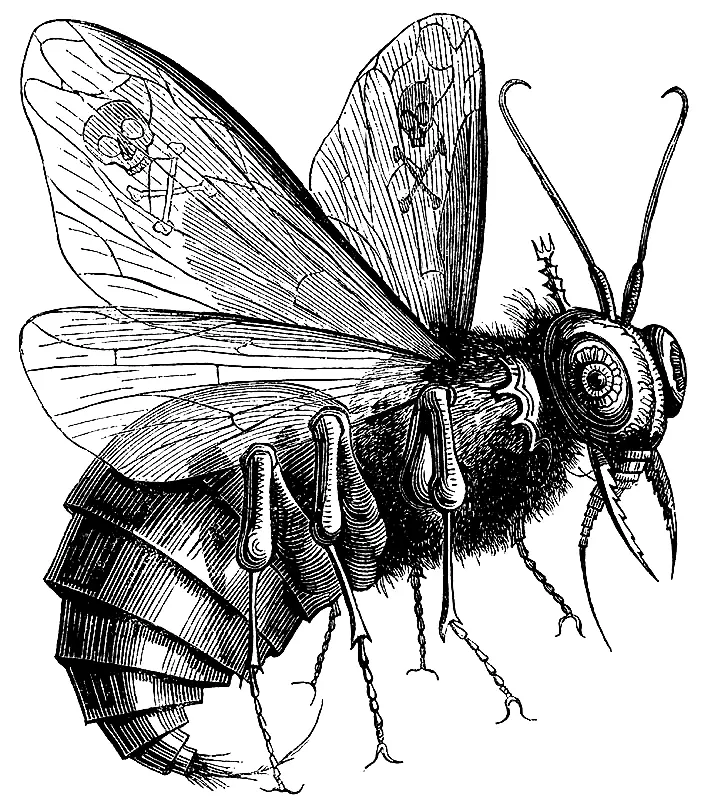
Beelzebub and related spellings appear in distinct biblical contexts. Later demonological interpretations should not be retroactively read into each earlier occurrence.

History

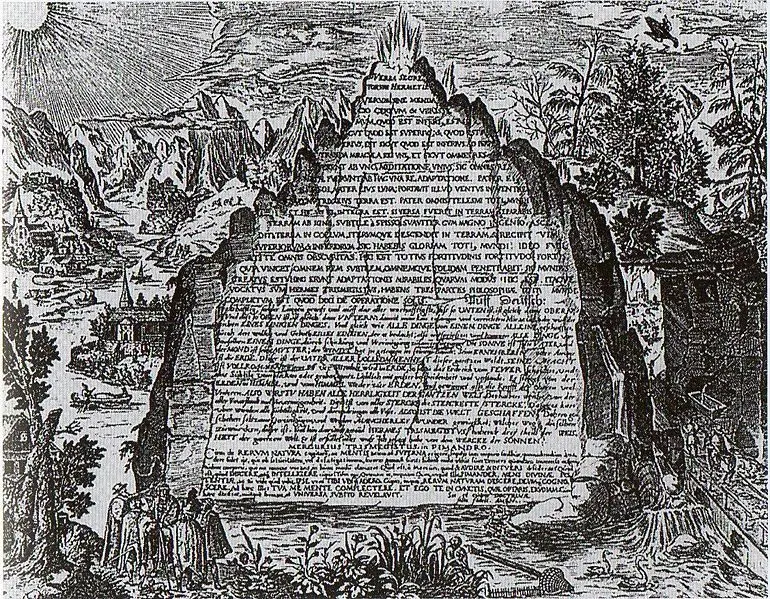
Alchemy

Alchemy concerns historical approaches to material transformation and the interpretation of nature. Spiritual readings form part of its reception but should not replace the material history.

Culture & Ethics

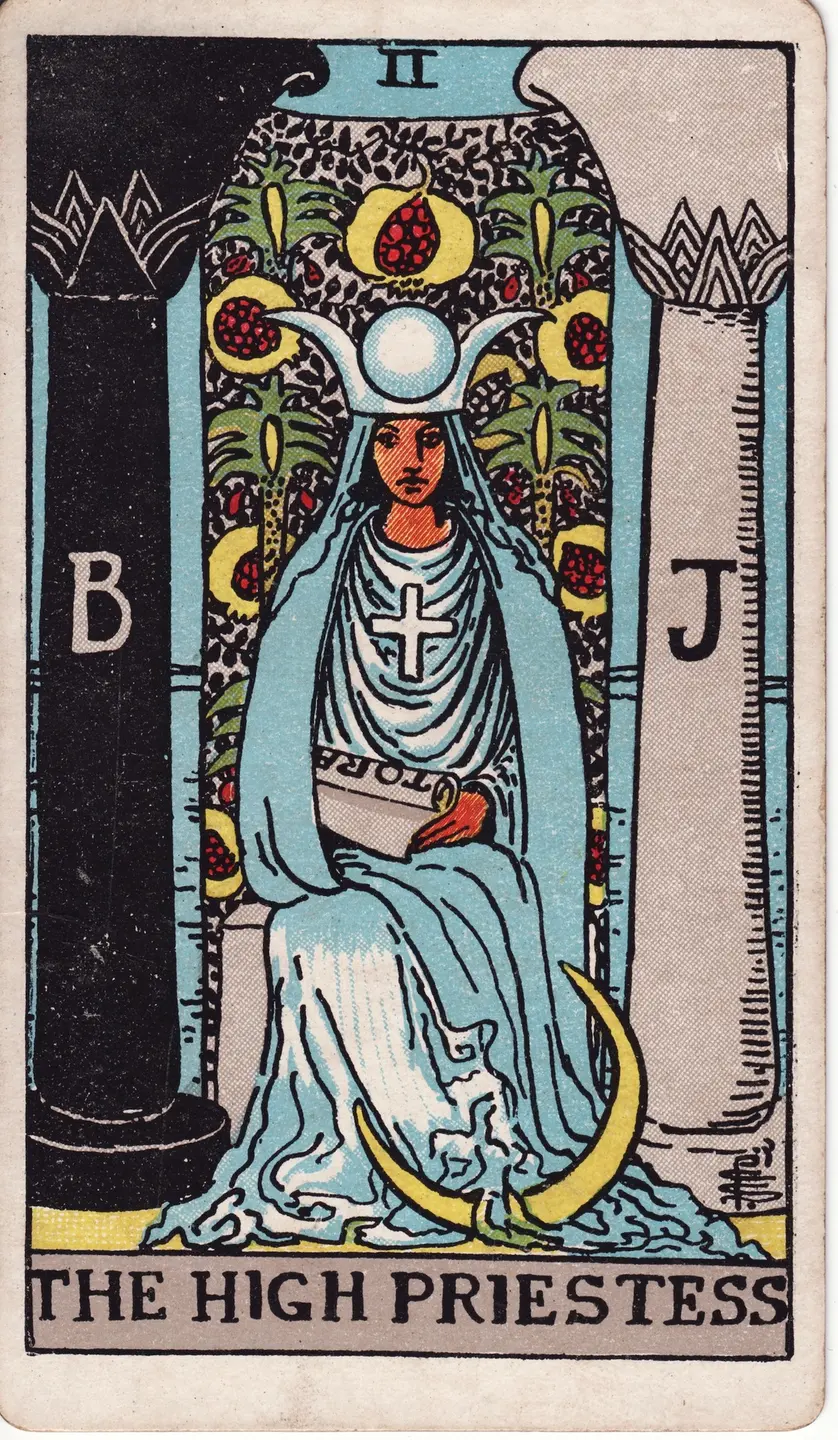
Tarot

Tarot developed as playing cards before becoming an influential tool of occult interpretation. The history of the cards differs from later claims about their hidden origins.

Devotional Practice

Ceremonial magic

Ceremonial magic uses formally organized ritual actions. Its historical systems combine preparation, symbols, instruments, and accounts of spiritual authority in different ways.

Devotional Practice

Religious experience and discernment

Religious discernment concerns how experiences are interpreted and assessed. An immediate event, a theological explanation, and a claim about another person require different kinds of evidence.

Culture & Ethics

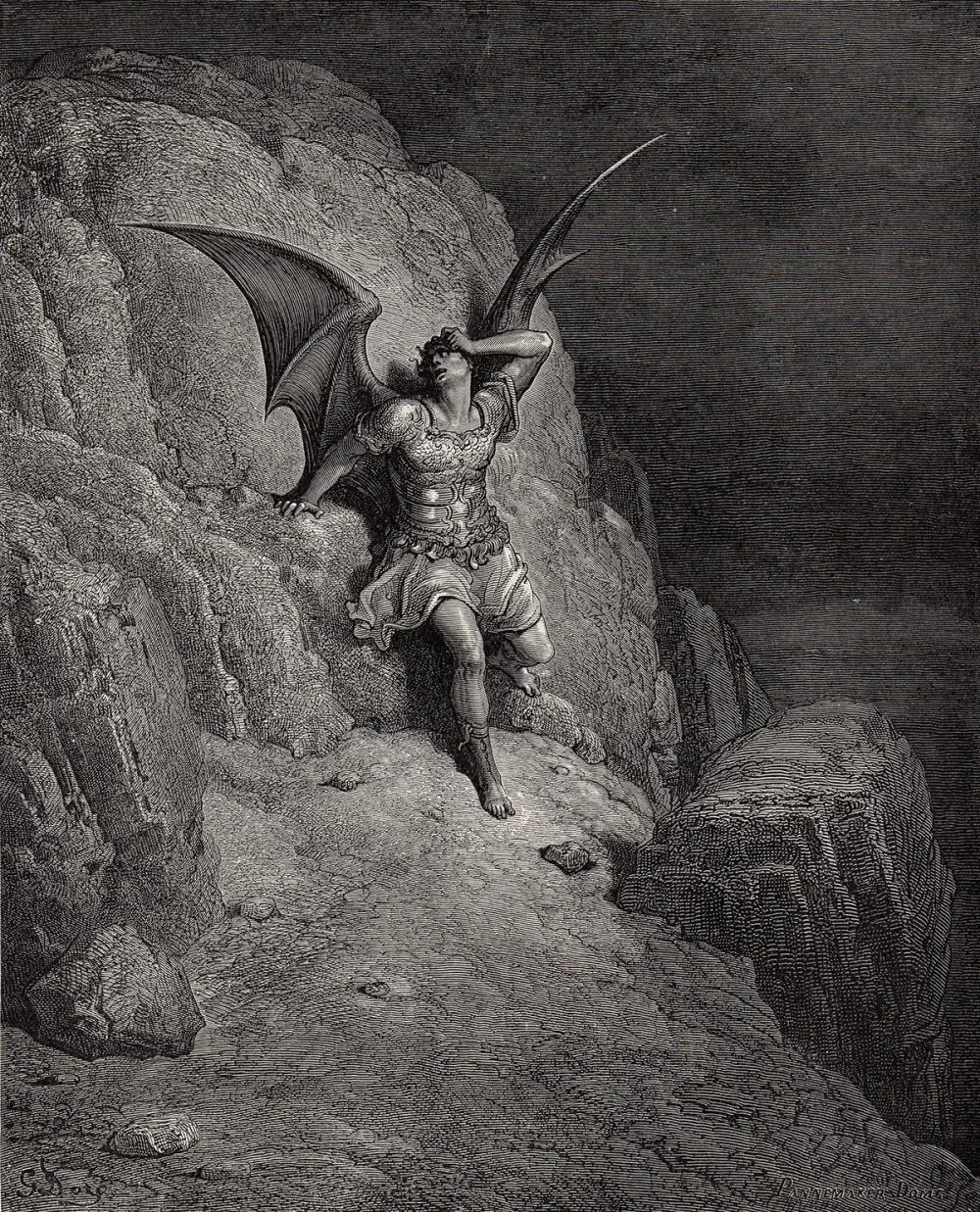
Satan in Paradise Lost

Milton’s Paradise Lost gives Satan an influential literary characterization. His persuasive speeches must be read alongside the narrator’s account and the consequences of his actions.

Demonology & Spirits

Vassago

A Goetic prince associated with finding lost things and knowledge of past and future events.

Demonology & Spirits

Samigina

A Goetic marquis, also called Gamigin, associated with liberal studies and accounts of deceased souls.

Demonology & Spirits

Sitri

A Goetic prince portrayed with a leopard head and griffin wings, whose stated office concerns desire.

Demonology & Spirits

Purson

A Goetic king riding a bear, with offices concerning hidden knowledge, treasure, and cosmology.

Demonology & Spirits

Morax

A Goetic spirit called Morax or Marax, associated with astronomy and the properties of plants and stones.

Demonology & Spirits

Bune

A Goetic duke associated with wealth, eloquence, and the places of the dead.

Demonology & Spirits

Phenex

A Goetic marquis in phoenix form, associated with poetry, learning, and a hope of heavenly restoration.

Demonology & Spirits

Halphas

A Goetic earl associated with fortification and military supply, often confused with Malphas.

Demonology & Spirits

Raum

A Goetic earl associated with royal treasure, the destruction of cities, and altered relationships.

Demonology & Spirits

Haagenti

A Goetic president with a winged bull form, associated with wisdom and the transformation of substances.

Demonology & Spirits

Crocell

A Goetic duke, also called Procel, associated with geometry, hidden matters, and sounds of water.

Demonology & Spirits

Murmur

A Goetic spirit associated with philosophy and the compelled appearance of deceased souls.