Organizations & Traditions
Temple of Set
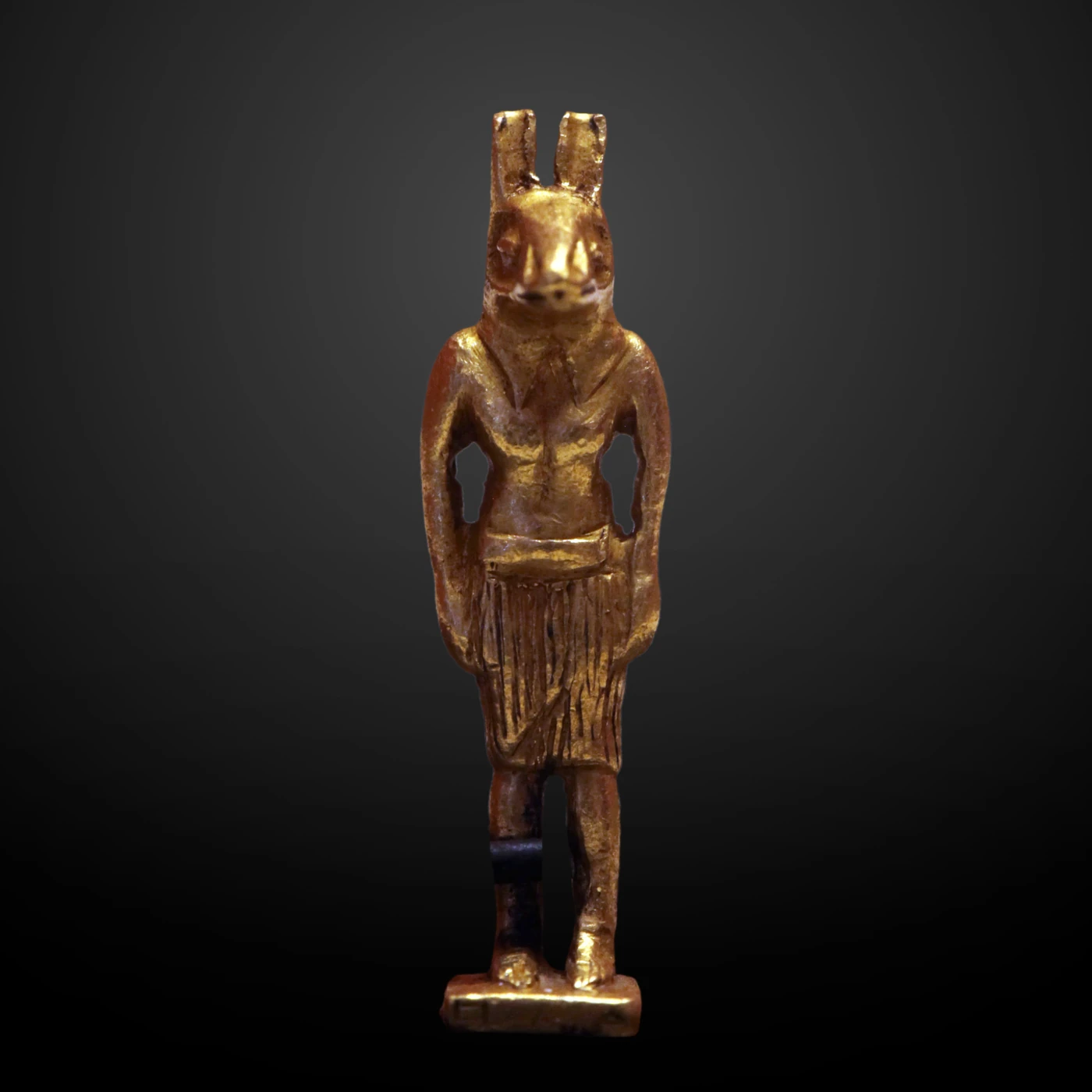
The Temple of Set is an initiatory organization whose identity centers on Set and Xeper. Its relationship with Satanism requires attention to both historical origins and later self-description.
The Temple of Set is an initiatory organization whose identity centers on Set and Xeper. Its relationship with Satanism requires attention to both historical origins and later self-description.

Anton LaVey’s 1969 book of Satanic philosophy and ritual, foundational to the Church of Satan.

The founder of the Church of Satan and author of The Satanic Bible and The Satanic Rituals.
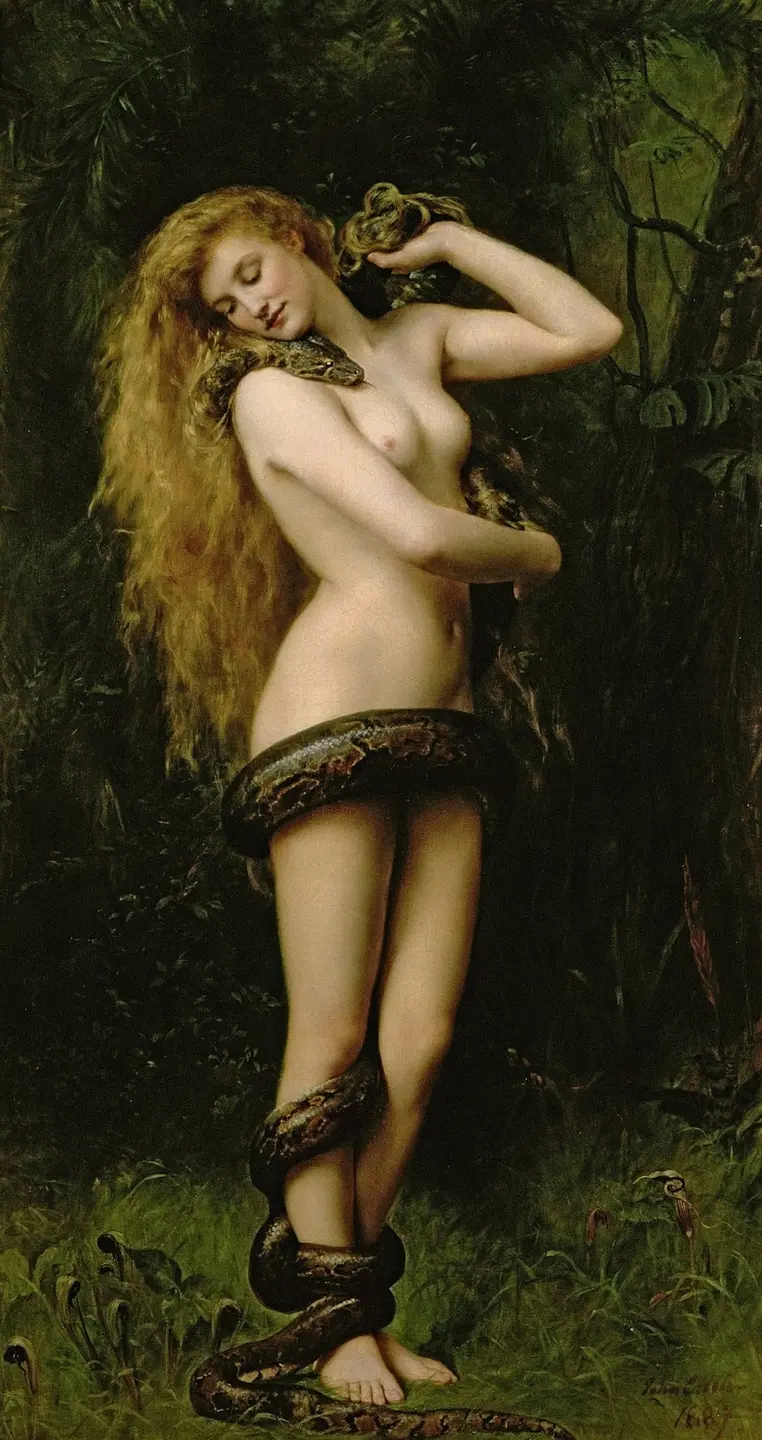
Lilith is a figure whose history spans ancient Near Eastern demonology, Jewish folklore, medieval protective magic, Kabbalah, literature, feminist reinterpretation, modern occultism, and contemporary Satanic or Luciferian religion. She is often introduced today as “Adam’s first wife,” but that familiar story is medieval rather than biblical. Earlier sources describe beings called lilith or lilin in…
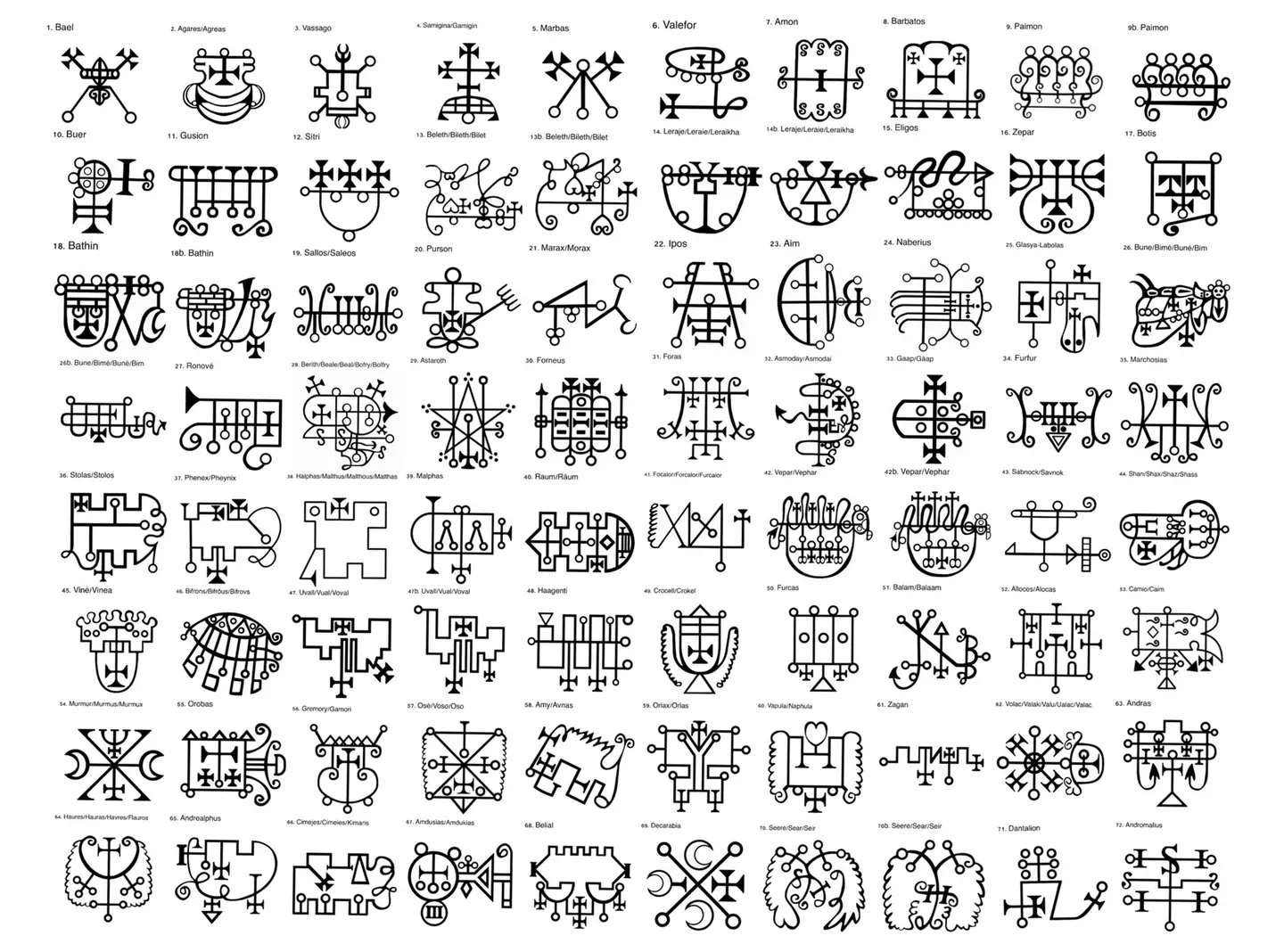
The Ars Goetia is the first section of the Lemegeton or Lesser Key of Solomon, an early modern English compilation of ceremonial magic. It is famous for a catalogue of seventy-two spirits, each described by name, rank, appearance, abilities, and a seal or character. In modern occultism the term “Goetia” is often used loosely for demon-summoning or work with these spirits, but historically the Ars Goetia…
1 Enoch brings together accounts of heavenly beings, judgment, celestial order, and righteousness. It is a composite work rather than a single continuous biography of Enoch.
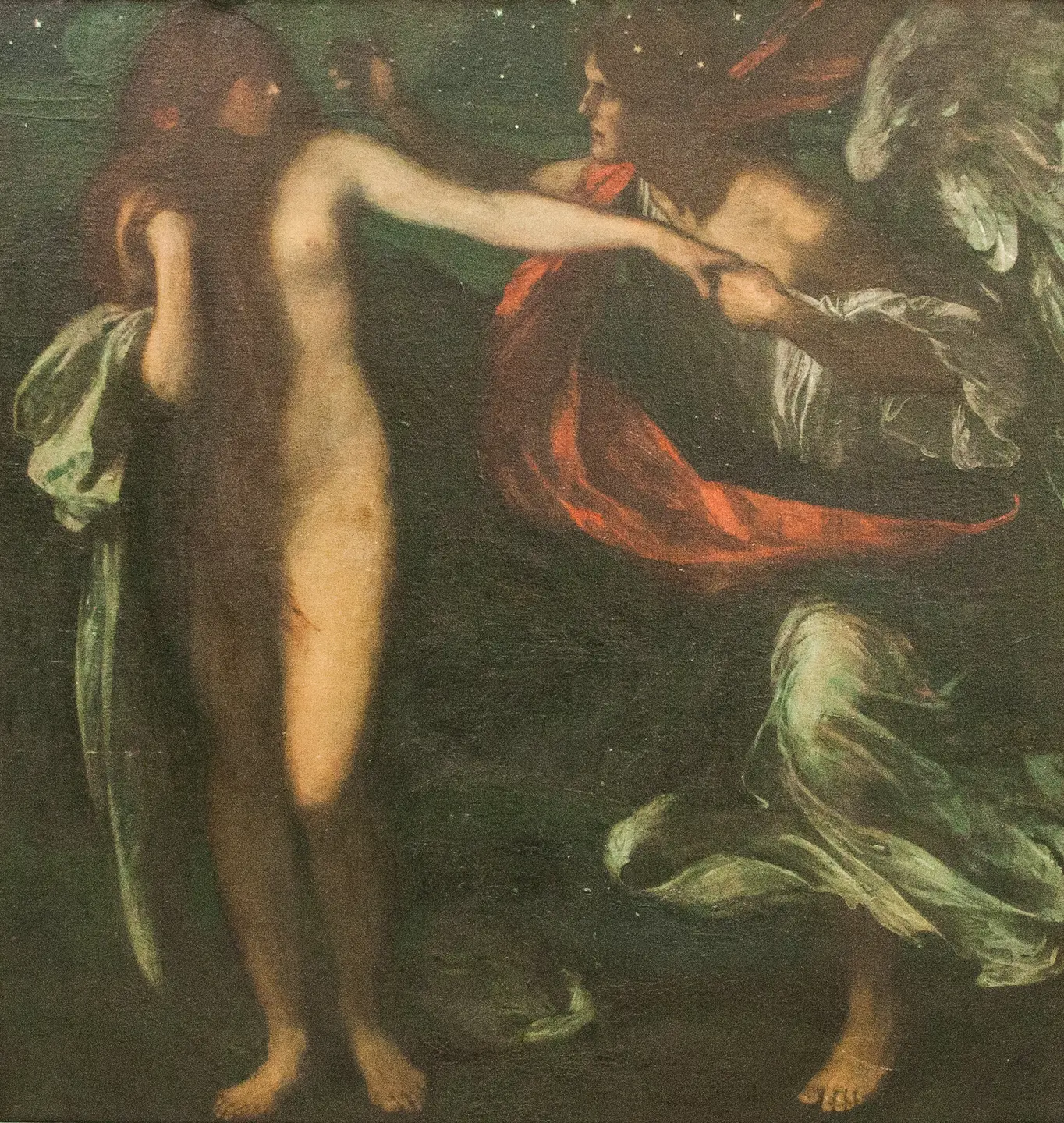
The Nephilim appear in brief biblical passages and in later traditions about giants. Different texts should be distinguished before their accounts are combined.
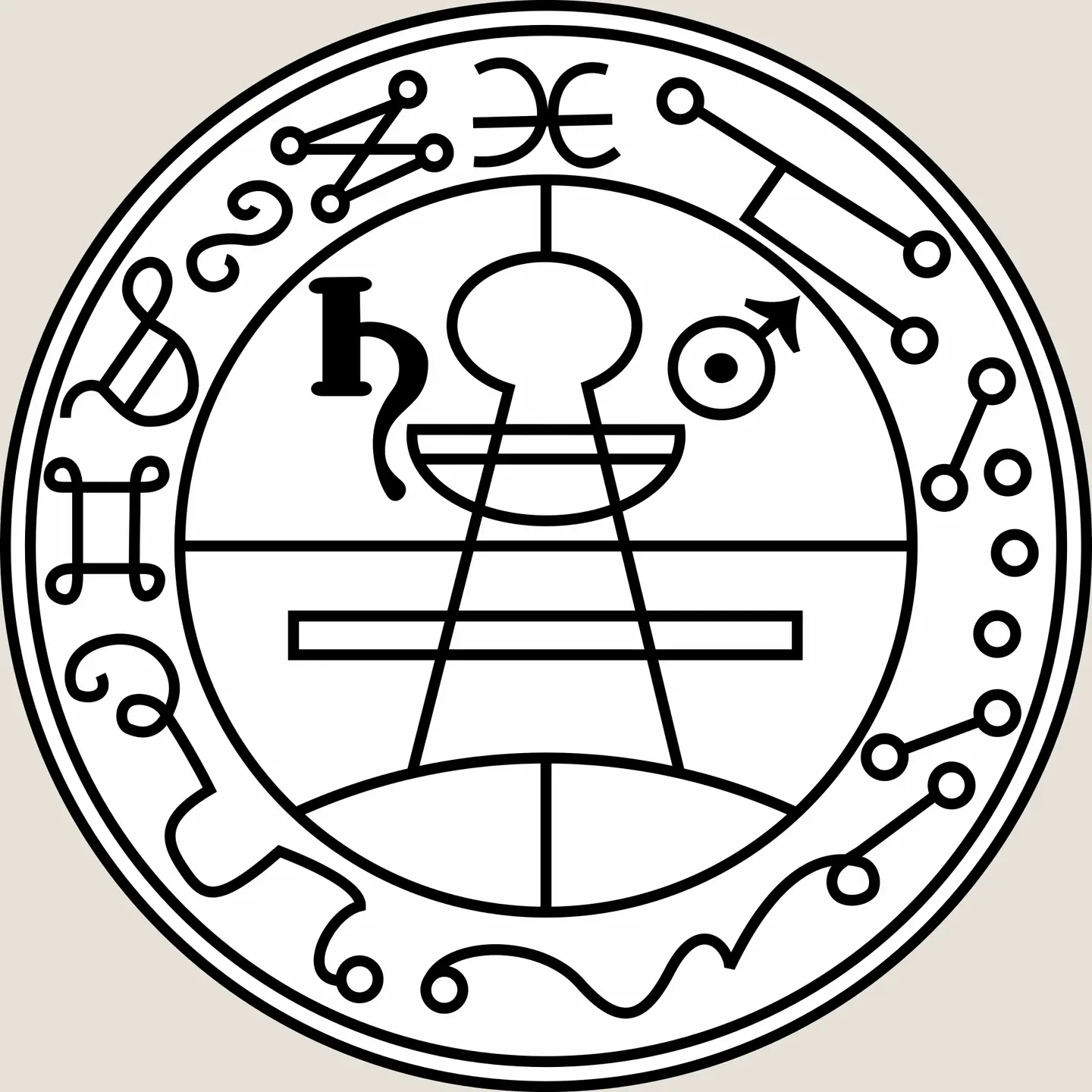
Sigils are graphic signs used in particular magical systems. Historical spirit seals, ceremonial figures, and modern personal signs should be distinguished.

A Goetic president associated with learned subjects and transformations that alter a person's understanding of identity.
A mounted Goetic marquis associated with grammar, rhetoric, logic, and hidden treasure.

An initiatory organization associated with Thelema and the public celebration of the Gnostic Mass.

Traditions associated with the rose and cross, the early modern Rosicrucian manifestos, and later initiatory societies.

A founder and major author of the Temple of Set, associated with the modern Setian interpretation of Xeper.
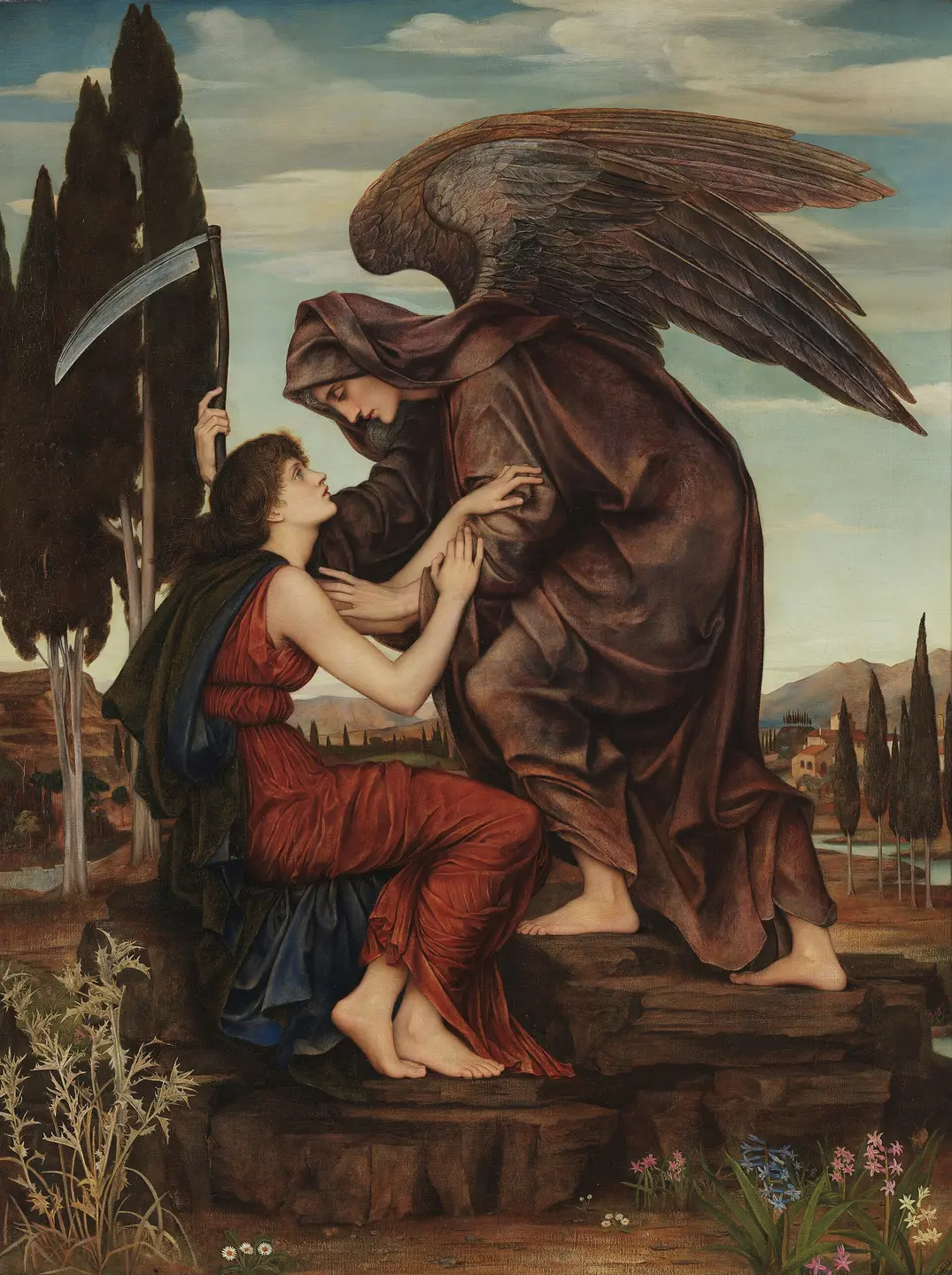
Samael appears in Jewish interpretive literature in roles that vary between texts. His relationship with Satan, the serpent, and other figures should be described source by source.
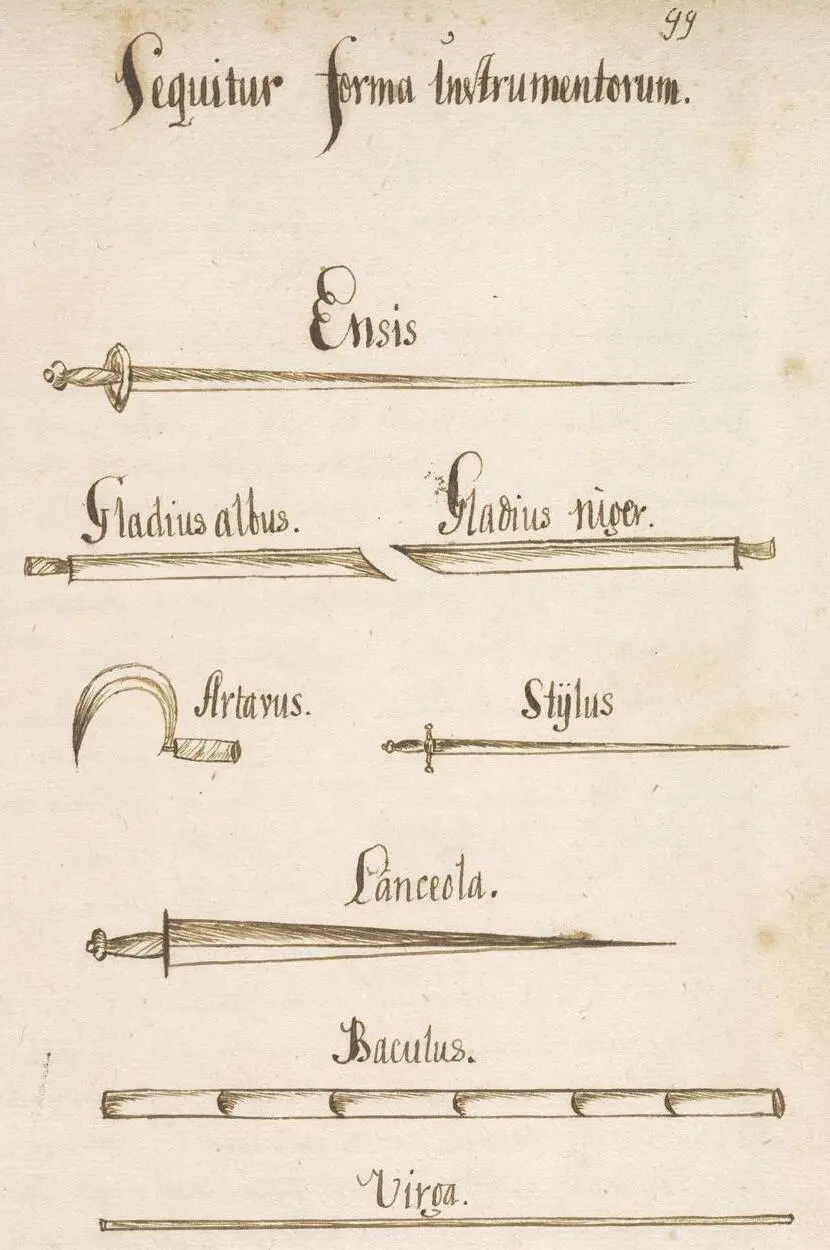
The Key of Solomon is a transmitted family of magical texts concerning preparation, ritual, and ceremonial instruments. It should be distinguished from the five-part Lesser Key of Solomon.
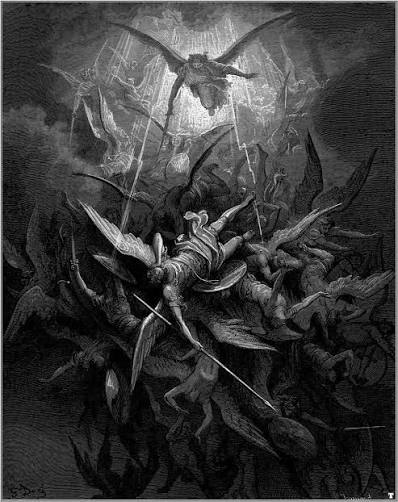
The Book of Giants names a fragmentary Jewish Enochic work represented at Qumran and a related Manichaean adaptation. Its surviving witnesses concern the offspring of the Watchers, ominous dreams, Enoch, and impending judgment.
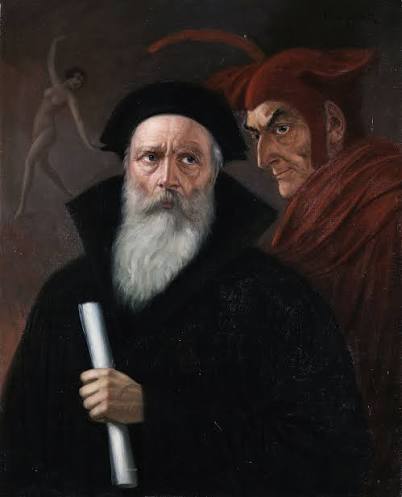
Faust is the scholar or magician at the center of a European legend about bargaining with the Devil. The 1587 Faust book, Marlowe’s Doctor Faustus, and Goethe’s Faust give the story different treatments of knowledge, desire, damnation, and human striving.
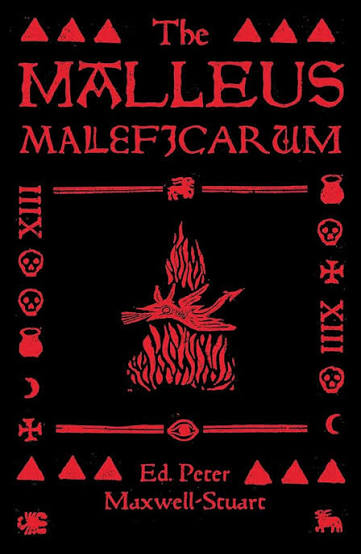
The Malleus Maleficarum is a Latin treatise associated with the inquisitor Heinrich Kramer. It combined demonological argument with proposals for prosecuting alleged witches. Its allegations, treatment of women, and influence require critical historical reading.
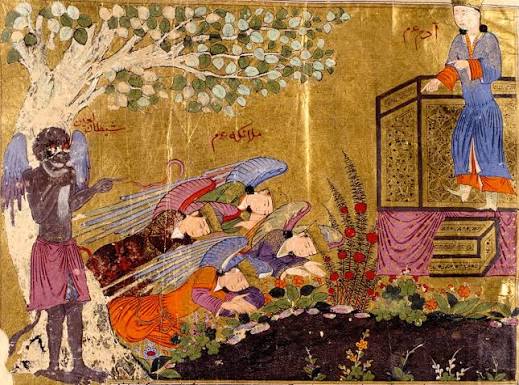
Iblis is the figure who refuses God’s command to bow to Adam in the Qur’an. Islamic commentary and Sufi literature explore his pride, his relationship to the jinn, his role as a tempter, and the meaning of his disobedience.
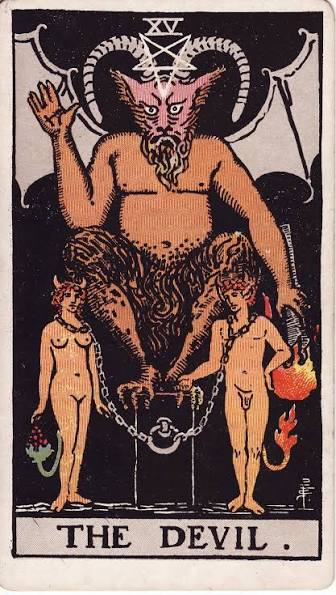
The Devil is a tarot trump commonly numbered XV. Its imagery and interpretation vary between decks and writers. Waite and Papus connect it with material constraint, fatality, and occult forces, while tarot’s history begins in the world of playing cards.