Devotional Practice
Invocation and evocation
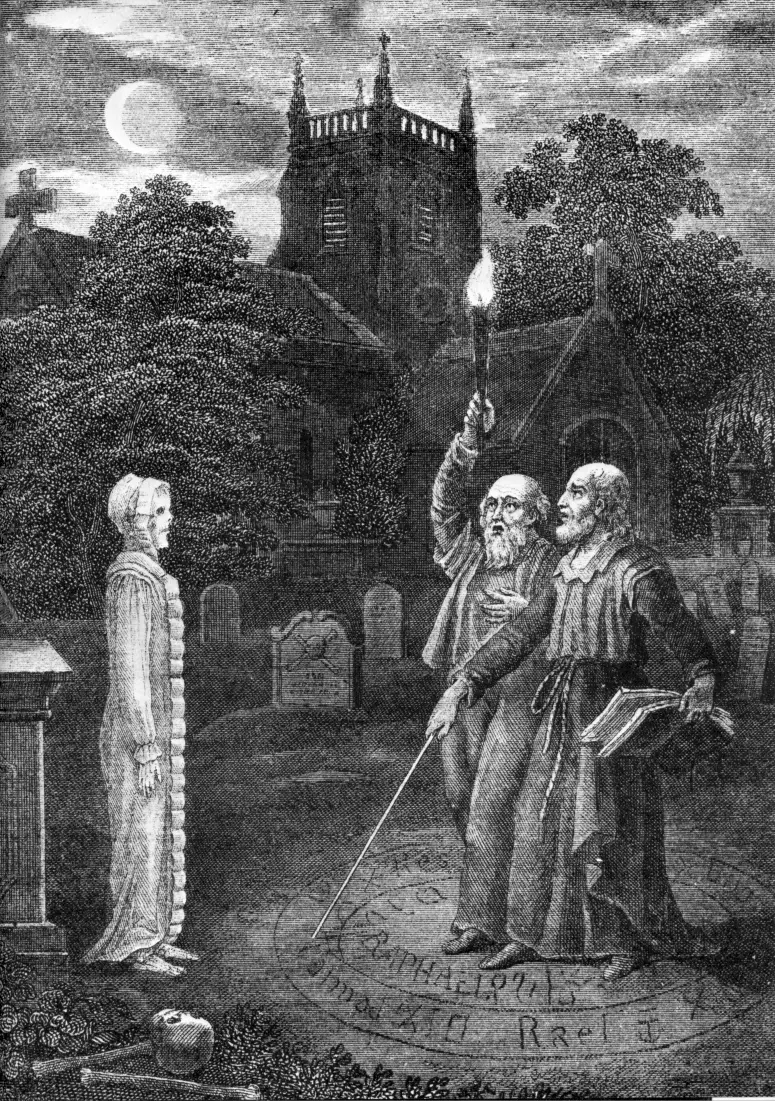
Invocation and evocation are terms used for related but differently framed religious or magical actions. Their definitions vary between authors and practice systems.
Invocation and evocation are terms used for related but differently framed religious or magical actions. Their definitions vary between authors and practice systems.
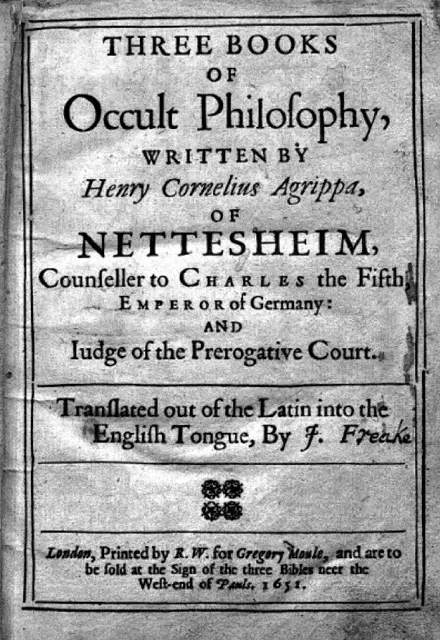
Ceremonial magic uses formally organized ritual actions. Its historical systems combine preparation, symbols, instruments, and accounts of spiritual authority in different ways.
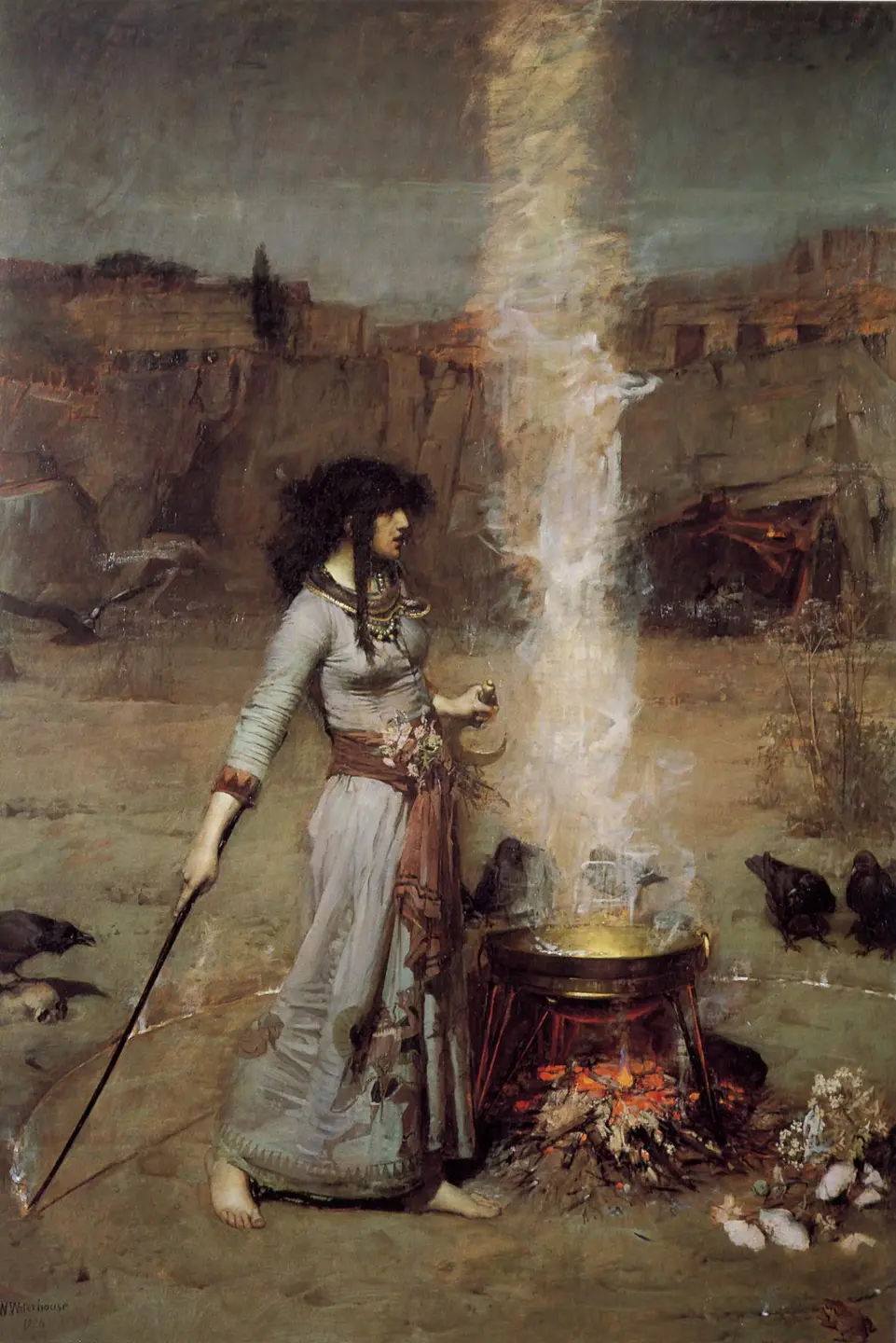
Demonolatry refers to devotion to demons or daemonic beings. Modern accounts vary in theology, authority, and their relationship with historical grimoires.
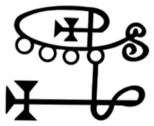
A Goetic duke whose description combines a lion-like form with a warning about theft and familiar spirits.
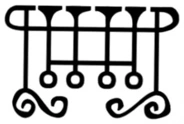
A Goetic duke associated with answers, reconciliation, and the obscure term Xenopilus.

A Goetic marquis described as a green-clad archer associated with conflict and arrow wounds.

A Goetic duke associated with herbs, precious stones, and sudden travel between countries.

A Goetic marquis described as a sea monster, associated with language, reputation, and rhetoric.
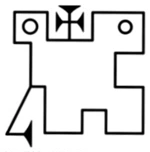
A Goetic earl associated with fortification and military supply, often confused with Malphas.

A winged lion-shaped Goetic duke associated with crafts, philosophy, and learned subjects.
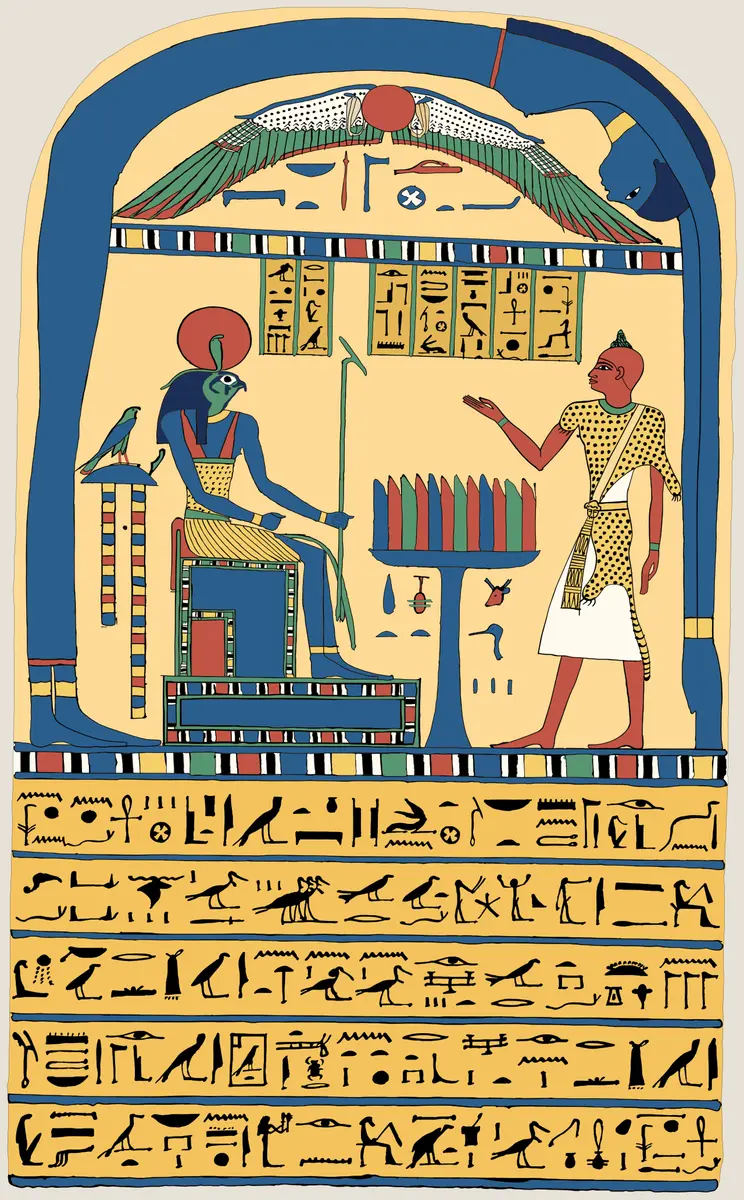
The religious and philosophical tradition associated with Aleister Crowley and The Book of the Law.
The grimoire compilation known as the Lemegeton, including the Goetia and several angelic arts.
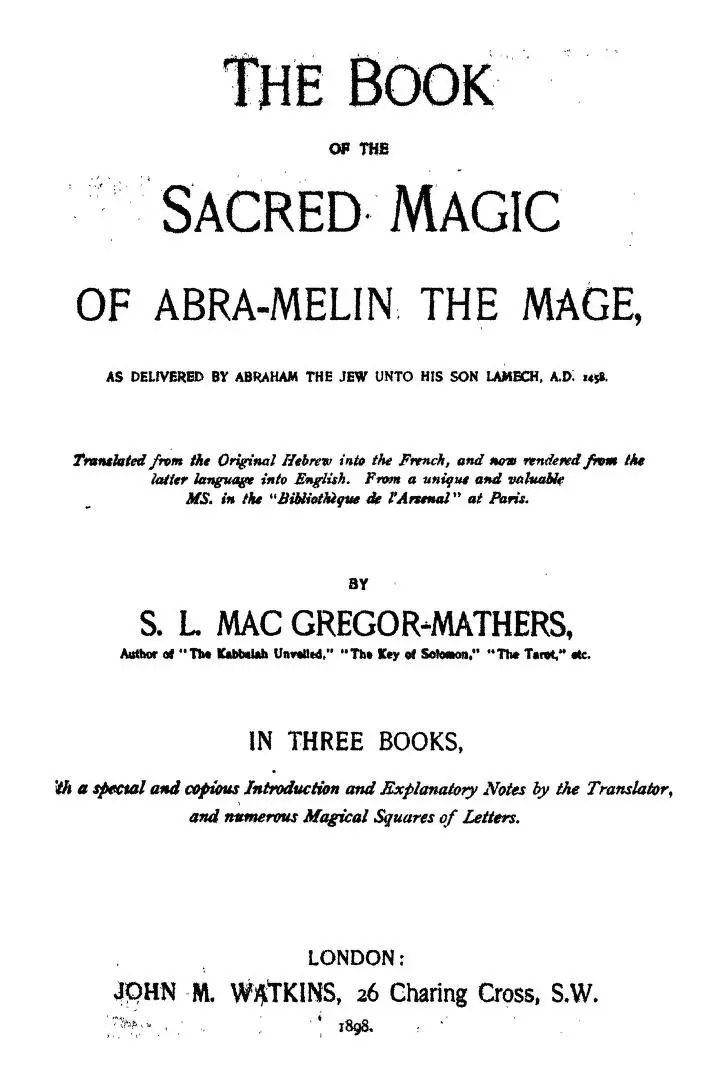
A grimoire built around religious preparation, the guardian angel, and subsequent work with spirits and magical squares.
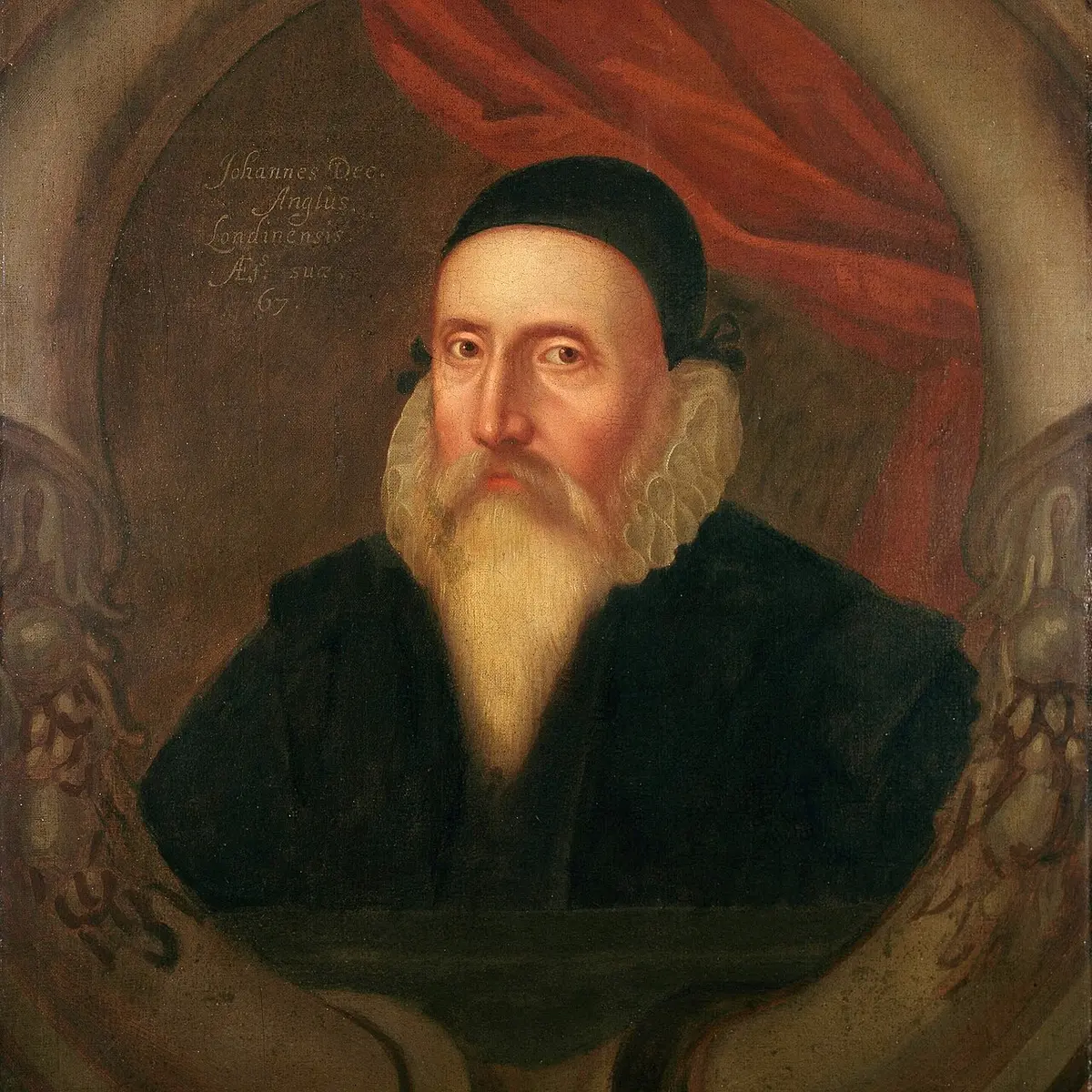
An English scholar whose records of spirit conversations became a major source for later angelic magic.
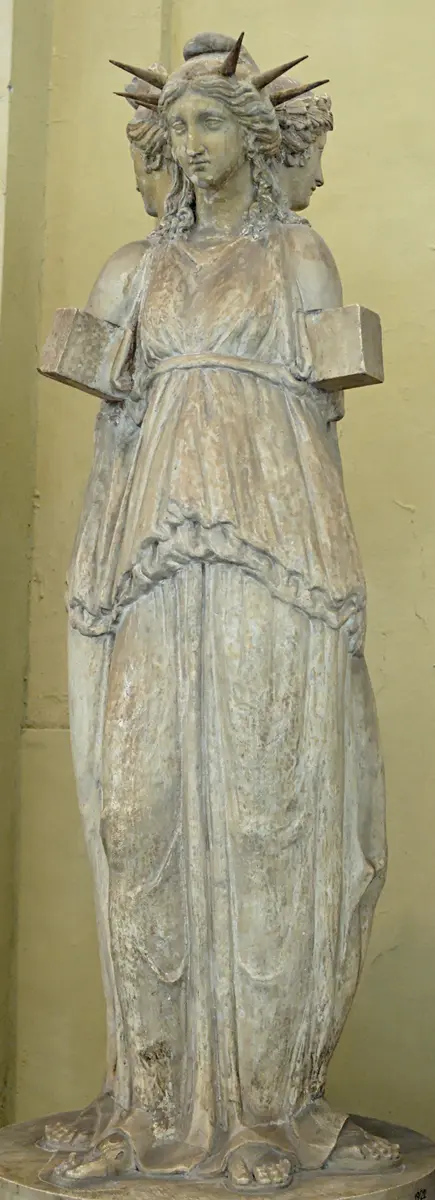
A Greek goddess with broad early powers and later associations with crossroads, spirits, and magic.
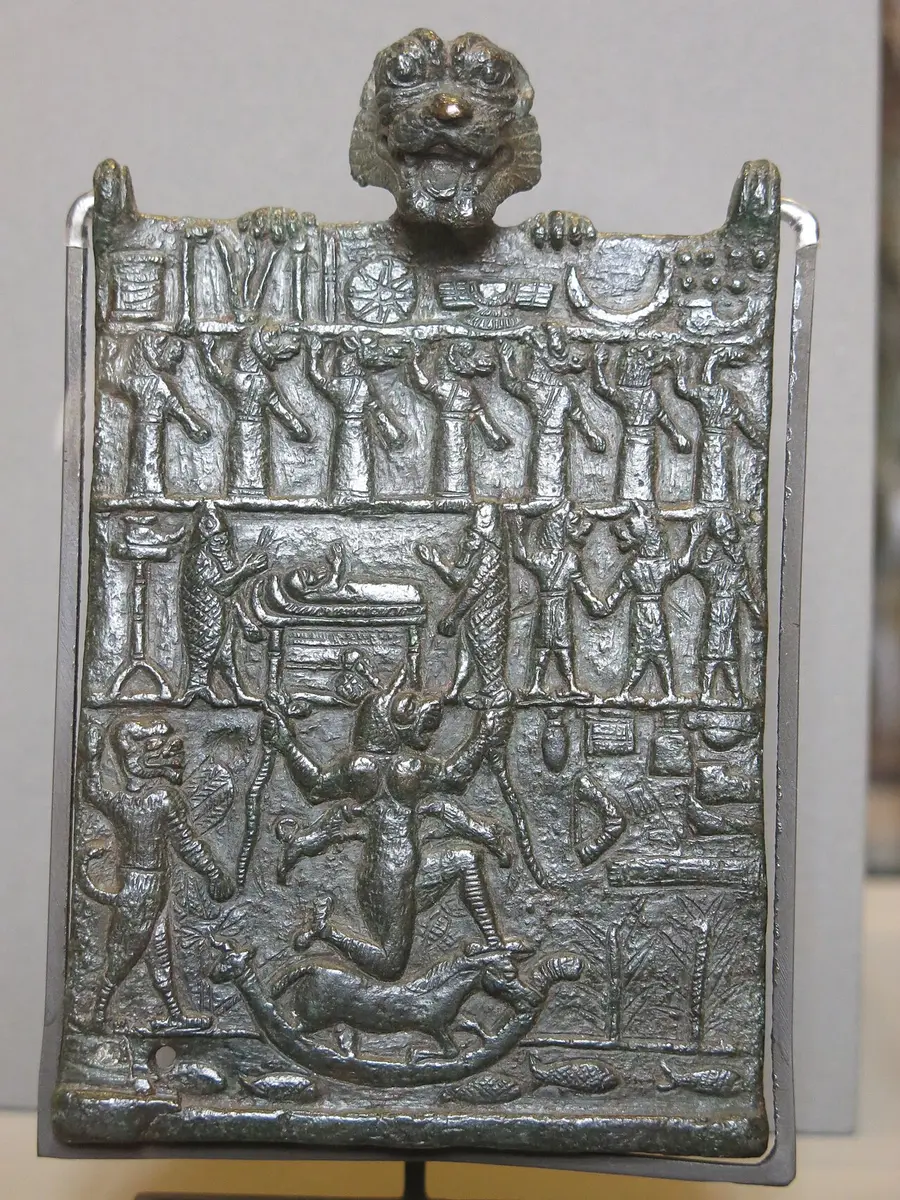
A Mesopotamian harmful female power represented on amulets and plaques intended to repel her.
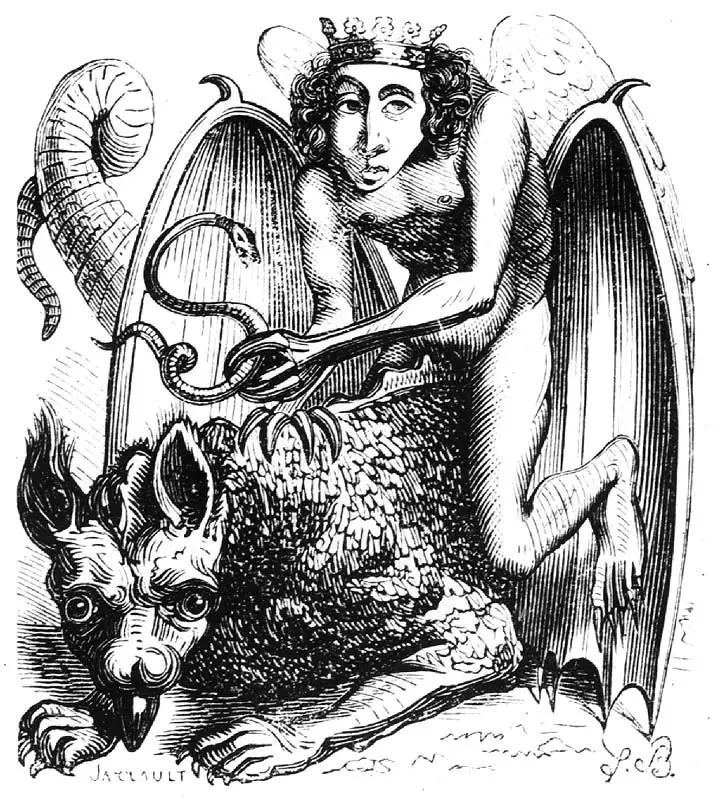
Astaroth appears in early modern spirit catalogues and later illustrated demonology. Source editions matter when comparing the figure’s rank, appearance, and supposed knowledge.
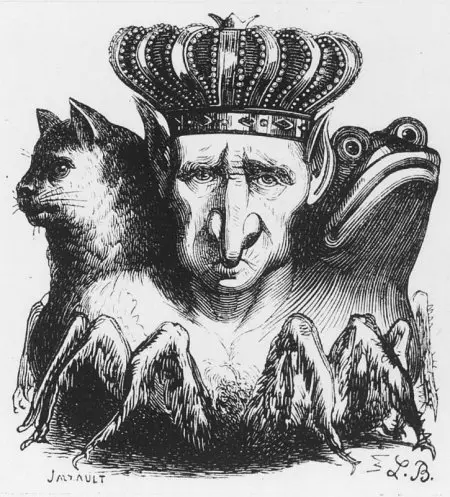
Bael is a ranked spirit in early modern magical catalogues. The Goetic figure should be distinguished from the wider use of the ancient title Baal.
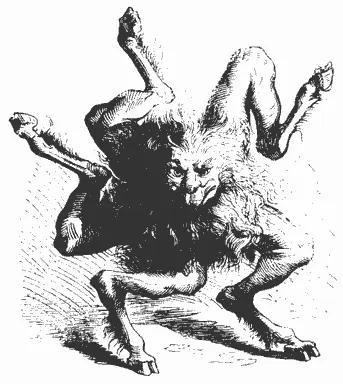
Buer is a spirit associated in magical catalogues with learning and healing. The well-known radial illustration belongs to later printed demonology.
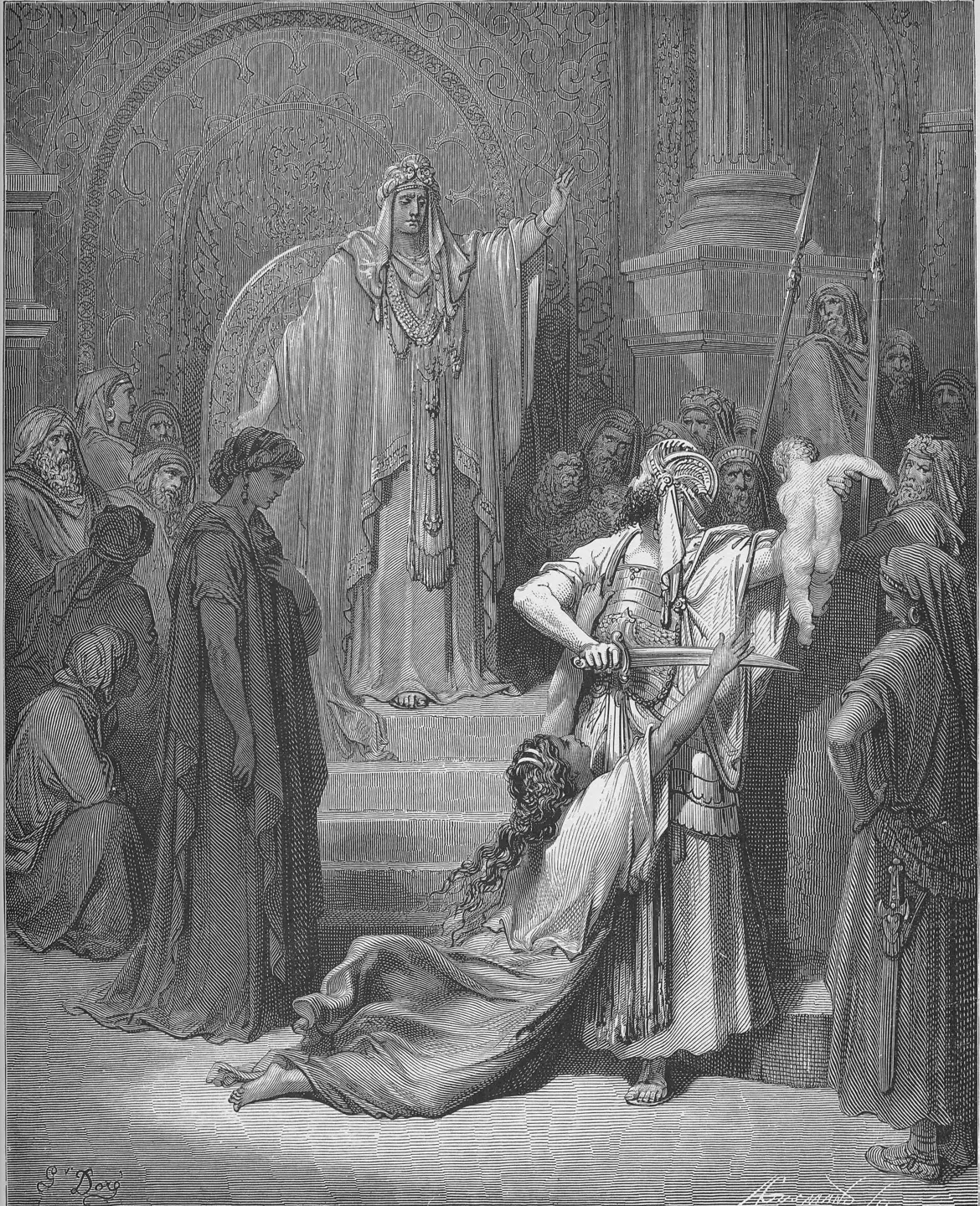
Solomon’s name supplies authority to several magical and religious works. Attribution to the king must be distinguished from the date and authorship of the surviving text.