Theology & Cosmology
Religious syncretism
Religious syncretism concerns the combination of ideas, figures, and practices from different traditions. Similarity of names or imagery alone does not establish identity or historical continuity.
Religious syncretism concerns the combination of ideas, figures, and practices from different traditions. Similarity of names or imagery alone does not establish identity or historical continuity.
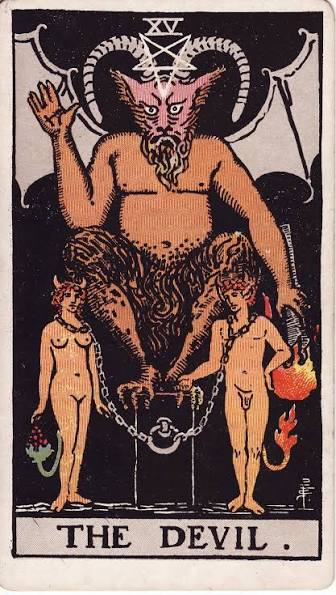
The Devil is a tarot trump commonly numbered XV. Its imagery and interpretation vary between decks and writers. Waite and Papus connect it with material constraint, fatality, and occult forces, while tarot’s history begins in the world of playing cards.
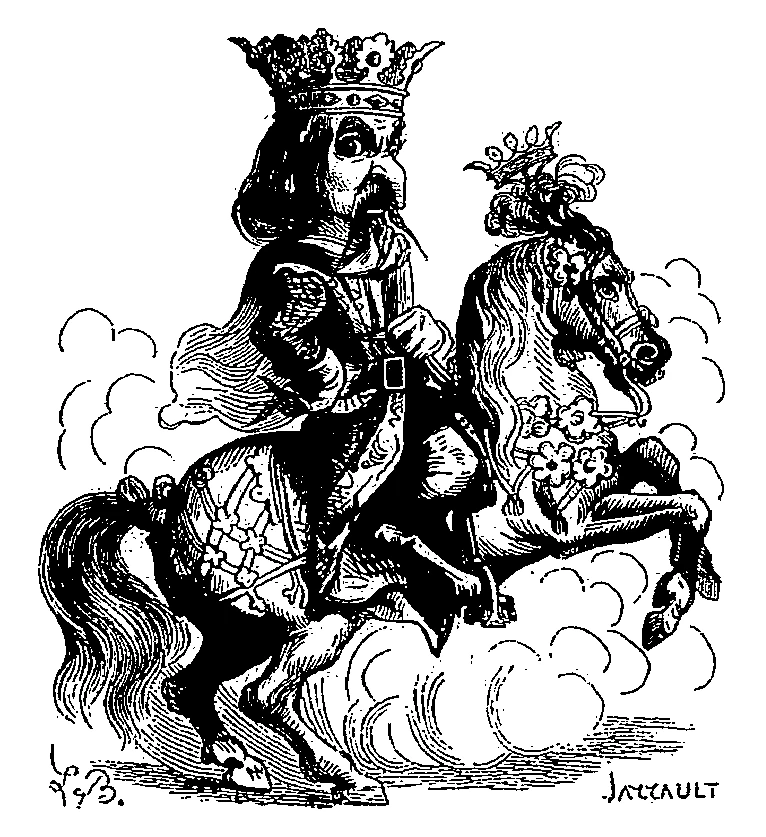
A Goetic duke riding a red horse, credited with knowledge, honors, and the transformation of metals.
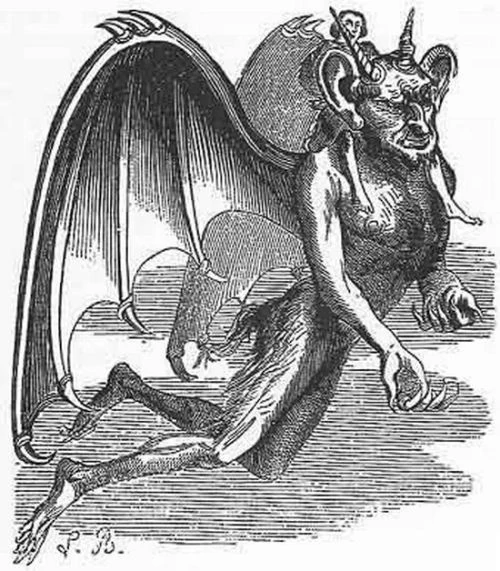
A Goetic spirit associated with learning, altered perception, familiars, and rapid travel.
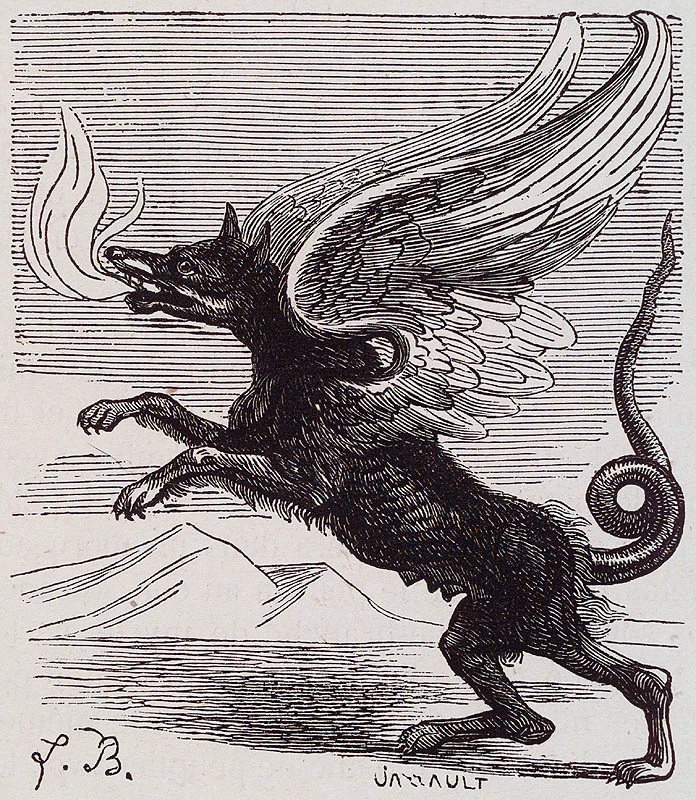
A Goetic marquis with a winged wolf form, described as a fighter who hopes to return to a heavenly throne.
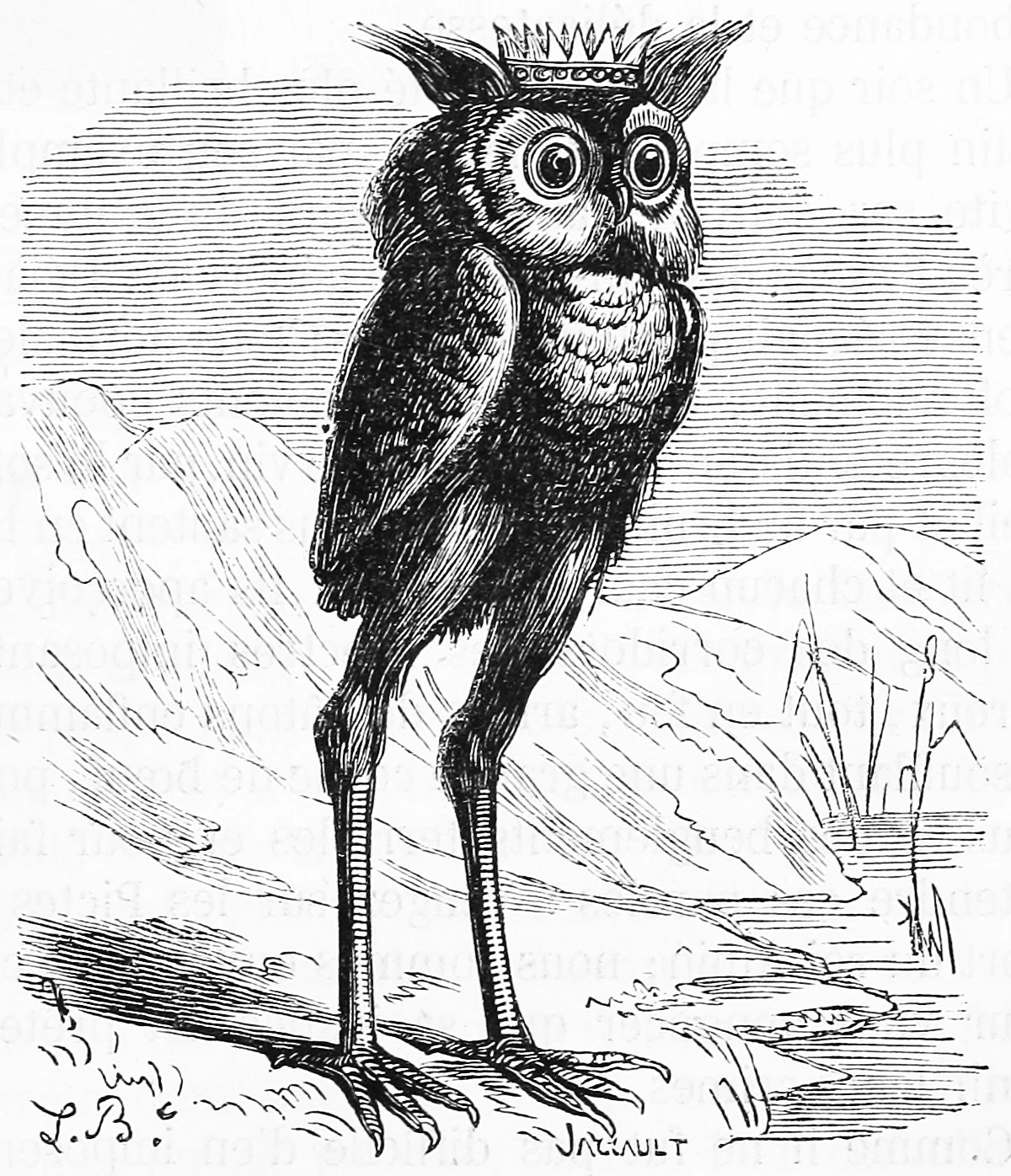
A Goetic prince associated with astronomy, herbs, and precious stones, with changing bird imagery in later reception.
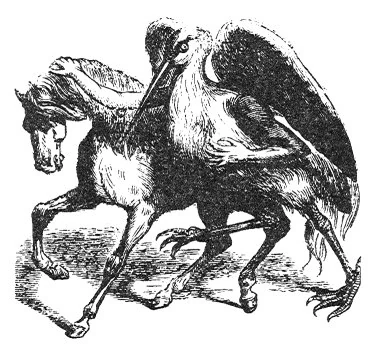
A Goetic marquis in bird form, associated with concealment, royal money, and unreliable answers.
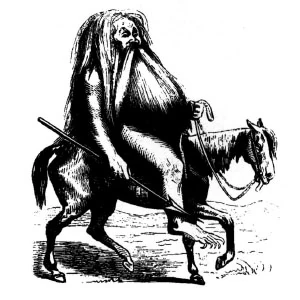
The Goetic knight, associated with philosophy, learned arts, and forms of divination.
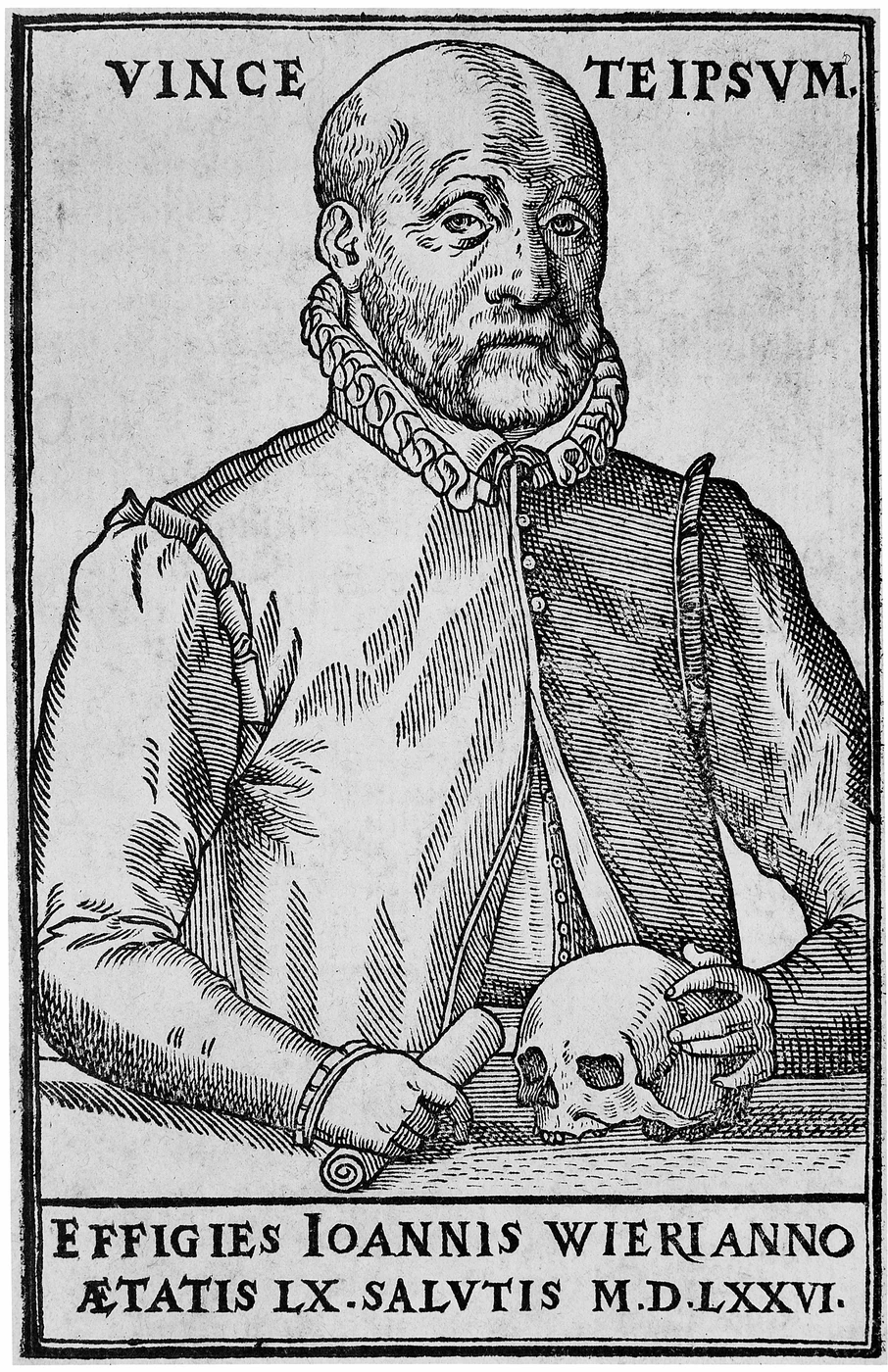
The physician and author whose Pseudomonarchia daemonum supplied an important source for later spirit catalogues.
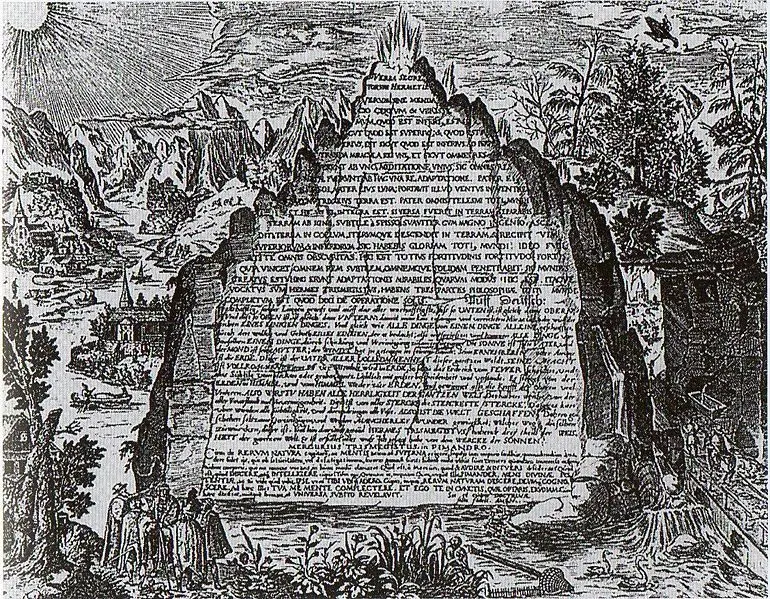
Alchemy concerns historical approaches to material transformation and the interpretation of nature. Spiritual readings form part of its reception but should not replace the material history.
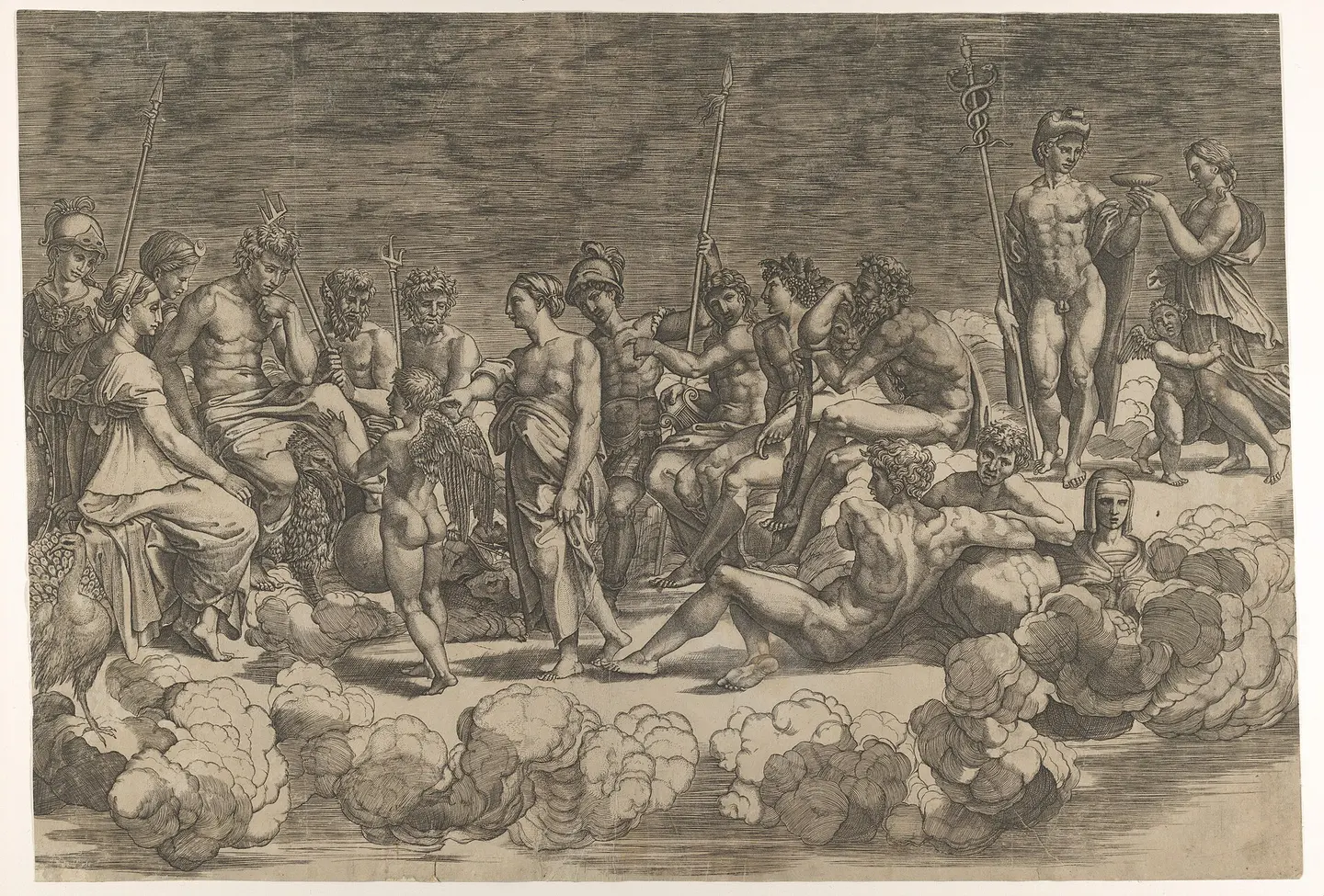
Polytheism involves belief in multiple deities. The existence of several gods does not by itself settle their relationships, moral authority, or the forms of devotion directed toward them.
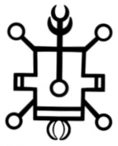
A Goetic prince associated with finding lost things and knowledge of past and future events.
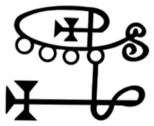
A Goetic duke whose description combines a lion-like form with a warning about theft and familiar spirits.
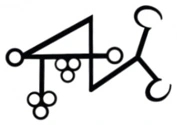
A Goetic spirit called Morax or Marax, associated with astronomy and the properties of plants and stones.
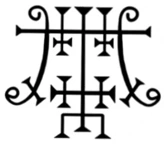
A Goetic president associated with logic, ethics, plants, stones, longevity, and lost things.
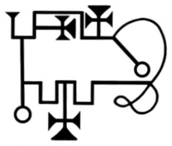
A Goetic marquis in phoenix form, associated with poetry, learning, and a hope of heavenly restoration.
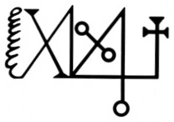
A Goetic duke with griffin wings, associated with winds, the sea, and shipwreck.
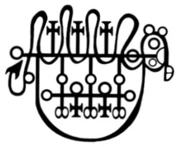
A Goetic duke portrayed as a mermaid, associated with ships, storms, and afflicted wounds.