Demonology & Spirits
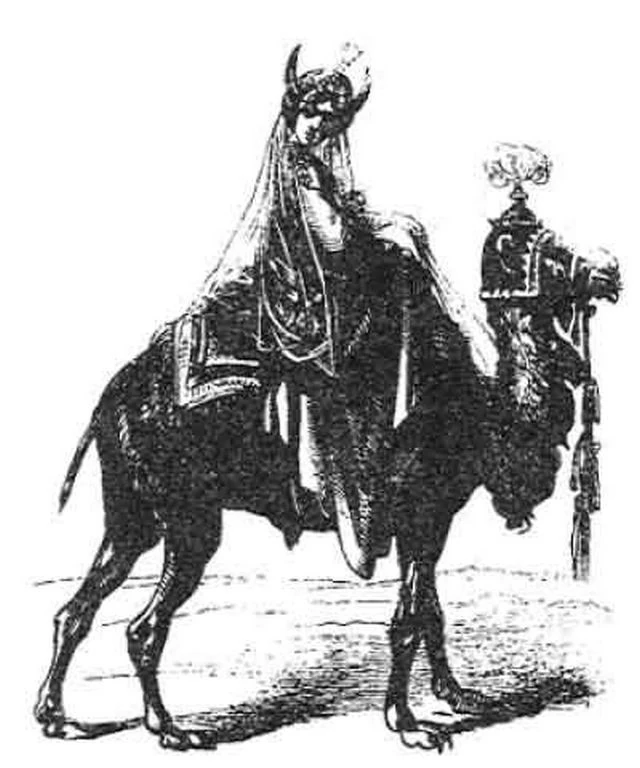
Gremory
A Goetic duke depicted as a woman on a camel, associated with hidden knowledge, treasure, and attraction.
A Goetic duke depicted as a woman on a camel, associated with hidden knowledge, treasure, and attraction.
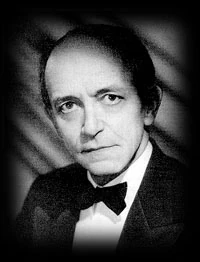
A school of the Western mysteries associated with Paul Foster Case, Ann Davies, Tarot, and Qabalistic study.
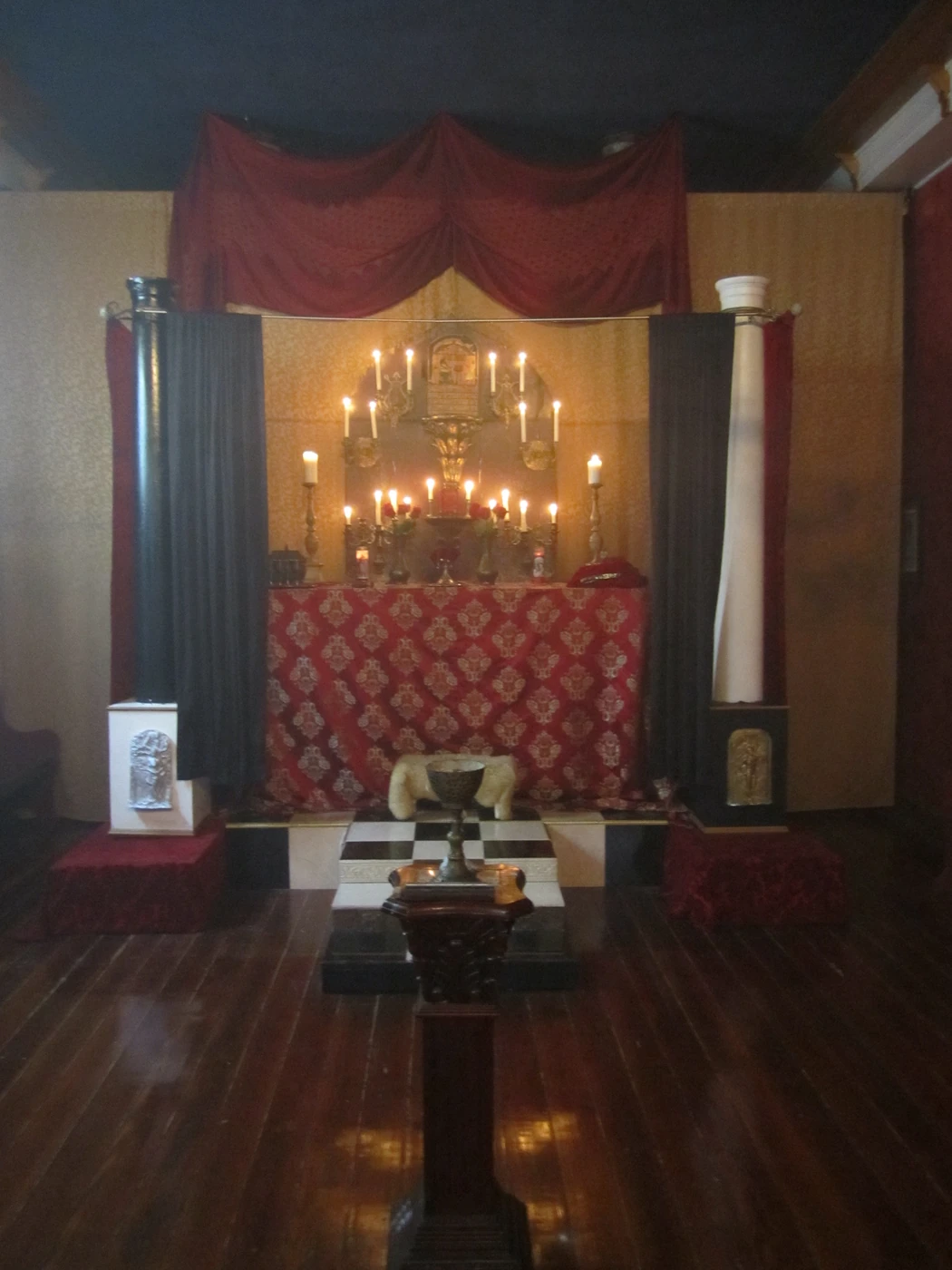
The central public liturgy of Ecclesia Gnostica Catholica, written by Aleister Crowley as Liber XV.
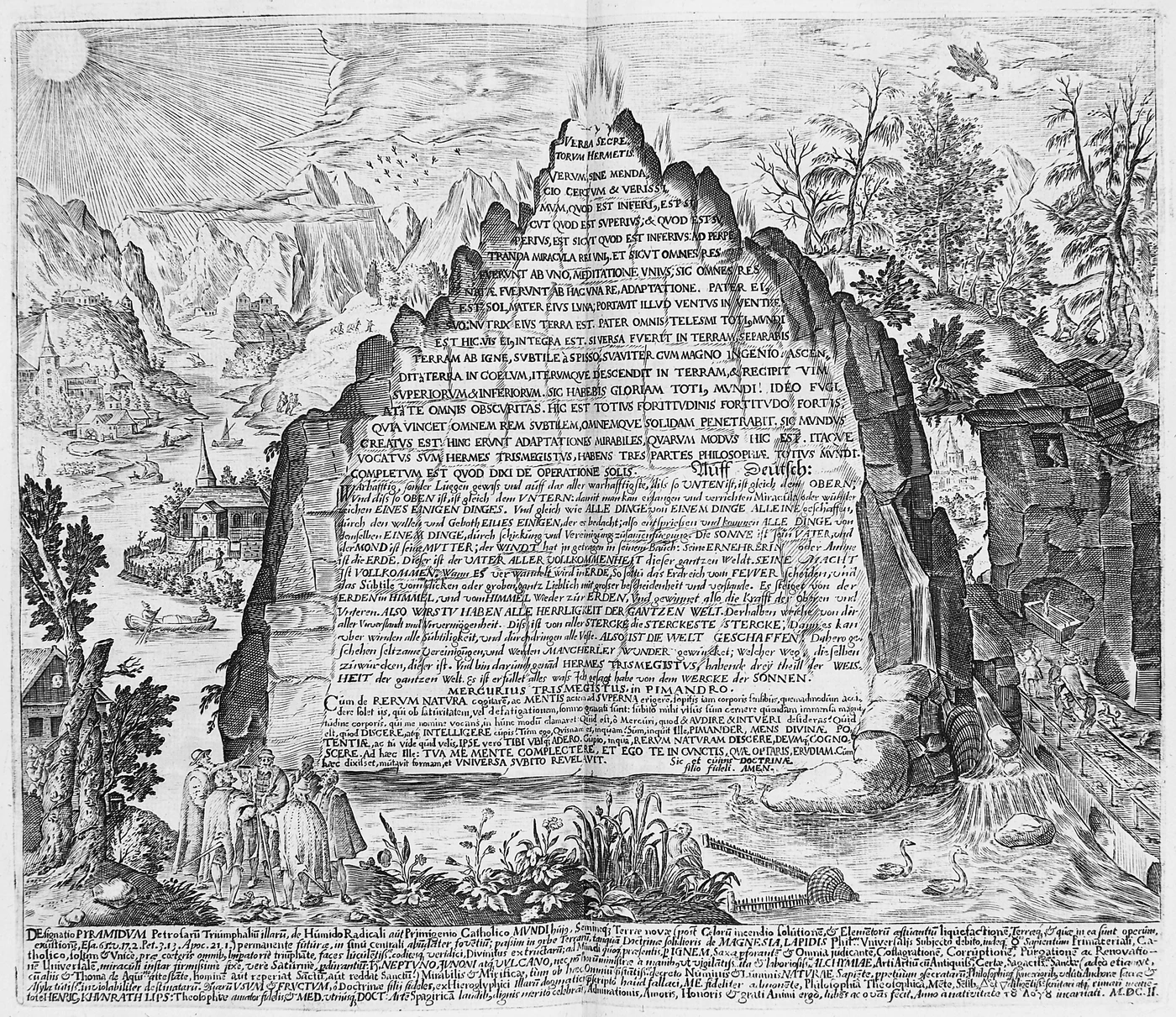
A brief Hermetic text whose images of above and below, sun and moon, and transformation influenced alchemical writing.
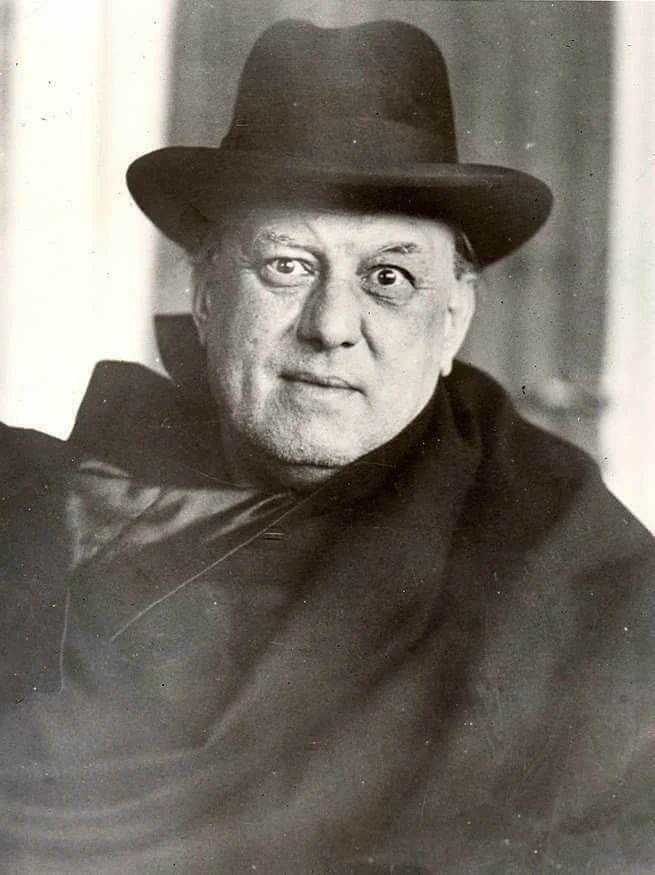
The author and religious figure associated with Thelema, The Book of the Law, and a large body of magical instruction.
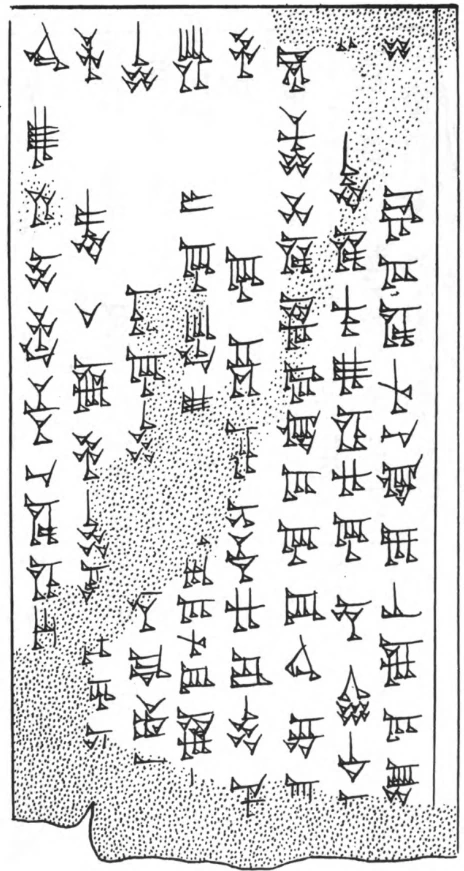
The primordial sea figure in the Babylonian creation epic Enuma Elish, defeated by Marduk in its account of cosmic ordering.
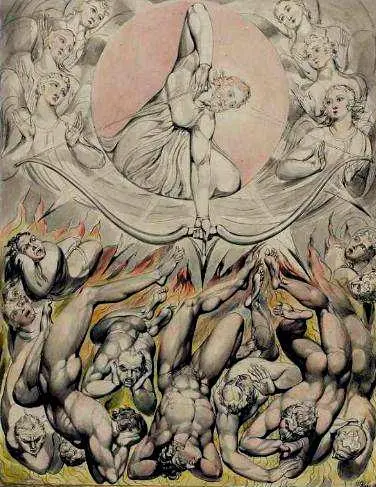
The Watchers are heavenly beings whose descent, teachings, and punishment are narrated in 1 Enoch. Their literary identity must be distinguished from later religious interpretations.
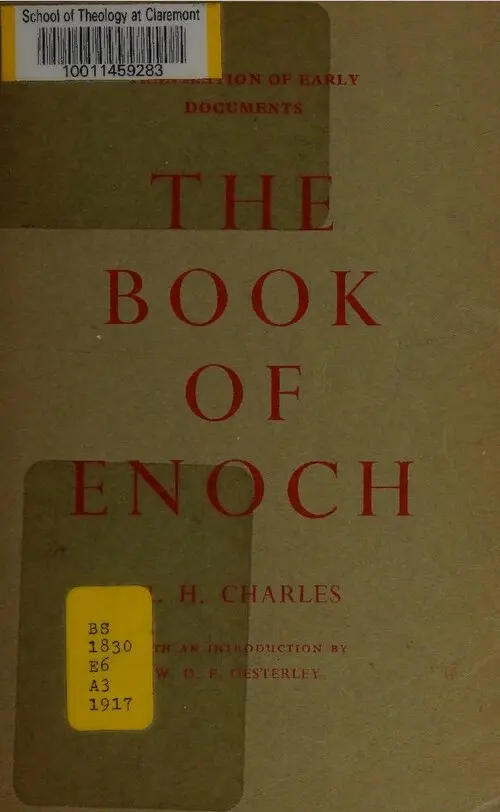
1 Enoch brings together accounts of heavenly beings, judgment, celestial order, and righteousness. It is a composite work rather than a single continuous biography of Enoch.
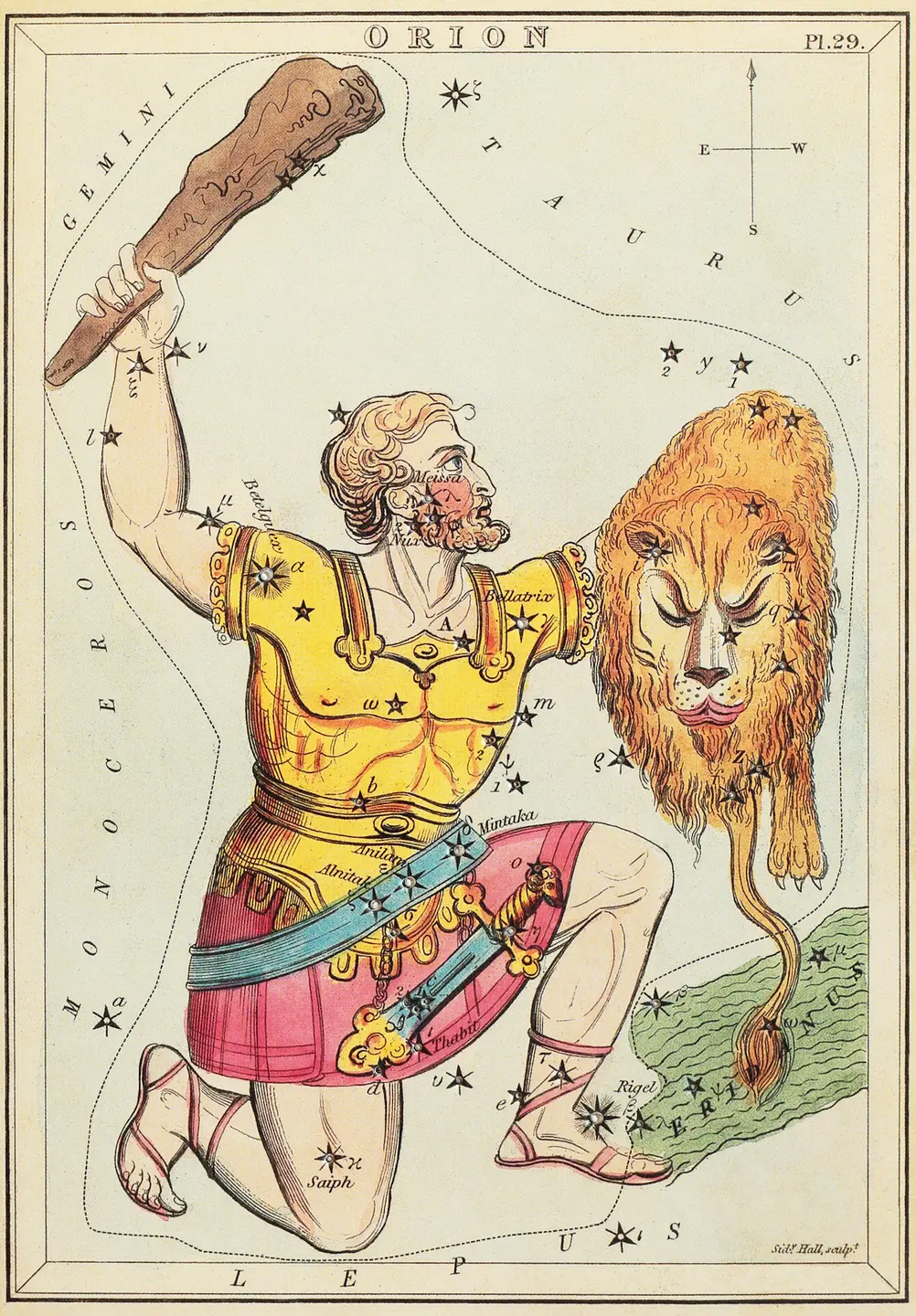
Semjaza is a leading figure in the Enochic account of the Watchers’ oath and descent. His role differs from the teaching and punishment associated with Azazel.
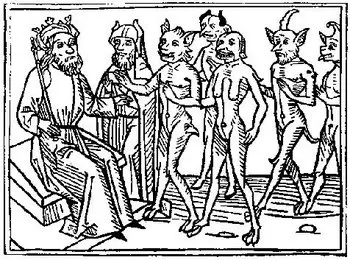
Belial appears in biblical religious language and later spirit catalogues. These uses should be distinguished rather than treated as one unchanged biography.
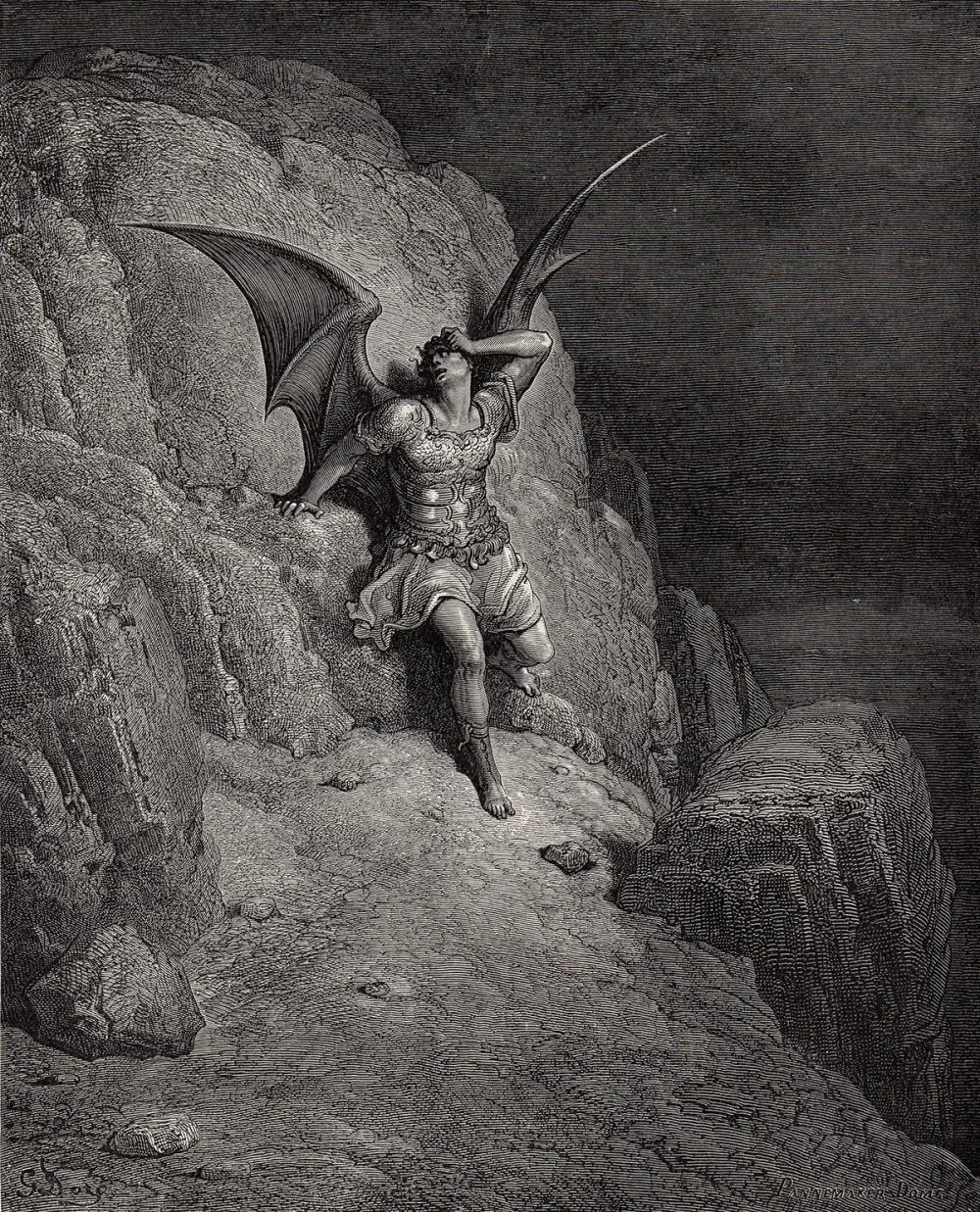
Milton’s Paradise Lost gives Satan an influential literary characterization. His persuasive speeches must be read alongside the narrator’s account and the consequences of his actions.
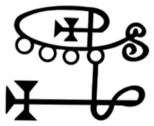
A Goetic duke whose description combines a lion-like form with a warning about theft and familiar spirits.
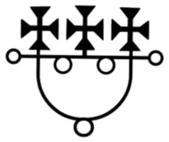
A Goetic prince portrayed with a leopard head and griffin wings, whose stated office concerns desire.

A Goetic duke depicted as a red-clad soldier whose entry concerns attraction and fertility.

A Goetic duke associated with wealth, eloquence, and the places of the dead.

An initiatory organization associated with Thelema and the public celebration of the Gnostic Mass.
The Pauline Art in the Lemegeton, concerning angels of the hours and the degrees of the zodiac.
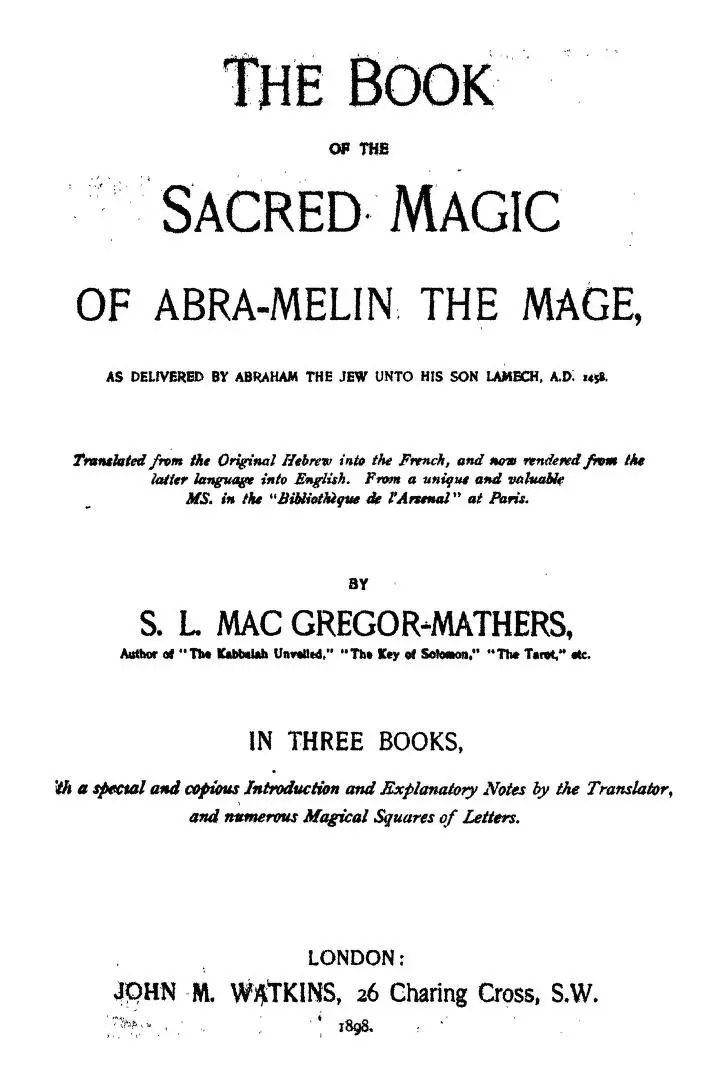
A grimoire built around religious preparation, the guardian angel, and subsequent work with spirits and magical squares.
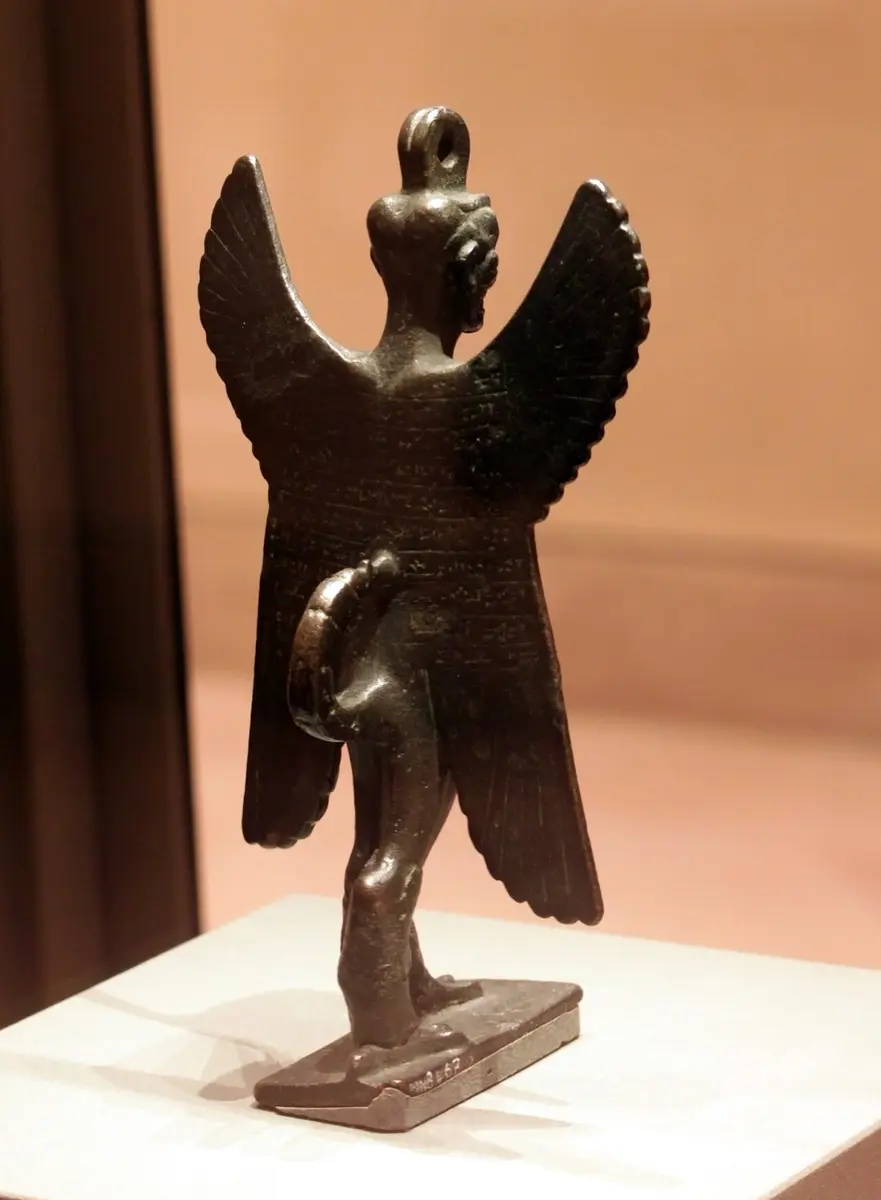
A Mesopotamian wind demon whose image was also used protectively, especially against Lamashtu.
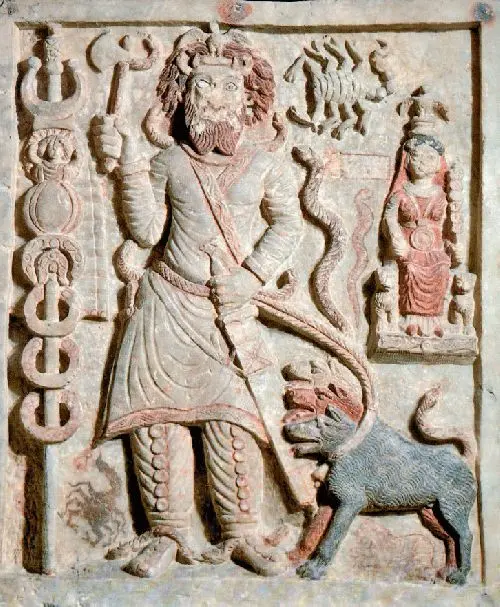
A Mesopotamian deity associated with death, war, disease, and the underworld.