Demonology & Spirits
Sitri
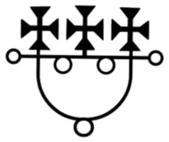
A Goetic prince portrayed with a leopard head and griffin wings, whose stated office concerns desire.
A Goetic prince portrayed with a leopard head and griffin wings, whose stated office concerns desire.
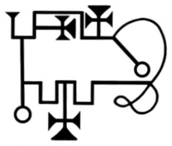
A Goetic marquis in phoenix form, associated with poetry, learning, and a hope of heavenly restoration.
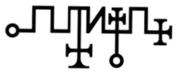
A Goetic spirit with a winged bull form, associated with wit and transformations of liquids and metals.

An initiatory organization associated with Thelema and the public celebration of the Gnostic Mass.
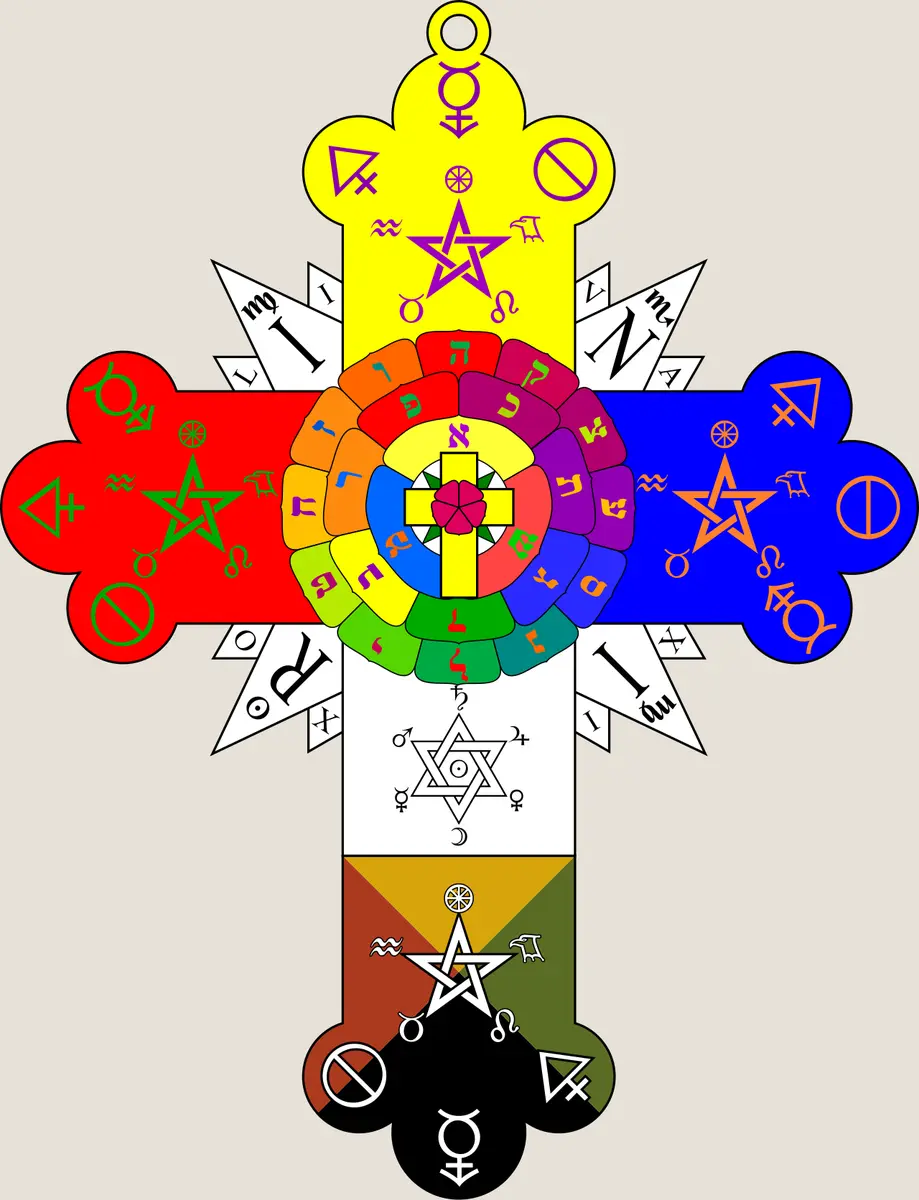
A late nineteenth-century British initiatory order that shaped modern ceremonial magic, Tarot, and Hermetic Qabalah.
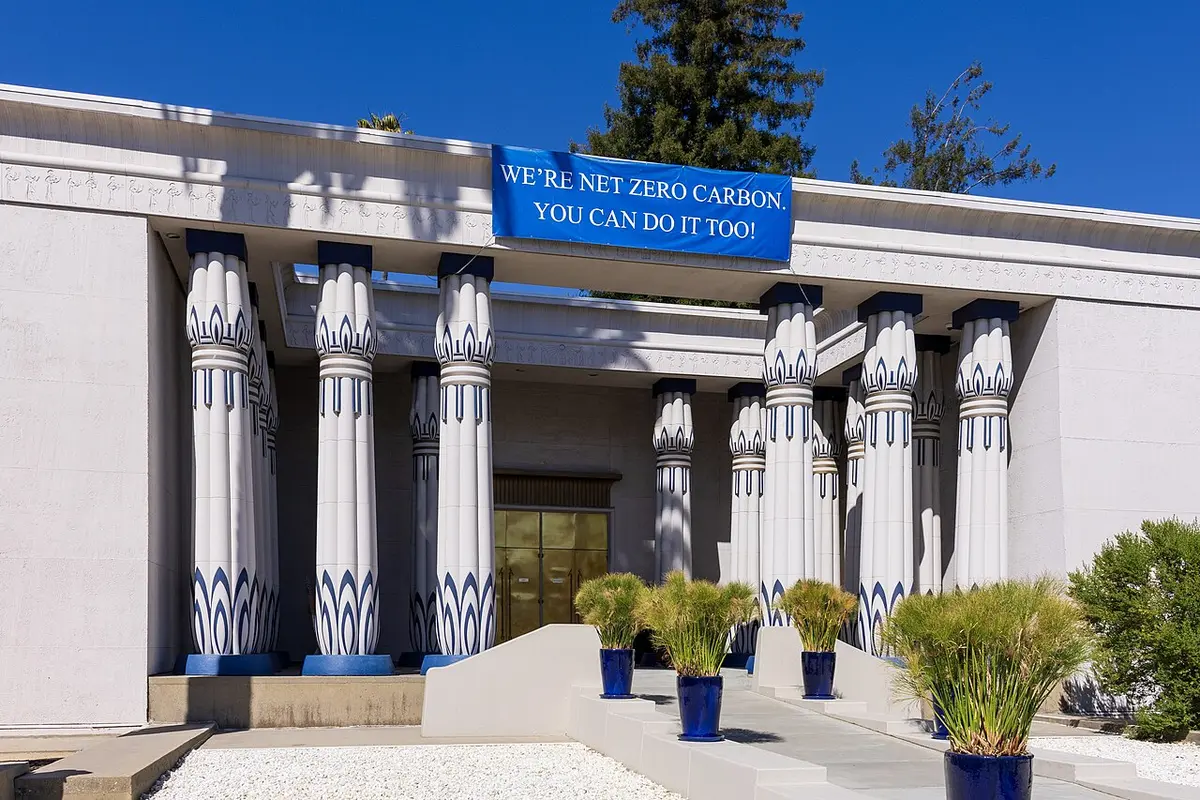
A modern Rosicrucian organization, usually called AMORC, that teaches through lessons and local study groups.
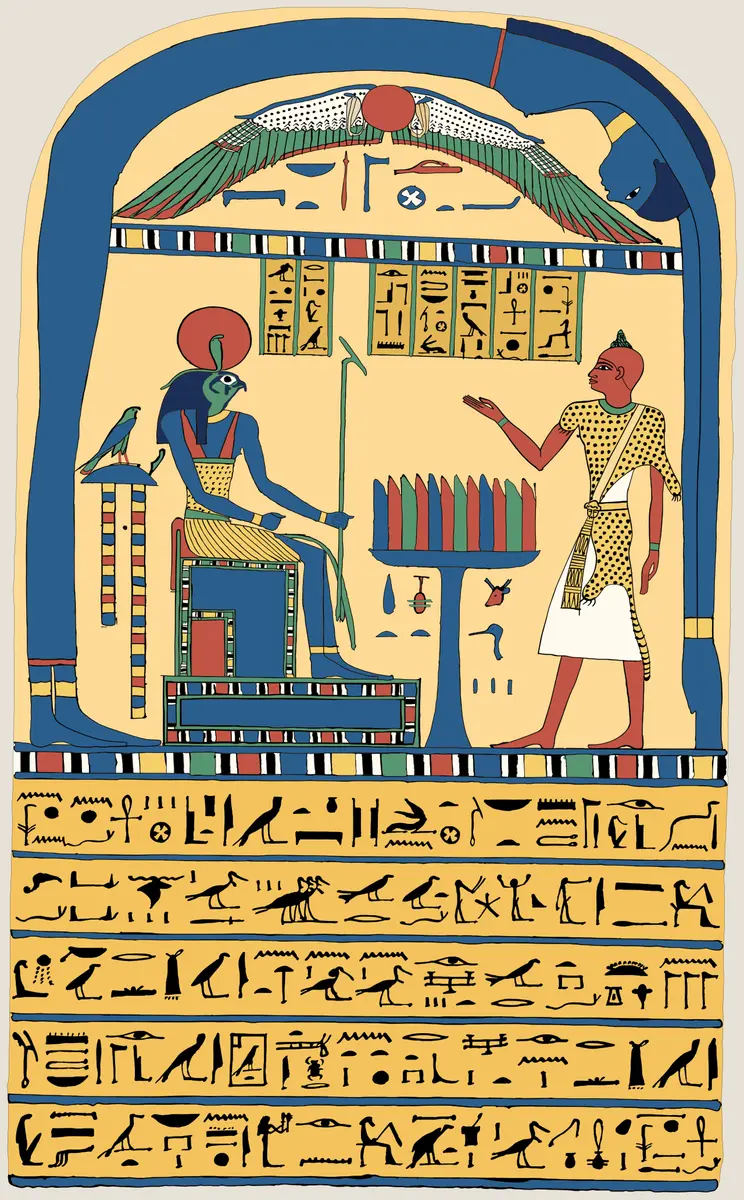
The religious and philosophical tradition associated with Aleister Crowley and The Book of the Law.
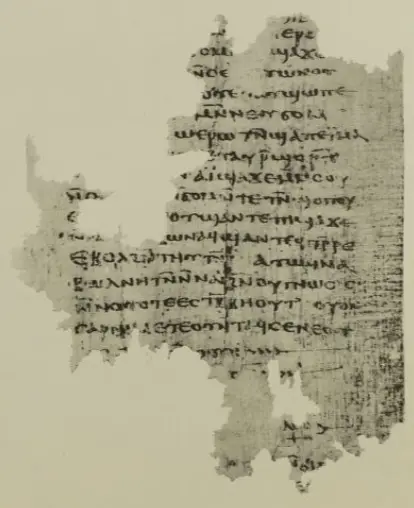
A modern umbrella term for several ancient religious movements and texts concerned with saving knowledge and divine origins.
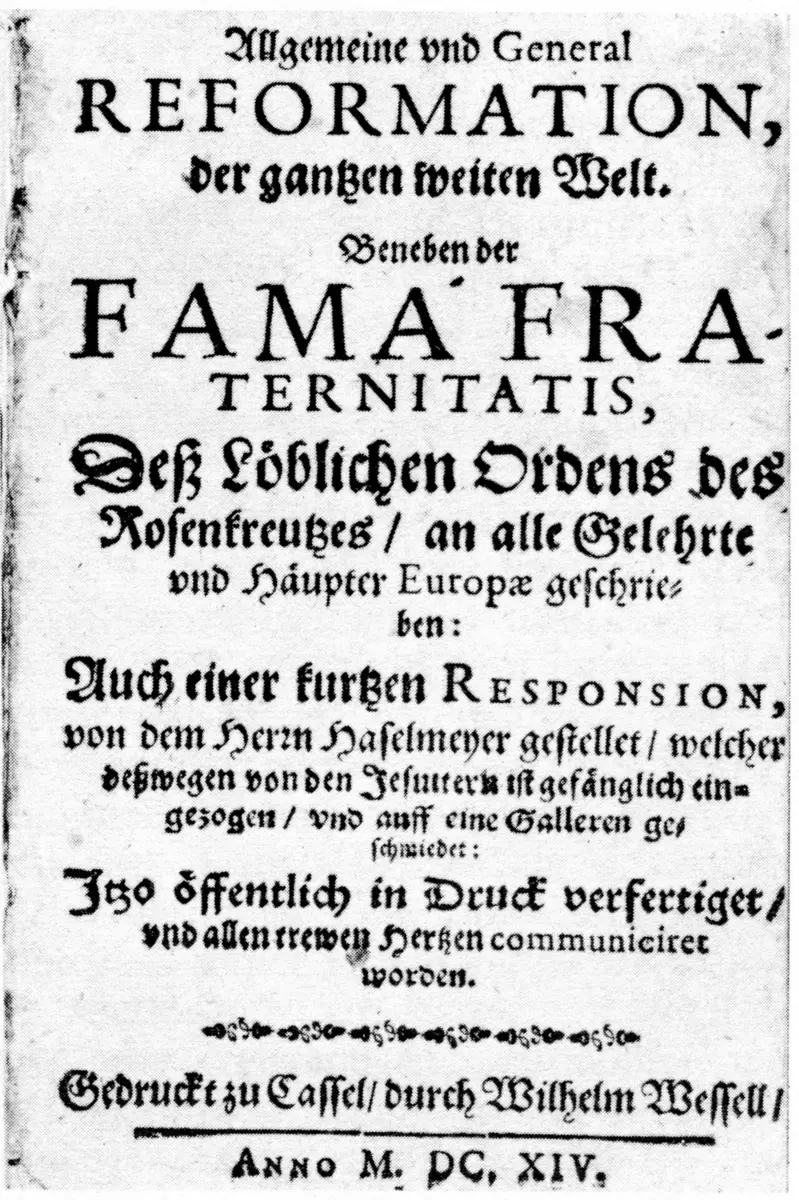
Traditions associated with the rose and cross, the early modern Rosicrucian manifestos, and later initiatory societies.
The grimoire compilation known as the Lemegeton, including the Goetia and several angelic arts.
An angelic art in the Lemegeton, using a wax tablet, candles, and a hierarchy of heavenly altitudes.
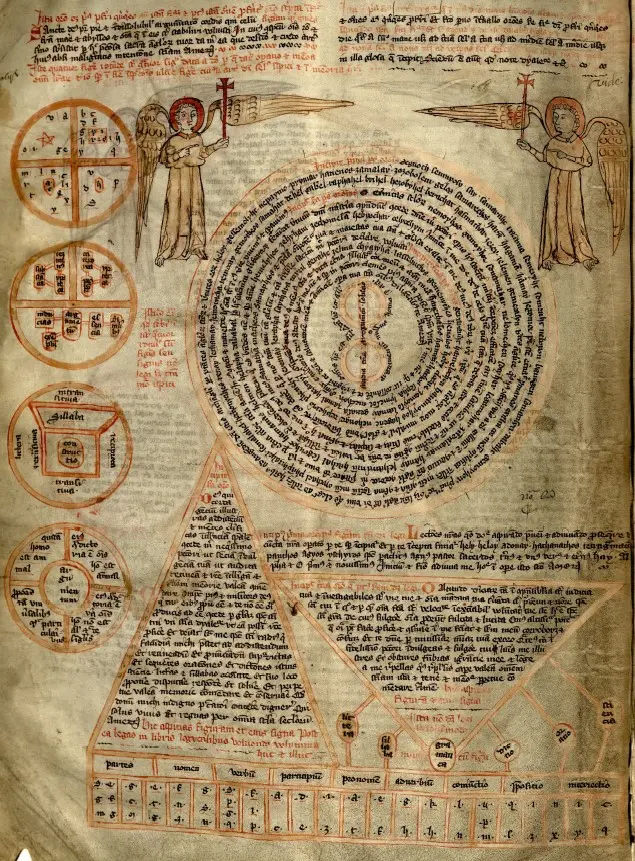
A medieval art of prayer and contemplation intended to confer learning, memory, and eloquence.
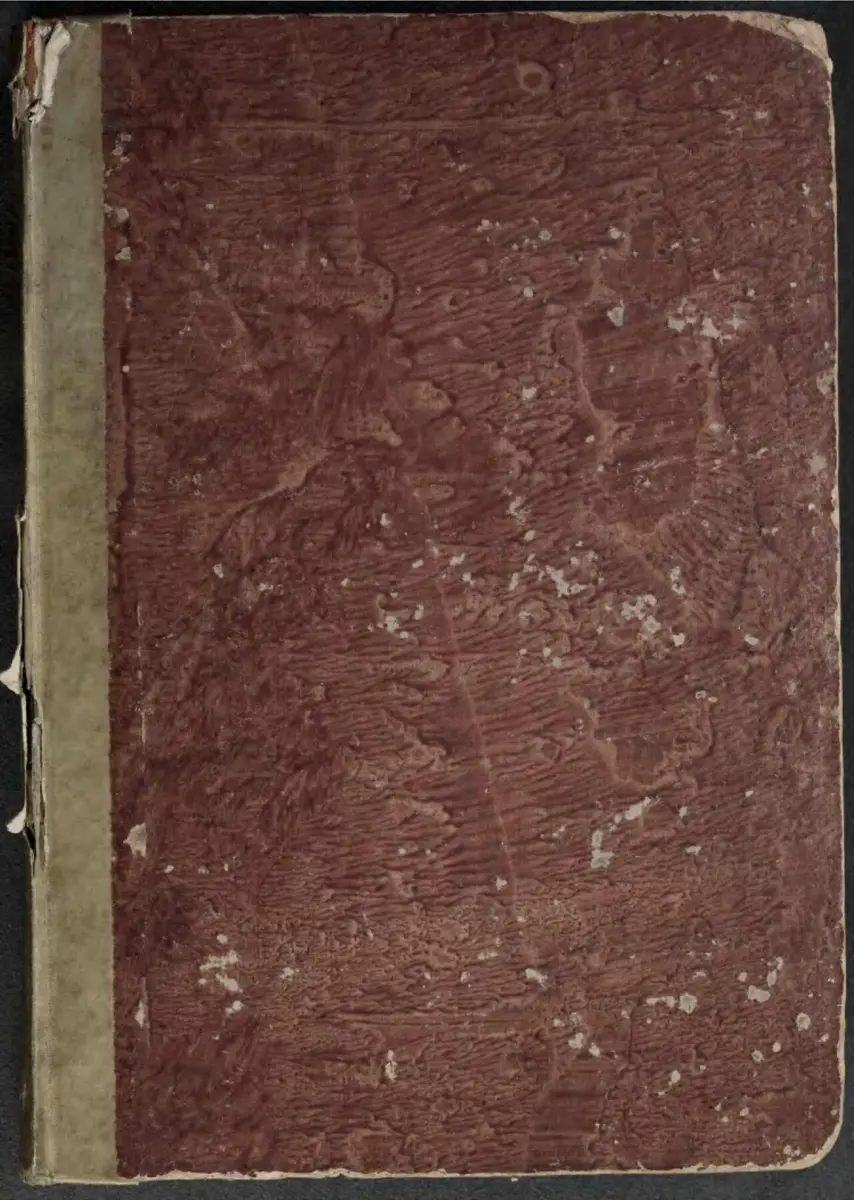
Agrippa’s Renaissance synthesis of natural, celestial, and religious magic.
The medieval Liber Juratus, a work of sacred magic concerned with divine vision, angels, and ritual authority.
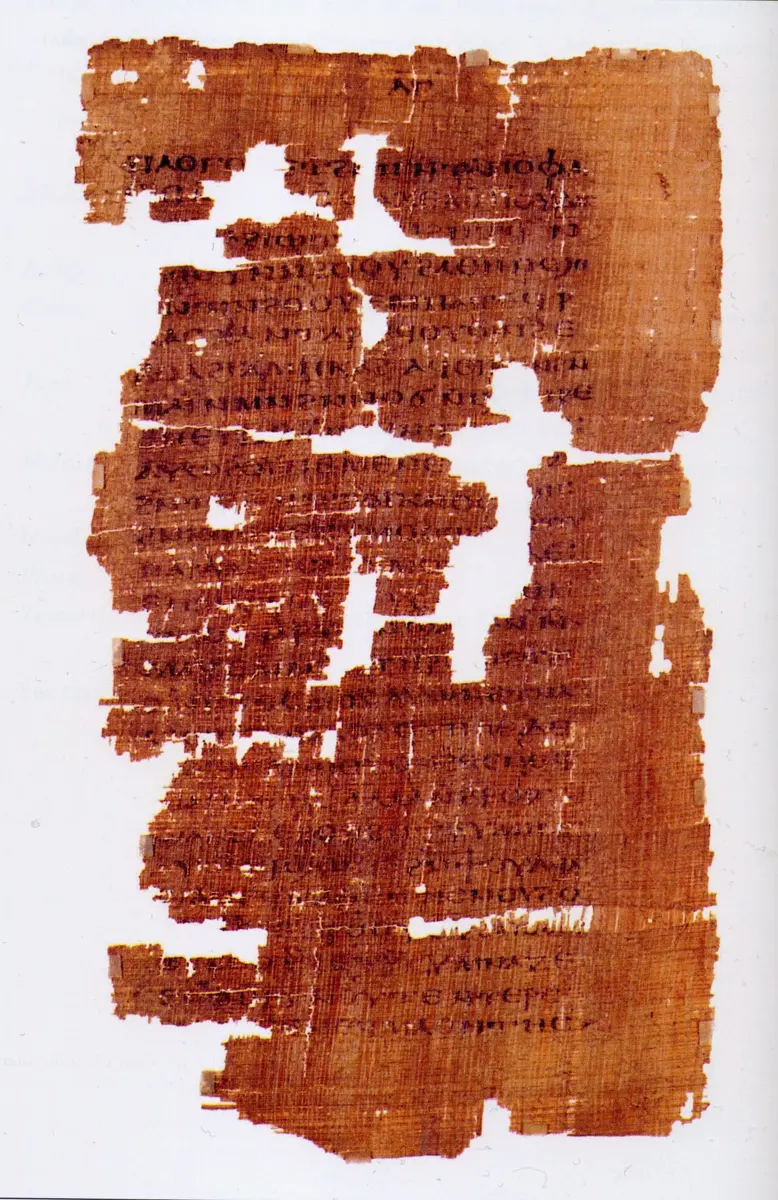
An early Christian revelation dialogue preserved in Coptic, known from the manuscript called Codex Tchacos.
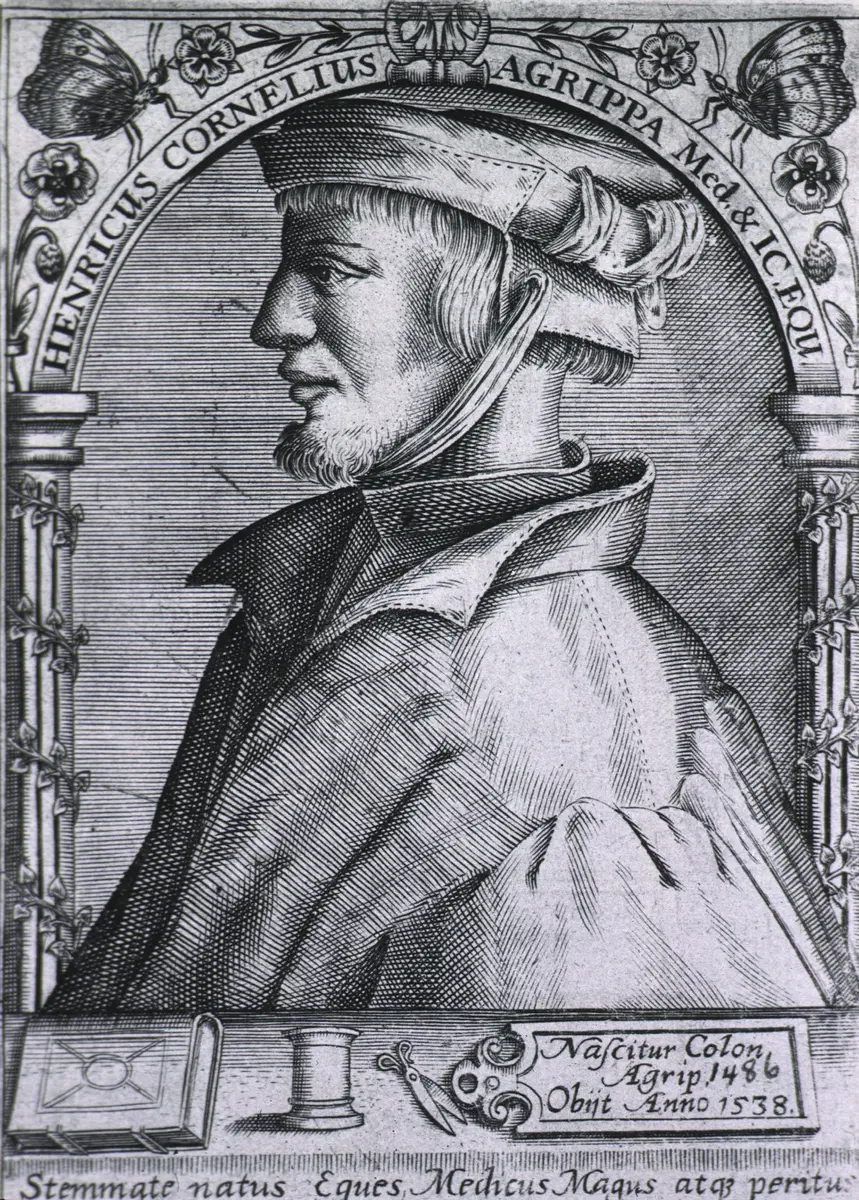
A Renaissance author whose Three Books of Occult Philosophy became a major source for Western magical systems.
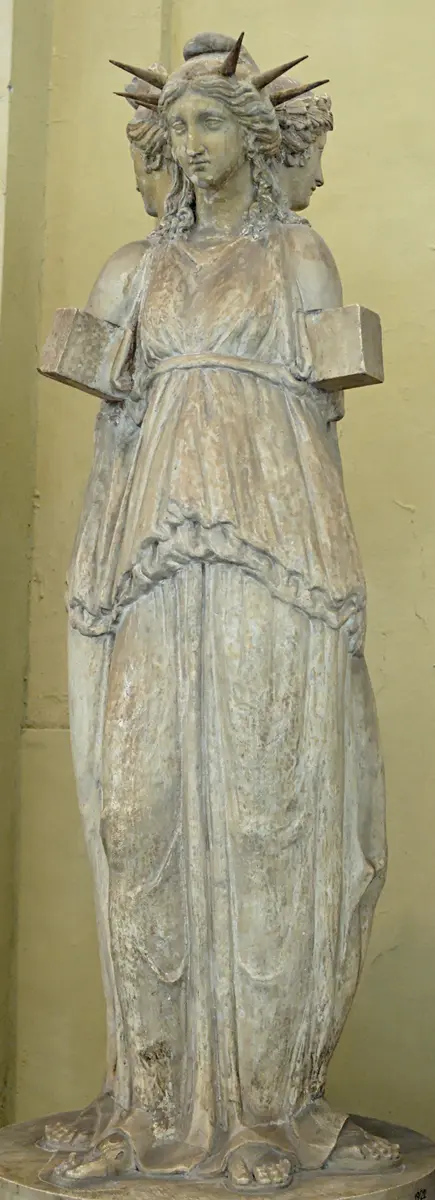
A Greek goddess with broad early powers and later associations with crossroads, spirits, and magic.
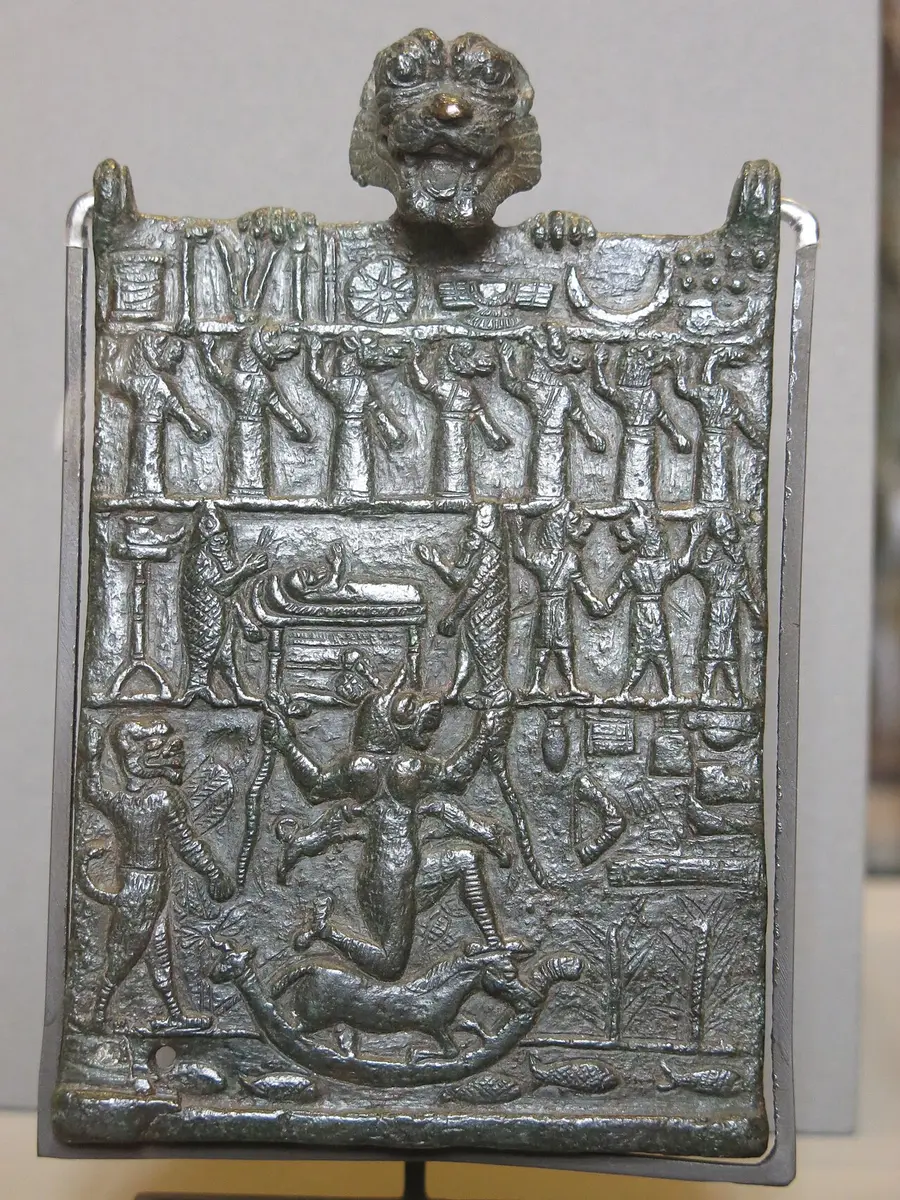
A Mesopotamian harmful female power represented on amulets and plaques intended to repel her.
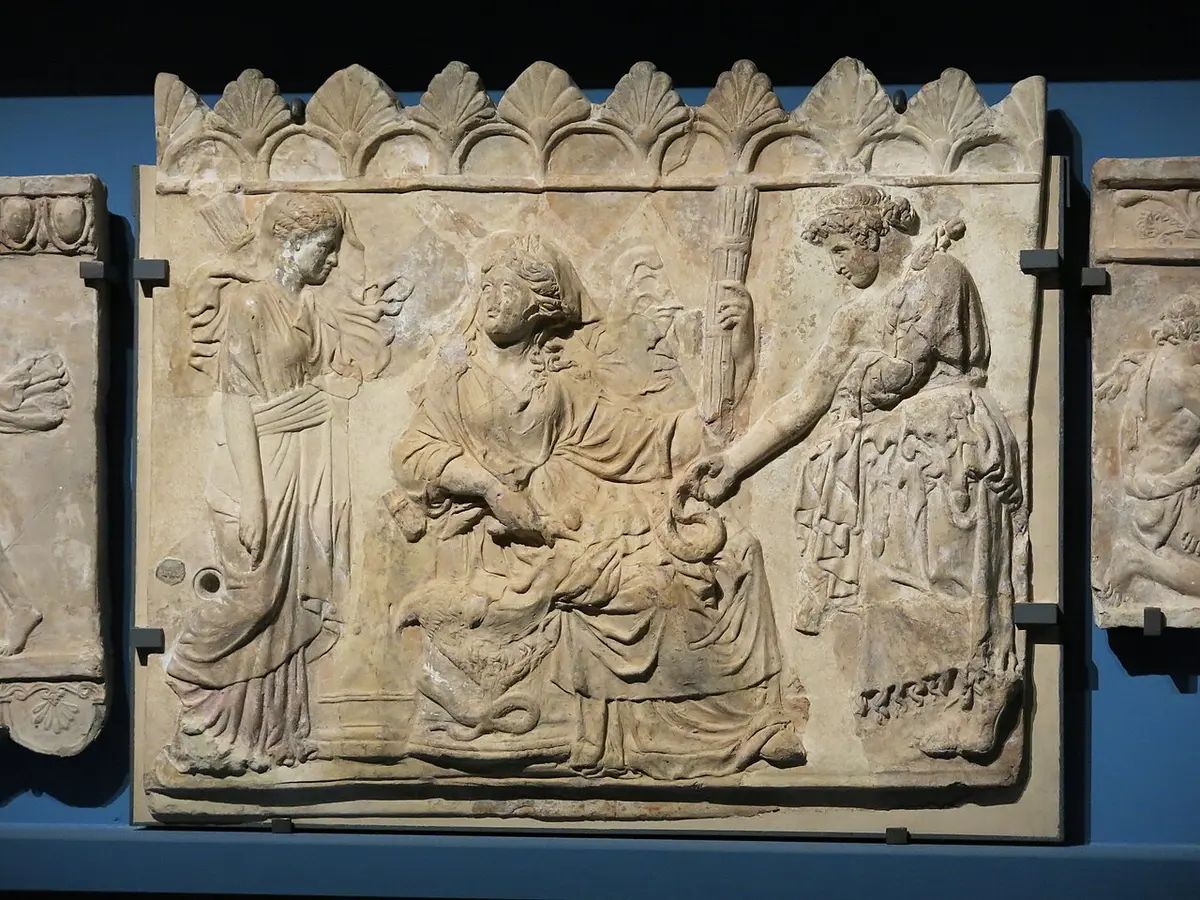
Entry into a religious or esoteric path through ceremony, instruction, recognition, and lived development.
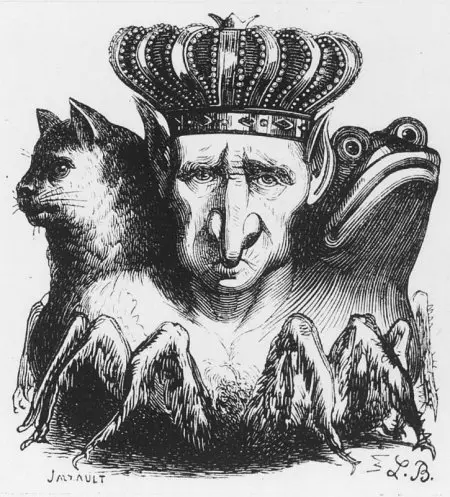
Bael is a ranked spirit in early modern magical catalogues. The Goetic figure should be distinguished from the wider use of the ancient title Baal.