Demonology & Spirits
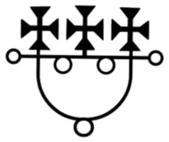
Sitri
A Goetic prince portrayed with a leopard head and griffin wings, whose stated office concerns desire.
A Goetic prince portrayed with a leopard head and griffin wings, whose stated office concerns desire.
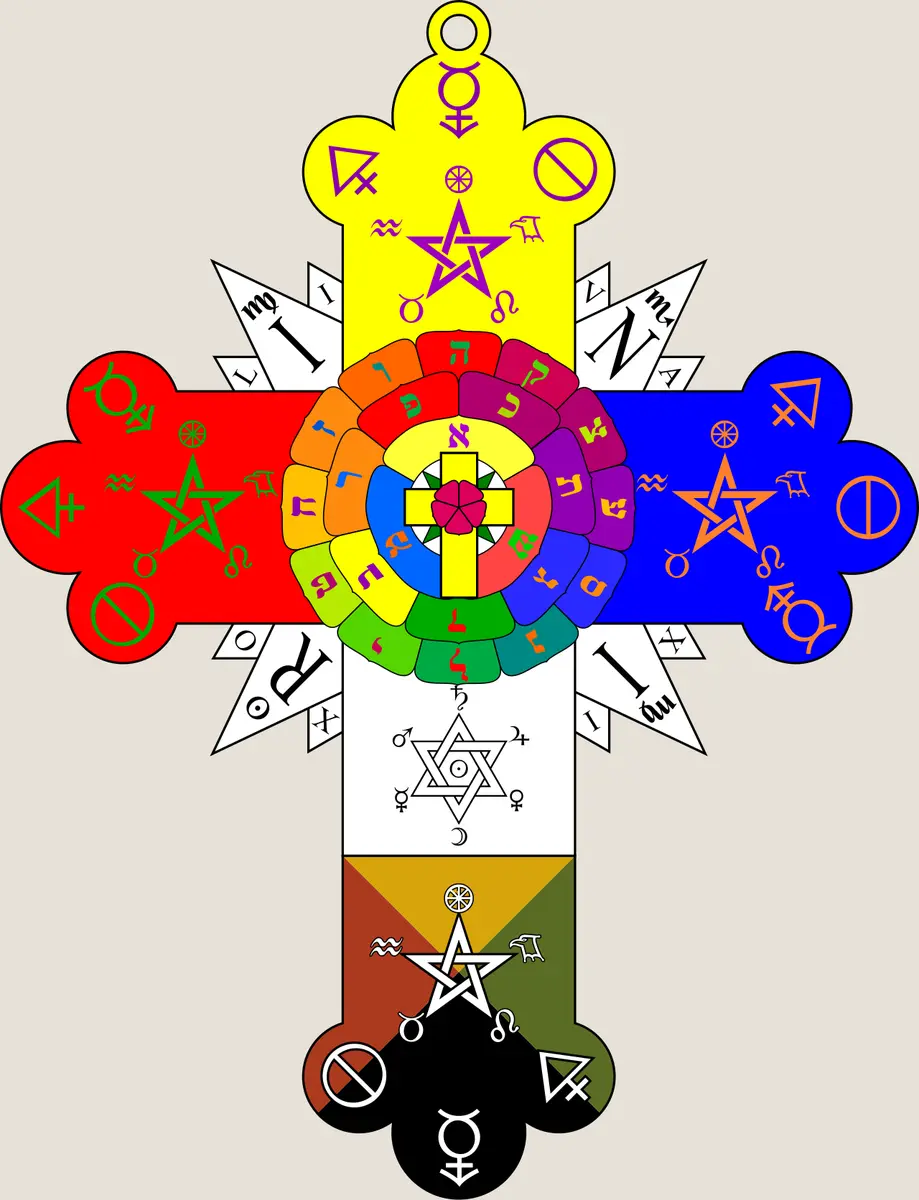
A late nineteenth-century British initiatory order that shaped modern ceremonial magic, Tarot, and Hermetic Qabalah.
A modern esoteric society with stated aims of fraternity, comparative study, and investigation of nature and human capacities.
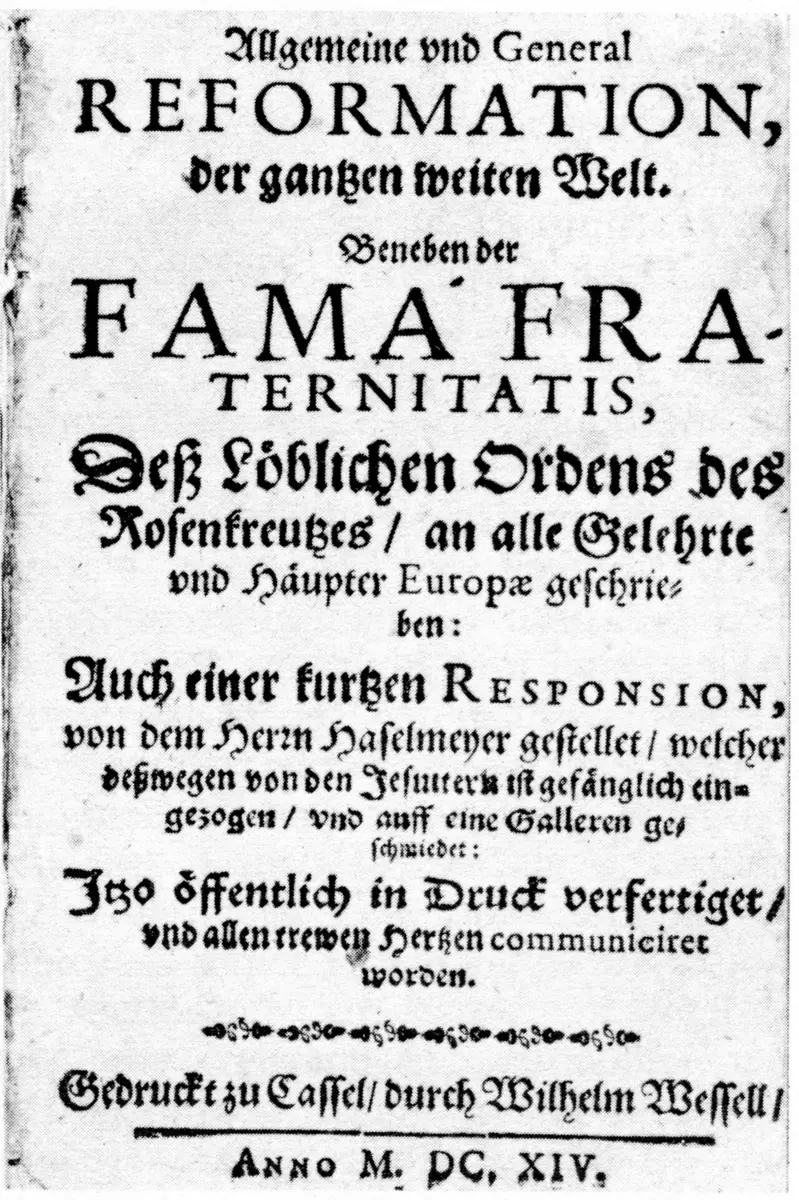
Traditions associated with the rose and cross, the early modern Rosicrucian manifestos, and later initiatory societies.
The grimoire compilation known as the Lemegeton, including the Goetia and several angelic arts.
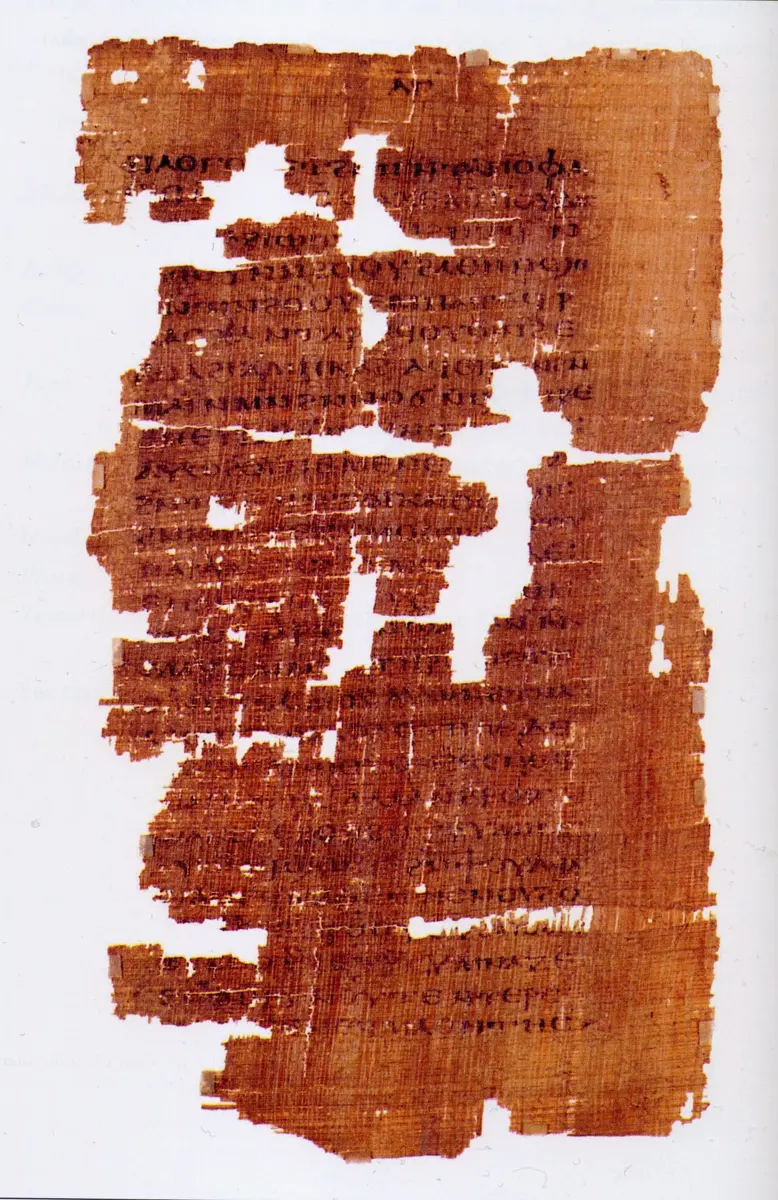
An early Christian revelation dialogue preserved in Coptic, known from the manuscript called Codex Tchacos.
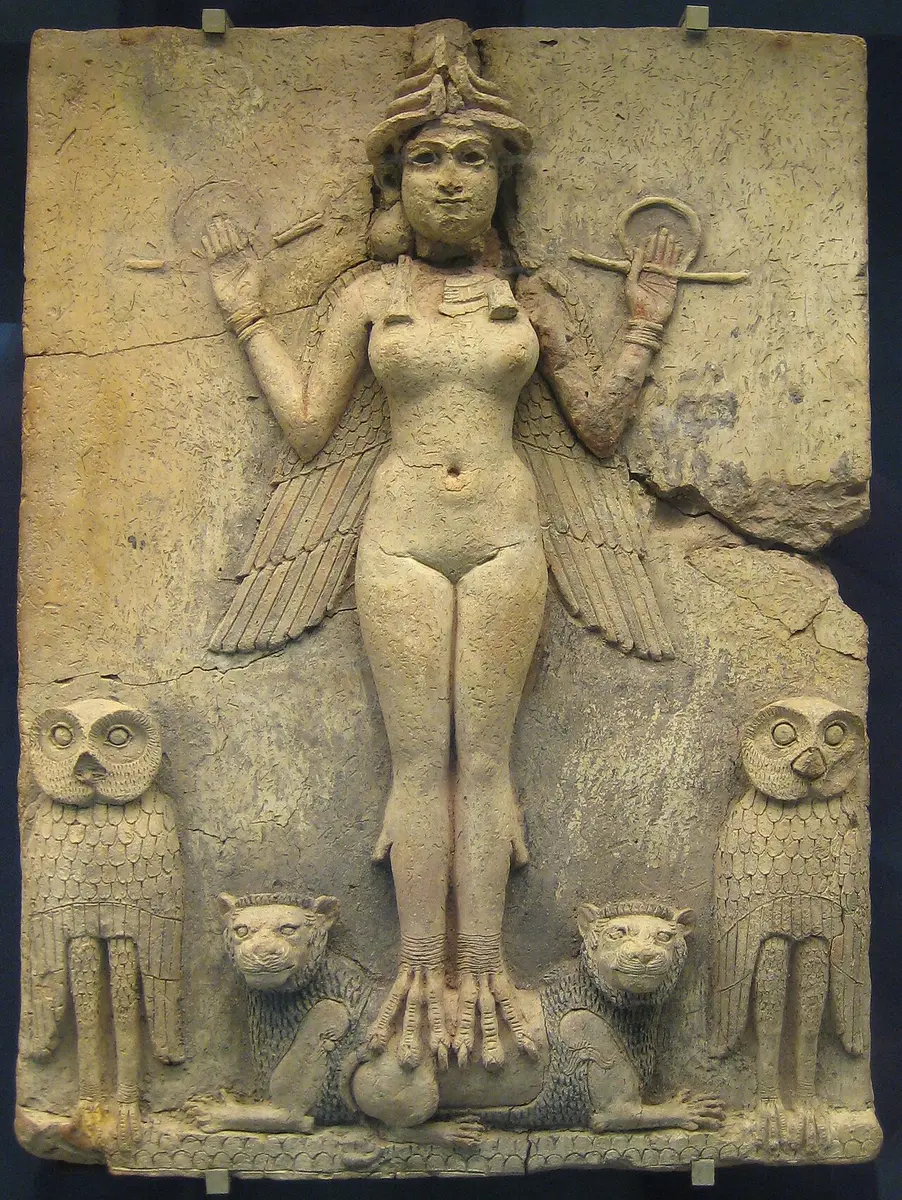
A Mesopotamian queen of the underworld, known through myths of descent and traditions concerning Nergal.
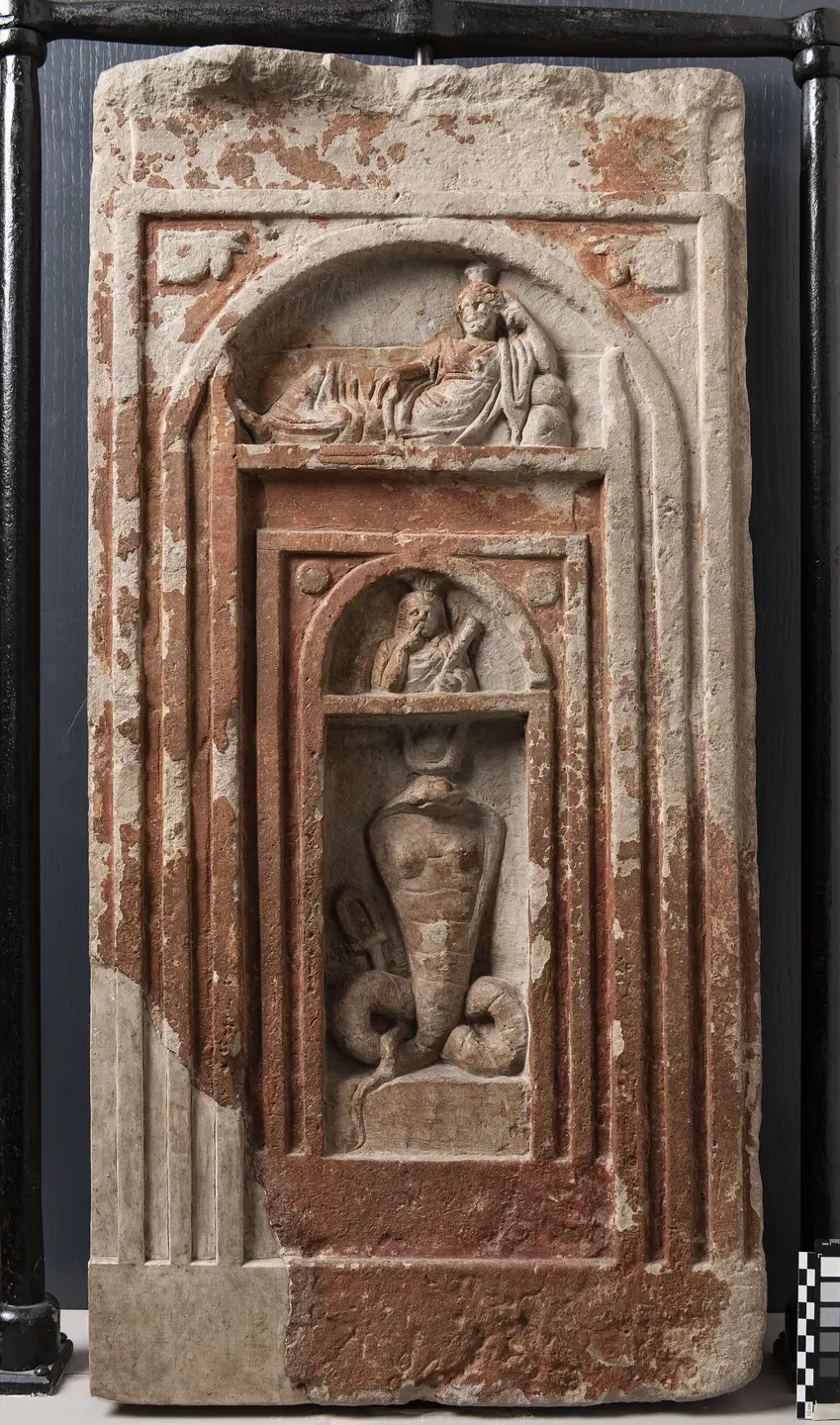
Religious syncretism concerns the combination of ideas, figures, and practices from different traditions. Similarity of names or imagery alone does not establish identity or historical continuity.
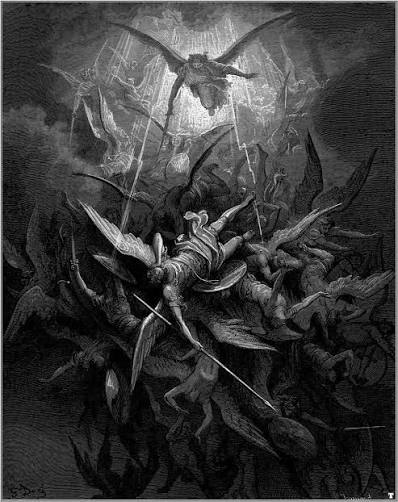
The Book of Giants names a fragmentary Jewish Enochic work represented at Qumran and a related Manichaean adaptation. Its surviving witnesses concern the offspring of the Watchers, ominous dreams, Enoch, and impending judgment.
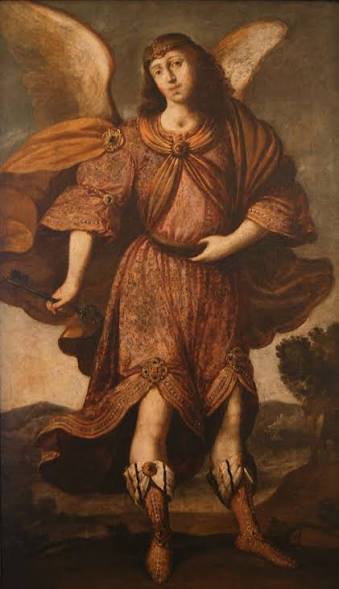
Raziel is an angel associated with the revelation of divine secrets, especially the legendary book given to Adam. His name appears in Jewish interpretive and magical literature and later Western esotericism, where Agrippa connects him with Chokmah, or Wisdom.
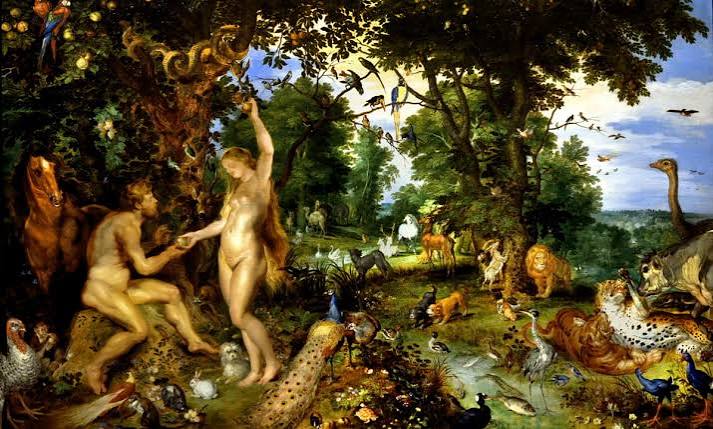
The Life of Adam and Eve is a group of related apocryphal narratives about the first humans. Its versions expand the Eden story through accounts of repentance, the Devil’s hostility, illness, burial, and hoped-for restoration.
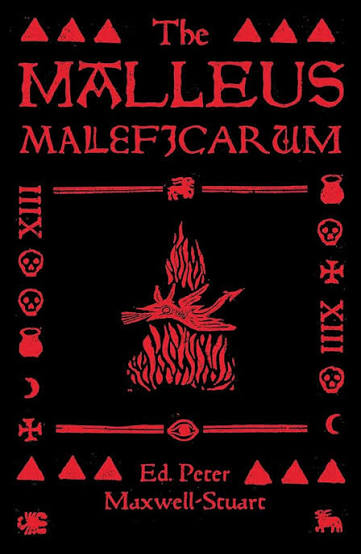
The Malleus Maleficarum is a Latin treatise associated with the inquisitor Heinrich Kramer. It combined demonological argument with proposals for prosecuting alleged witches. Its allegations, treatment of women, and influence require critical historical reading.
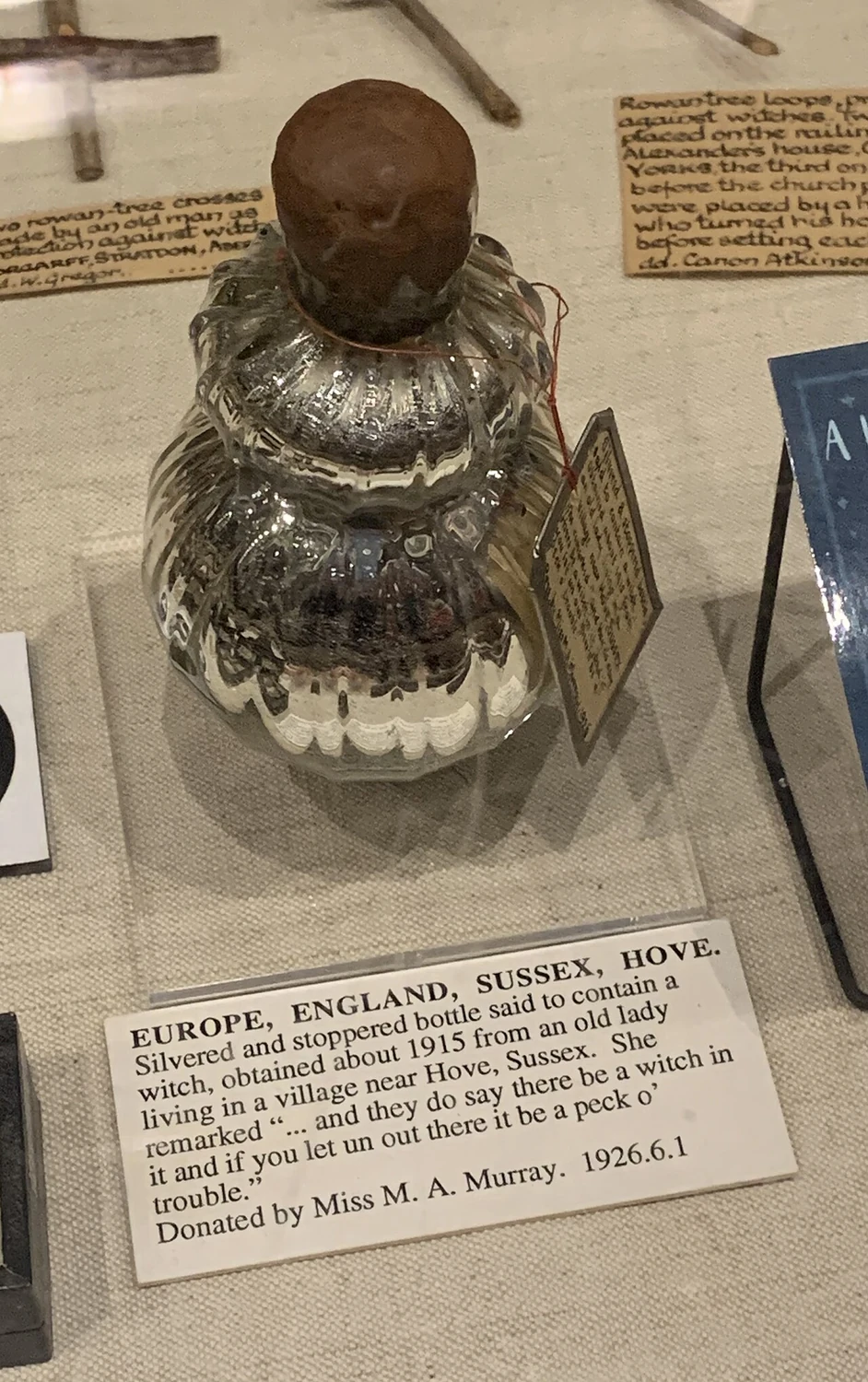
Protective charms, witch bottles, and everyday materials in local magical traditions, with documented British museum examples.
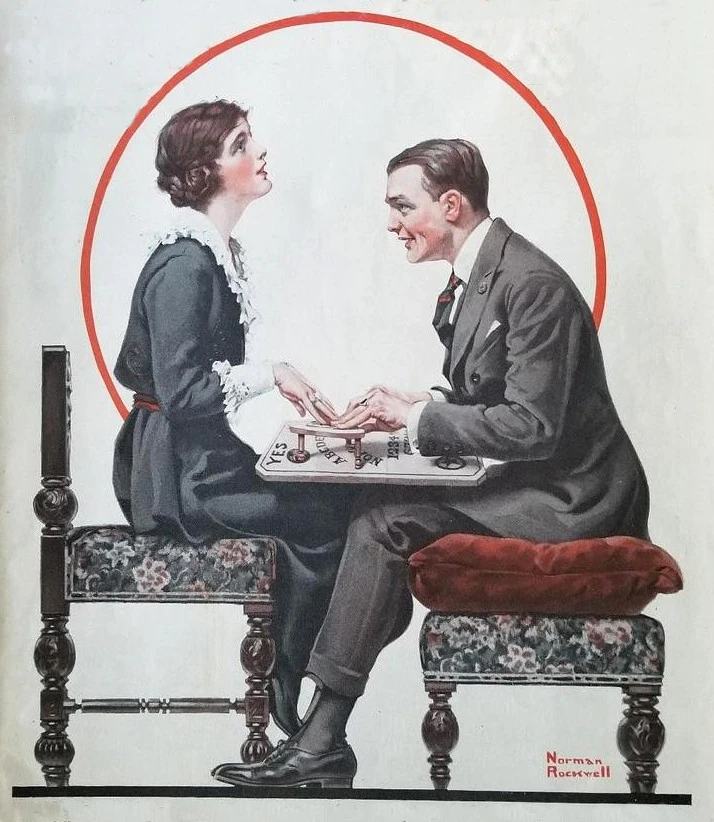
The patented talking-board game, its pointer and commercial history, and research on ideomotor movement and implicit memory.
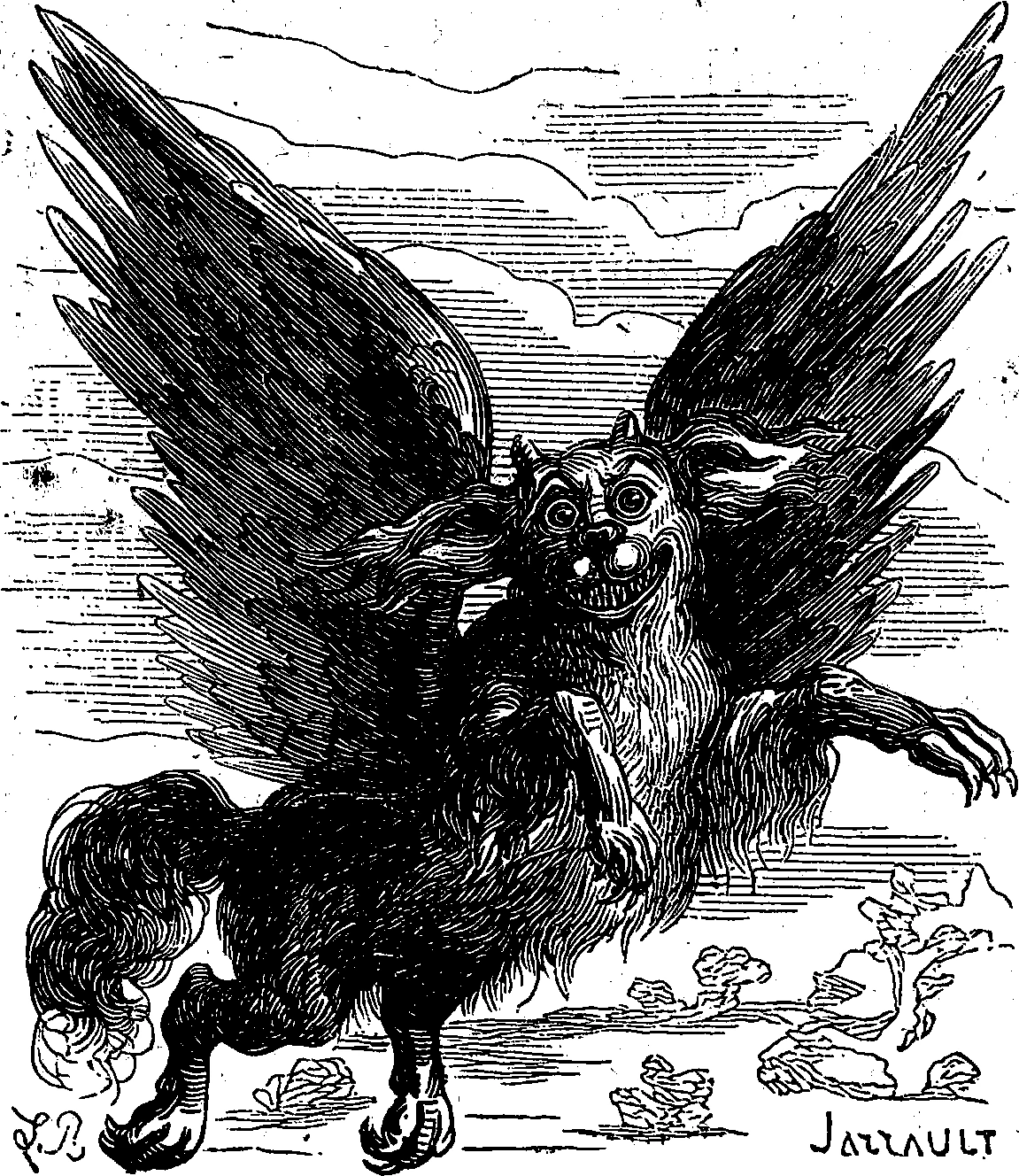
A Goetic spirit combining learned offices with a violent reputation and a winged dog form.
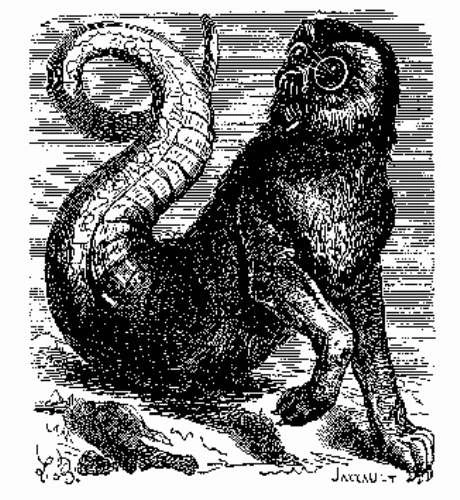
A Goetic marquis with a wolf-like appearance, associated with knowledge and the making or resolution of disputes.
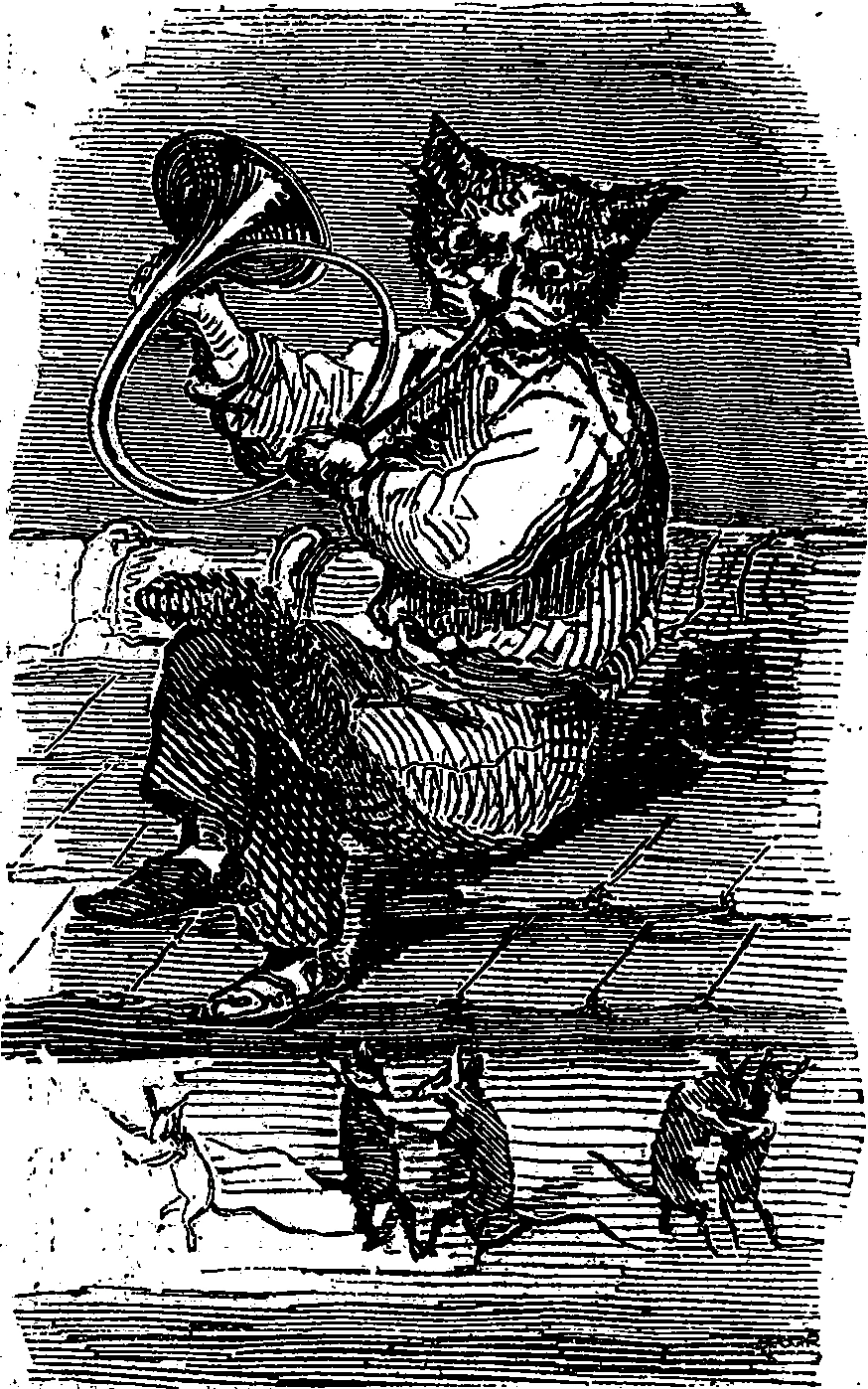
A Goetic king riding a pale horse, associated with desire and an elaborate ceremonial reception.
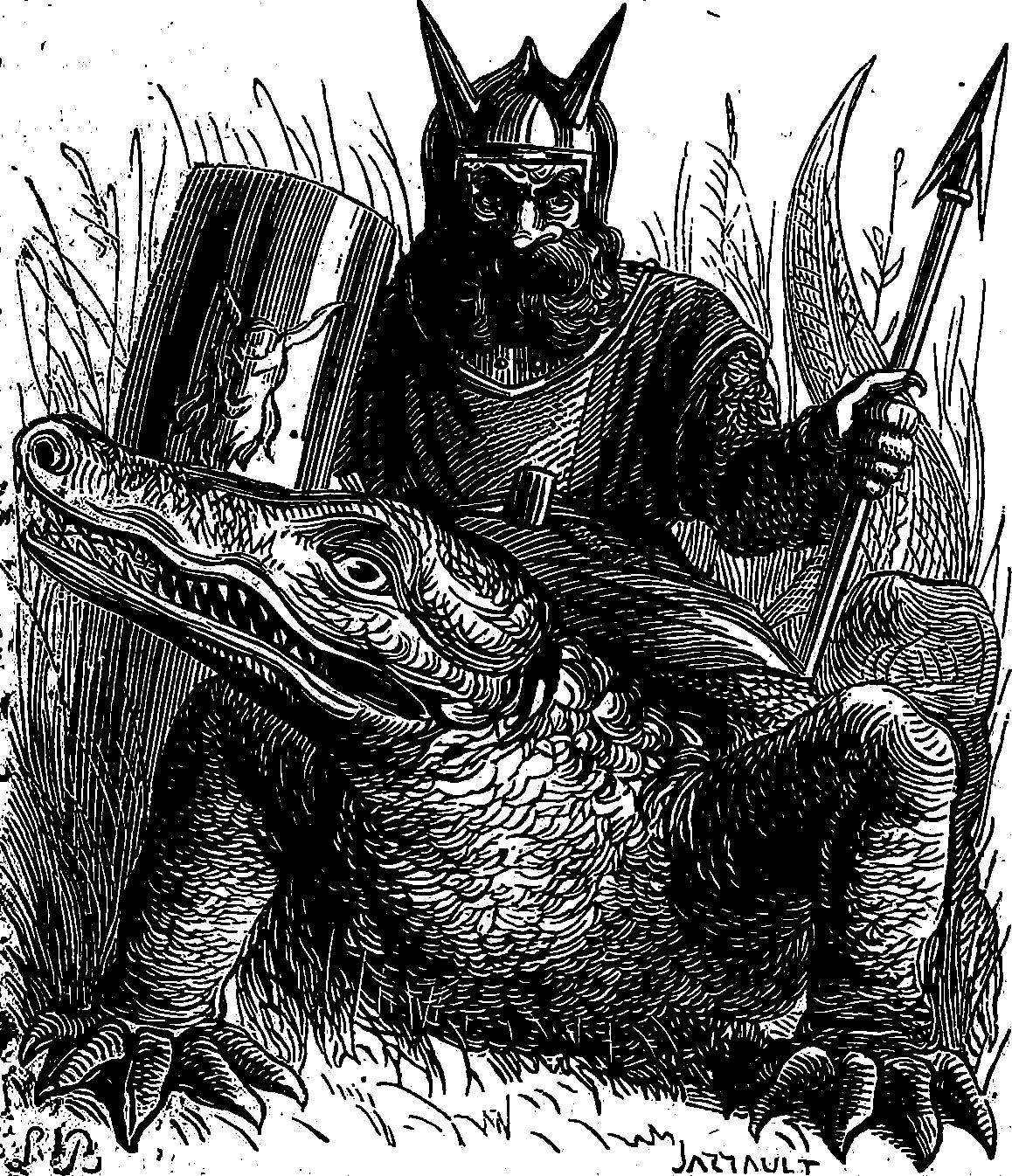
A Goetic duke, also called Saleos, described as a peaceful soldier riding a crocodile.
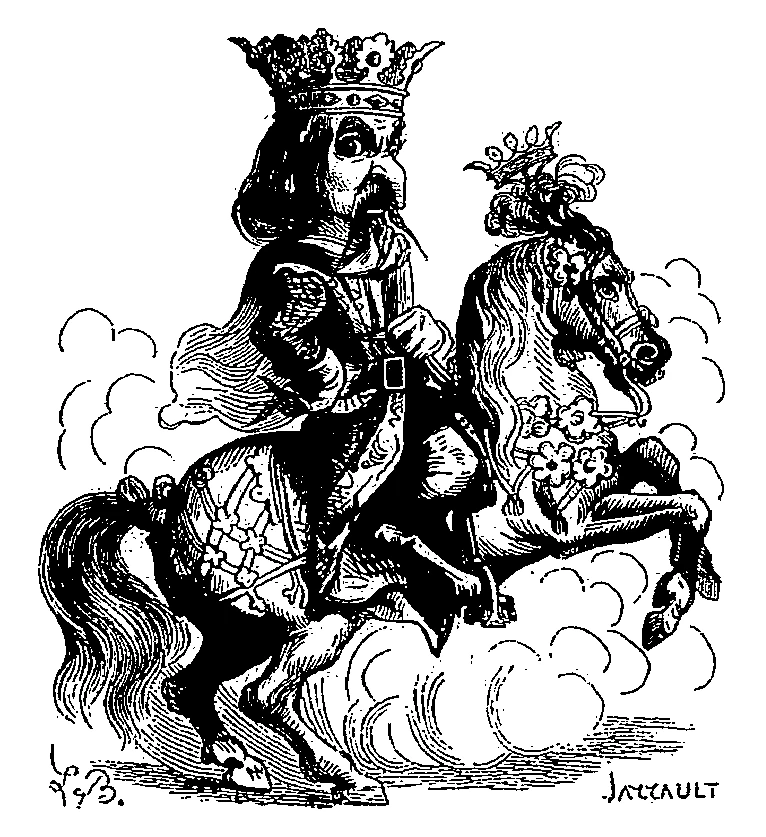
A Goetic duke riding a red horse, credited with knowledge, honors, and the transformation of metals.
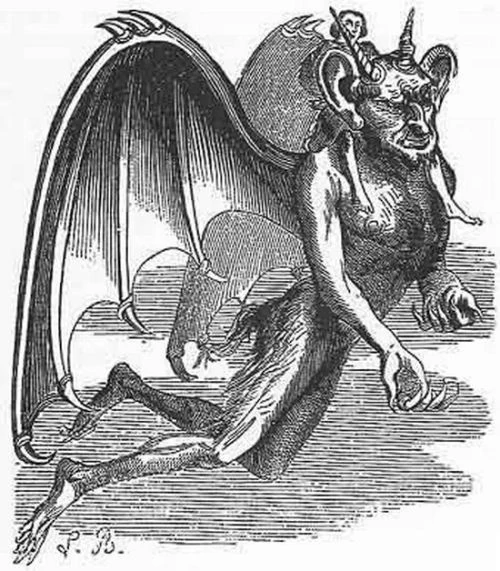
A Goetic spirit associated with learning, altered perception, familiars, and rapid travel.