Theistic Satanism
Demonolatry
Demonolatry refers to devotion to demons or daemonic beings. Modern accounts vary in theology, authority, and their relationship with historical grimoires.
Demonolatry refers to devotion to demons or daemonic beings. Modern accounts vary in theology, authority, and their relationship with historical grimoires.
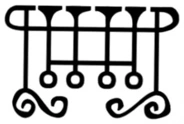
A Goetic duke associated with answers, reconciliation, and the obscure term Xenopilus.
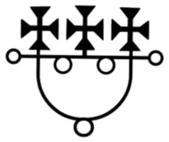
A Goetic prince portrayed with a leopard head and griffin wings, whose stated office concerns desire.
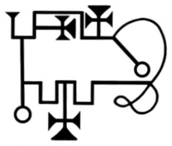
A Goetic marquis in phoenix form, associated with poetry, learning, and a hope of heavenly restoration.

A winged lion-shaped Goetic duke associated with crafts, philosophy, and learned subjects.
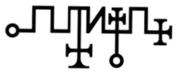
A Goetic spirit with a winged bull form, associated with wit and transformations of liquids and metals.
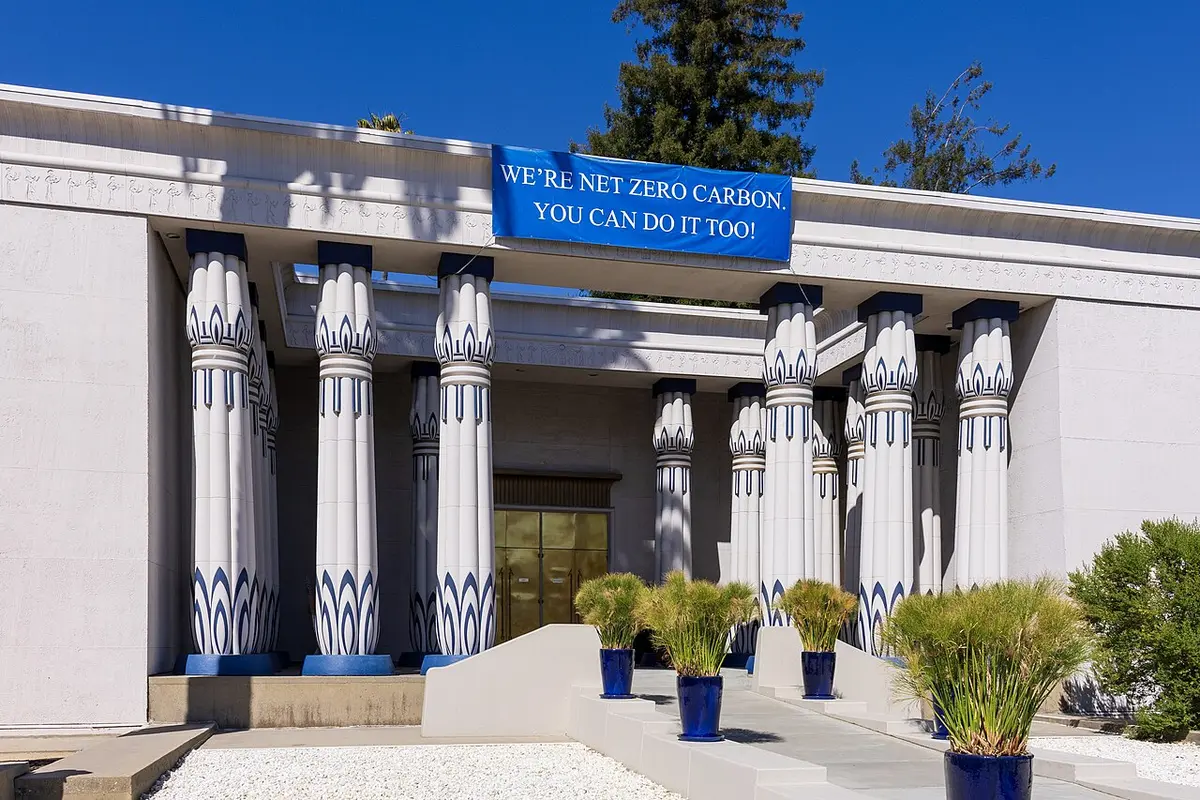
A modern Rosicrucian organization, usually called AMORC, that teaches through lessons and local study groups.
The grimoire compilation known as the Lemegeton, including the Goetia and several angelic arts.
An angelic art in the Lemegeton, using a wax tablet, candles, and a hierarchy of heavenly altitudes.
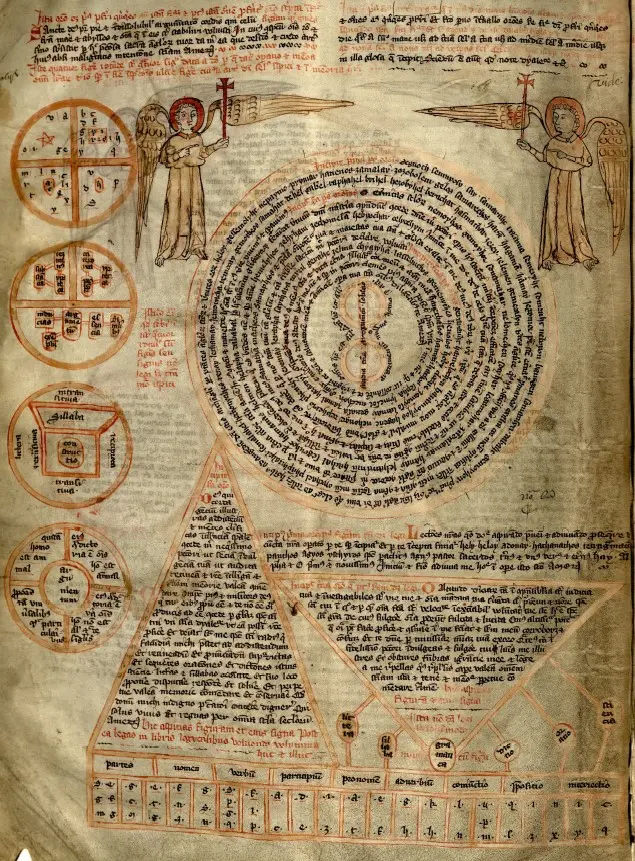
A medieval art of prayer and contemplation intended to confer learning, memory, and eloquence.
A grimoire built around religious preparation, the guardian angel, and subsequent work with spirits and magical squares.
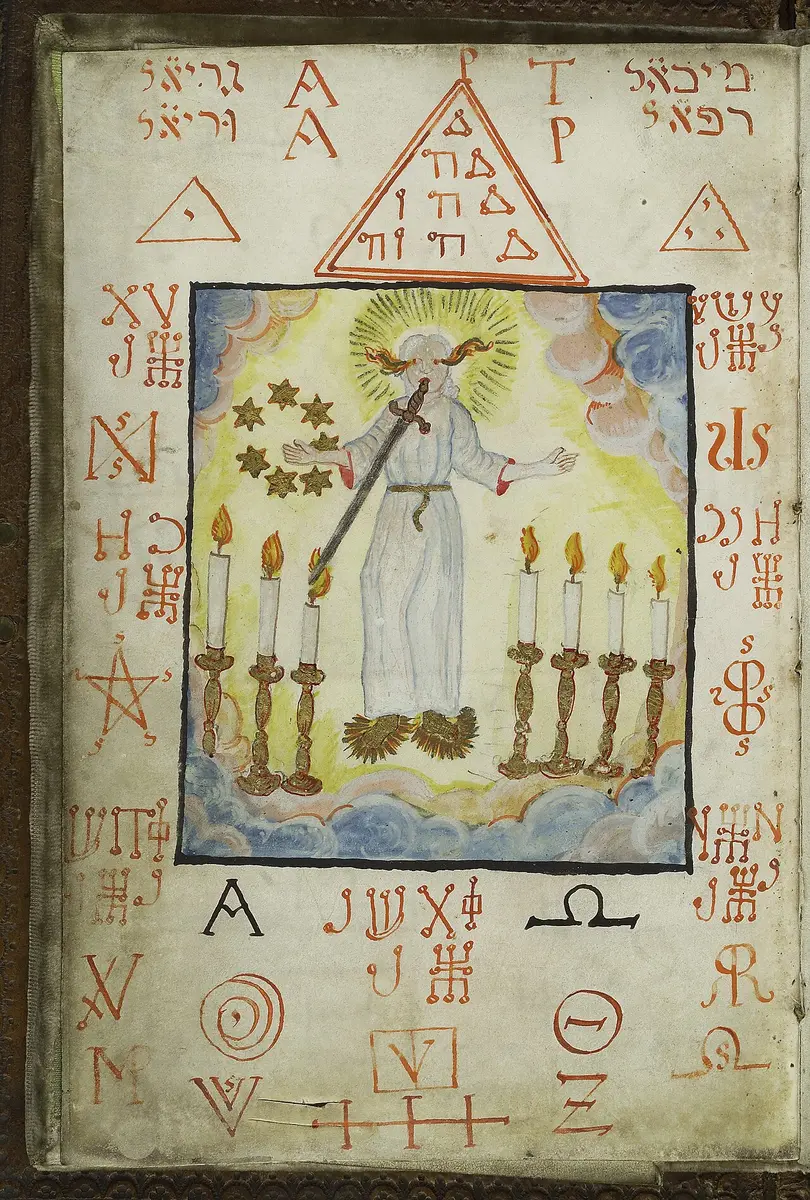
The medieval Liber Juratus, a work of sacred magic concerned with divine vision, angels, and ritual authority.
The Hebrew Enochic work associated with heavenly palaces and Enoch’s transformation into Metatron.
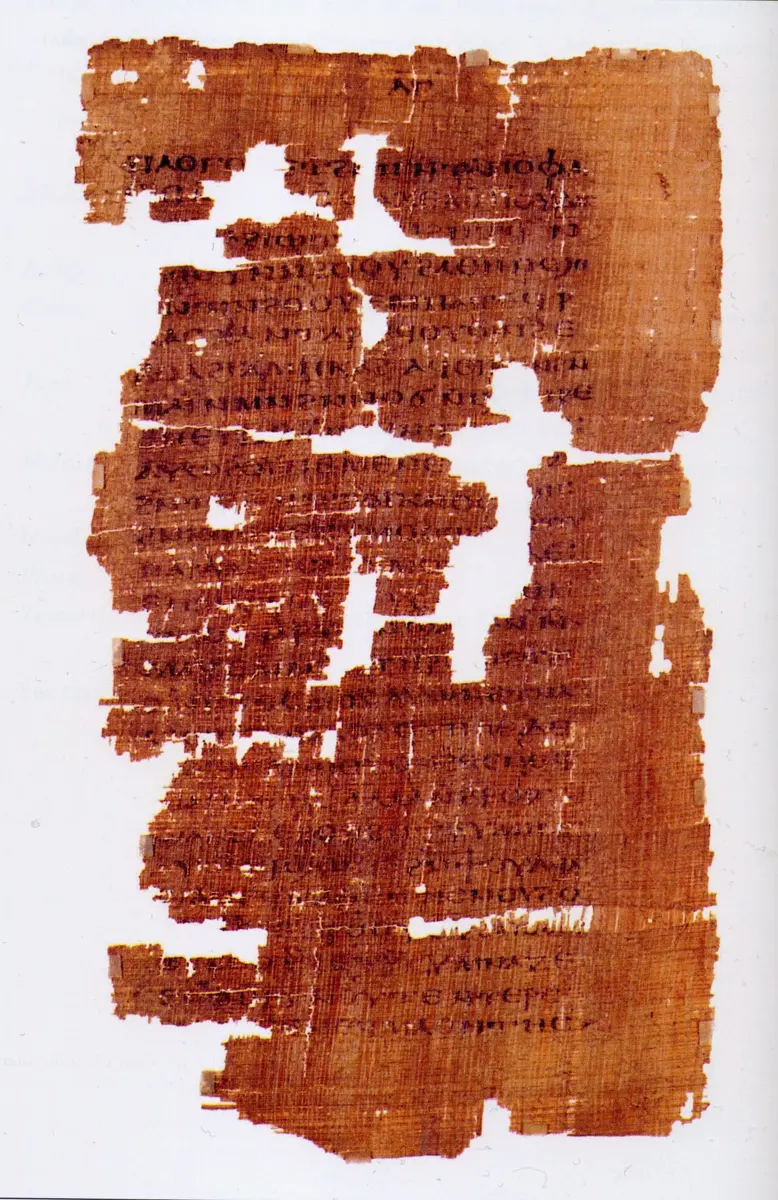
An early Christian revelation dialogue preserved in Coptic, known from the manuscript called Codex Tchacos.
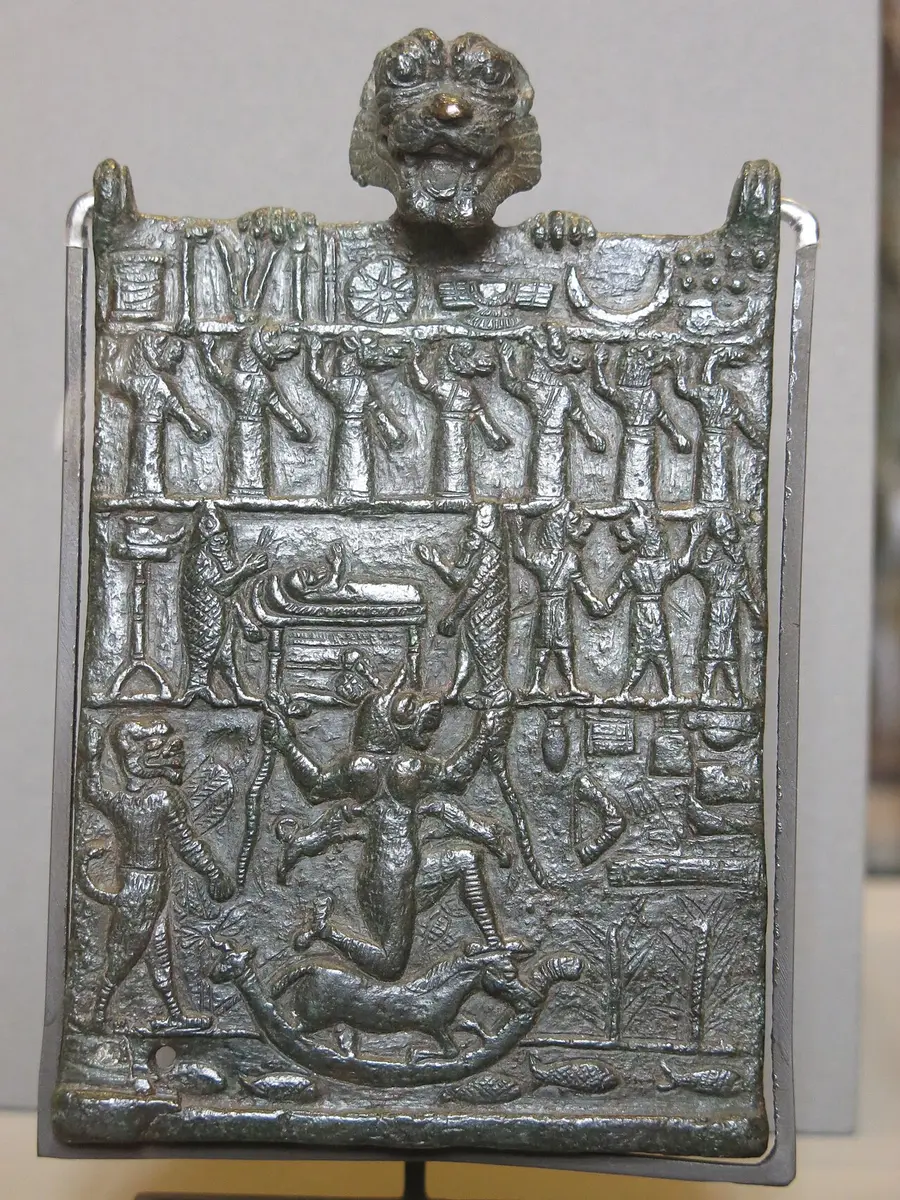
A Mesopotamian harmful female power represented on amulets and plaques intended to repel her.
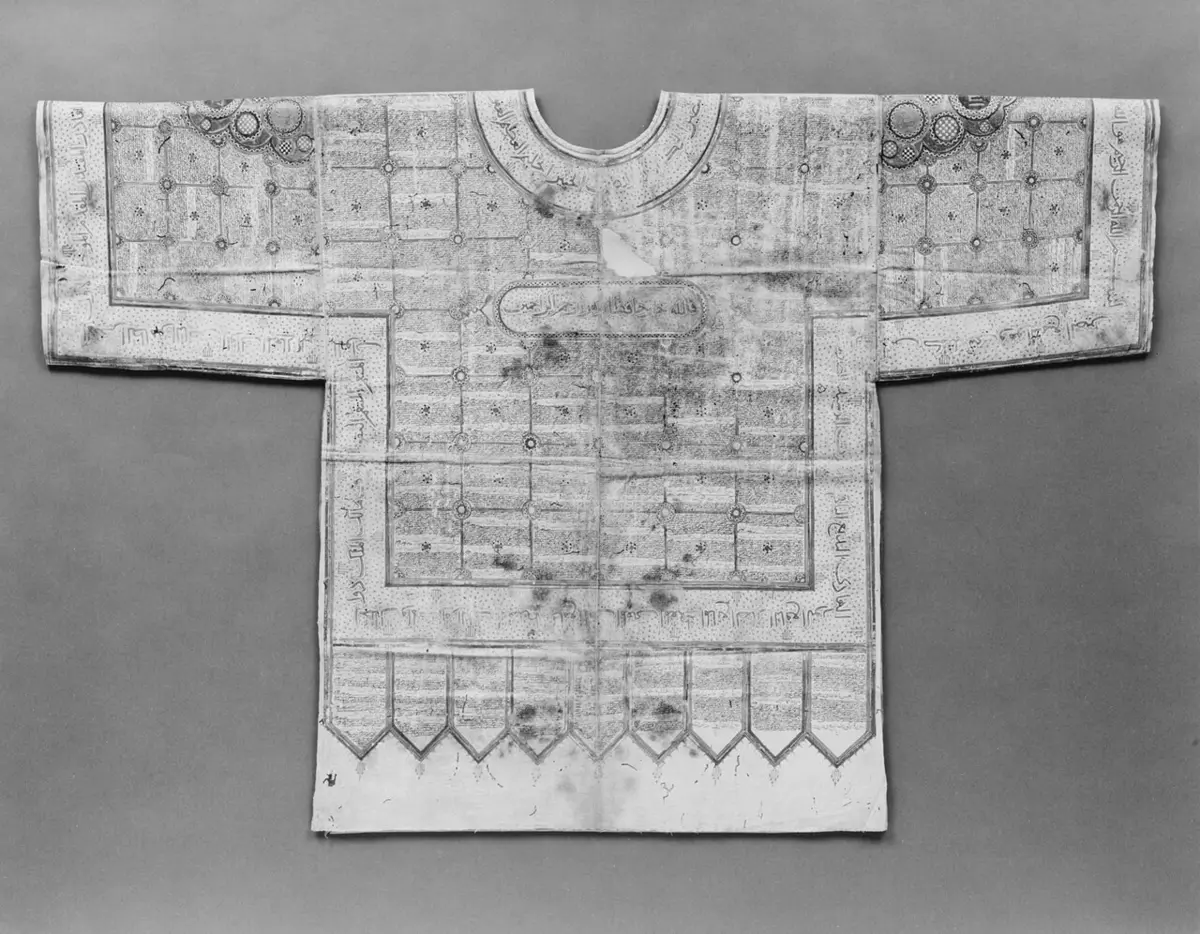
Objects prepared or used for a particular effect through inscriptions, images, materials, and ritual meaning.
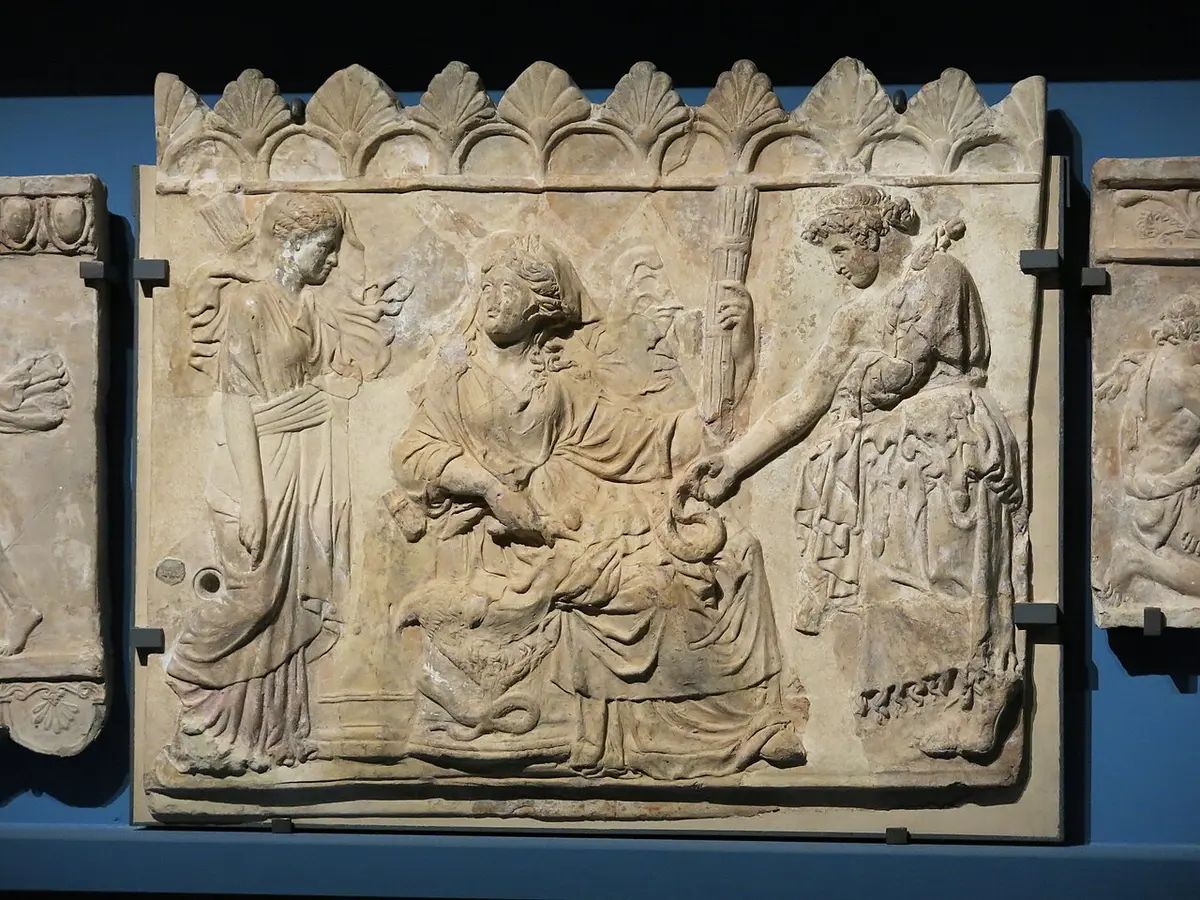
Entry into a religious or esoteric path through ceremony, instruction, recognition, and lived development.
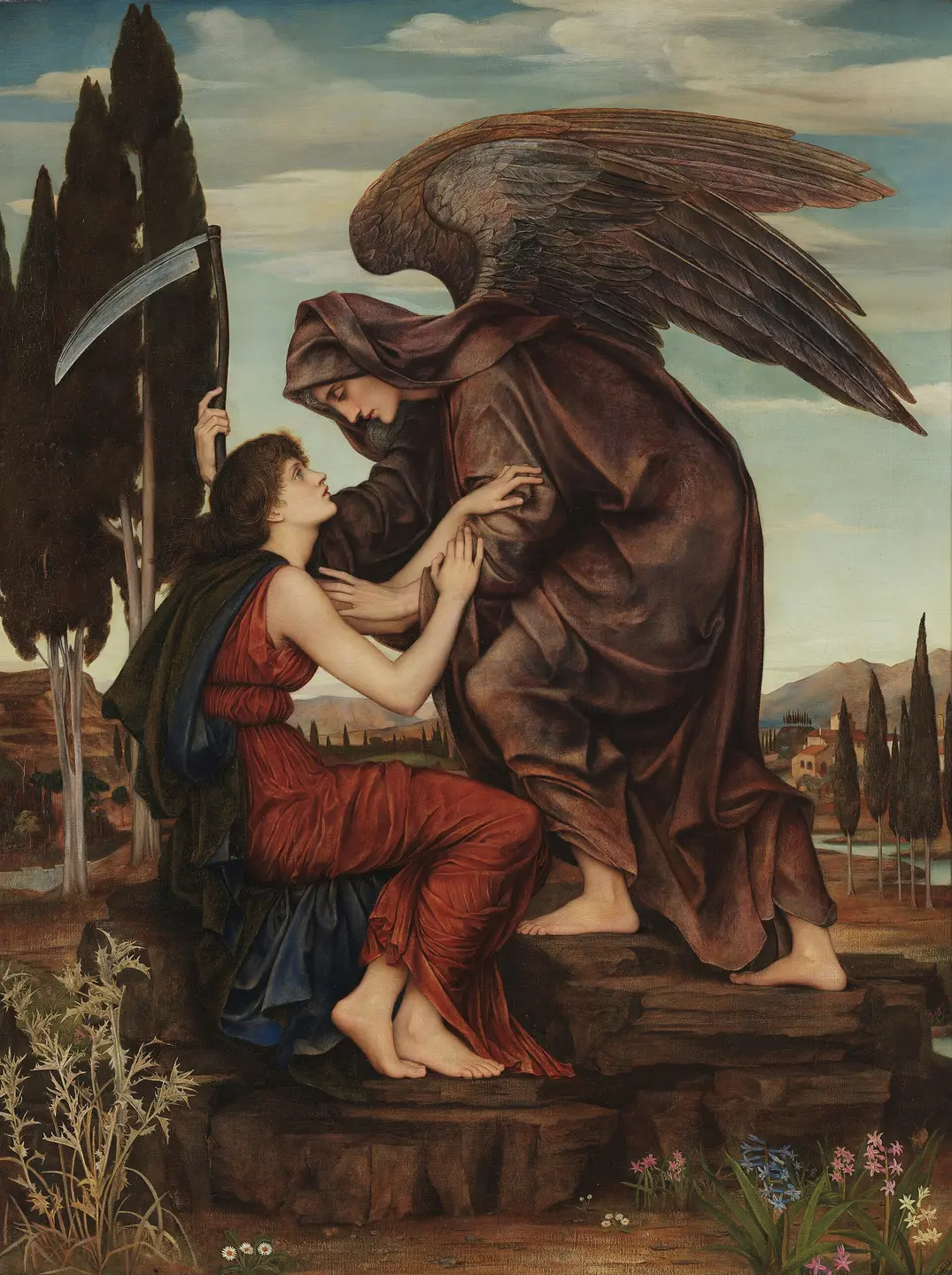
Samael appears in Jewish interpretive literature in roles that vary between texts. His relationship with Satan, the serpent, and other figures should be described source by source.
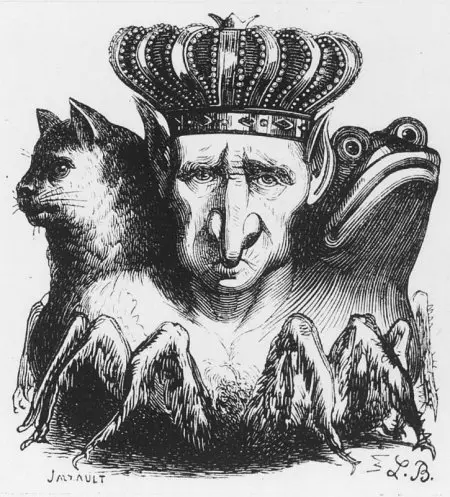
Bael is a ranked spirit in early modern magical catalogues. The Goetic figure should be distinguished from the wider use of the ancient title Baal.
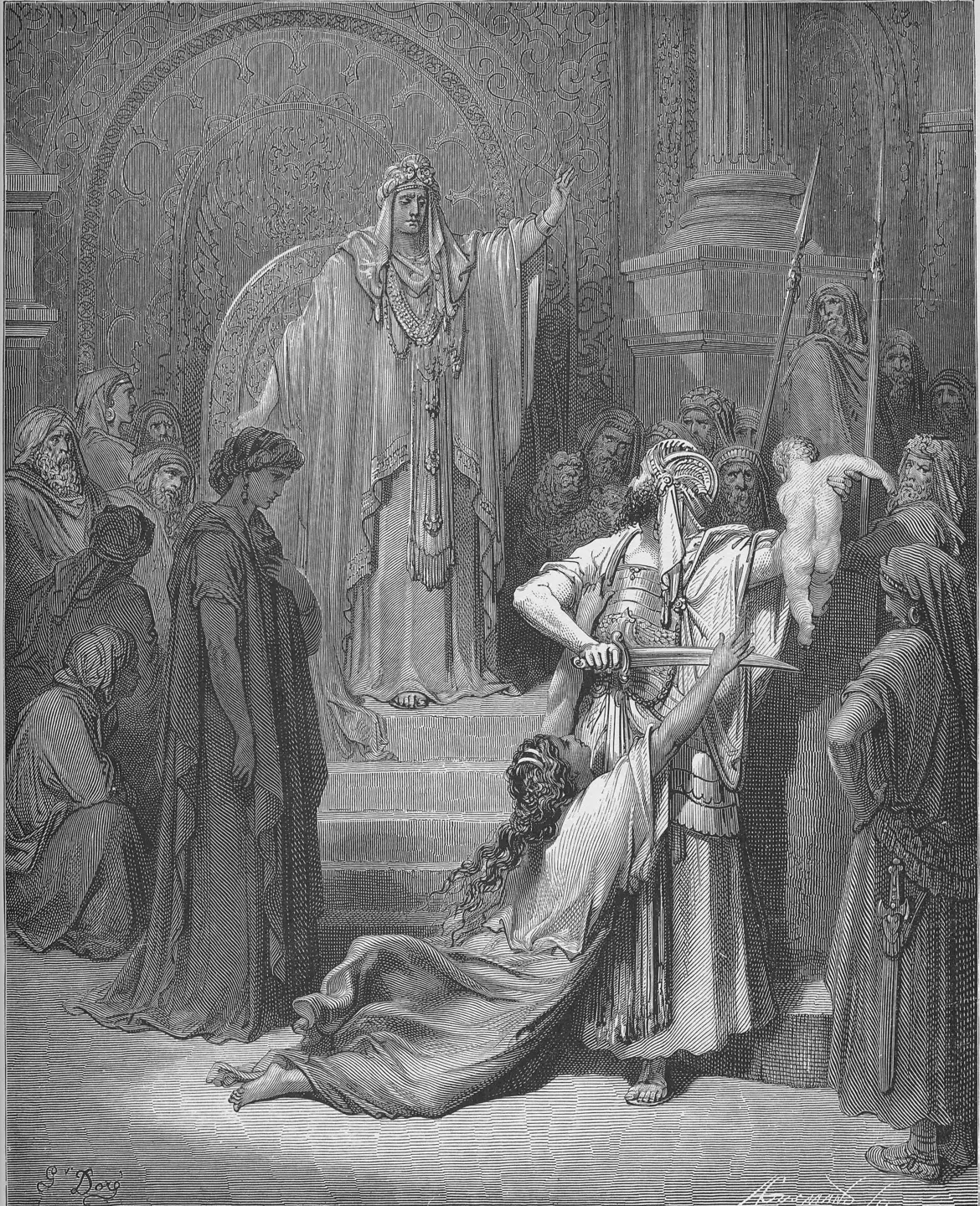
Solomon’s name supplies authority to several magical and religious works. Attribution to the king must be distinguished from the date and authorship of the surviving text.