Texts & Sources
Picatrix
Picatrix is the Latin title associated with an influential Arabic work of astral magic. Its cosmological and ritual framework differs from a catalogue of Goetic spirits.
Picatrix is the Latin title associated with an influential Arabic work of astral magic. Its cosmological and ritual framework differs from a catalogue of Goetic spirits.
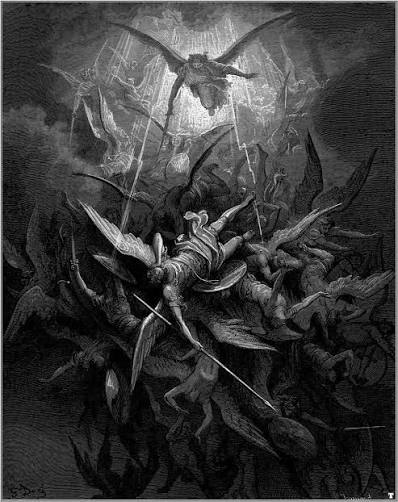
The Book of Giants names a fragmentary Jewish Enochic work represented at Qumran and a related Manichaean adaptation. Its surviving witnesses concern the offspring of the Watchers, ominous dreams, Enoch, and impending judgment.
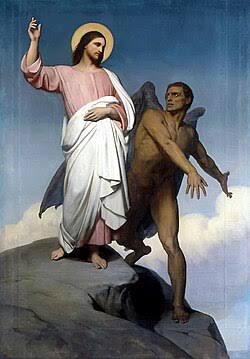
The temptation of Jesus is an encounter with Satan in the wilderness narrated by Matthew, Mark, and Luke. Its differing forms connect hunger, divine sonship, scriptural argument, worldly rule, and worship.
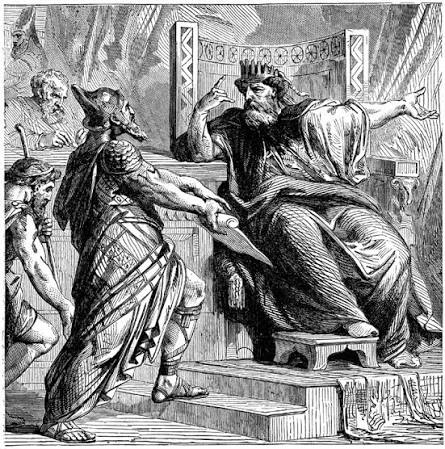
In 1 Chronicles 21, Satan or an adversary incites David to count Israel. Comparison with 2 Samuel 24 raises questions about divine agency, translation, and the development of the adversary figure.
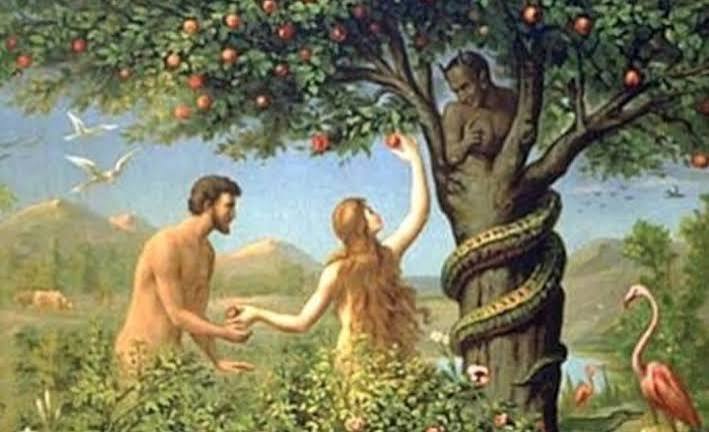
The serpent in Genesis 3 persuades the woman to eat from the tree of knowledge. The chapter does not name Satan. Later texts and interpretations connect the serpent with the Devil, adding to the history of the Eden story.

Grigoripedia is the official online encyclopedia of Satano-Grigorism, maintained by members of the Grigorist Temple of Satanael. Launched in June 2026 according to its About page, it documents the religion’s beliefs, deities, scriptures, history, holidays, and terminology from a Satano-Grigorist perspective.
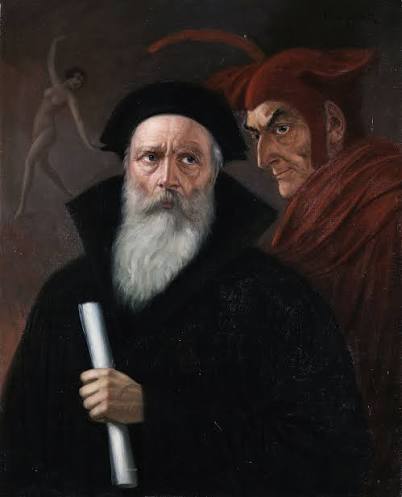
Faust is the scholar or magician at the center of a European legend about bargaining with the Devil. The 1587 Faust book, Marlowe’s Doctor Faustus, and Goethe’s Faust give the story different treatments of knowledge, desire, damnation, and human striving.

Mastema is a leader of harmful spirits in the Book of Jubilees. His appearances in the stories of Noah, Abraham, and Moses connect temptation, accusation, and hostility with a power that remains subject to divine limits.
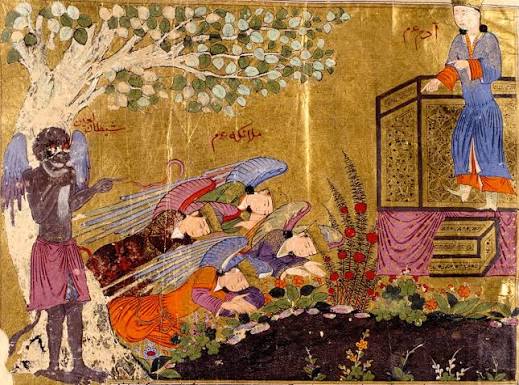
Iblis is the figure who refuses God’s command to bow to Adam in the Qur’an. Islamic commentary and Sufi literature explore his pride, his relationship to the jinn, his role as a tempter, and the meaning of his disobedience.

An introduction to contemporary Pagan traditions, including Wicca, Druidry, and Heathenry, and their different uses of older sources.
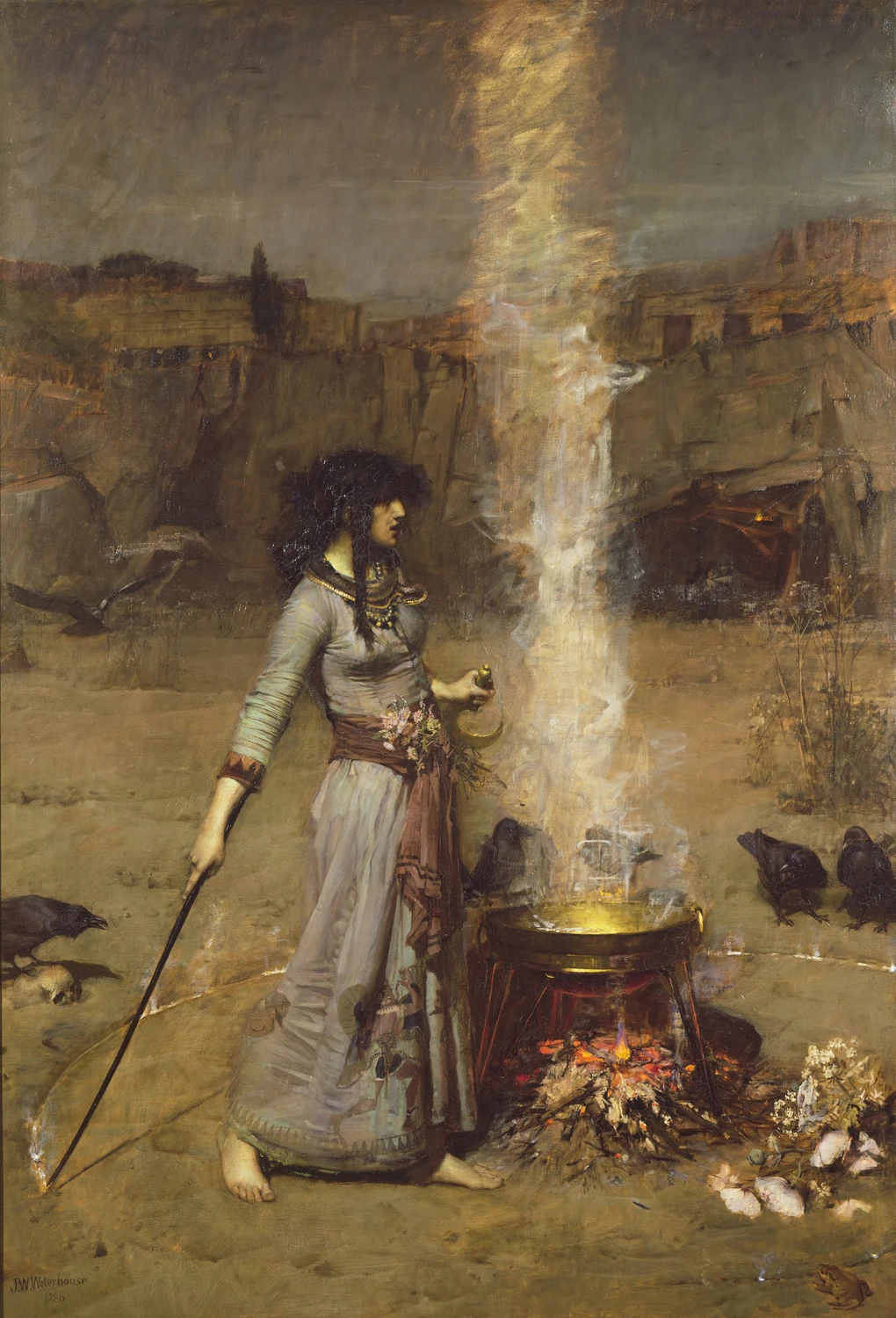
How witchcraft has meant an accusation, a magical practice, and a modern identity, with examples from museums and trial records.

Protective charms, witch bottles, and everyday materials in local magical traditions, with documented British museum examples.
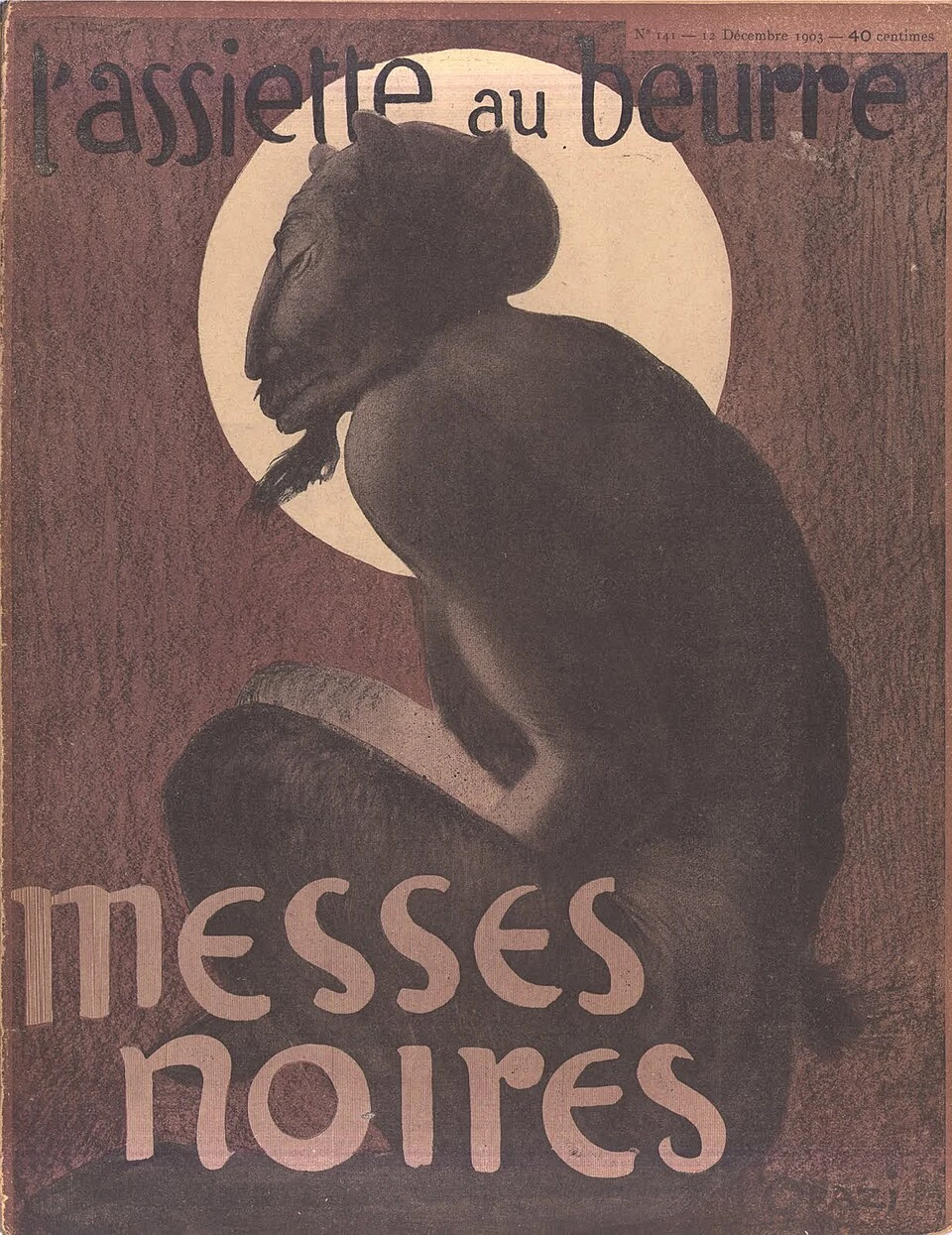
A term for ritual inversion of Christian worship, with Huysmans's literary portrayal and a modern distinction from Satanic Mass.
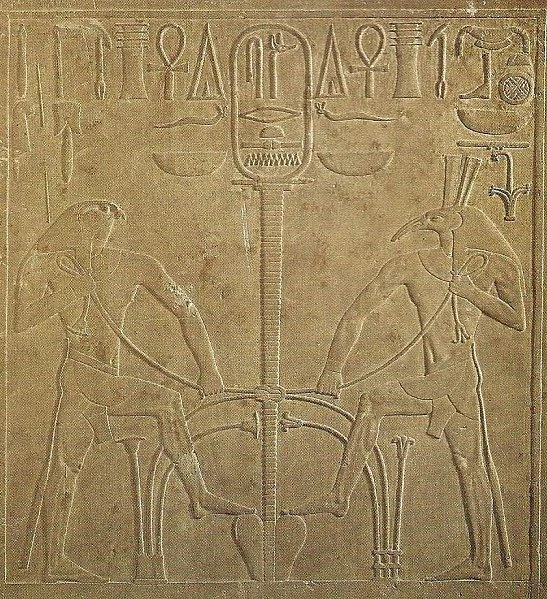
The religious philosophy associated with the Temple of Set, the Egyptian name Set, and the idea of Xeper.
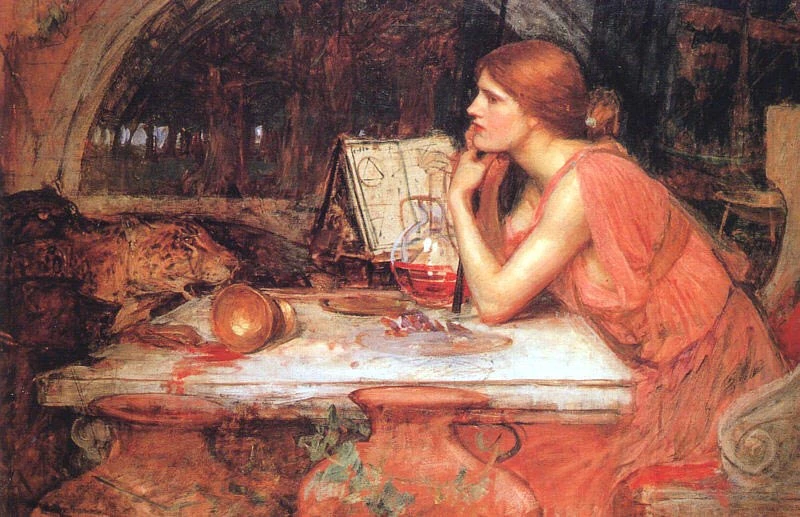
Ceremonies intended to clear, delimit, or reorder a ritual setting, with methods that vary by tradition.
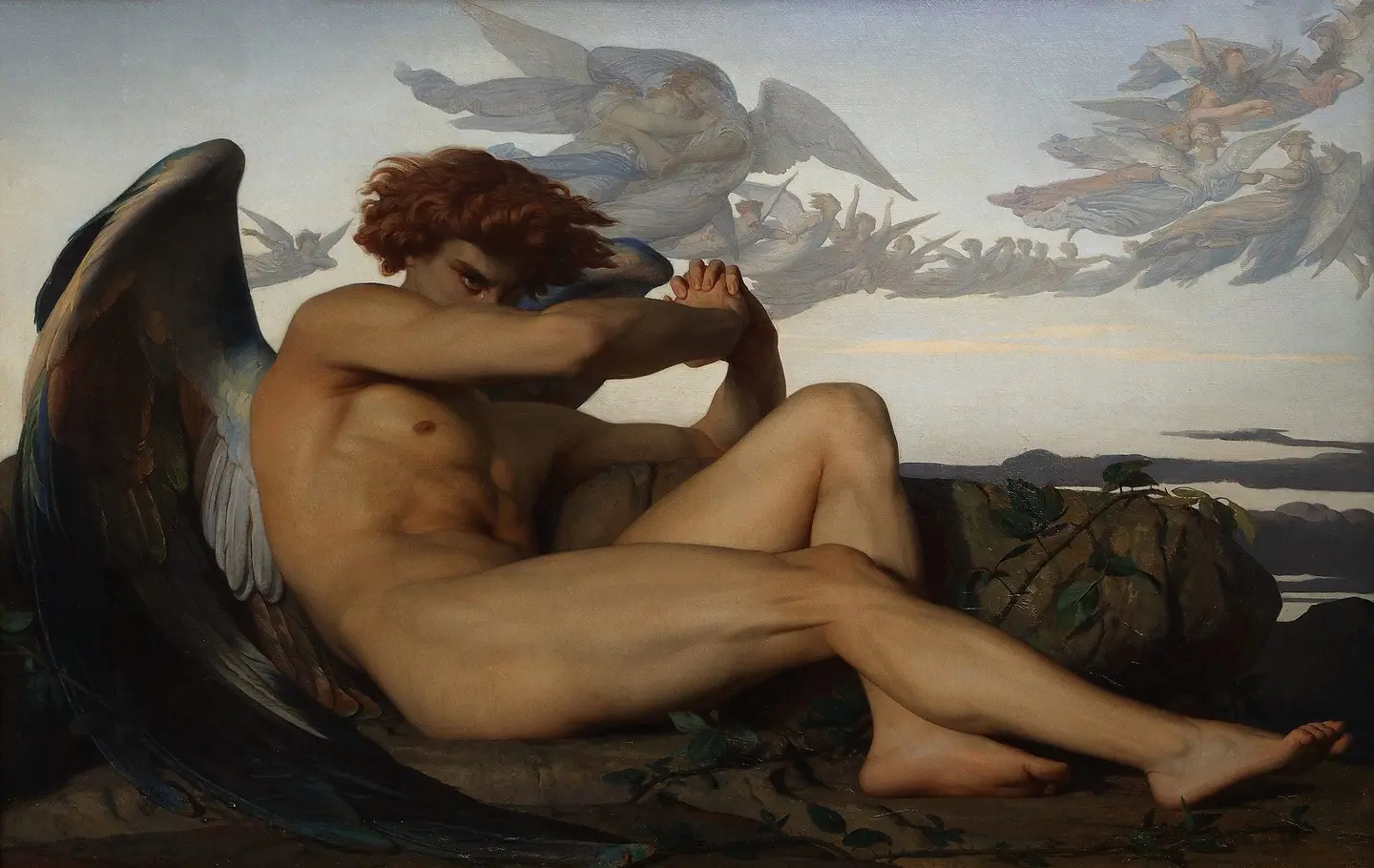
Lucifer is a name whose religious meaning developed from an ancient expression for the morning star into one of the best-known names associated with the Devil, fallen angels, occult illumination, and modern Luciferian religion. The word itself is Latin: lūcifer means “light-bringer” or “light-bearer” and was used for the planet Venus when it appeared before sunrise. The later equation “Lucifer = Satan”…

Prayer is intentional communication addressed to a deity, spirit, sacred power, or ultimate reality. It can include praise, petition, confession, thanksgiving, lament, dedication, silence, repetition, or simple direct speech. In theistic Satanism, prayer usually means addressing Satan or another spiritually real being rather than speaking only to oneself or performing a purely symbolic exercise.
Ethics in theistic Satanism concerns the moral principles, responsibilities, virtues, prohibitions, and methods of judgement developed by Satanists who regard Satan or related beings as real rather than purely symbolic. There is no universal Satanic ethical code. Theistic Satanism is decentralized, and its practitioners may draw on personal conscience, religious devotion, philosophical individualism,…