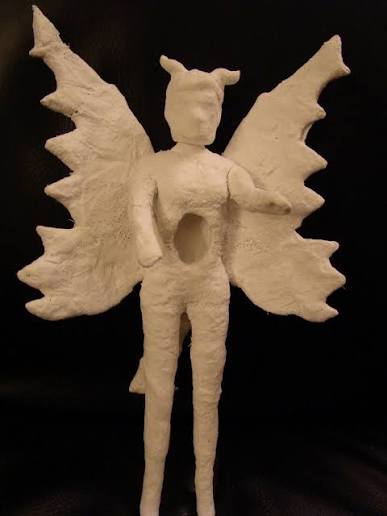
Demonology & Spirits
Mastema
Mastema is a leader of harmful spirits in the Book of Jubilees. His appearances in the stories of Noah, Abraham, and Moses connect temptation, accusation, and hostility with a power that remains subject to divine limits.
Mastema is a leader of harmful spirits in the Book of Jubilees. His appearances in the stories of Noah, Abraham, and Moses connect temptation, accusation, and hostility with a power that remains subject to divine limits.
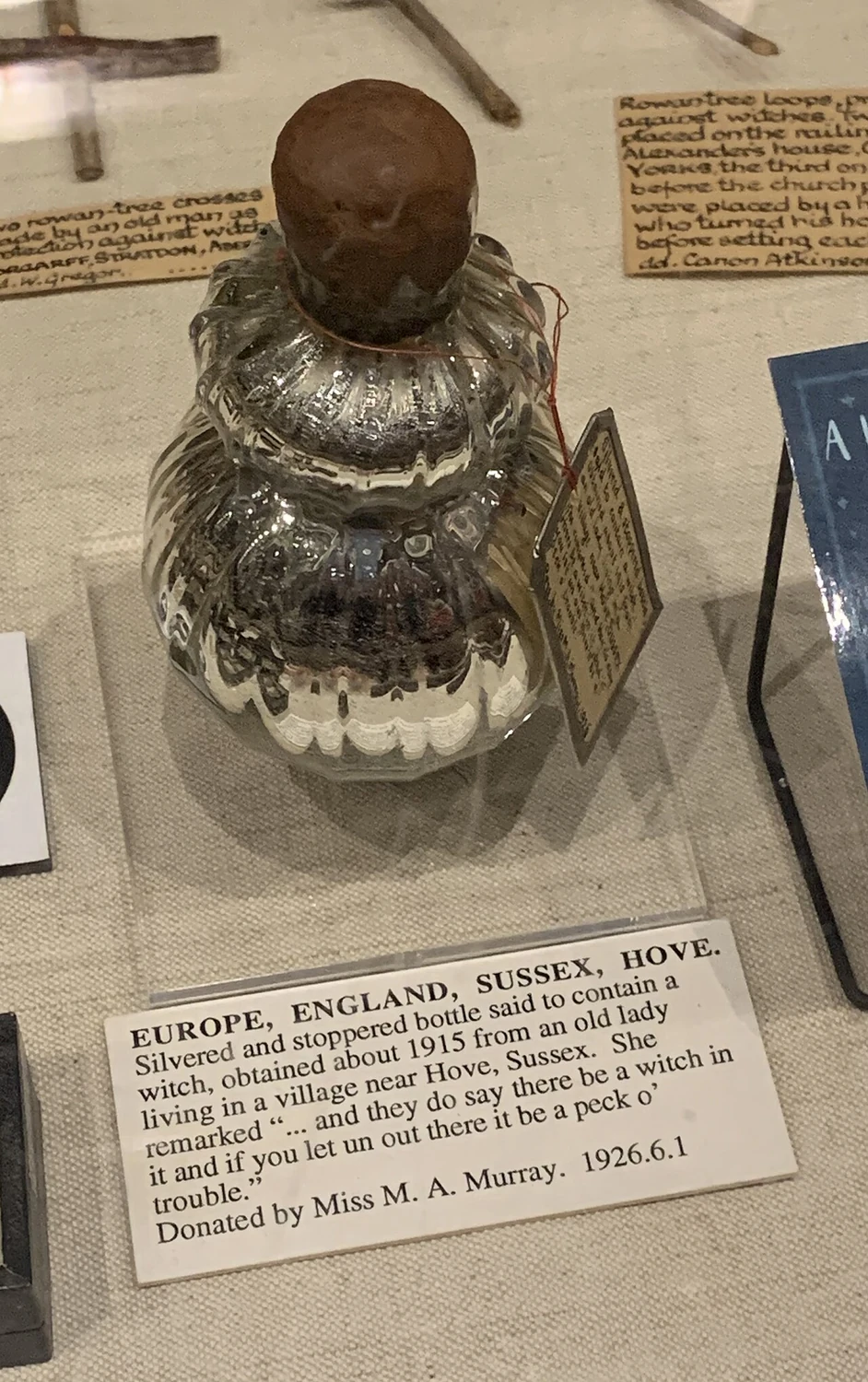
Protective charms, witch bottles, and everyday materials in local magical traditions, with documented British museum examples.
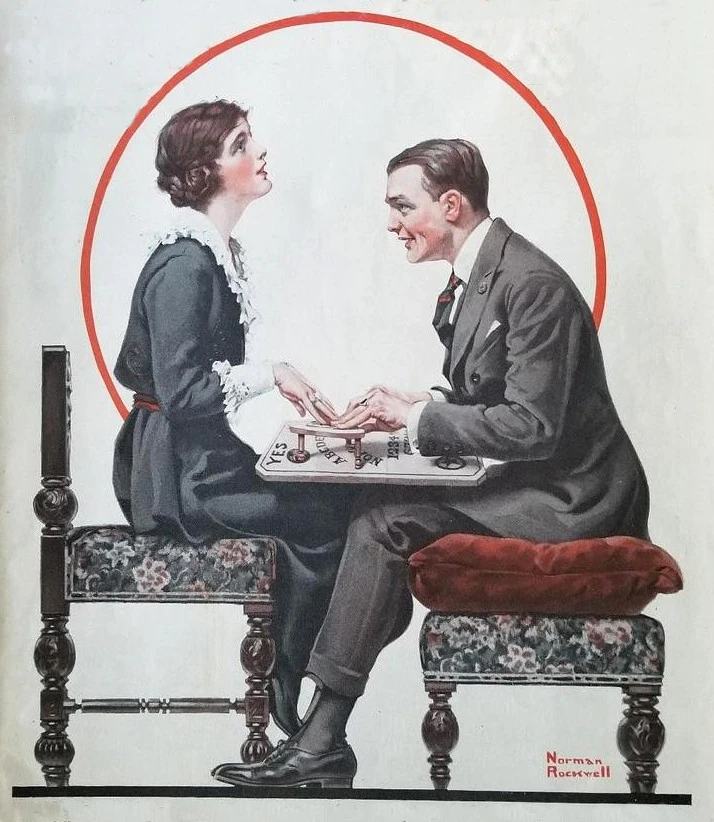
The patented talking-board game, its pointer and commercial history, and research on ideomotor movement and implicit memory.
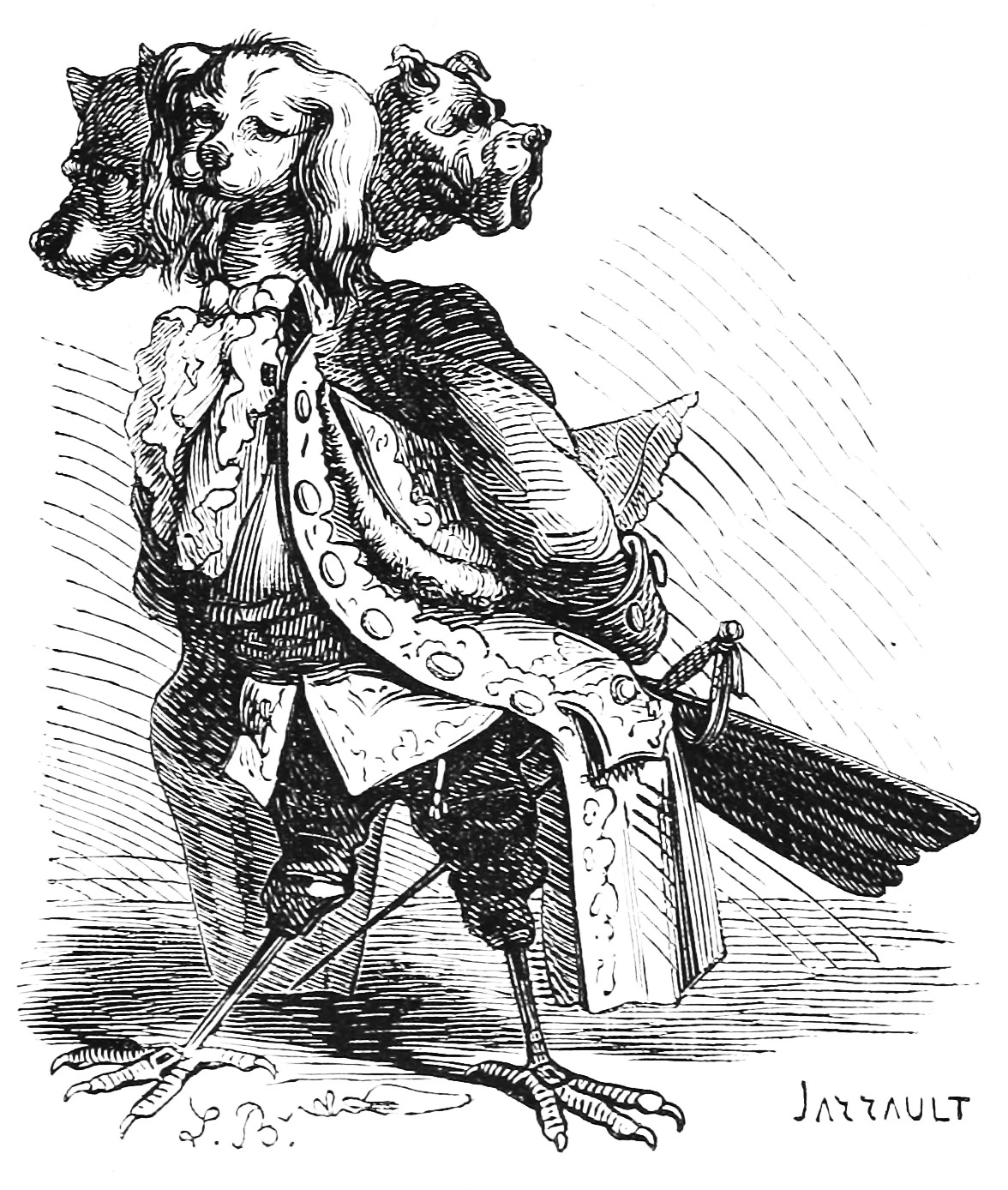
A Goetic marquis associated with rhetoric and the restoration of lost honors.
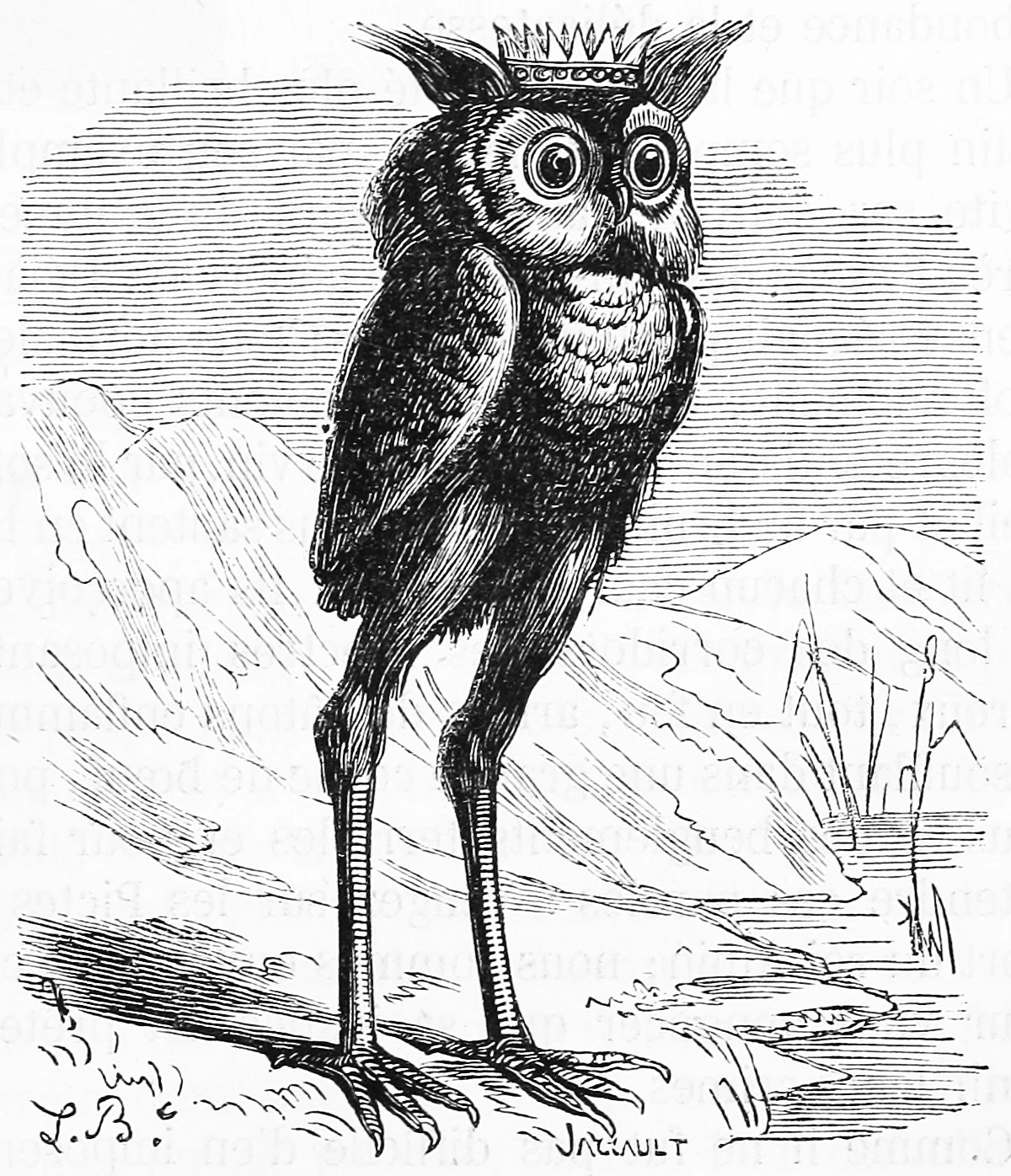
A Goetic prince associated with astronomy, herbs, and precious stones, with changing bird imagery in later reception.
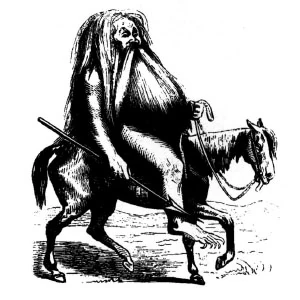
The Goetic knight, associated with philosophy, learned arts, and forms of divination.
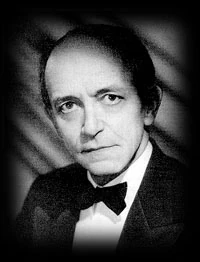
A school of the Western mysteries associated with Paul Foster Case, Ann Davies, Tarot, and Qabalistic study.
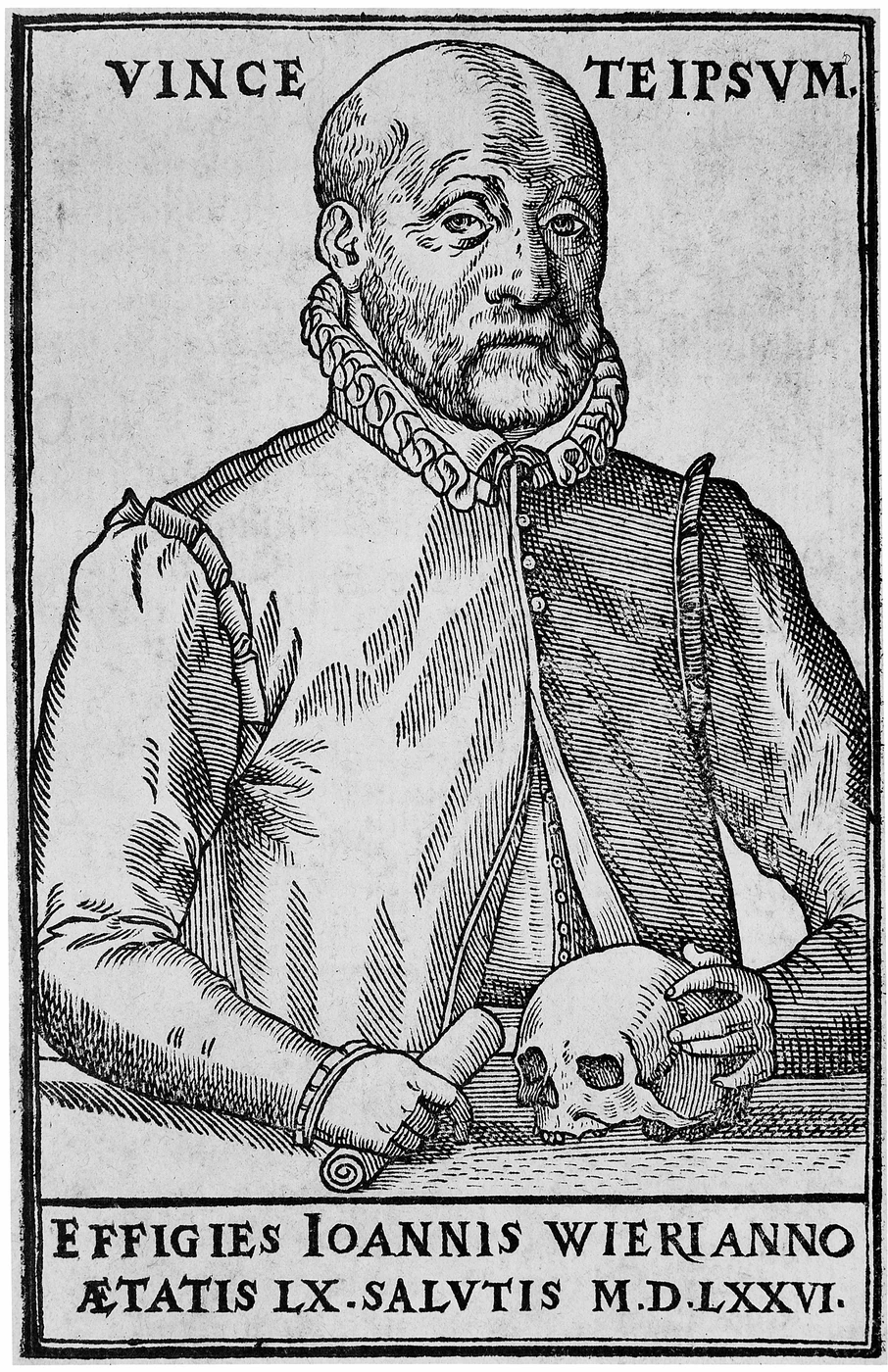
The physician and author whose Pseudomonarchia daemonum supplied an important source for later spirit catalogues.
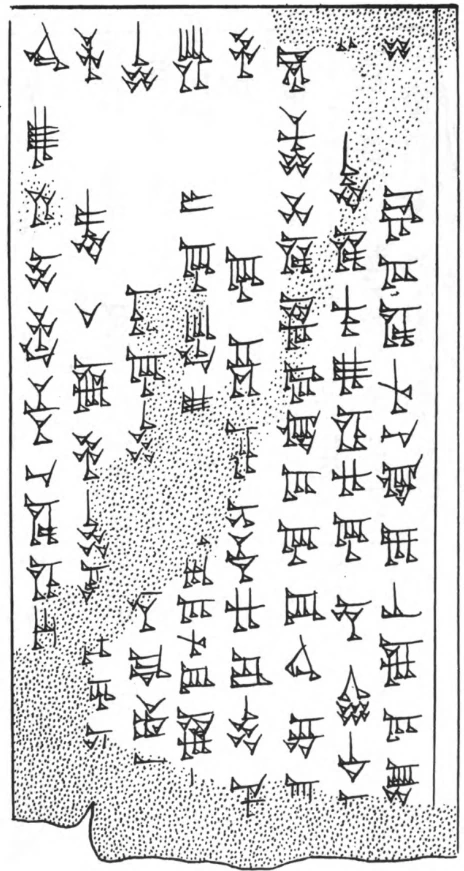
The primordial sea figure in the Babylonian creation epic Enuma Elish, defeated by Marduk in its account of cosmic ordering.
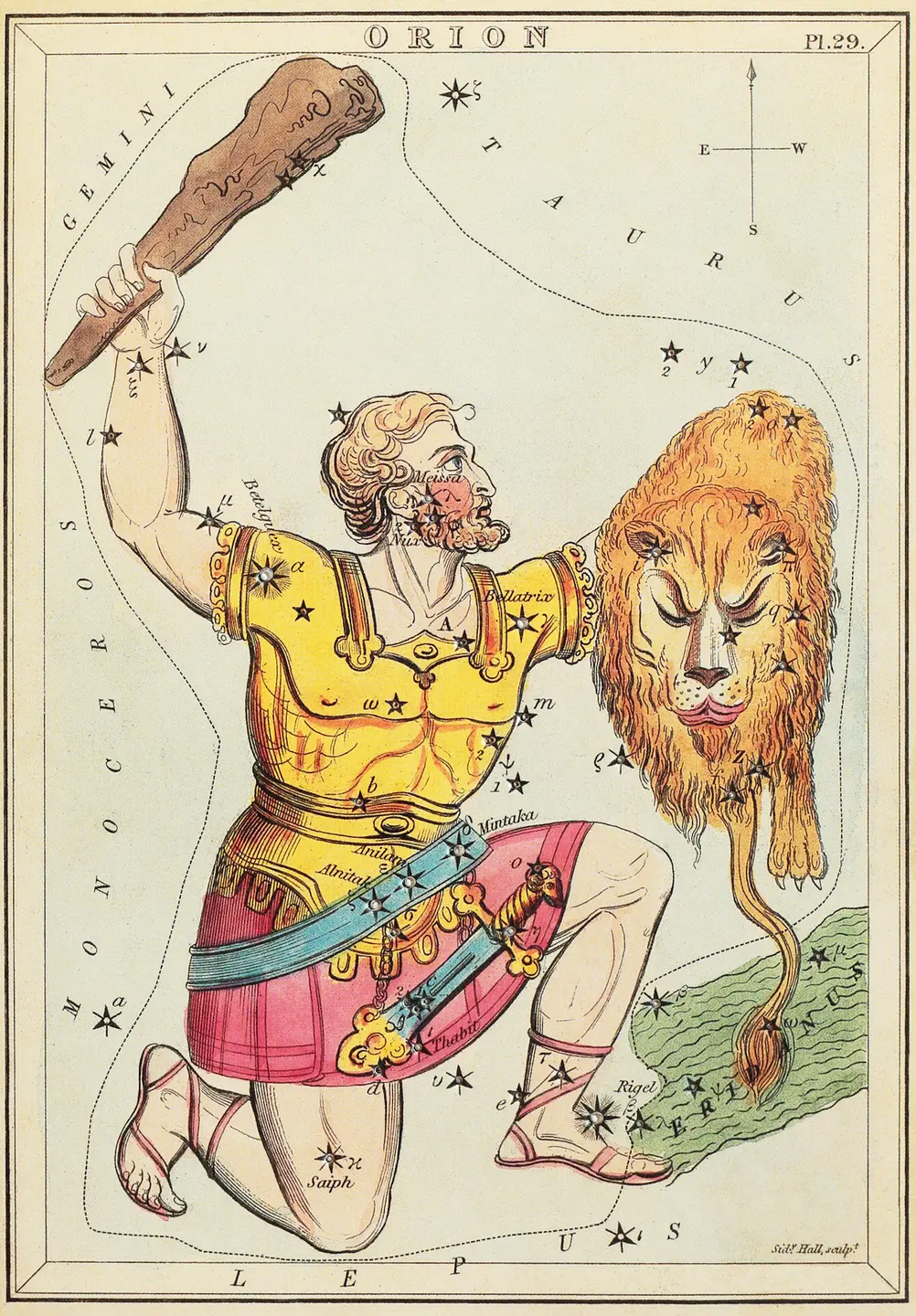
Semjaza is a leading figure in the Enochic account of the Watchers’ oath and descent. His role differs from the teaching and punishment associated with Azazel.
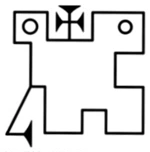
A Goetic earl associated with fortification and military supply, often confused with Malphas.

A Goetic spirit with royal and comital rank, associated with hidden things, walls, and stormy waters.
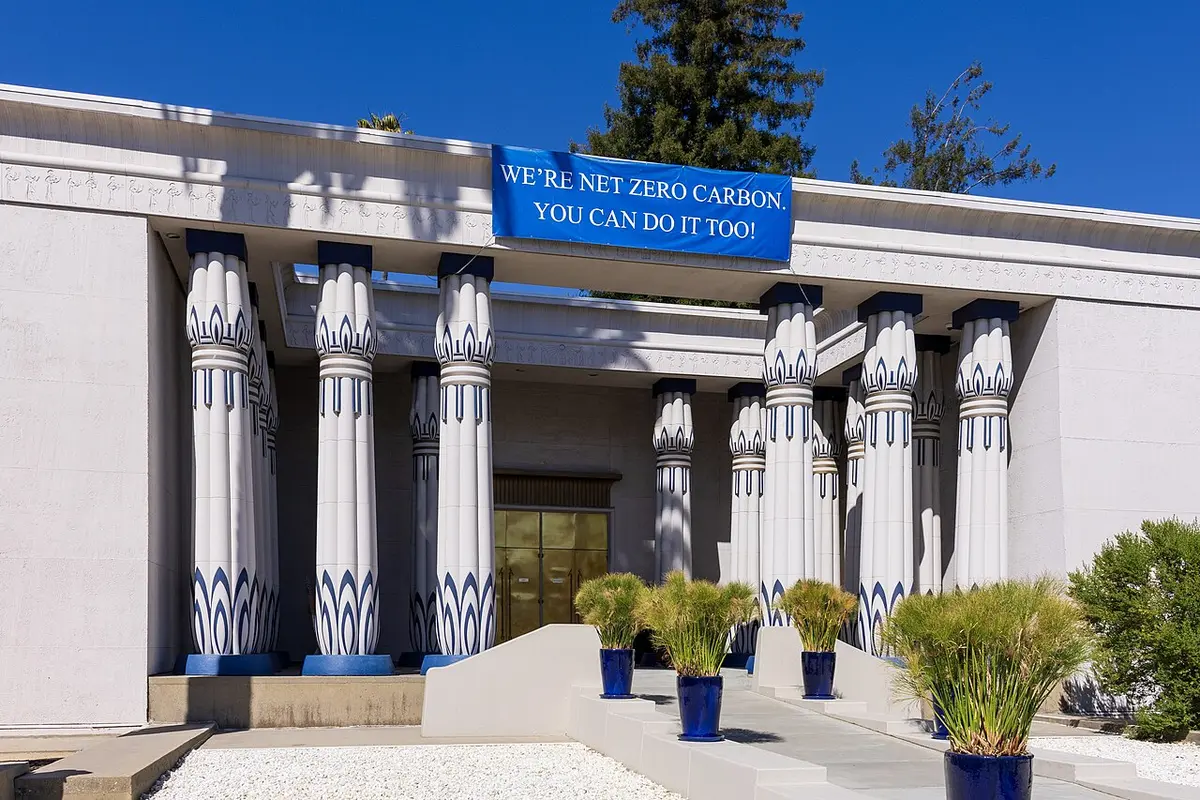
A modern Rosicrucian organization, usually called AMORC, that teaches through lessons and local study groups.
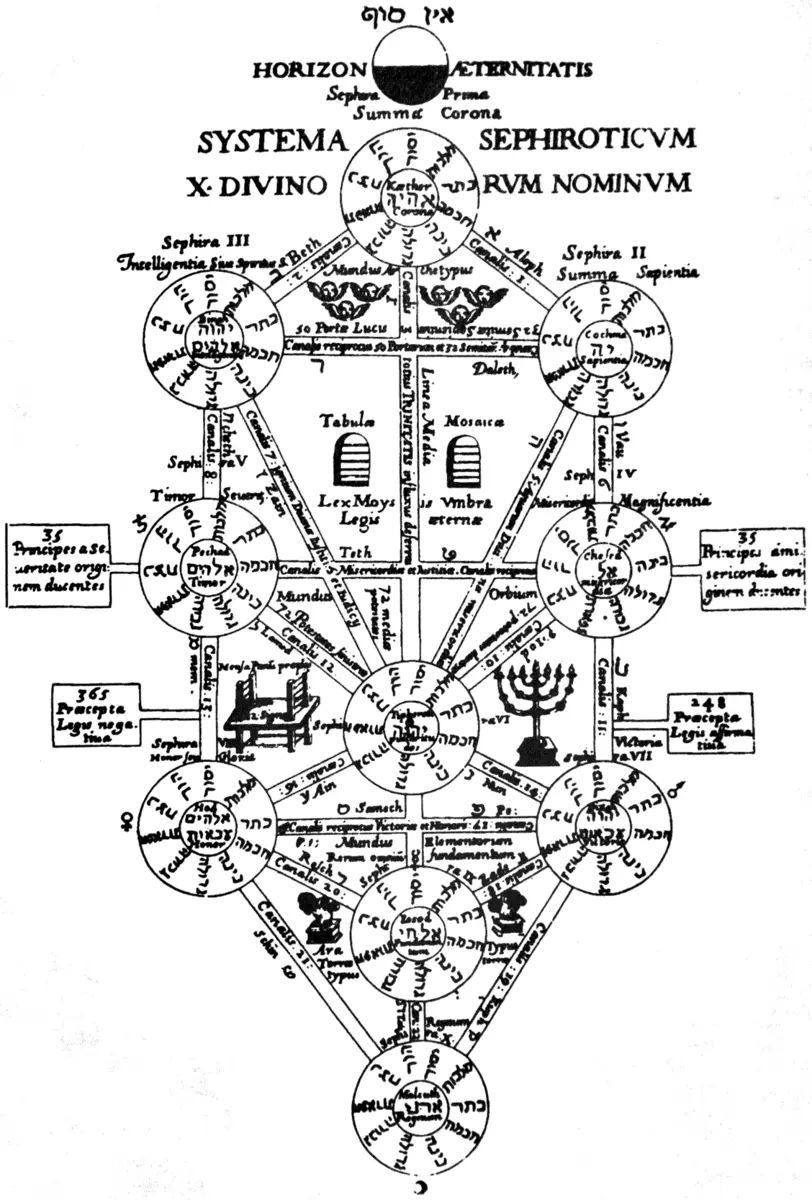
Western esoteric systems that adapt Kabbalistic ideas through ritual, correspondence tables, and symbolic interpretation.
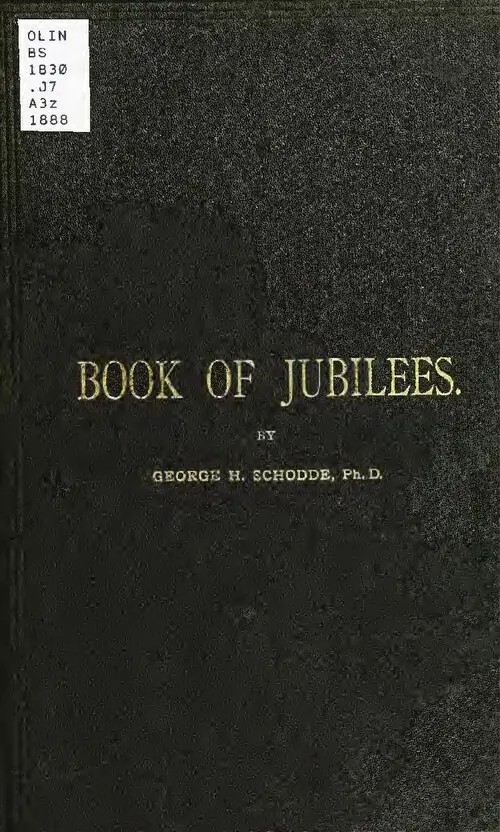
A retelling of Genesis and early Exodus arranged through jubilees, with angelic revelation, calendar teaching, and expanded narratives.
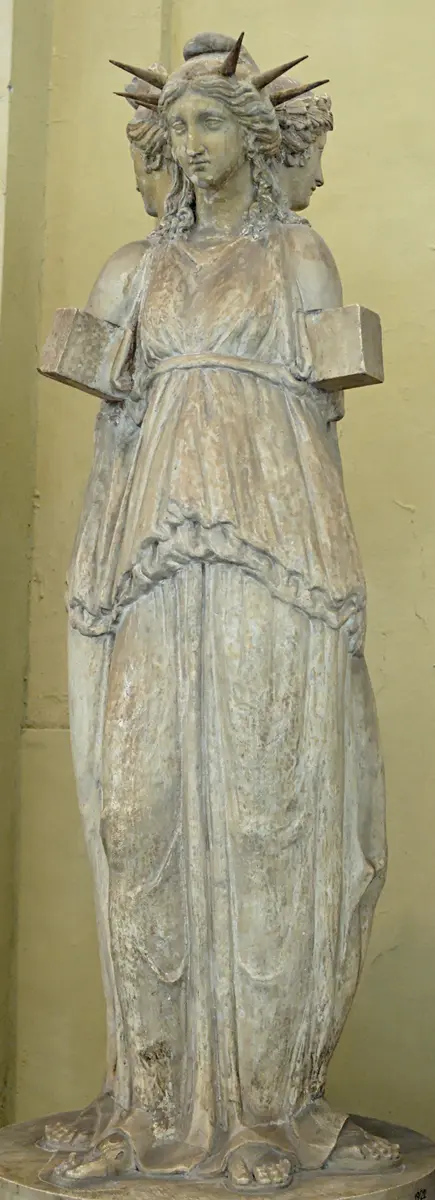
A Greek goddess with broad early powers and later associations with crossroads, spirits, and magic.
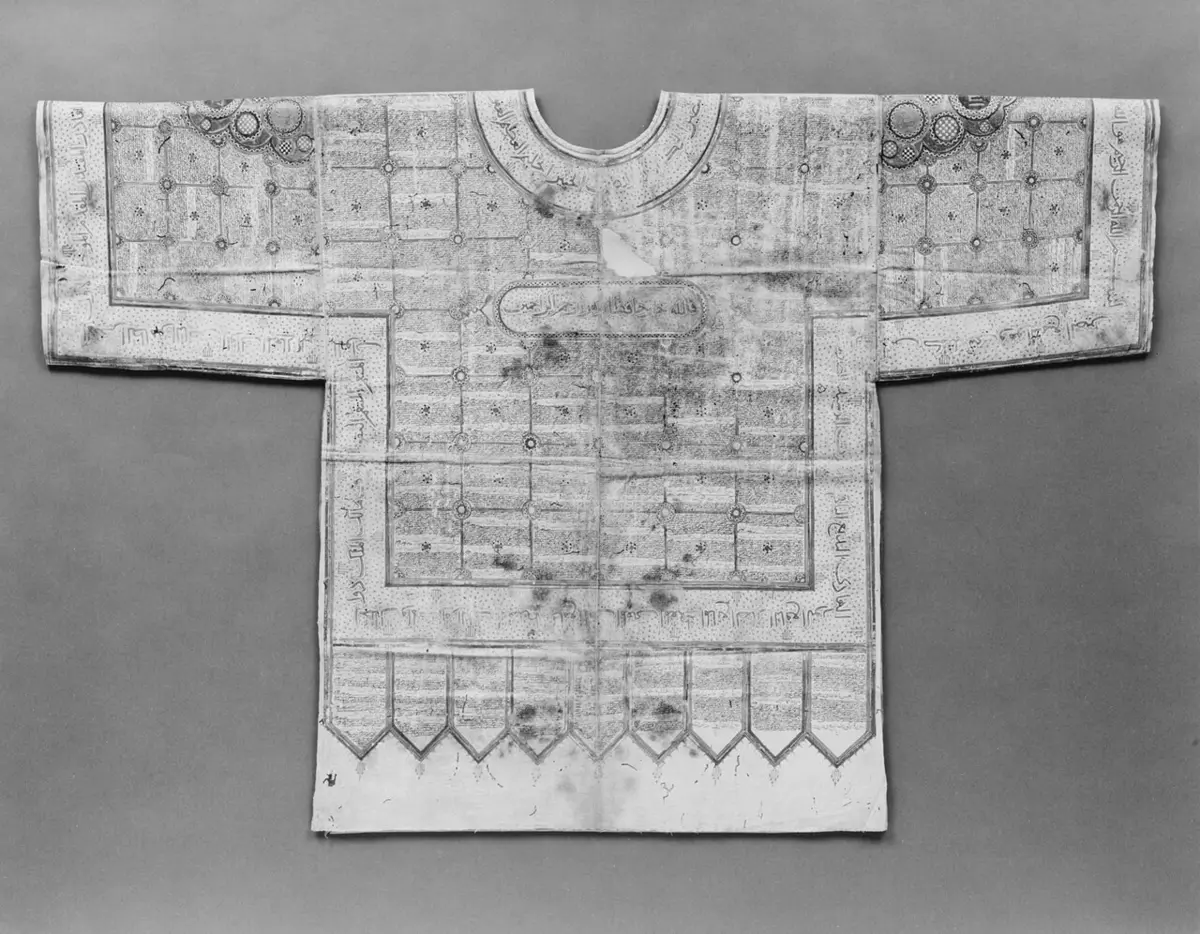
Objects prepared or used for a particular effect through inscriptions, images, materials, and ritual meaning.
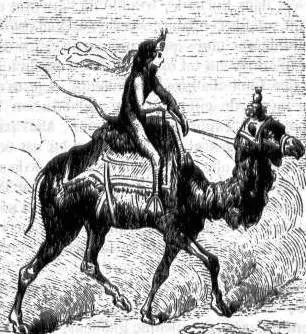
Paimon is a royal spirit described in the Ars Goetia and related literature. Musical procession and the teaching of knowledge are important elements of his received image.
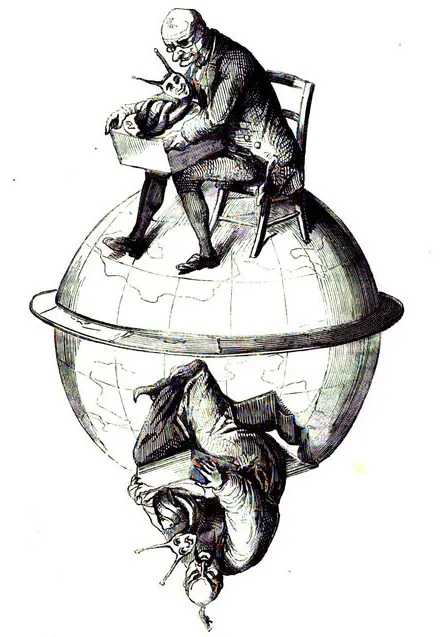
Collin de Plancy’s Dictionnaire infernal gathered supernatural traditions in a dictionary format. Its 1863 entries and illustrations remain influential in modern depictions of spirits.
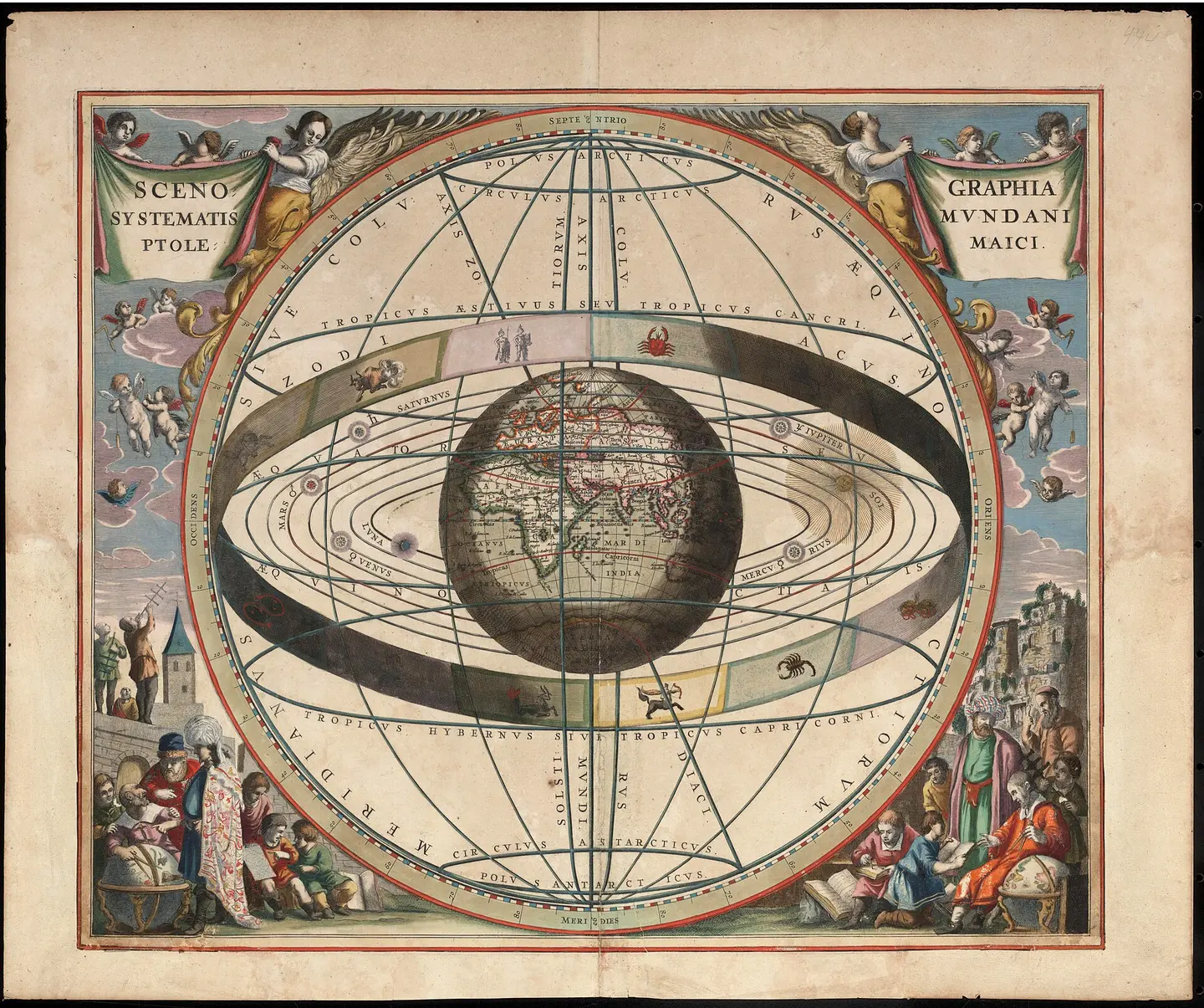
Astrology has supplied language and organizing systems to Western esoteric texts. Its historical role should be distinguished from demonstrated predictive effectiveness.