Demonology & Spirits
Marbas
A Goetic president depicted as a lion, associated with hidden knowledge, mechanical arts, and transformation.
A Goetic president depicted as a lion, associated with hidden knowledge, mechanical arts, and transformation.
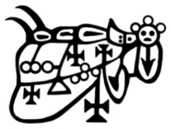
A Goetic duke associated with wealth, eloquence, and the places of the dead.
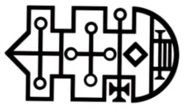
A Goetic earl associated with royal treasure, the destruction of cities, and altered relationships.

A Goetic spirit with royal and comital rank, associated with hidden things, walls, and stormy waters.
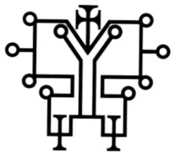
A mounted Goetic marquis whose office includes the stars, planetary mansions, and social dignities.
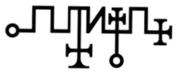
A Goetic spirit with a winged bull form, associated with wit and transformations of liquids and metals.
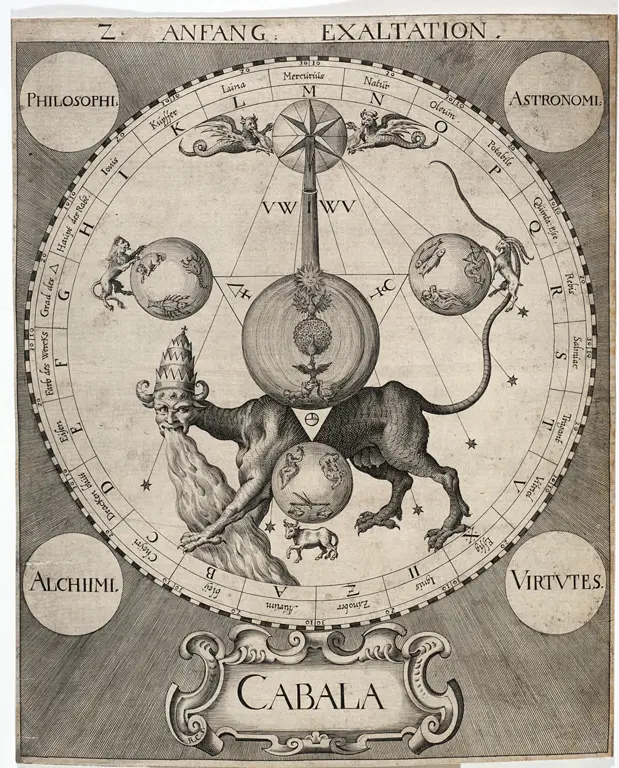
An initiatory order whose Draconian system brings together Qliphoth, Goetic magic, alchemy, and other esoteric traditions.
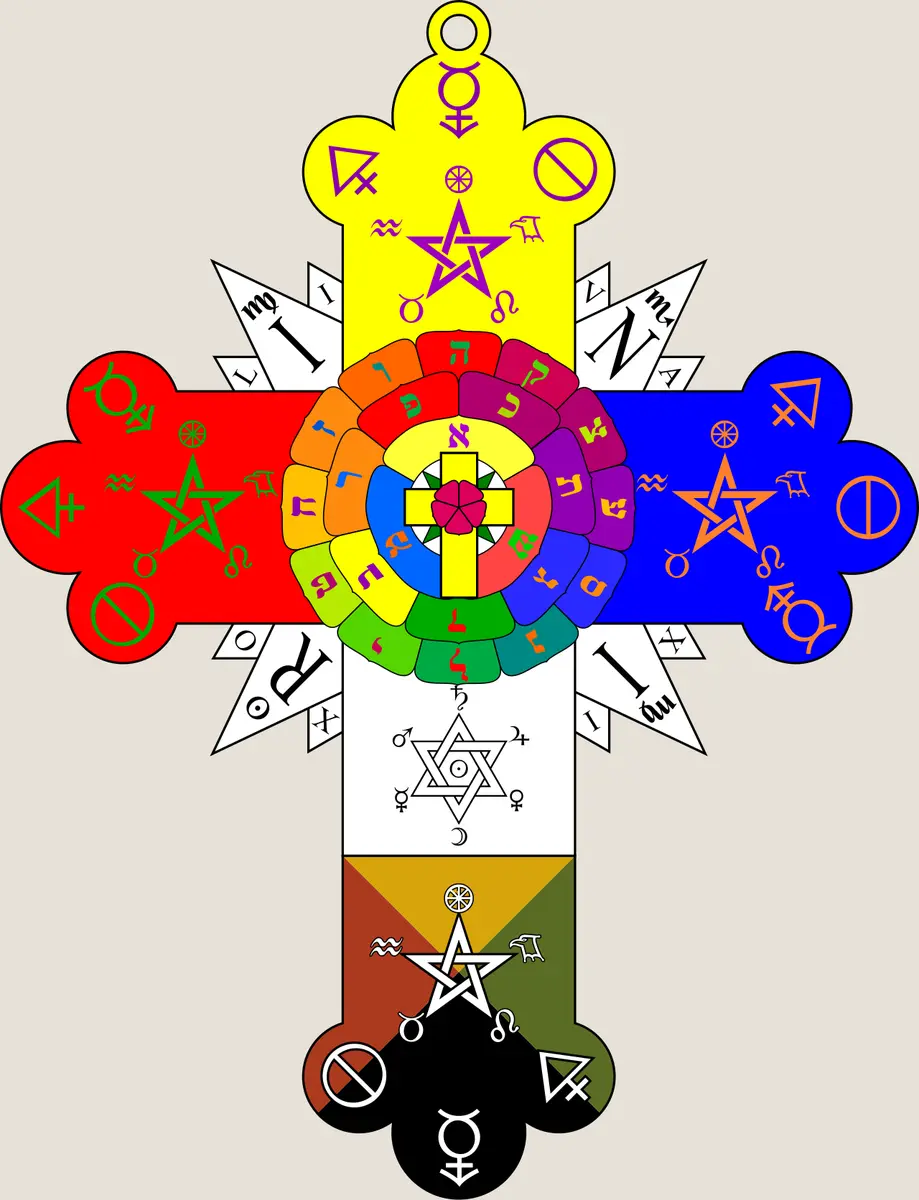
A late nineteenth-century British initiatory order that shaped modern ceremonial magic, Tarot, and Hermetic Qabalah.
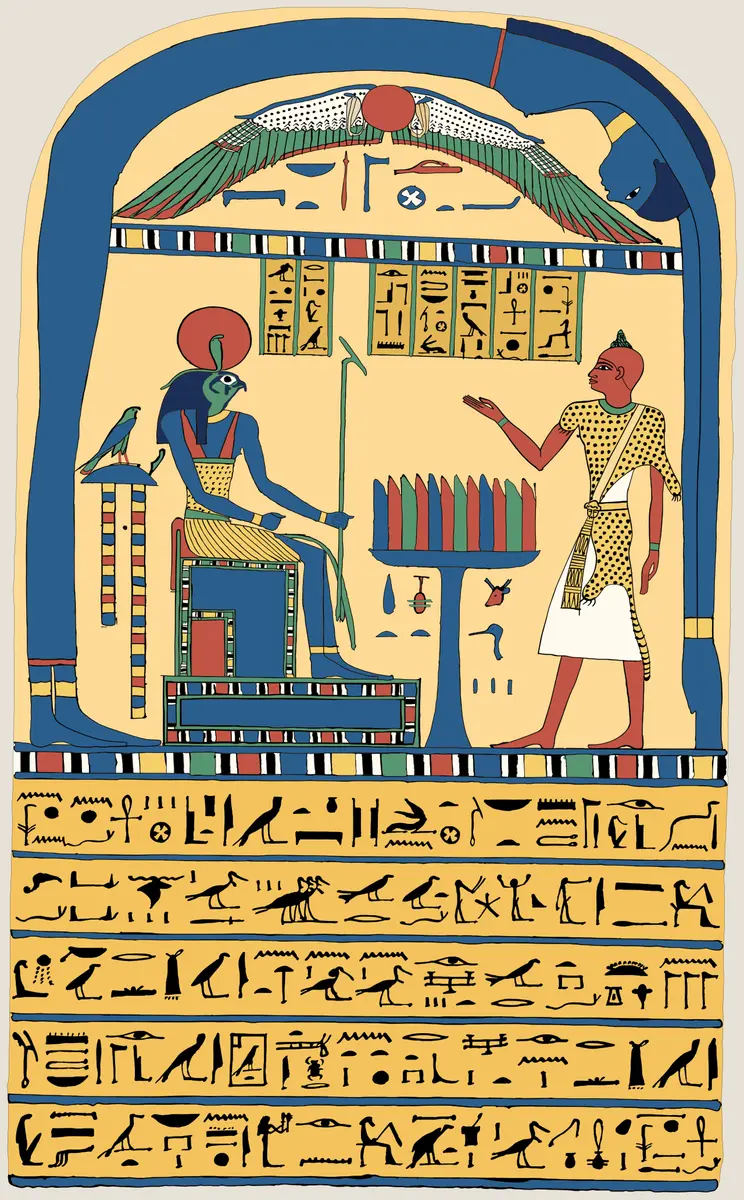
The religious and philosophical tradition associated with Aleister Crowley and The Book of the Law.
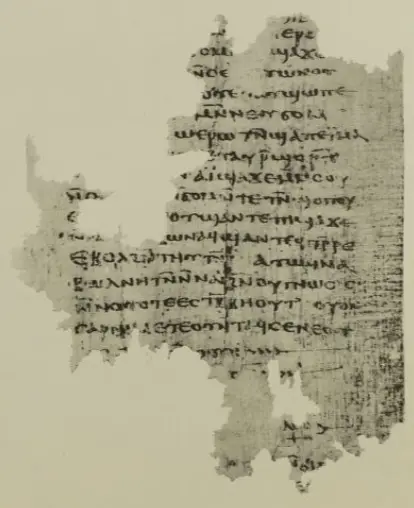
A modern umbrella term for several ancient religious movements and texts concerned with saving knowledge and divine origins.
The grimoire compilation known as the Lemegeton, including the Goetia and several angelic arts.
The second part of the Lemegeton, arranging aerial spirits through princes, directions, and wandering hierarchies.
Agrippa’s Renaissance synthesis of natural, celestial, and religious magic.
A grimoire with a hierarchy centered on Lucifer, Beelzebub, and Astaroth, followed by spirit operations and practical recipes.
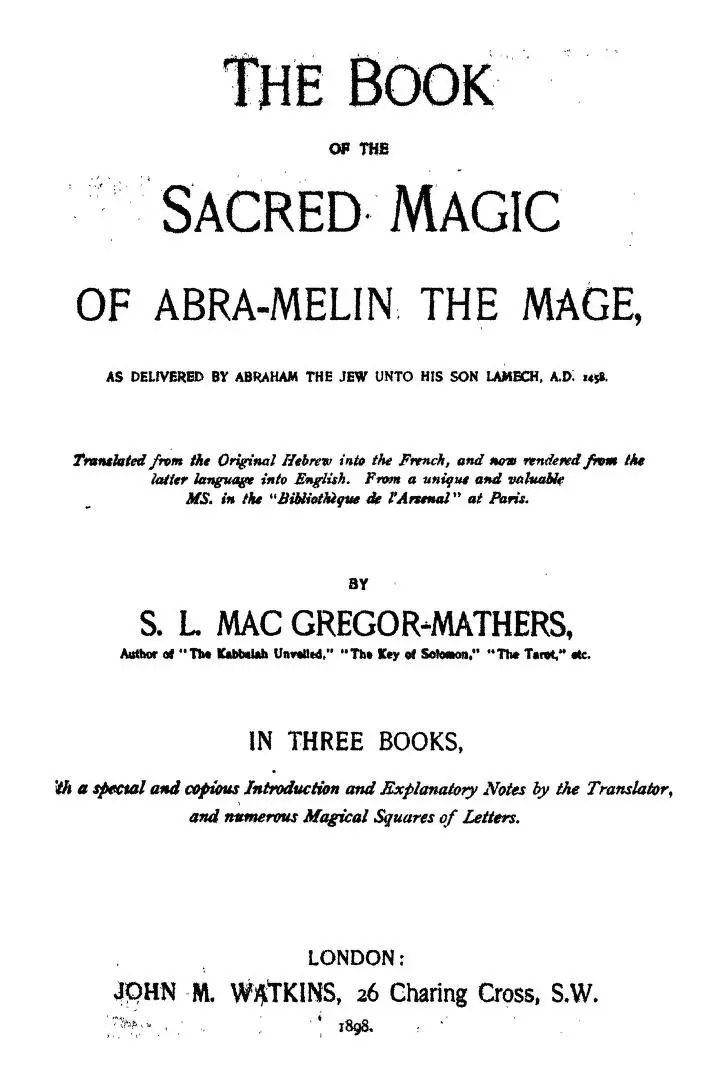
A grimoire built around religious preparation, the guardian angel, and subsequent work with spirits and magical squares.
The Slavonic Enochic work also known as the Book of the Secrets of Enoch, describing ascent, creation, and instruction.
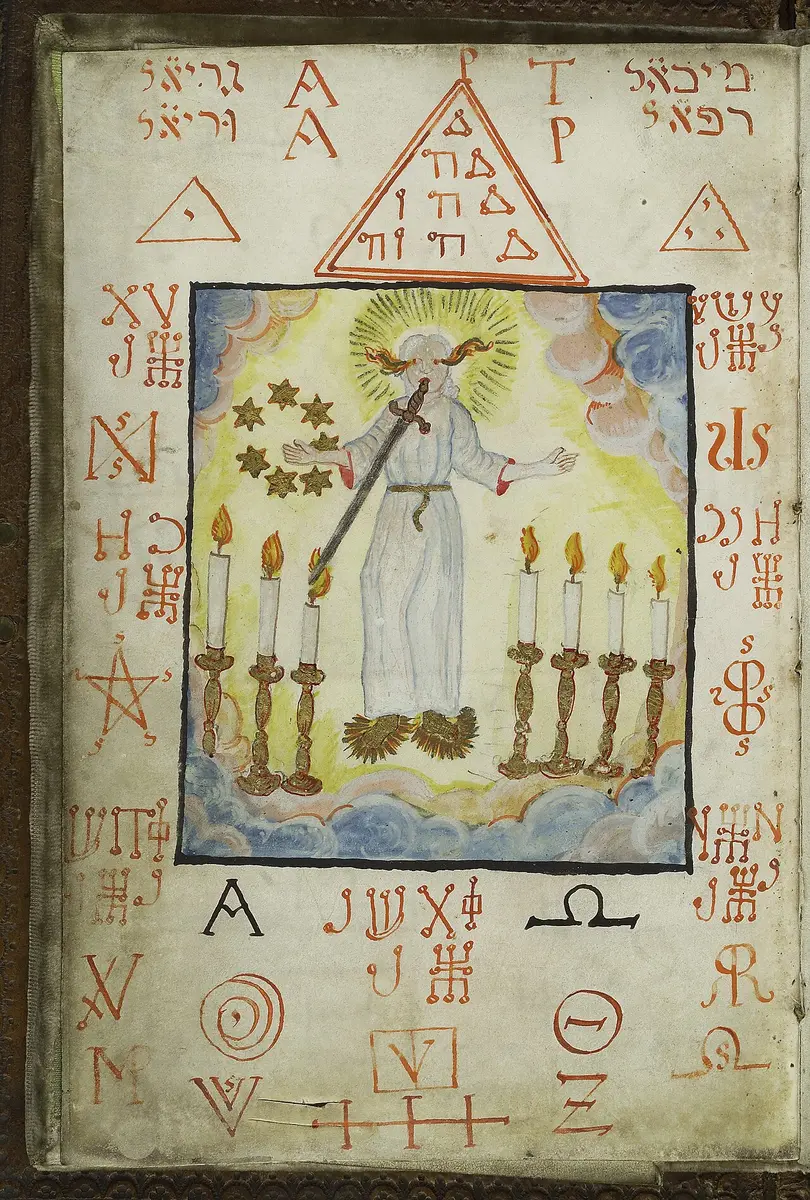
The Hebrew Enochic work associated with heavenly palaces and Enoch’s transformation into Metatron.
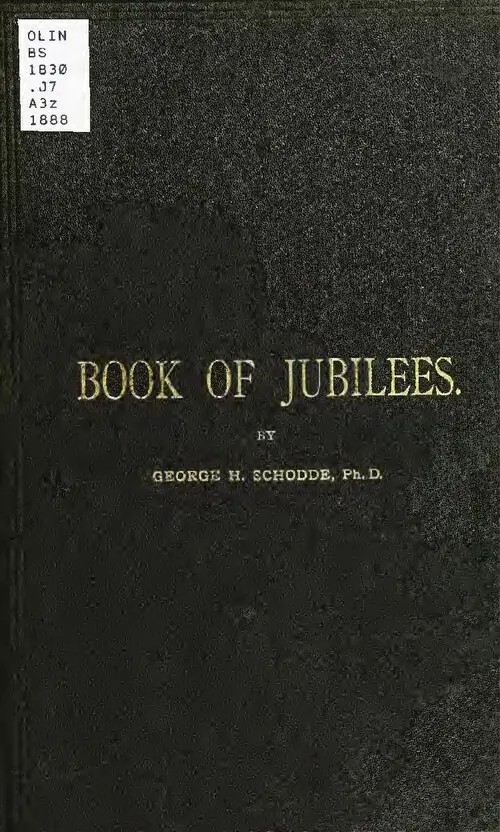
A retelling of Genesis and early Exodus arranged through jubilees, with angelic revelation, calendar teaching, and expanded narratives.
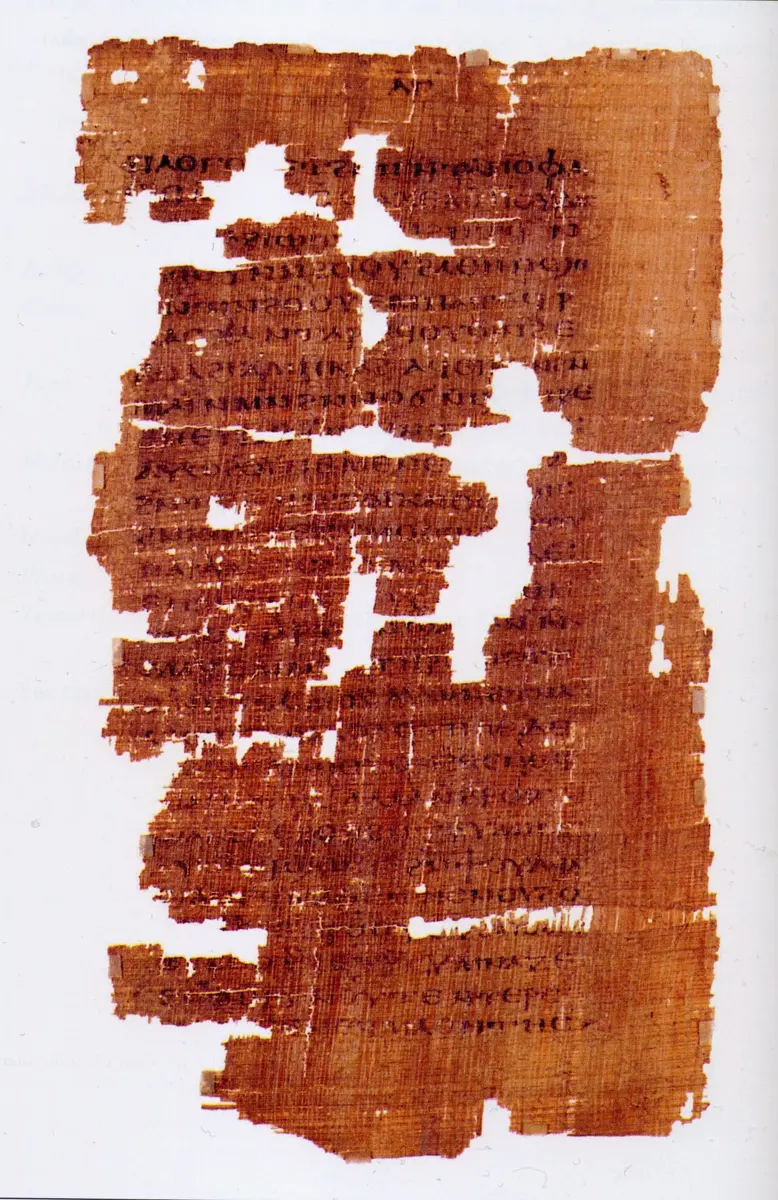
An early Christian revelation dialogue preserved in Coptic, known from the manuscript called Codex Tchacos.
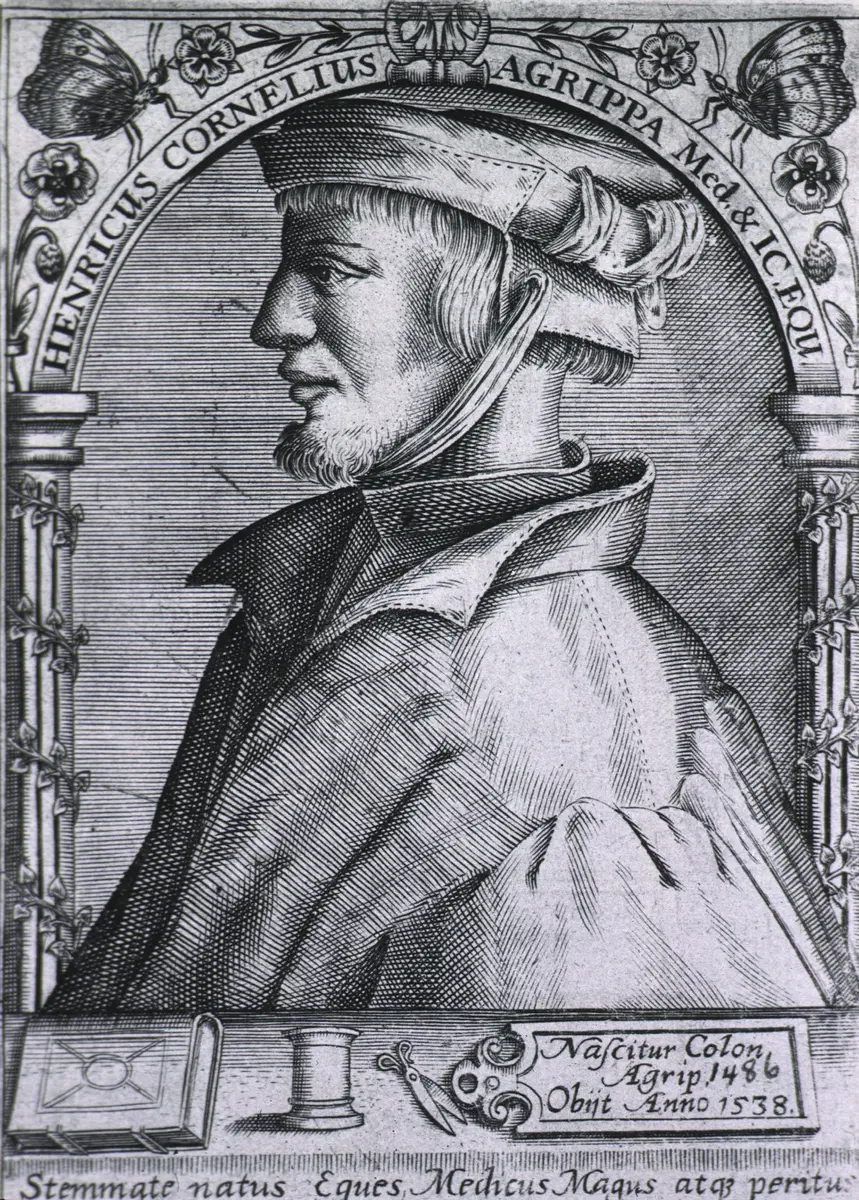
A Renaissance author whose Three Books of Occult Philosophy became a major source for Western magical systems.