
Demonology & Spirits
Samigina
A Goetic marquis, also called Gamigin, associated with liberal studies and accounts of deceased souls.
A Goetic marquis, also called Gamigin, associated with liberal studies and accounts of deceased souls.
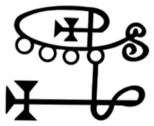
A Goetic duke whose description combines a lion-like form with a warning about theft and familiar spirits.
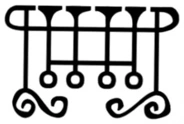
A Goetic duke associated with answers, reconciliation, and the obscure term Xenopilus.
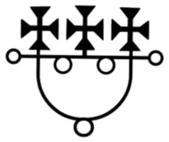
A Goetic prince portrayed with a leopard head and griffin wings, whose stated office concerns desire.
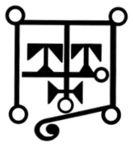
A Goetic spirit with the titles president and earl, associated with knowledge and reconciliation.
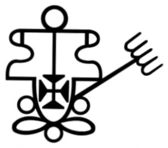
A Goetic king riding a bear, with offices concerning hidden knowledge, treasure, and cosmology.
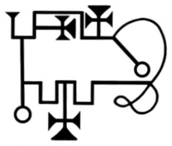
A Goetic marquis in phoenix form, associated with poetry, learning, and a hope of heavenly restoration.
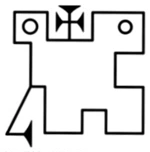
A Goetic earl associated with fortification and military supply, often confused with Malphas.
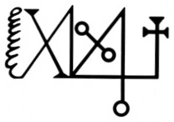
A Goetic duke with griffin wings, associated with winds, the sea, and shipwreck.

A Goetic duke, also called Procel, associated with geometry, hidden matters, and sounds of water.

A Goetic president associated with learned subjects and transformations that alter a person's understanding of identity.
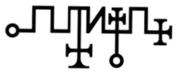
A Goetic spirit with a winged bull form, associated with wit and transformations of liquids and metals.
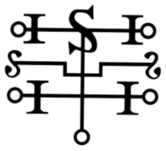
The final Goetic spirit, associated with stolen goods, concealed wrongdoing, and hidden treasure.
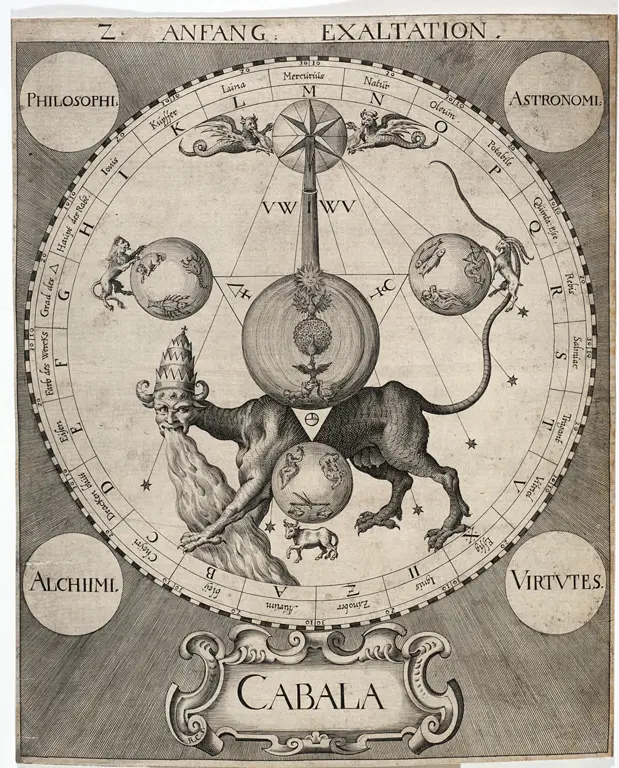
An initiatory order whose Draconian system brings together Qliphoth, Goetic magic, alchemy, and other esoteric traditions.

Traditions associated with the rose and cross, the early modern Rosicrucian manifestos, and later initiatory societies.
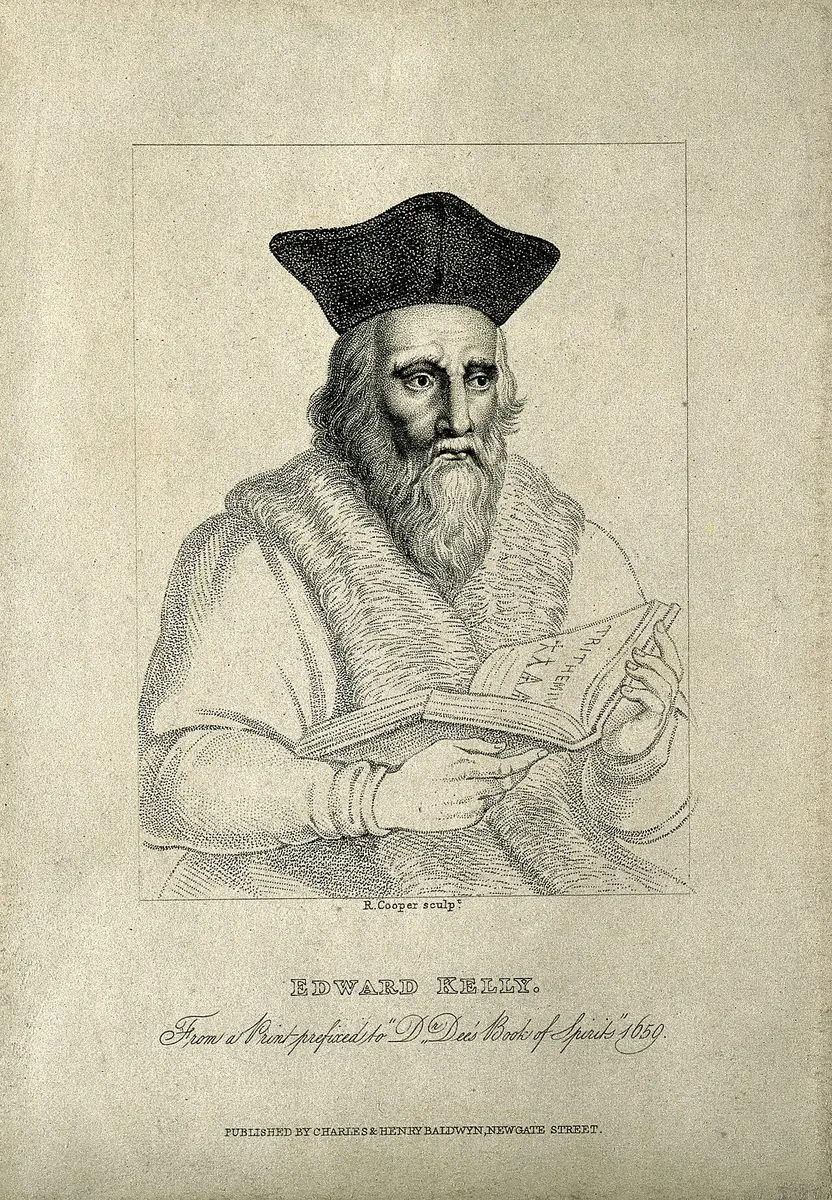
The scryer associated with John Dee’s recorded spirit conversations and later alchemical pursuits.
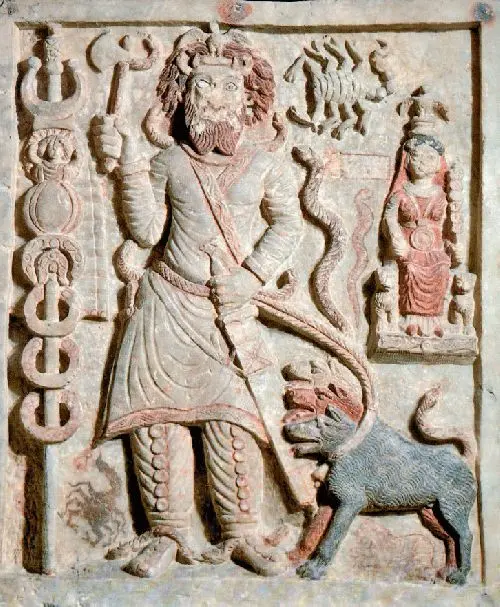
A Mesopotamian deity associated with death, war, disease, and the underworld.

A divinatory or visionary practice involving a reflective surface, crystal, or other focus for reported images and messages.
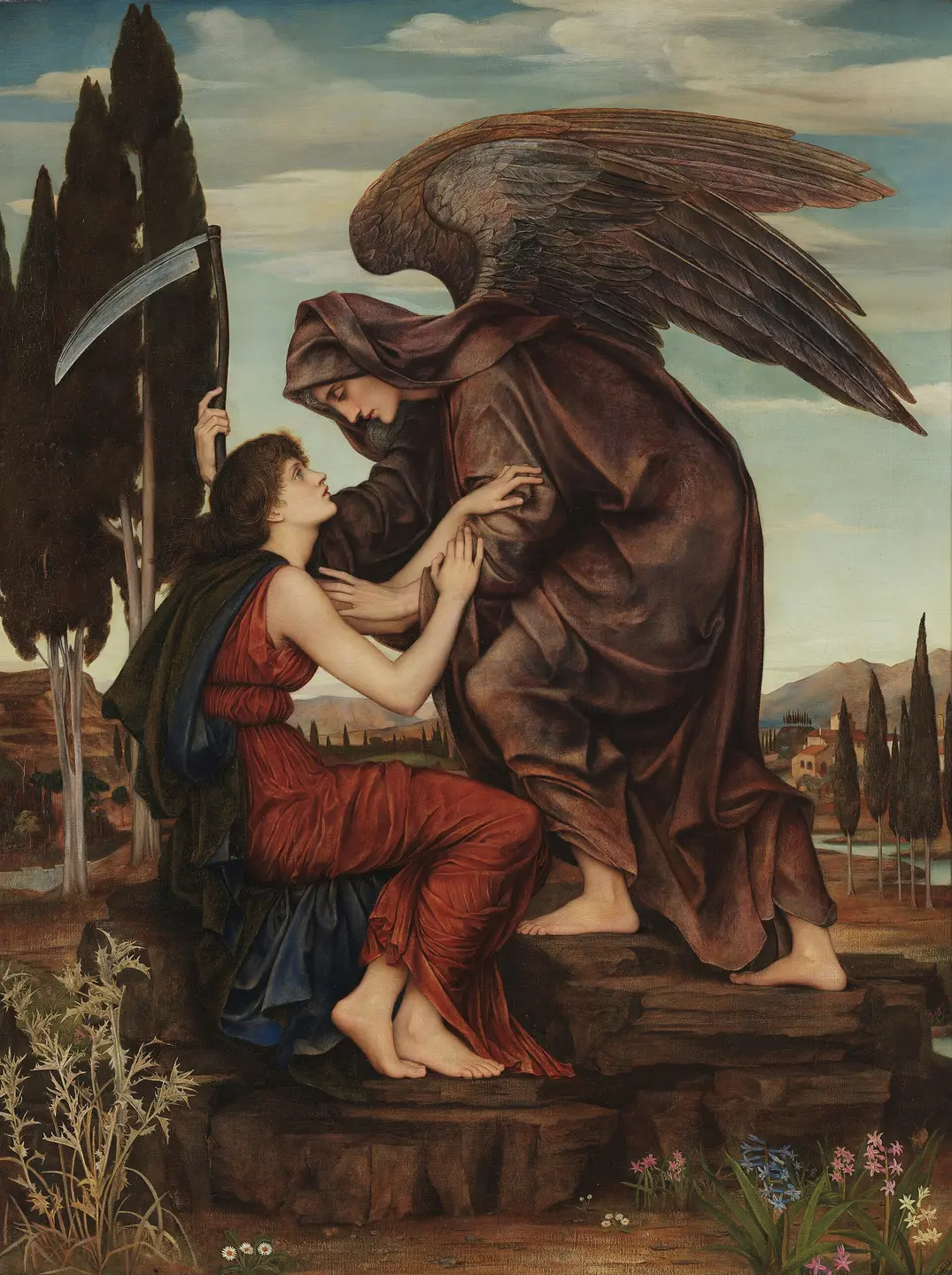
Samael appears in Jewish interpretive literature in roles that vary between texts. His relationship with Satan, the serpent, and other figures should be described source by source.
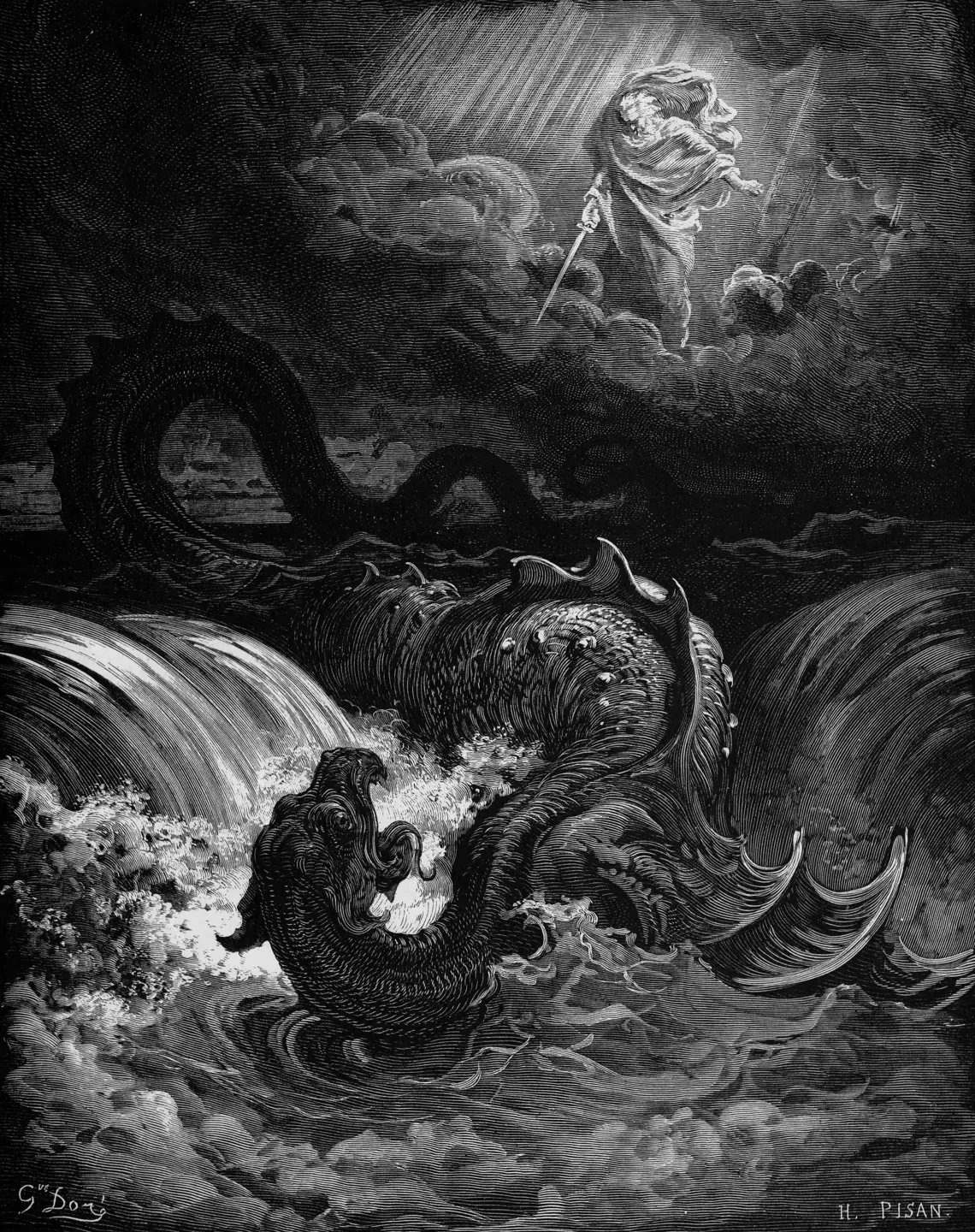
Leviathan appears in biblical poetry and later religious symbolism. The vivid descriptions belong to different literary contexts and should be interpreted accordingly.