Demonology & Spirits
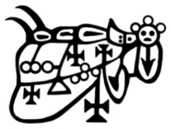
Bune
A Goetic duke associated with wealth, eloquence, and the places of the dead.
A Goetic duke associated with wealth, eloquence, and the places of the dead.

A Goetic marquis described as a sea monster, associated with language, reputation, and rhetoric.
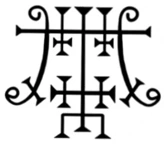
A Goetic president associated with logic, ethics, plants, stones, longevity, and lost things.
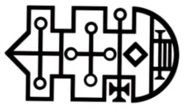
A Goetic earl associated with royal treasure, the destruction of cities, and altered relationships.

A Goetic president associated with learned subjects and transformations that alter a person's understanding of identity.
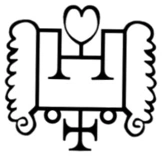
A winged lion-shaped Goetic duke associated with crafts, philosophy, and learned subjects.
The grimoire compilation known as the Lemegeton, including the Goetia and several angelic arts.
The second part of the Lemegeton, arranging aerial spirits through princes, directions, and wandering hierarchies.
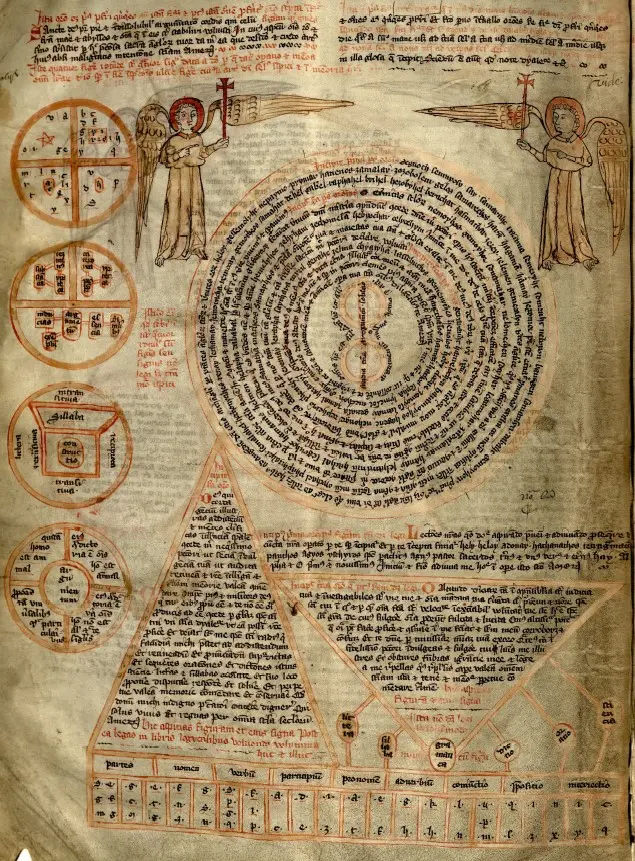
A medieval art of prayer and contemplation intended to confer learning, memory, and eloquence.
The medieval Liber Juratus, a work of sacred magic concerned with divine vision, angels, and ritual authority.
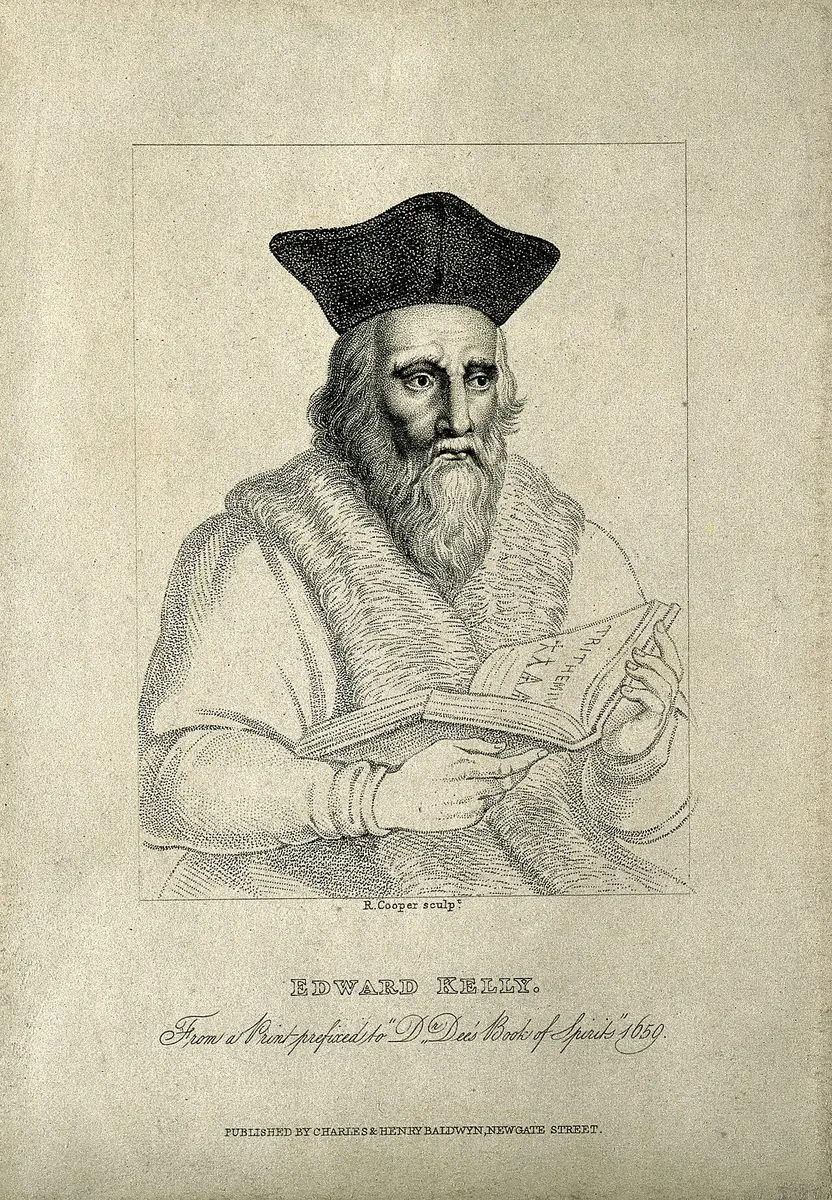
The scryer associated with John Dee’s recorded spirit conversations and later alchemical pursuits.
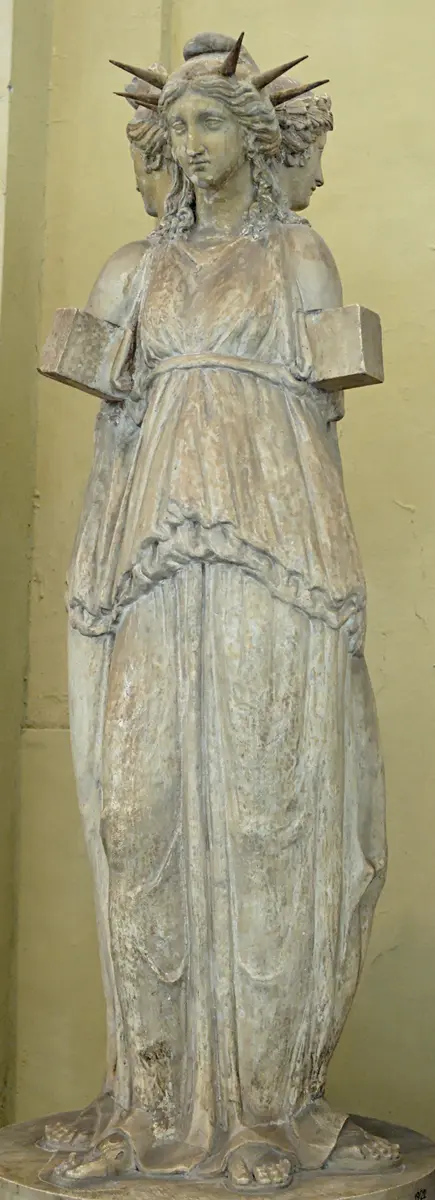
A Greek goddess with broad early powers and later associations with crossroads, spirits, and magic.
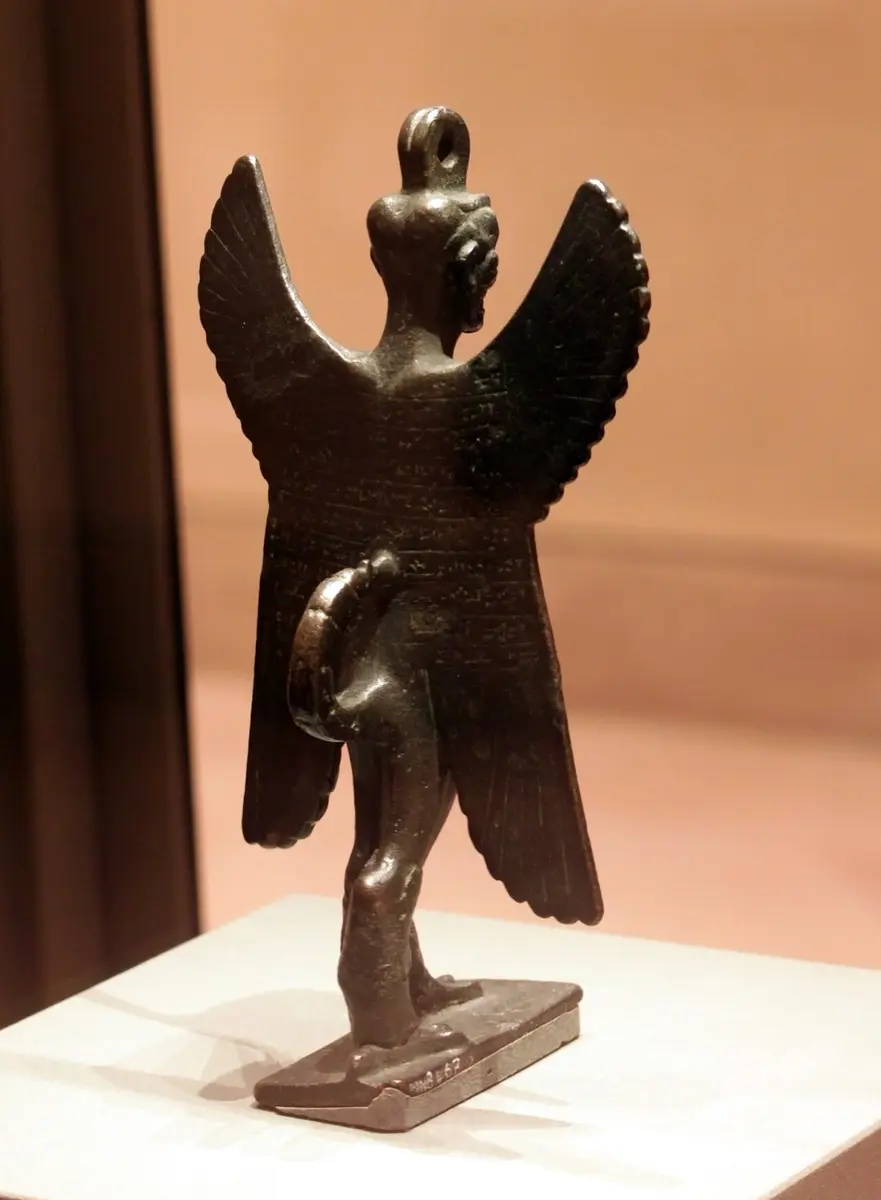
A Mesopotamian wind demon whose image was also used protectively, especially against Lamashtu.
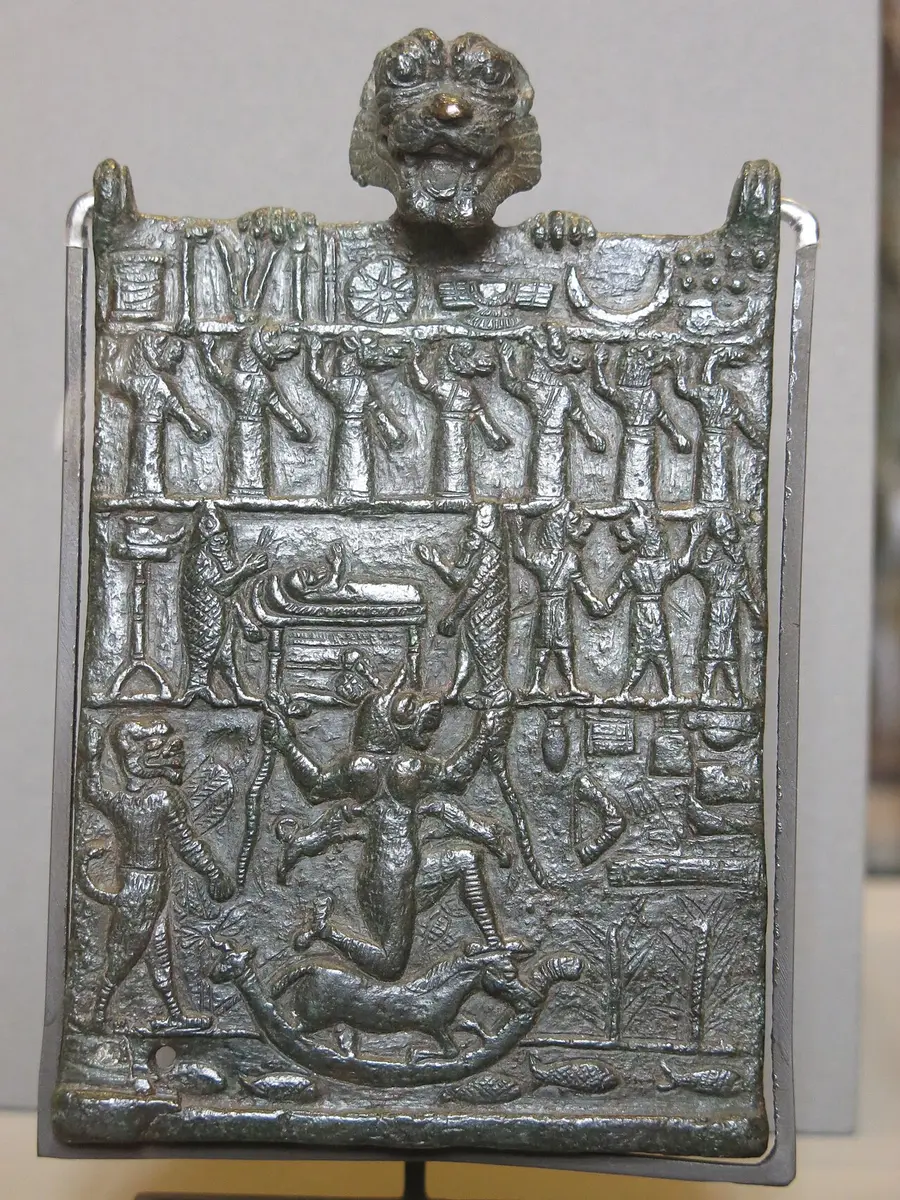
A Mesopotamian harmful female power represented on amulets and plaques intended to repel her.
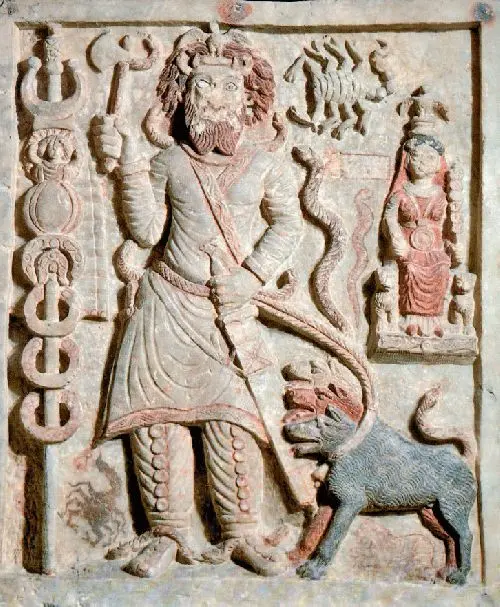
A Mesopotamian deity associated with death, war, disease, and the underworld.

A divinatory or visionary practice involving a reflective surface, crystal, or other focus for reported images and messages.
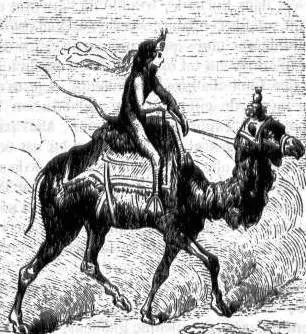
Paimon is a royal spirit described in the Ars Goetia and related literature. Musical procession and the teaching of knowledge are important elements of his received image.
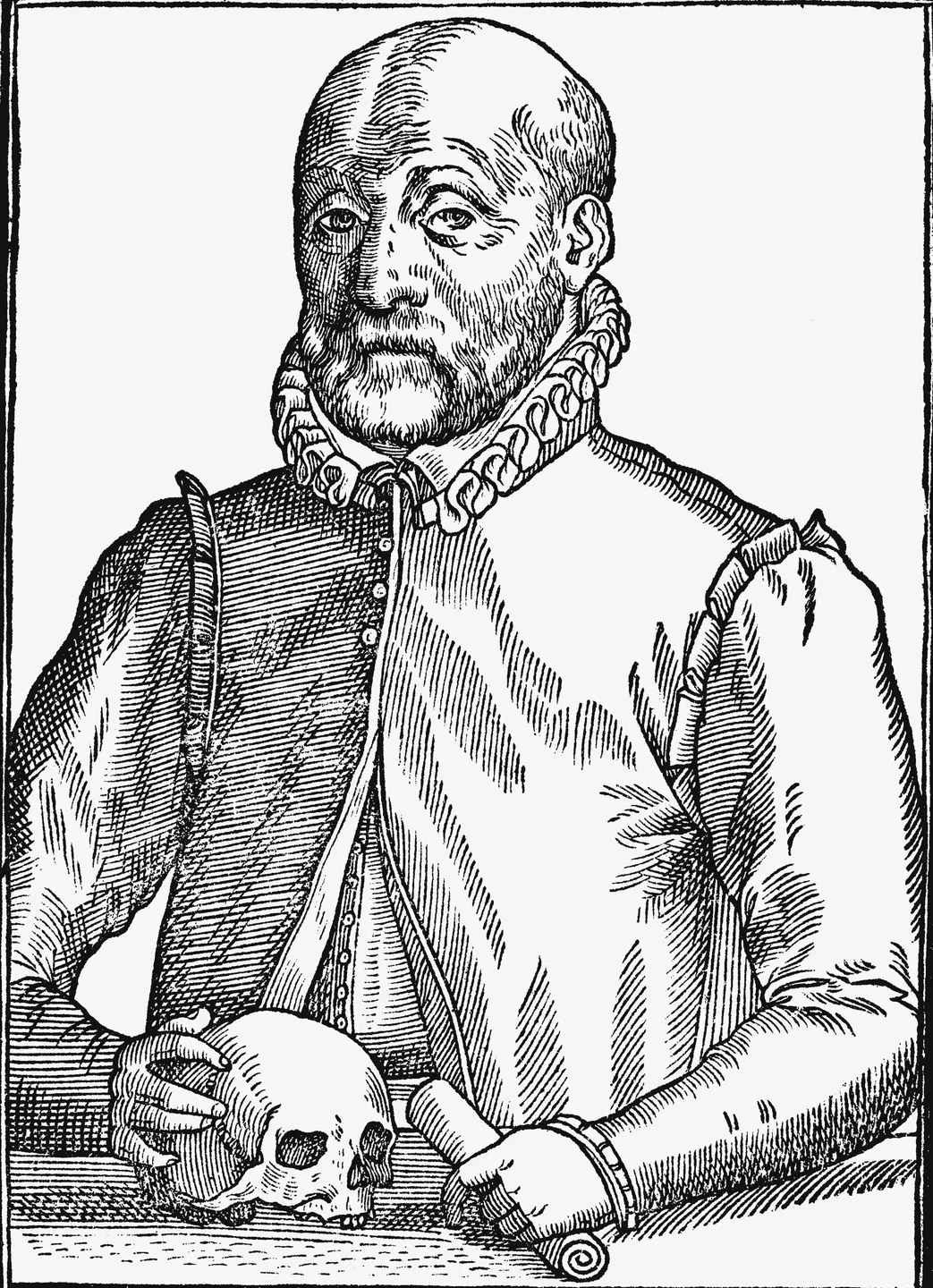
Pseudomonarchia Daemonum is a spirit catalogue associated with Johann Weyer. Its transmission helps explain similarities and differences in the later Ars Goetia.
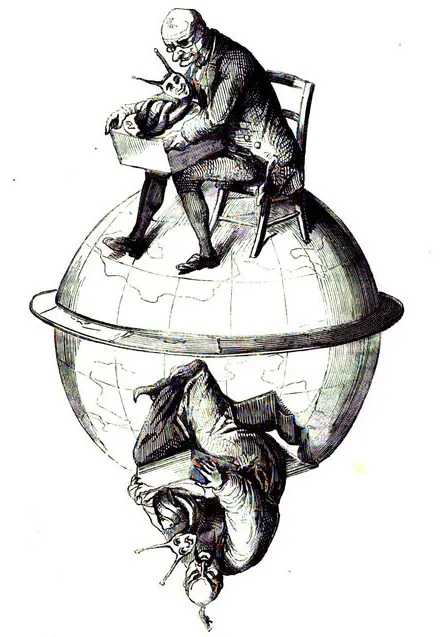
Collin de Plancy’s Dictionnaire infernal gathered supernatural traditions in a dictionary format. Its 1863 entries and illustrations remain influential in modern depictions of spirits.
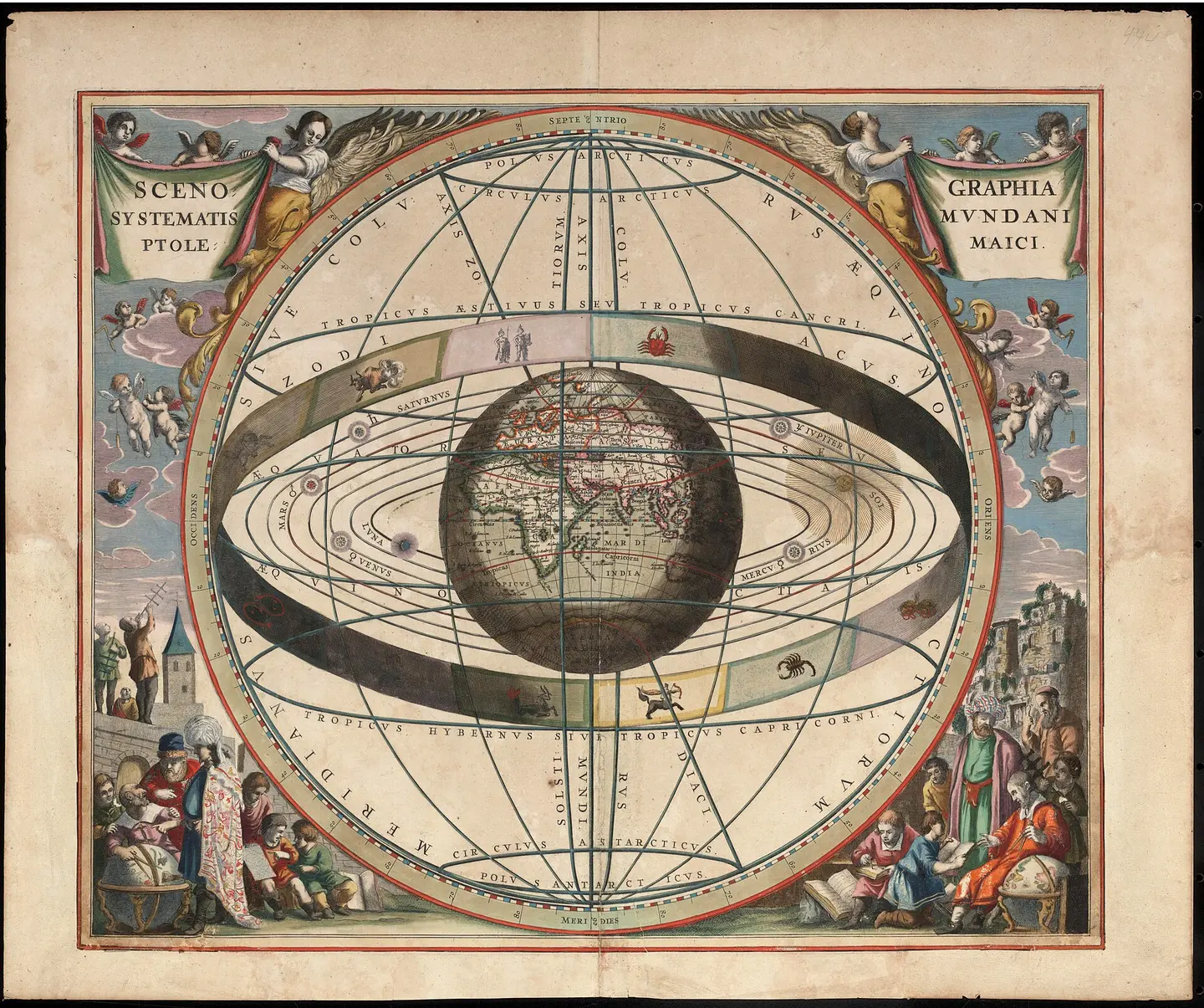
Astrology has supplied language and organizing systems to Western esoteric texts. Its historical role should be distinguished from demonstrated predictive effectiveness.