Demonology & Spirits
Shax
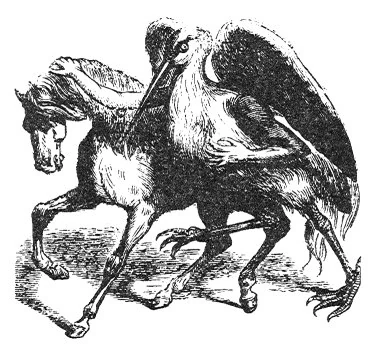
A Goetic marquis in bird form, associated with concealment, royal money, and unreliable answers.
A Goetic marquis in bird form, associated with concealment, royal money, and unreliable answers.
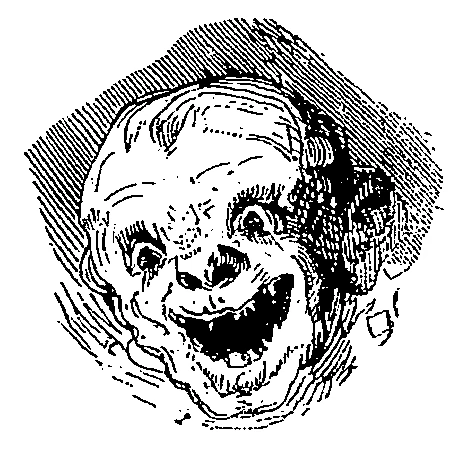
A Goetic earl associated with learned subjects, burial places, and lights at graves.
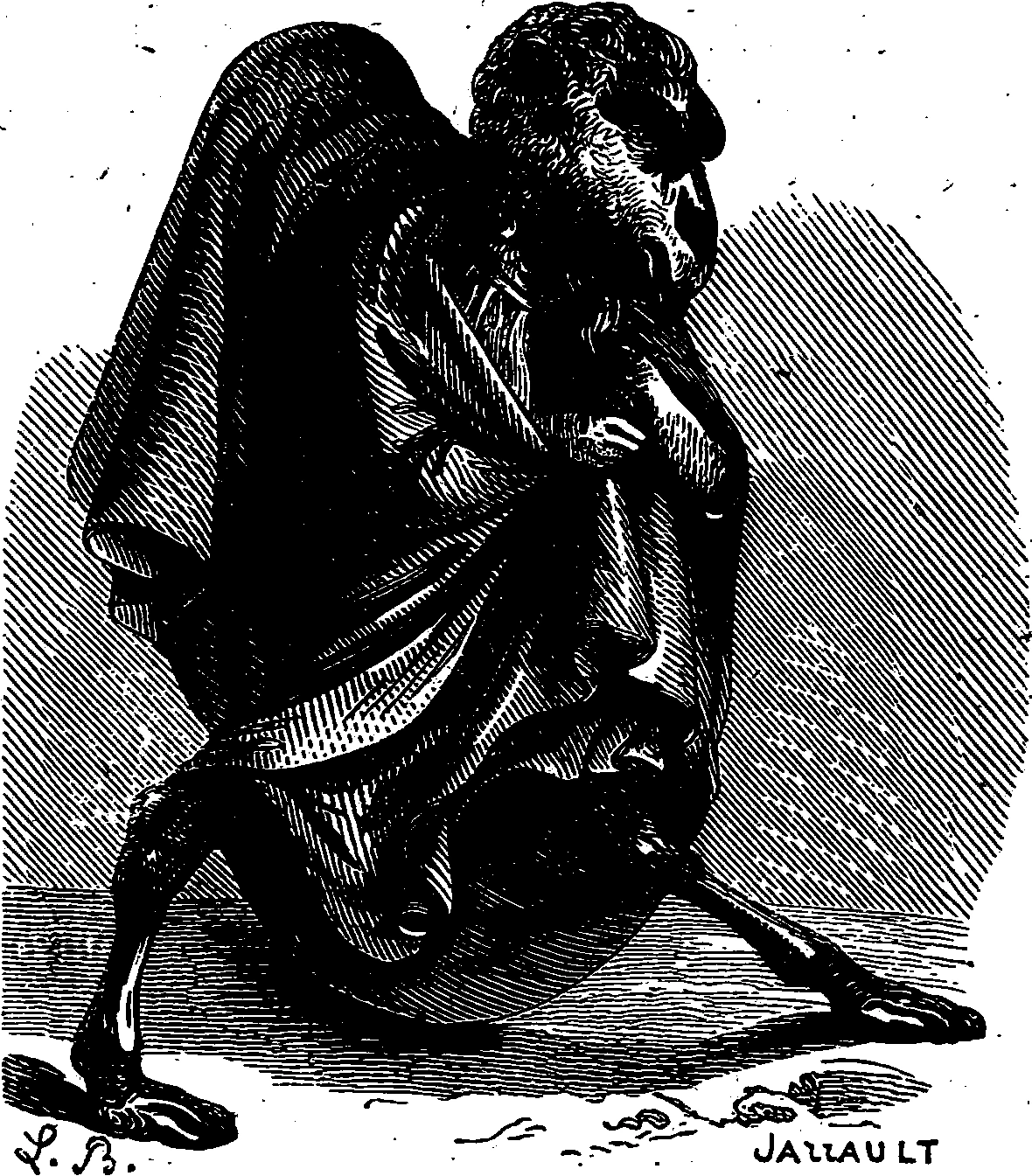
A Goetic duke first appearing as a dromedary, associated with affection, friendship, and knowledge.
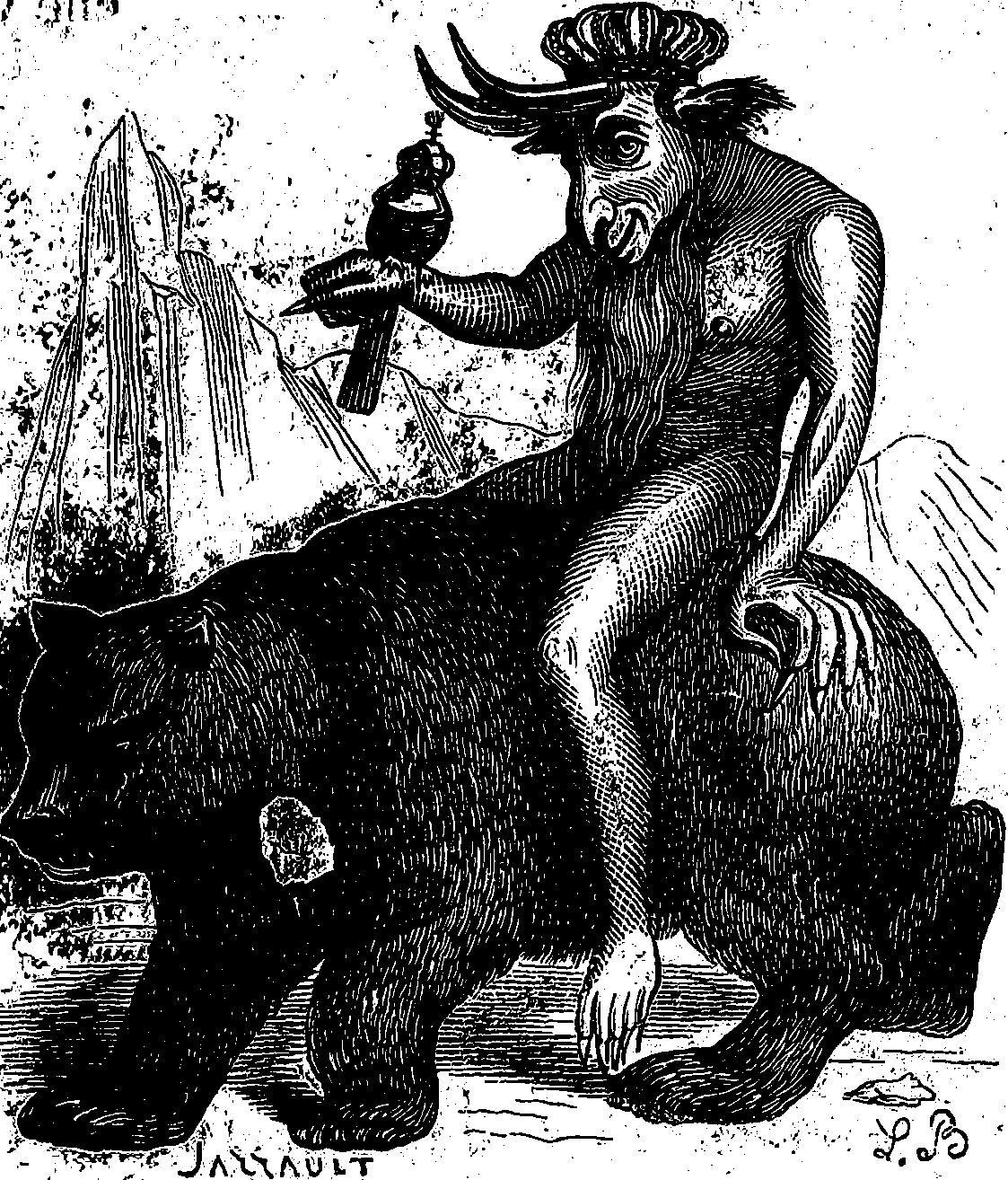
A three-headed Goetic king riding a bear, associated with answers, wit, and invisibility.

A Goetic president associated with animal voices, disputation, and answers given through burning ashes.
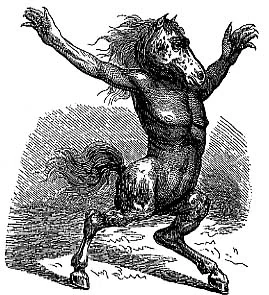
A Goetic prince portrayed as a horse and then a human, noted for the fidelity attributed to him.
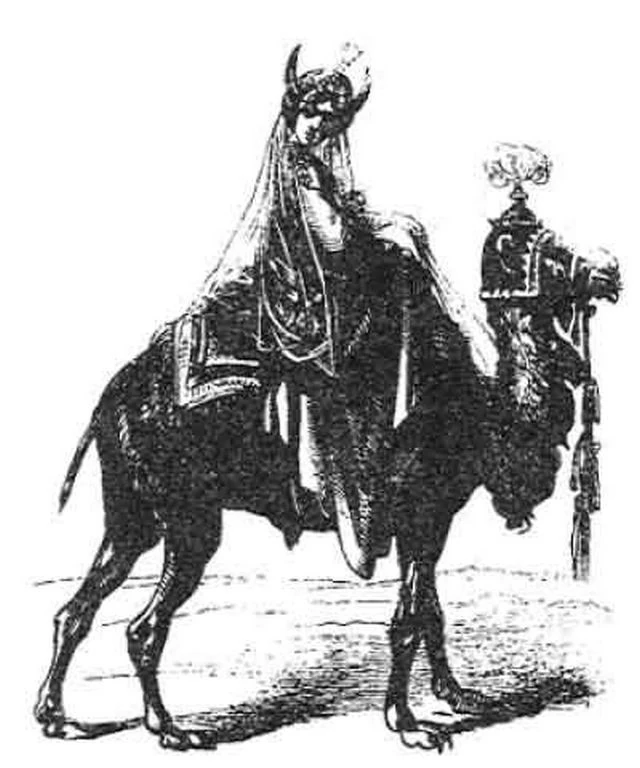
A Goetic duke depicted as a woman on a camel, associated with hidden knowledge, treasure, and attraction.
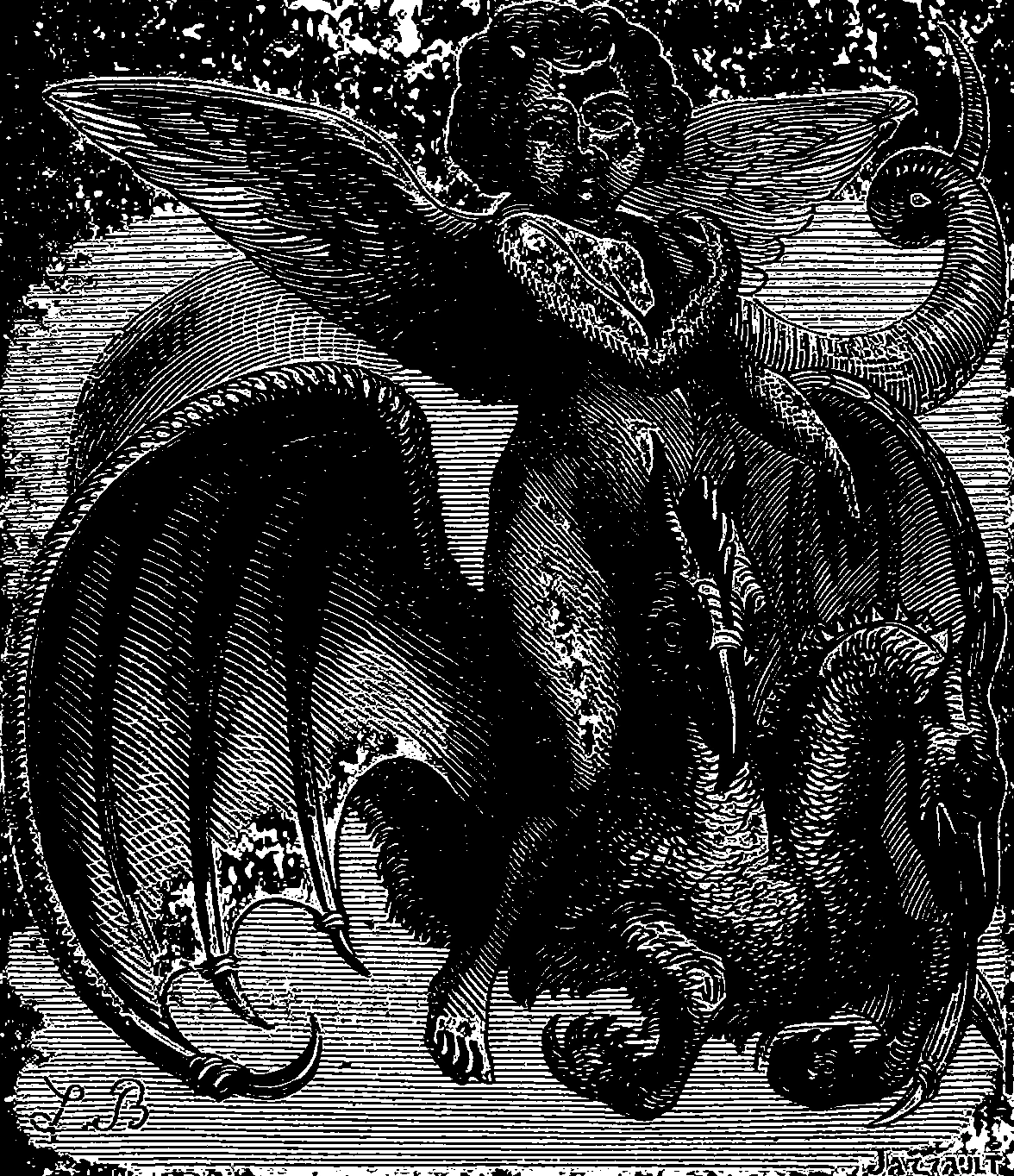
A Goetic president described as a winged boy on a two-headed dragon, associated with treasure and serpents.
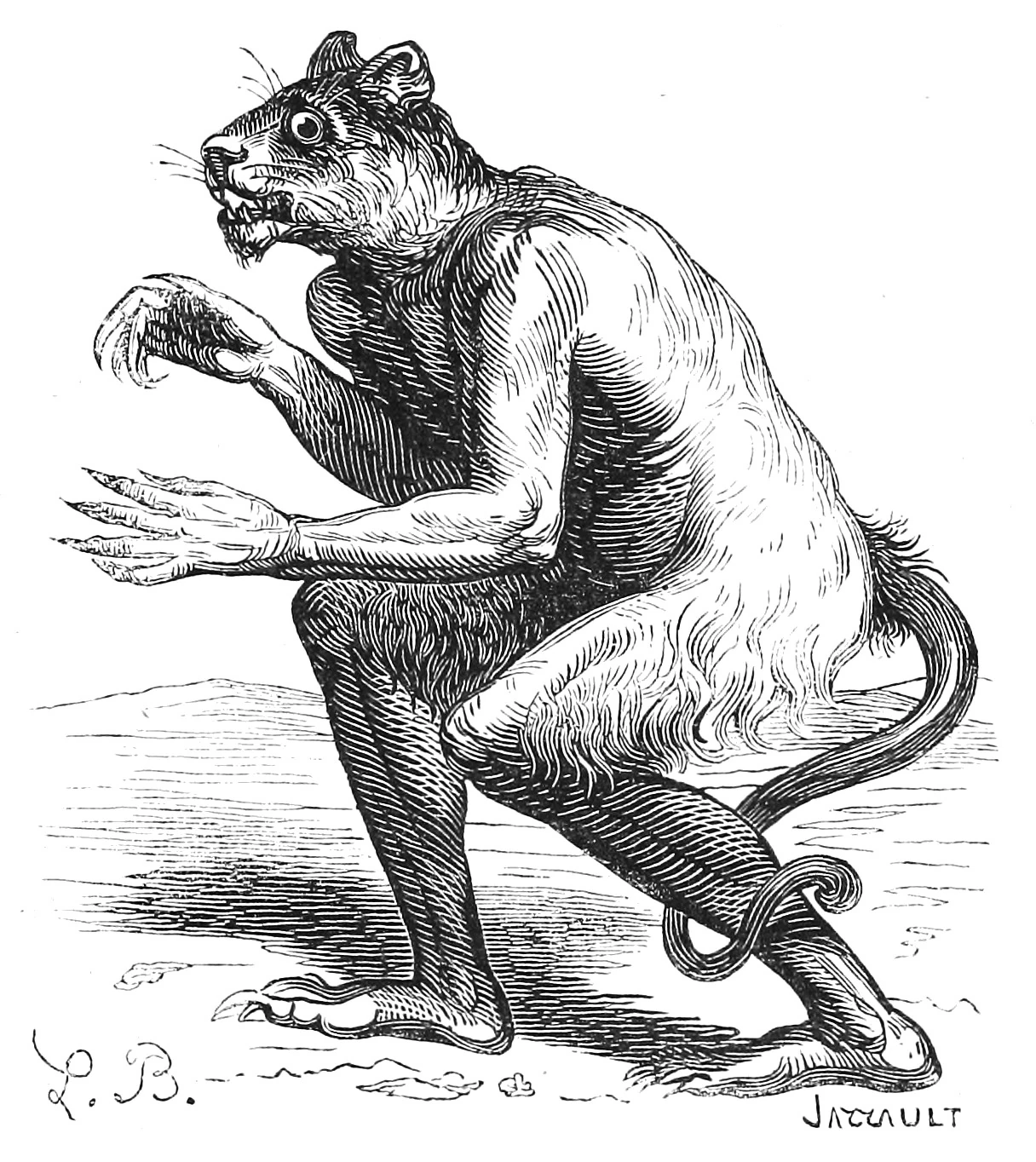
A Goetic duke, also called Flauros, associated with fiery destruction and answers about divine matters.
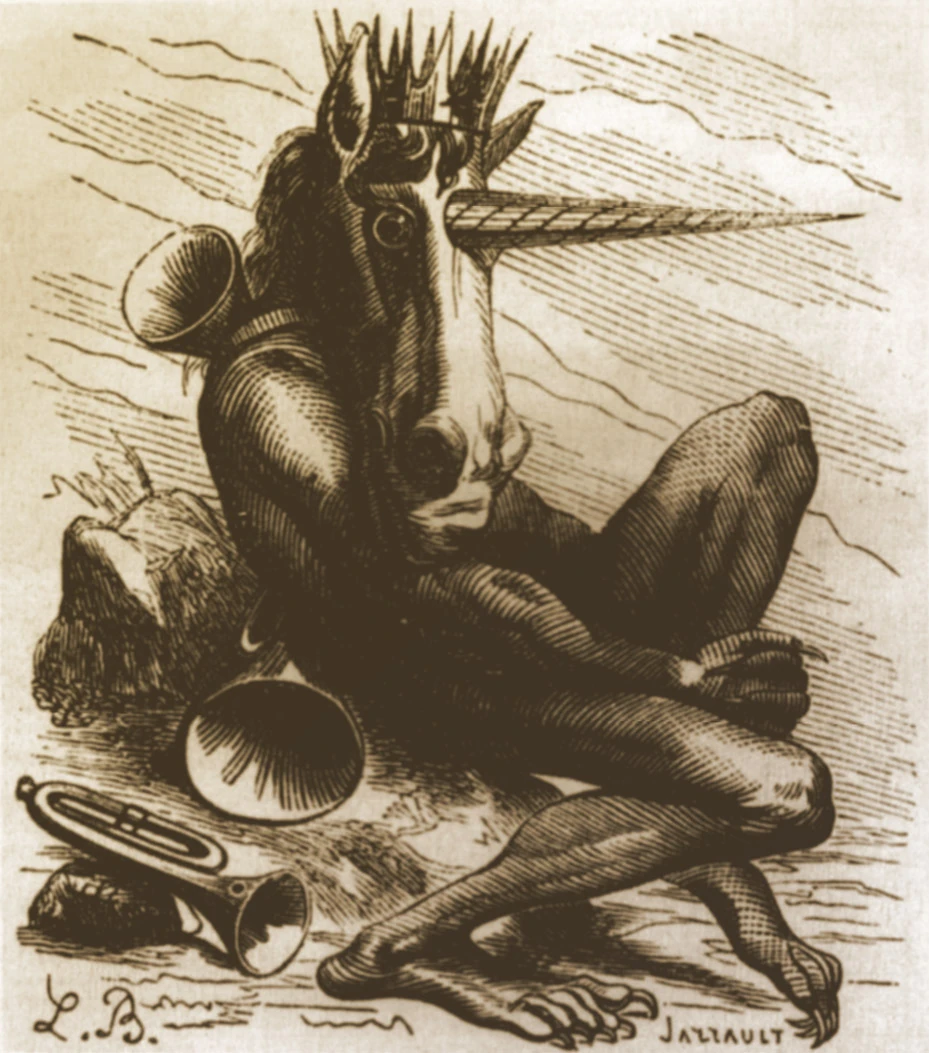
A unicorn-shaped Goetic duke associated with unseen music, bending trees, and familiars.
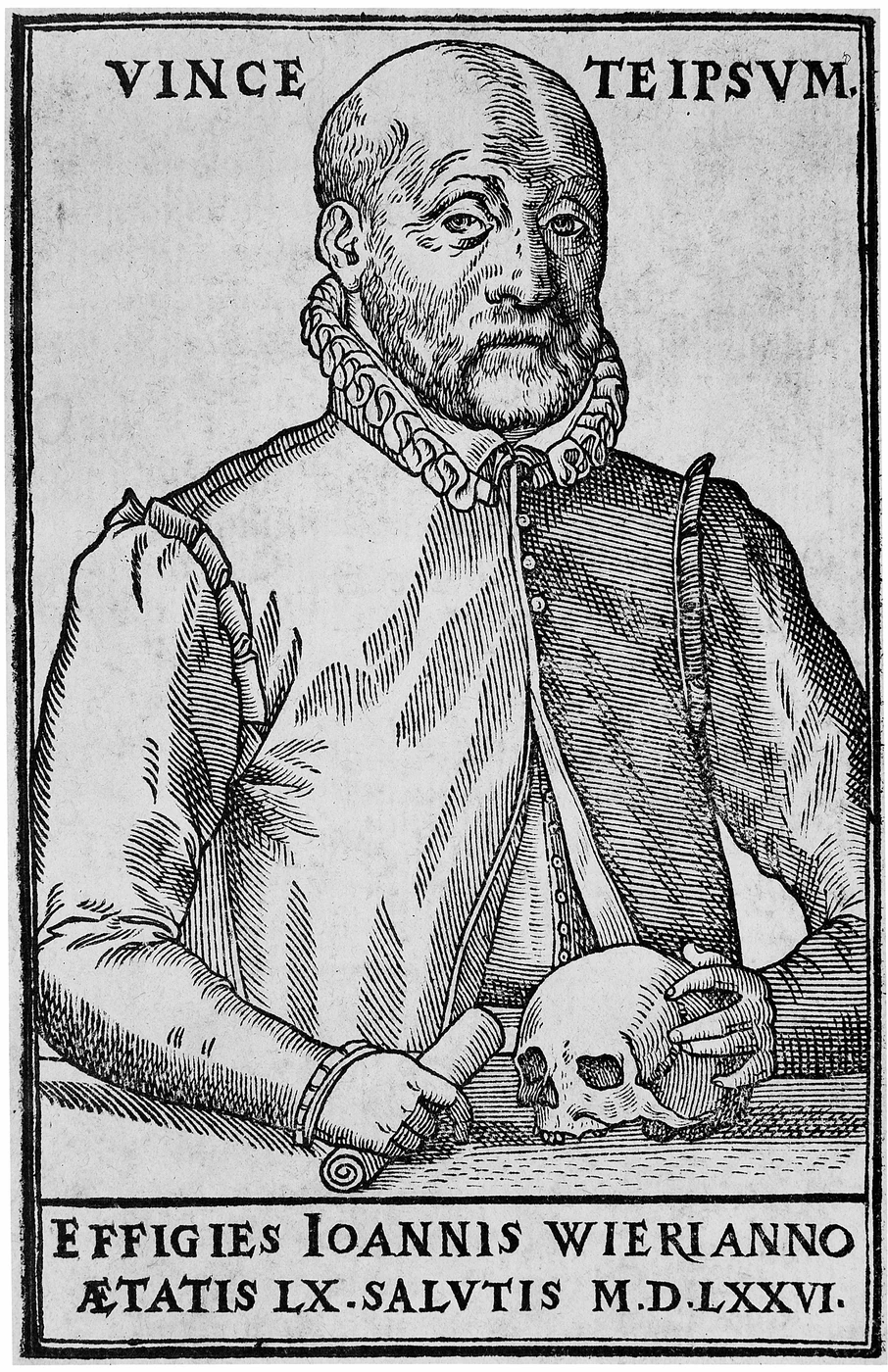
The physician and author whose Pseudomonarchia daemonum supplied an important source for later spirit catalogues.
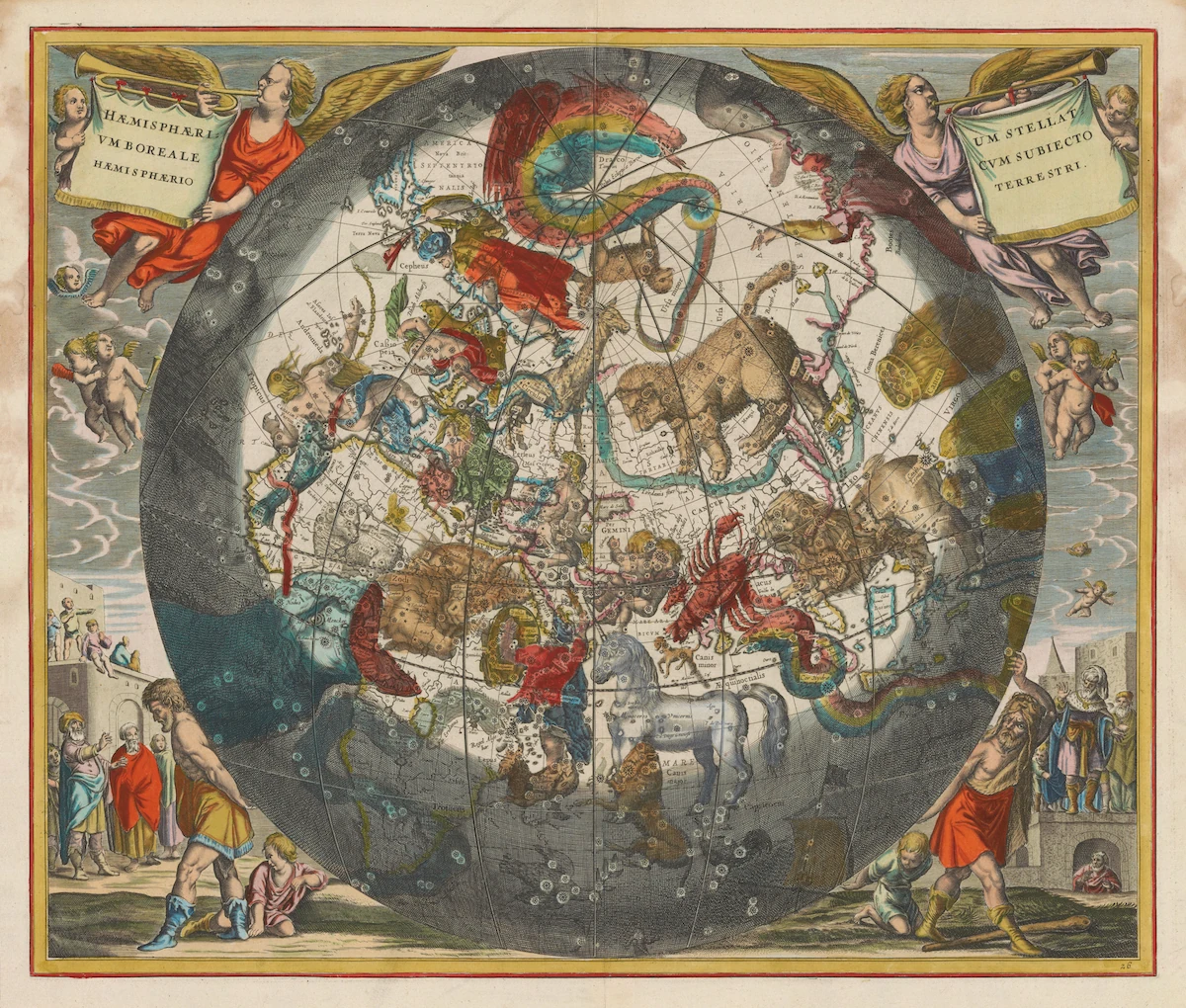
Magical systems using the seven traditional planets through timing, correspondences, images, and invocations.
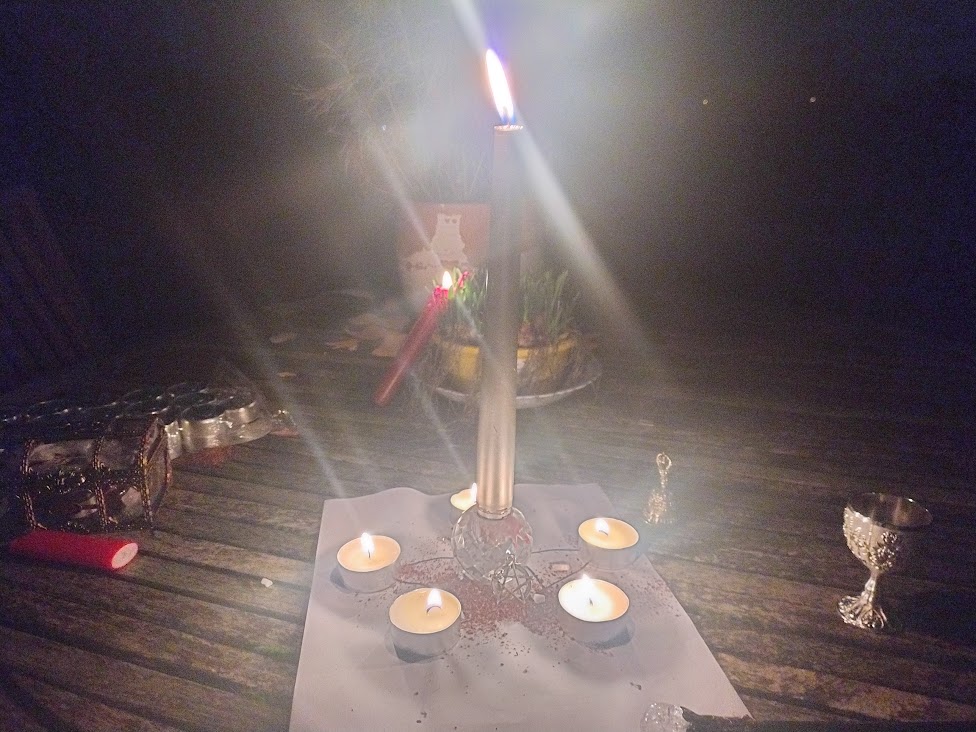
Ritual is patterned action given special religious, symbolic, social, or transformative significance. Ritual can mark time, establish sacred space, communicate with a deity, express commitment, create community, memorialize the dead, enact a transition, or focus attention on a chosen purpose. In theistic Satanism, ritual commonly includes devotional action directed toward Satan or other spirits…
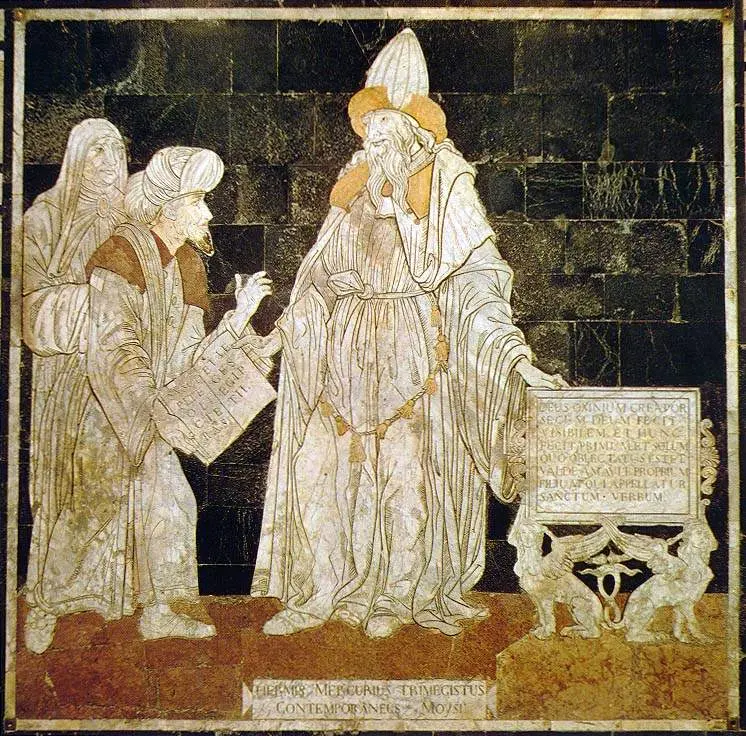
Hermeticism names several related traditions associated with Hermes Trismegistus. Philosophical dialogues, alchemical texts, and later occult systems require separate historical treatment.
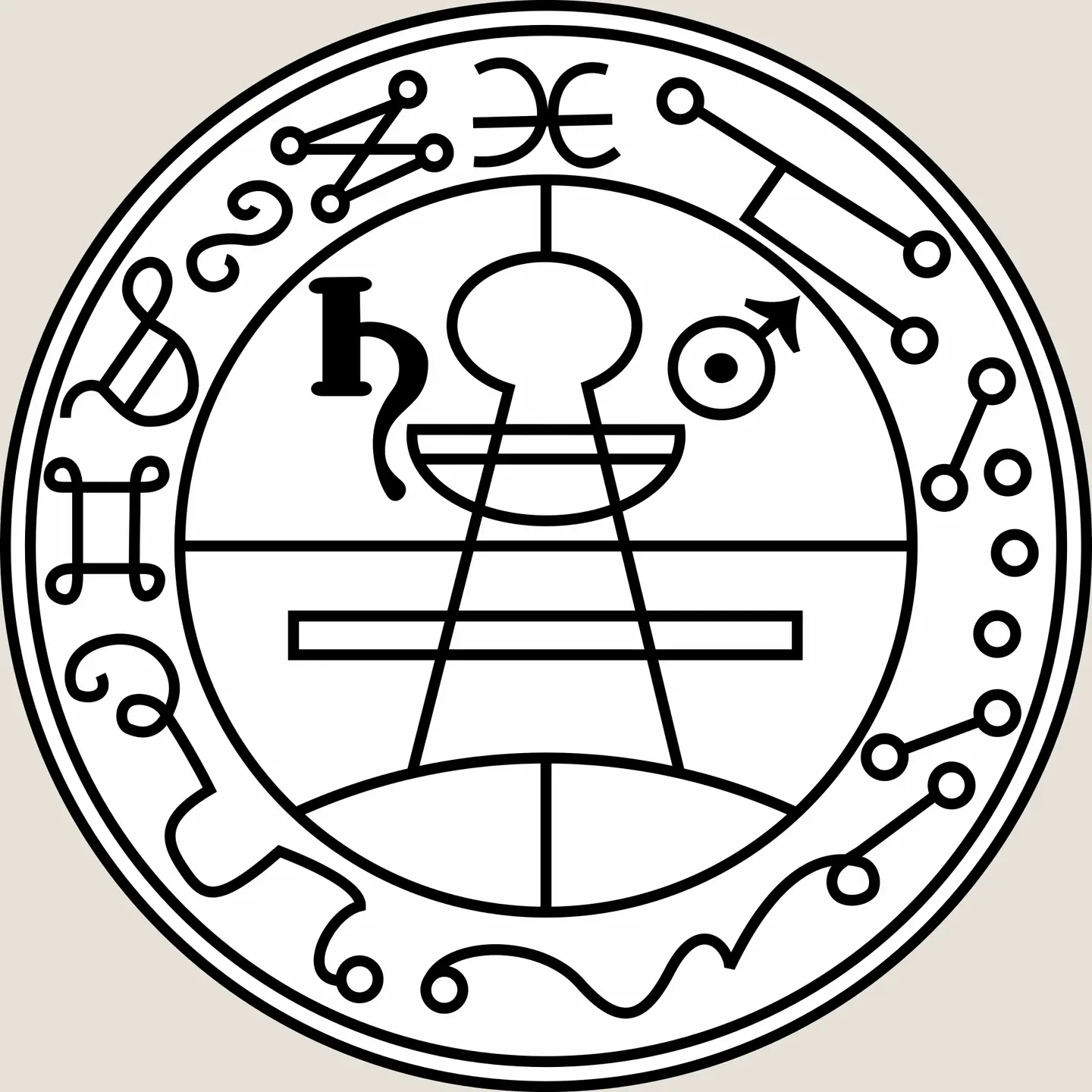
Sigils are graphic signs used in particular magical systems. Historical spirit seals, ceremonial figures, and modern personal signs should be distinguished.
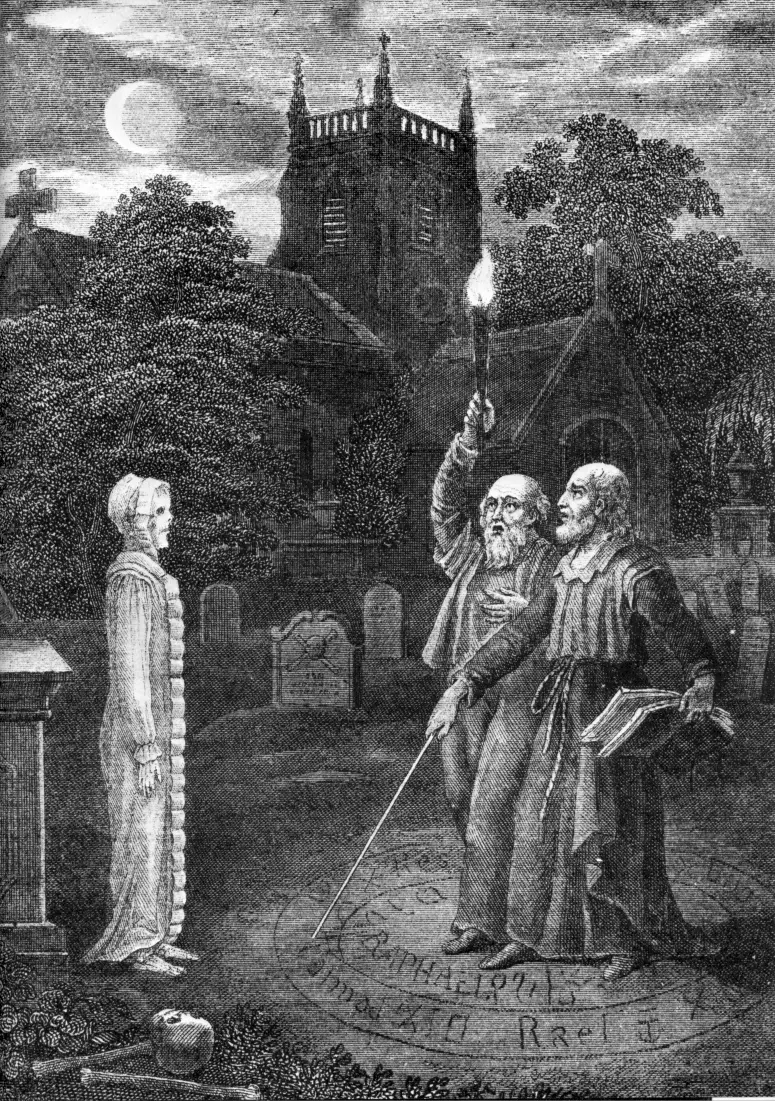
Invocation and evocation are terms used for related but differently framed religious or magical actions. Their definitions vary between authors and practice systems.
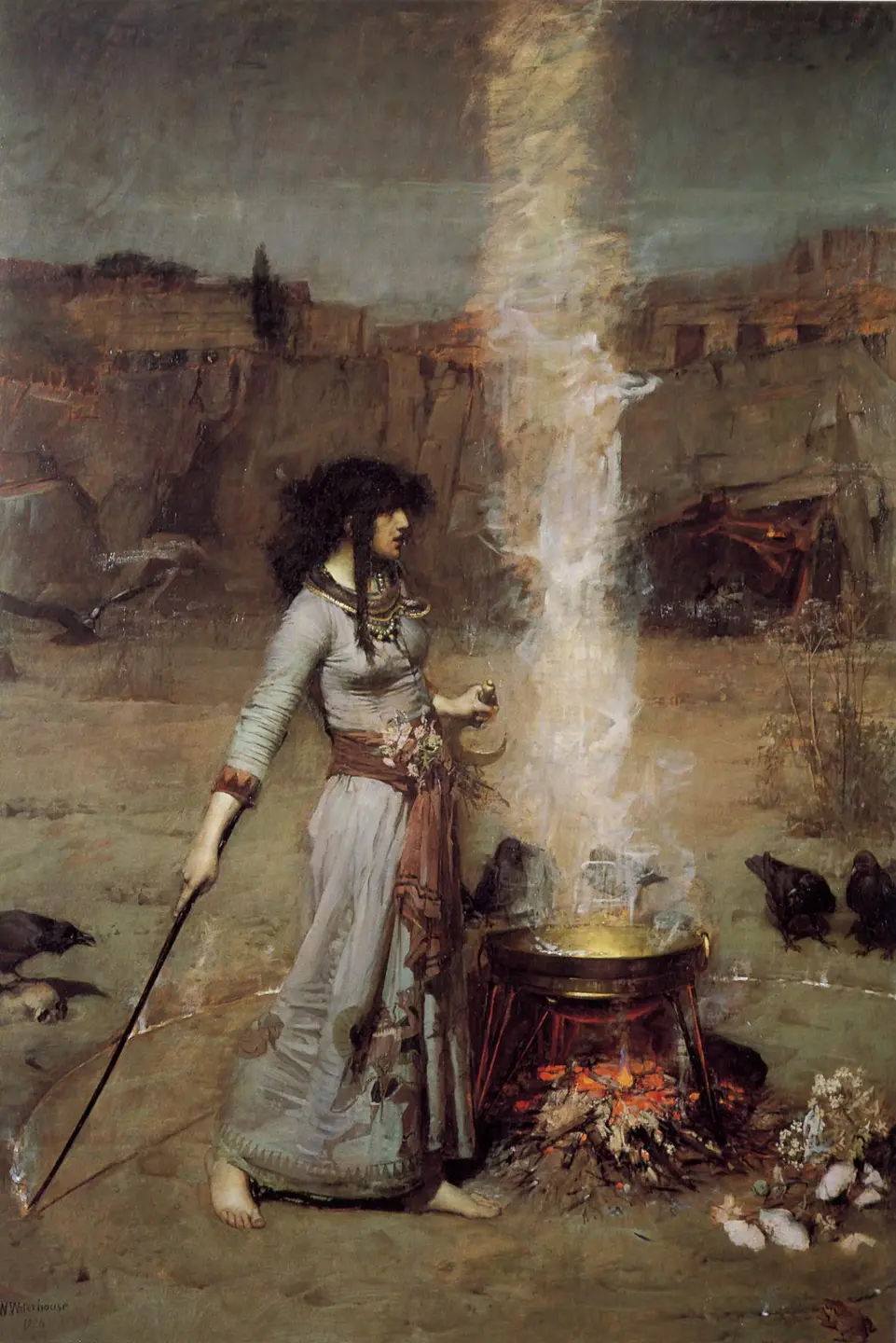
Demonolatry refers to devotion to demons or daemonic beings. Modern accounts vary in theology, authority, and their relationship with historical grimoires.
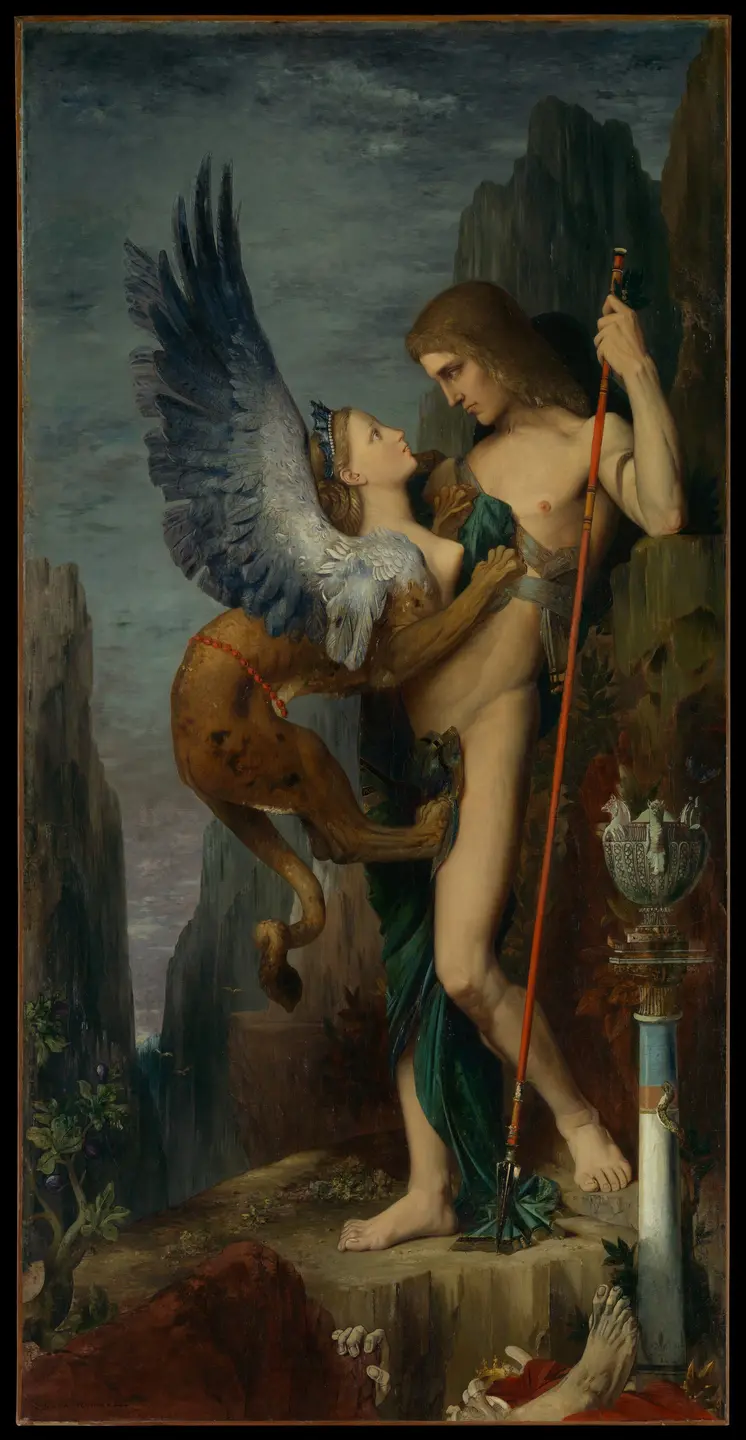
A religious myth can organize meaning while also receiving literal belief. Literary form, personal interpretation, and historical evidence should be discussed as related but distinct questions.
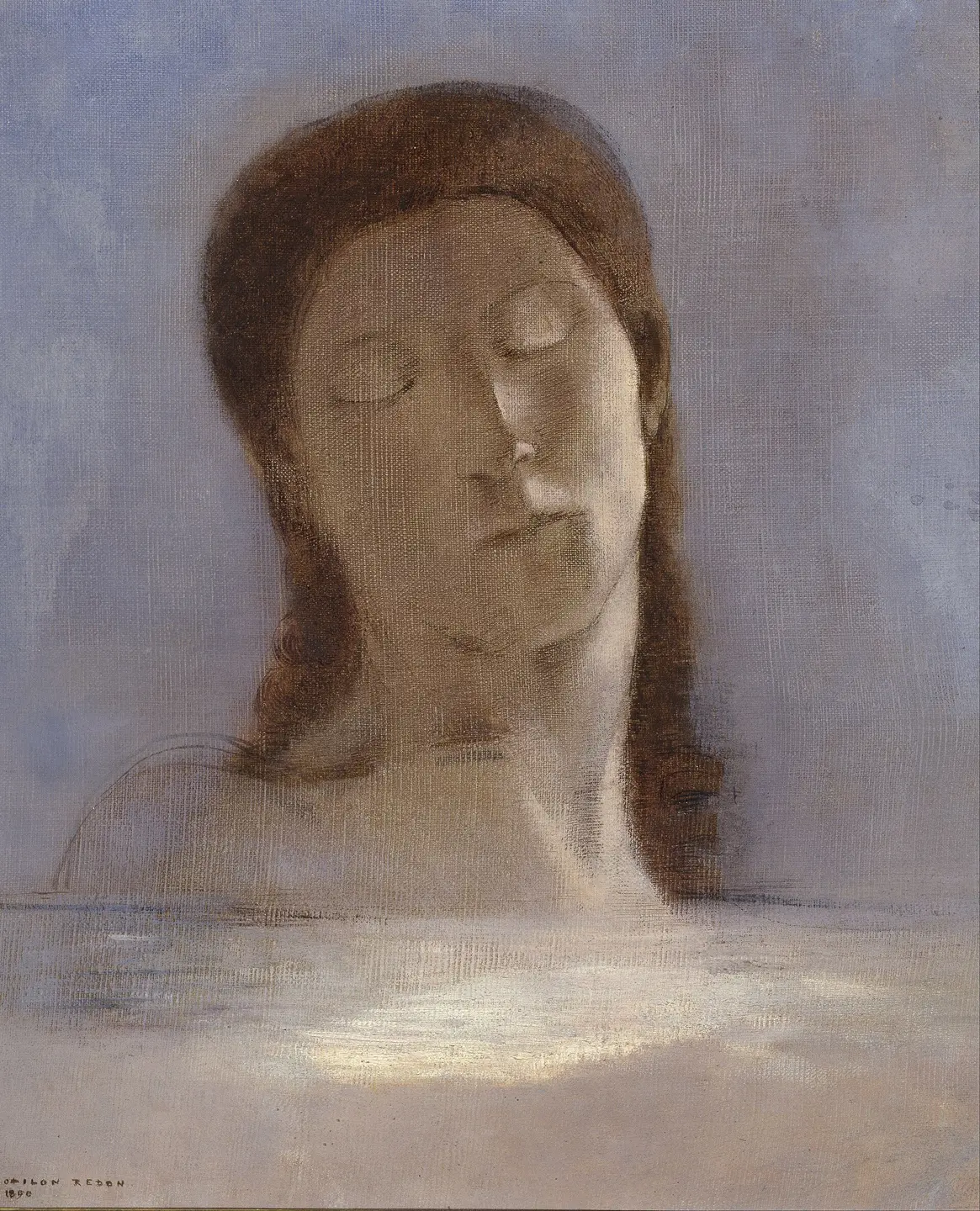
Unverified personal gnosis identifies a spiritual claim or interpretation whose source is personal experience rather than established textual or communal authority.