Demonology & Spirits
Vual
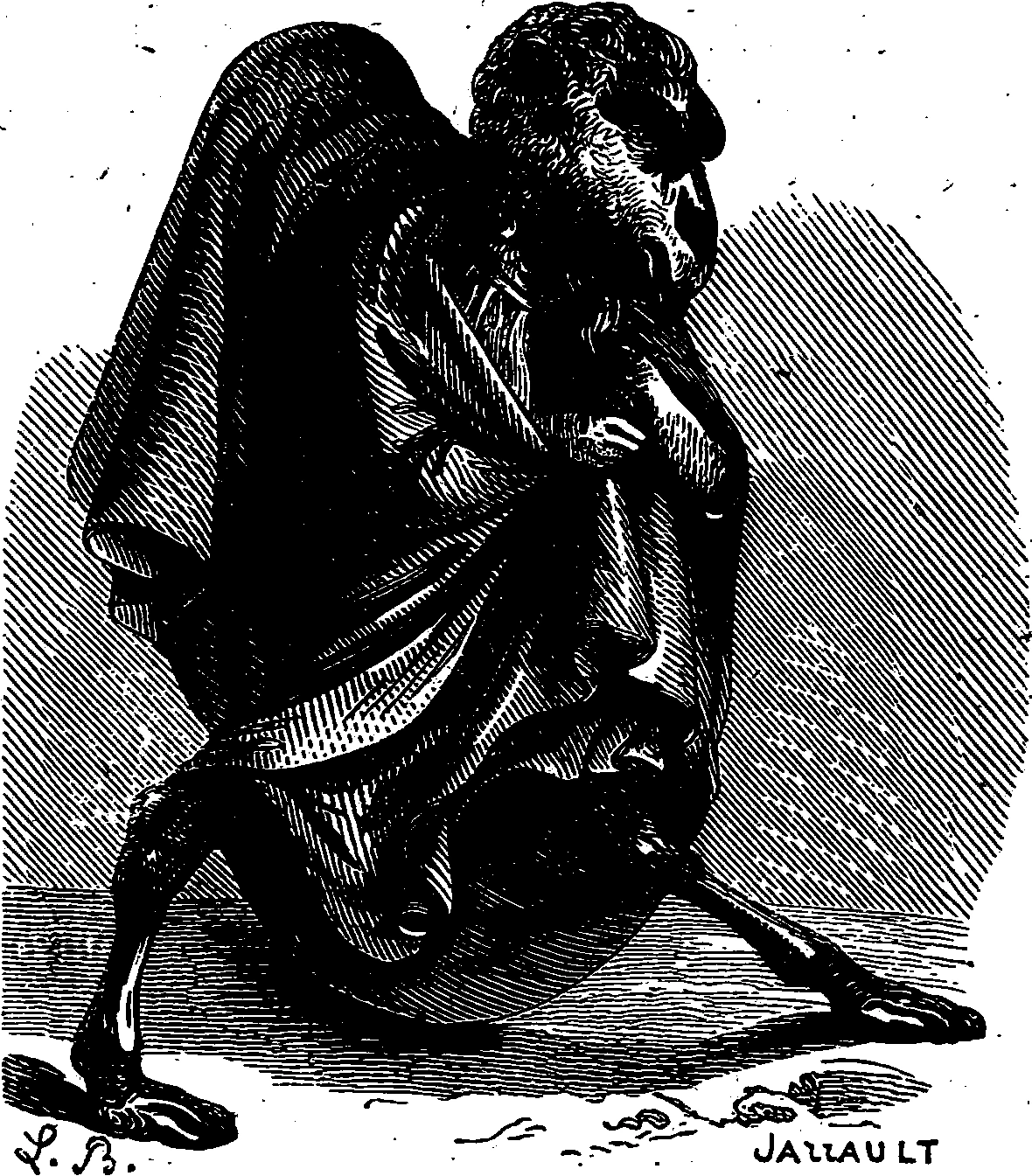
A Goetic duke first appearing as a dromedary, associated with affection, friendship, and knowledge.
A Goetic duke first appearing as a dromedary, associated with affection, friendship, and knowledge.
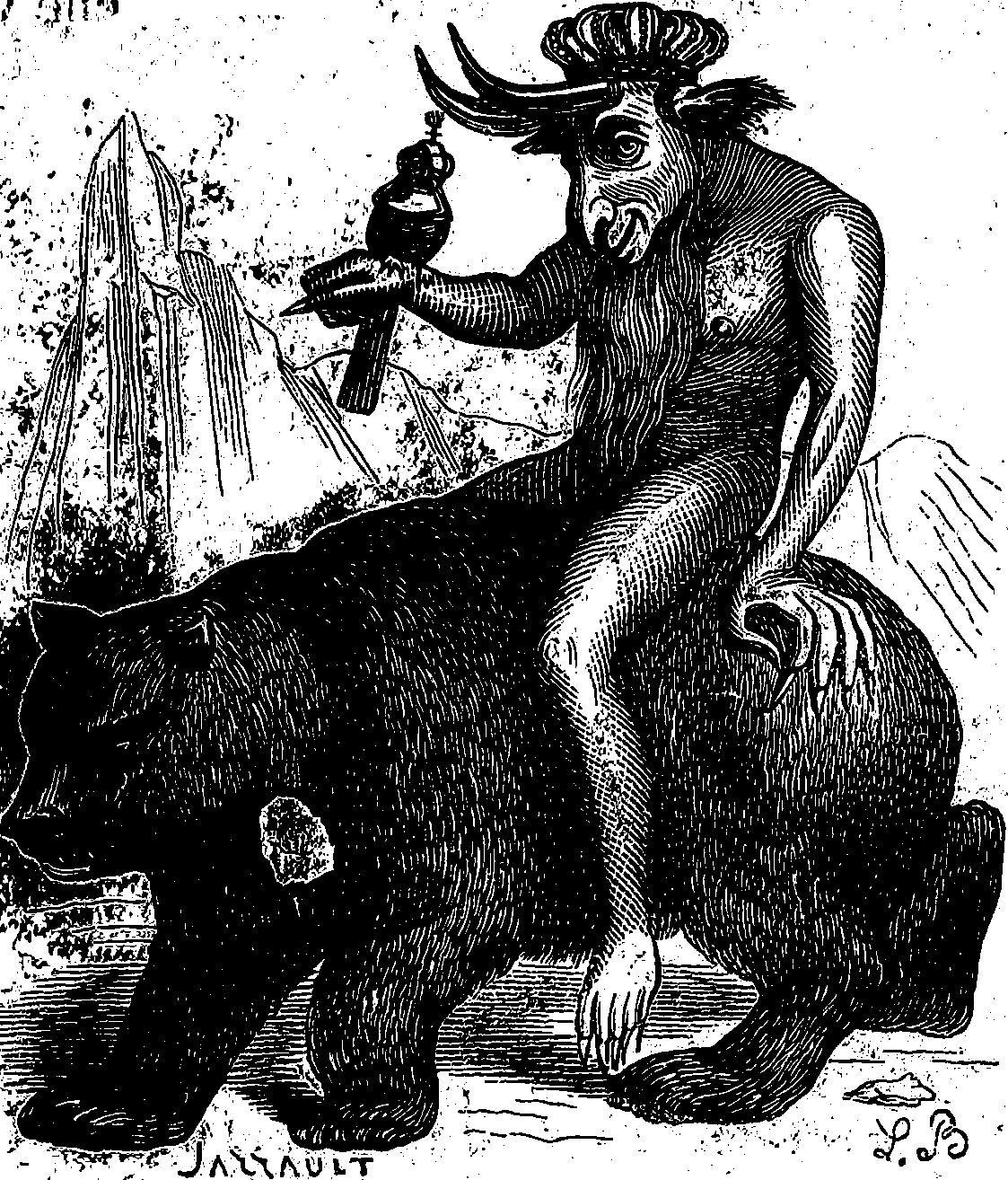
A three-headed Goetic king riding a bear, associated with answers, wit, and invisibility.

A Goetic president associated with animal voices, disputation, and answers given through burning ashes.
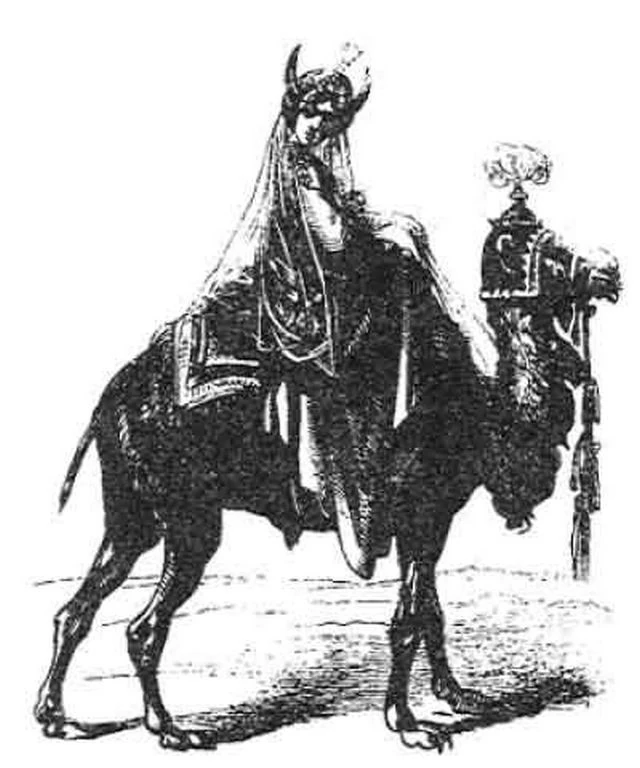
A Goetic duke depicted as a woman on a camel, associated with hidden knowledge, treasure, and attraction.
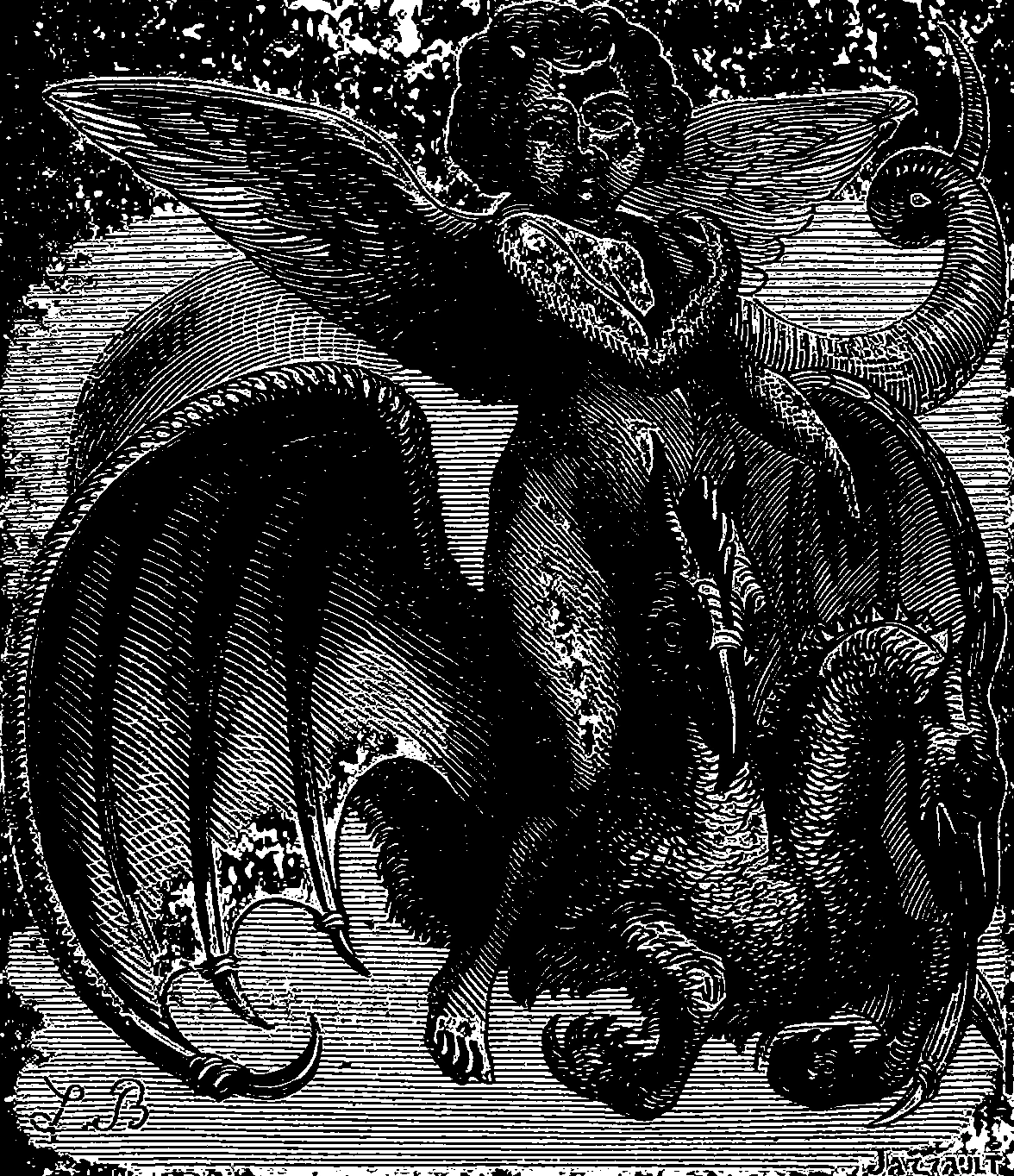
A Goetic president described as a winged boy on a two-headed dragon, associated with treasure and serpents.
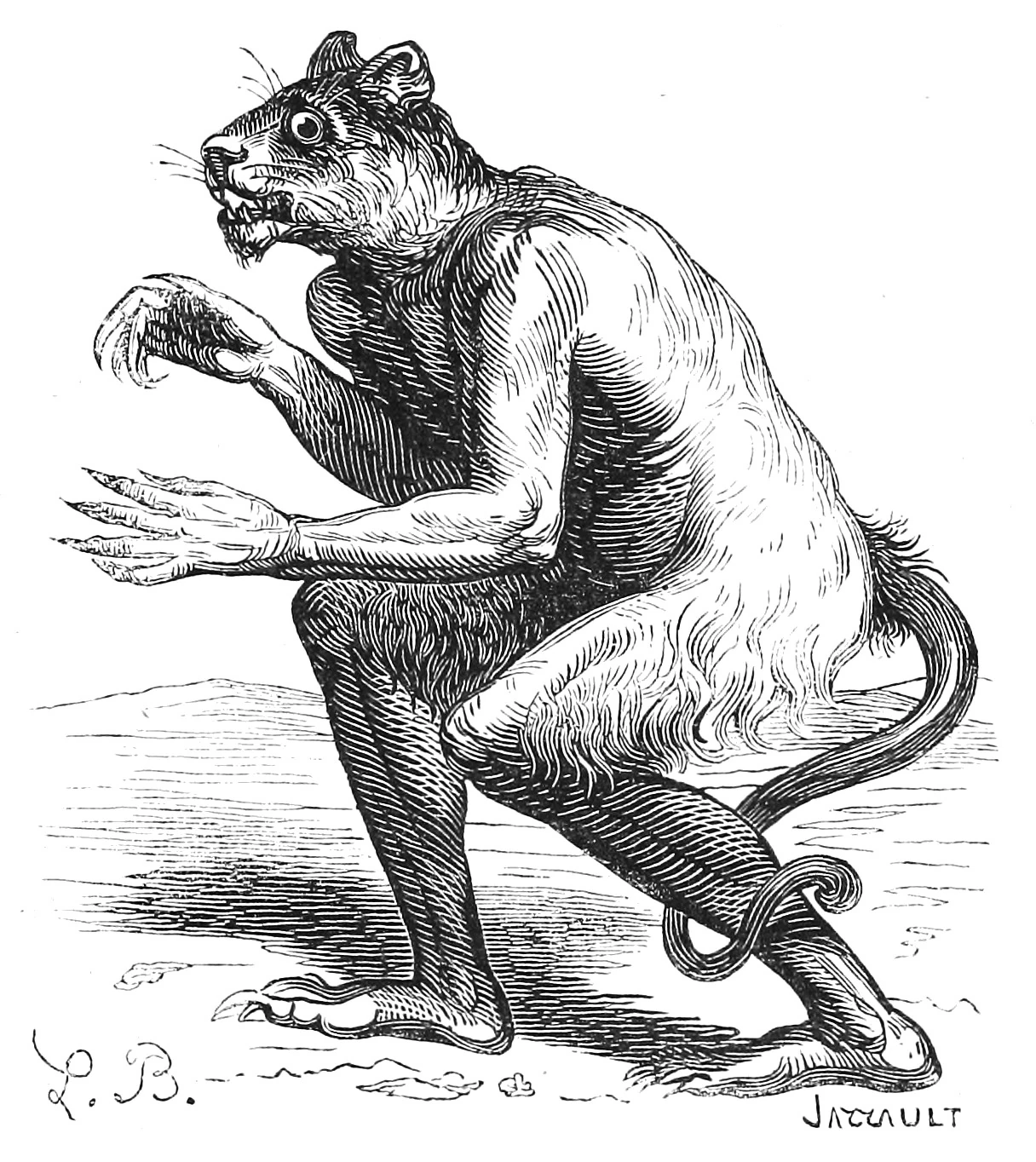
A Goetic duke, also called Flauros, associated with fiery destruction and answers about divine matters.
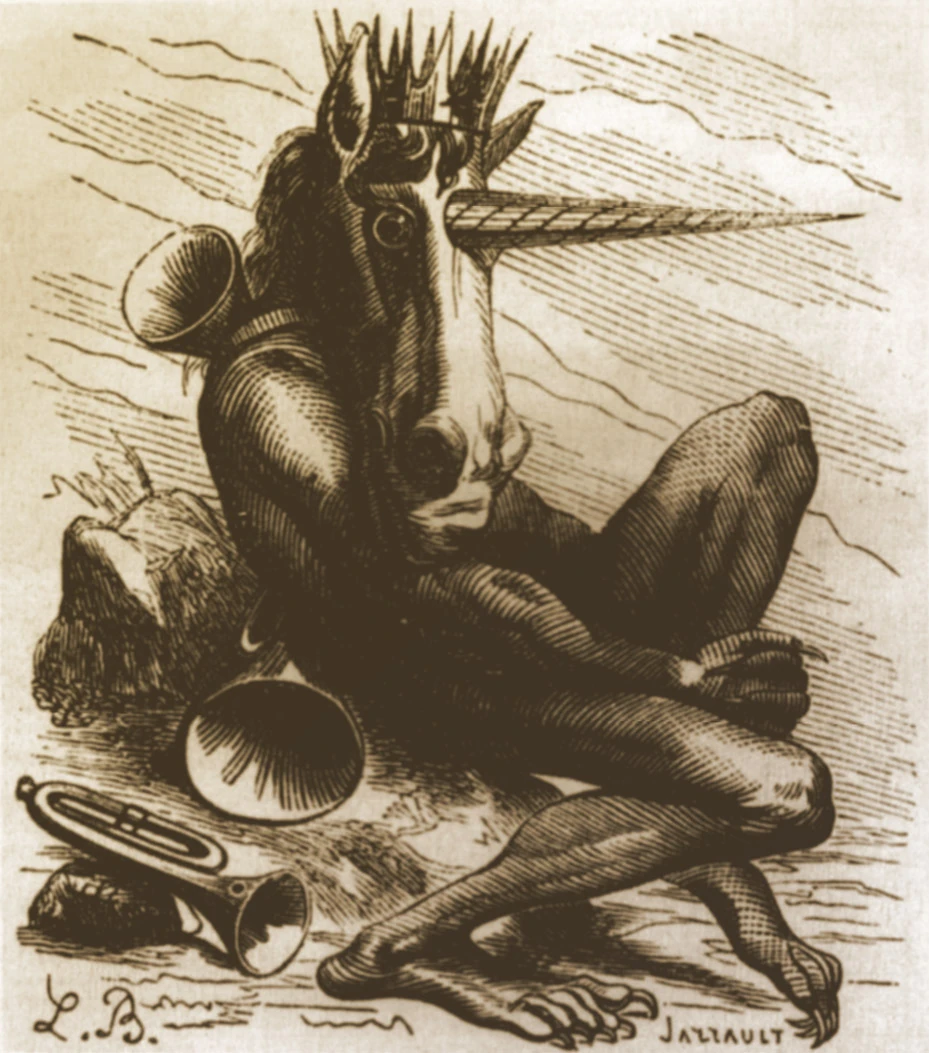
A unicorn-shaped Goetic duke associated with unseen music, bending trees, and familiars.

A German magical fraternity whose teaching gives Saturn a central symbolic and initiatory role.
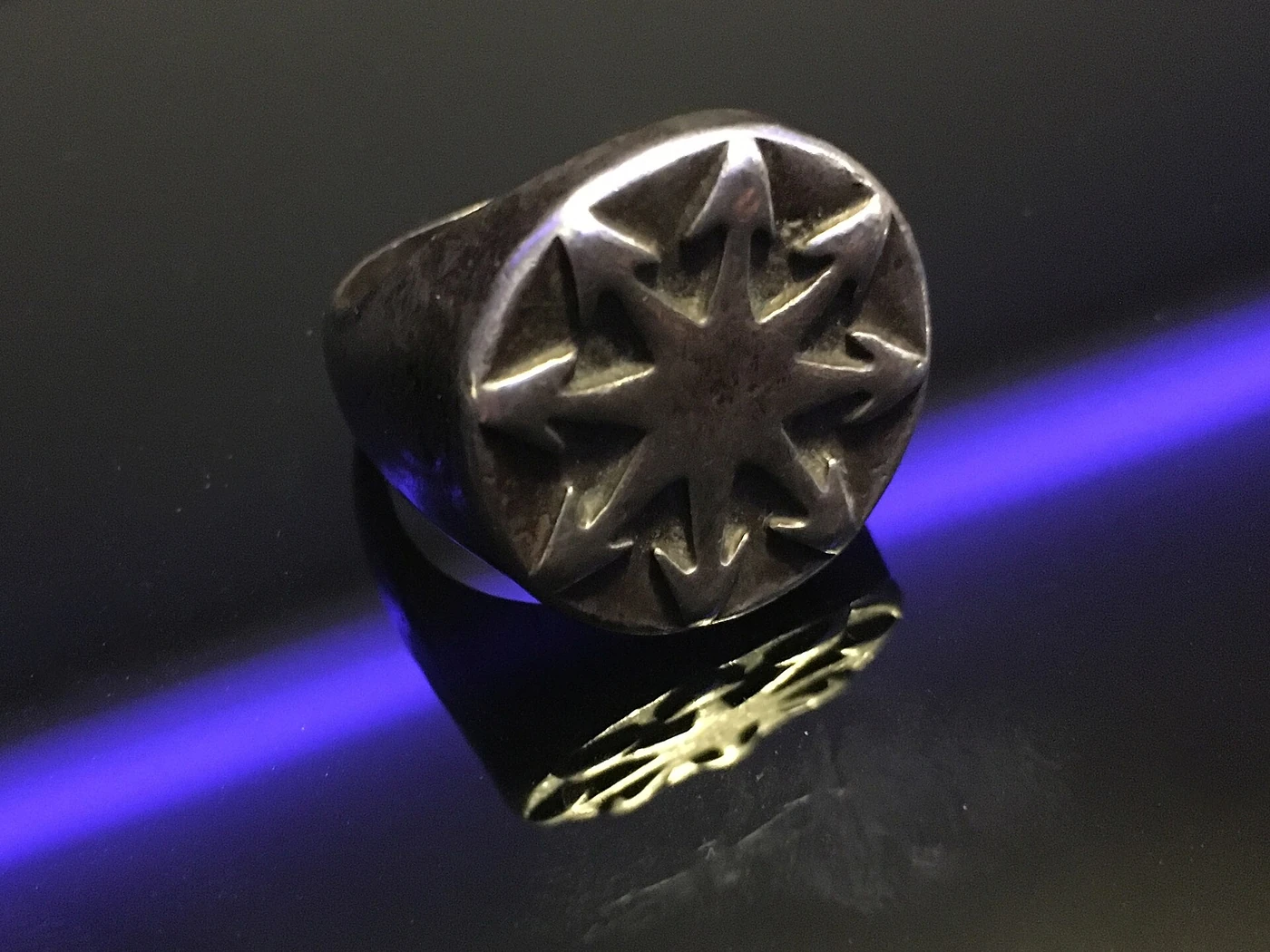
A modern approach to magic that treats techniques and belief systems as tools for practical experimentation.
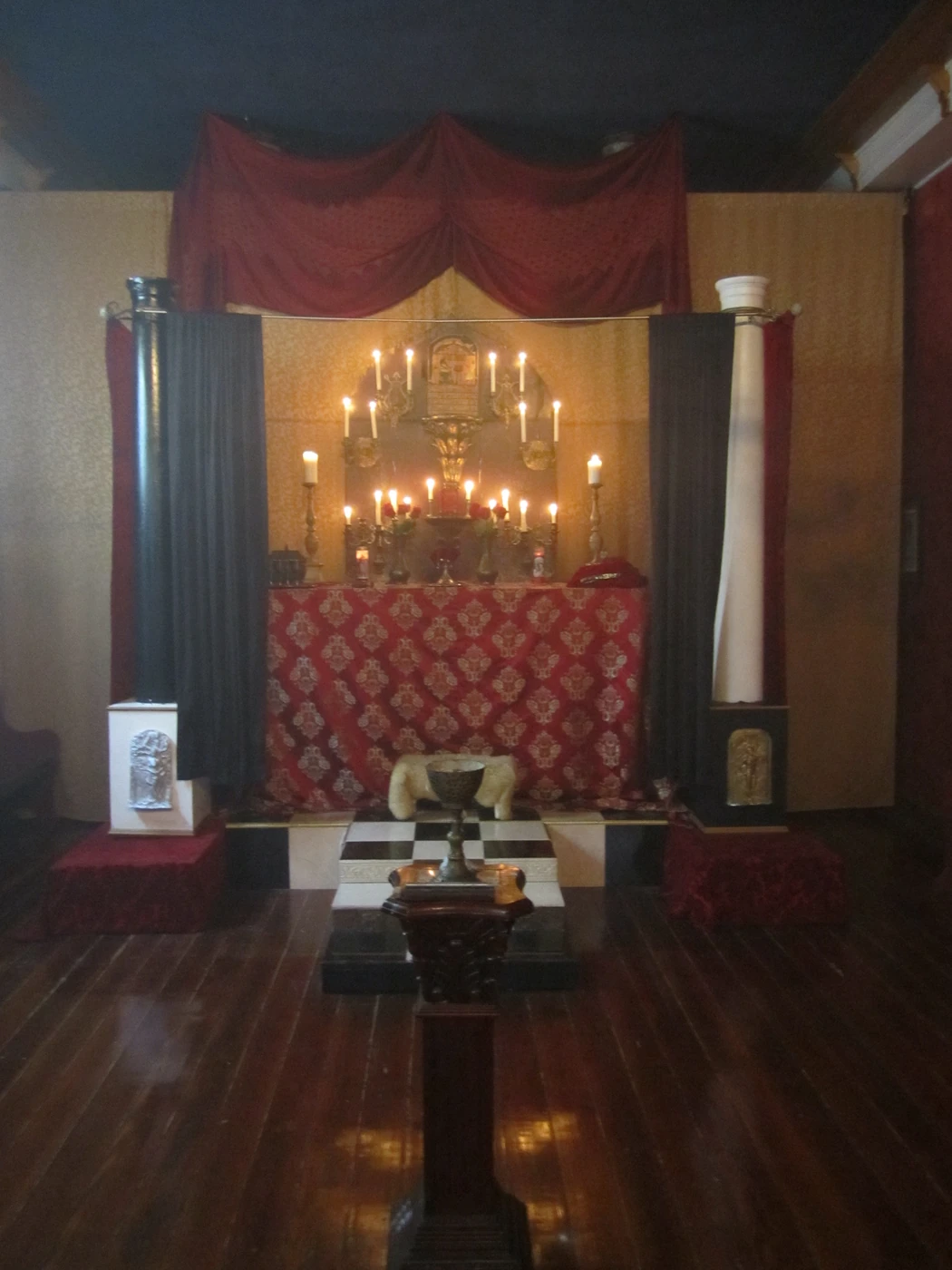
The central public liturgy of Ecclesia Gnostica Catholica, written by Aleister Crowley as Liber XV.
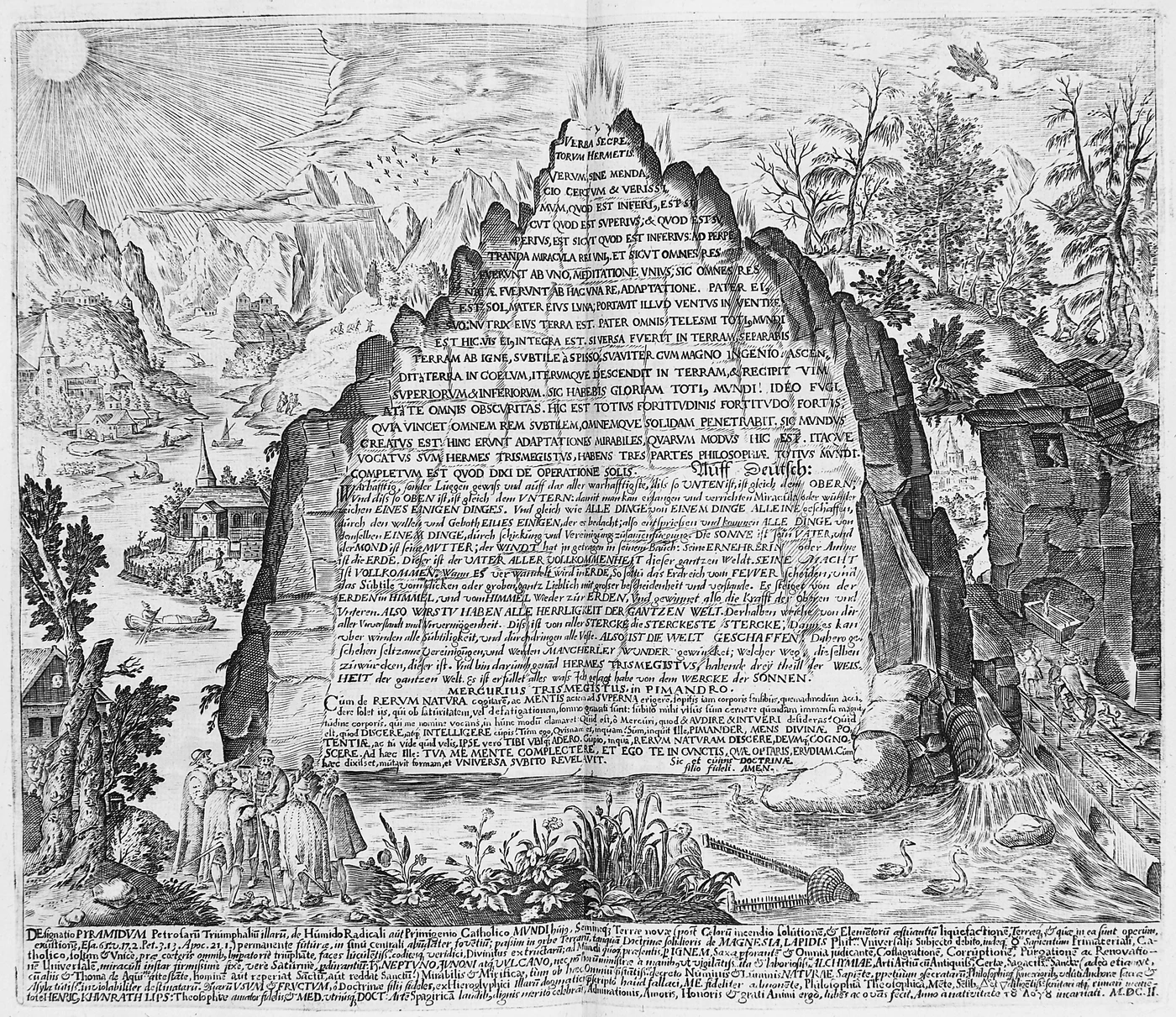
A brief Hermetic text whose images of above and below, sun and moon, and transformation influenced alchemical writing.
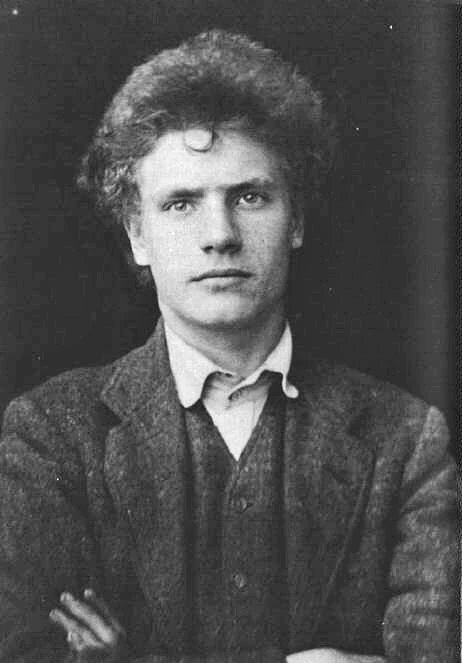
An English artist and occult author whose treatment of desire and sigils influenced later magical practice.
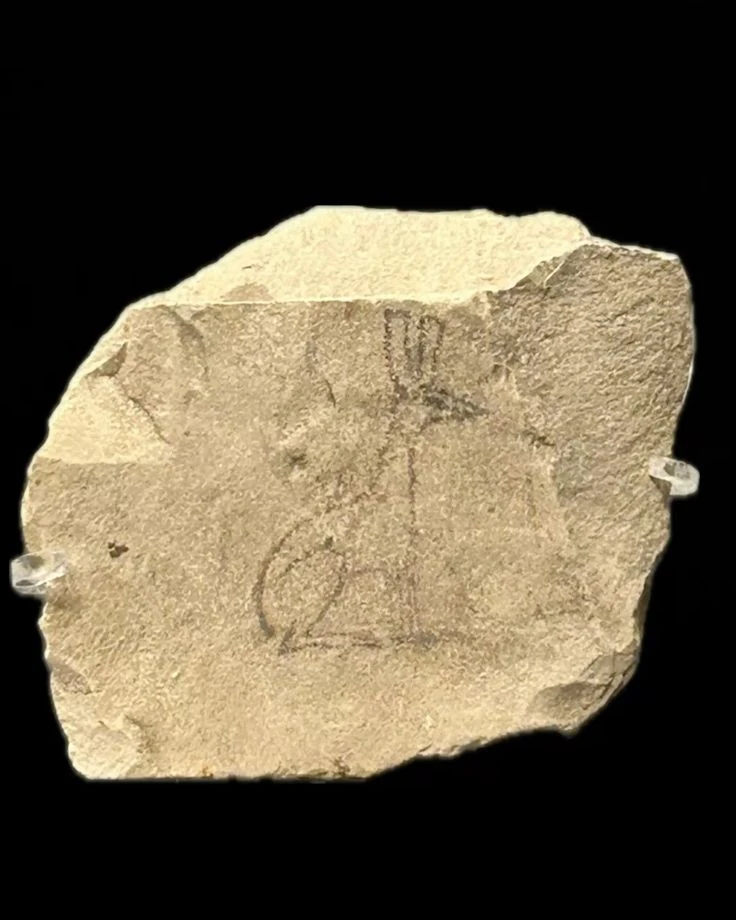
An ancient Egyptian deity associated with conflict and disorder, also reinterpreted in modern Setian religion.
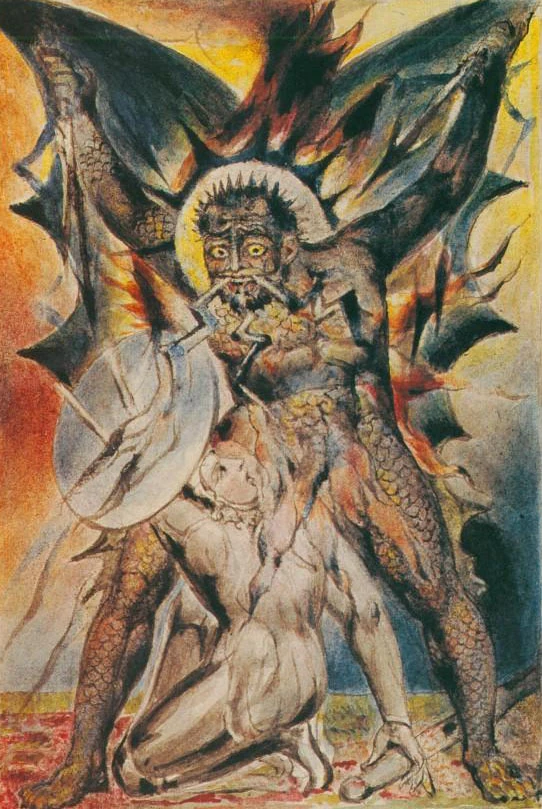
A biblical name associated with destruction, used in Revelation for the angel of the abyss.
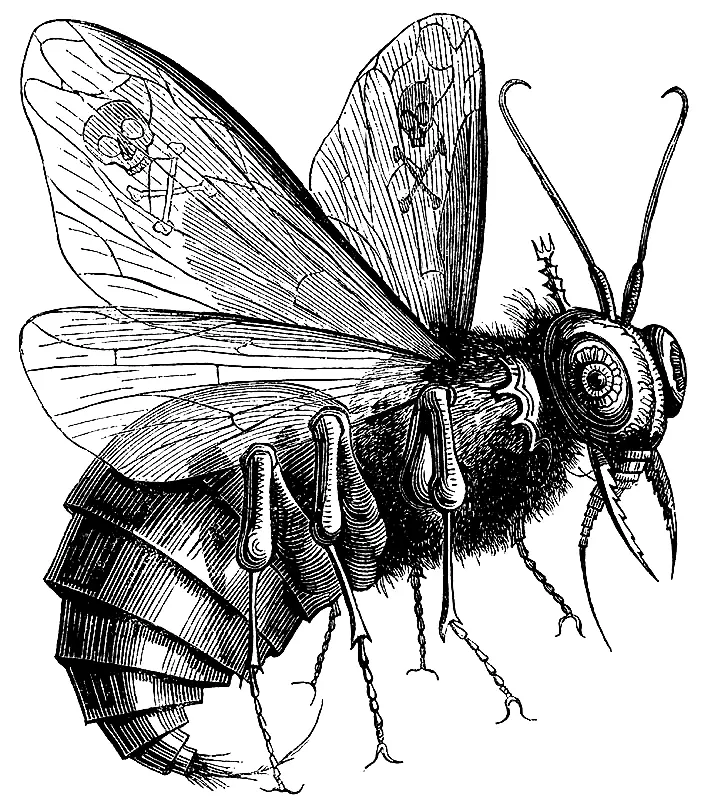
Beelzebub and related spellings appear in distinct biblical contexts. Later demonological interpretations should not be retroactively read into each earlier occurrence.
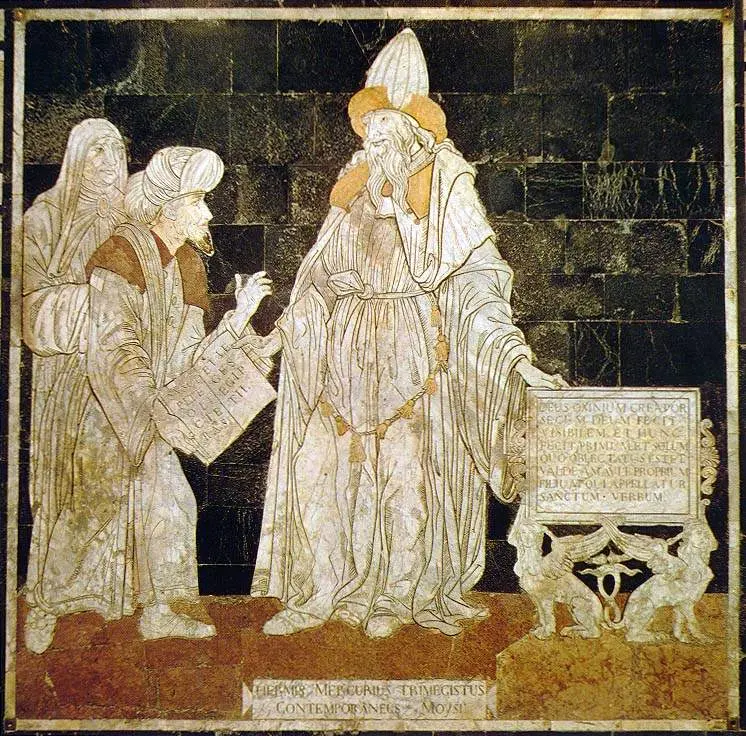
Hermeticism names several related traditions associated with Hermes Trismegistus. Philosophical dialogues, alchemical texts, and later occult systems require separate historical treatment.
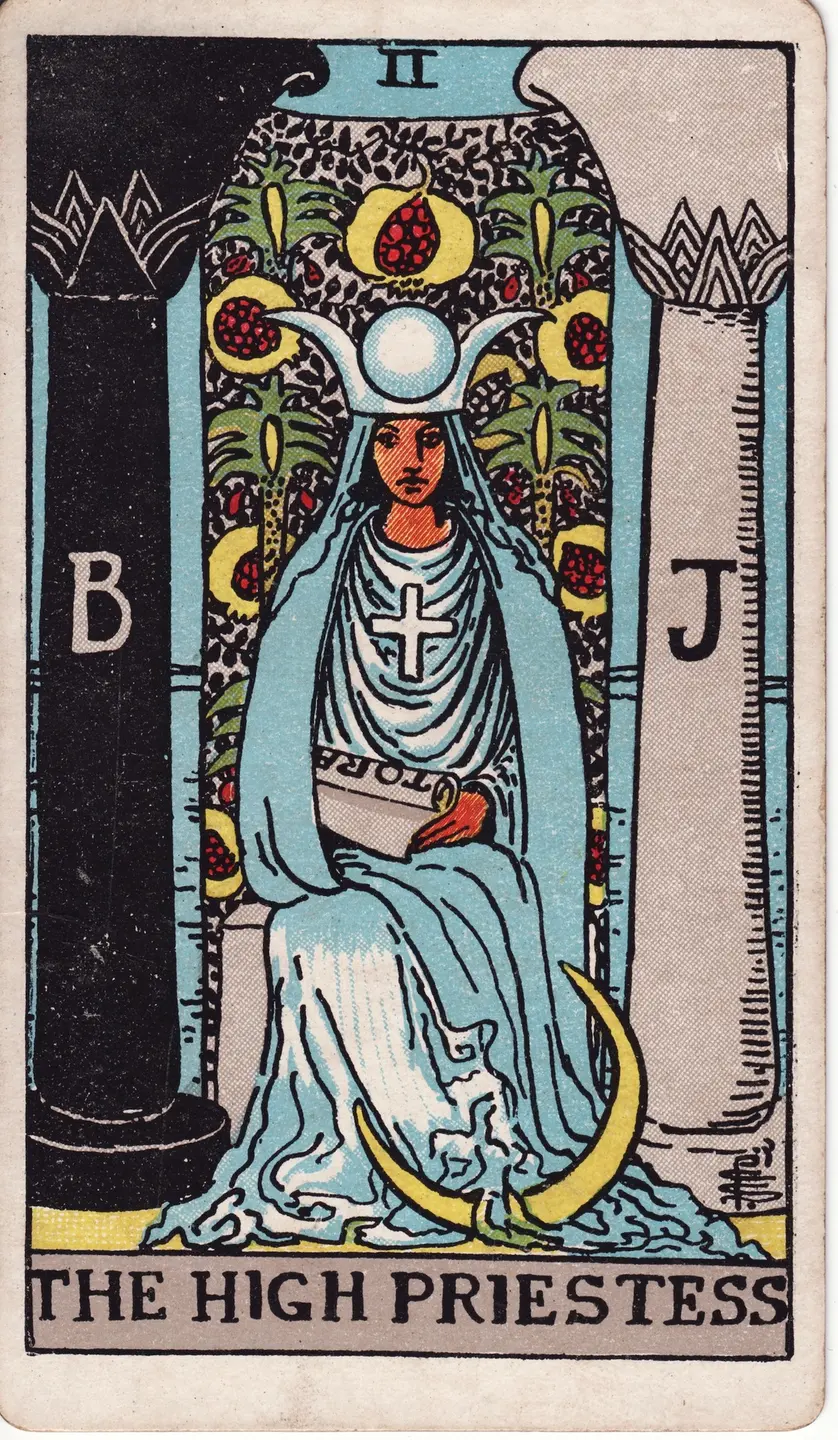
Tarot developed as playing cards before becoming an influential tool of occult interpretation. The history of the cards differs from later claims about their hidden origins.
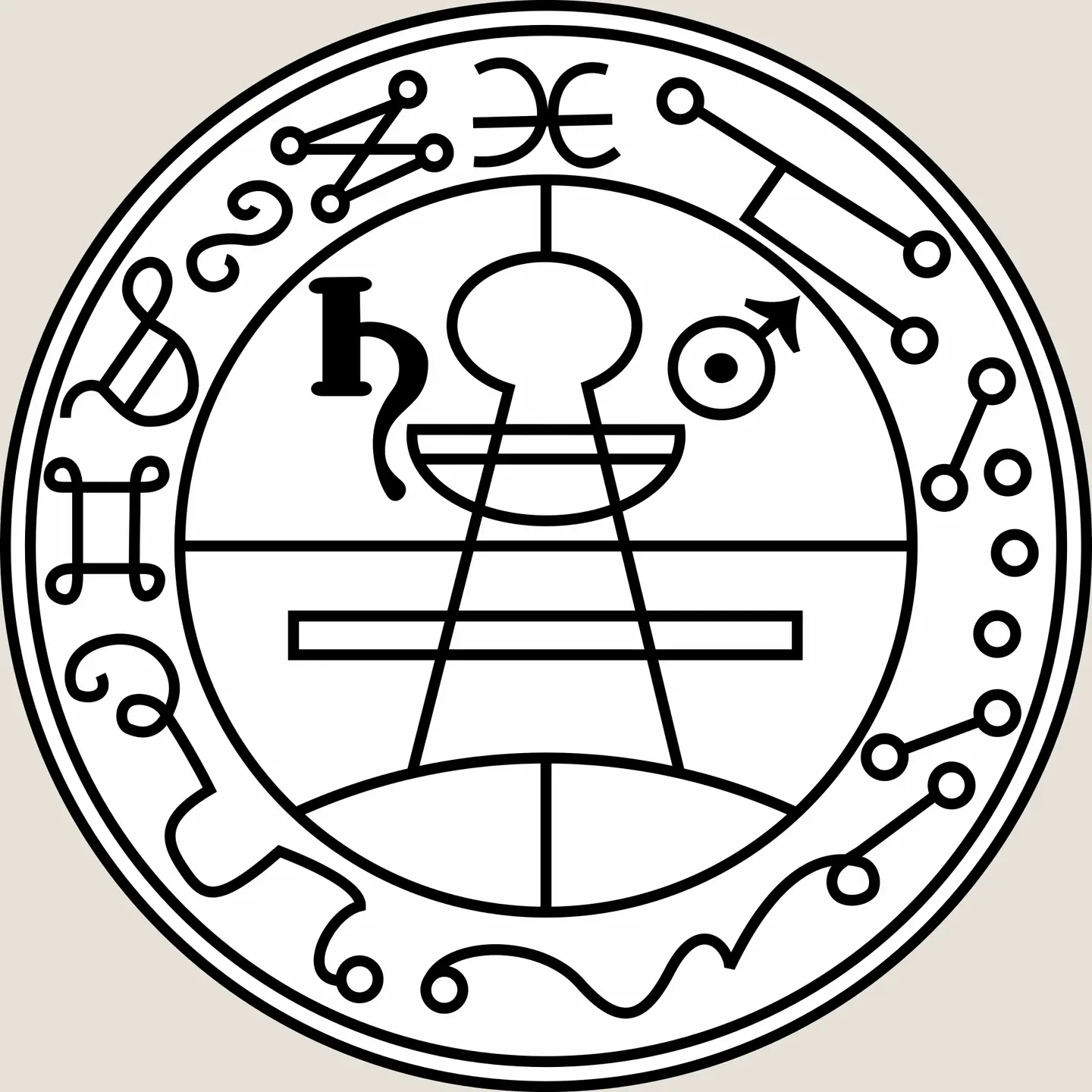
Sigils are graphic signs used in particular magical systems. Historical spirit seals, ceremonial figures, and modern personal signs should be distinguished.
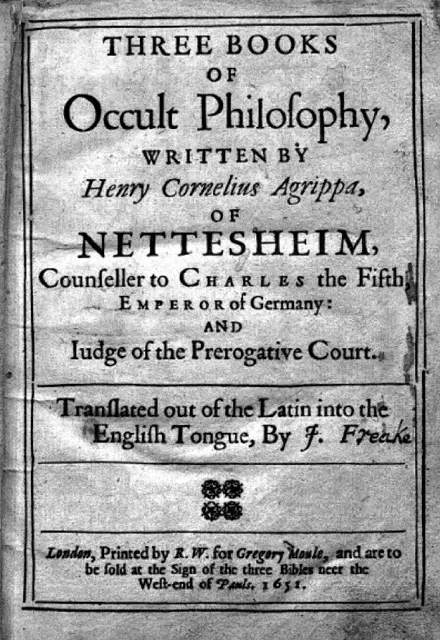
Ceremonial magic uses formally organized ritual actions. Its historical systems combine preparation, symbols, instruments, and accounts of spiritual authority in different ways.
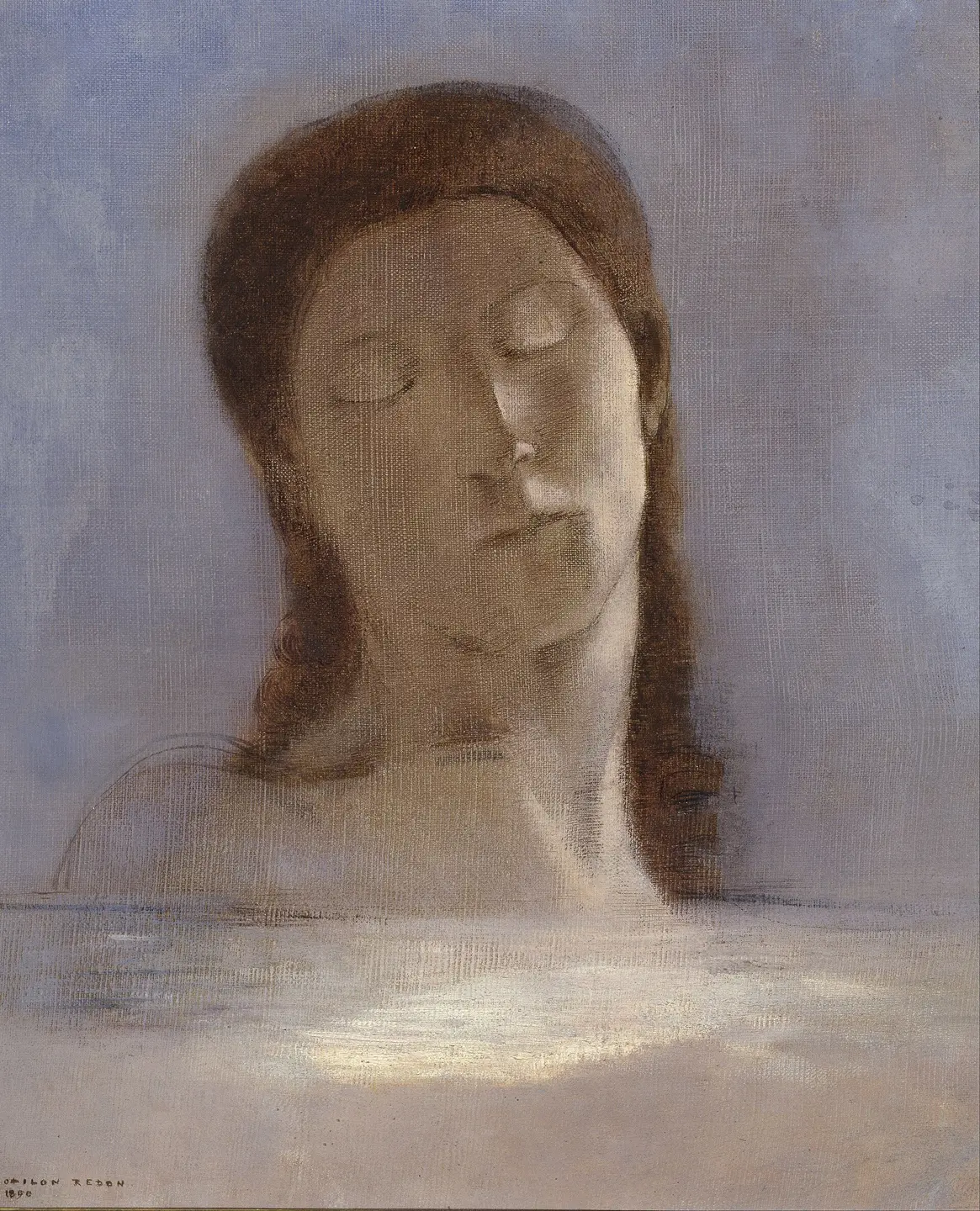
Unverified personal gnosis identifies a spiritual claim or interpretation whose source is personal experience rather than established textual or communal authority.