Organizations & Traditions
Theosophical Society
A modern esoteric society with stated aims of fraternity, comparative study, and investigation of nature and human capacities.
A modern esoteric society with stated aims of fraternity, comparative study, and investigation of nature and human capacities.
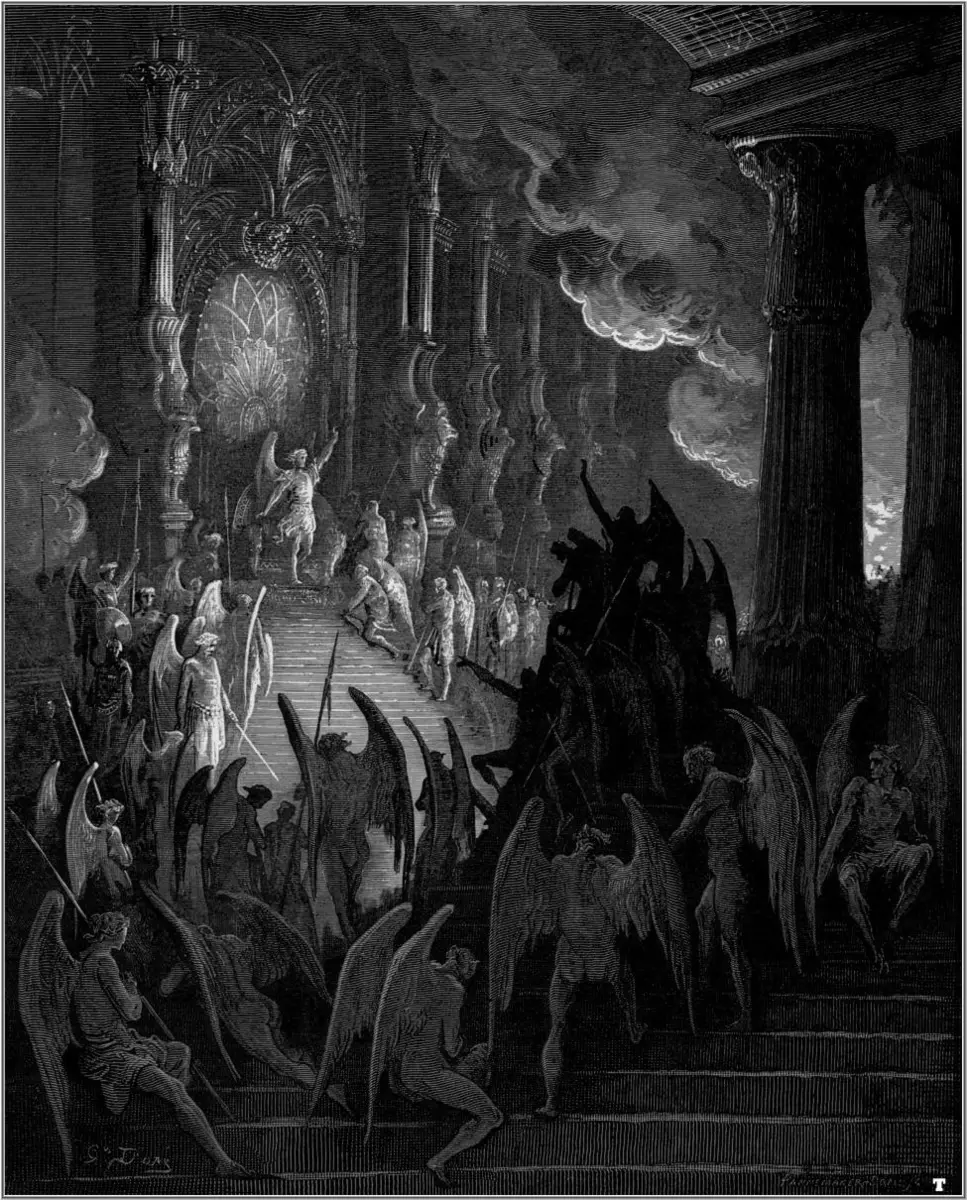
A nontheistic Satanic organization whose public principles emphasize self-determination, compassion, and responsibility.

Traditions associated with the rose and cross, the early modern Rosicrucian manifestos, and later initiatory societies.
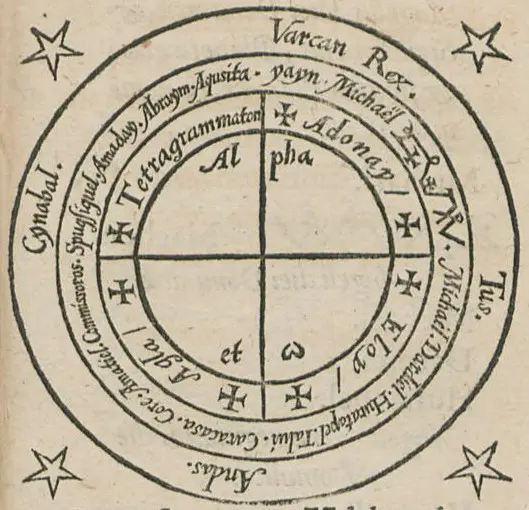
A grimoire of angelic conjuration organized around the seven days of the week.
A retelling of Genesis and early Exodus arranged through jubilees, with angelic revelation, calendar teaching, and expanded narratives.
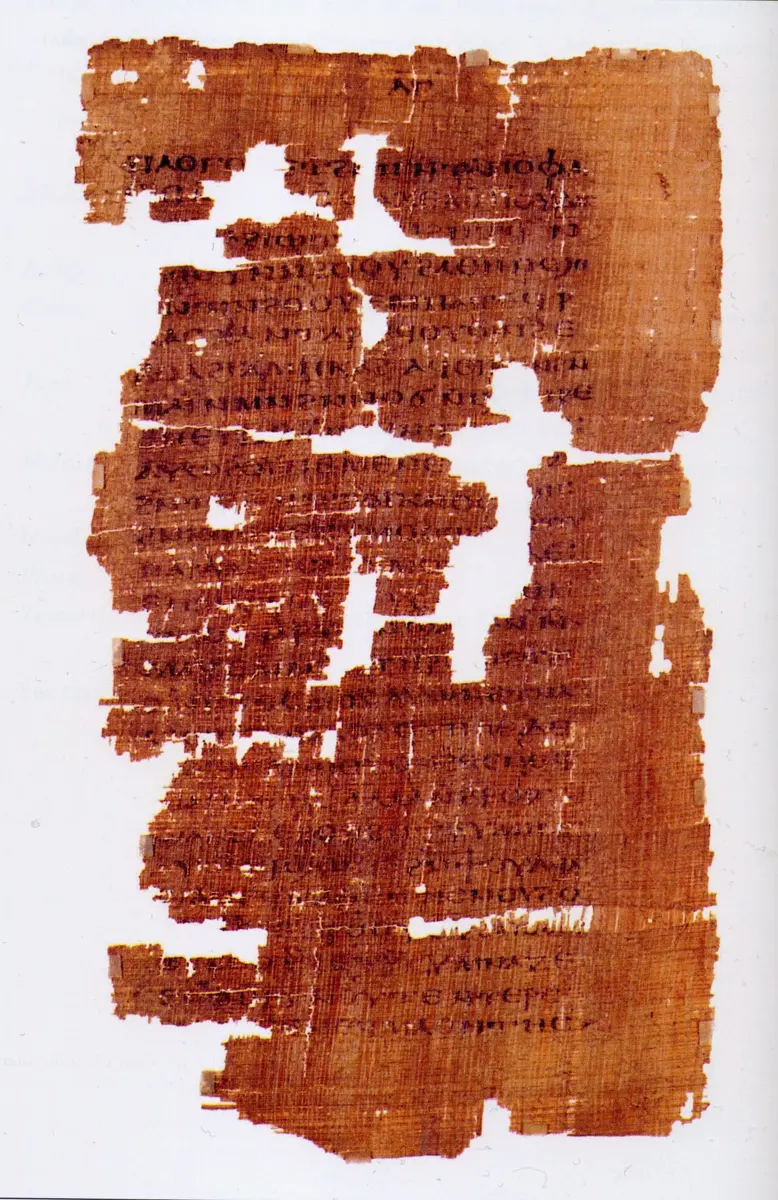
An early Christian revelation dialogue preserved in Coptic, known from the manuscript called Codex Tchacos.
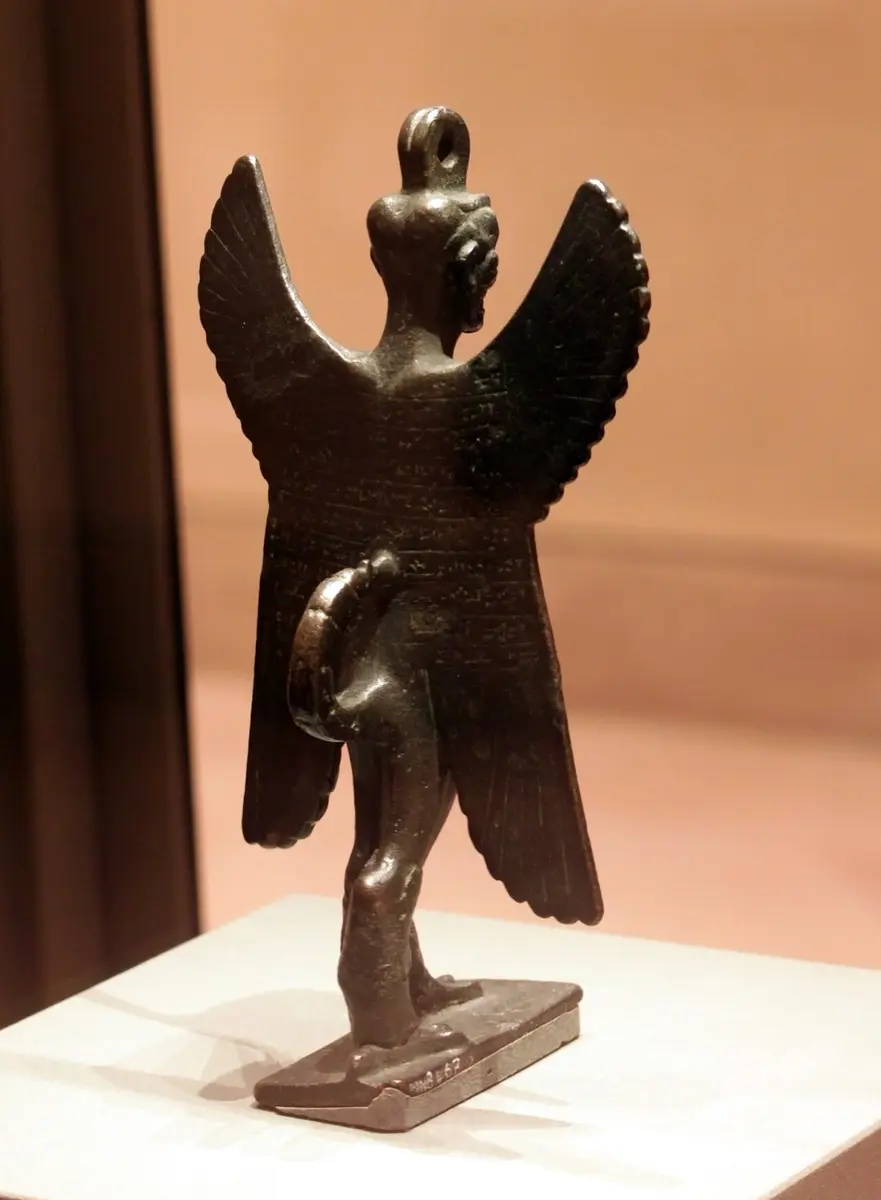
A Mesopotamian wind demon whose image was also used protectively, especially against Lamashtu.
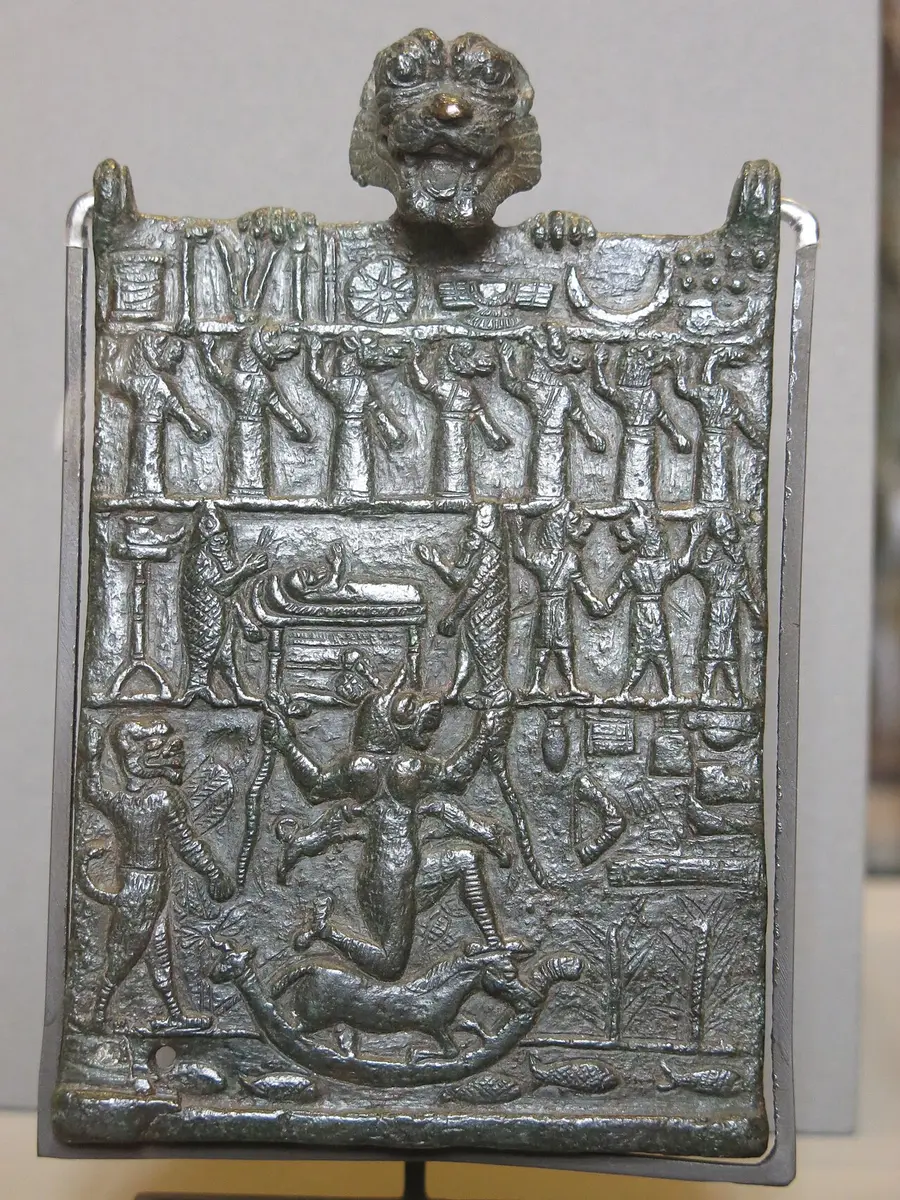
A Mesopotamian harmful female power represented on amulets and plaques intended to repel her.
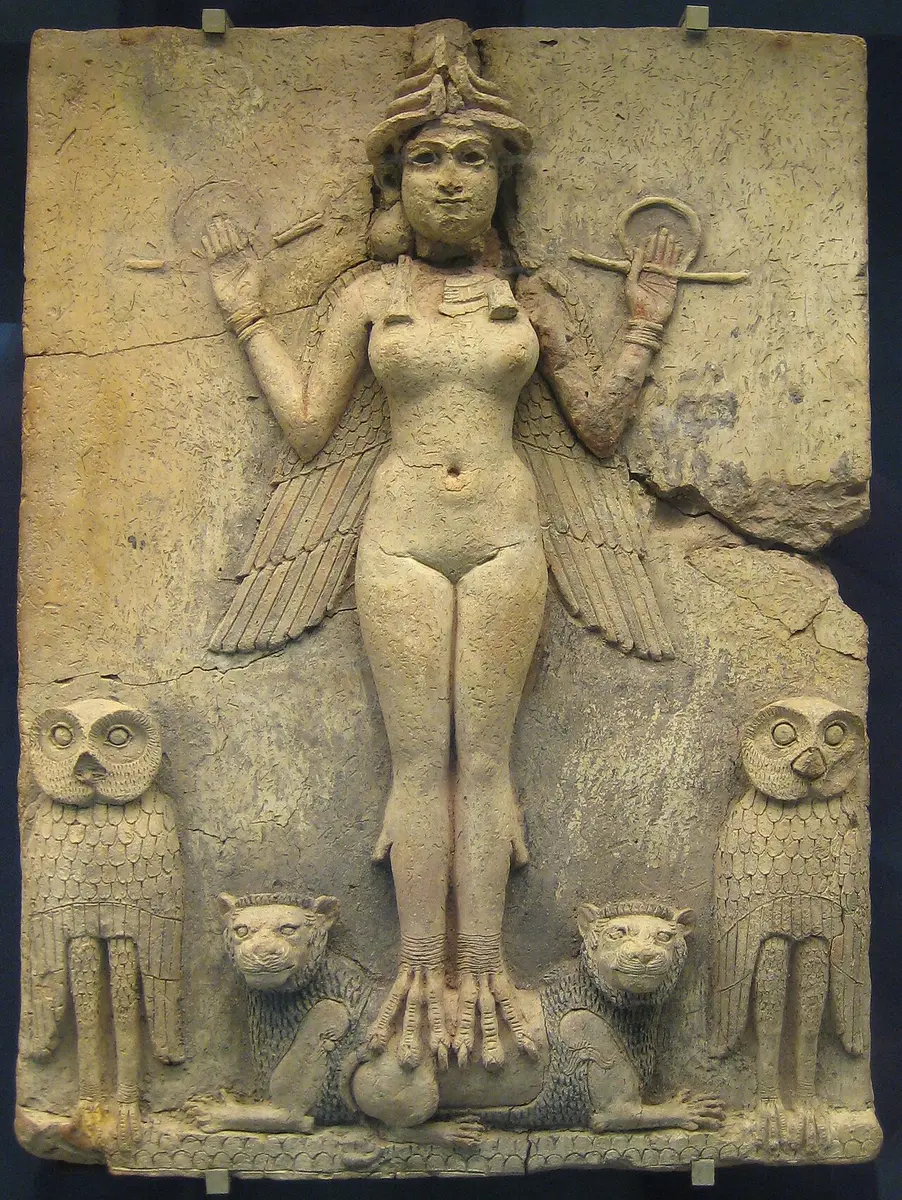
A Mesopotamian queen of the underworld, known through myths of descent and traditions concerning Nergal.
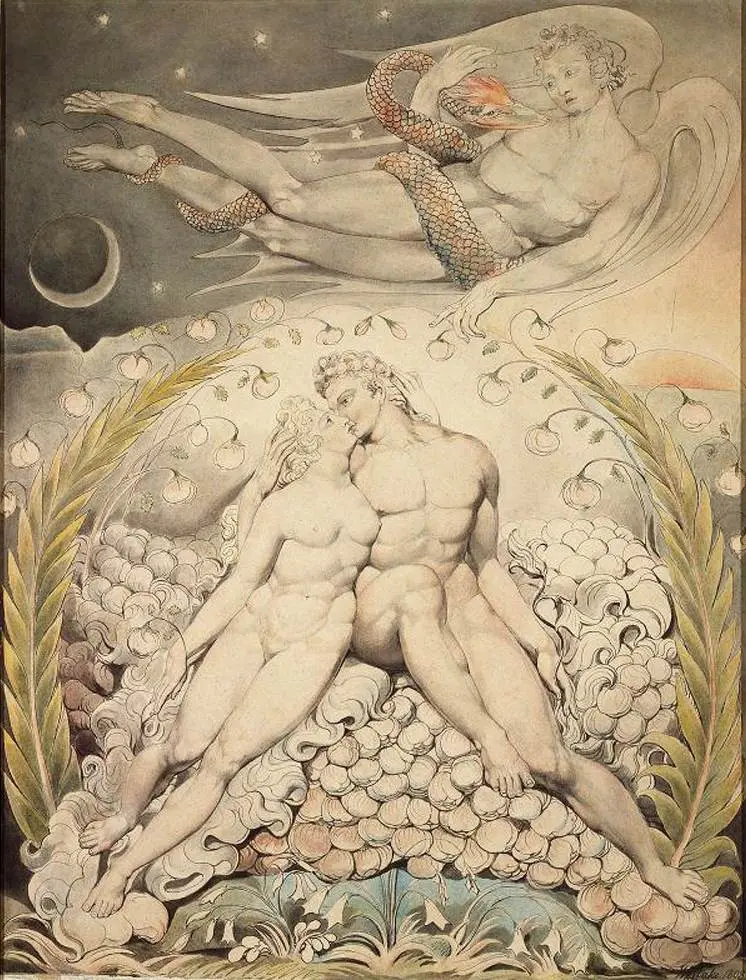
Religions that give Satan a central symbolic or divine role, with substantial differences in belief and practice.
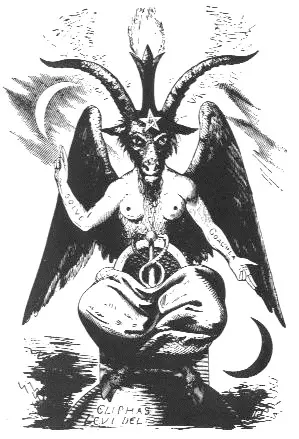
The images, names, and gestures used by Satanic traditions, whose meanings depend on their religious and historical setting.
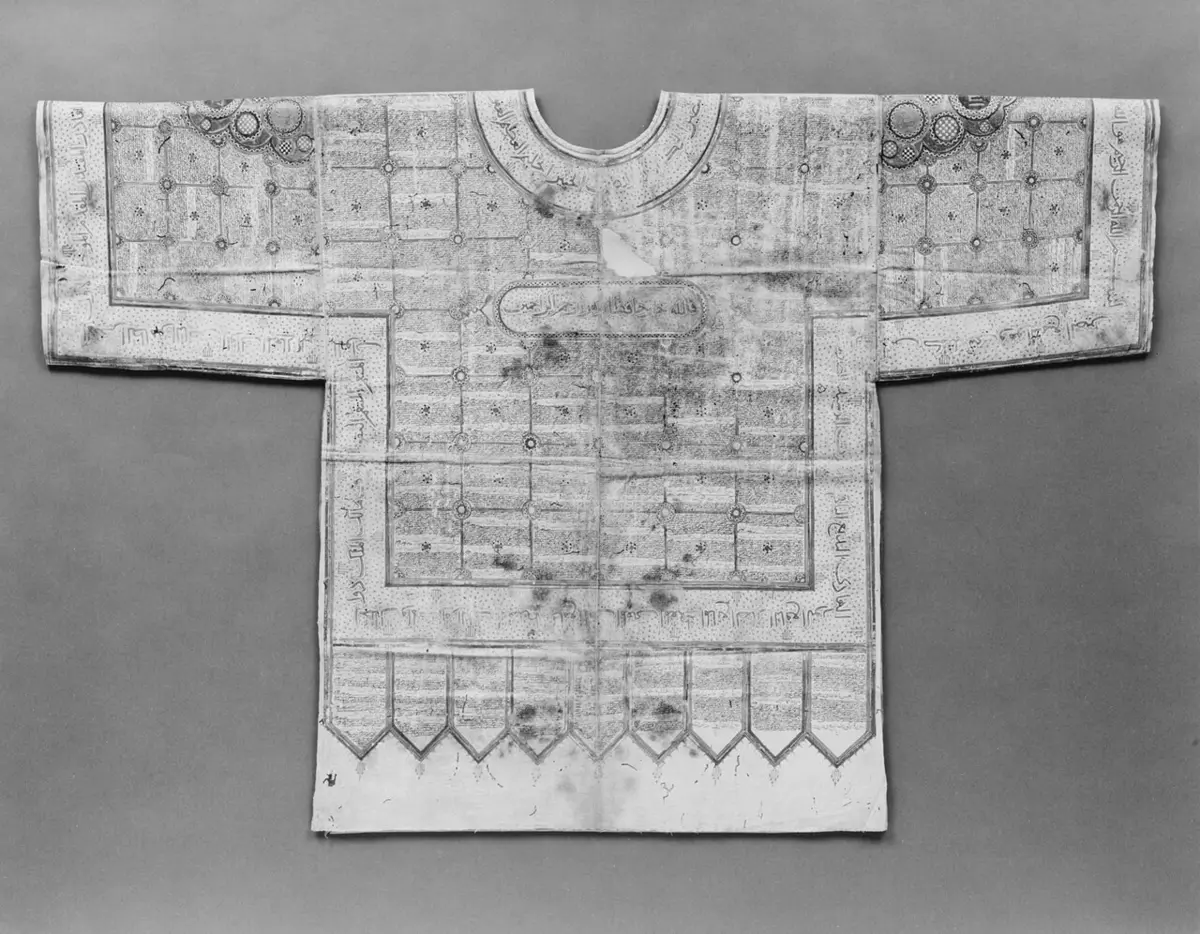
Objects prepared or used for a particular effect through inscriptions, images, materials, and ritual meaning.
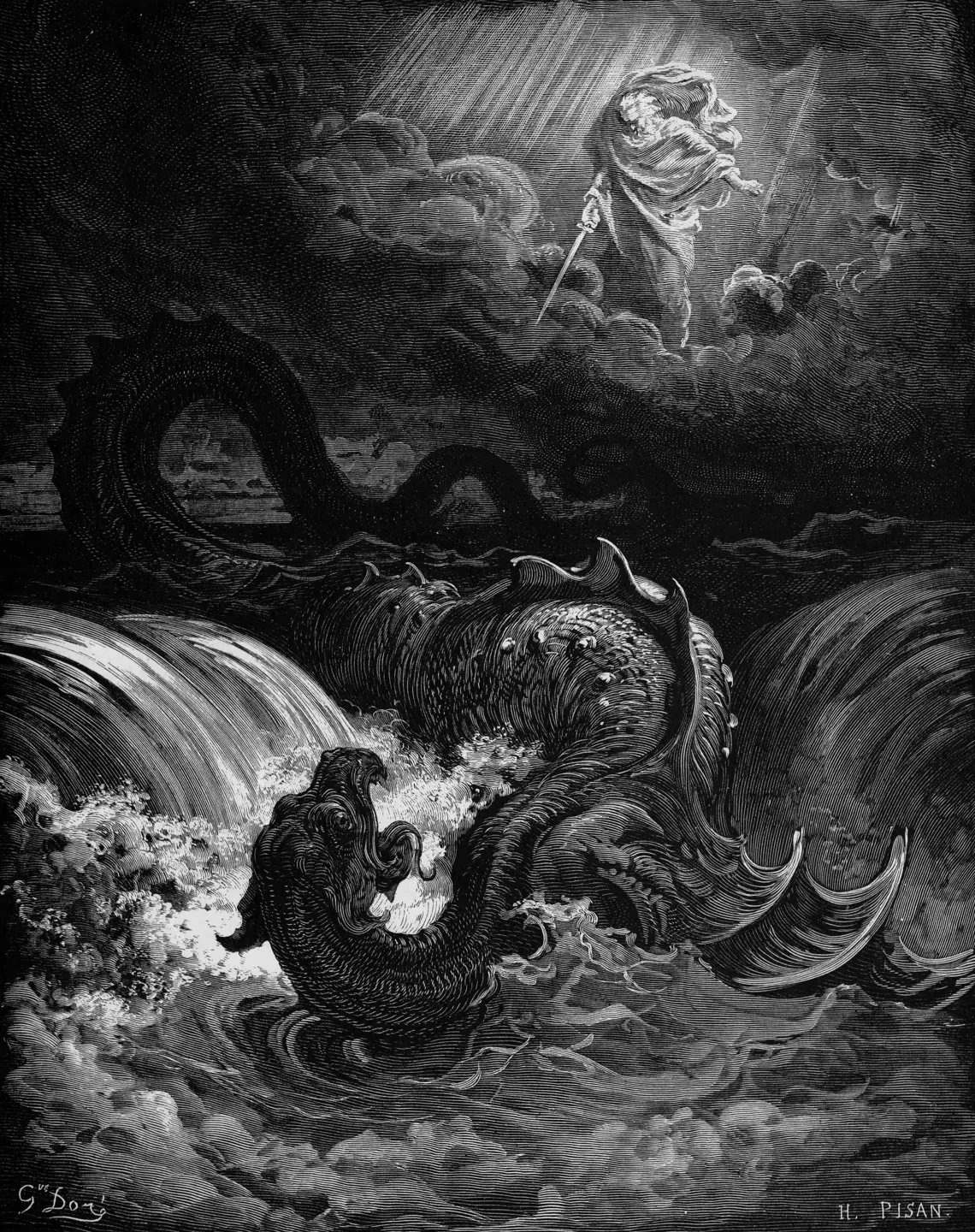
Leviathan appears in biblical poetry and later religious symbolism. The vivid descriptions belong to different literary contexts and should be interpreted accordingly.

The Corpus Hermeticum is a collection of philosophical religious dialogues concerning mind, the divine, the cosmos, and human knowledge. It should be distinguished from later works marketed as Hermetic teaching.
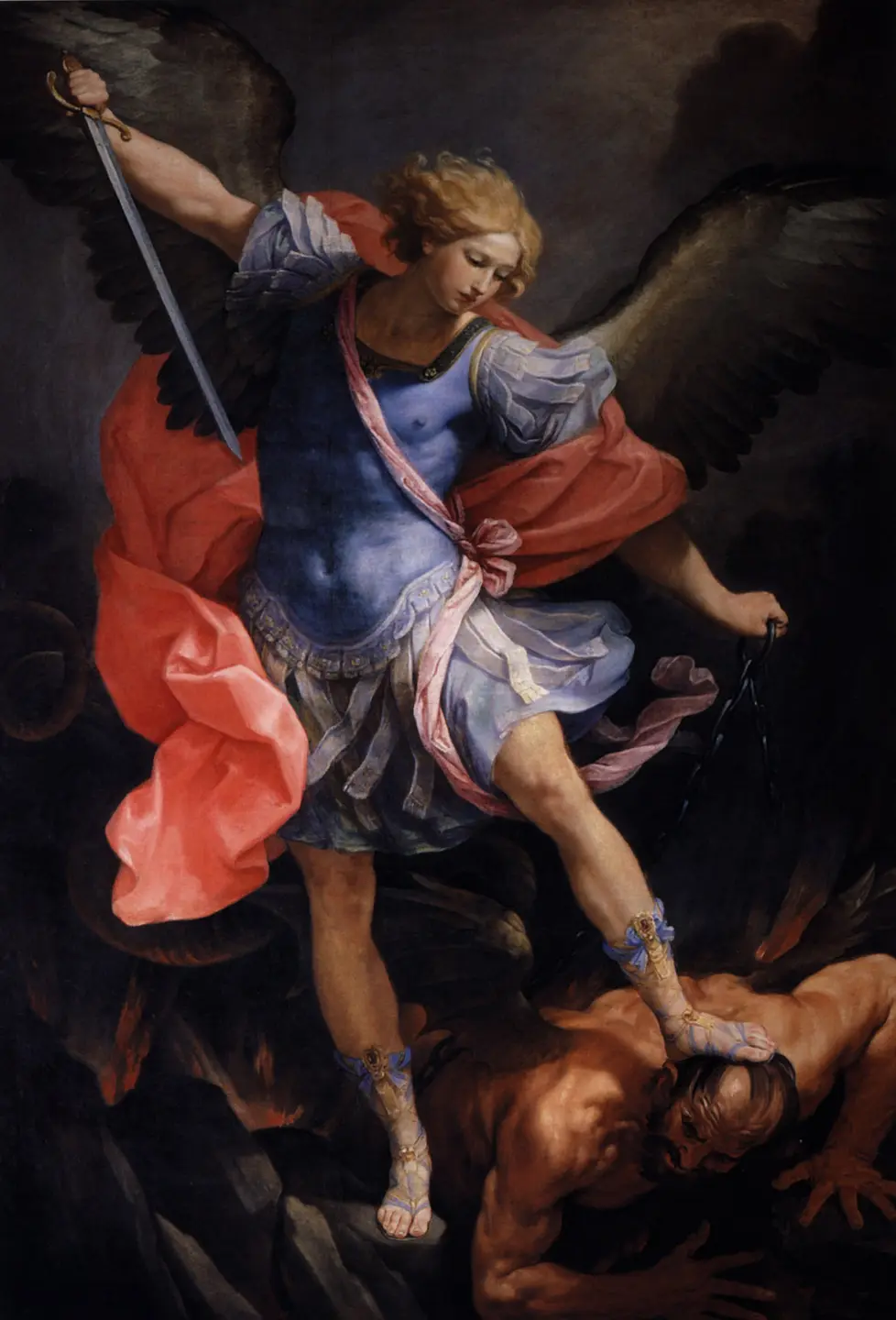
Monotheism and religious dualism concern different questions about ultimate reality. The presence of an adversary does not automatically establish two equal divine principles.
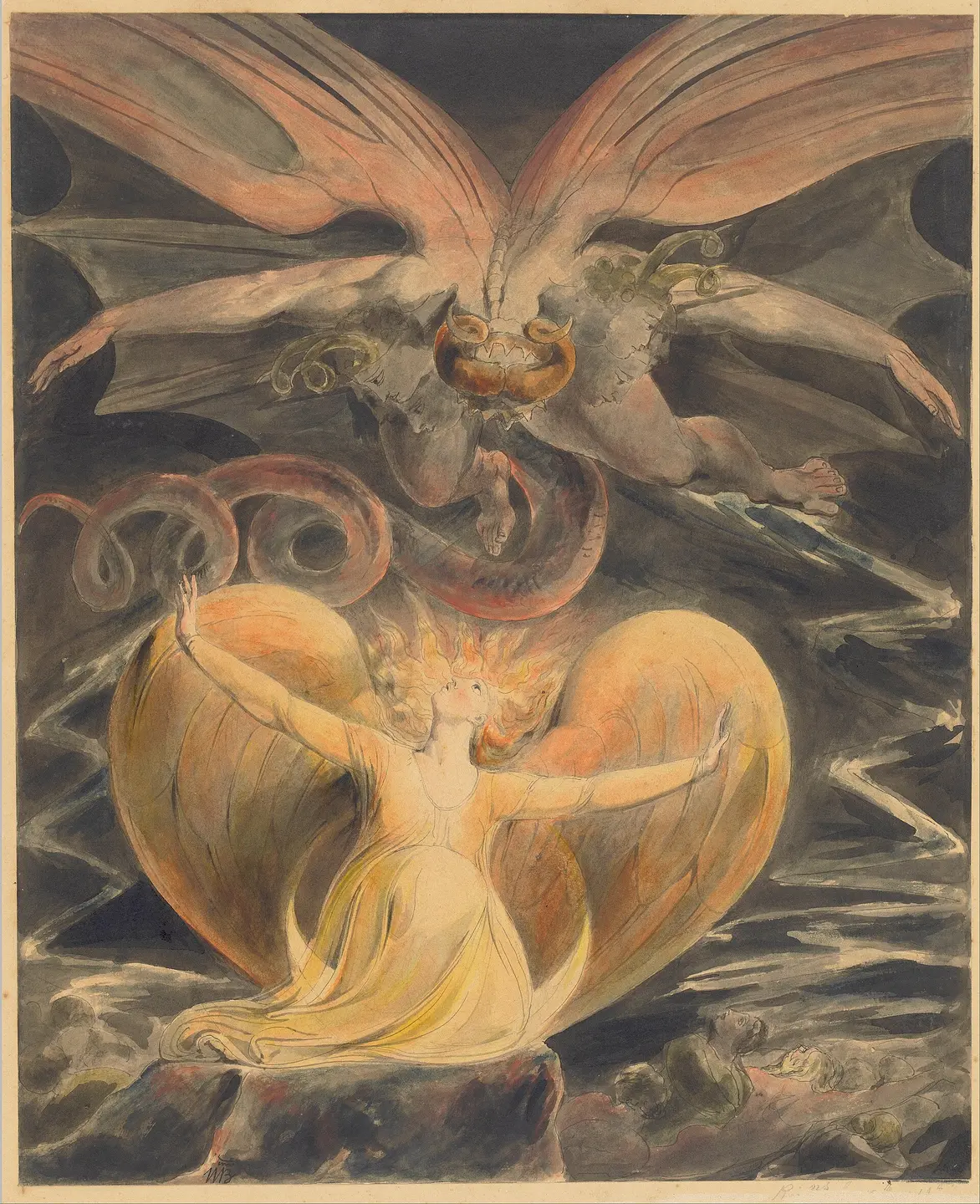
Revelation 12 identifies its dragon with the Devil and Satan. The chapter’s imagery should be read in its apocalyptic narrative before being used to interpret other passages.

The Satanic Panic refers to a wave of allegations concerning organized Satanic abuse, especially in the late twentieth century. Actual evidence of harm must be distinguished from expansive conspiracy claims.
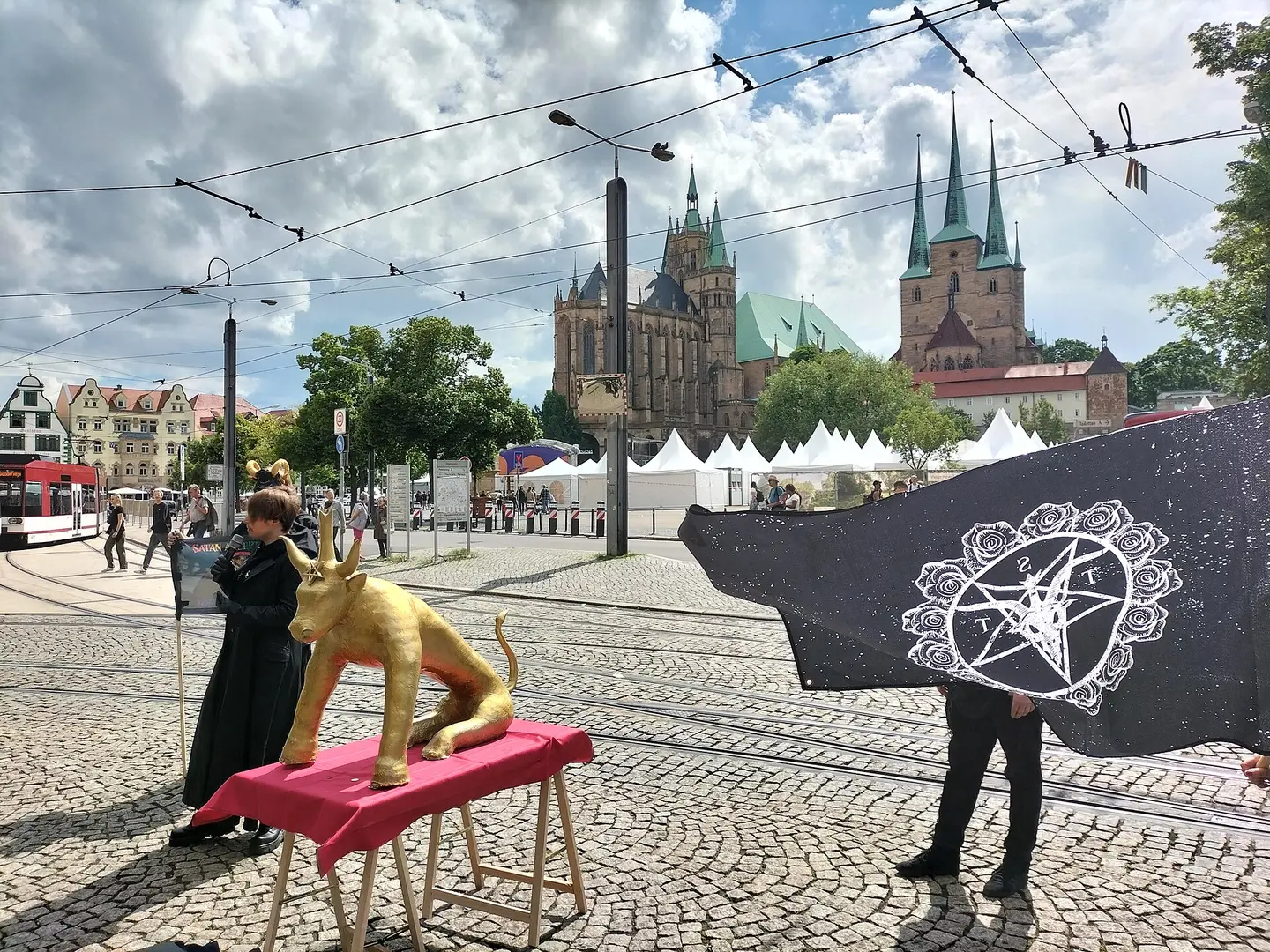
The Satanic Temple is a non-theistic religious organization whose public principles and activism differ from those of the Church of Satan and from theistic Satanist devotion.
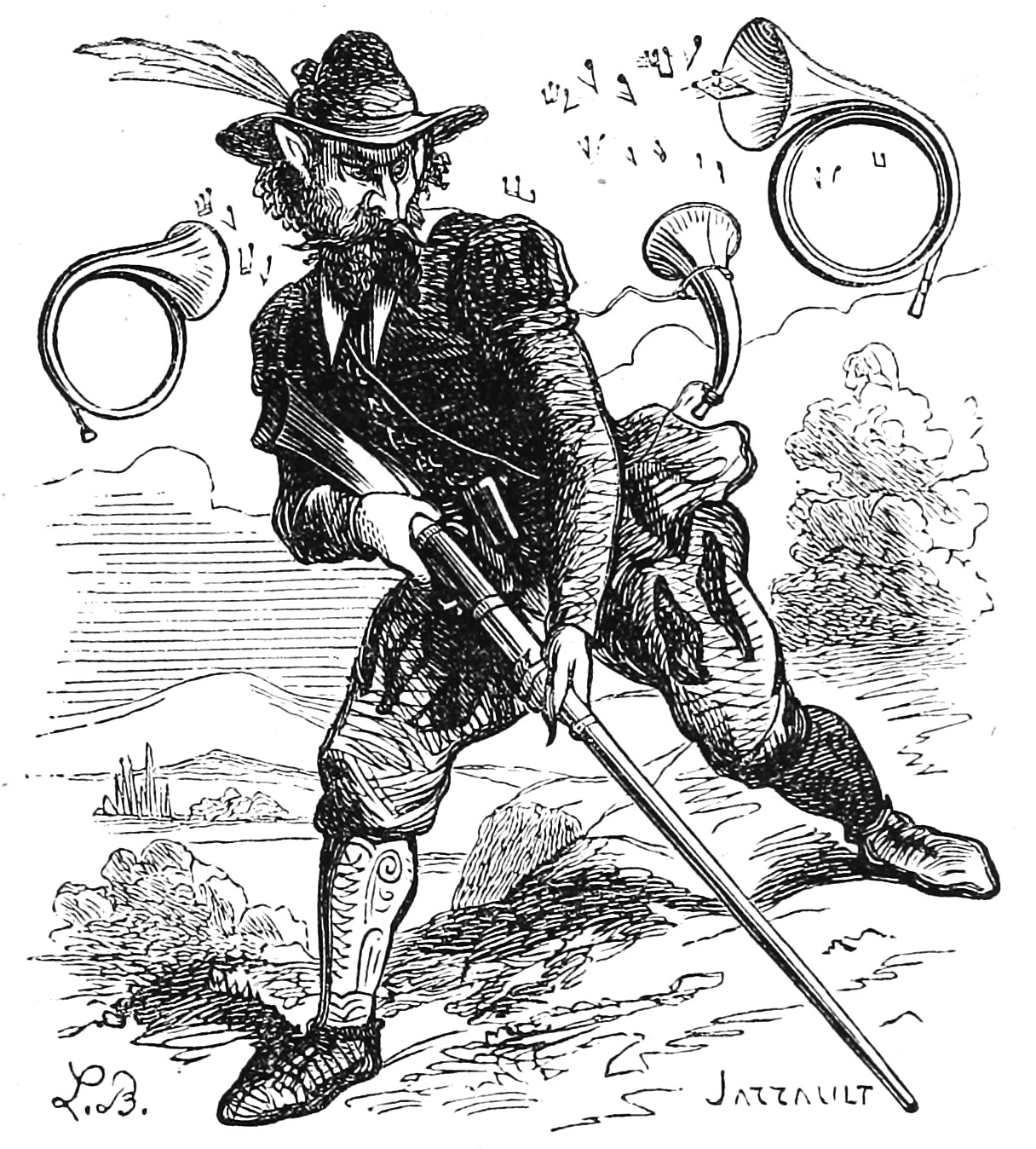
A Goetic duke connected with the speech of animals, enchanted treasure, and reconciliation.

A modern approach to magic that treats techniques and belief systems as tools for practical experimentation.