
Culture & Ethics
Satanic holidays
The different holiday calendars published by the Church of Satan and The Satanic Temple, with dates and organizational meanings.
The different holiday calendars published by the Church of Satan and The Satanic Temple, with dates and organizational meanings.
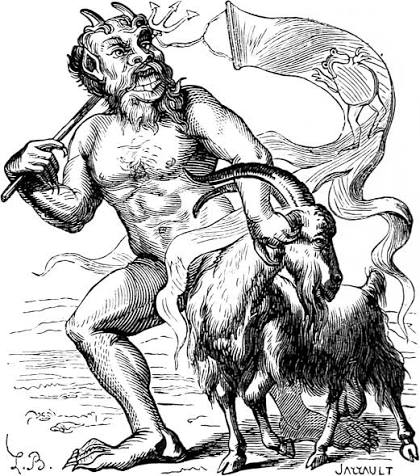
Azazel is a figure associated with the Day of Atonement in Leviticus, a rebellious Watcher in 1 Enoch, and a demonological and occult figure in later traditions. This article traces the development of Azazel from ancient Jewish texts through later demonology and modern Satanic interpretations.
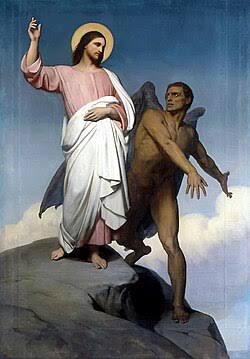
The temptation of Jesus is an encounter with Satan in the wilderness narrated by Matthew, Mark, and Luke. Its differing forms connect hunger, divine sonship, scriptural argument, worldly rule, and worship.
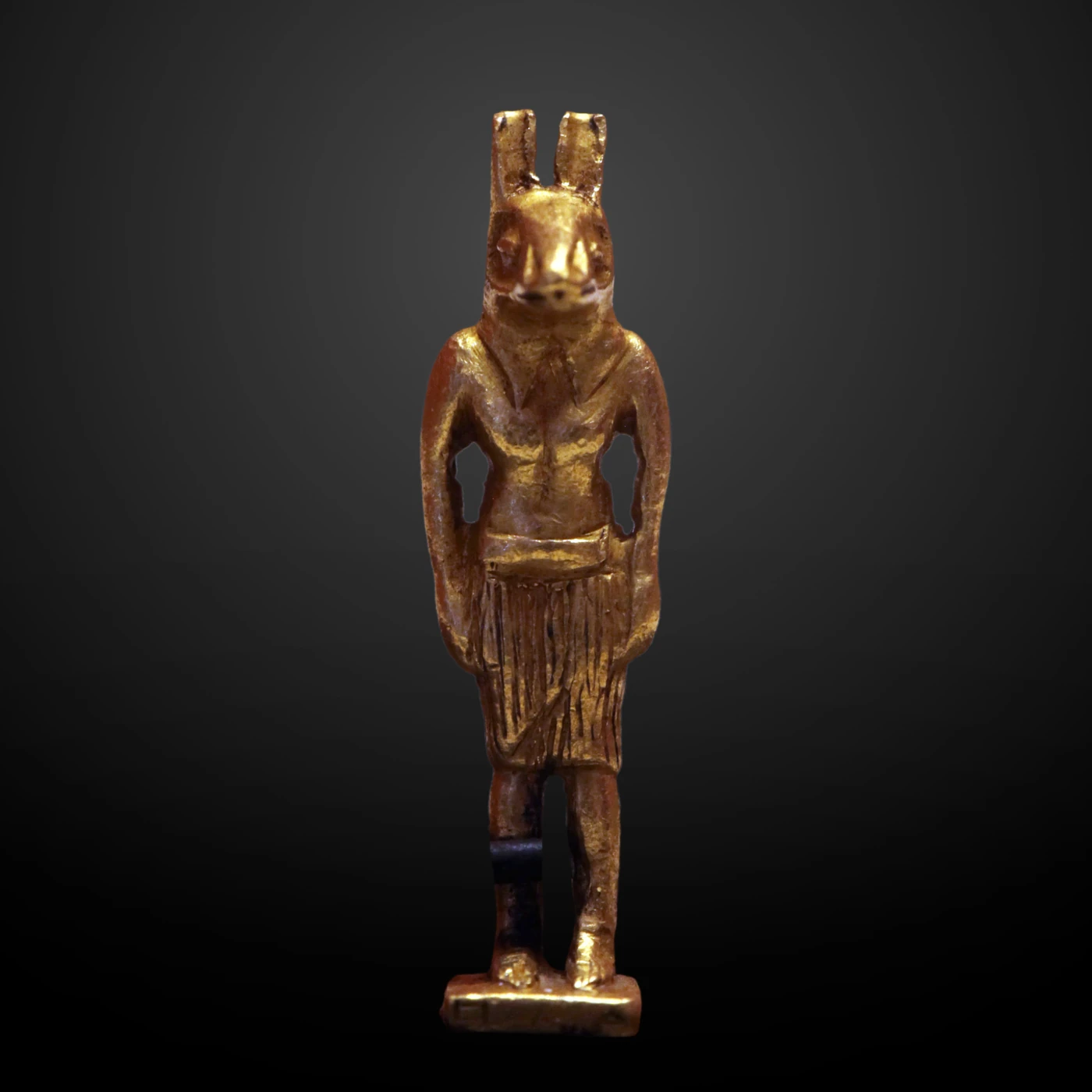
The Temple of Set is an initiatory organization whose identity centers on Set and Xeper. Its relationship with Satanism requires attention to both historical origins and later self-description.
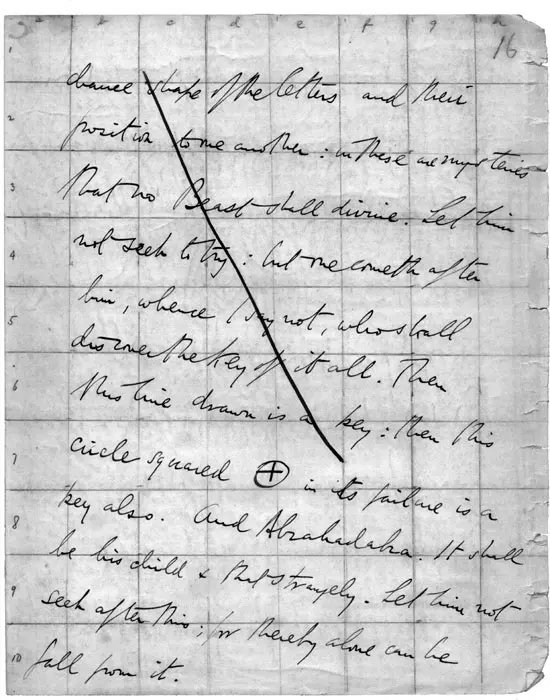
The three-chapter revelatory text at the center of Thelema, also titled Liber AL vel Legis.
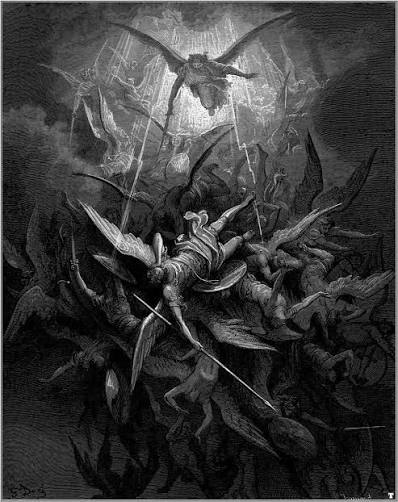
The Book of Giants names a fragmentary Jewish Enochic work represented at Qumran and a related Manichaean adaptation. Its surviving witnesses concern the offspring of the Watchers, ominous dreams, Enoch, and impending judgment.
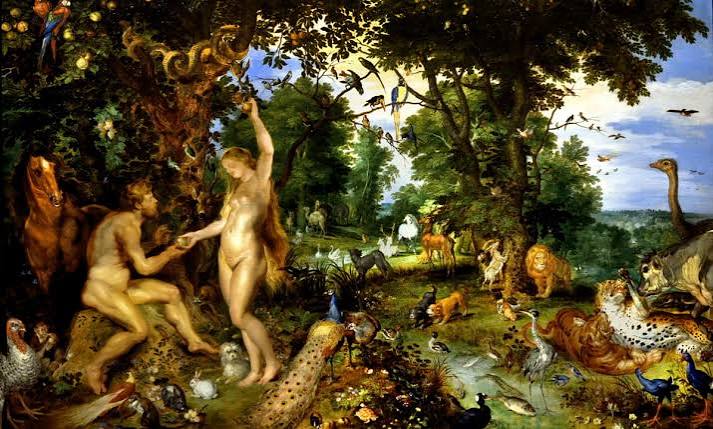
The Life of Adam and Eve is a group of related apocryphal narratives about the first humans. Its versions expand the Eden story through accounts of repentance, the Devil’s hostility, illness, burial, and hoped-for restoration.

The public holiday of 31 October, including lanterns, visiting customs, disguise, and its Celtic and Christian histories.
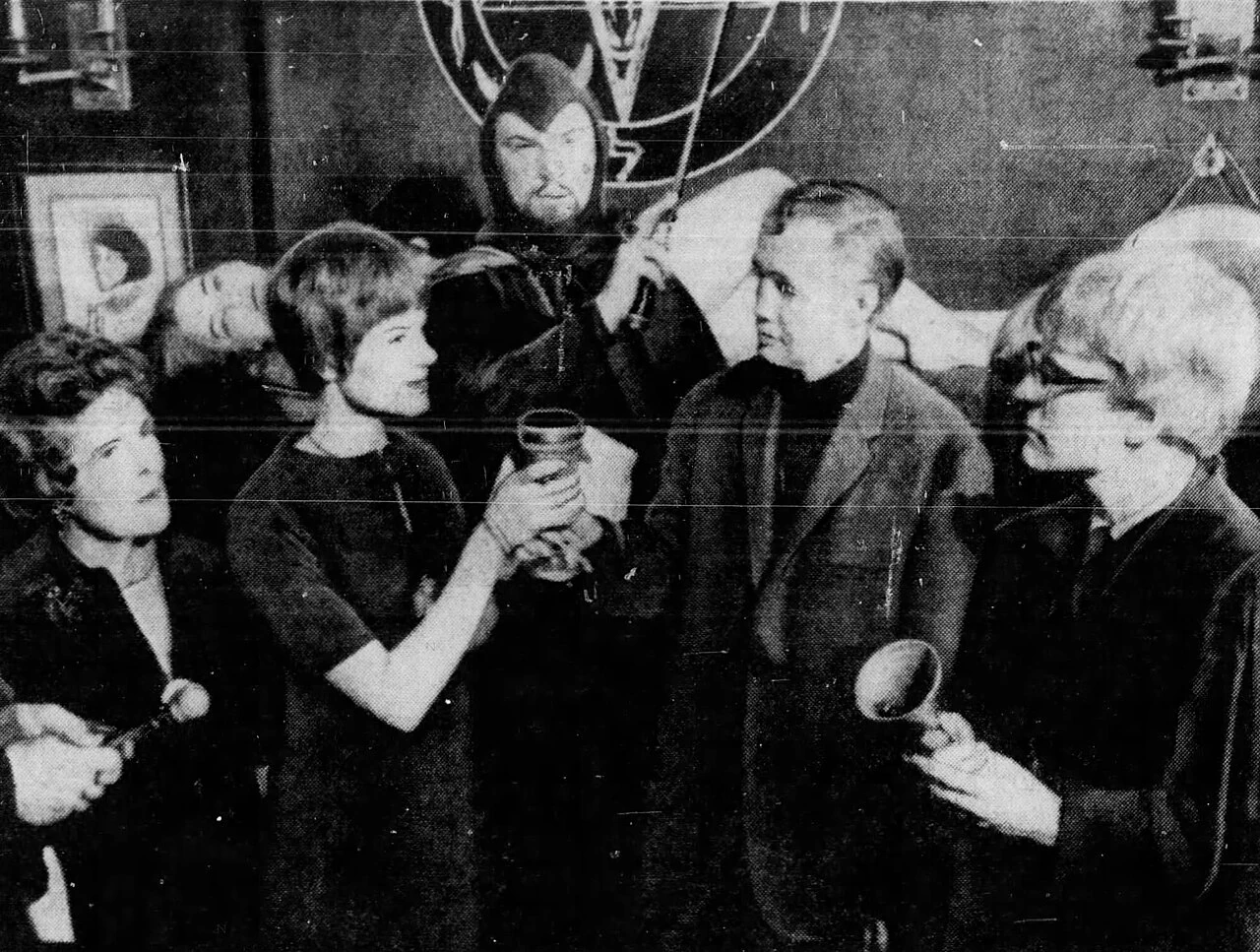
The Church of Satan is the organization founded by Anton LaVey in 1966. Its official account describes Satanism as atheistic and gives Satan a symbolic role.

A school of the Western mysteries associated with Paul Foster Case, Ann Davies, Tarot, and Qabalistic study.
1 Enoch brings together accounts of heavenly beings, judgment, celestial order, and righteousness. It is a composite work rather than a single continuous biography of Enoch.
Agrippa’s Renaissance synthesis of natural, celestial, and religious magic.
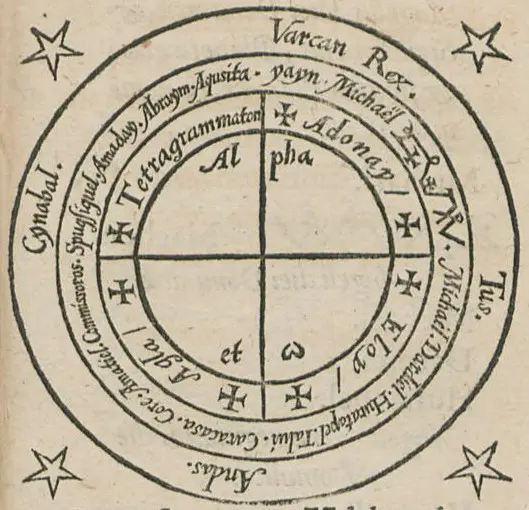
A grimoire of angelic conjuration organized around the seven days of the week.
The medieval Liber Juratus, a work of sacred magic concerned with divine vision, angels, and ritual authority.
A retelling of Genesis and early Exodus arranged through jubilees, with angelic revelation, calendar teaching, and expanded narratives.
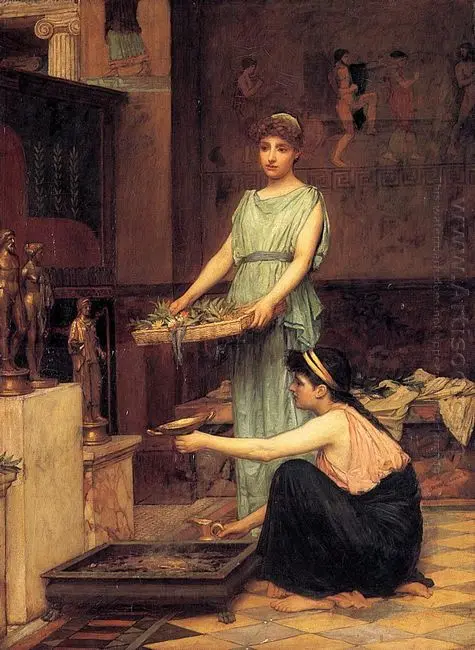
Offerings are objects, substances, actions, or works intentionally presented to a deity, spirit, sacred power, or religious community. Across religious history offerings have included food, drink, incense, flowers, animal sacrifice, money, vows, music, labor, art, and acts of service. In theistic Satanism, offerings are commonly used to express devotion, gratitude, hospitality, dedication, or…
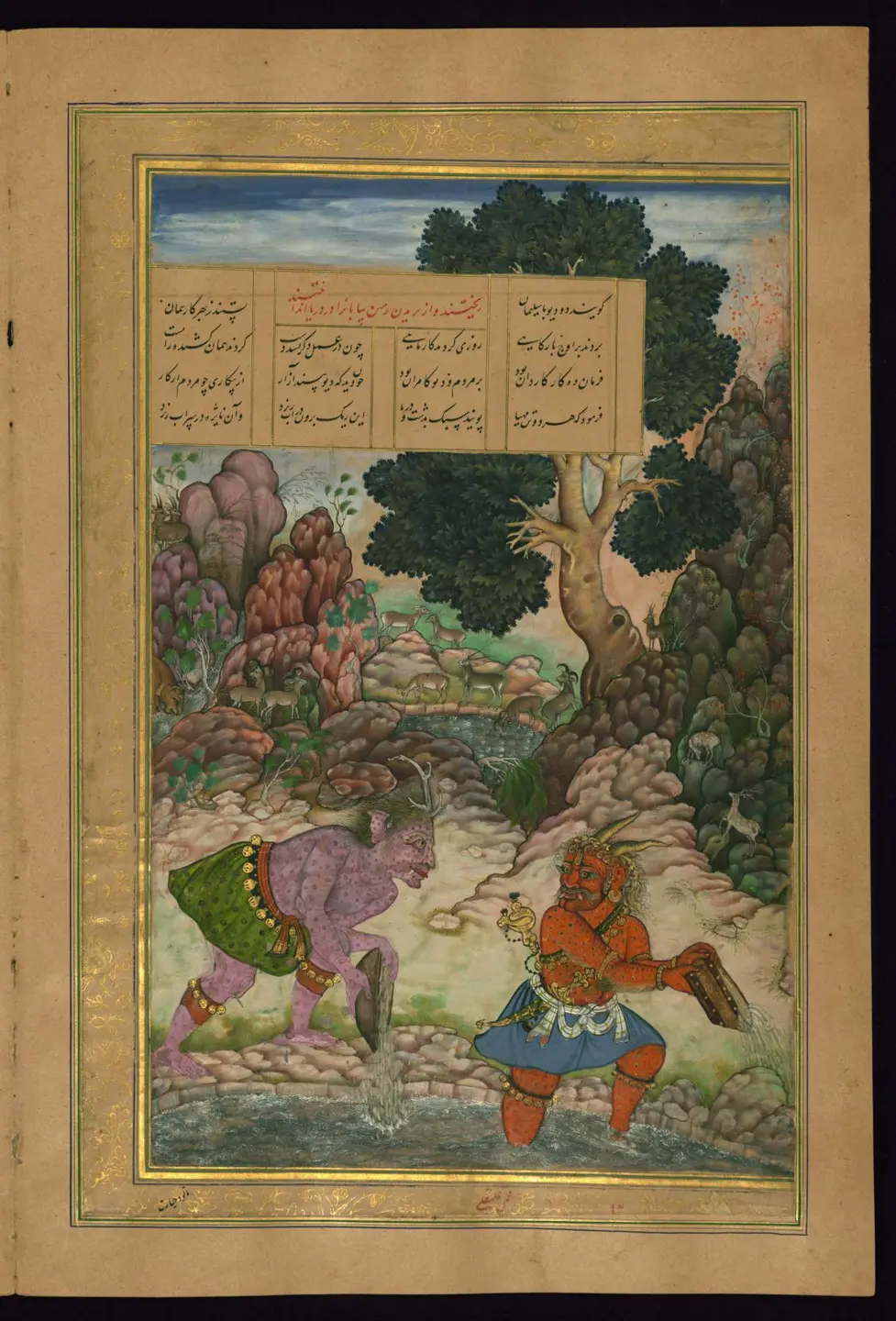
The Testament of Solomon is a pseudepigraphal religious narrative in which Solomon questions and commands spirits. It differs from later procedural Solomonic grimoires.
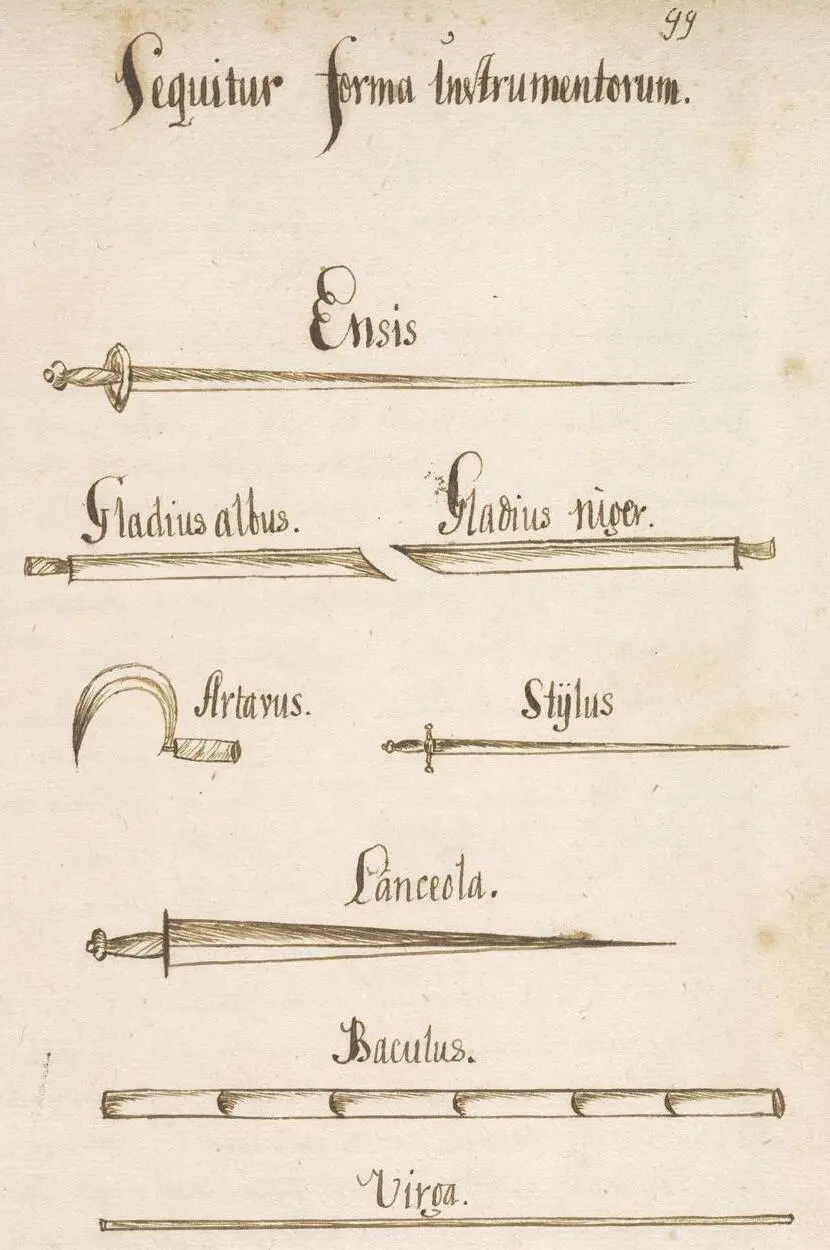
The Key of Solomon is a transmitted family of magical texts concerning preparation, ritual, and ceremonial instruments. It should be distinguished from the five-part Lesser Key of Solomon.

Grigoripedia is the official online encyclopedia of Satano-Grigorism, maintained by members of the Grigorist Temple of Satanael. Launched in June 2026 according to its About page, it documents the religion’s beliefs, deities, scriptures, history, holidays, and terminology from a Satano-Grigorist perspective.
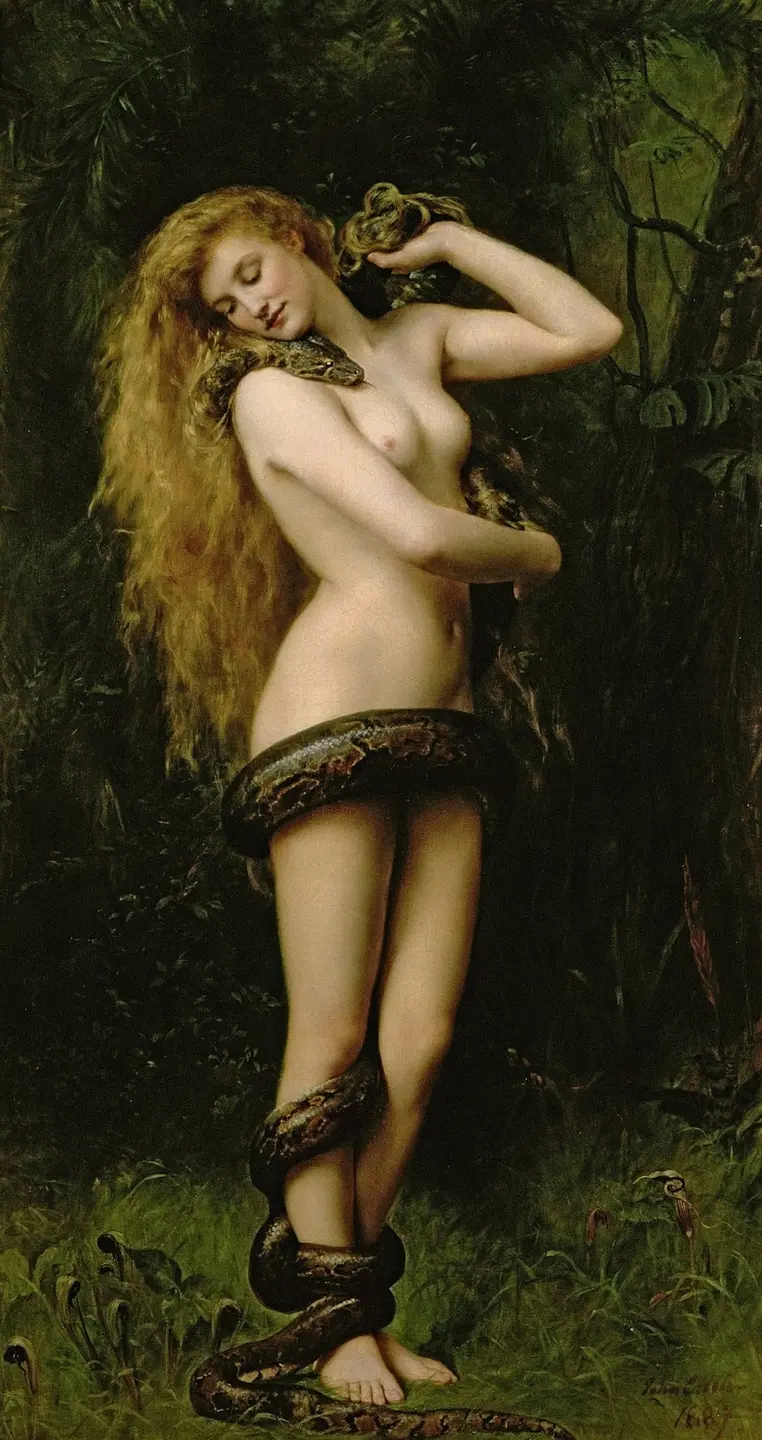
Lilith is a figure whose history spans ancient Near Eastern demonology, Jewish folklore, medieval protective magic, Kabbalah, literature, feminist reinterpretation, modern occultism, and contemporary Satanic or Luciferian religion. She is often introduced today as “Adam’s first wife,” but that familiar story is medieval rather than biblical. Earlier sources describe beings called lilith or lilin in…