Search

Results for “The Devil”

226 resultsResults prioritize title matches, then summaries and article text.Try topic browsing →
Culture & Ethics

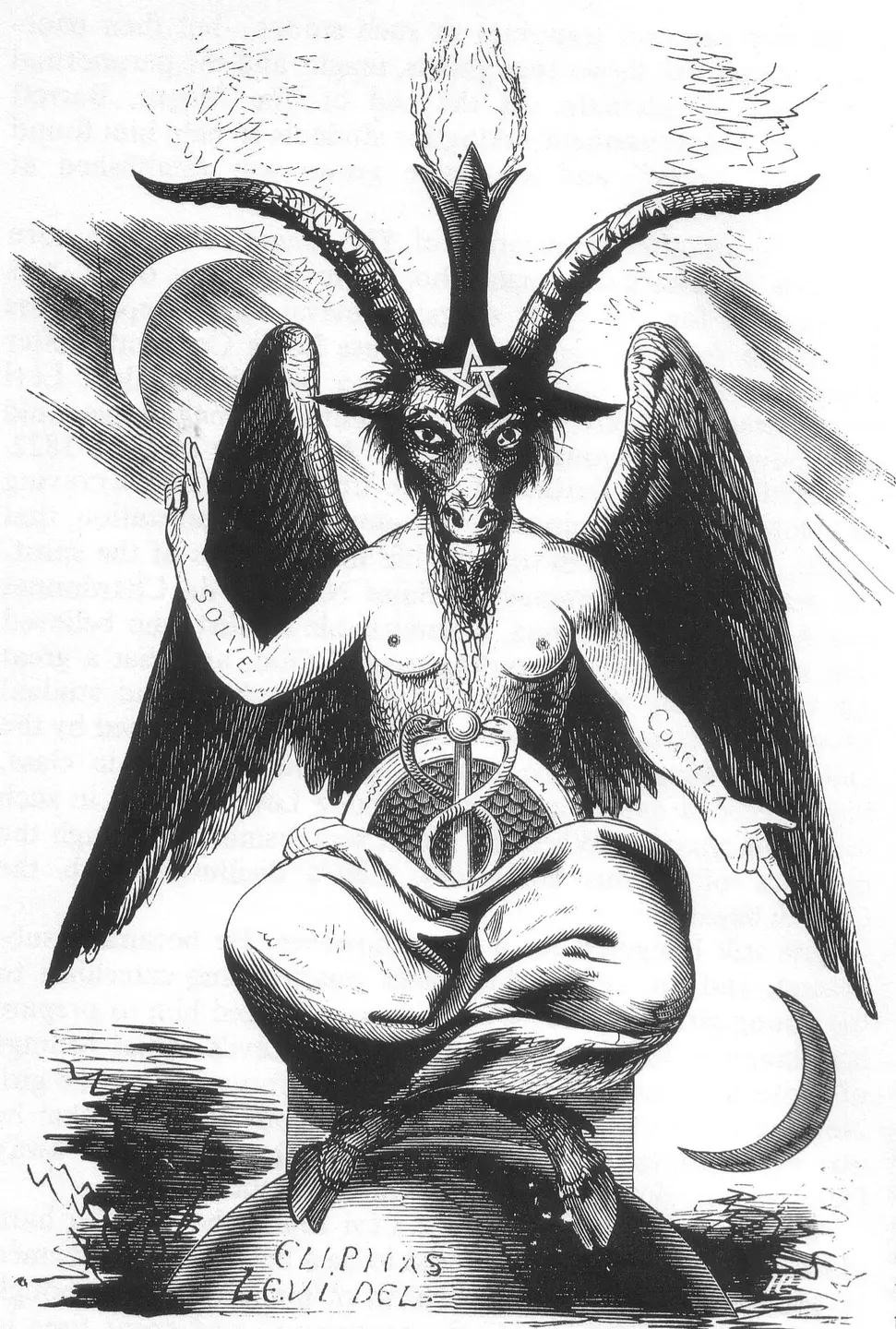
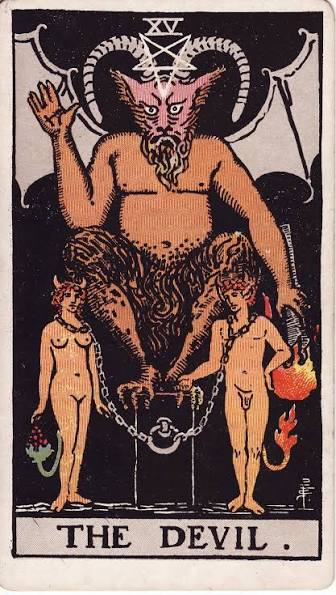
The Devil (tarot card)

The Devil is a tarot trump commonly numbered XV. Its imagery and interpretation vary between decks and writers. Waite and Papus connect it with material constraint, fatality, and occult forces, while tarot’s history begins in the world of playing cards.
History

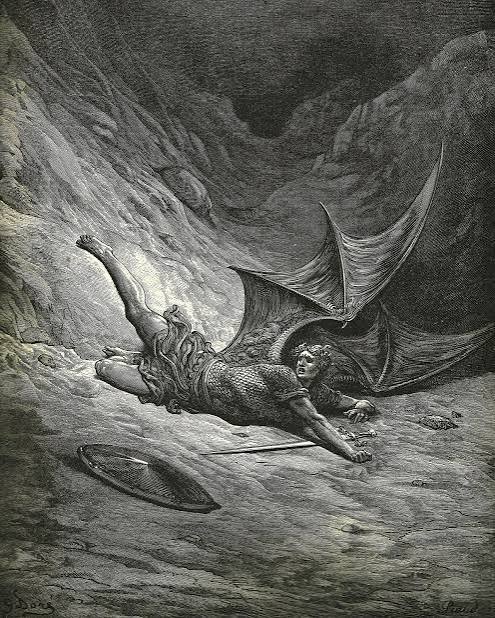
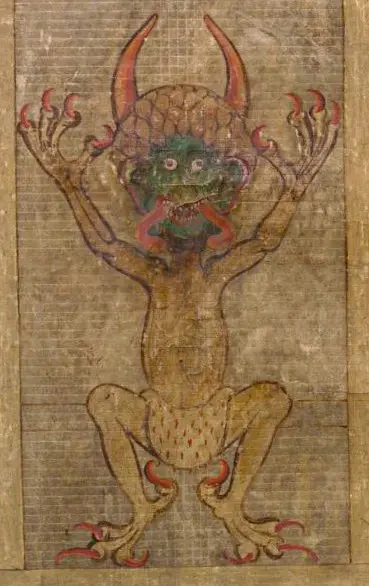
The Devil

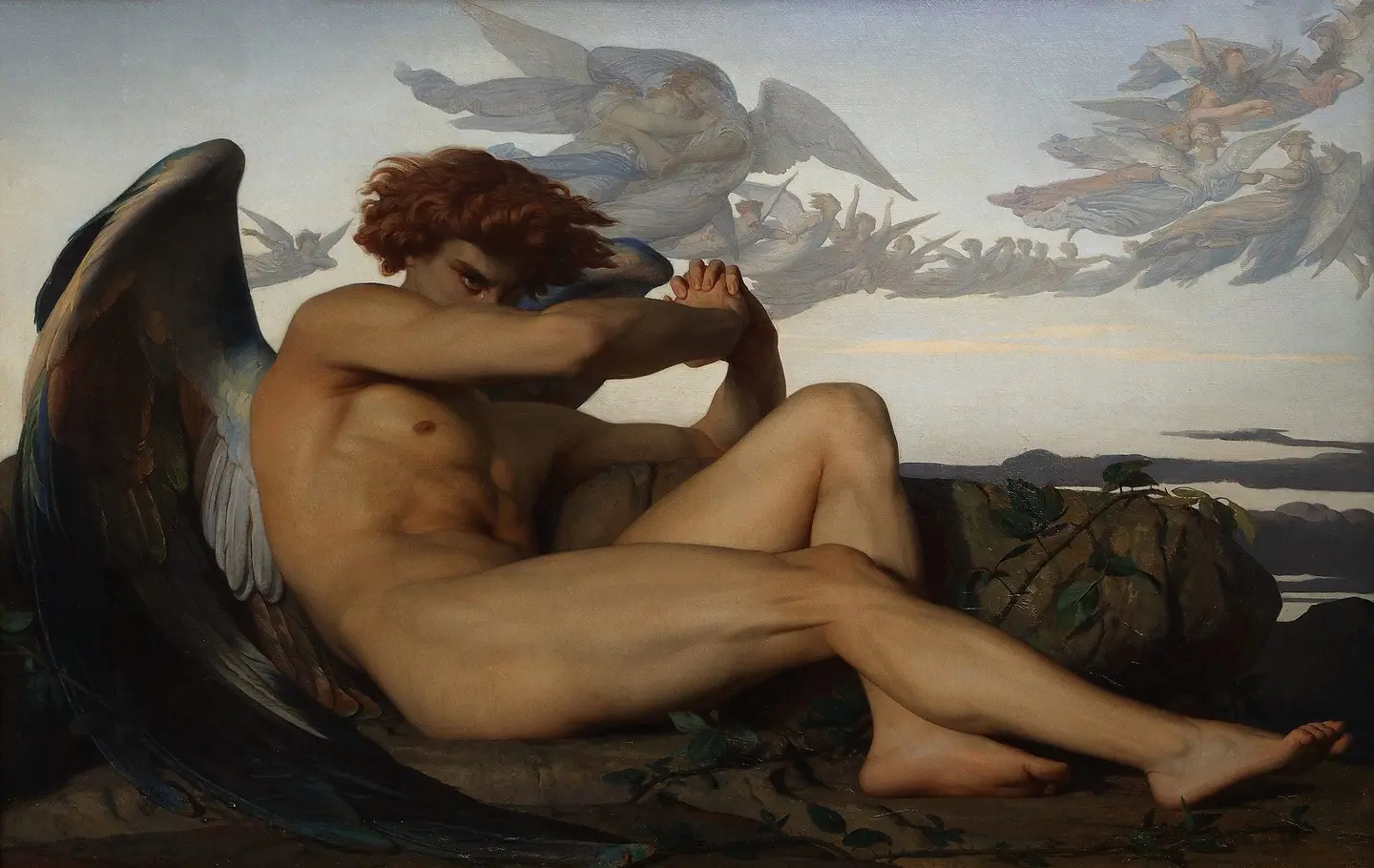
The Devil is the principal personification of evil in much of Christian tradition and a major source for later Western images of Satan. The term is not identical with every historical use of Satan, nor does it describe one unchanging character across the Bible, theology, folklore, literature, art, and modern religion. In contemporary speech “the Devil” often functions as a proper name for Satan, but…

History

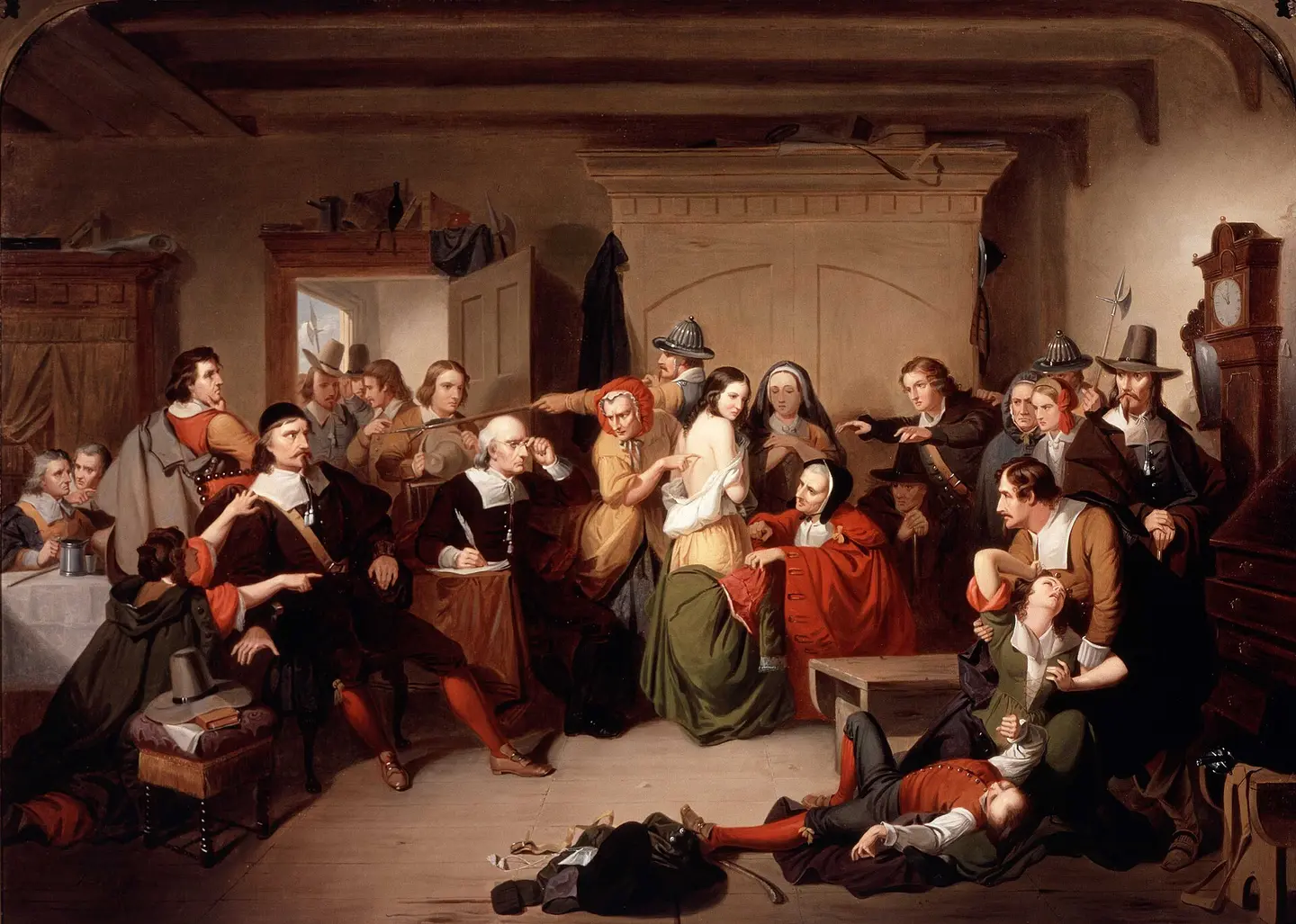
Witch trials and Devil worship accusations

Witch trials produced records of accusations about harmful magic and the Devil. Those records require attention to how testimony was obtained and to the purposes of judges and writers.

Texts & Sources

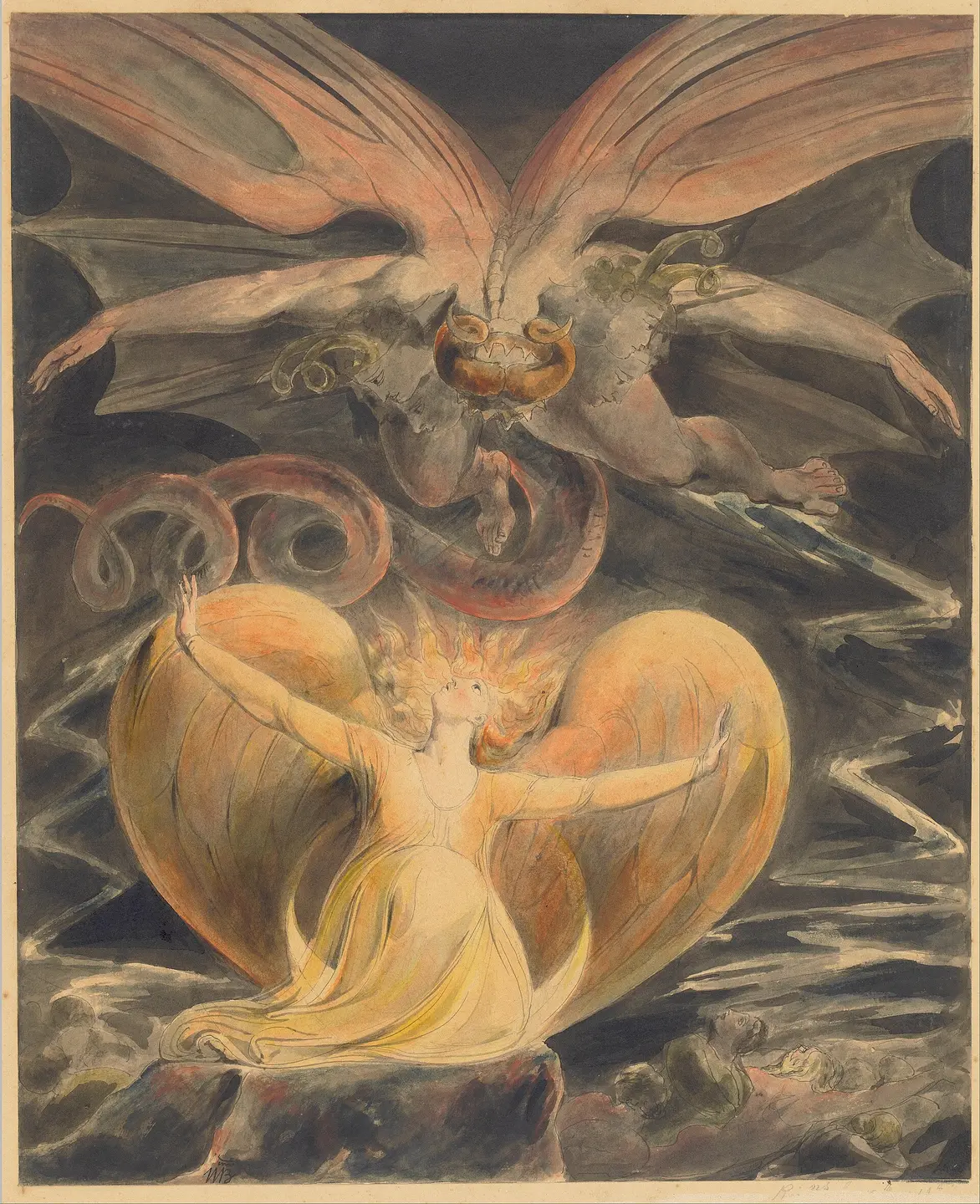
Revelation and the dragon

Revelation 12 identifies its dragon with the Devil and Satan. The chapter’s imagery should be read in its apocalyptic narrative before being used to interpret other passages.

Theistic Satanism

Theistic Satanism

Theistic Satanism is a family of religious positions in which Satan is understood as an actually existing spiritual being, deity, intelligence, or metaphysical presence, rather than only a literary symbol or political metaphor. It is not a single church or creed. The term is best used as an umbrella for practitioners and groups whose beliefs differ on the nature of Satan, the status of other spirits,…

Theistic Satanism

Symbolic and theistic Satanism

Symbolic and theistic Satanism are broad labels used to distinguish Satanist traditions according to how they understand Satan’s reality. In theistic Satanism, Satan is ordinarily regarded as a real deity, spirit, intelligence, or independently existing being. In symbolic or non-theistic Satanism, Satan is understood primarily as a symbol, literary figure, archetype, cultural adversary, or name for a…

History

Modern theistic Satanism

Modern theistic Satanism refers to contemporary religious currents in which Satan is understood as an independently real deity, spirit, intelligence, or metaphysical presence and is approached through devotion, ritual, prayer, magic, contemplation, or other religious practices. It is part of the wider field of modern Satanism but differs from explicitly non-theistic movements that use Satan primarily as…

Devotional Practice

Prayer in theistic Satanism

Prayer is intentional communication addressed to a deity, spirit, sacred power, or ultimate reality. It can include praise, petition, confession, thanksgiving, lament, dedication, silence, repetition, or simple direct speech. In theistic Satanism, prayer usually means addressing Satan or another spiritually real being rather than speaking only to oneself or performing a purely symbolic exercise.

Devotional Practice

Ritual in theistic Satanism

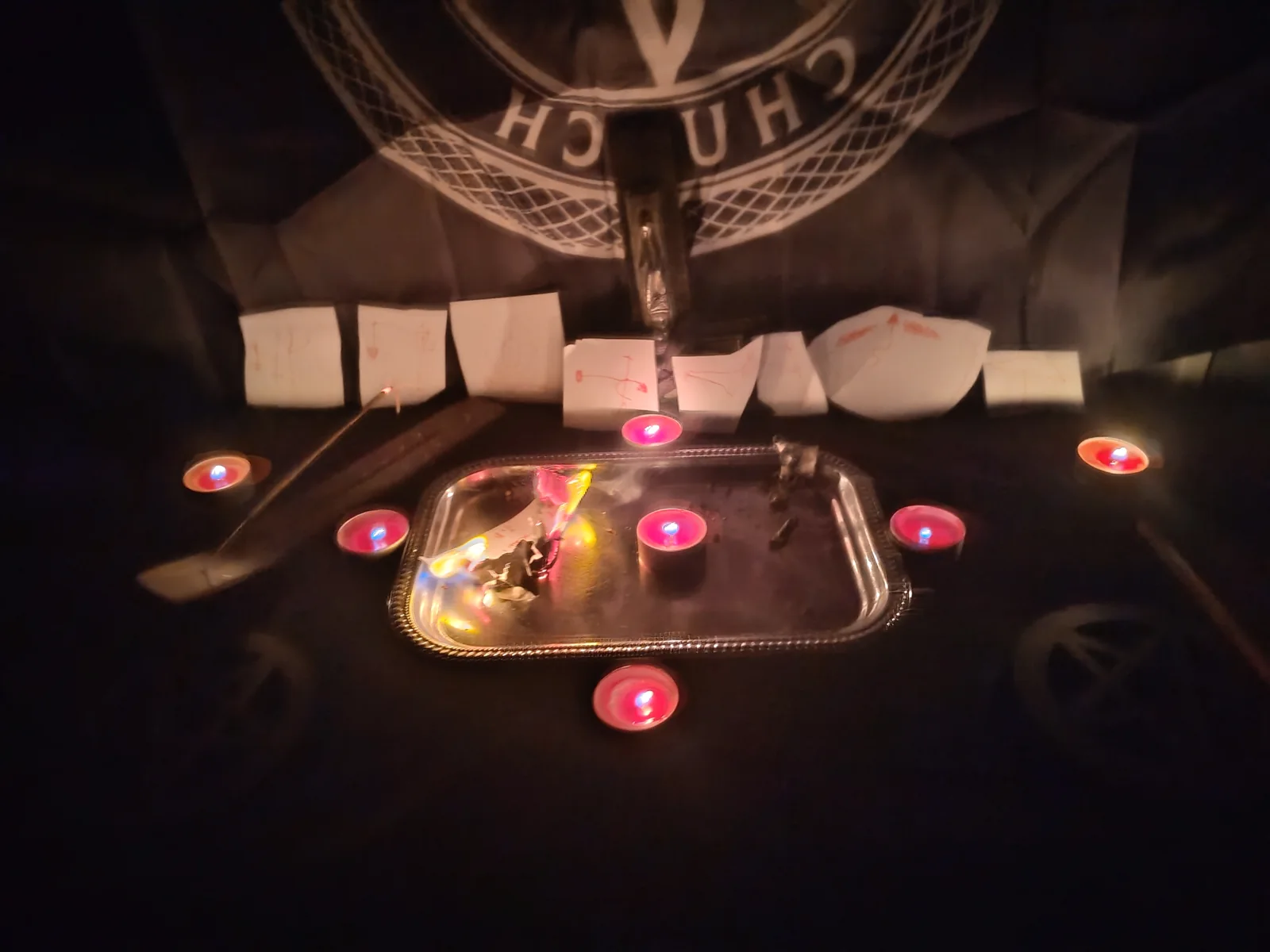
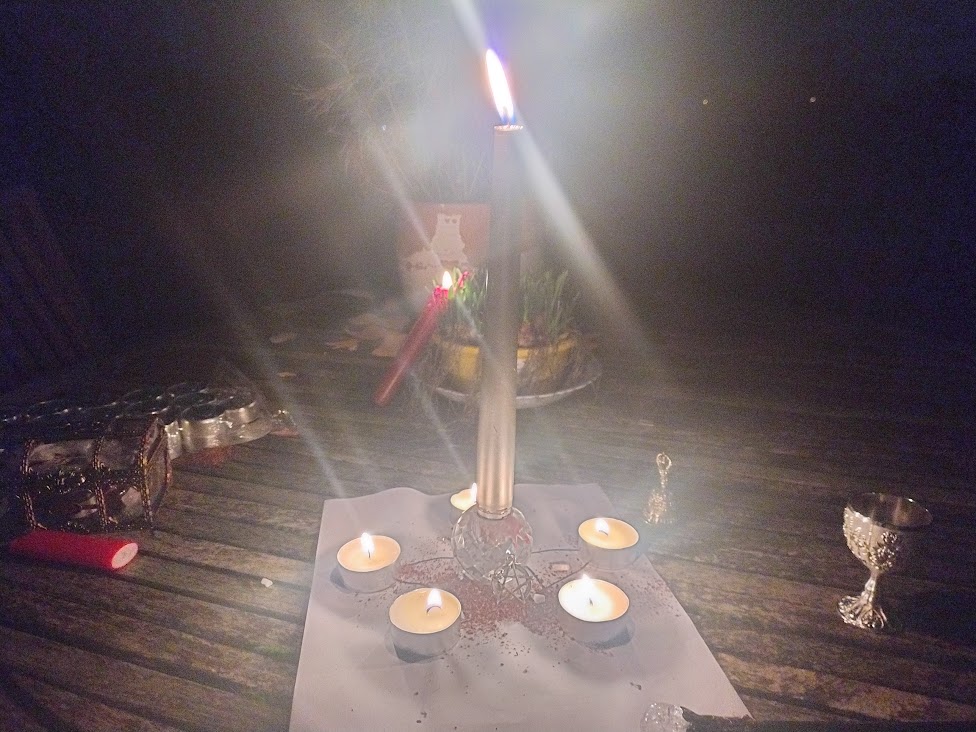
Ritual is patterned action given special religious, symbolic, social, or transformative significance. Ritual can mark time, establish sacred space, communicate with a deity, express commitment, create community, memorialize the dead, enact a transition, or focus attention on a chosen purpose. In theistic Satanism, ritual commonly includes devotional action directed toward Satan or other spirits…

Organizations & Traditions

The Satanic Temple

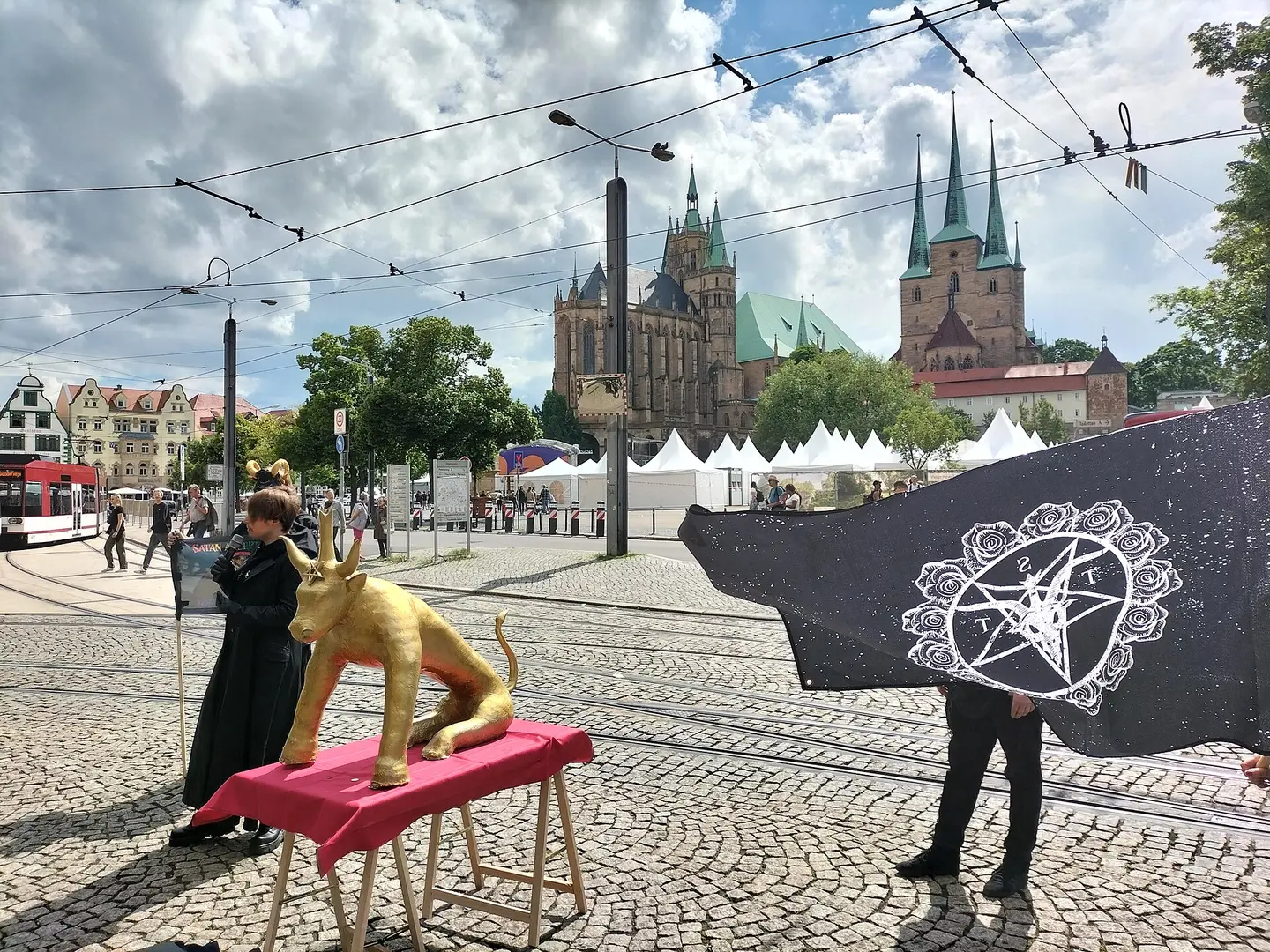
The Satanic Temple is a non-theistic religious organization whose public principles and activism differ from those of the Church of Satan and from theistic Satanist devotion.

Texts & Sources

Life of Adam and Eve

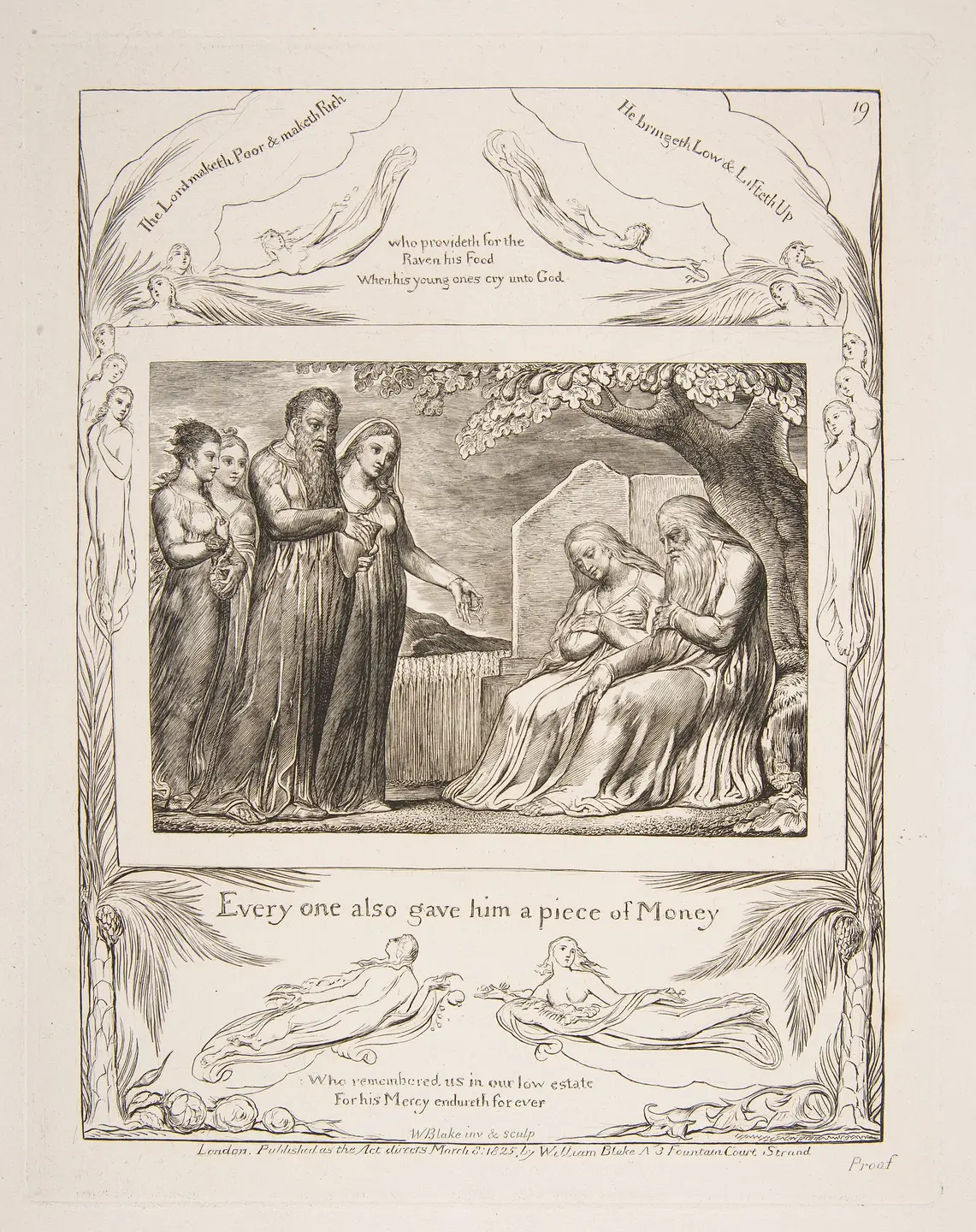
The Life of Adam and Eve is a group of related apocryphal narratives about the first humans. Its versions expand the Eden story through accounts of repentance, the Devil’s hostility, illness, burial, and hoped-for restoration.

Texts & Sources

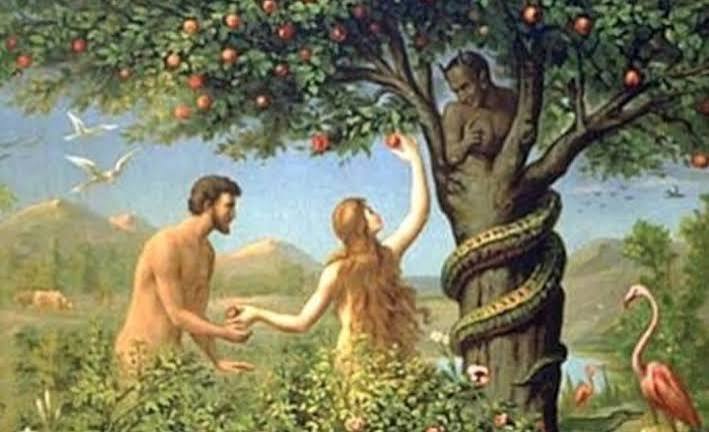
Serpent in Genesis

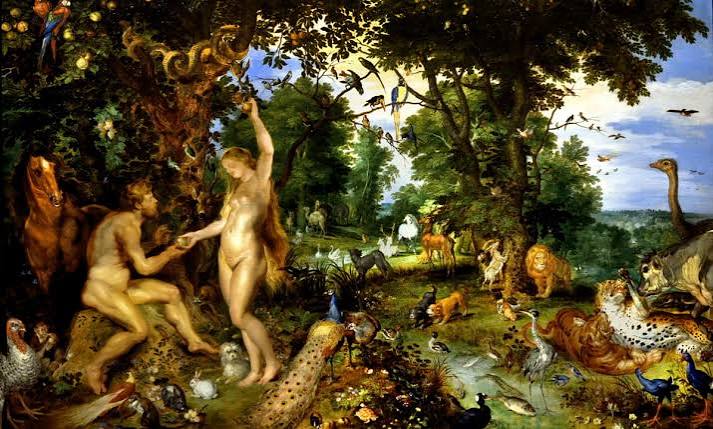
The serpent in Genesis 3 persuades the woman to eat from the tree of knowledge. The chapter does not name Satan. Later texts and interpretations connect the serpent with the Devil, adding to the history of the Eden story.

Culture & Ethics

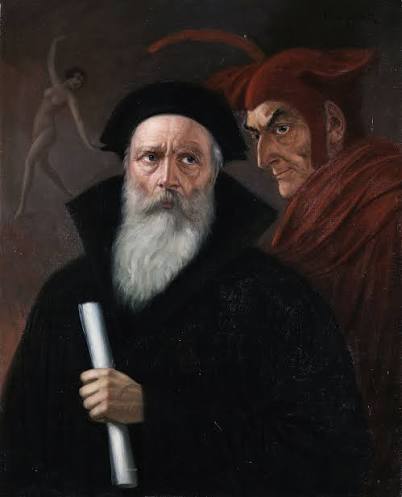
Faust

Faust is the scholar or magician at the center of a European legend about bargaining with the Devil. The 1587 Faust book, Marlowe’s Doctor Faustus, and Goethe’s Faust give the story different treatments of knowledge, desire, damnation, and human striving.

Organizations & Traditions

Builders of the Adytum

A school of the Western mysteries associated with Paul Foster Case, Ann Davies, Tarot, and Qabalistic study.

Texts & Sources

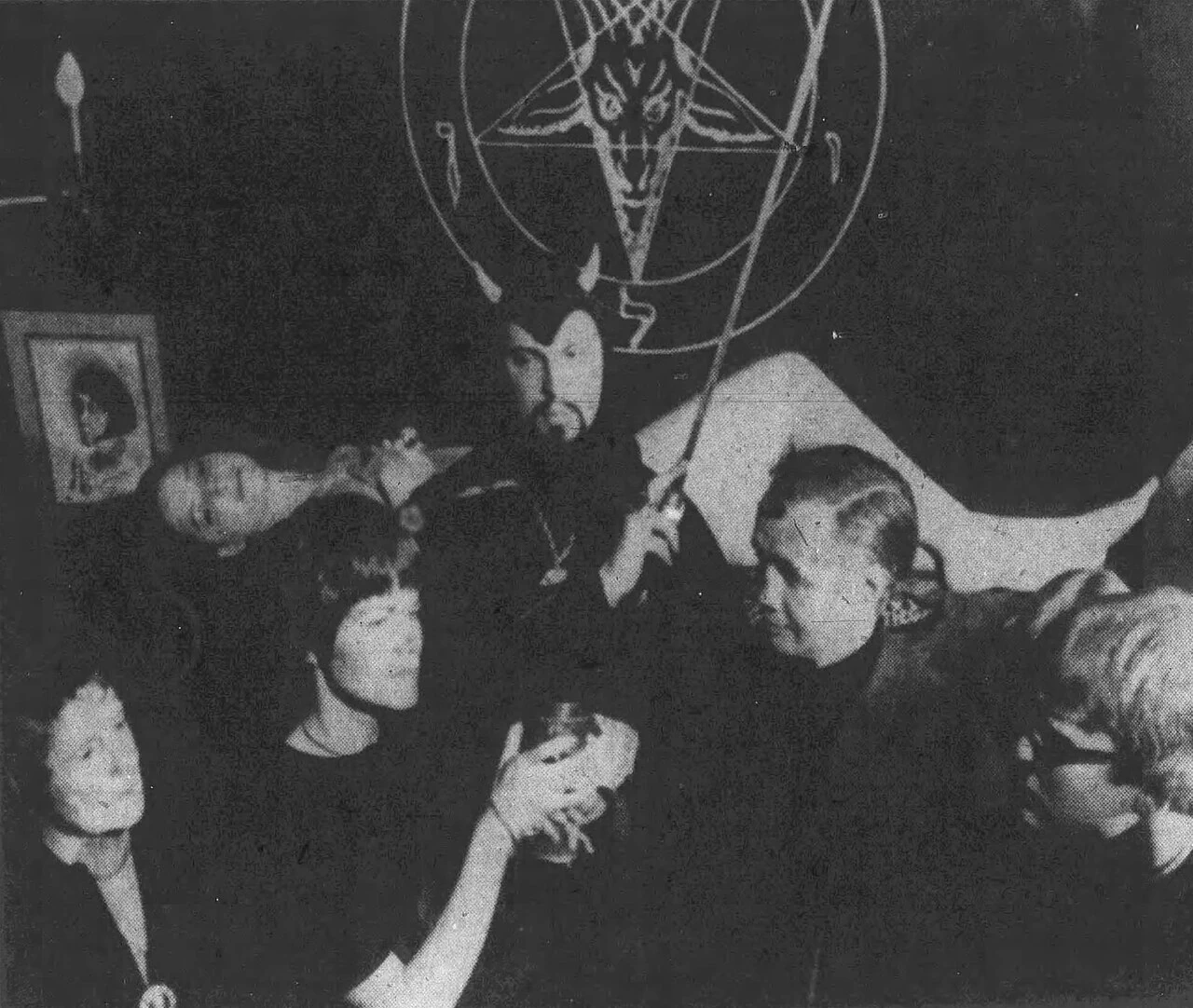
The Satanic Bible

Anton LaVey’s 1969 book of Satanic philosophy and ritual, foundational to the Church of Satan.

Texts & Sources

The Satanic Rituals

Anton LaVey’s collection of ceremonial material, published as a companion to The Satanic Bible.

Theology & Cosmology

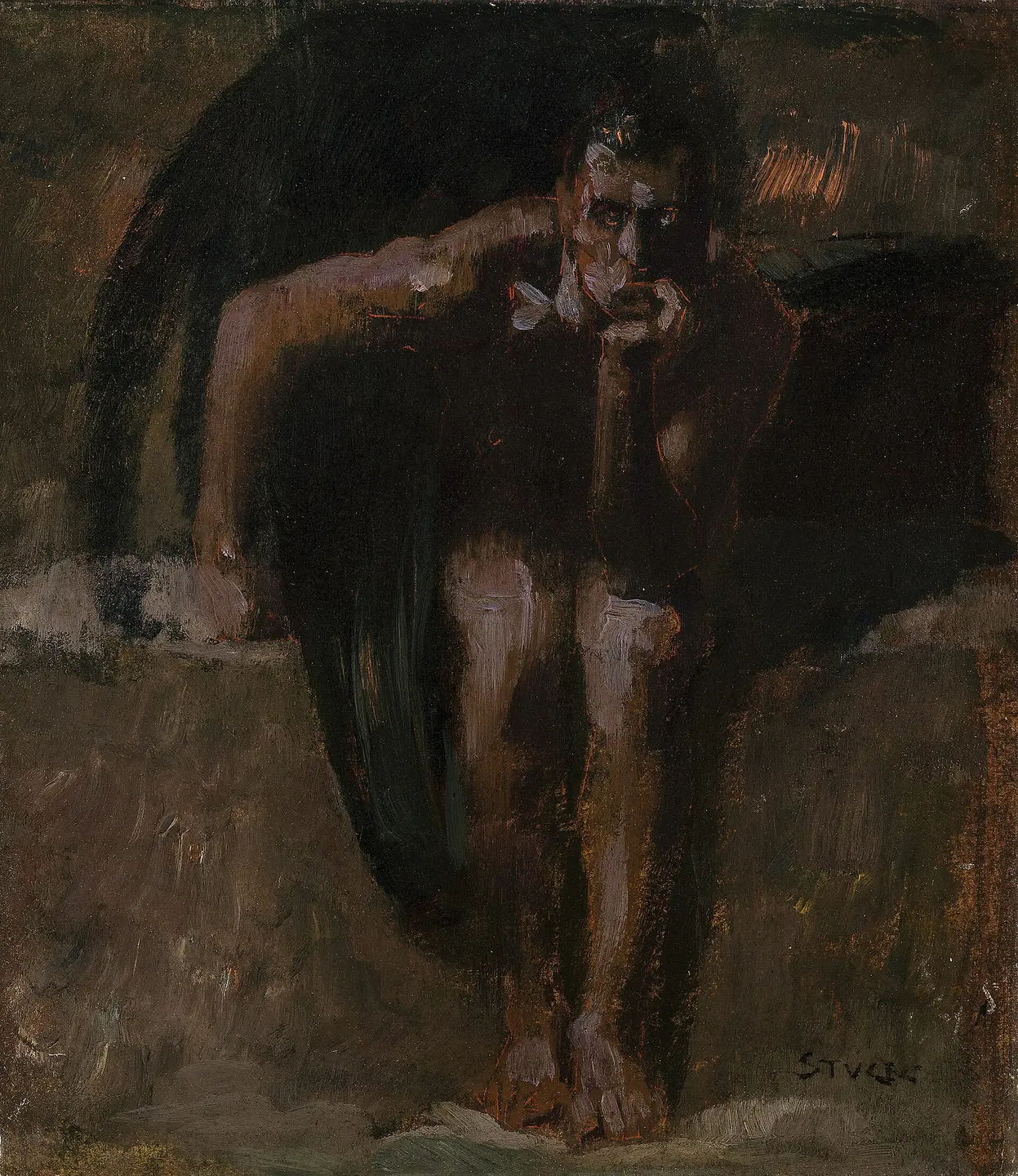
Lucifer

Lucifer is a name whose religious meaning developed from an ancient expression for the morning star into one of the best-known names associated with the Devil, fallen angels, occult illumination, and modern Luciferian religion. The word itself is Latin: lūcifer means “light-bringer” or “light-bearer” and was used for the planet Venus when it appeared before sunrise. The later equation “Lucifer = Satan”…

Culture & Ethics

Ethics in theistic Satanism

Ethics in theistic Satanism concerns the moral principles, responsibilities, virtues, prohibitions, and methods of judgement developed by Satanists who regard Satan or related beings as real rather than purely symbolic. There is no universal Satanic ethical code. Theistic Satanism is decentralized, and its practitioners may draw on personal conscience, religious devotion, philosophical individualism,…

High Satanic Church

The High Satanic Church

The High Satanic Church is an independent theistic Satanist religious organization and online congregation centered on the worship of Satan as a real deity. Its public website describes the Church as theistic, devotional, and unaffiliated with both the Church of Satan and The Satanic Temple. The organization maintains public material on beliefs and practice as well as member accounts, lodges, writings,…

Theology & Cosmology

Polytheism

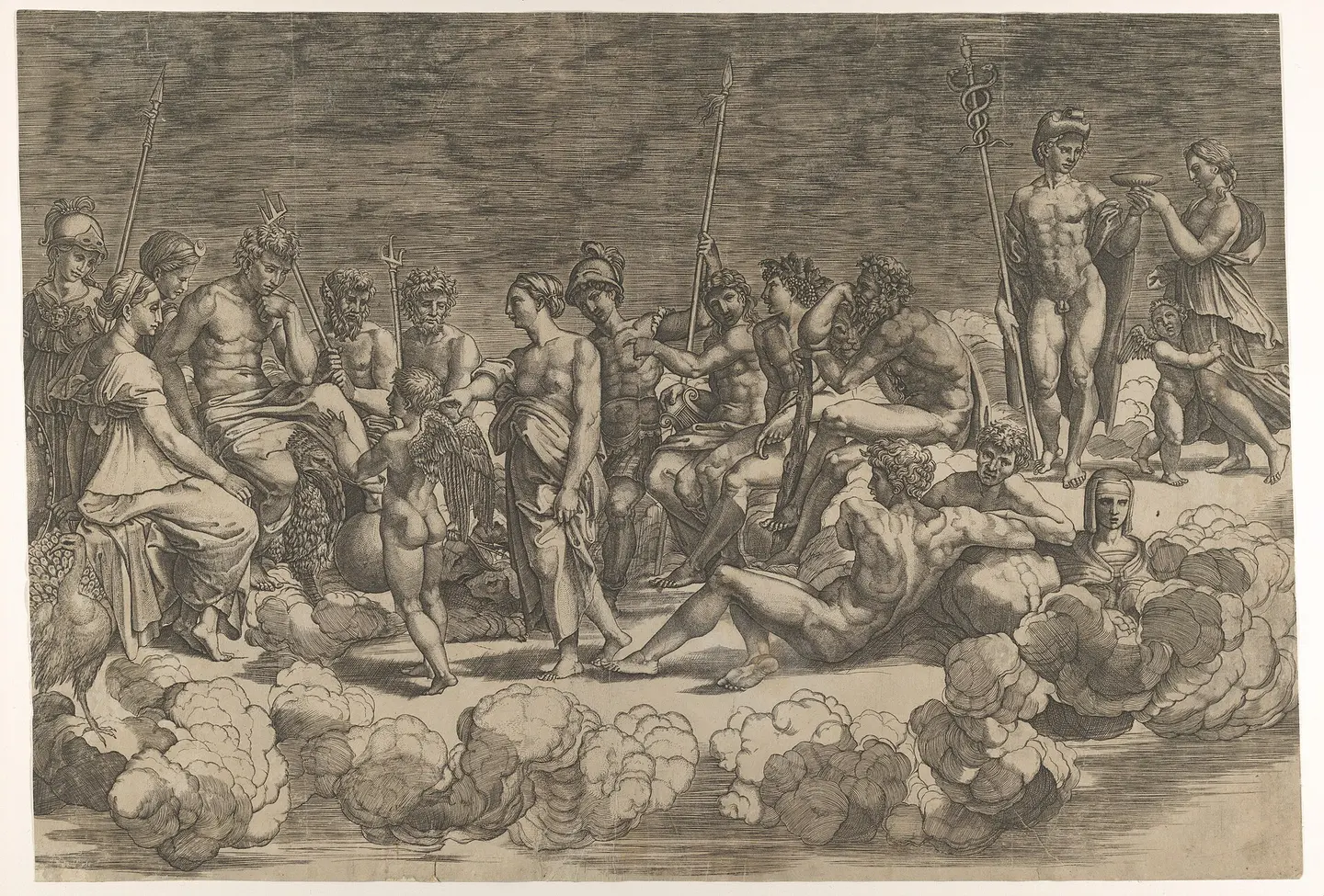
Polytheism involves belief in multiple deities. The existence of several gods does not by itself settle their relationships, moral authority, or the forms of devotion directed toward them.