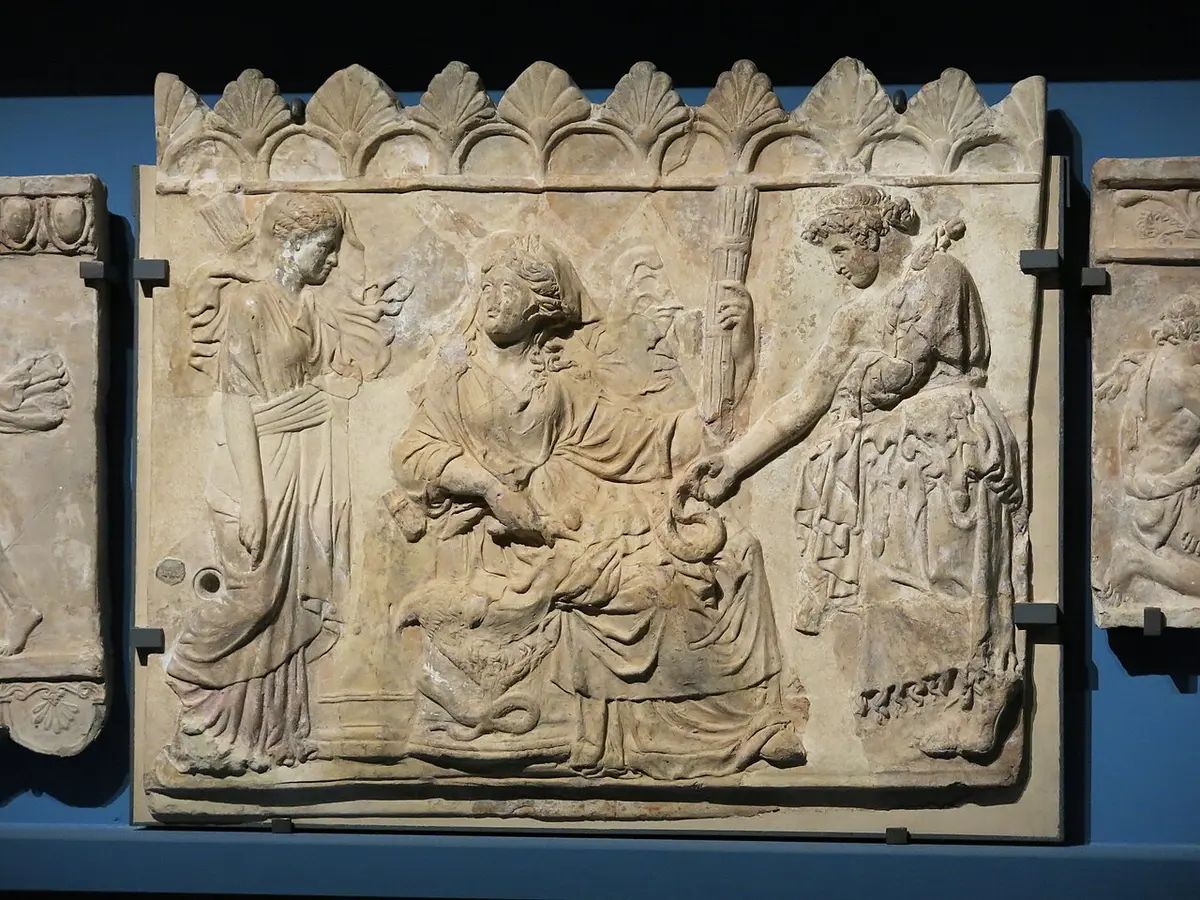
Devotional Practice
Initiation
Entry into a religious or esoteric path through ceremony, instruction, recognition, and lived development.
Entry into a religious or esoteric path through ceremony, instruction, recognition, and lived development.
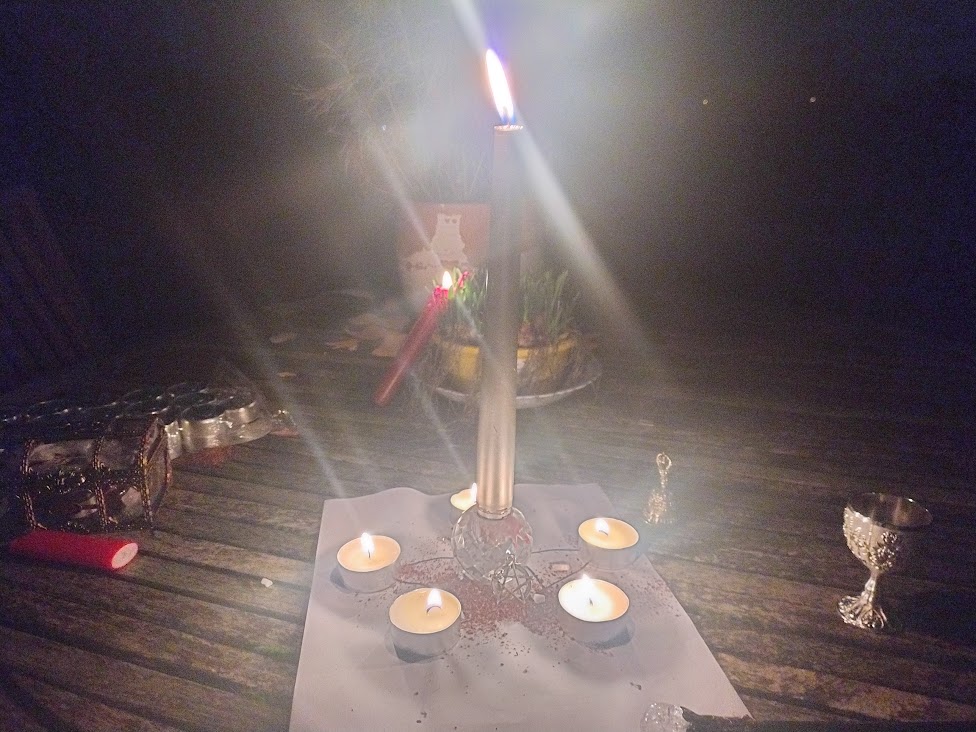
Ritual is patterned action given special religious, symbolic, social, or transformative significance. Ritual can mark time, establish sacred space, communicate with a deity, express commitment, create community, memorialize the dead, enact a transition, or focus attention on a chosen purpose. In theistic Satanism, ritual commonly includes devotional action directed toward Satan or other spirits…

An initiatory organization associated with Thelema and the public celebration of the Gnostic Mass.

A German magical fraternity whose teaching gives Saturn a central symbolic and initiatory role.
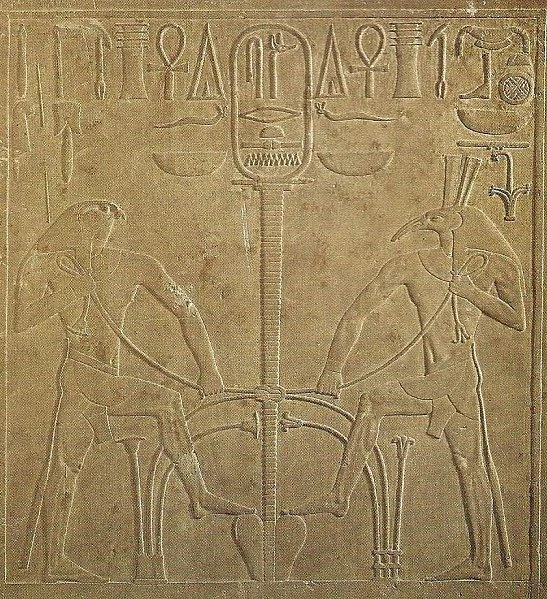
The religious philosophy associated with the Temple of Set, the Egyptian name Set, and the idea of Xeper.
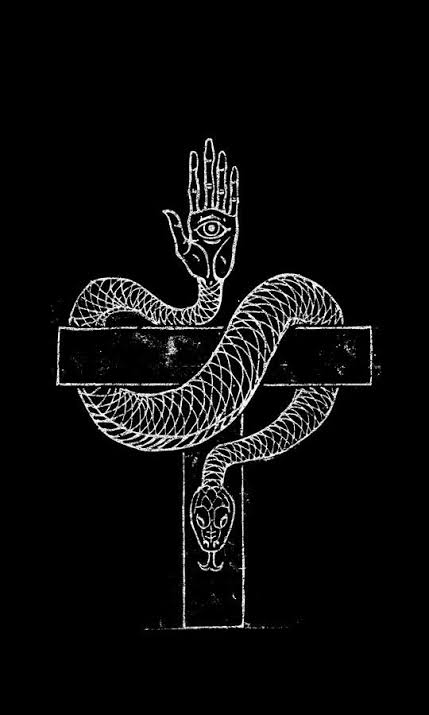
The left-hand path is a modern esoteric category used for religious and magical currents that emphasize themes such as individual self-direction, antinomianism, self-deification, initiatory transformation, or deliberate engagement with symbols rejected by dominant religious culture. It overlaps with some forms of Satanism, Luciferianism, Setianism, and modern occultism, but the terms are not synonymous.
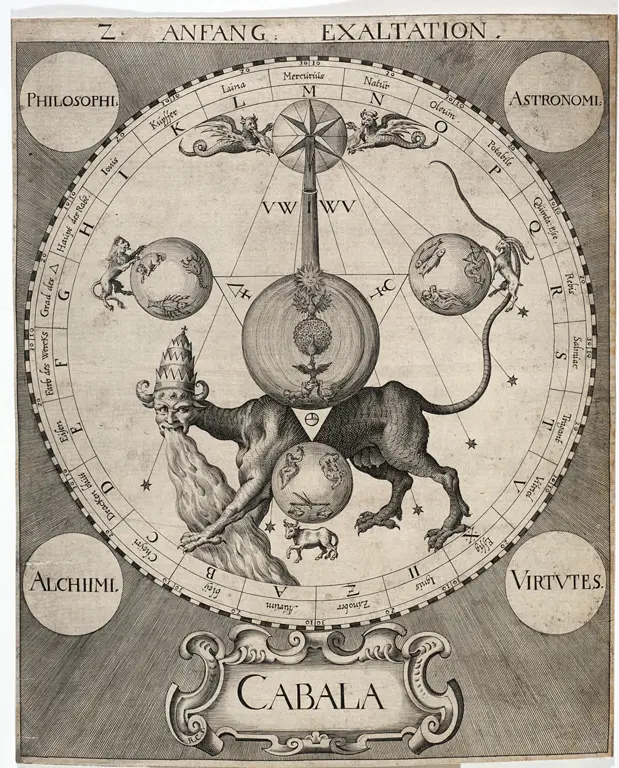
An initiatory order whose Draconian system brings together Qliphoth, Goetic magic, alchemy, and other esoteric traditions.
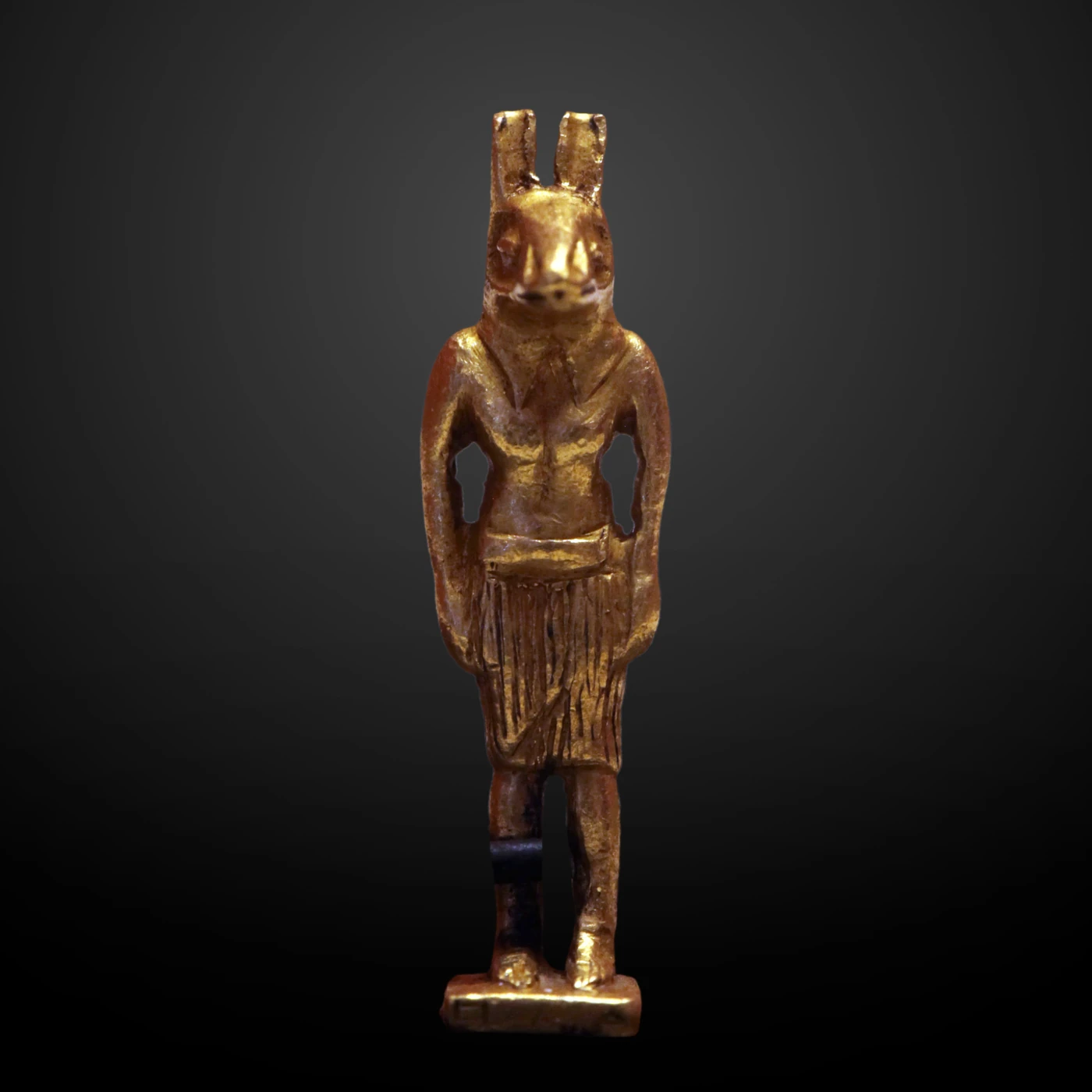
The Temple of Set is an initiatory organization whose identity centers on Set and Xeper. Its relationship with Satanism requires attention to both historical origins and later self-description.

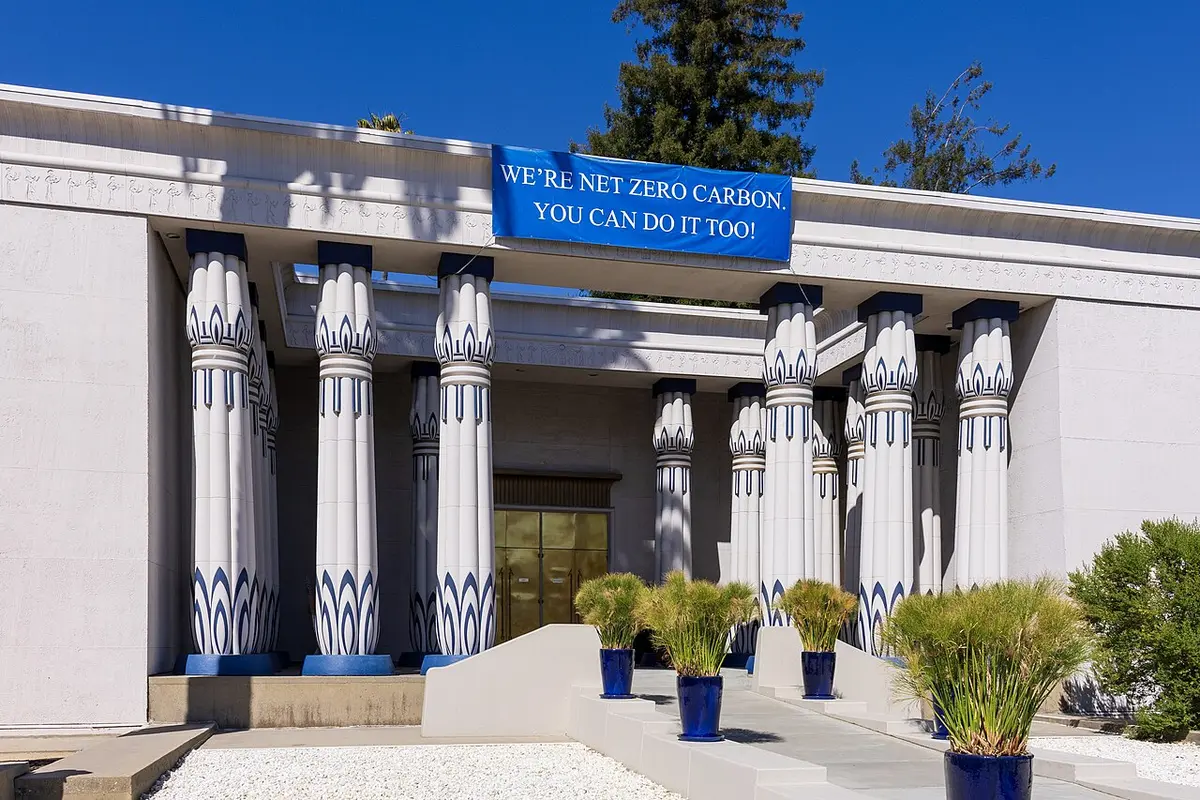
A modern Rosicrucian organization, usually called AMORC, that teaches through lessons and local study groups.

Traditions associated with the rose and cross, the early modern Rosicrucian manifestos, and later initiatory societies.
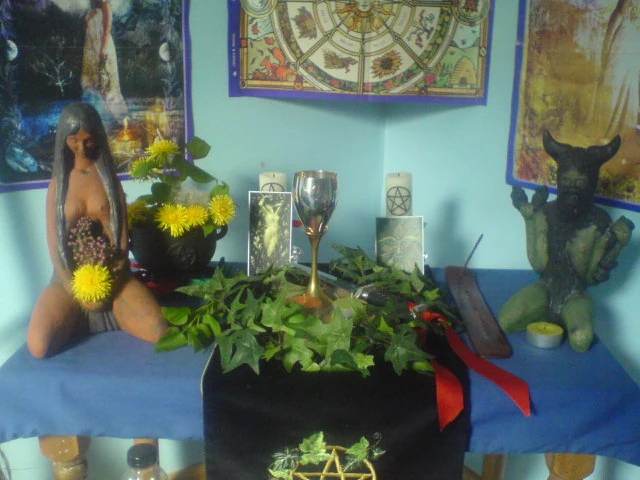
Modern Pagan religious witchcraft, its Gardnerian and Alexandrian traditions, ritual practice, and relationship to Satanism.

The central public liturgy of Ecclesia Gnostica Catholica, written by Aleister Crowley as Liber XV.
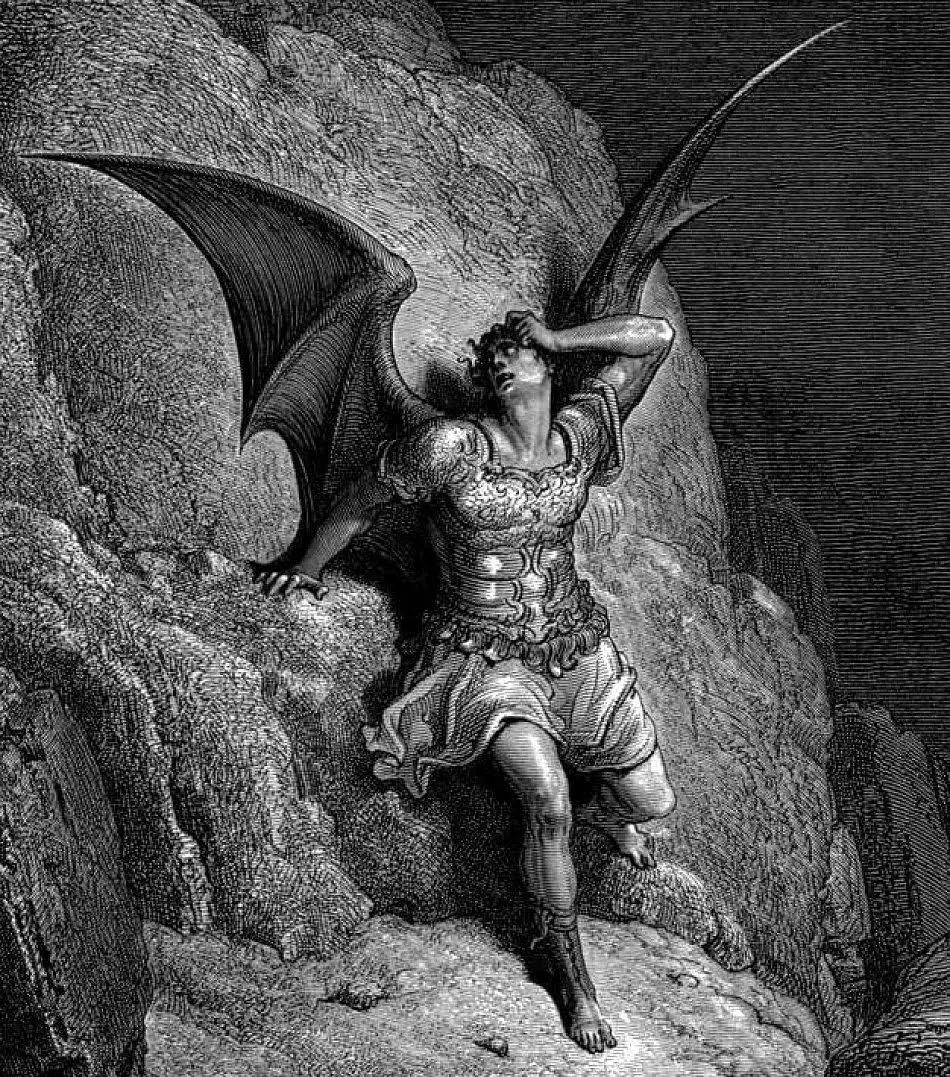
Satan is a figure whose meaning has changed substantially across Jewish, Christian, Islamic, literary, esoteric, and modern Satanic contexts. In contemporary theistic Satanism, Satan may be understood as a real deity, spirit, adversary, initiator, or metaphysical intelligence. Those modern interpretations draw on, but are not identical with, the much older history of the word and character.

Lilith is a figure whose history spans ancient Near Eastern demonology, Jewish folklore, medieval protective magic, Kabbalah, literature, feminist reinterpretation, modern occultism, and contemporary Satanic or Luciferian religion. She is often introduced today as “Adam’s first wife,” but that familiar story is medieval rather than biblical. Earlier sources describe beings called lilith or lilin in…
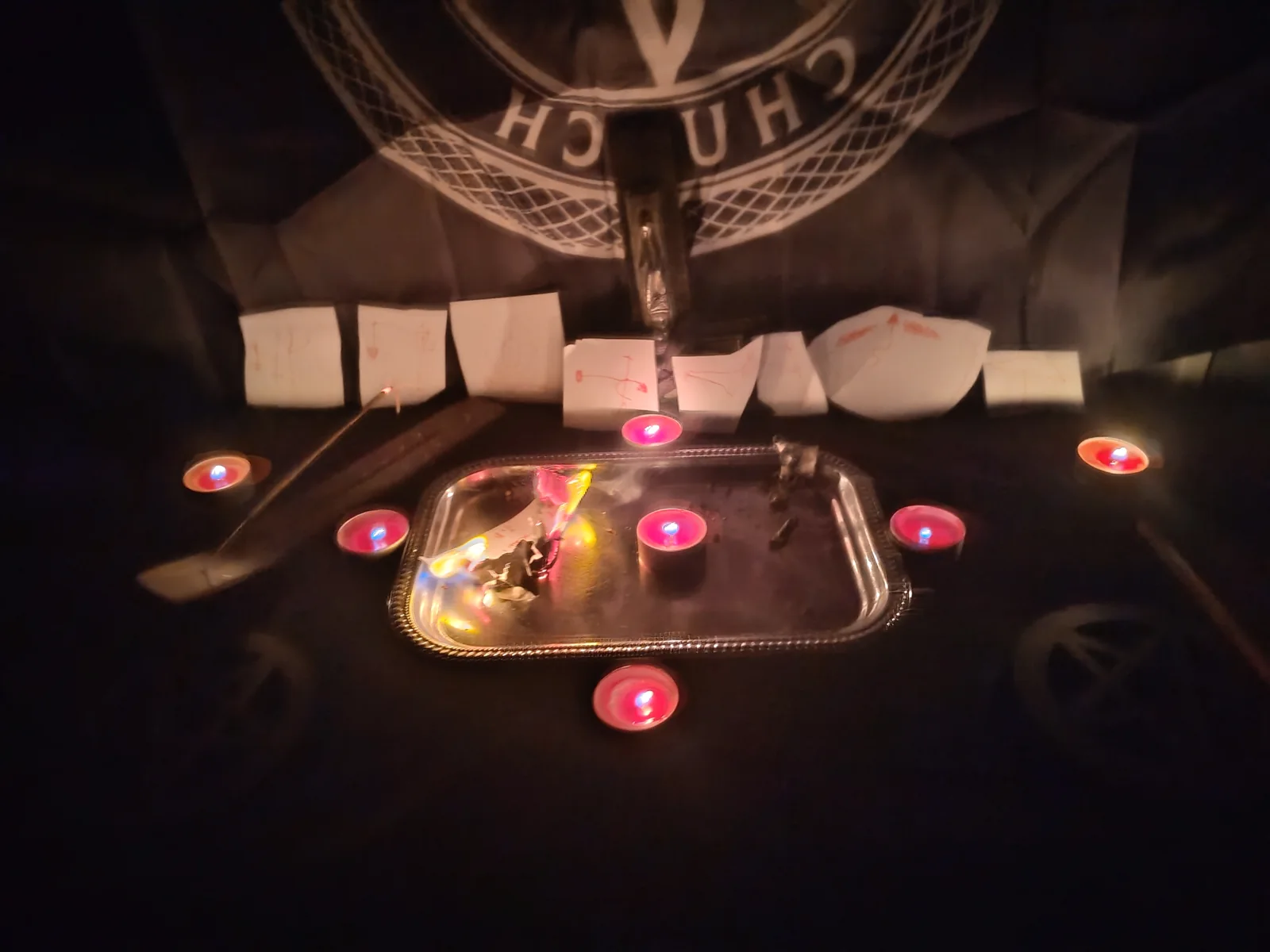
Prayer is intentional communication addressed to a deity, spirit, sacred power, or ultimate reality. It can include praise, petition, confession, thanksgiving, lament, dedication, silence, repetition, or simple direct speech. In theistic Satanism, prayer usually means addressing Satan or another spiritually real being rather than speaking only to oneself or performing a purely symbolic exercise.
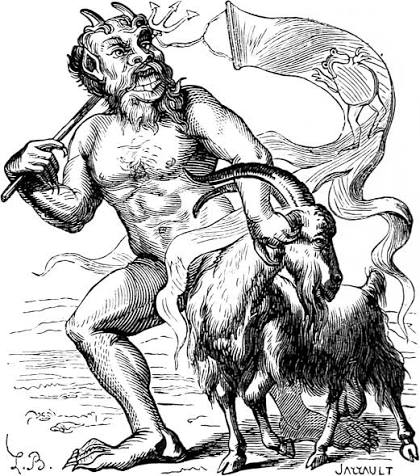
Azazel is a figure associated with the Day of Atonement in Leviticus, a rebellious Watcher in 1 Enoch, and a demonological and occult figure in later traditions. This article traces the development of Azazel from ancient Jewish texts through later demonology and modern Satanic interpretations.
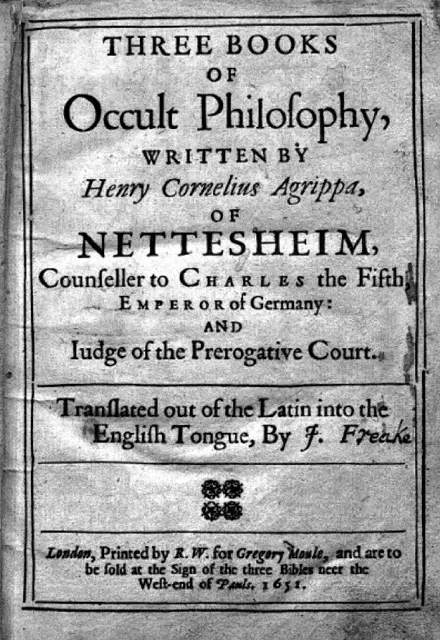
Ceremonial magic uses formally organized ritual actions. Its historical systems combine preparation, symbols, instruments, and accounts of spiritual authority in different ways.
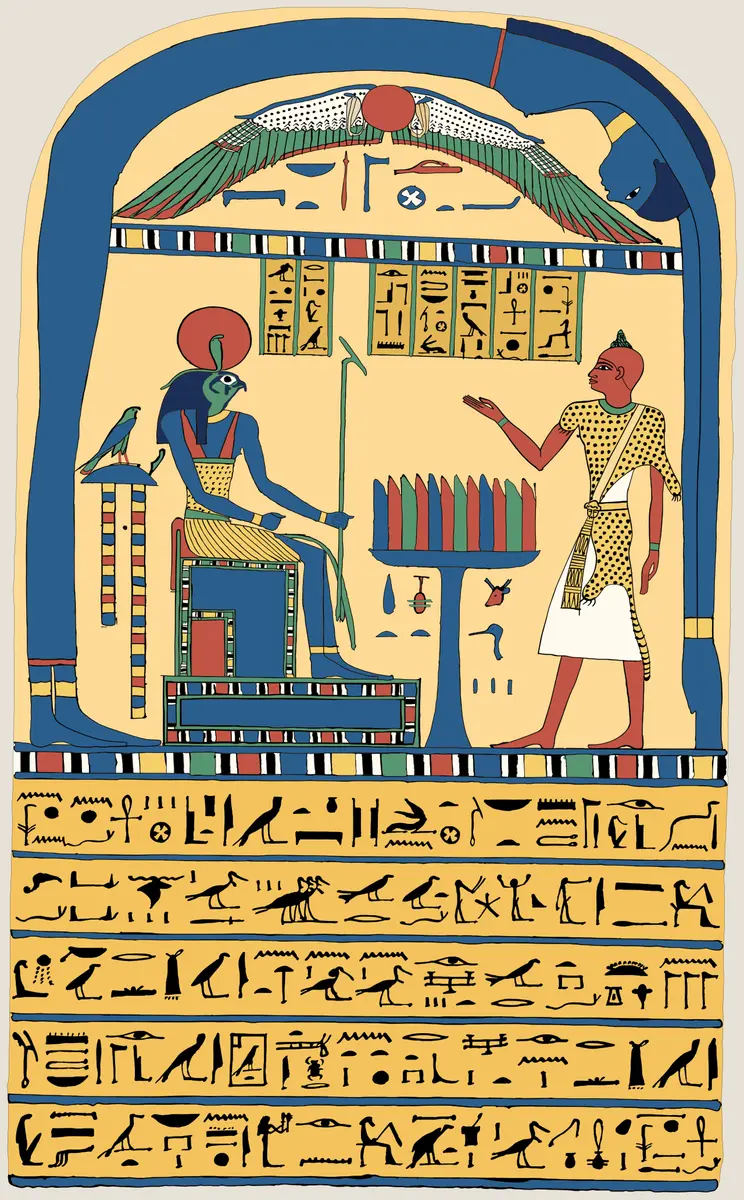
The religious and philosophical tradition associated with Aleister Crowley and The Book of the Law.

A founder and major author of the Temple of Set, associated with the modern Setian interpretation of Xeper.