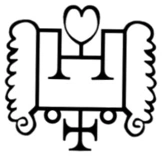
Updated 2026-10-01
Read →Vapula
A winged lion-shaped Goetic duke associated with crafts, philosophy, and learned subjects.
Historical and contemporary approaches to demons, named spirits, devotional relationships, and source traditions.
Featured from this topicVapulaA winged lion-shaped Goetic duke associated with crafts, philosophy, and learned subjects.
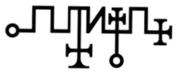
A Goetic spirit with a winged bull form, associated with wit and transformations of liquids and metals.
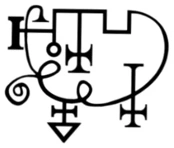
A peacock-shaped Goetic marquis associated with geometry, measurement, astronomy, and bird transformation.
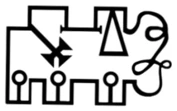
A mounted Goetic marquis associated with grammar, rhetoric, logic, and hidden treasure.
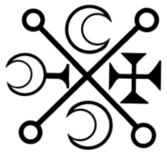
A Goetic marquis appearing as a star, associated with plants, stones, and bird-like apparitions.

A Goetic prince riding a winged horse, associated with rapid movement and the recovery of hidden things.
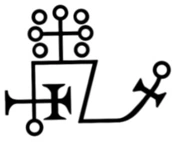
A many-faced Goetic duke carrying a book, associated with thoughts, knowledge, and visions of other people.
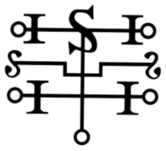
The final Goetic spirit, associated with stolen goods, concealed wrongdoing, and hidden treasure.
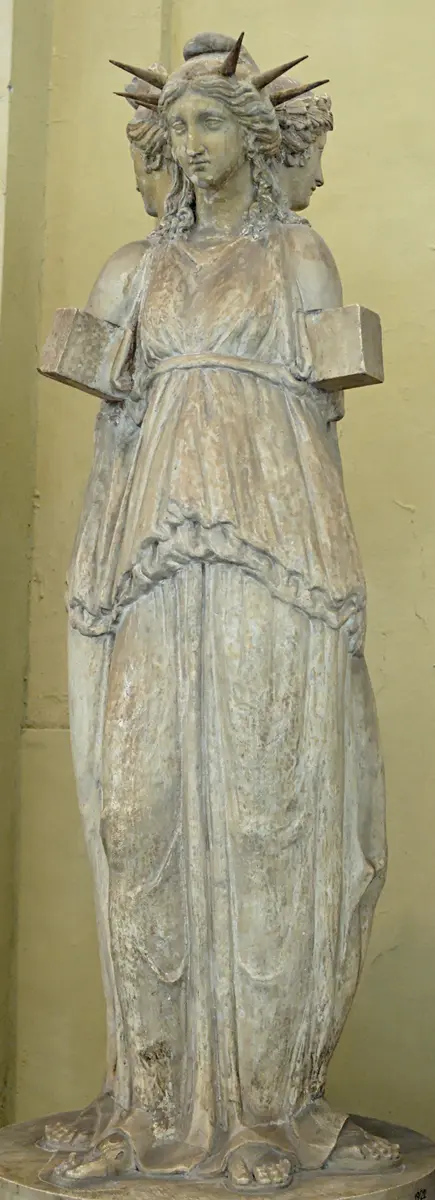
A Greek goddess with broad early powers and later associations with crossroads, spirits, and magic.
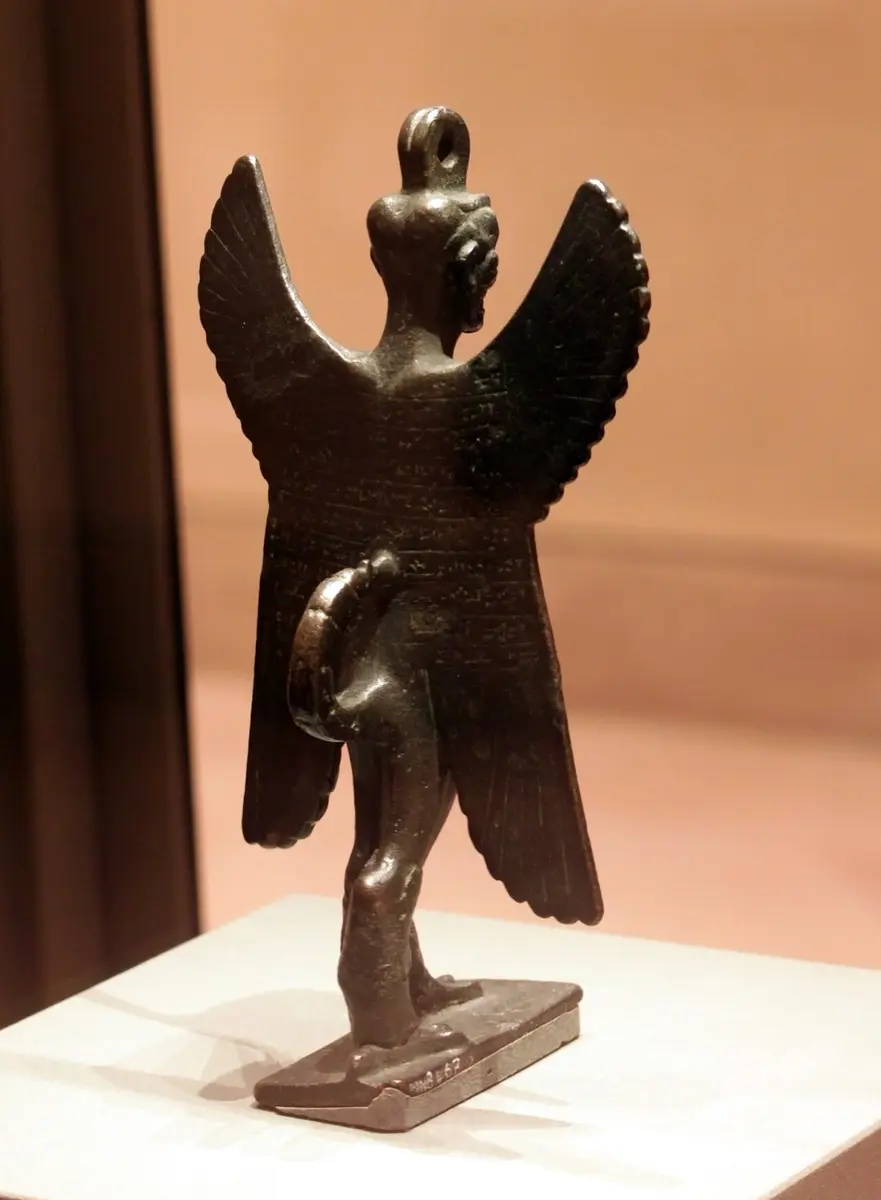
A Mesopotamian wind demon whose image was also used protectively, especially against Lamashtu.
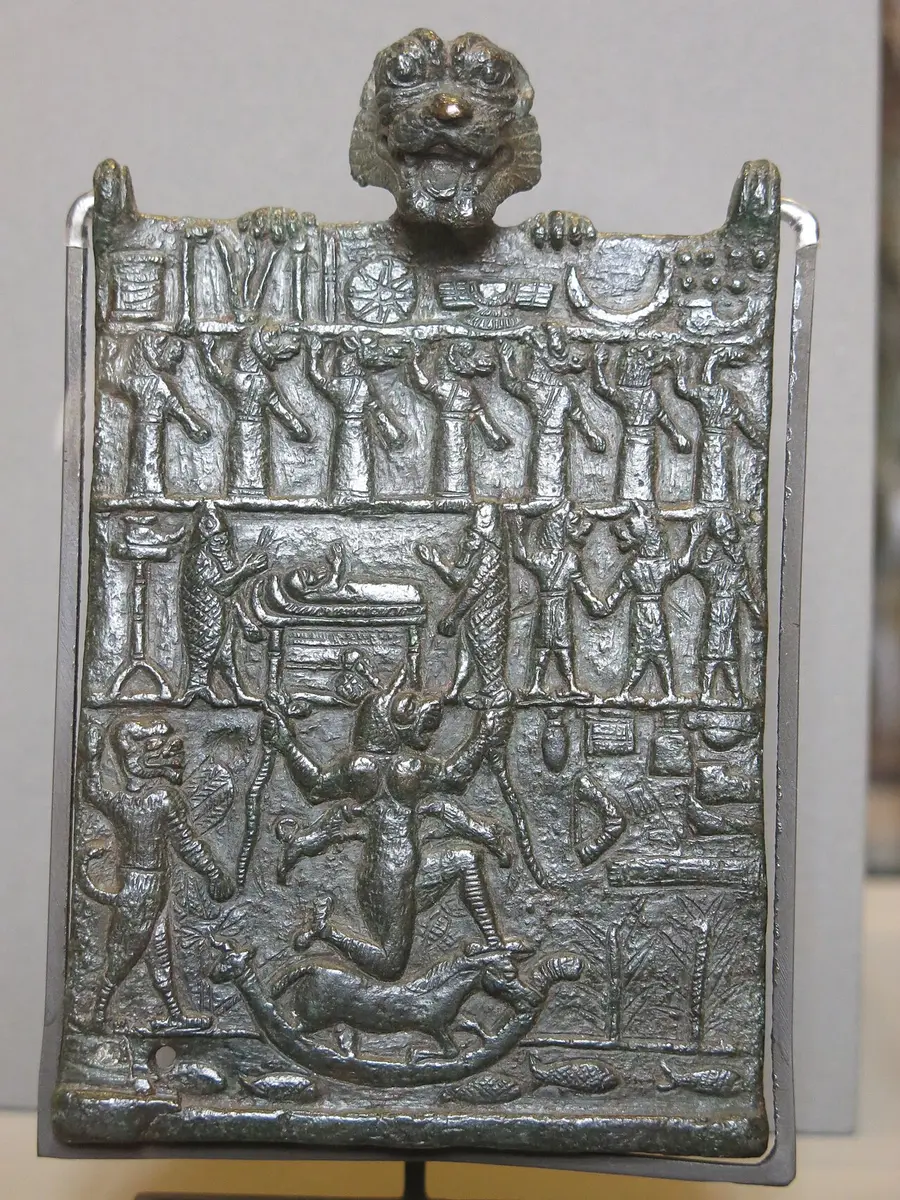
A Mesopotamian harmful female power represented on amulets and plaques intended to repel her.
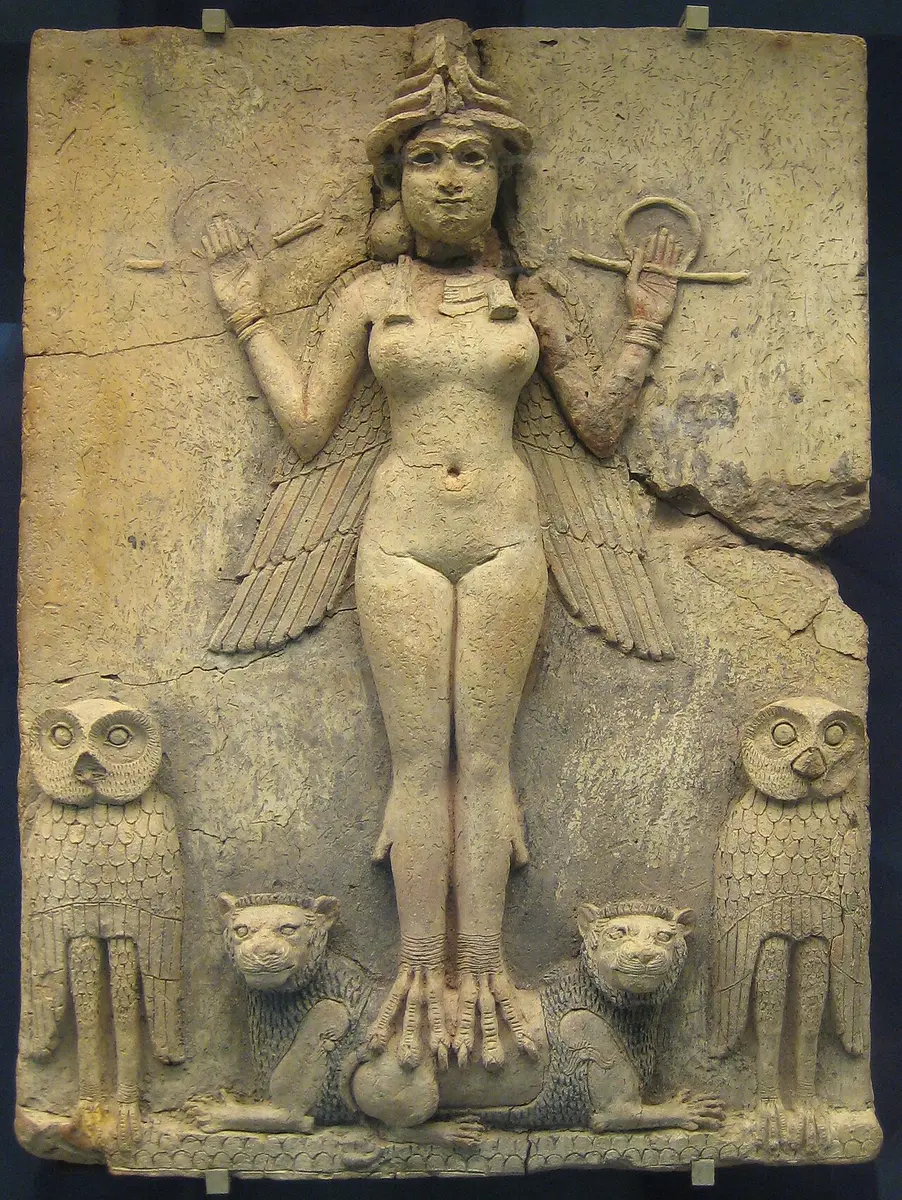
A Mesopotamian queen of the underworld, known through myths of descent and traditions concerning Nergal.
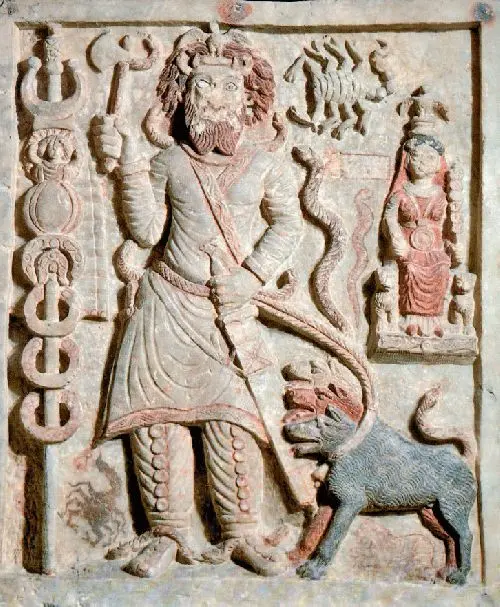
A Mesopotamian deity associated with death, war, disease, and the underworld.
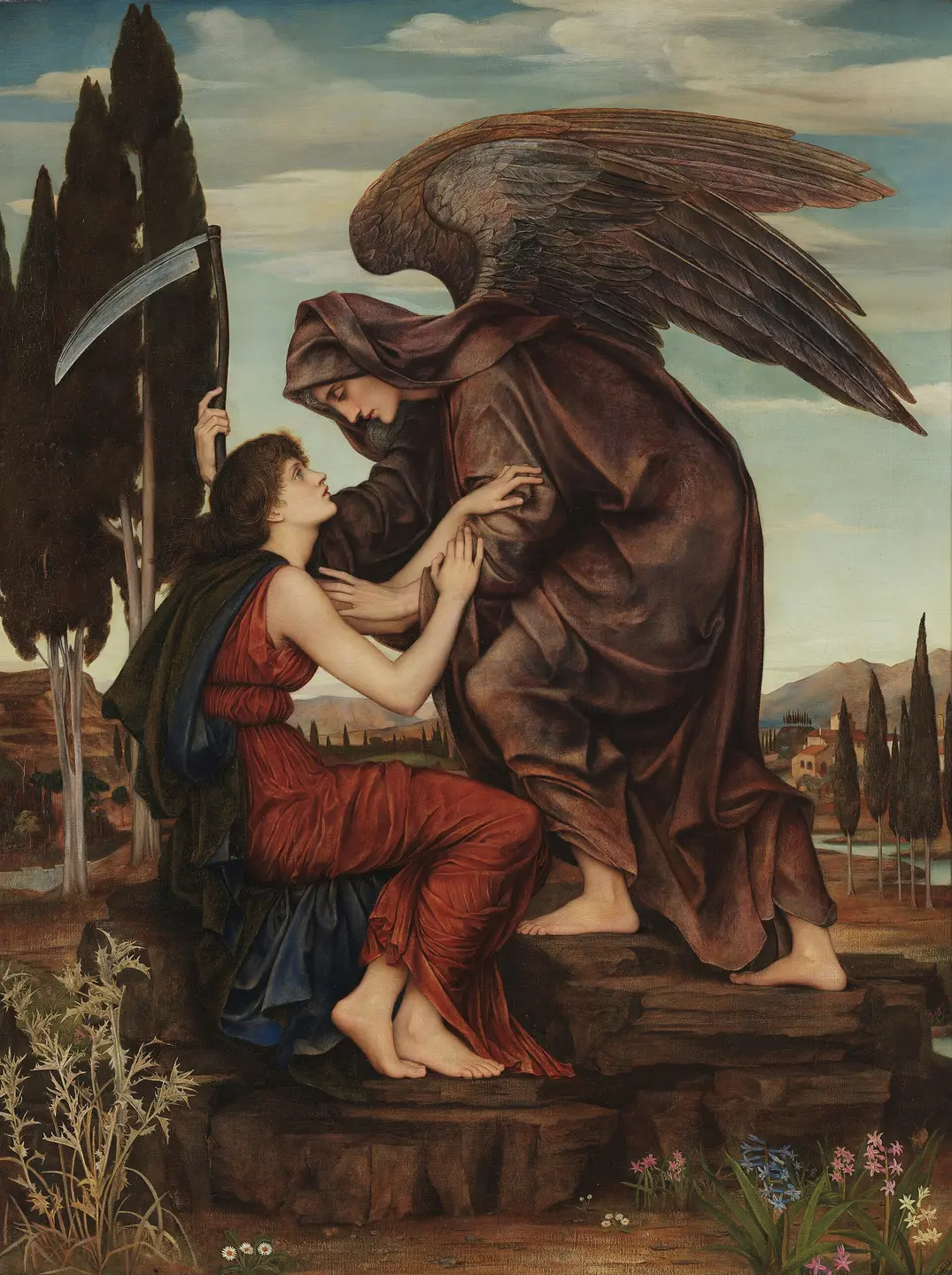
Samael appears in Jewish interpretive literature in roles that vary between texts. His relationship with Satan, the serpent, and other figures should be described source by source.