Religious experience and discernment
Religious discernment concerns how experiences are interpreted and assessed. An immediate event, a theological explanation, and a claim about another person require different kinds of evidence.
Religious discernment concerns how experiences are interpreted and assessed. An immediate event, a theological explanation, and a claim about another person require different kinds of evidence.
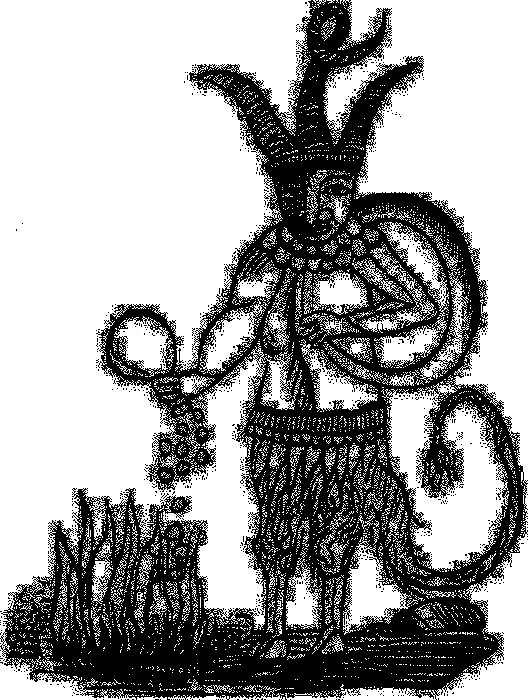
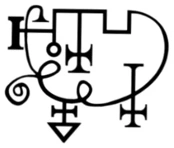
The final Goetic spirit, associated with stolen goods, concealed wrongdoing, and hidden treasure.

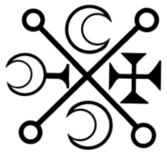
The second part of the Lemegeton, arranging aerial spirits through princes, directions, and wandering hierarchies.

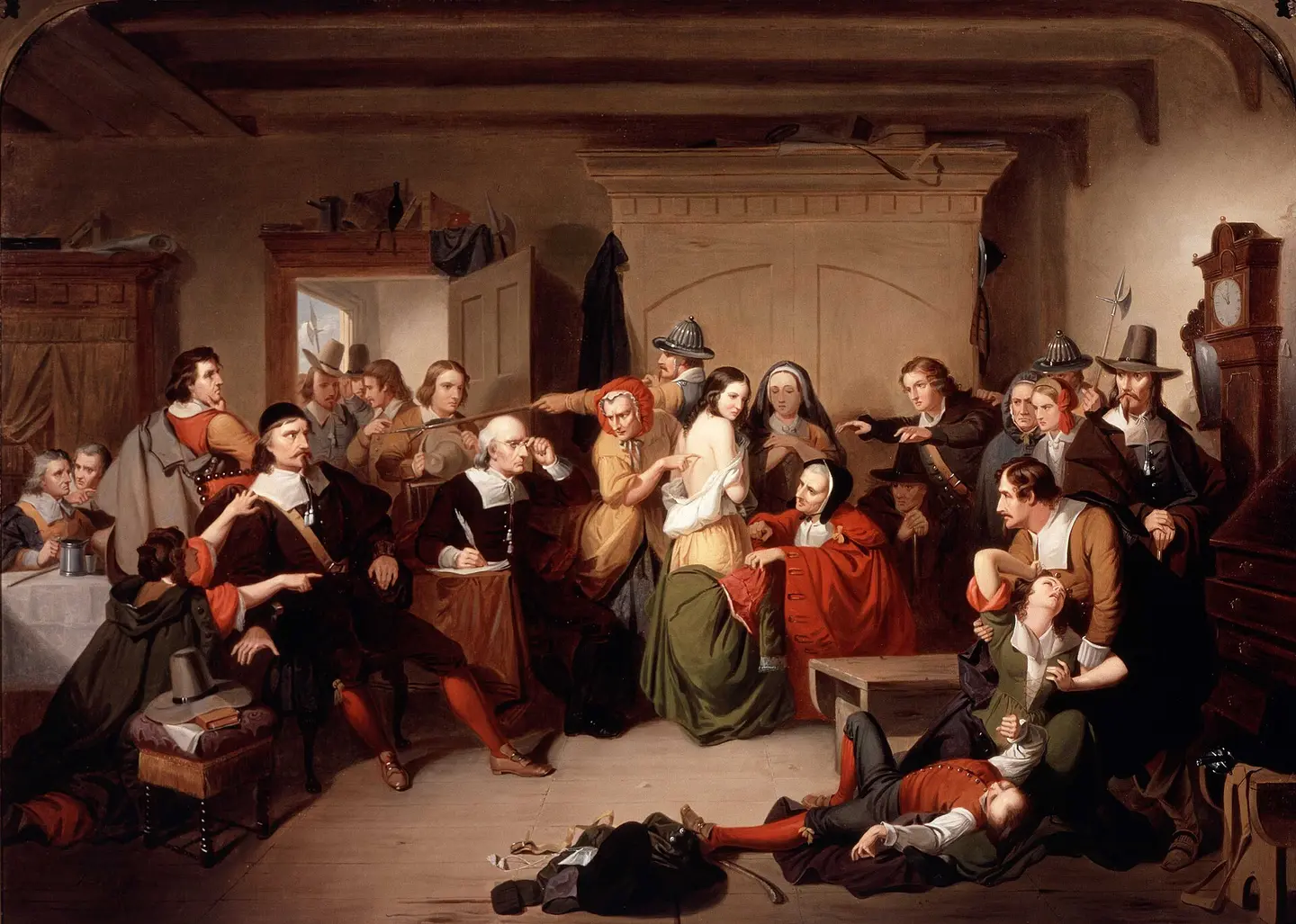
Witch trials produced records of accusations about harmful magic and the Devil. Those records require attention to how testimony was obtained and to the purposes of judges and writers.

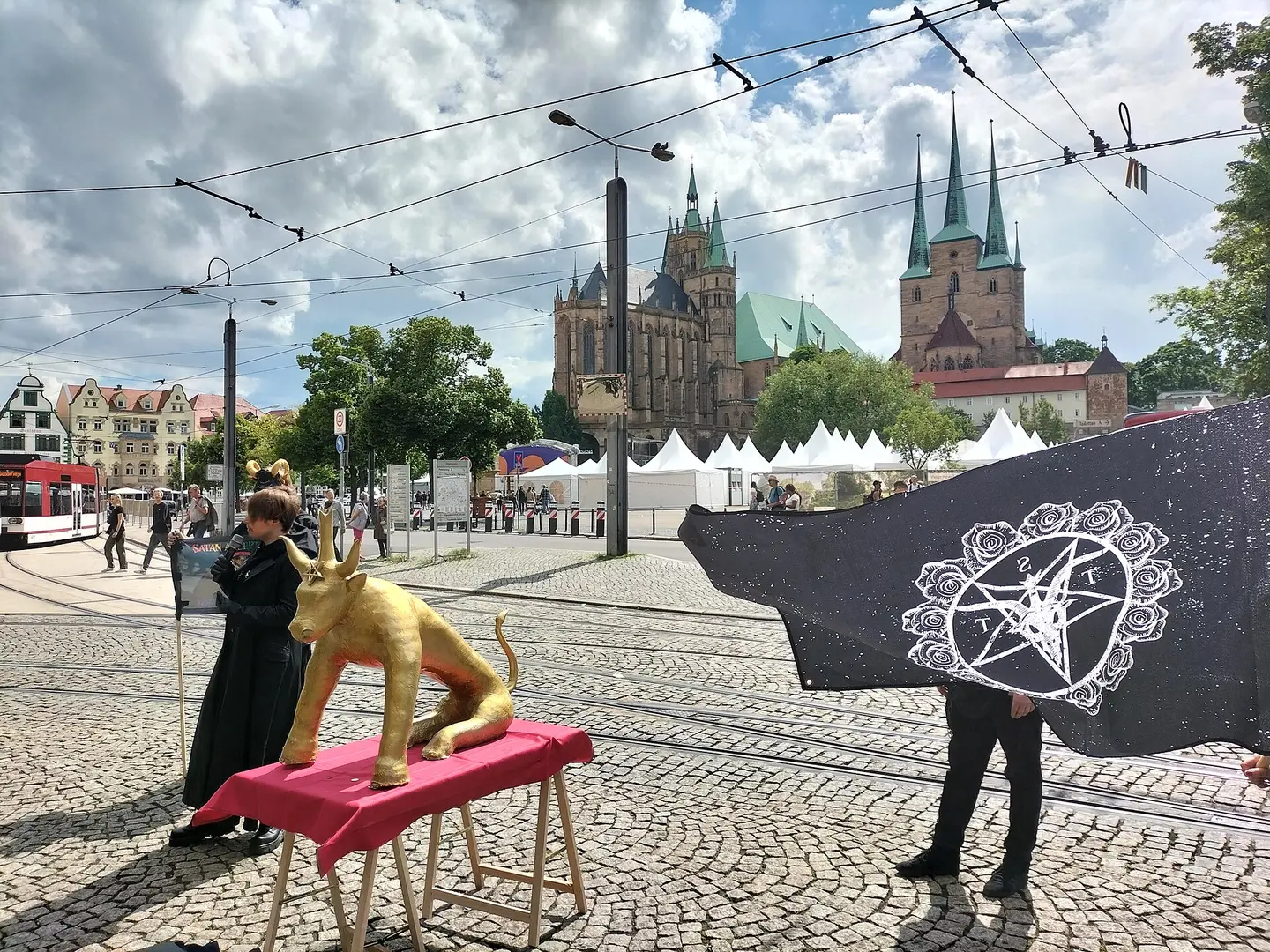
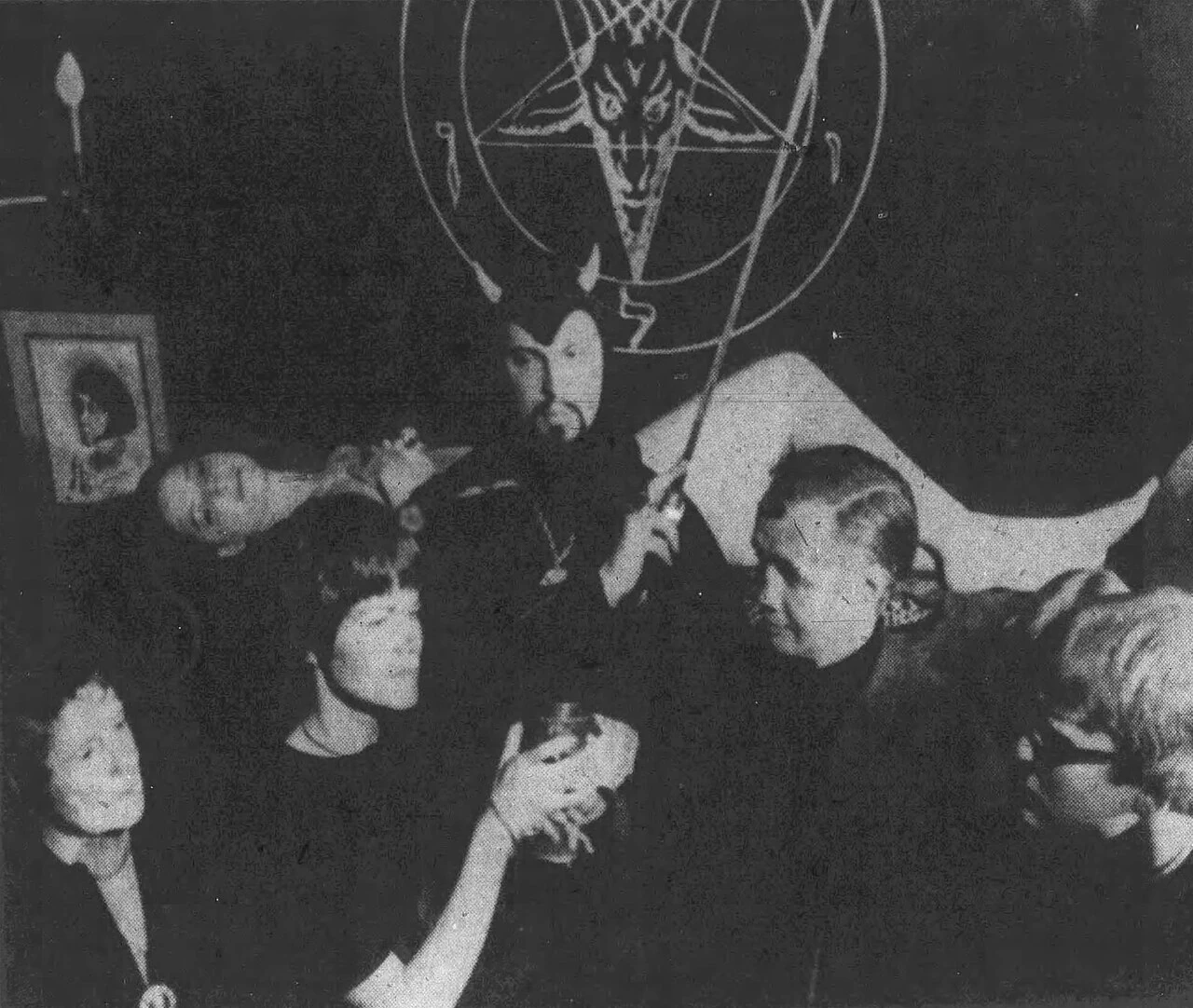
The Satanic Temple is a non-theistic religious organization whose public principles and activism differ from those of the Church of Satan and from theistic Satanist devotion.

A mounted Goetic marquis whose office includes the stars, planetary mansions, and social dignities.

Satan is a figure whose meaning has changed substantially across Jewish, Christian, Islamic, literary, esoteric, and modern Satanic contexts. In contemporary theistic Satanism, Satan may be understood as a real deity, spirit, adversary, initiator, or metaphysical intelligence. Those modern interpretations draw on, but are not identical with, the much older history of the word and character.

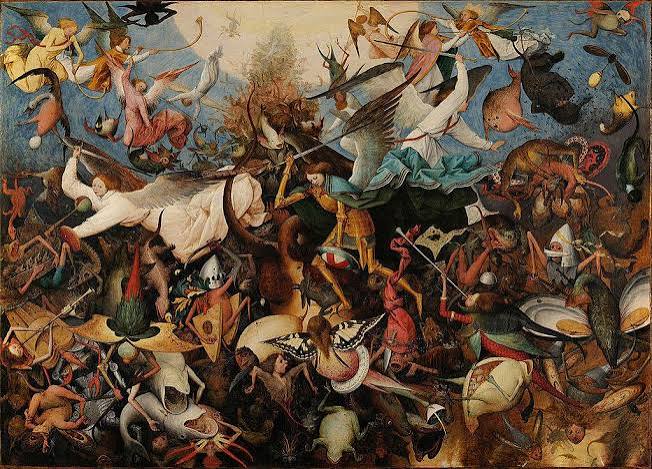
Fallen angels are heavenly beings portrayed as losing their place or proper condition through transgression. Enochic descent, Satan’s refusal to honor Adam, and the war in Revelation are distinct accounts that later interpretation can bring together.

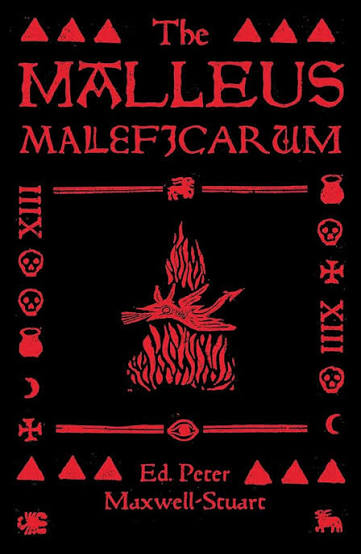
The Malleus Maleficarum is a Latin treatise associated with the inquisitor Heinrich Kramer. It combined demonological argument with proposals for prosecuting alleged witches. Its allegations, treatment of women, and influence require critical historical reading.

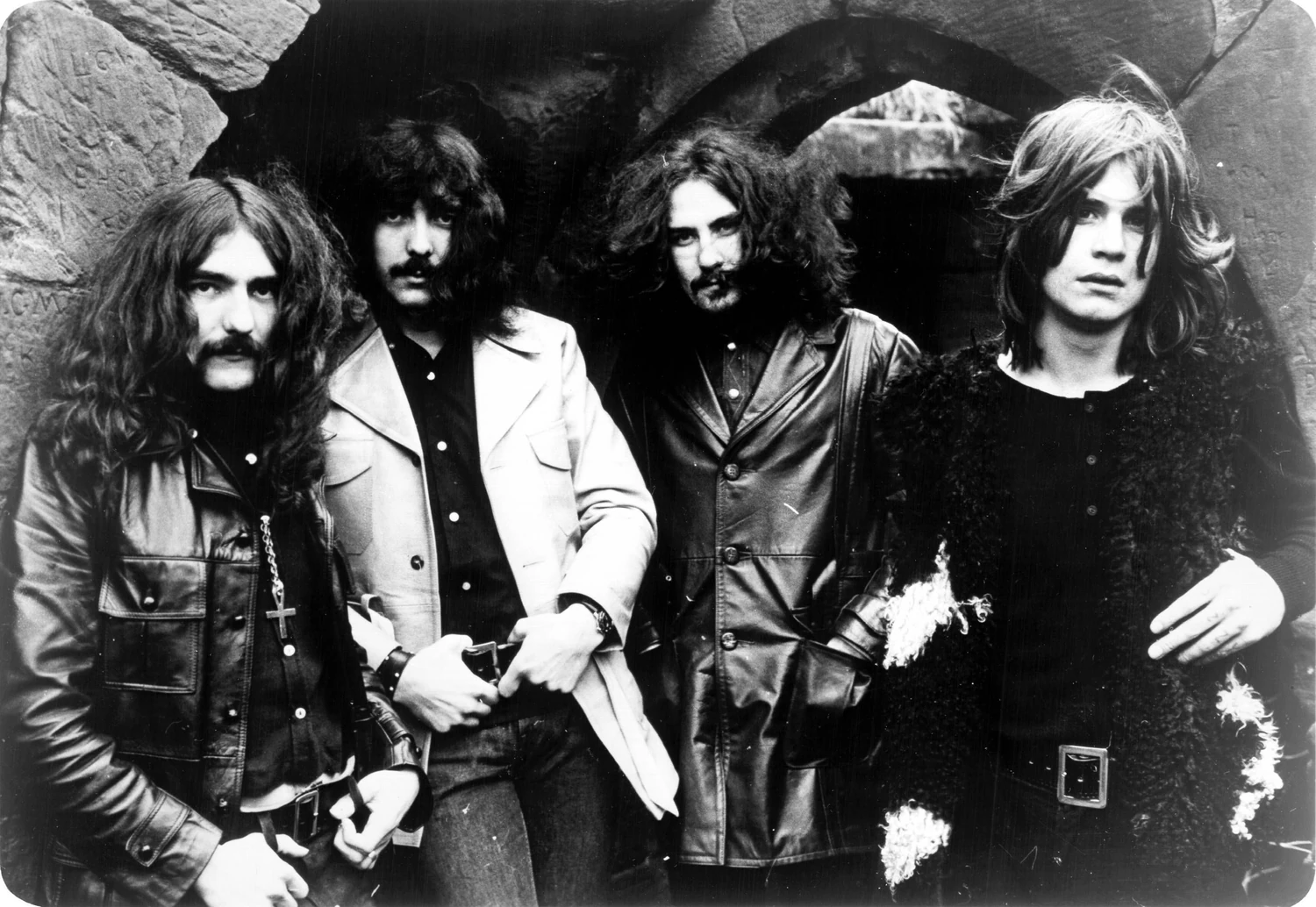
How Black Sabbath and Venom used dark or Satanic imagery, and why a song, stage character, and religious affiliation are different evidence.

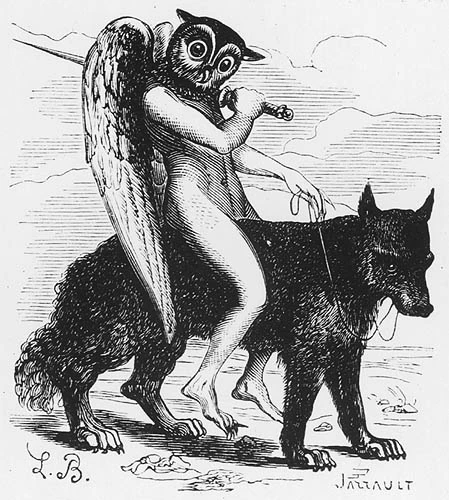
A Goetic marquis portrayed with a bird's head on a wolf, associated with discord and a warning of danger.

Anton LaVey’s collection of ceremonial material, published as a companion to The Satanic Bible.

A grimoire best known for its staged encounter and pact with Lucifuge Rofocale.

Prayer is intentional communication addressed to a deity, spirit, sacred power, or ultimate reality. It can include praise, petition, confession, thanksgiving, lament, dedication, silence, repetition, or simple direct speech. In theistic Satanism, prayer usually means addressing Satan or another spiritually real being rather than speaking only to oneself or performing a purely symbolic exercise.

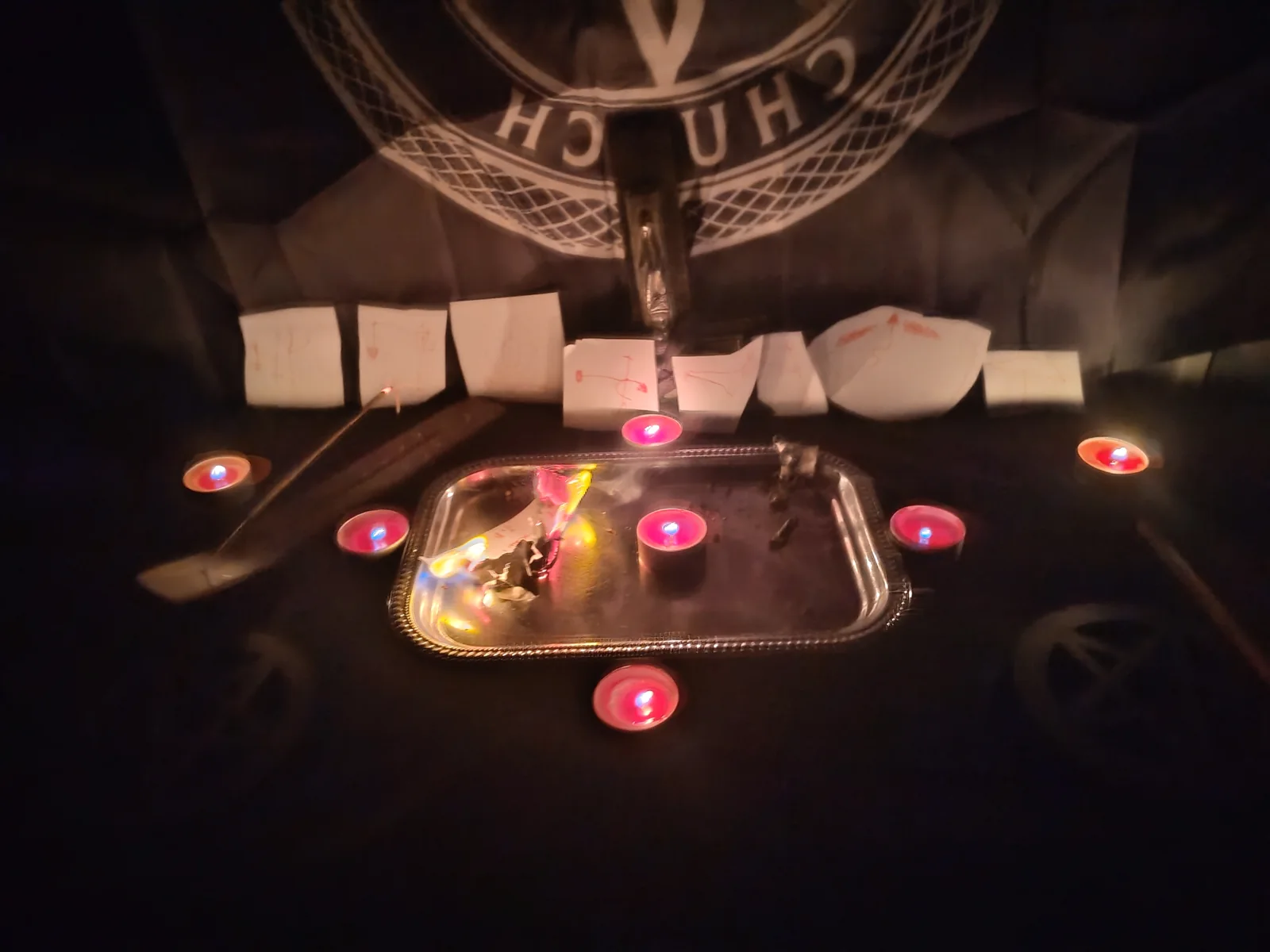
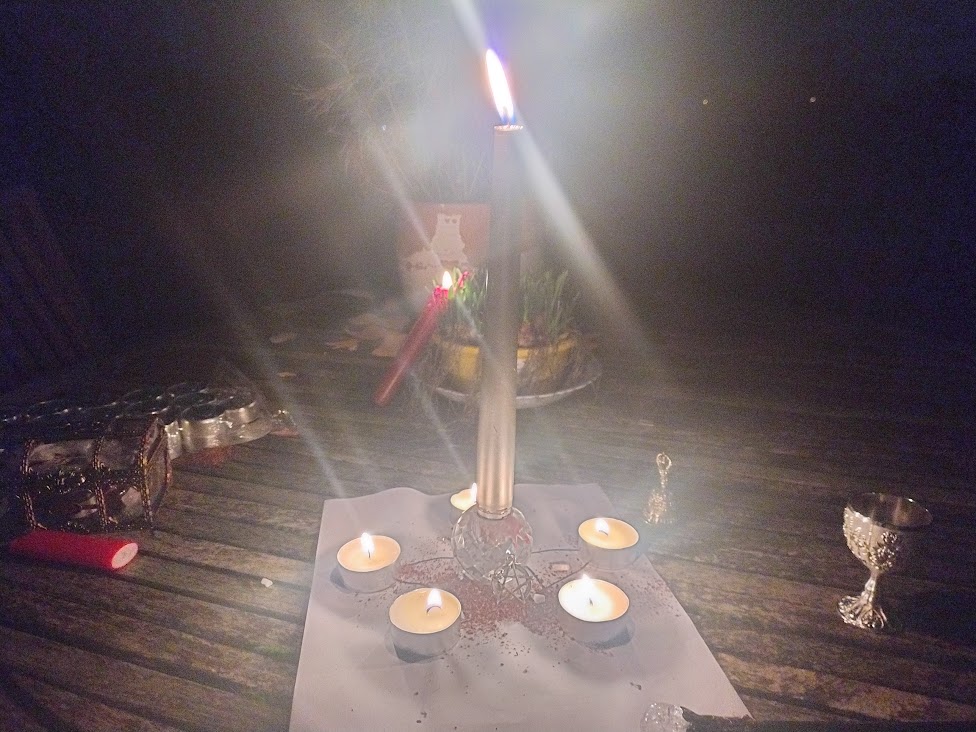
Ritual is patterned action given special religious, symbolic, social, or transformative significance. Ritual can mark time, establish sacred space, communicate with a deity, express commitment, create community, memorialize the dead, enact a transition, or focus attention on a chosen purpose. In theistic Satanism, ritual commonly includes devotional action directed toward Satan or other spirits…

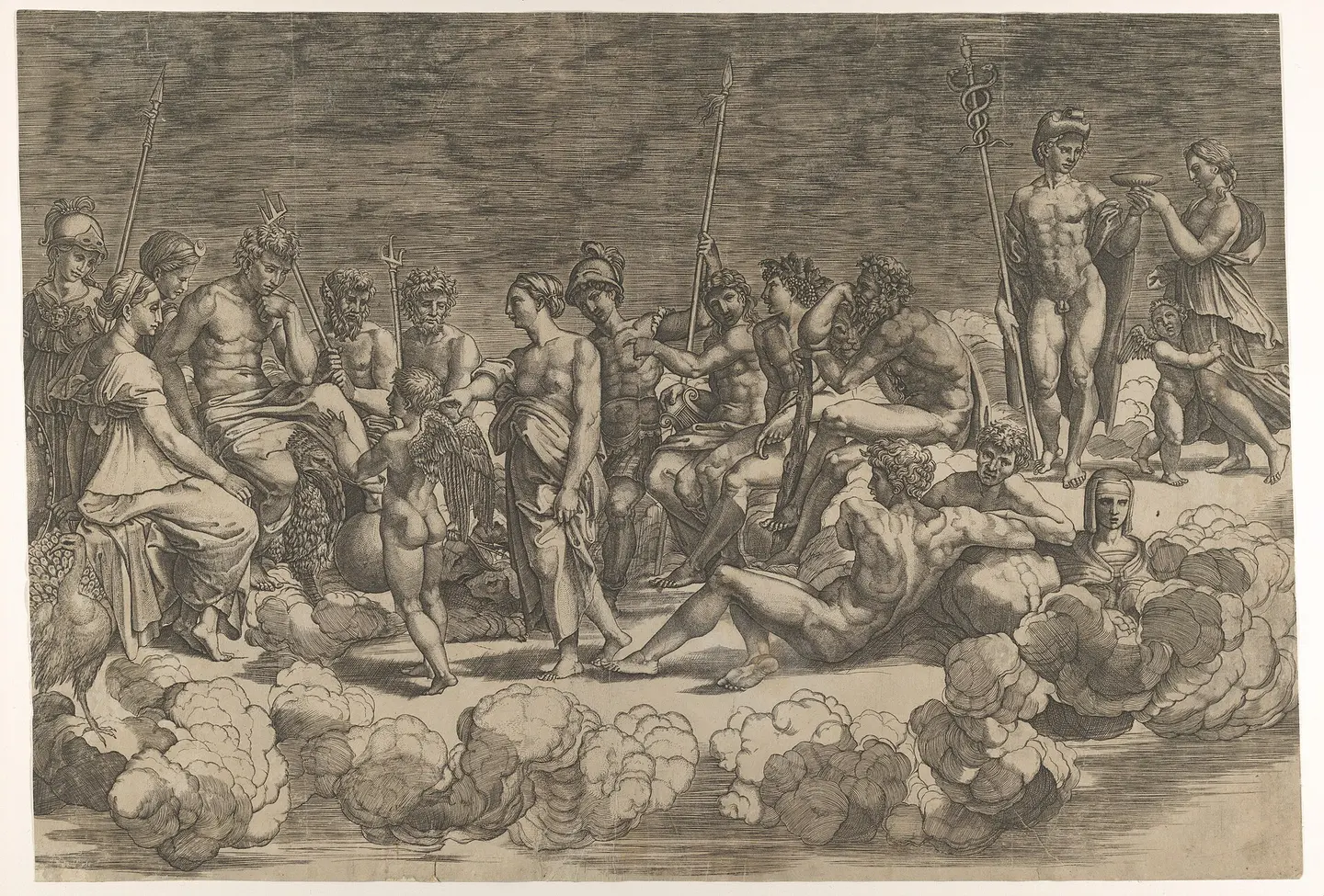
Polytheism involves belief in multiple deities. The existence of several gods does not by itself settle their relationships, moral authority, or the forms of devotion directed toward them.

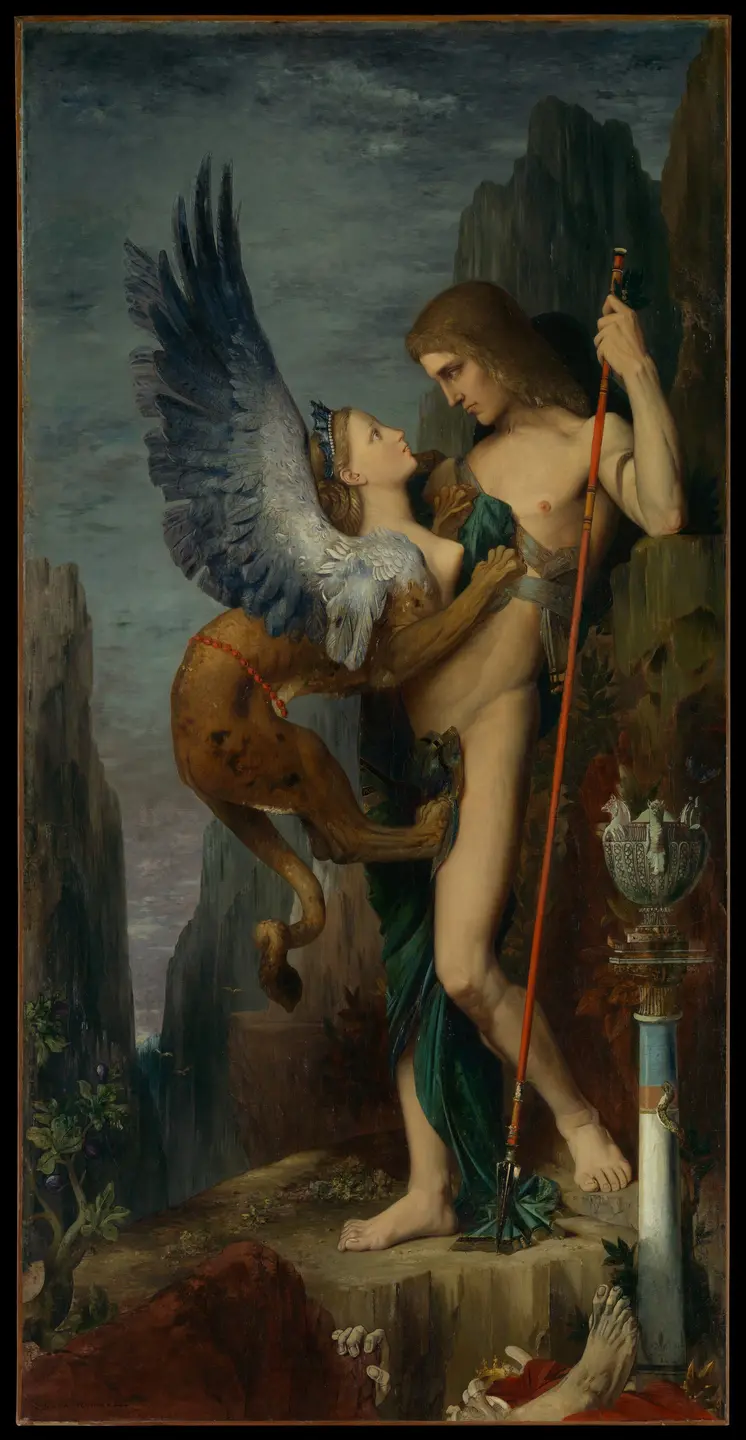
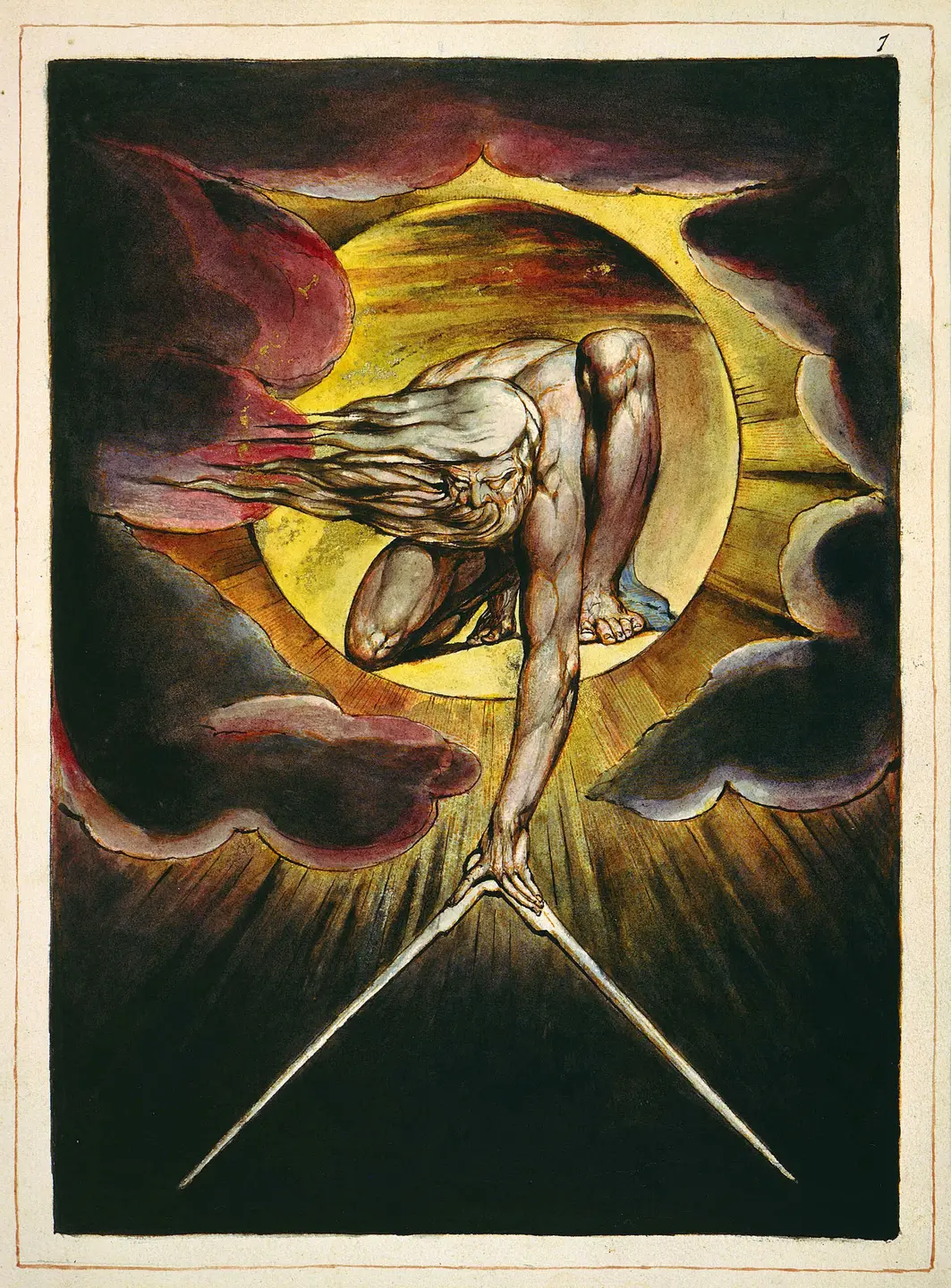
A religious myth can organize meaning while also receiving literal belief. Literary form, personal interpretation, and historical evidence should be discussed as related but distinct questions.

A peacock-shaped Goetic marquis associated with geometry, measurement, astronomy, and bird transformation.

A Goetic marquis appearing as a star, associated with plants, stones, and bird-like apparitions.

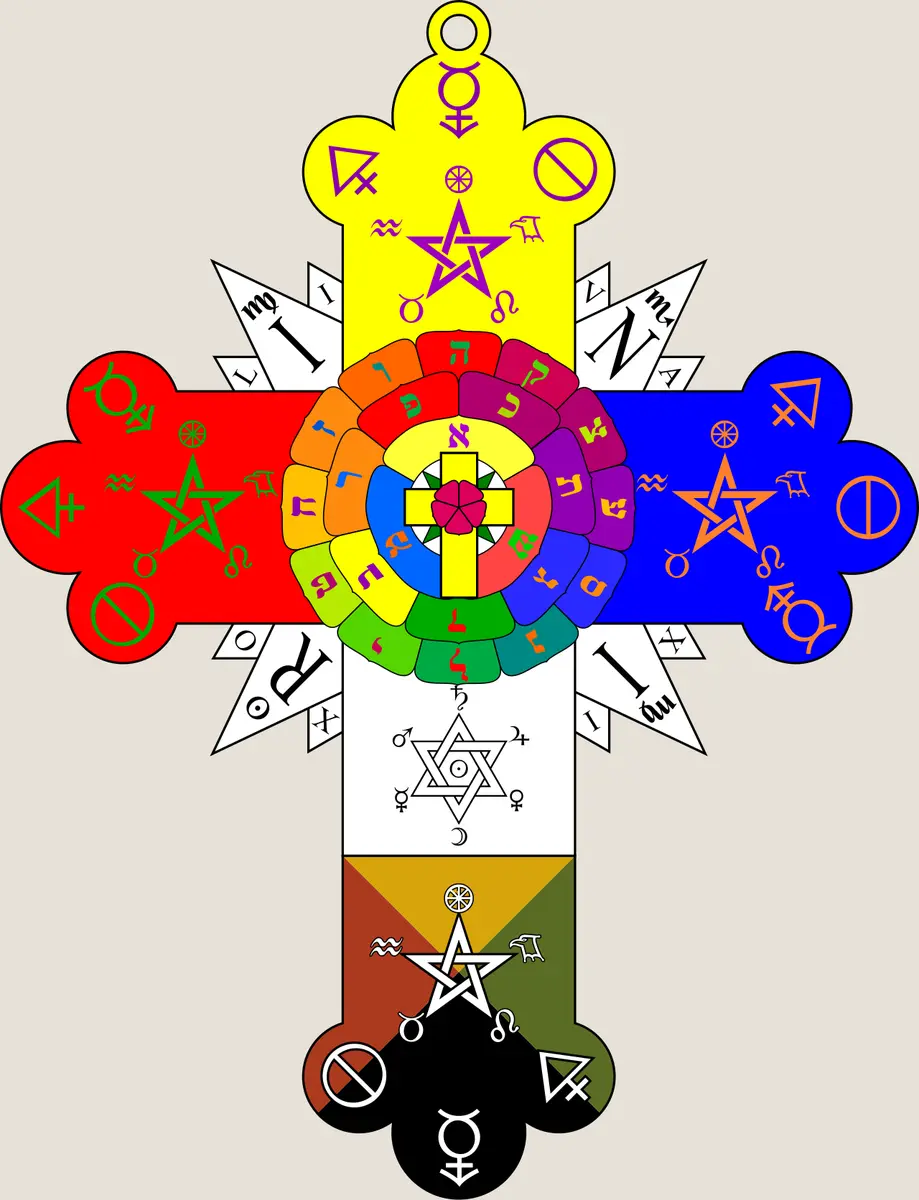
A late nineteenth-century British initiatory order that shaped modern ceremonial magic, Tarot, and Hermetic Qabalah.