Demonology & Spirits
Mastema
Mastema is a leader of harmful spirits in the Book of Jubilees. His appearances in the stories of Noah, Abraham, and Moses connect temptation, accusation, and hostility with a power that remains subject to divine limits.
Mastema is a leader of harmful spirits in the Book of Jubilees. His appearances in the stories of Noah, Abraham, and Moses connect temptation, accusation, and hostility with a power that remains subject to divine limits.
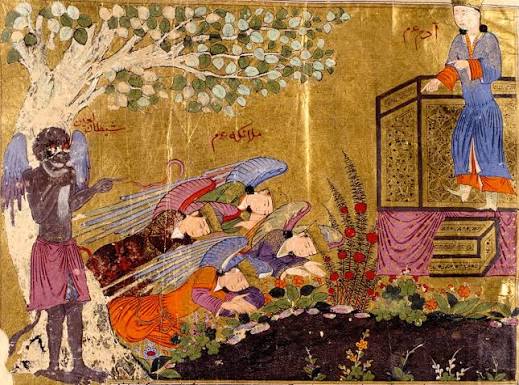
Iblis is the figure who refuses God’s command to bow to Adam in the Qur’an. Islamic commentary and Sufi literature explore his pride, his relationship to the jinn, his role as a tempter, and the meaning of his disobedience.
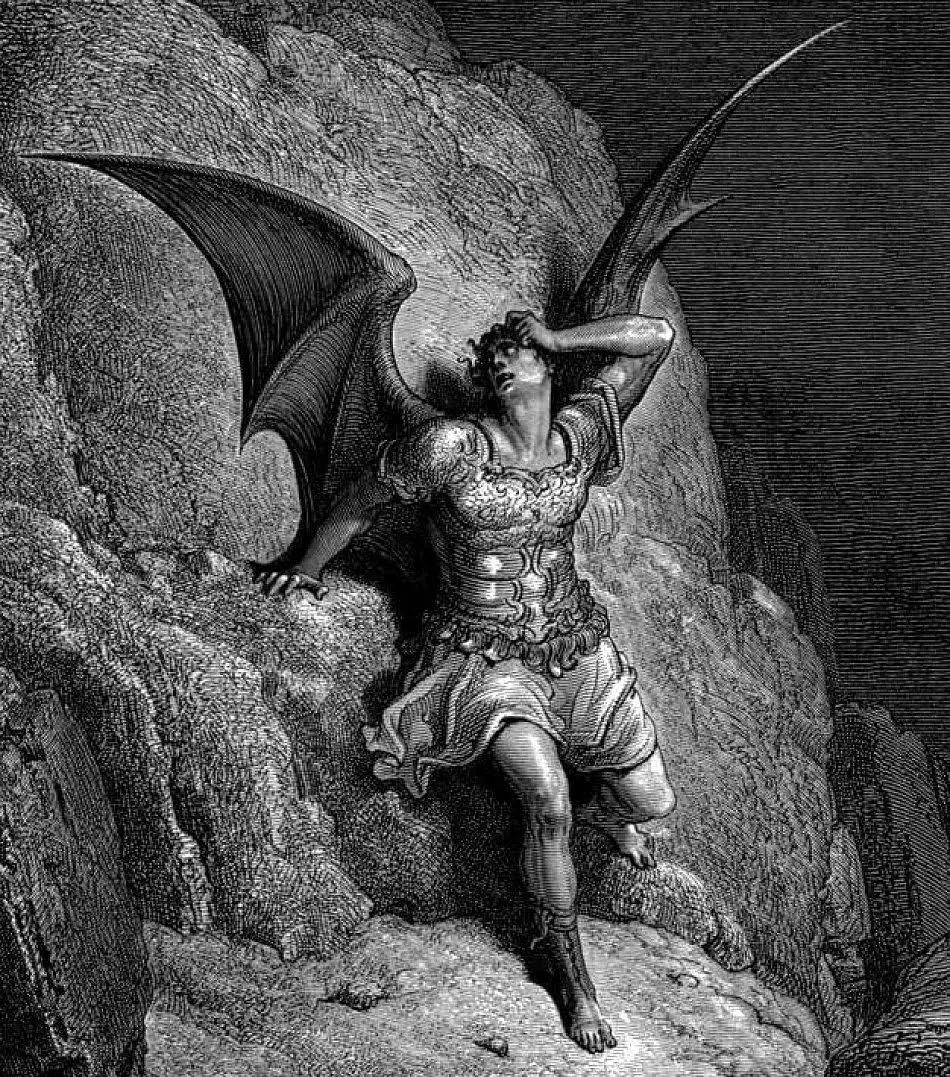
Satan is a figure whose meaning has changed substantially across Jewish, Christian, Islamic, literary, esoteric, and modern Satanic contexts. In contemporary theistic Satanism, Satan may be understood as a real deity, spirit, adversary, initiator, or metaphysical intelligence. Those modern interpretations draw on, but are not identical with, the much older history of the word and character.
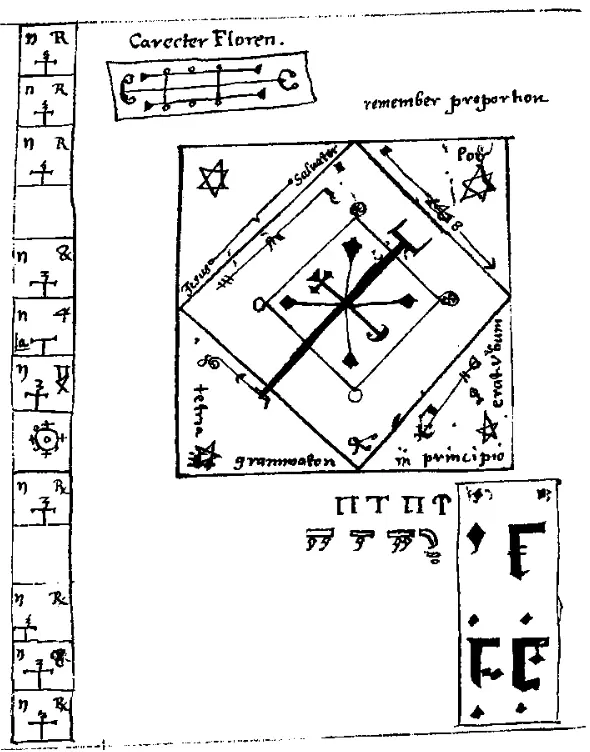
A grimoire is a book or manuscript containing magical knowledge, ritual procedures, charms, conjurations, talismans, spirit catalogues, astrological instructions, prayers, or other techniques intended to produce supernatural or occult effects. The term is most strongly associated with European magic, but scholars use it within a much wider history of magical books and written ritual technologies.

A Goetic duke, also called Procel, associated with geometry, hidden matters, and sounds of water.
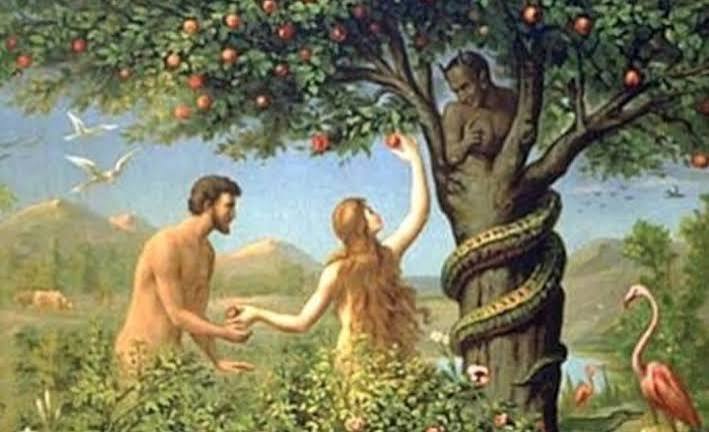
The serpent in Genesis 3 persuades the woman to eat from the tree of knowledge. The chapter does not name Satan. Later texts and interpretations connect the serpent with the Devil, adding to the history of the Eden story.

Grigoripedia is the official online encyclopedia of Satano-Grigorism, maintained by members of the Grigorist Temple of Satanael. Launched in June 2026 according to its About page, it documents the religion’s beliefs, deities, scriptures, history, holidays, and terminology from a Satano-Grigorist perspective.
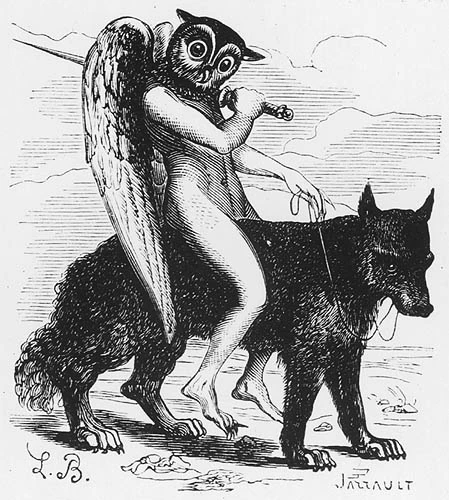
A Goetic marquis portrayed with a bird's head on a wolf, associated with discord and a warning of danger.
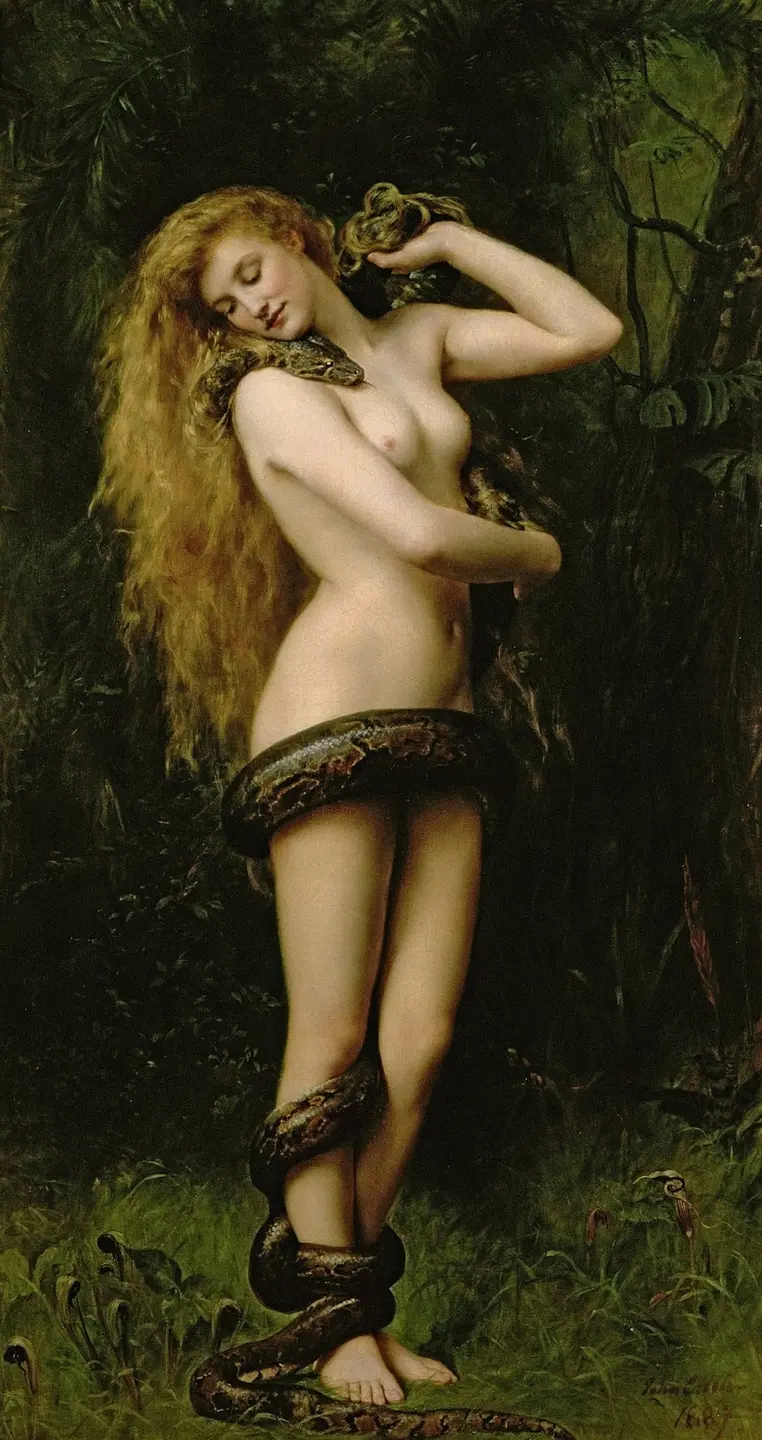
Lilith is a figure whose history spans ancient Near Eastern demonology, Jewish folklore, medieval protective magic, Kabbalah, literature, feminist reinterpretation, modern occultism, and contemporary Satanic or Luciferian religion. She is often introduced today as “Adam’s first wife,” but that familiar story is medieval rather than biblical. Earlier sources describe beings called lilith or lilin in…
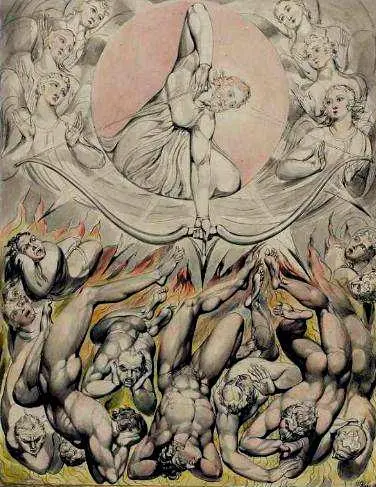
The Watchers are heavenly beings whose descent, teachings, and punishment are narrated in 1 Enoch. Their literary identity must be distinguished from later religious interpretations.
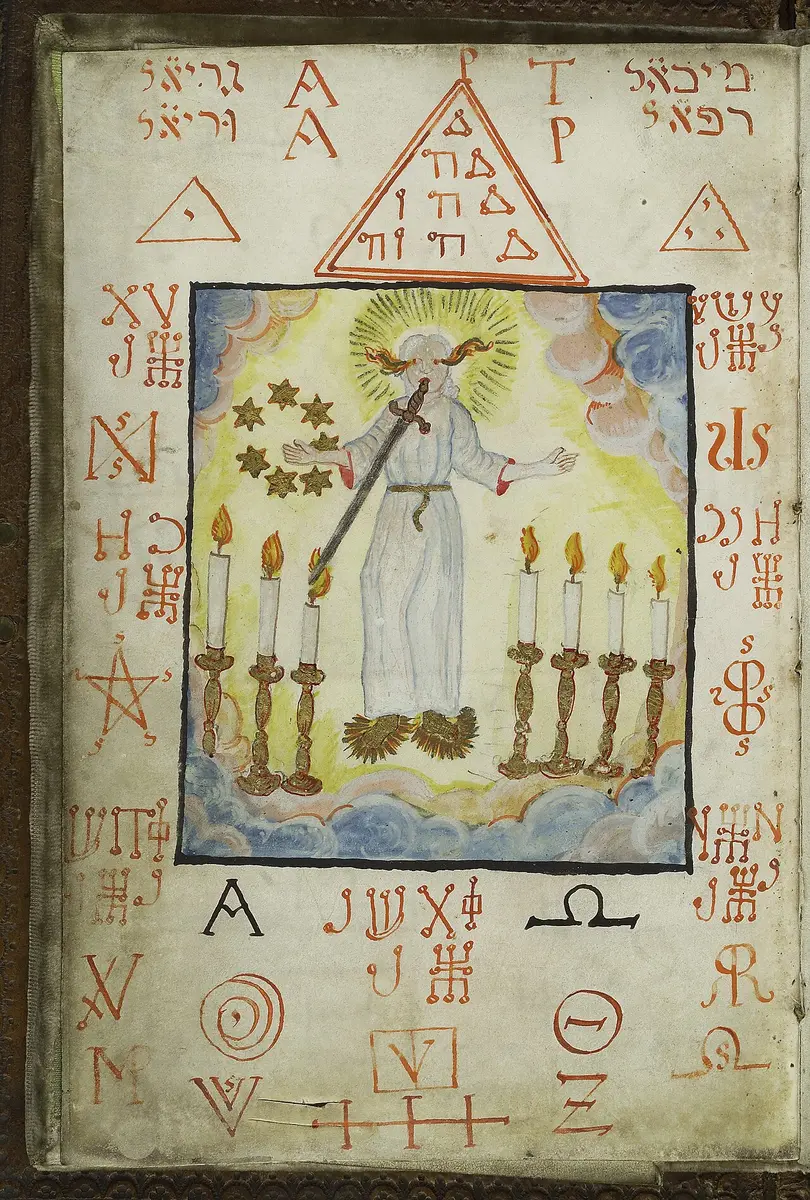
The Hebrew Enochic work associated with heavenly palaces and Enoch’s transformation into Metatron.
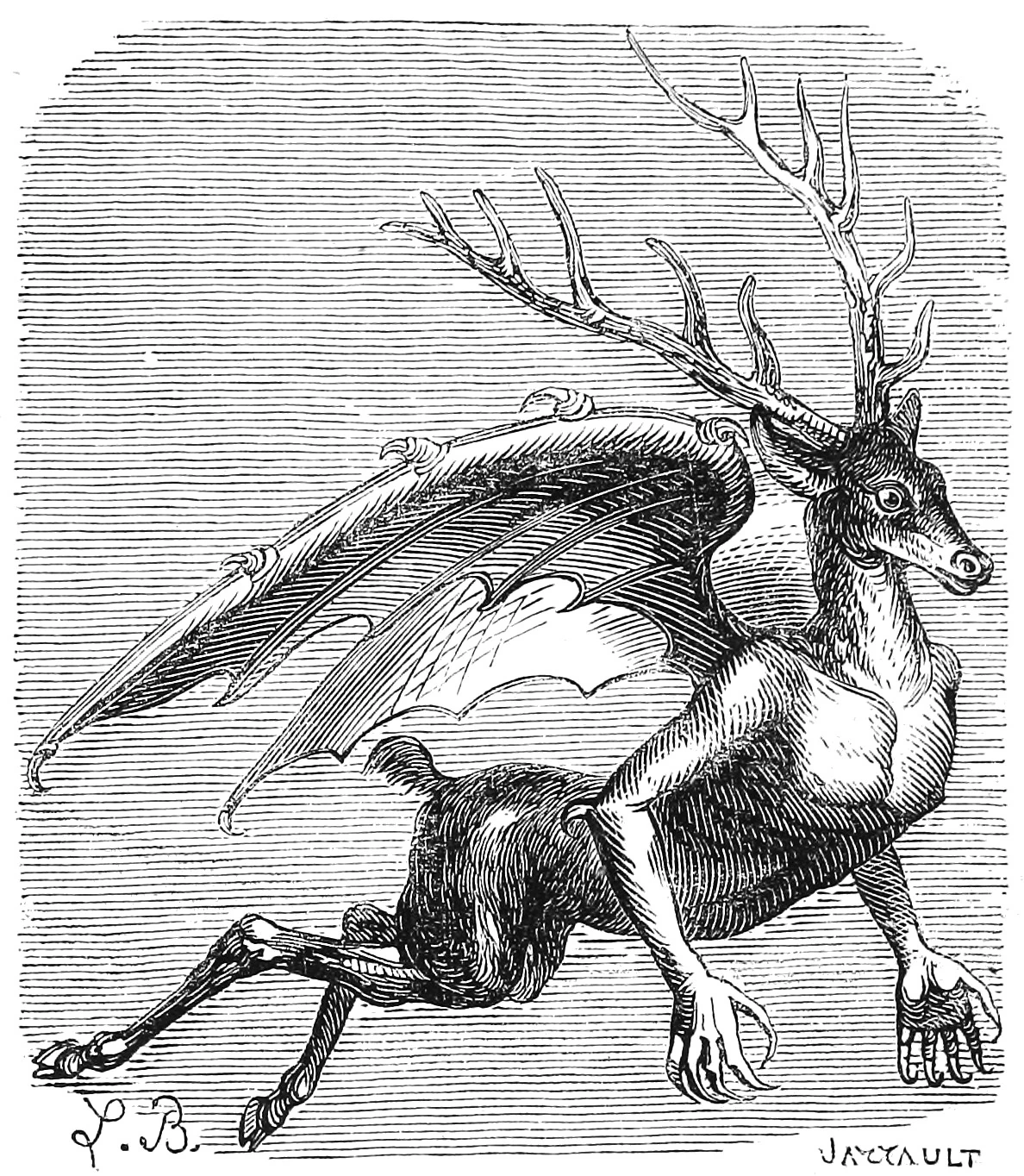
A Goetic earl depicted as a hart with a fiery tail, associated with storms and constrained answers.
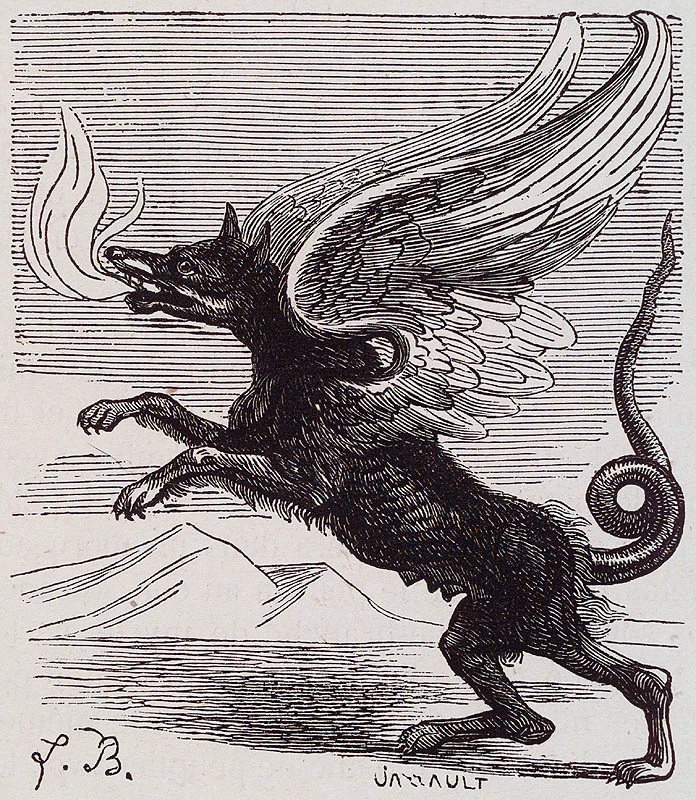
A Goetic marquis with a winged wolf form, described as a fighter who hopes to return to a heavenly throne.
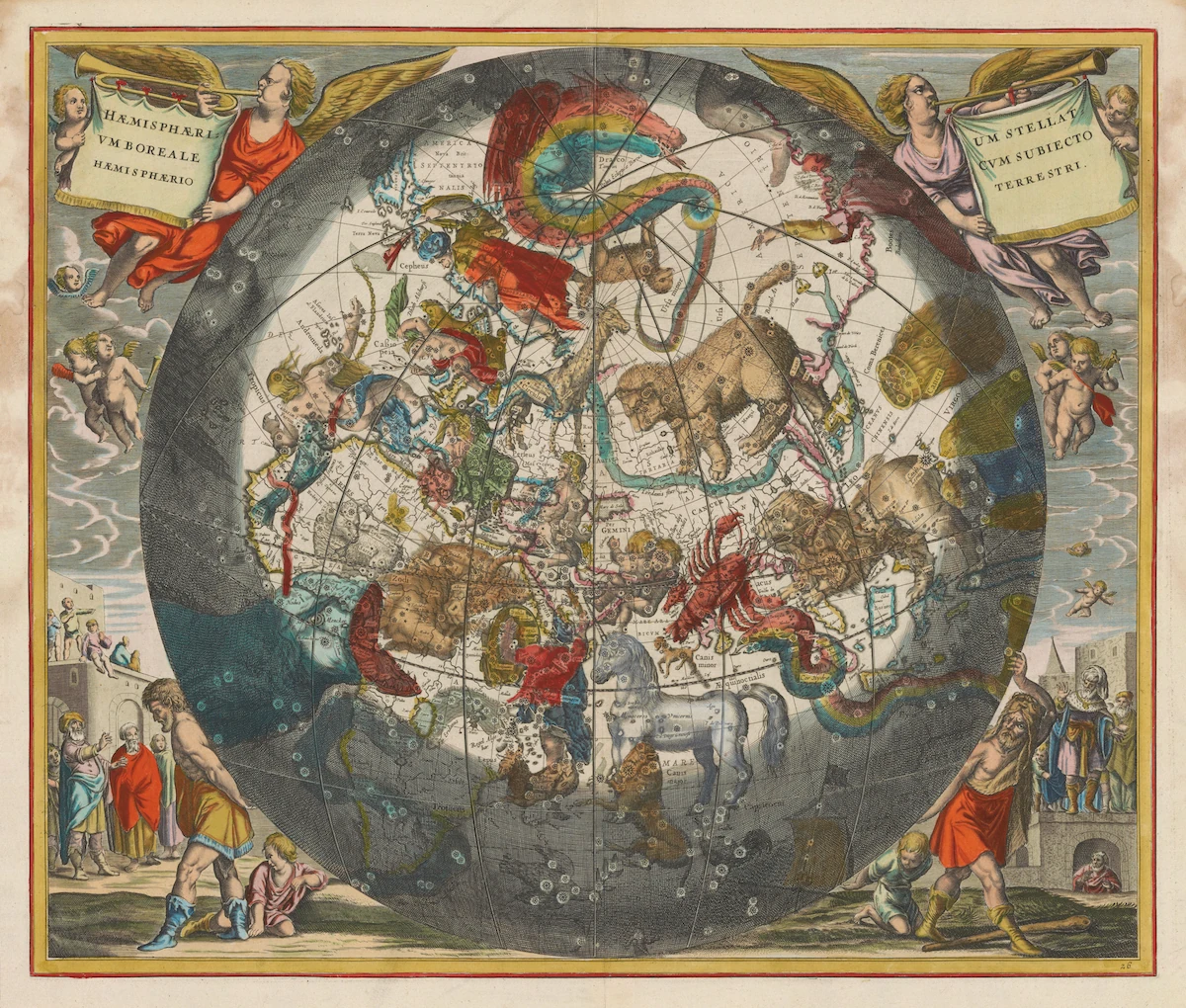
Magical systems using the seven traditional planets through timing, correspondences, images, and invocations.
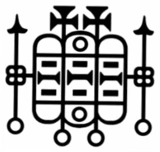
Semjaza is a leading figure in the Enochic account of the Watchers’ oath and descent. His role differs from the teaching and punishment associated with Azazel.
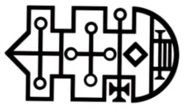
A Goetic marquis described as a sea monster, associated with language, reputation, and rhetoric.
A Goetic earl associated with royal treasure, the destruction of cities, and altered relationships.
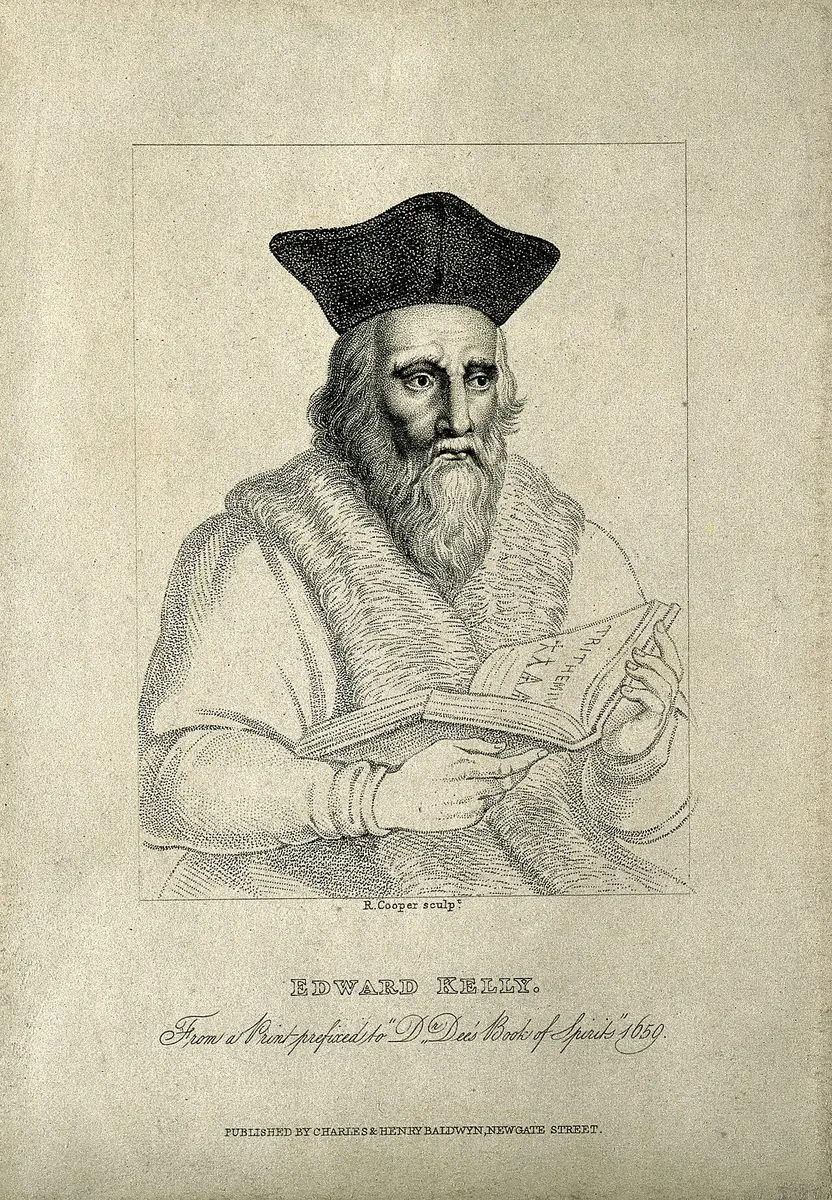
The scryer associated with John Dee’s recorded spirit conversations and later alchemical pursuits.
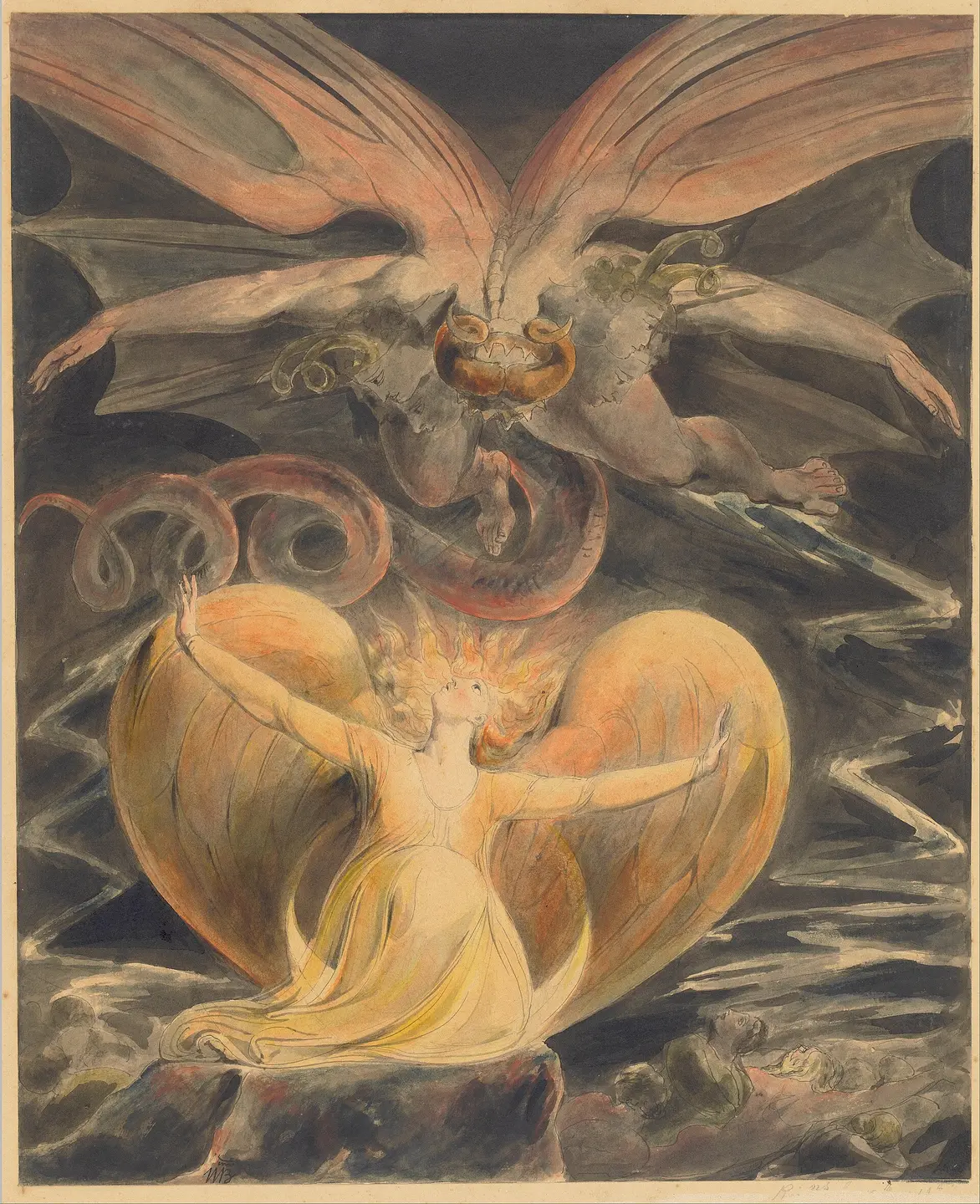
Revelation 12 identifies its dragon with the Devil and Satan. The chapter’s imagery should be read in its apocalyptic narrative before being used to interpret other passages.
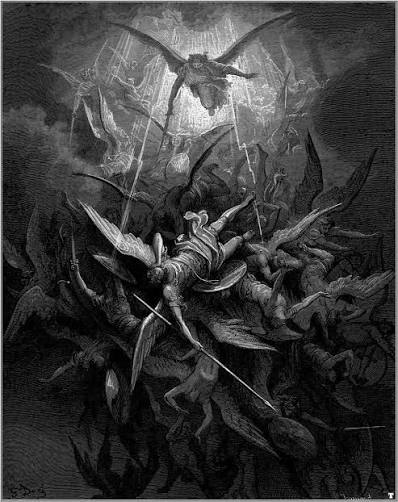
The Book of Giants names a fragmentary Jewish Enochic work represented at Qumran and a related Manichaean adaptation. Its surviving witnesses concern the offspring of the Watchers, ominous dreams, Enoch, and impending judgment.