History
Rosicrucianism
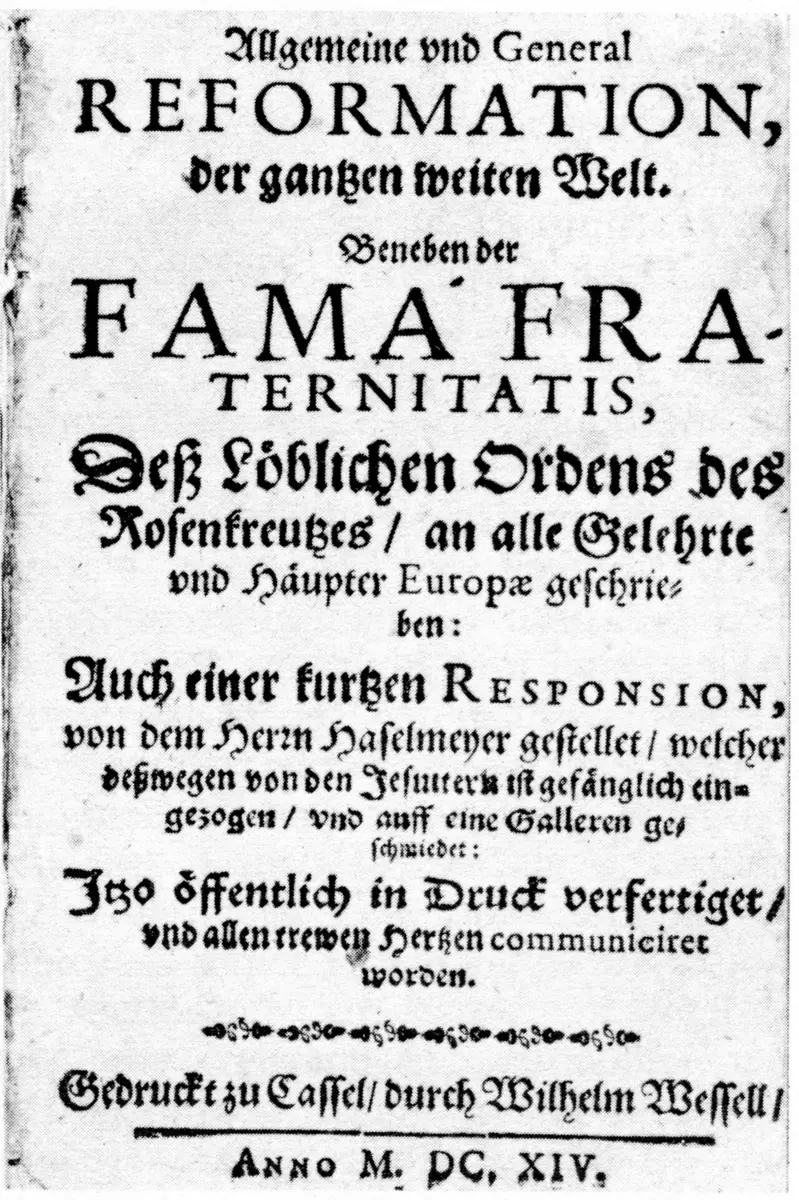
Traditions associated with the rose and cross, the early modern Rosicrucian manifestos, and later initiatory societies.
Traditions associated with the rose and cross, the early modern Rosicrucian manifestos, and later initiatory societies.
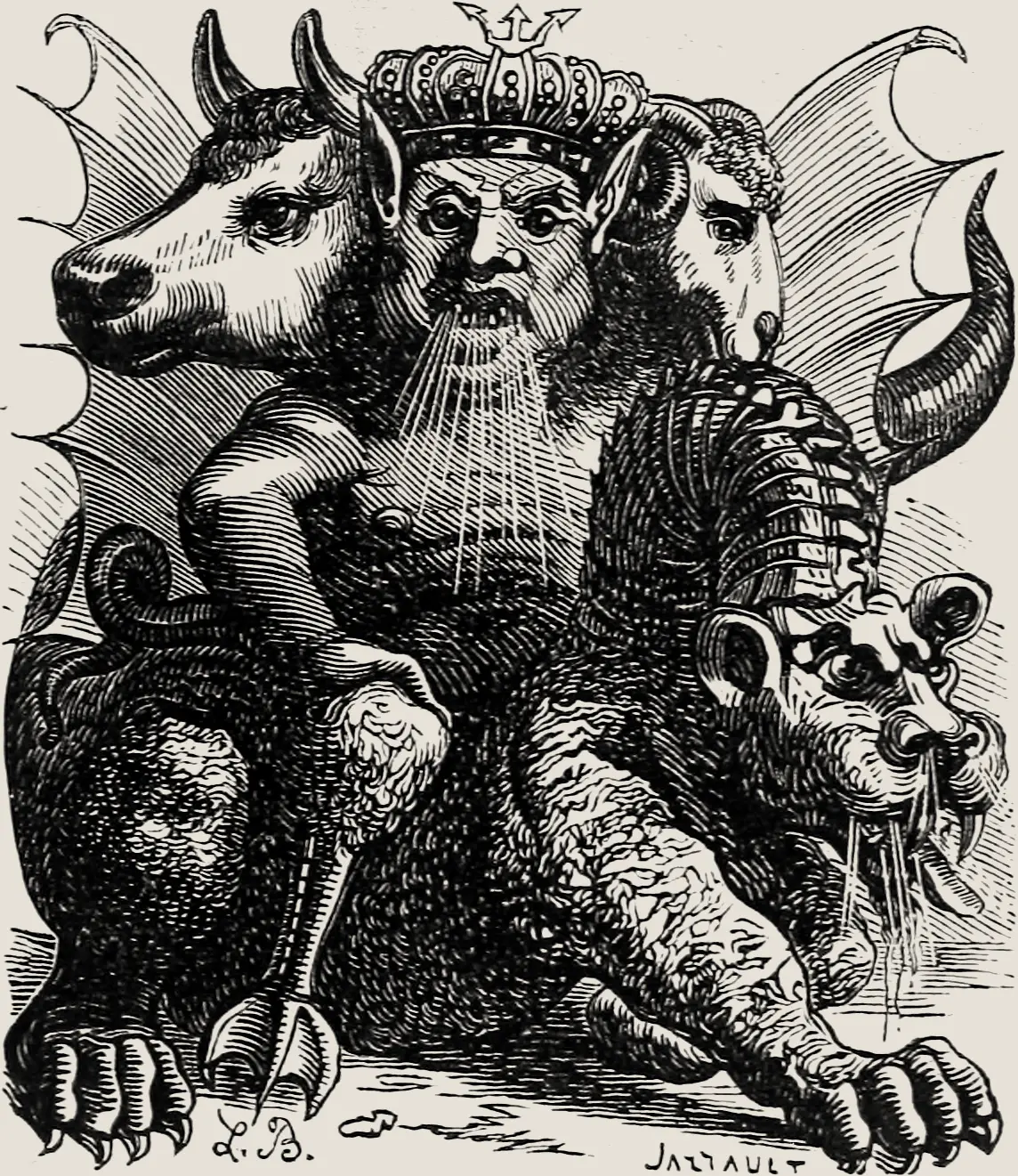
Asmodeus appears in the narrative of Tobit and in later magical and demonological literature. His different roles reflect the purposes of those texts.
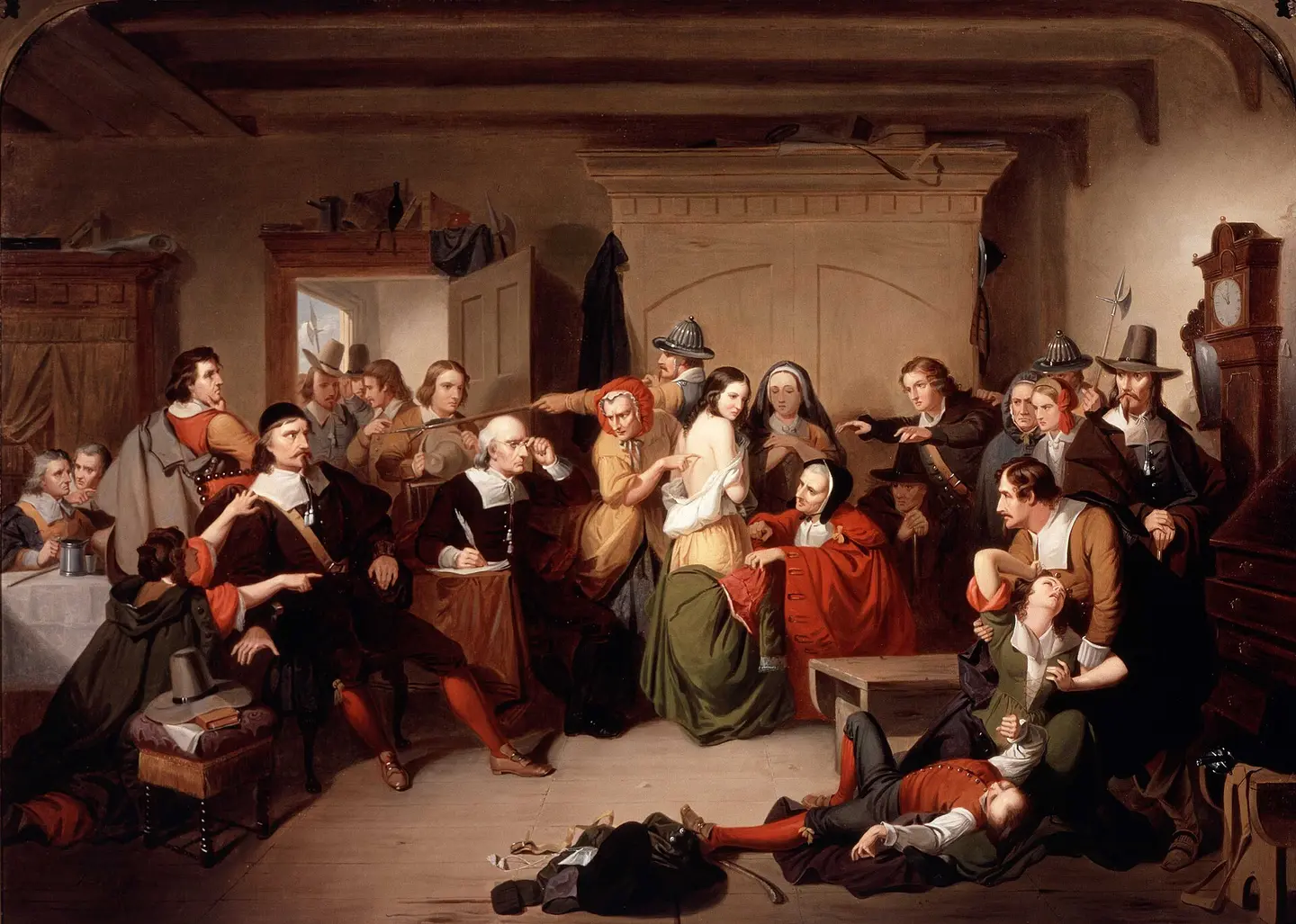
Witch trials produced records of accusations about harmful magic and the Devil. Those records require attention to how testimony was obtained and to the purposes of judges and writers.
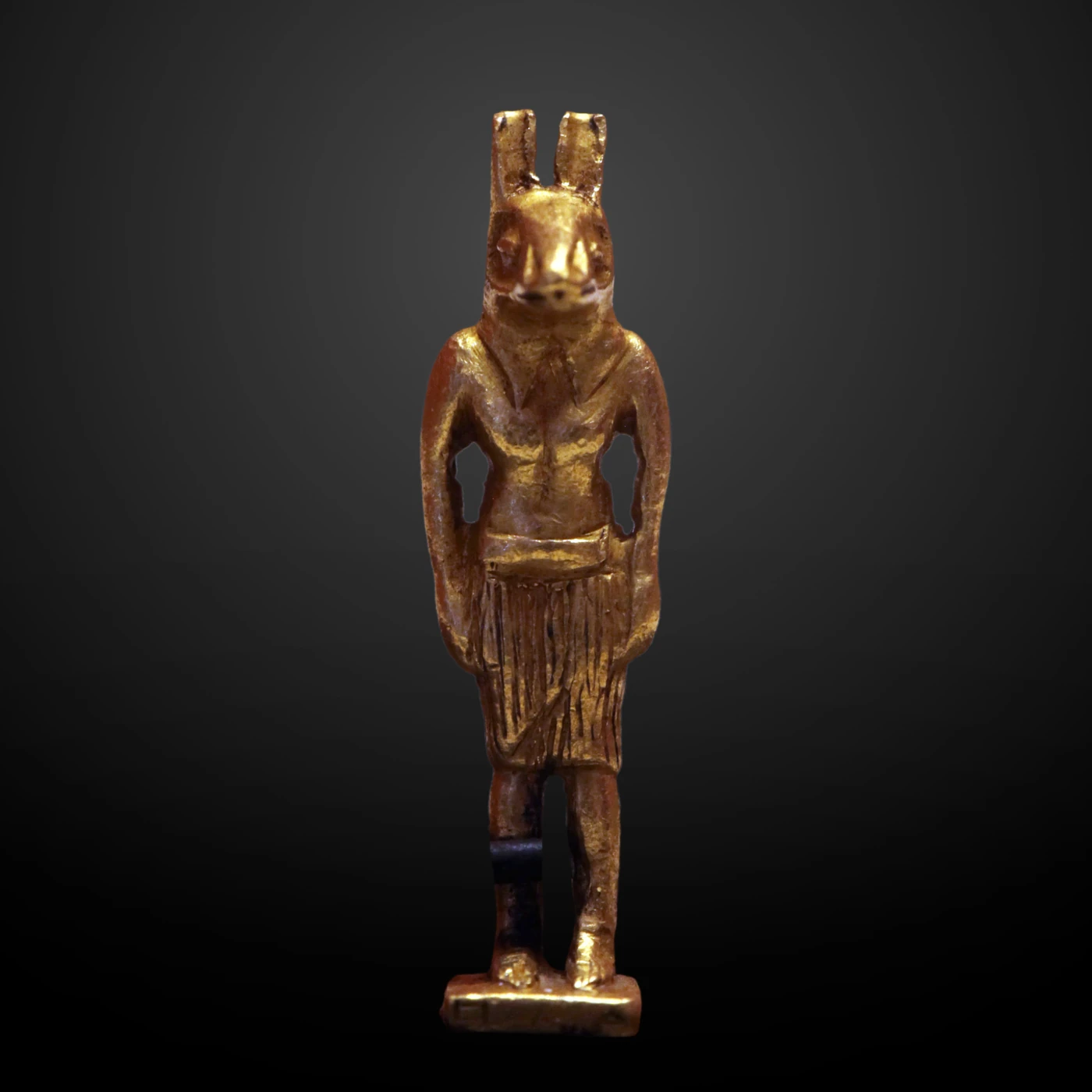
The Temple of Set is an initiatory organization whose identity centers on Set and Xeper. Its relationship with Satanism requires attention to both historical origins and later self-description.
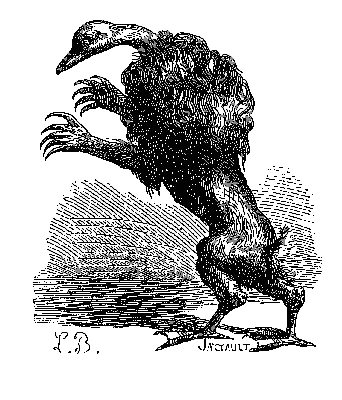
A Goetic spirit with an angelic body, lion head, goose foot, and hare tail, associated with knowledge and boldness.

A German magical fraternity whose teaching gives Saturn a central symbolic and initiatory role.
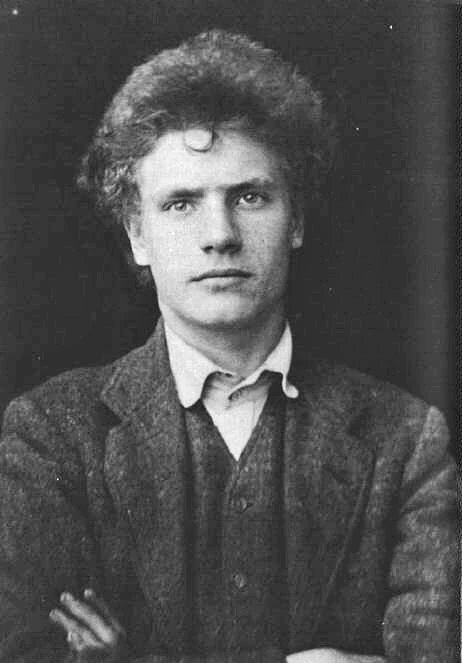
An English artist and occult author whose treatment of desire and sigils influenced later magical practice.
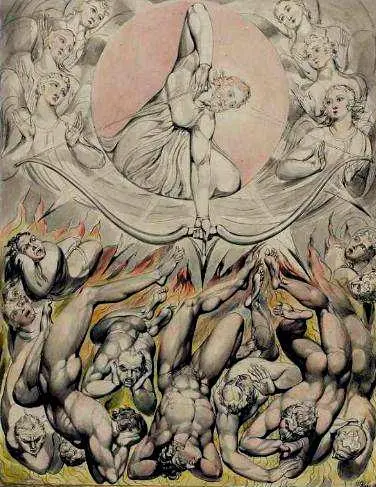
The Watchers are heavenly beings whose descent, teachings, and punishment are narrated in 1 Enoch. Their literary identity must be distinguished from later religious interpretations.
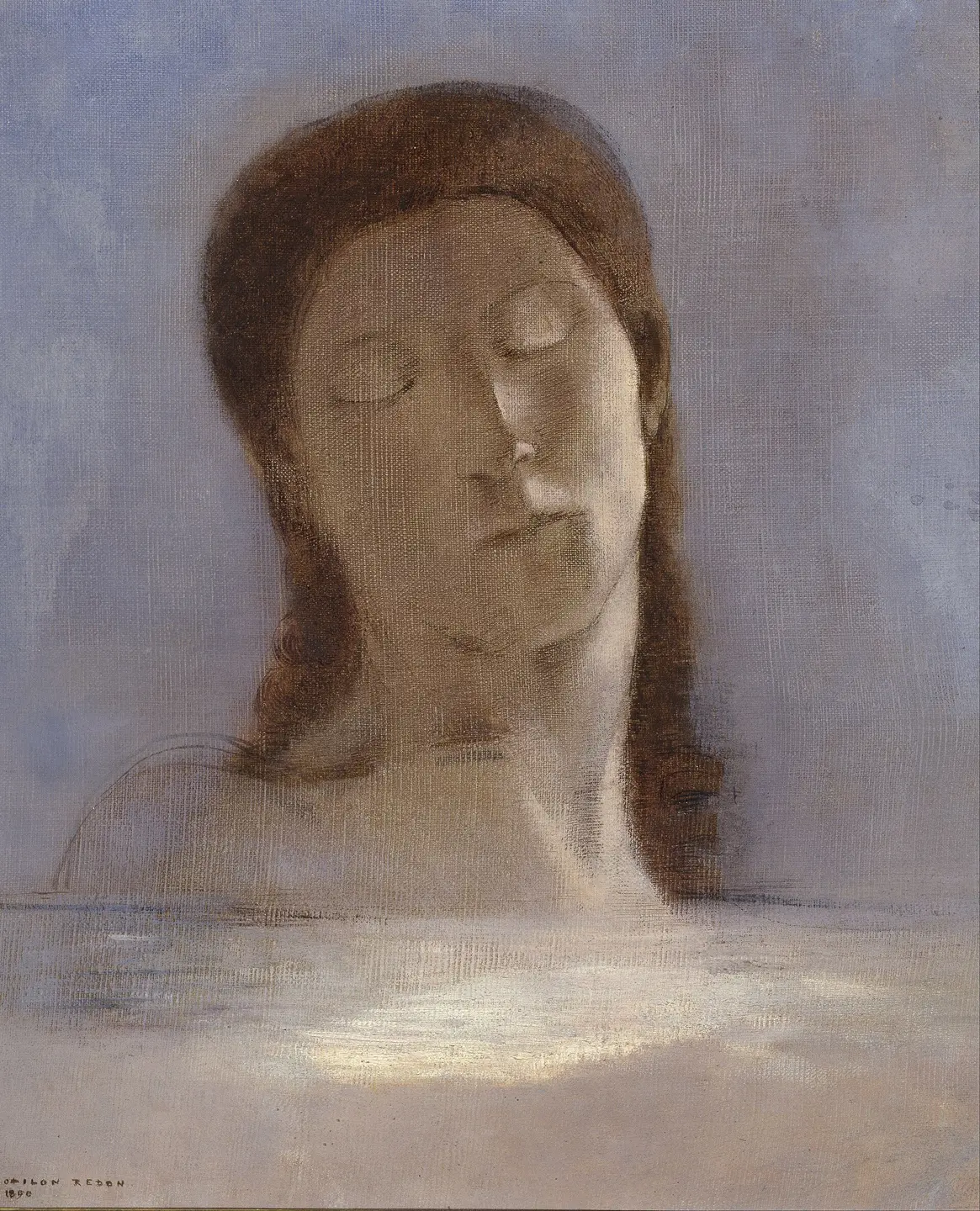
Unverified personal gnosis identifies a spiritual claim or interpretation whose source is personal experience rather than established textual or communal authority.
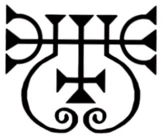
A Goetic duke depicted as a red-clad soldier whose entry concerns attraction and fertility.
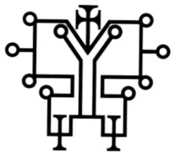
A mounted Goetic marquis whose office includes the stars, planetary mansions, and social dignities.
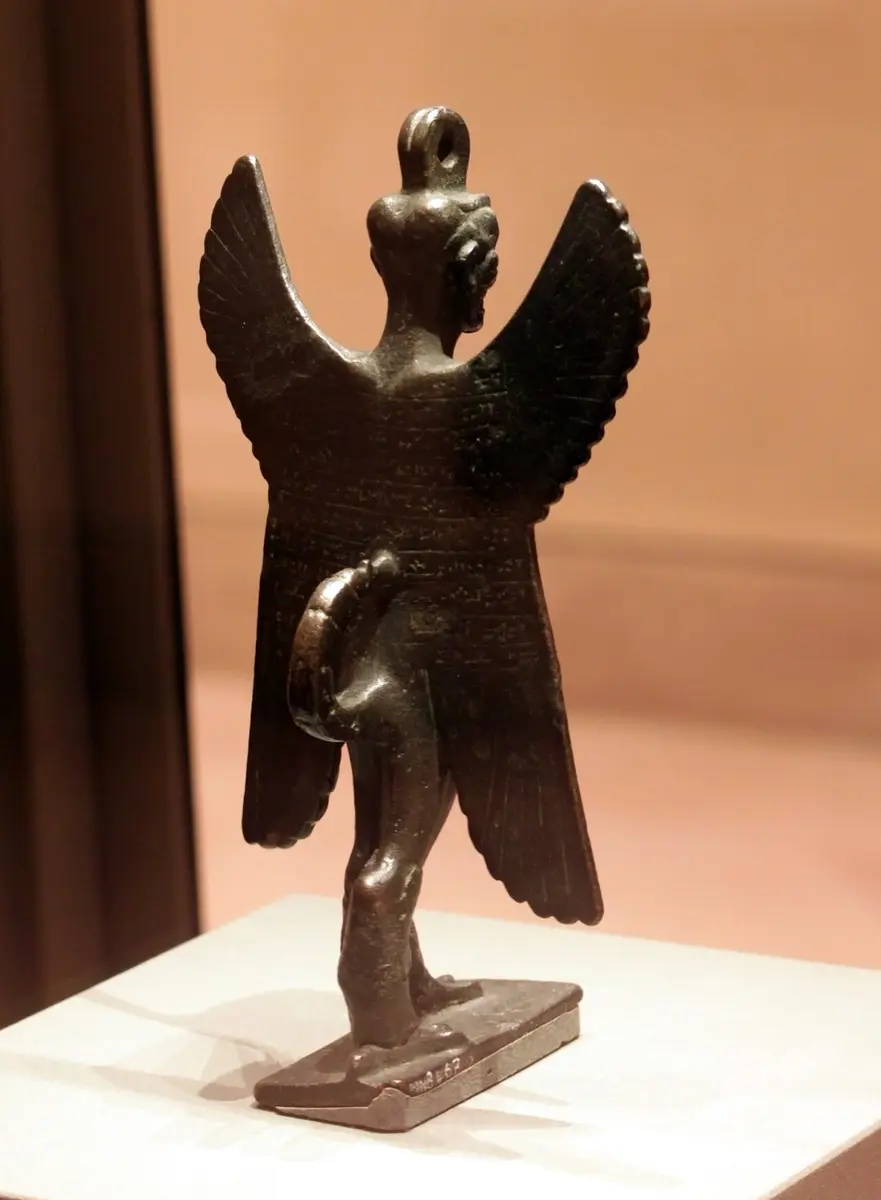
A Mesopotamian wind demon whose image was also used protectively, especially against Lamashtu.
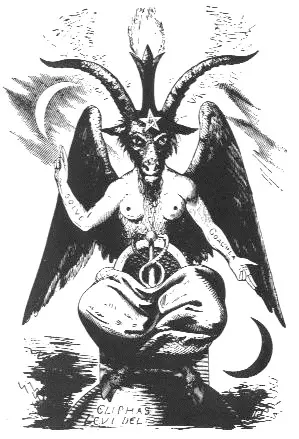
The images, names, and gestures used by Satanic traditions, whose meanings depend on their religious and historical setting.
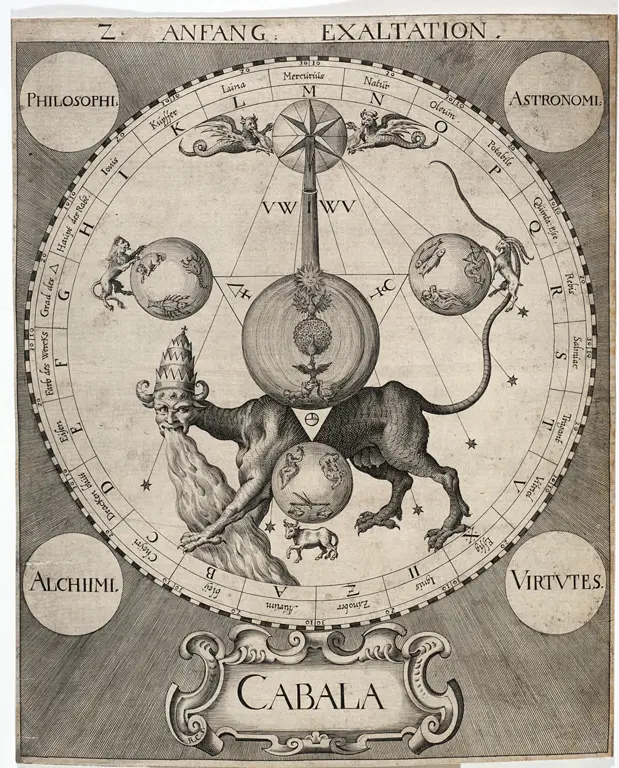
An initiatory order whose Draconian system brings together Qliphoth, Goetic magic, alchemy, and other esoteric traditions.
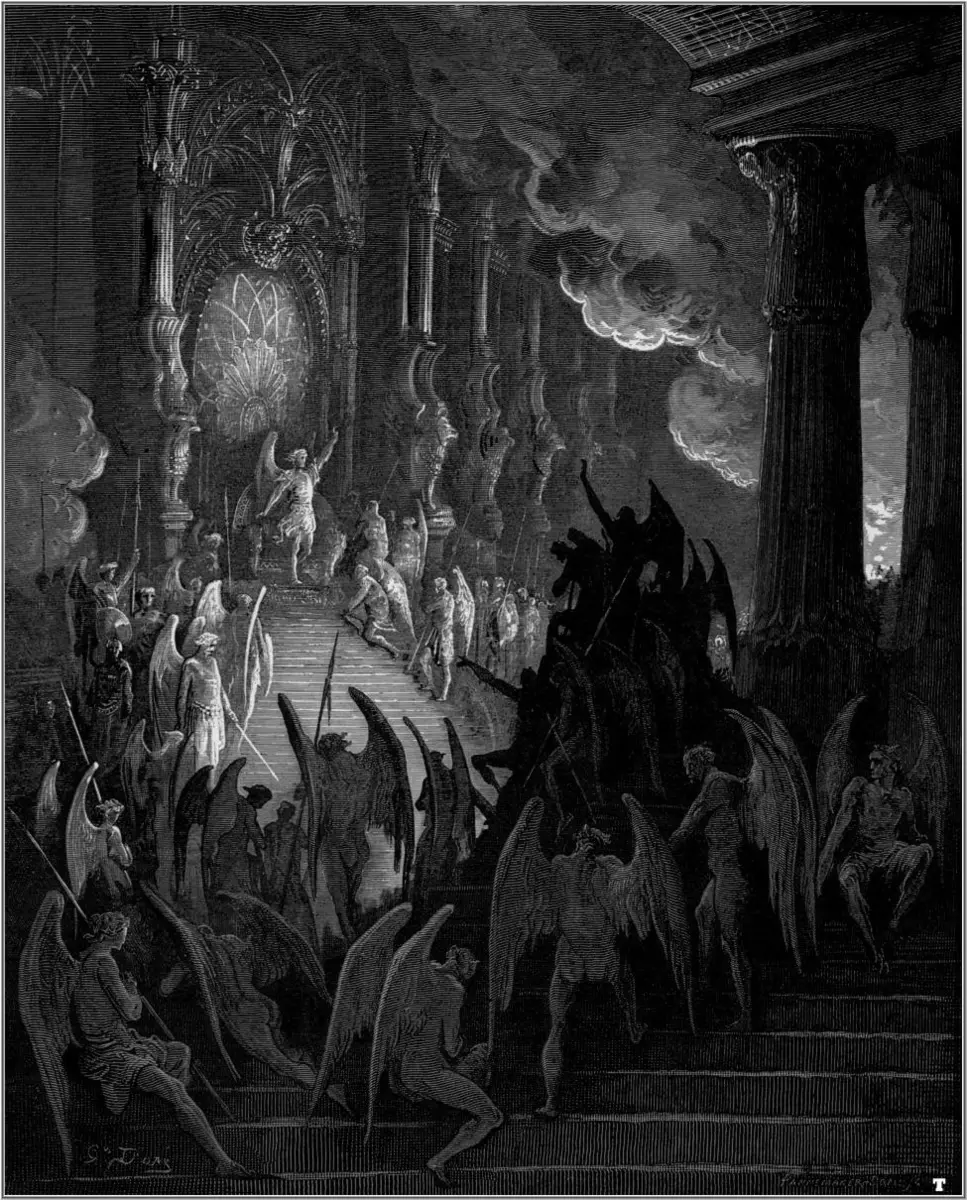
A nontheistic Satanic organization whose public principles emphasize self-determination, compassion, and responsibility.
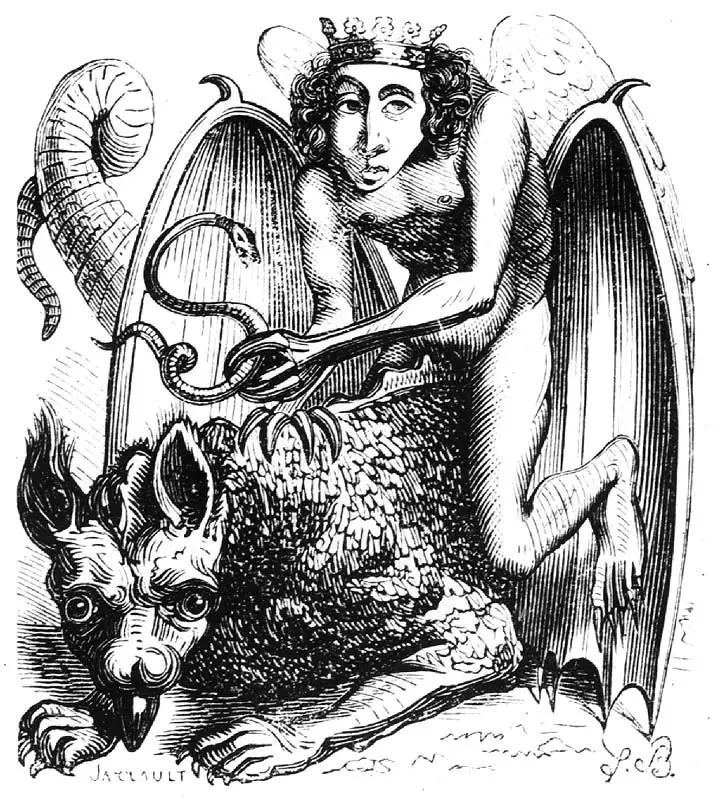
Astaroth appears in early modern spirit catalogues and later illustrated demonology. Source editions matter when comparing the figure’s rank, appearance, and supposed knowledge.
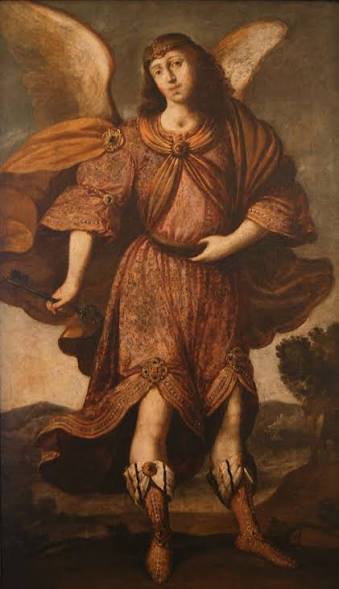
Raziel is an angel associated with the revelation of divine secrets, especially the legendary book given to Adam. His name appears in Jewish interpretive and magical literature and later Western esotericism, where Agrippa connects him with Chokmah, or Wisdom.
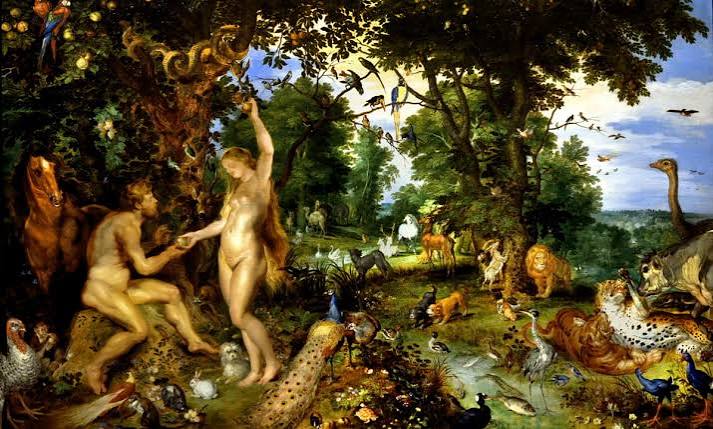
The Life of Adam and Eve is a group of related apocryphal narratives about the first humans. Its versions expand the Eden story through accounts of repentance, the Devil’s hostility, illness, burial, and hoped-for restoration.
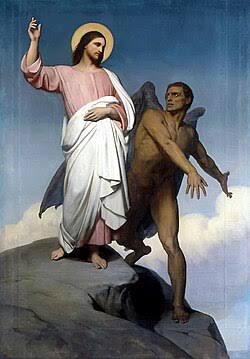
The temptation of Jesus is an encounter with Satan in the wilderness narrated by Matthew, Mark, and Luke. Its differing forms connect hunger, divine sonship, scriptural argument, worldly rule, and worship.
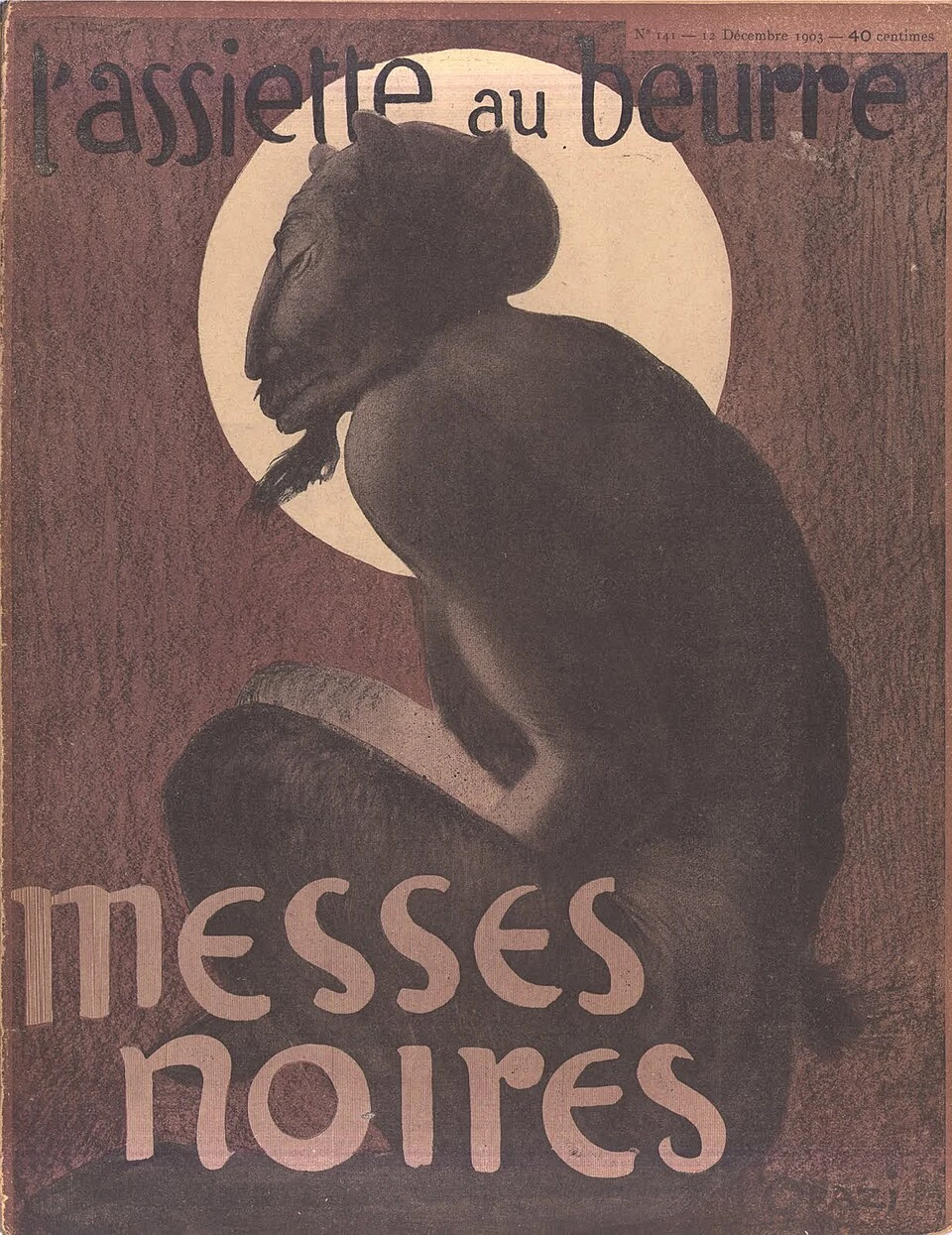
A term for ritual inversion of Christian worship, with Huysmans's literary portrayal and a modern distinction from Satanic Mass.