Demonology & Spirits
Halphas
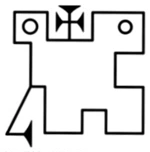
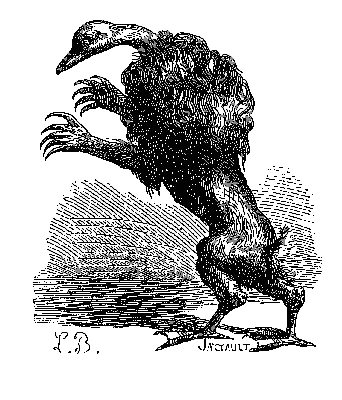
A Goetic earl associated with fortification and military supply, often confused with Malphas.
A Goetic earl associated with fortification and military supply, often confused with Malphas.
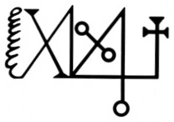
A Goetic duke with griffin wings, associated with winds, the sea, and shipwreck.

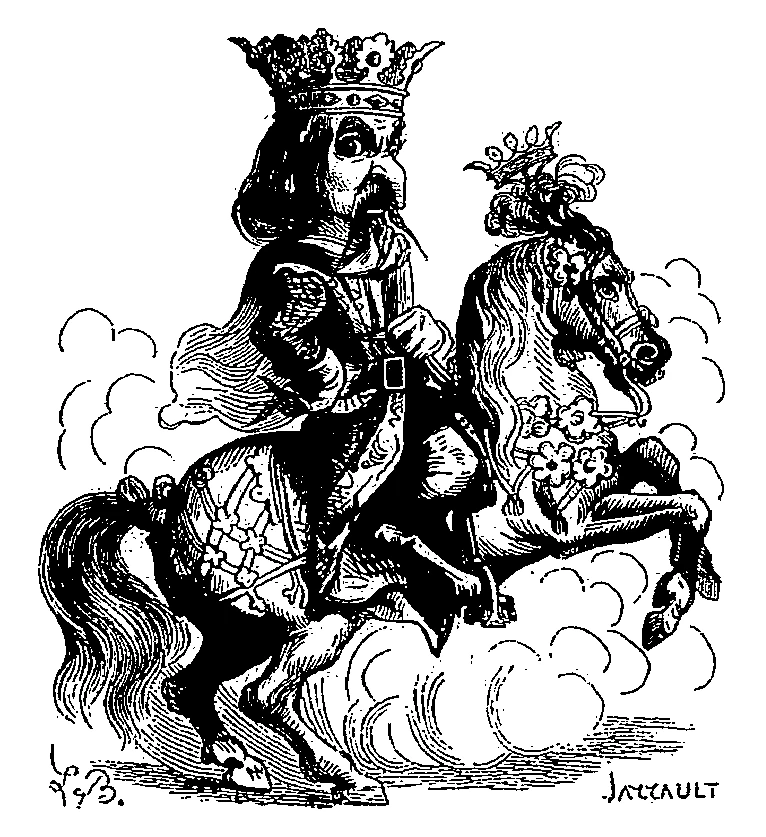
A Goetic spirit with royal and comital rank, associated with hidden things, walls, and stormy waters.
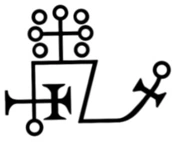
A many-faced Goetic duke carrying a book, associated with thoughts, knowledge, and visions of other people.
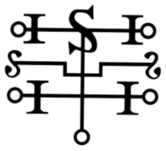
The final Goetic spirit, associated with stolen goods, concealed wrongdoing, and hidden treasure.
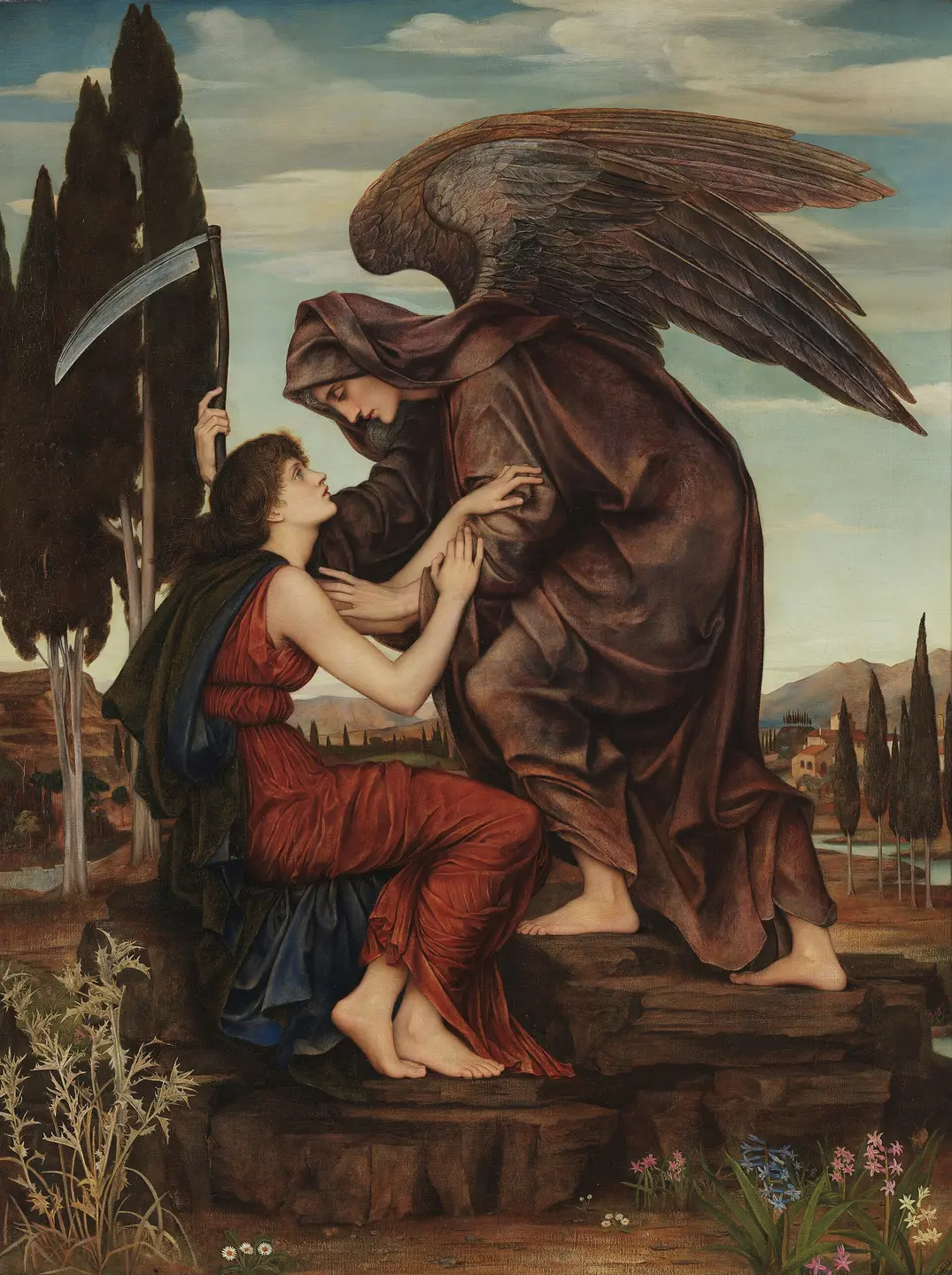
Samael appears in Jewish interpretive literature in roles that vary between texts. His relationship with Satan, the serpent, and other figures should be described source by source.
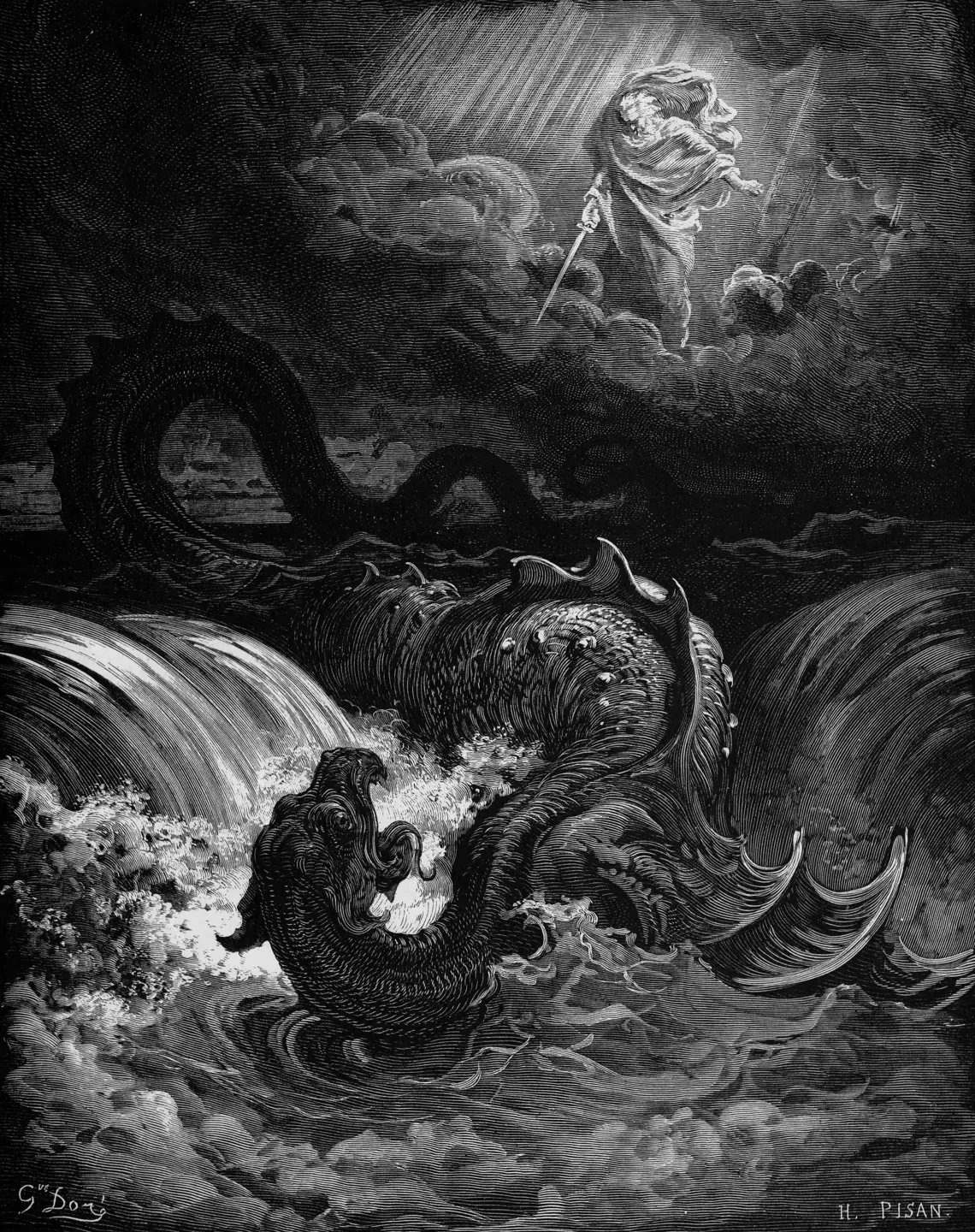
Leviathan appears in biblical poetry and later religious symbolism. The vivid descriptions belong to different literary contexts and should be interpreted accordingly.
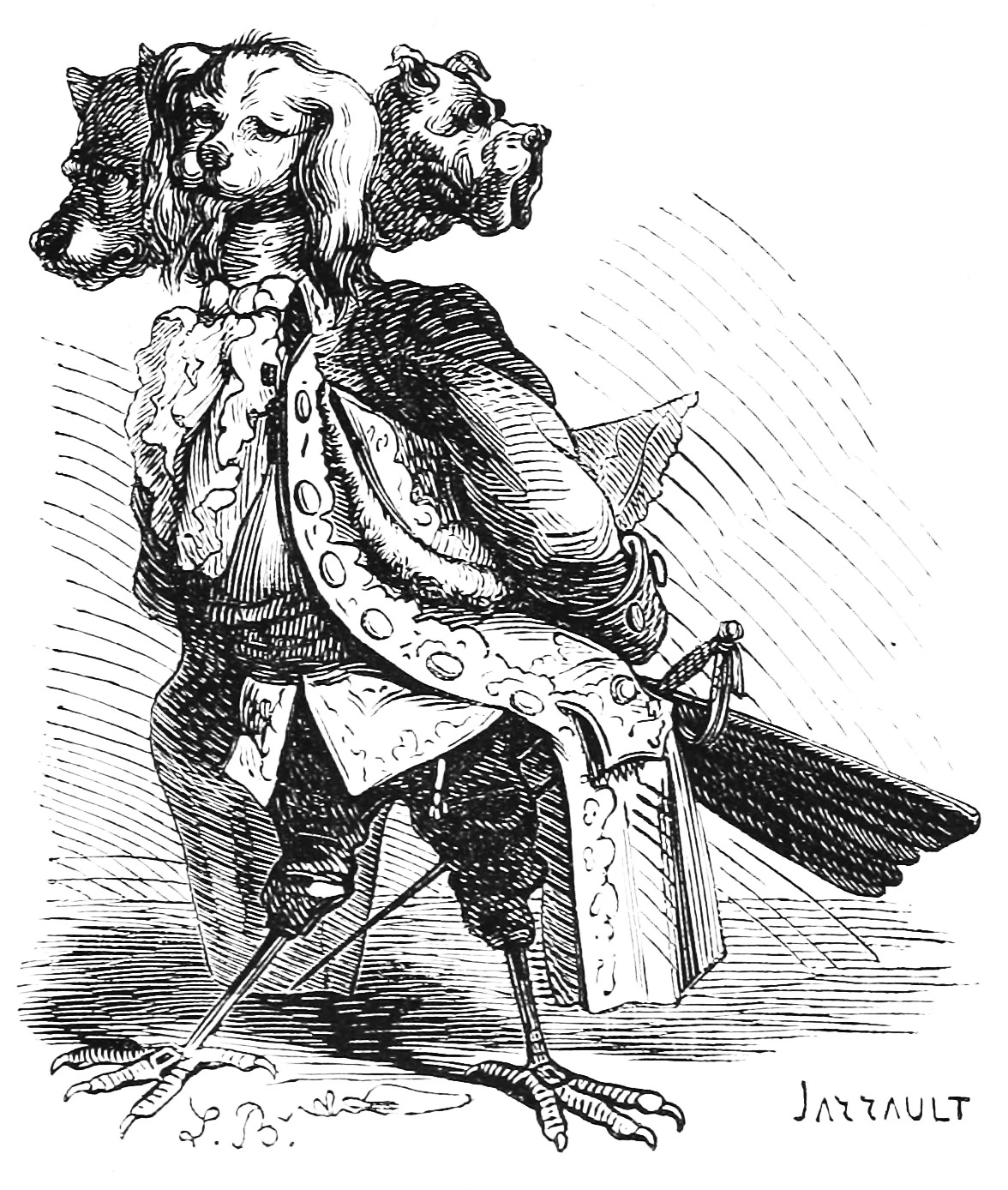
A Goetic marquis associated with rhetoric and the restoration of lost honors.
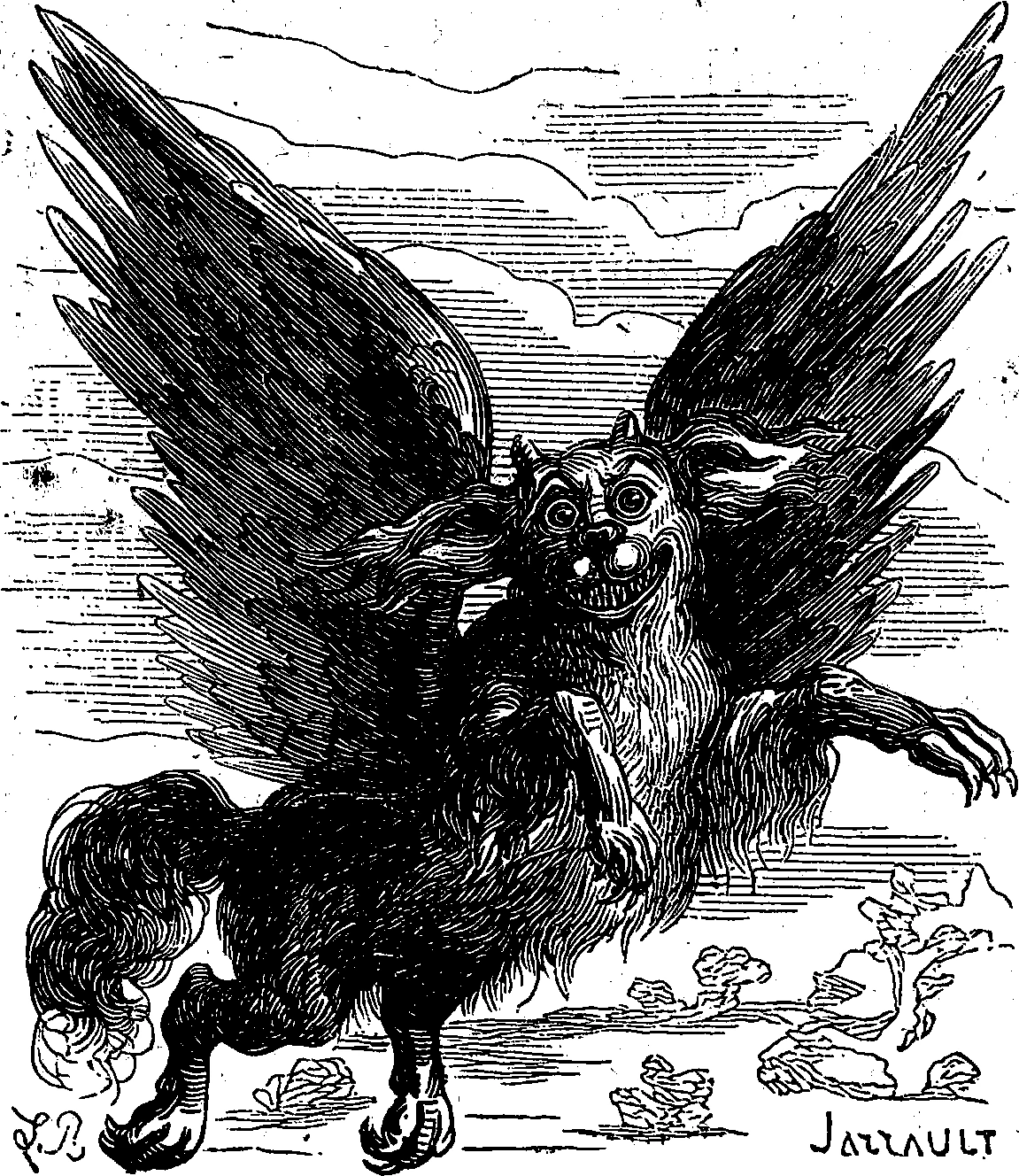
A Goetic spirit combining learned offices with a violent reputation and a winged dog form.
A Goetic spirit with an angelic body, lion head, goose foot, and hare tail, associated with knowledge and boldness.
A Goetic duke riding a red horse, credited with knowledge, honors, and the transformation of metals.
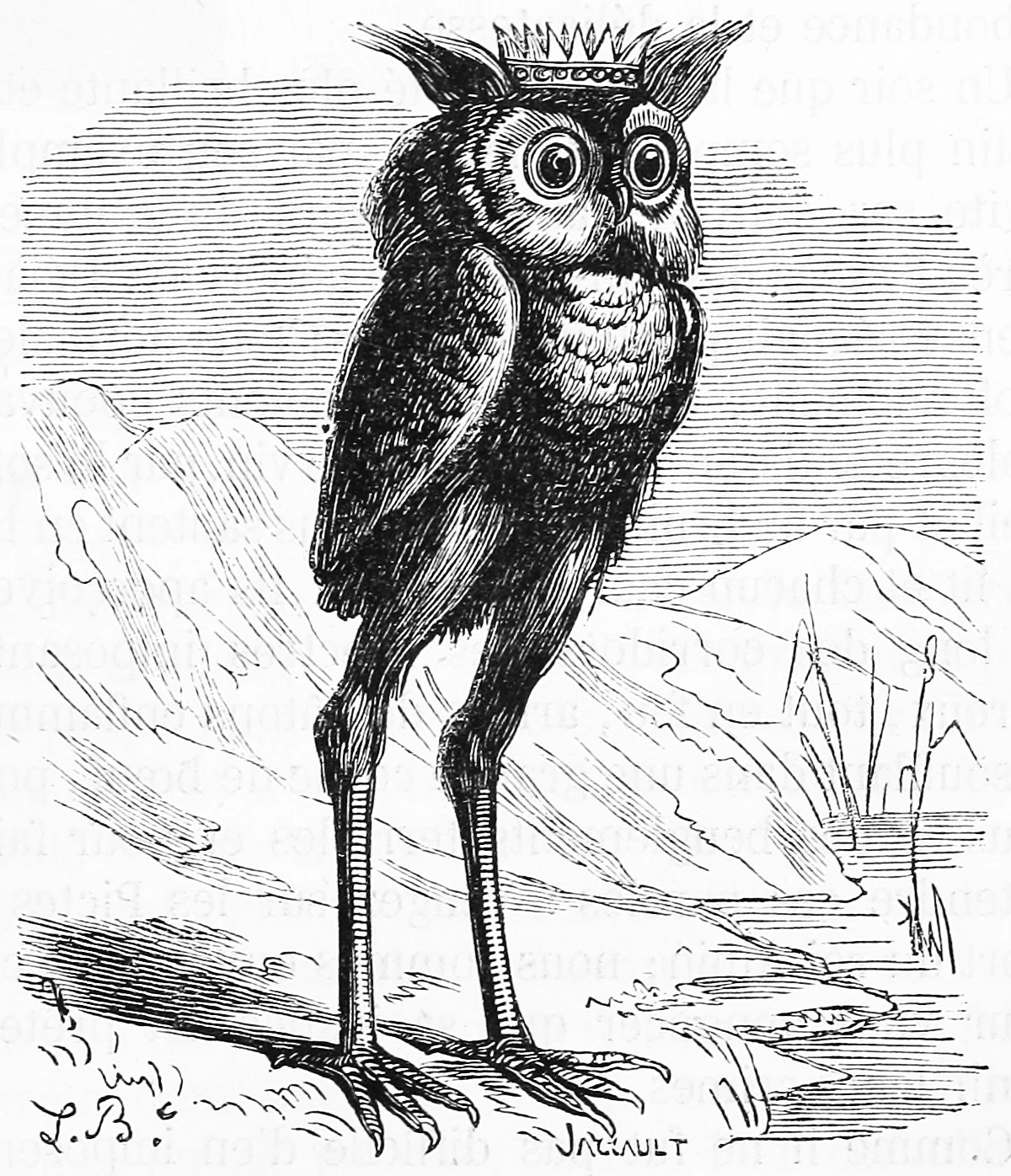
A Goetic prince associated with astronomy, herbs, and precious stones, with changing bird imagery in later reception.
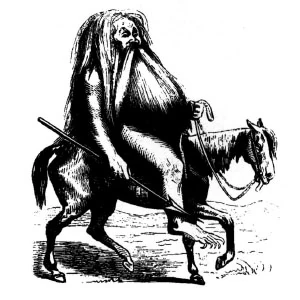
The Goetic knight, associated with philosophy, learned arts, and forms of divination.
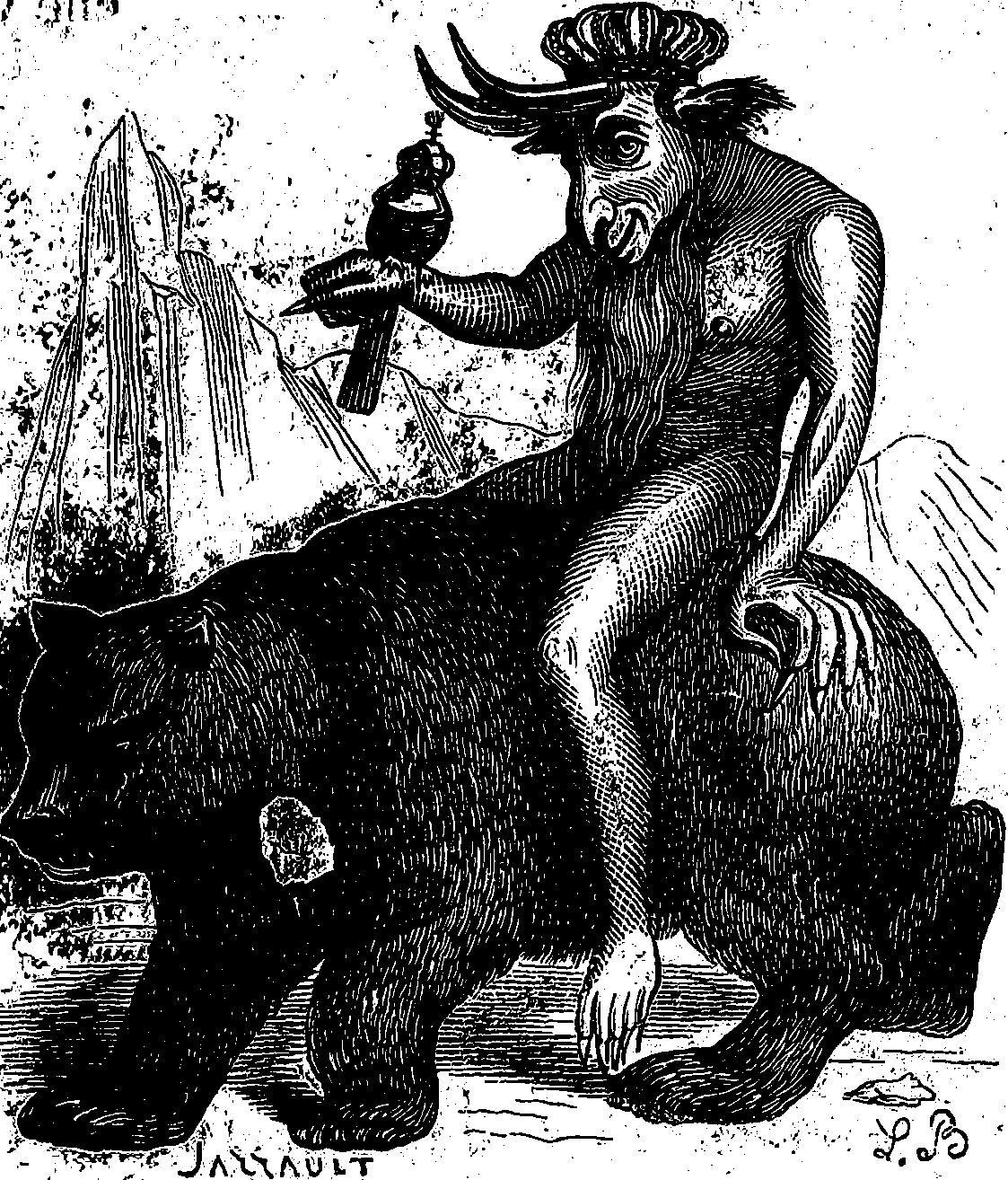
A three-headed Goetic king riding a bear, associated with answers, wit, and invisibility.

A Goetic president associated with animal voices, disputation, and answers given through burning ashes.
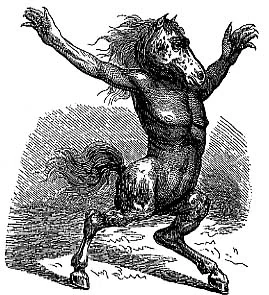
A Goetic prince portrayed as a horse and then a human, noted for the fidelity attributed to him.
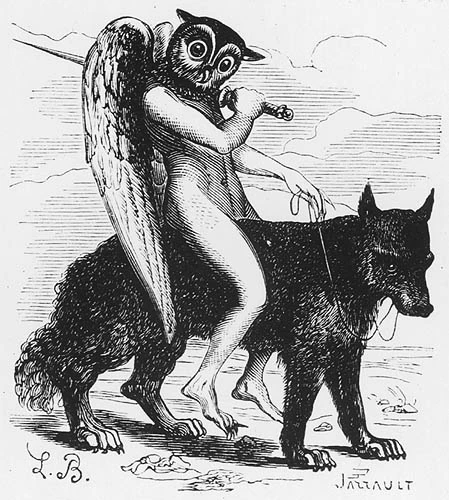
A Goetic marquis portrayed with a bird's head on a wolf, associated with discord and a warning of danger.
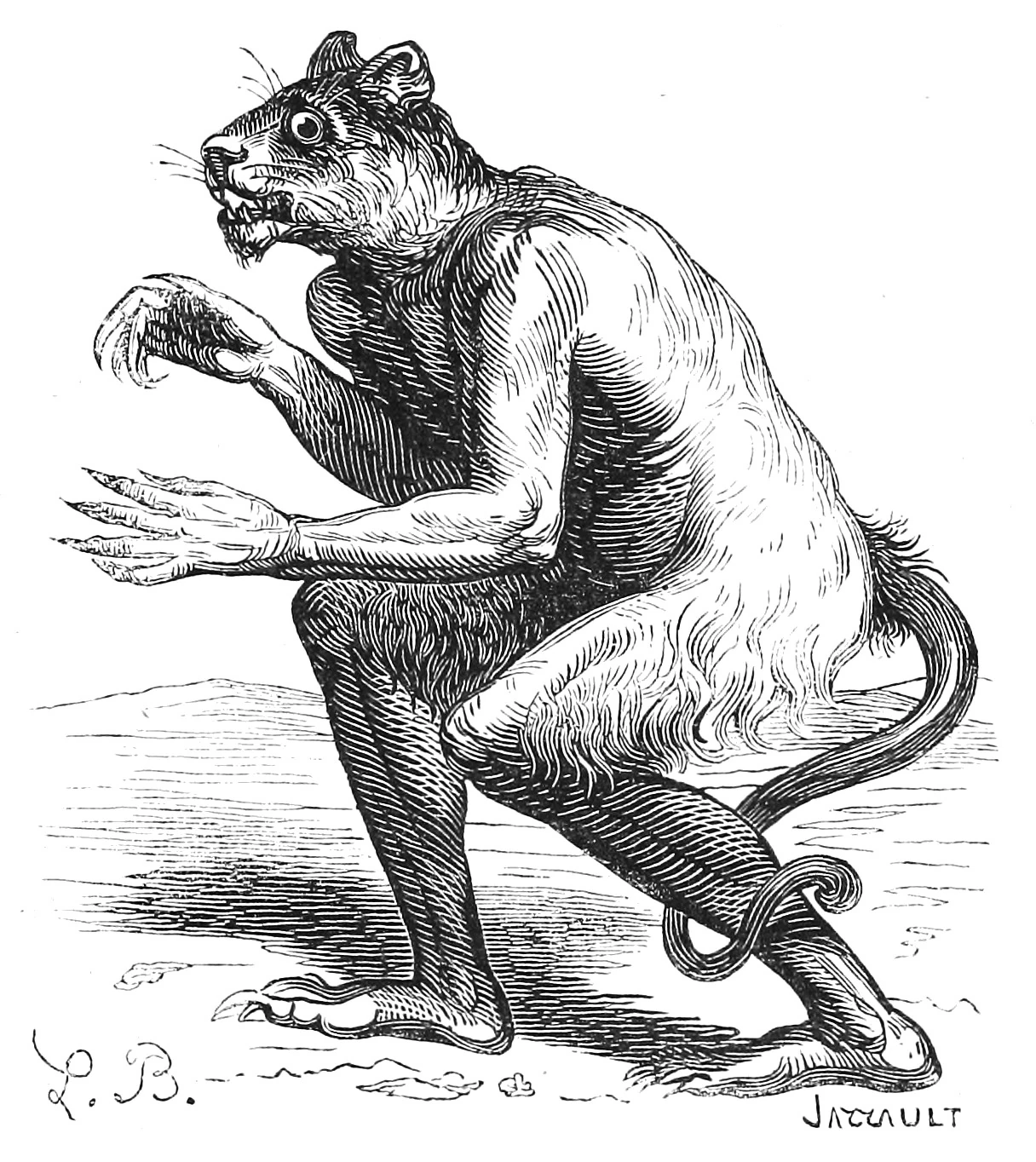
A Goetic duke, also called Flauros, associated with fiery destruction and answers about divine matters.
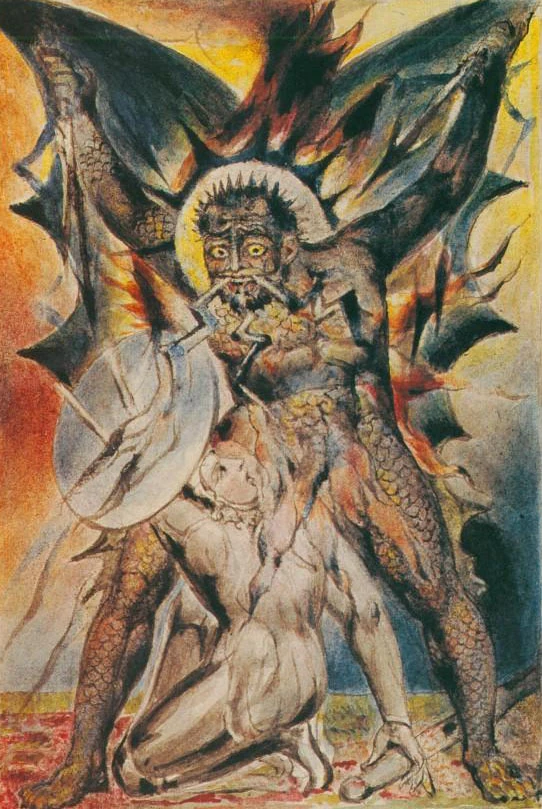
A biblical name associated with destruction, used in Revelation for the angel of the abyss.
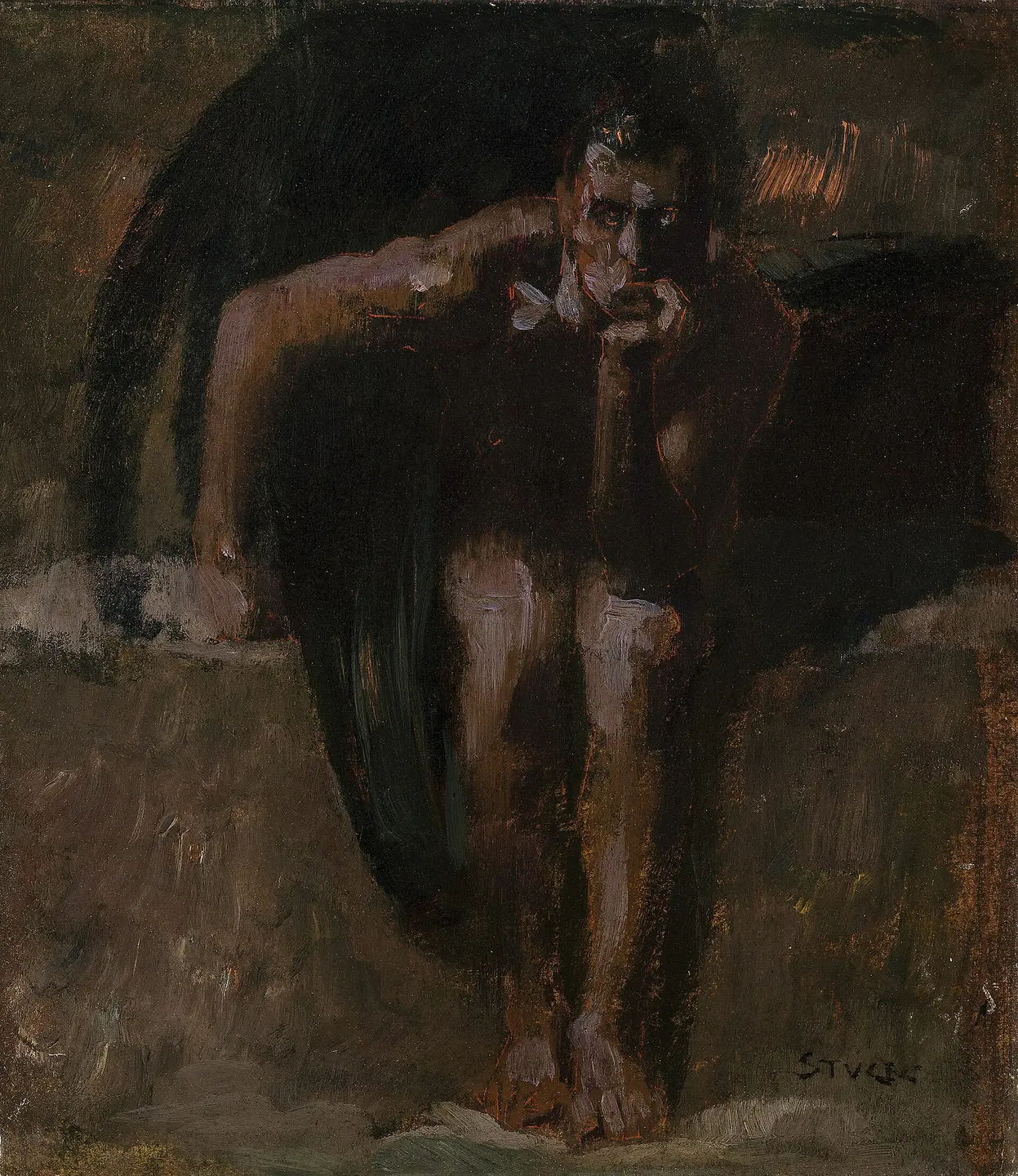
Theistic Satanism is a family of religious positions in which Satan is understood as an actually existing spiritual being, deity, intelligence, or metaphysical presence, rather than only a literary symbol or political metaphor. It is not a single church or creed. The term is best used as an umbrella for practitioners and groups whose beliefs differ on the nature of Satan, the status of other spirits,…