Devotional Practice
Folk magic
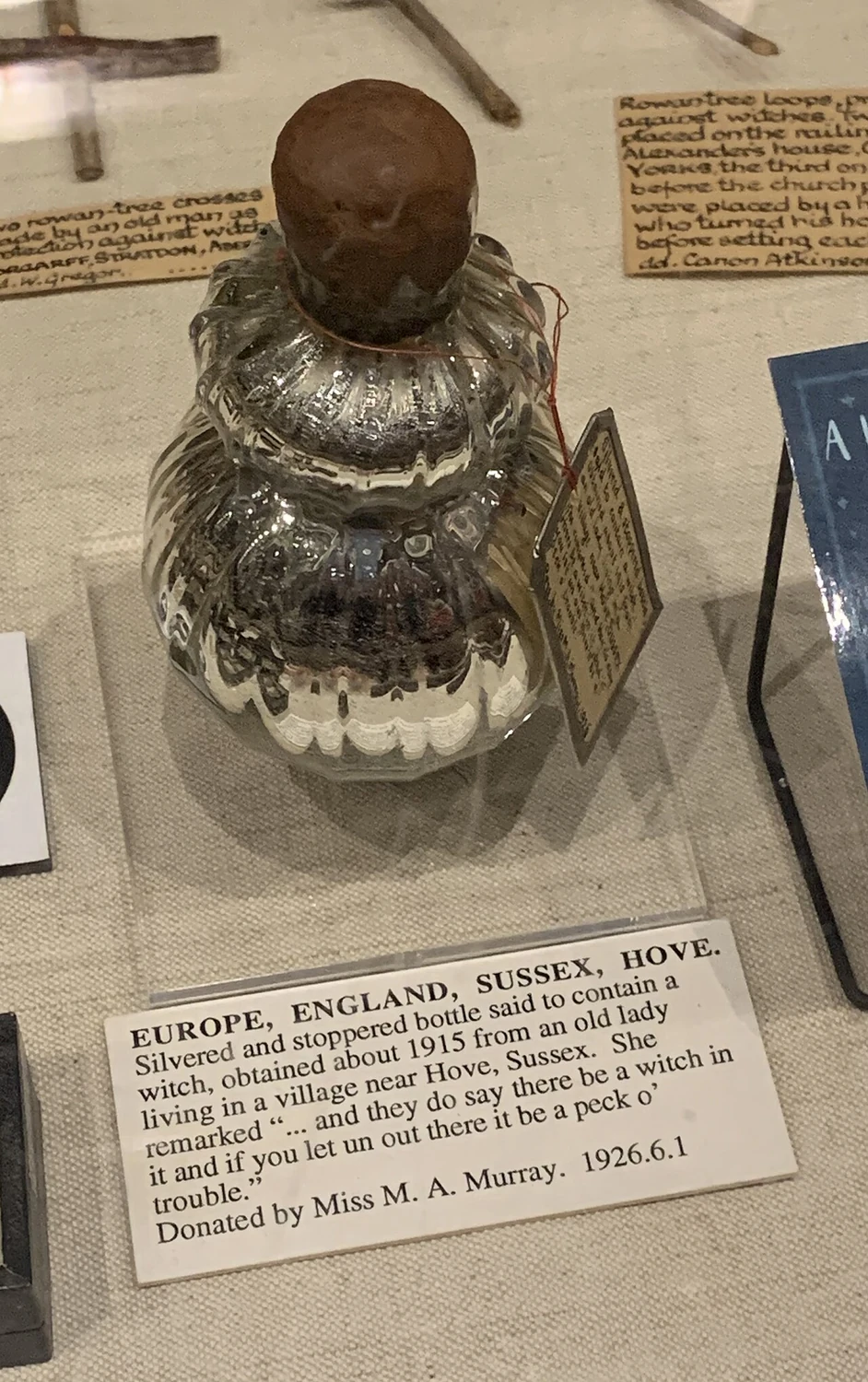
Protective charms, witch bottles, and everyday materials in local magical traditions, with documented British museum examples.
Protective charms, witch bottles, and everyday materials in local magical traditions, with documented British museum examples.
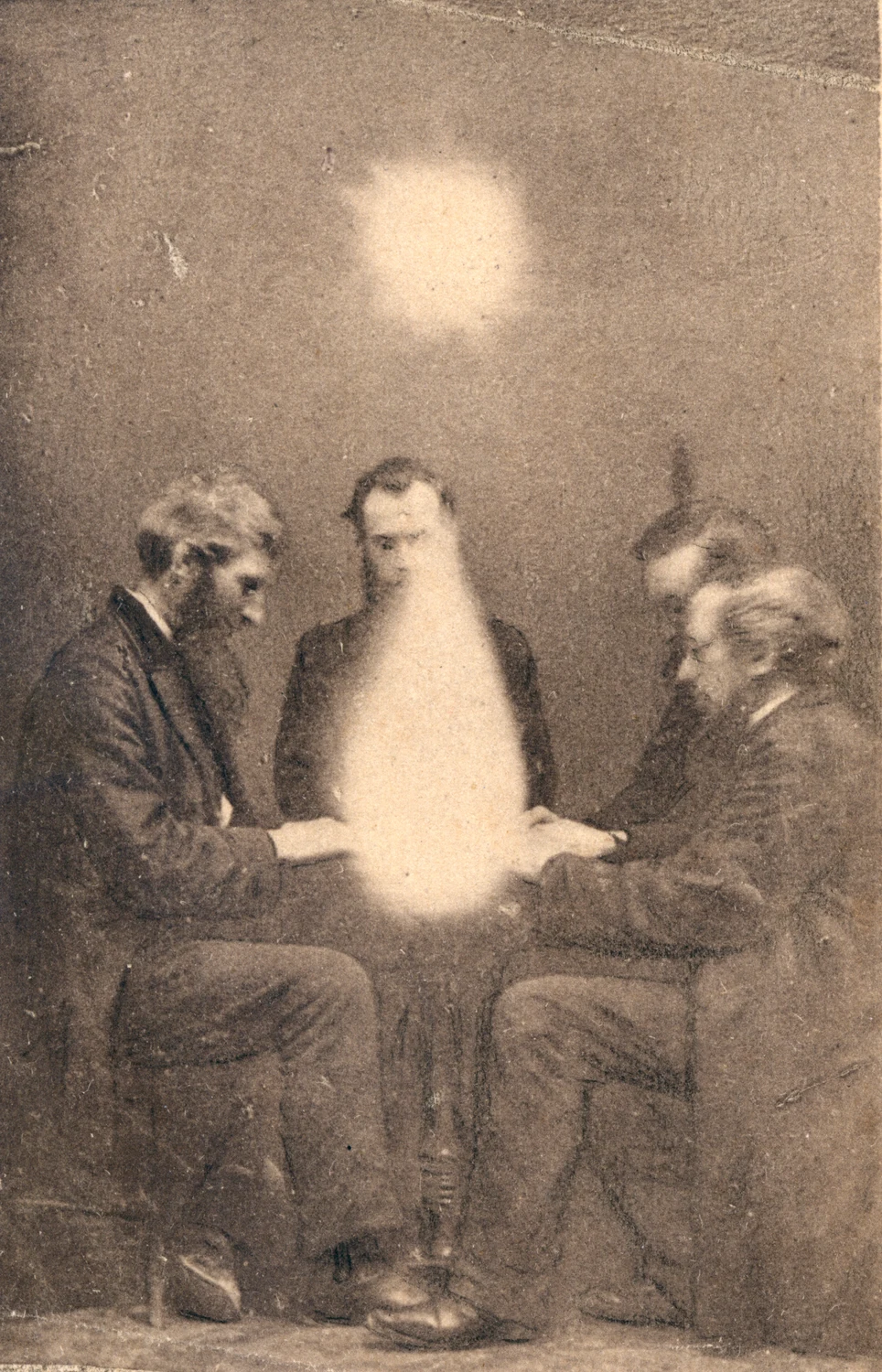
A religious movement centered on mediumship and continued personal identity after death, with church teachings and spirit photography.
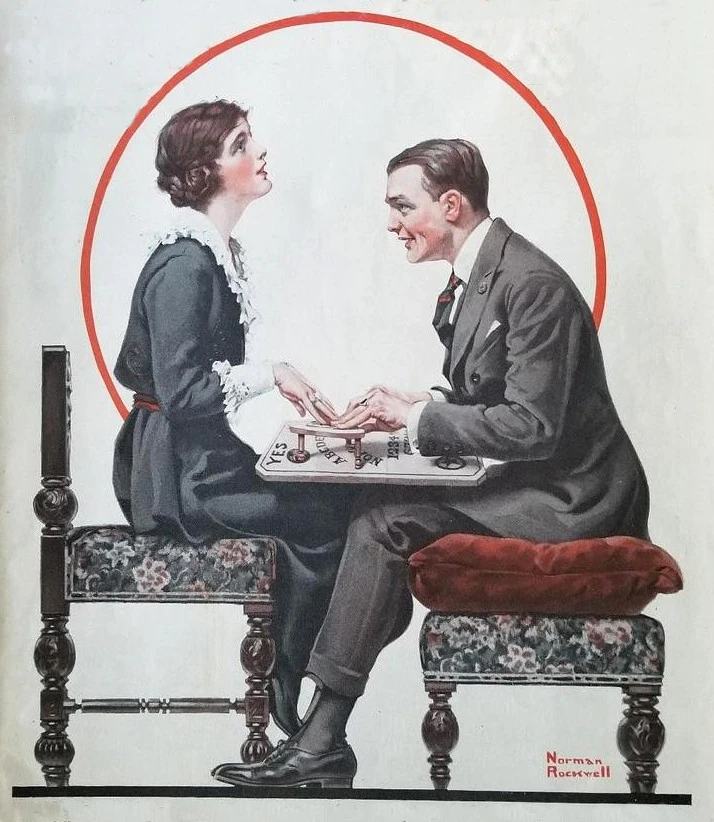
The patented talking-board game, its pointer and commercial history, and research on ideomotor movement and implicit memory.

The Massachusetts prosecutions of 1692-1693, the spread of accusations, spectral evidence, and the surviving court archive.

How Black Sabbath and Venom used dark or Satanic imagery, and why a song, stage character, and religious affiliation are different evidence.
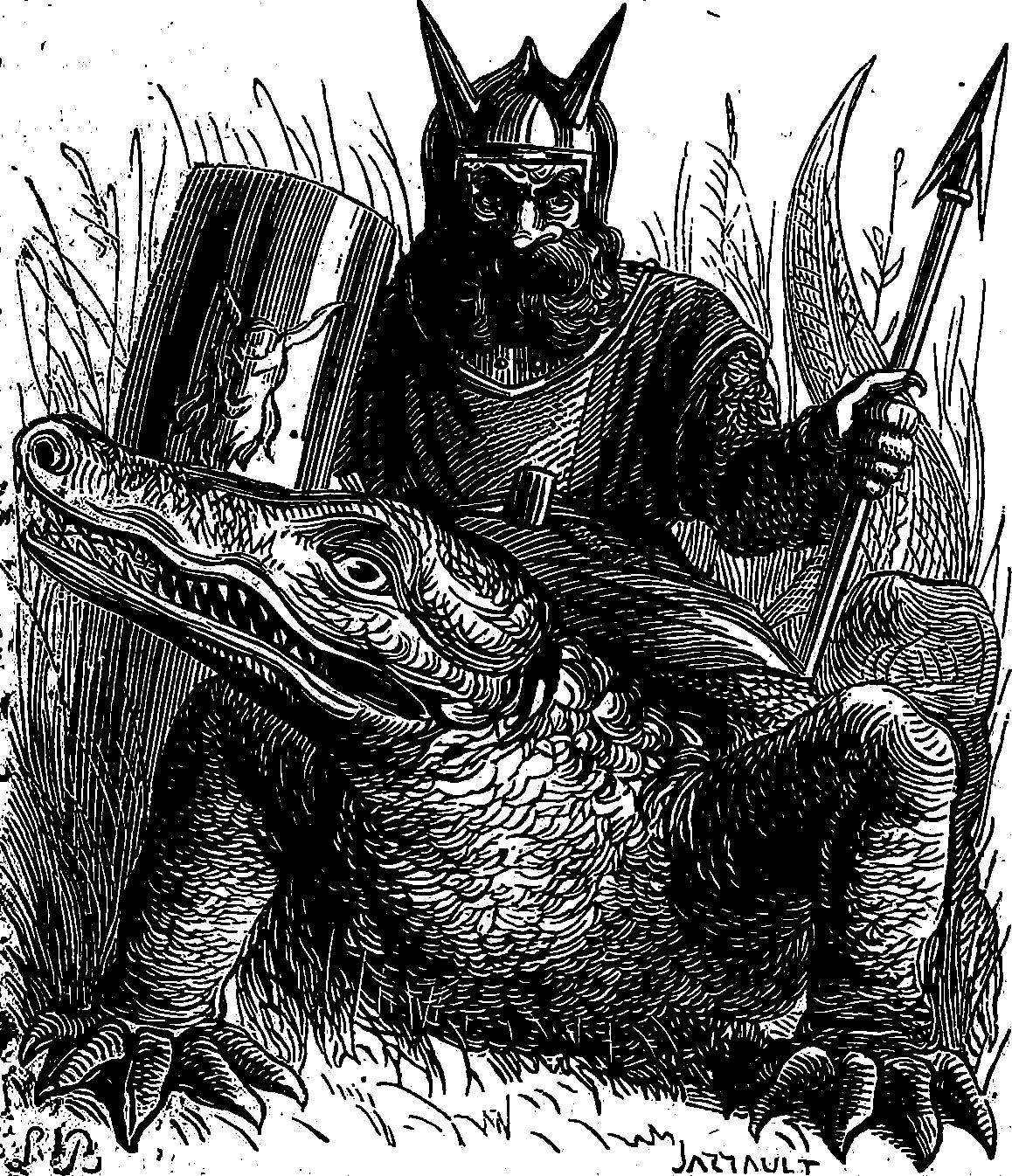
A Goetic duke, also called Saleos, described as a peaceful soldier riding a crocodile.
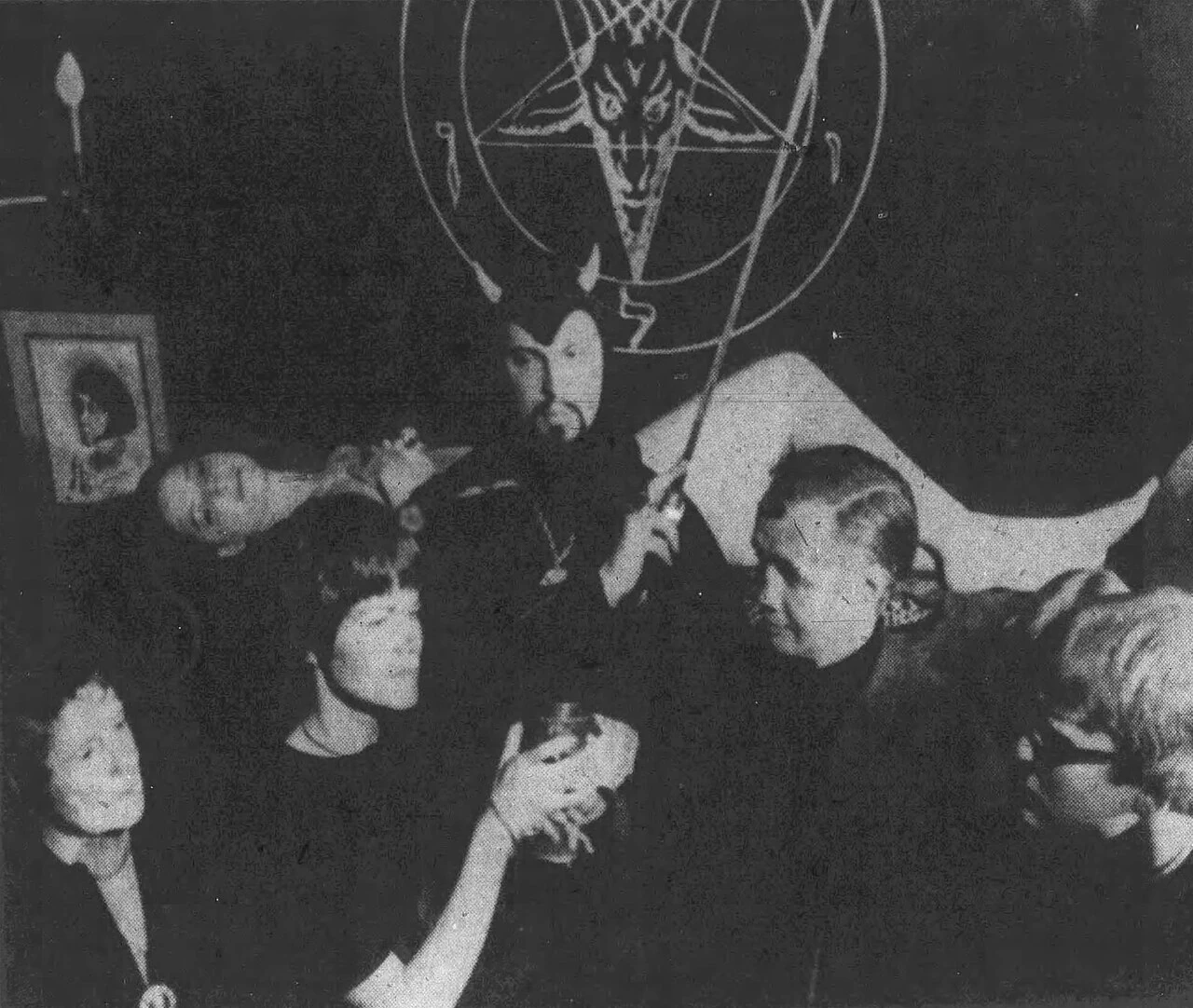
Anton LaVey’s collection of ceremonial material, published as a companion to The Satanic Bible.
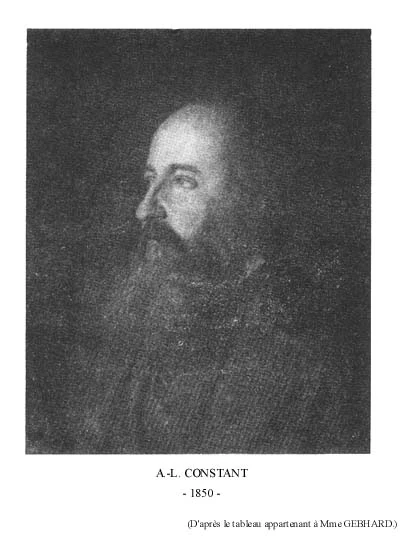
A nineteenth-century French occult author associated with ceremonial symbolism and the influential image of Baphomet.
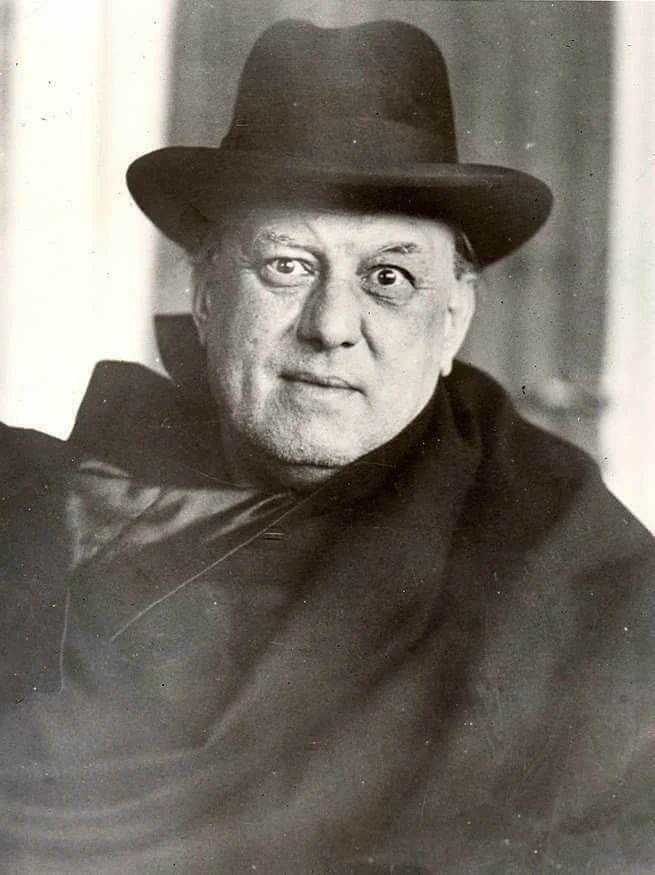
The author and religious figure associated with Thelema, The Book of the Law, and a large body of magical instruction.
Meditation in theistic Satanism refers to contemplative practices used to focus attention, examine experience, cultivate devotional awareness, or create a deliberate setting for approaching Satan and other spirits. There is no single Satanic meditation method. Practices range from silent sitting and breath awareness to visualization, repetitive prayer, sigil contemplation, journaling, and extended…
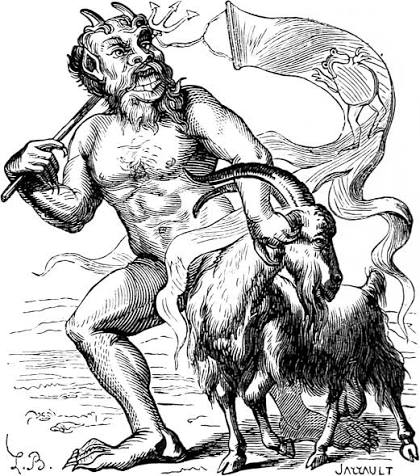
Azazel is a figure associated with the Day of Atonement in Leviticus, a rebellious Watcher in 1 Enoch, and a demonological and occult figure in later traditions. This article traces the development of Azazel from ancient Jewish texts through later demonology and modern Satanic interpretations.
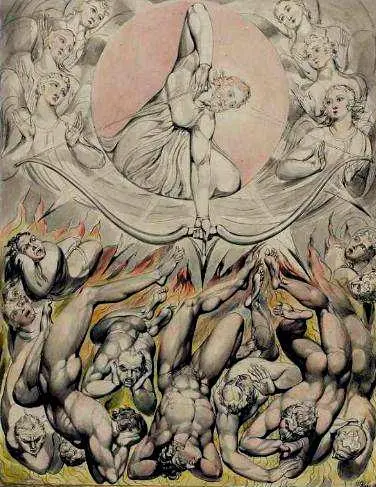
The Watchers are heavenly beings whose descent, teachings, and punishment are narrated in 1 Enoch. Their literary identity must be distinguished from later religious interpretations.
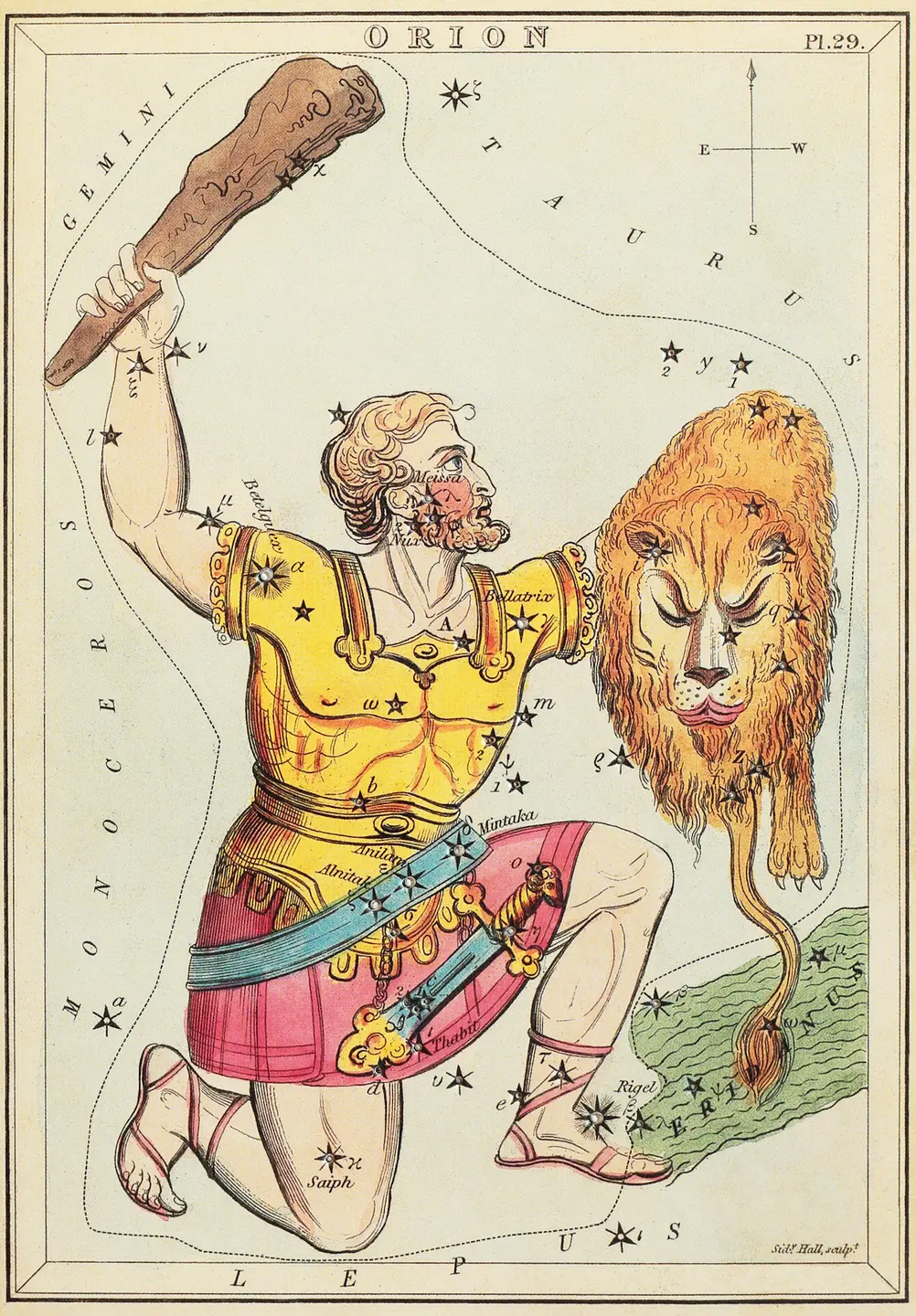
Semjaza is a leading figure in the Enochic account of the Watchers’ oath and descent. His role differs from the teaching and punishment associated with Azazel.

A Goetic duke depicted as a red-clad soldier whose entry concerns attraction and fertility.
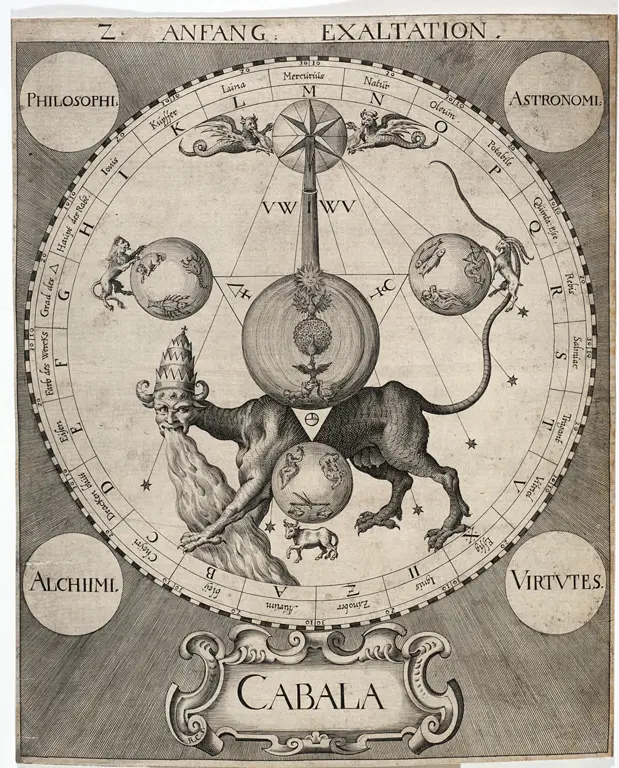
An initiatory order whose Draconian system brings together Qliphoth, Goetic magic, alchemy, and other esoteric traditions.
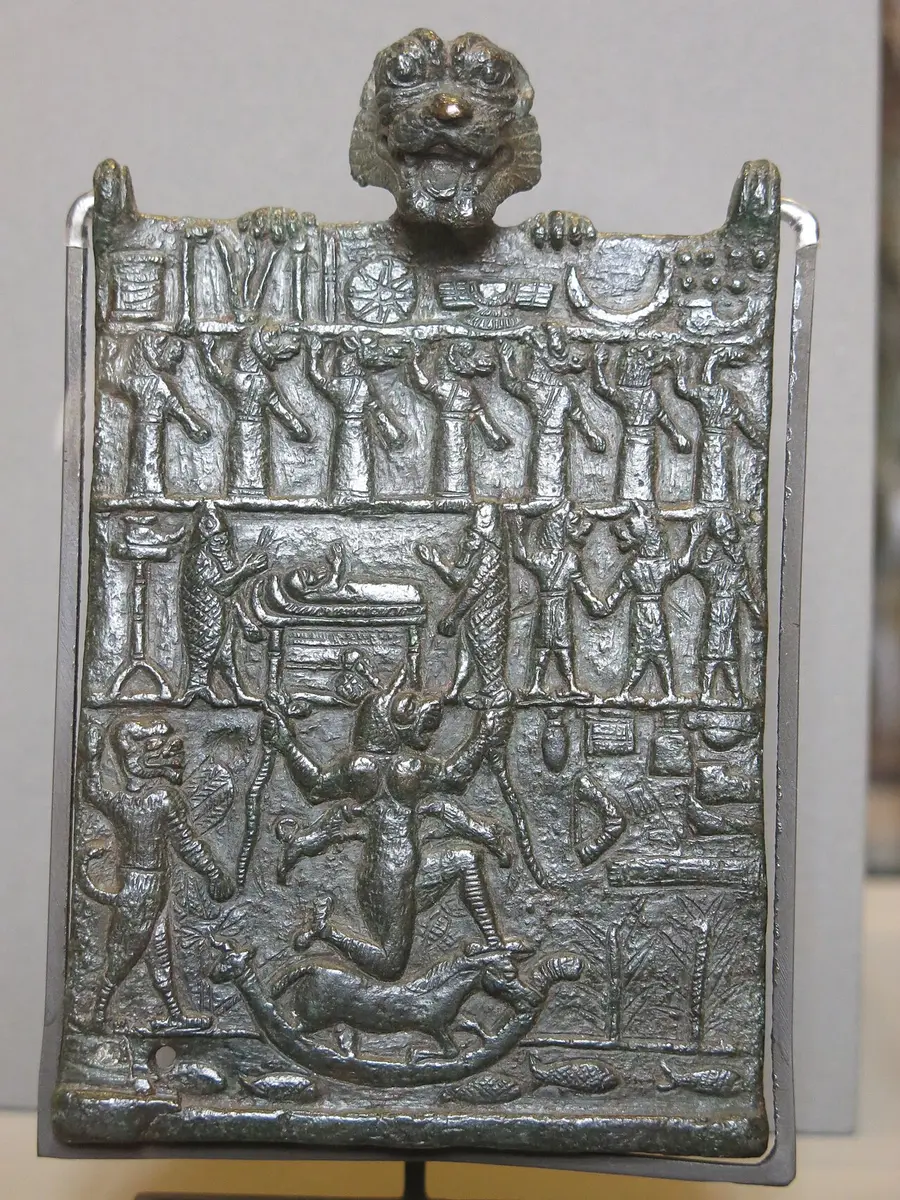
A Mesopotamian harmful female power represented on amulets and plaques intended to repel her.
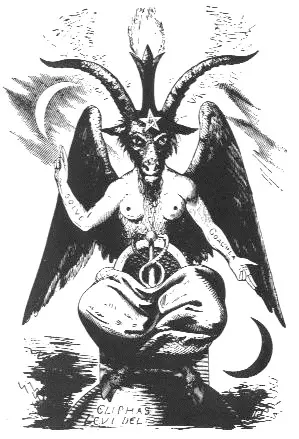
The images, names, and gestures used by Satanic traditions, whose meanings depend on their religious and historical setting.
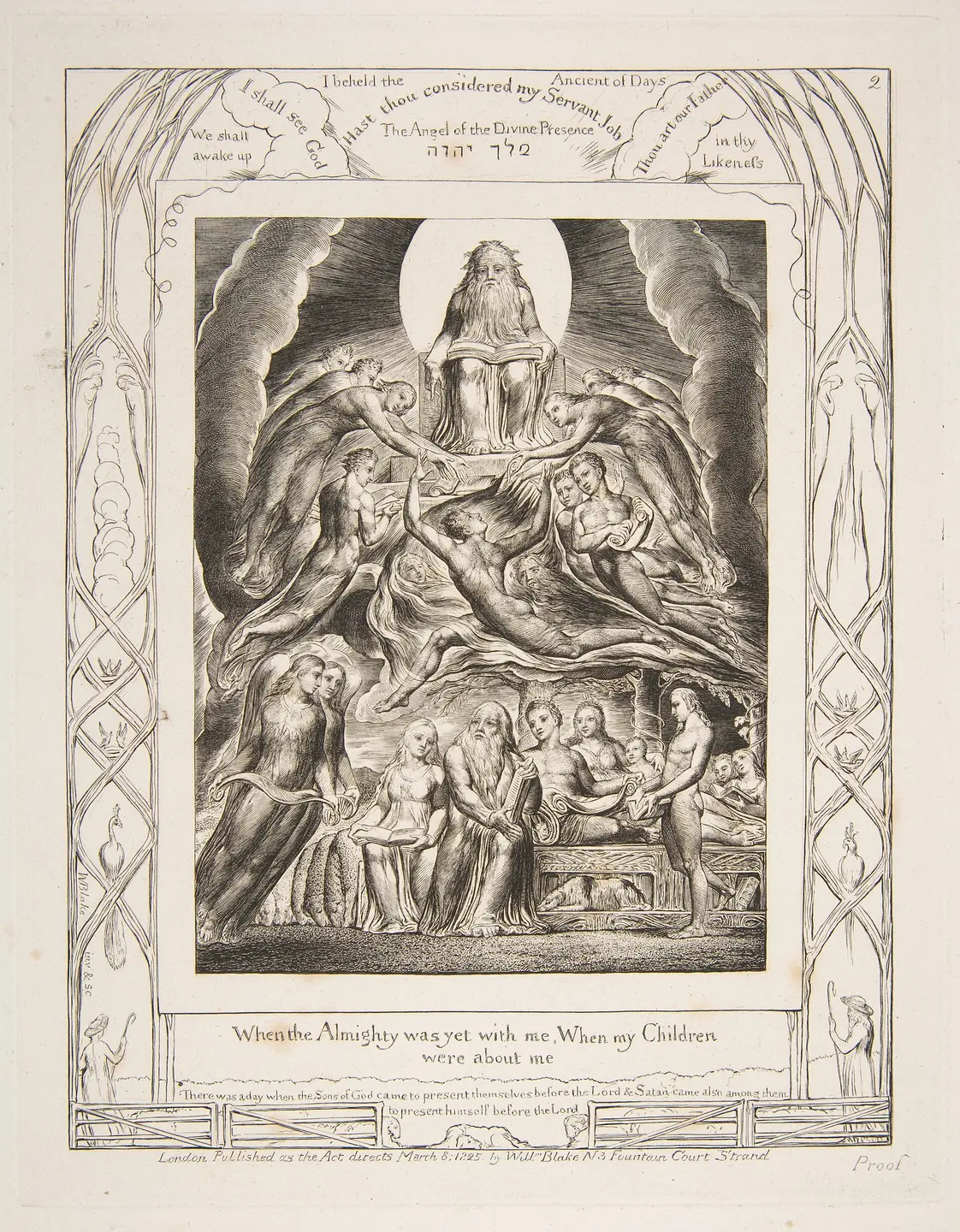
Job 1–2 presents Satan in a heavenly assembly and in a dispute about Job’s righteousness. The passage should be read before later accounts of Satan’s origins are supplied.
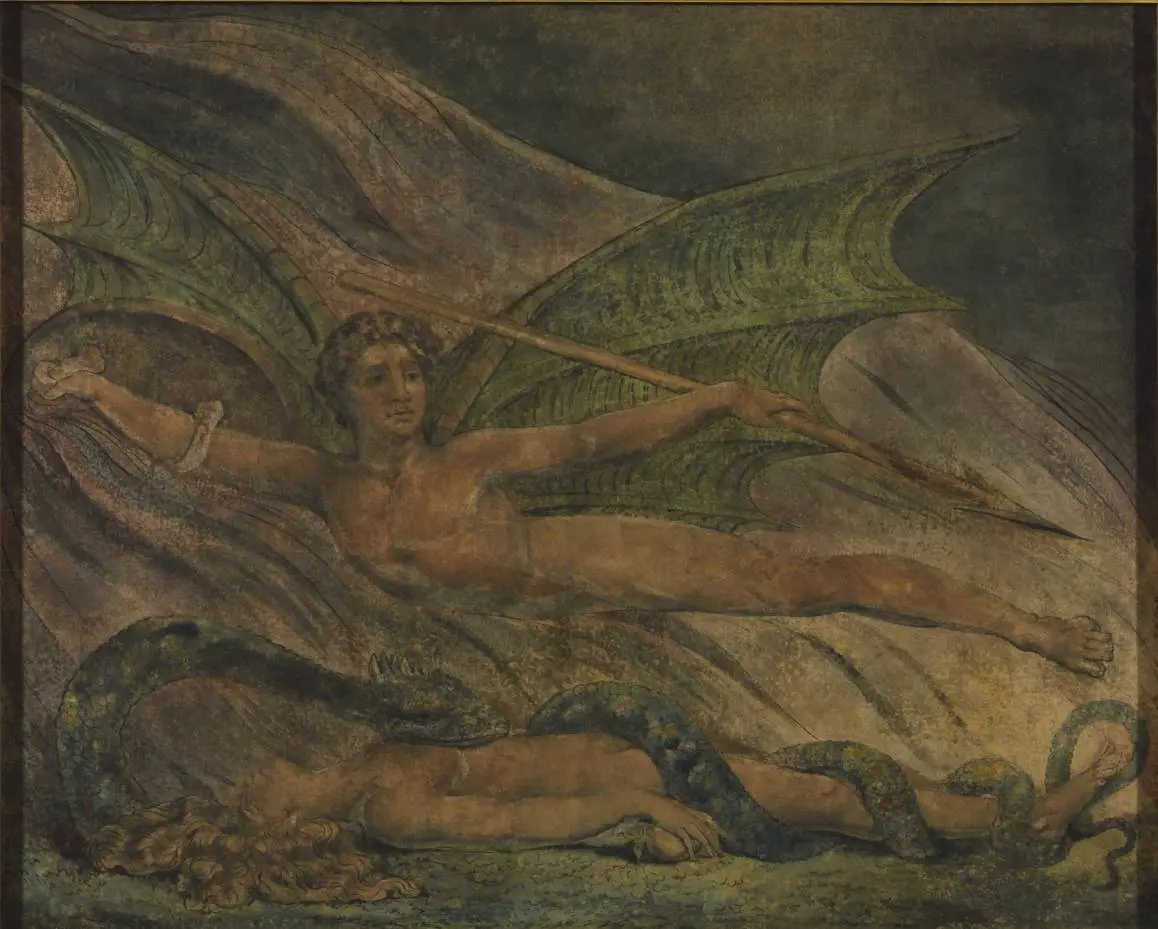
Romantic Satanism concerns literary and political readings that give Satan a positive role in opposition to tyranny or conventional authority. It should be distinguished from membership in a religious organization.