Theistic Satanism
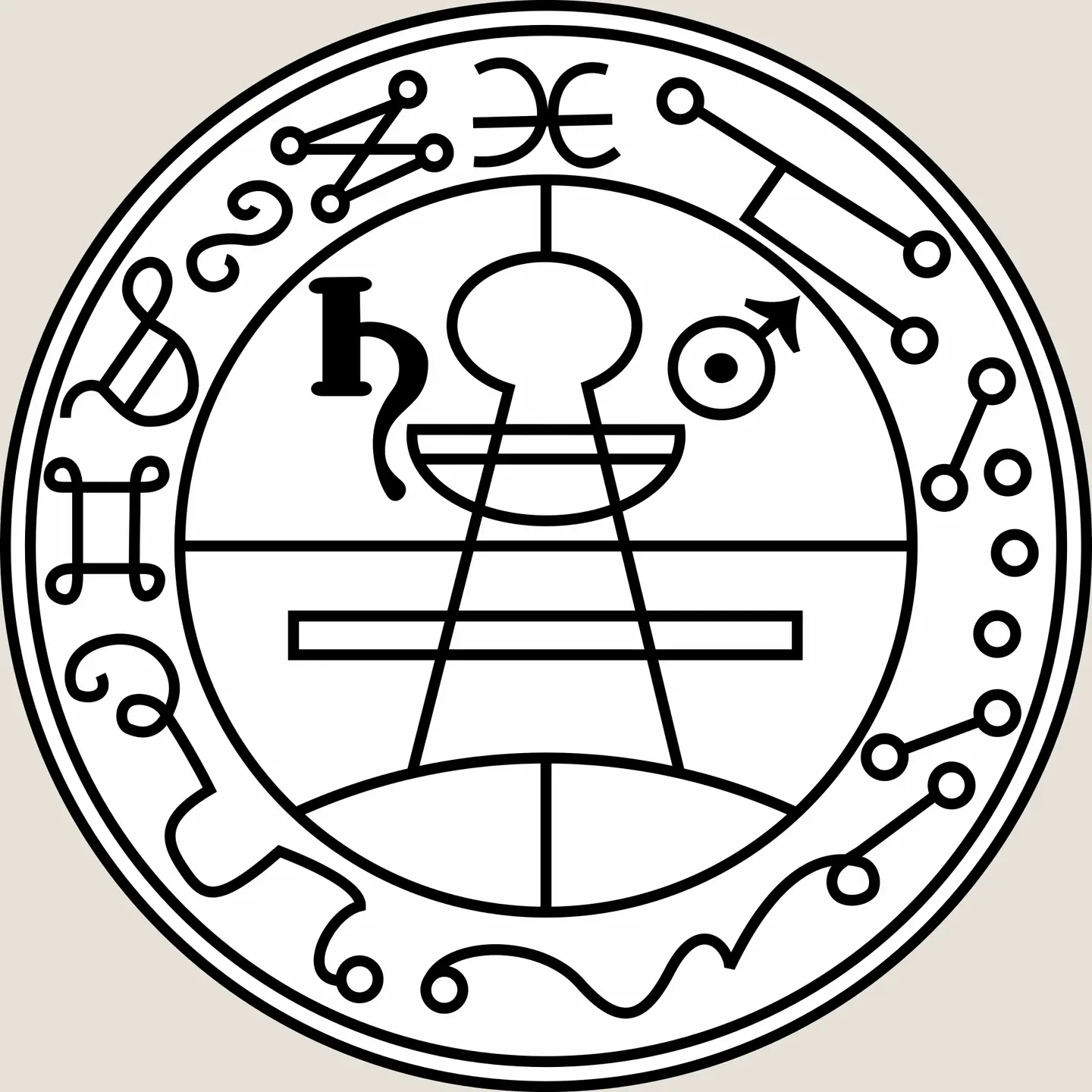
Sigils are graphic signs used in particular magical systems. Historical spirit seals, ceremonial figures, and modern personal signs should be distinguished.
Ceremonial magic uses formally organized ritual actions. Its historical systems combine preparation, symbols, instruments, and accounts of spiritual authority in different ways.
A religious myth can organize meaning while also receiving literal belief. Literary form, personal interpretation, and historical evidence should be discussed as related but distinct questions.
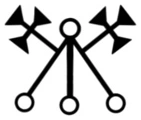
A Goetic president depicted as a lion, associated with hidden knowledge, mechanical arts, and transformation.
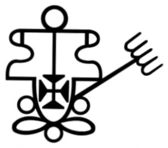
A Goetic king riding a bear, with offices concerning hidden knowledge, treasure, and cosmology.
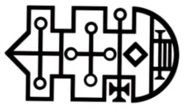
A Goetic earl associated with royal treasure, the destruction of cities, and altered relationships.
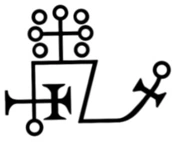
A many-faced Goetic duke carrying a book, associated with thoughts, knowledge, and visions of other people.
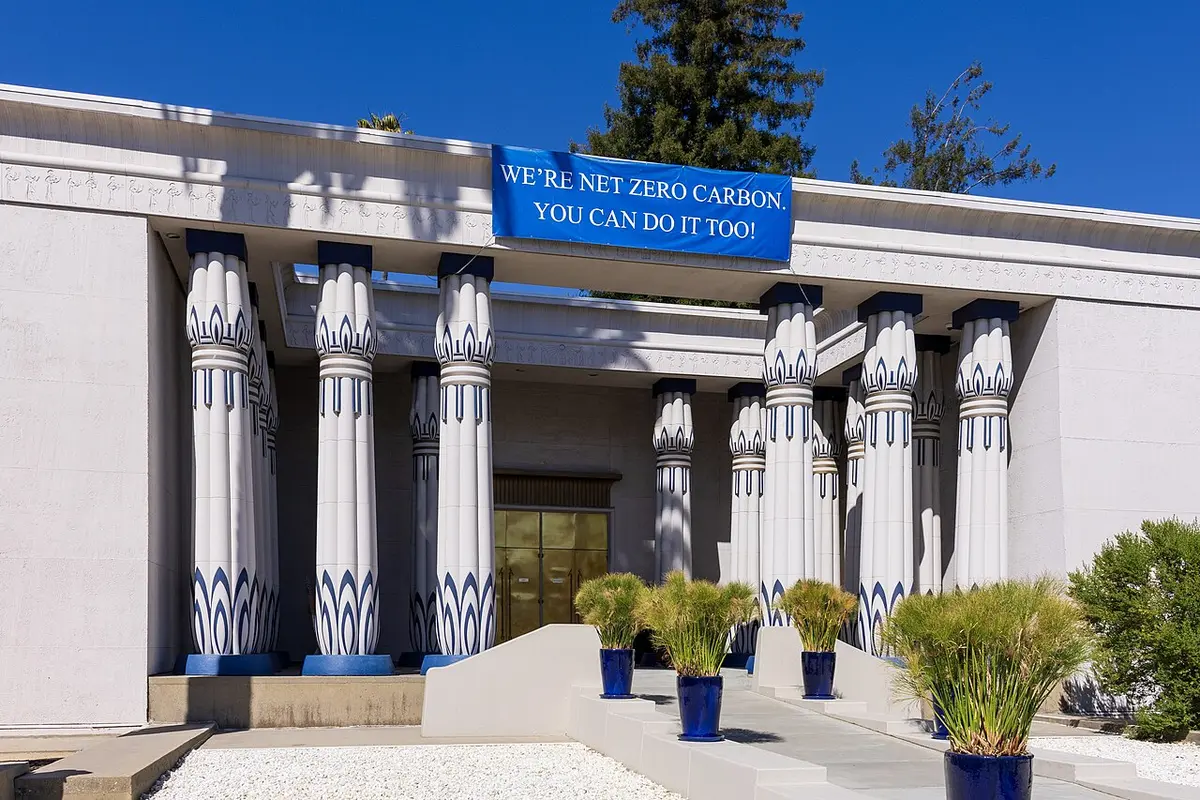
A modern Rosicrucian organization, usually called AMORC, that teaches through lessons and local study groups.
The medieval Liber Juratus, a work of sacred magic concerned with divine vision, angels, and ritual authority.

The Devil is the principal personification of evil in much of Christian tradition and a major source for later Western images of Satan. The term is not identical with every historical use of Satan, nor does it describe one unchanging character across the Bible, theology, folklore, literature, art, and modern religion. In contemporary speech “the Devil” often functions as a proper name for Satan, but…
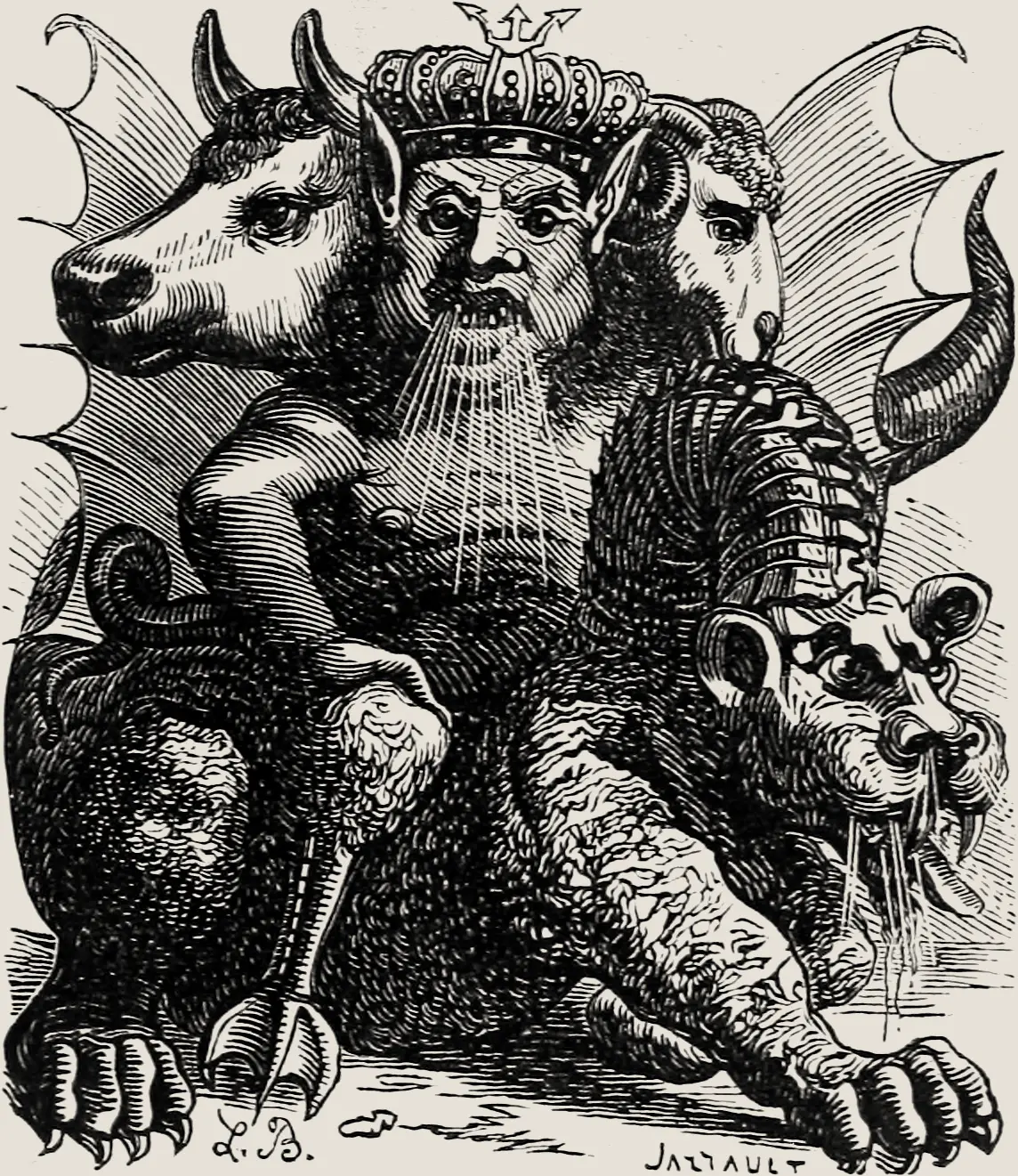
Asmodeus appears in the narrative of Tobit and in later magical and demonological literature. His different roles reflect the purposes of those texts.
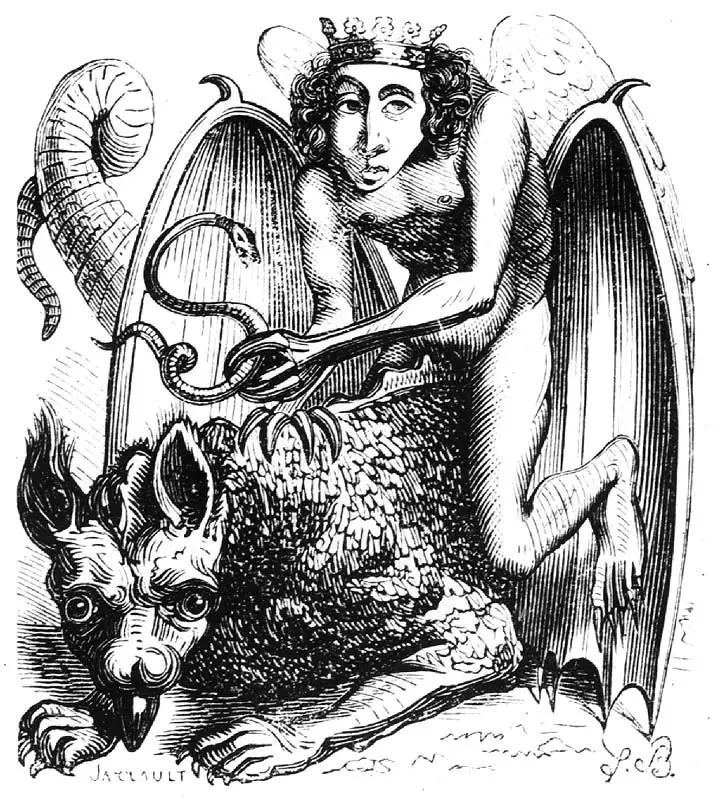
Astaroth appears in early modern spirit catalogues and later illustrated demonology. Source editions matter when comparing the figure’s rank, appearance, and supposed knowledge.
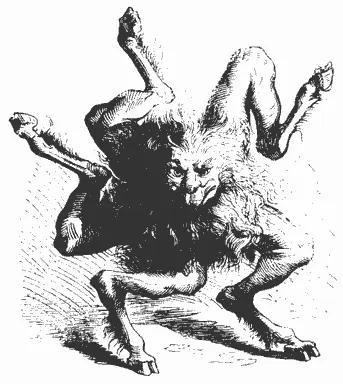
Buer is a spirit associated in magical catalogues with learning and healing. The well-known radial illustration belongs to later printed demonology.
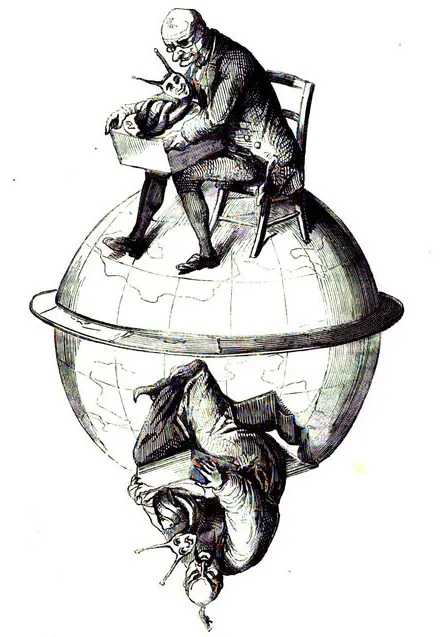
Collin de Plancy’s Dictionnaire infernal gathered supernatural traditions in a dictionary format. Its 1863 entries and illustrations remain influential in modern depictions of spirits.
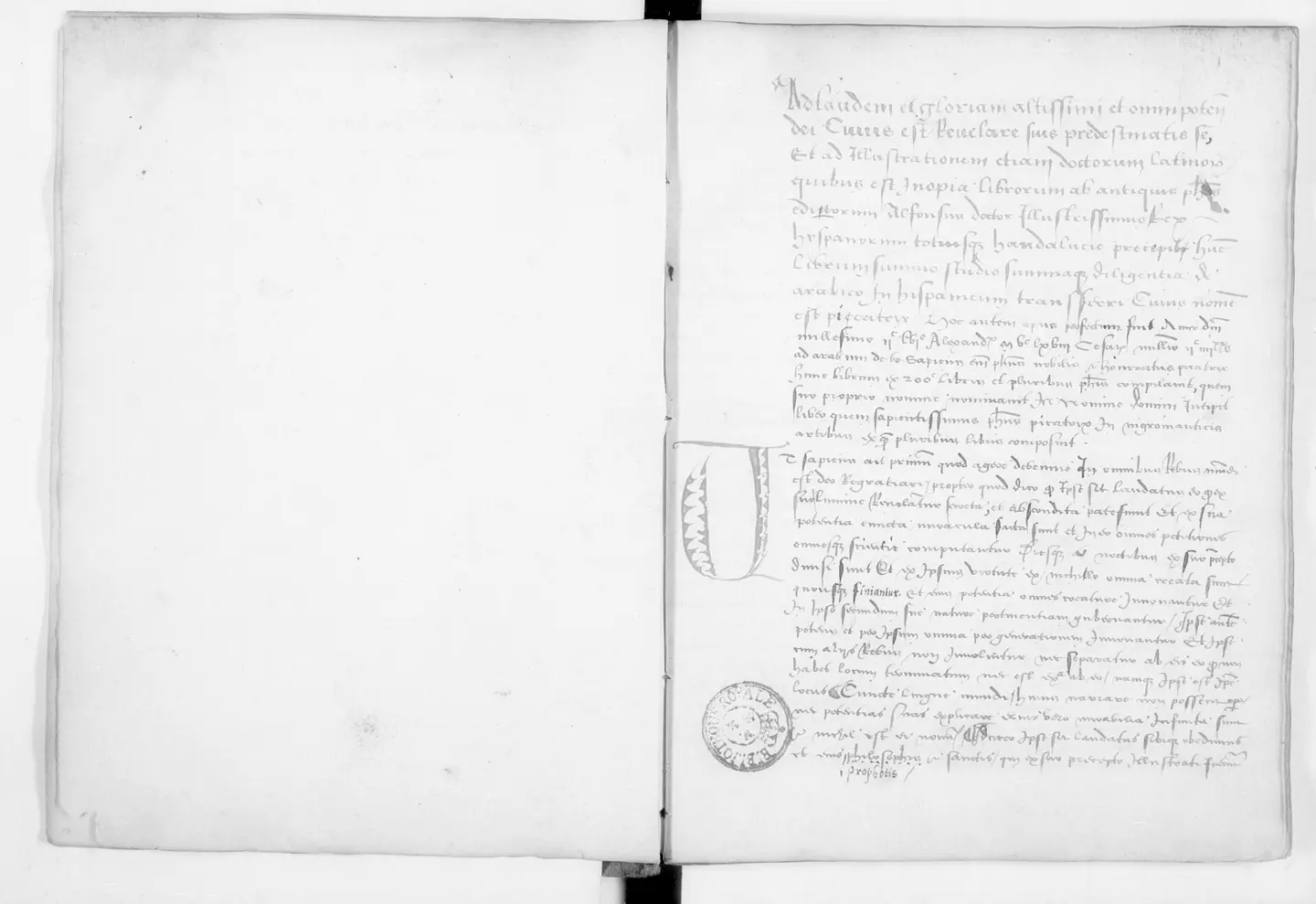
Picatrix is the Latin title associated with an influential Arabic work of astral magic. Its cosmological and ritual framework differs from a catalogue of Goetic spirits.
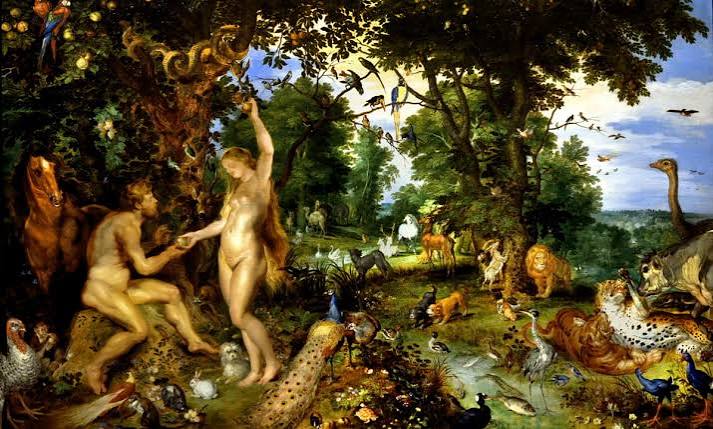
The Life of Adam and Eve is a group of related apocryphal narratives about the first humans. Its versions expand the Eden story through accounts of repentance, the Devil’s hostility, illness, burial, and hoped-for restoration.
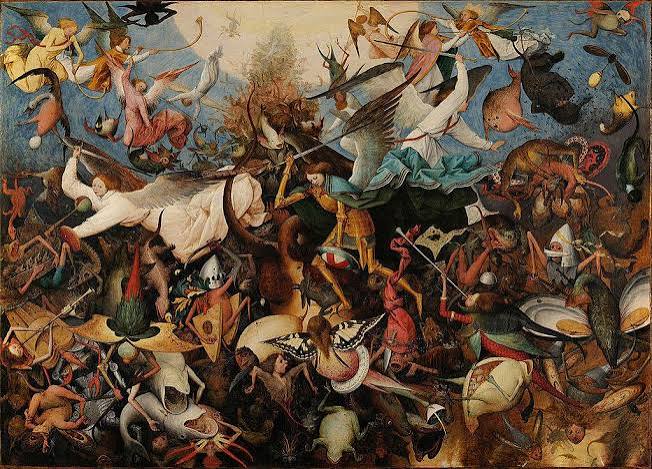
Fallen angels are heavenly beings portrayed as losing their place or proper condition through transgression. Enochic descent, Satan’s refusal to honor Adam, and the war in Revelation are distinct accounts that later interpretation can bring together.
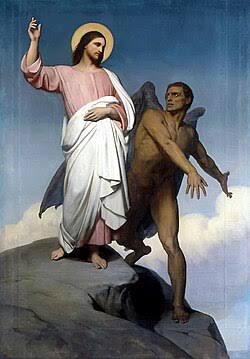
The temptation of Jesus is an encounter with Satan in the wilderness narrated by Matthew, Mark, and Luke. Its differing forms connect hunger, divine sonship, scriptural argument, worldly rule, and worship.
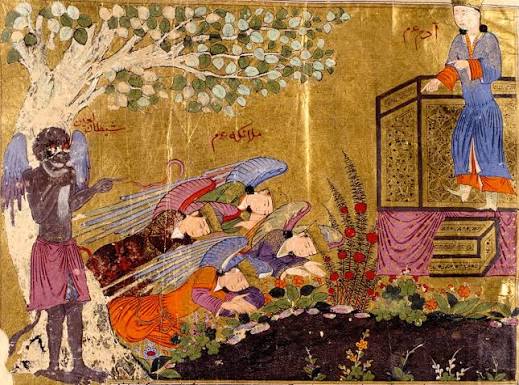
Iblis is the figure who refuses God’s command to bow to Adam in the Qur’an. Islamic commentary and Sufi literature explore his pride, his relationship to the jinn, his role as a tempter, and the meaning of his disobedience.