Demonology & Spirits
Gusion
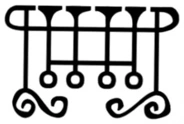
A Goetic duke associated with answers, reconciliation, and the obscure term Xenopilus.
A Goetic duke associated with answers, reconciliation, and the obscure term Xenopilus.
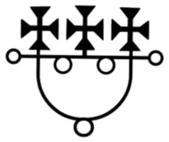
A Goetic prince portrayed with a leopard head and griffin wings, whose stated office concerns desire.

A Goetic duke depicted as a red-clad soldier whose entry concerns attraction and fertility.
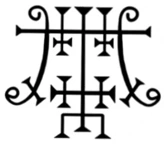
A Goetic president associated with logic, ethics, plants, stones, longevity, and lost things.

A Goetic spirit associated with philosophy and the compelled appearance of deceased souls.
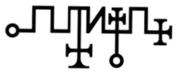
A Goetic spirit with a winged bull form, associated with wit and transformations of liquids and metals.
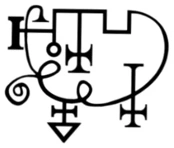
A peacock-shaped Goetic marquis associated with geometry, measurement, astronomy, and bird transformation.

A Goetic marquis appearing as a star, associated with plants, stones, and bird-like apparitions.
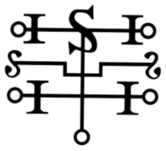
The final Goetic spirit, associated with stolen goods, concealed wrongdoing, and hidden treasure.
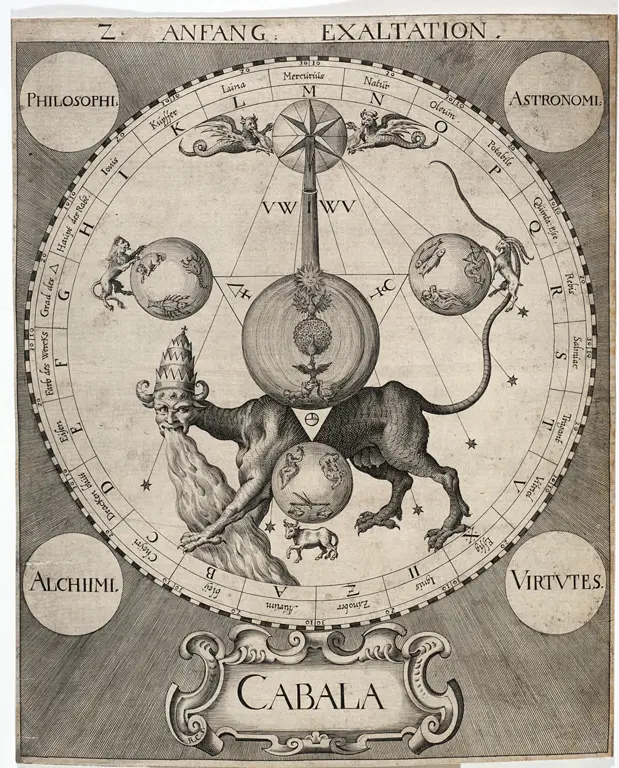
An initiatory order whose Draconian system brings together Qliphoth, Goetic magic, alchemy, and other esoteric traditions.
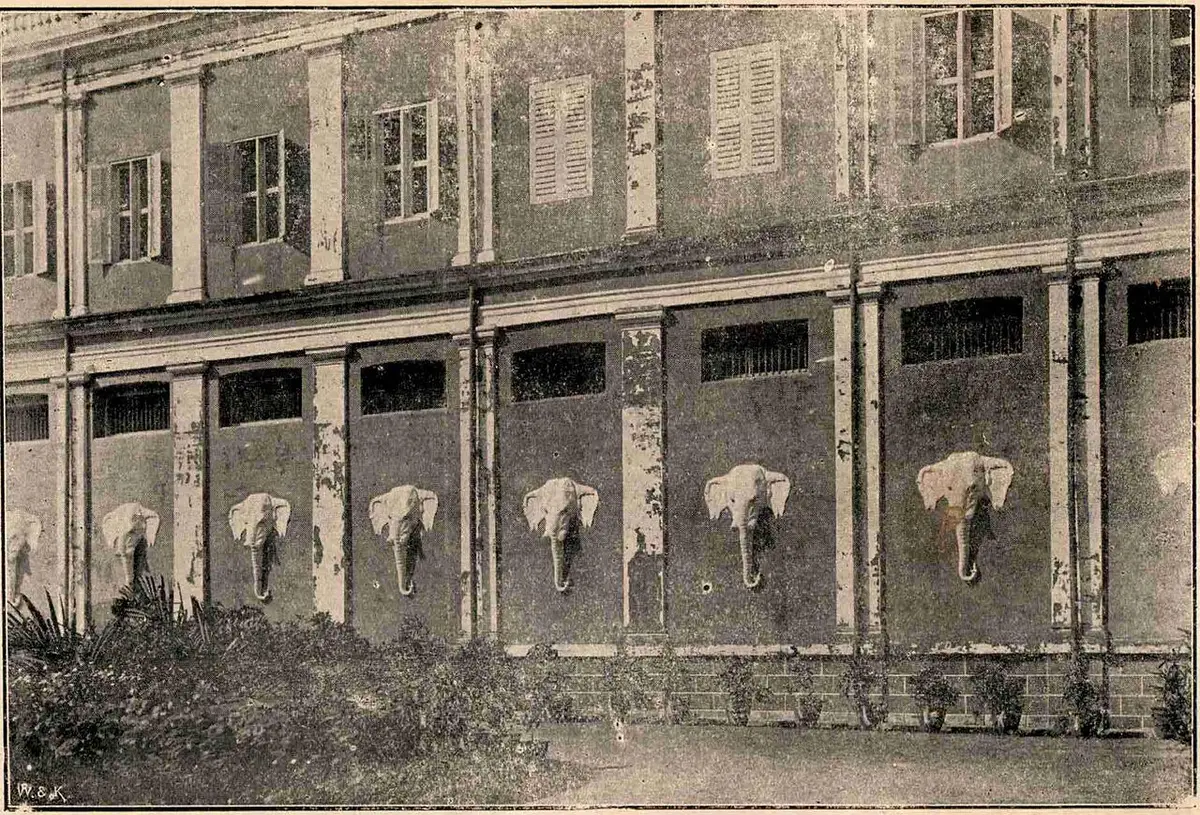
A modern esoteric society with stated aims of fraternity, comparative study, and investigation of nature and human capacities.
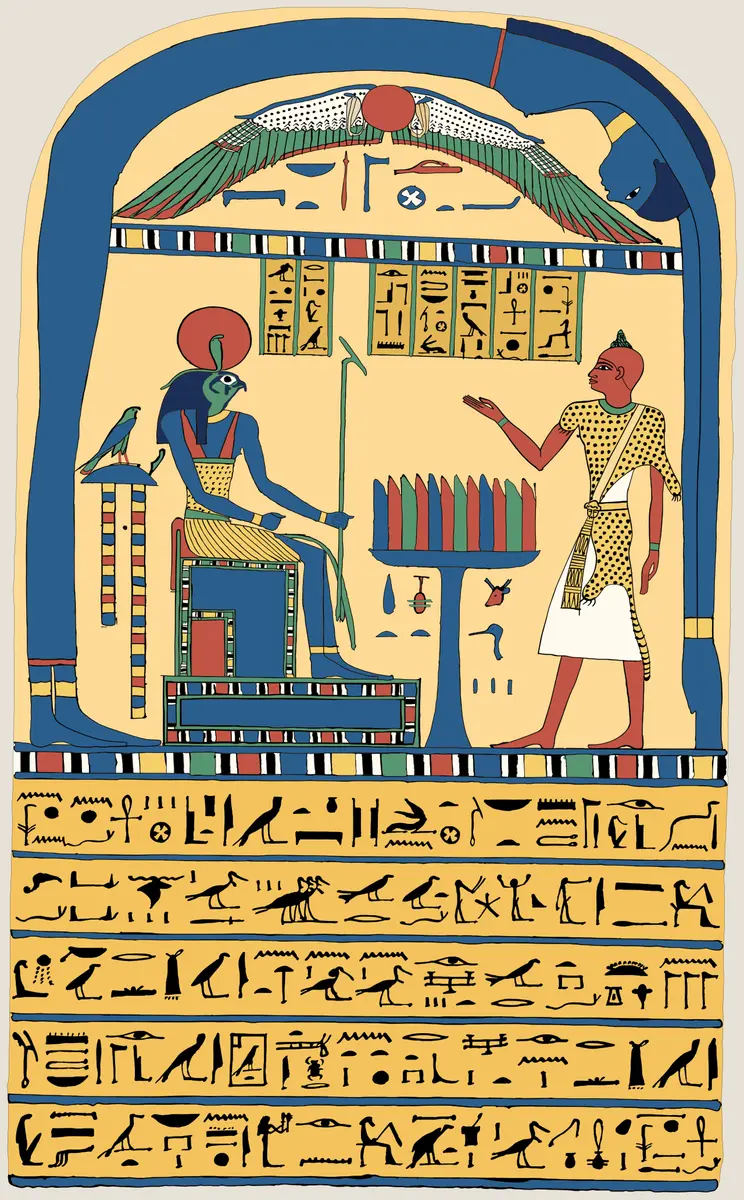
The religious and philosophical tradition associated with Aleister Crowley and The Book of the Law.
The grimoire compilation known as the Lemegeton, including the Goetia and several angelic arts.
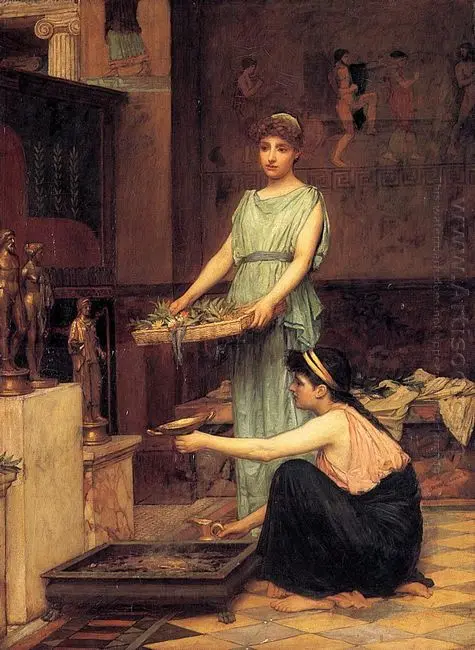
Offerings are objects, substances, actions, or works intentionally presented to a deity, spirit, sacred power, or religious community. Across religious history offerings have included food, drink, incense, flowers, animal sacrifice, money, vows, music, labor, art, and acts of service. In theistic Satanism, offerings are commonly used to express devotion, gratitude, hospitality, dedication, or…
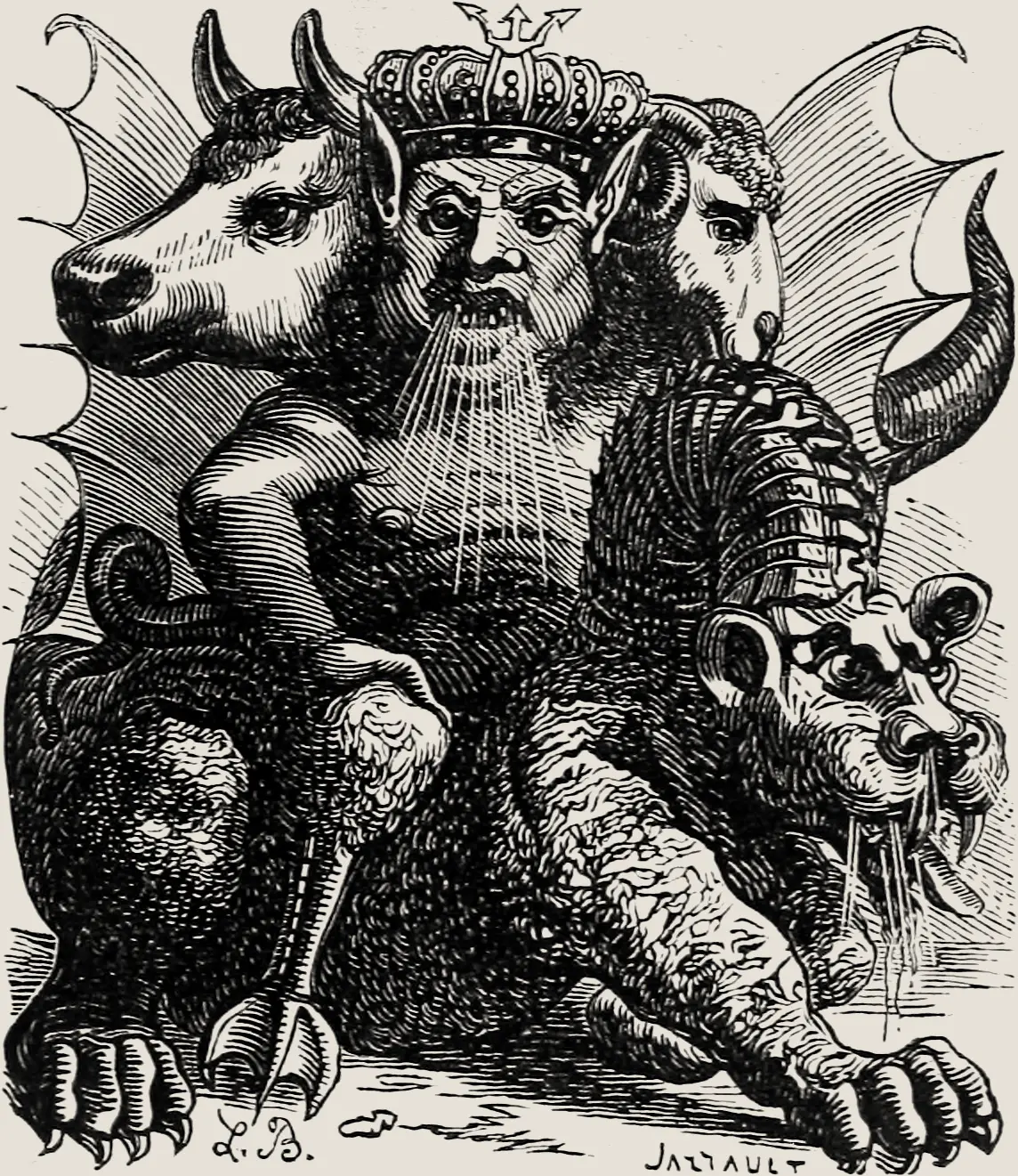
Asmodeus appears in the narrative of Tobit and in later magical and demonological literature. His different roles reflect the purposes of those texts.
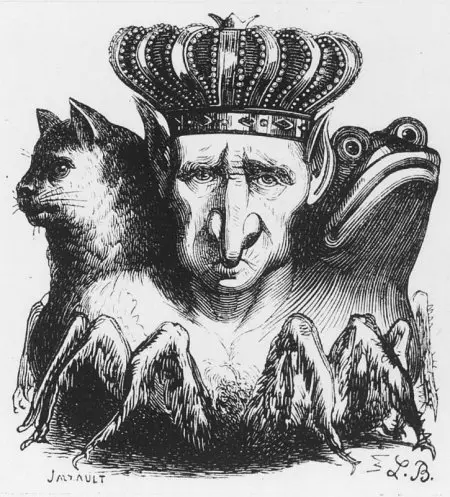
Bael is a ranked spirit in early modern magical catalogues. The Goetic figure should be distinguished from the wider use of the ancient title Baal.
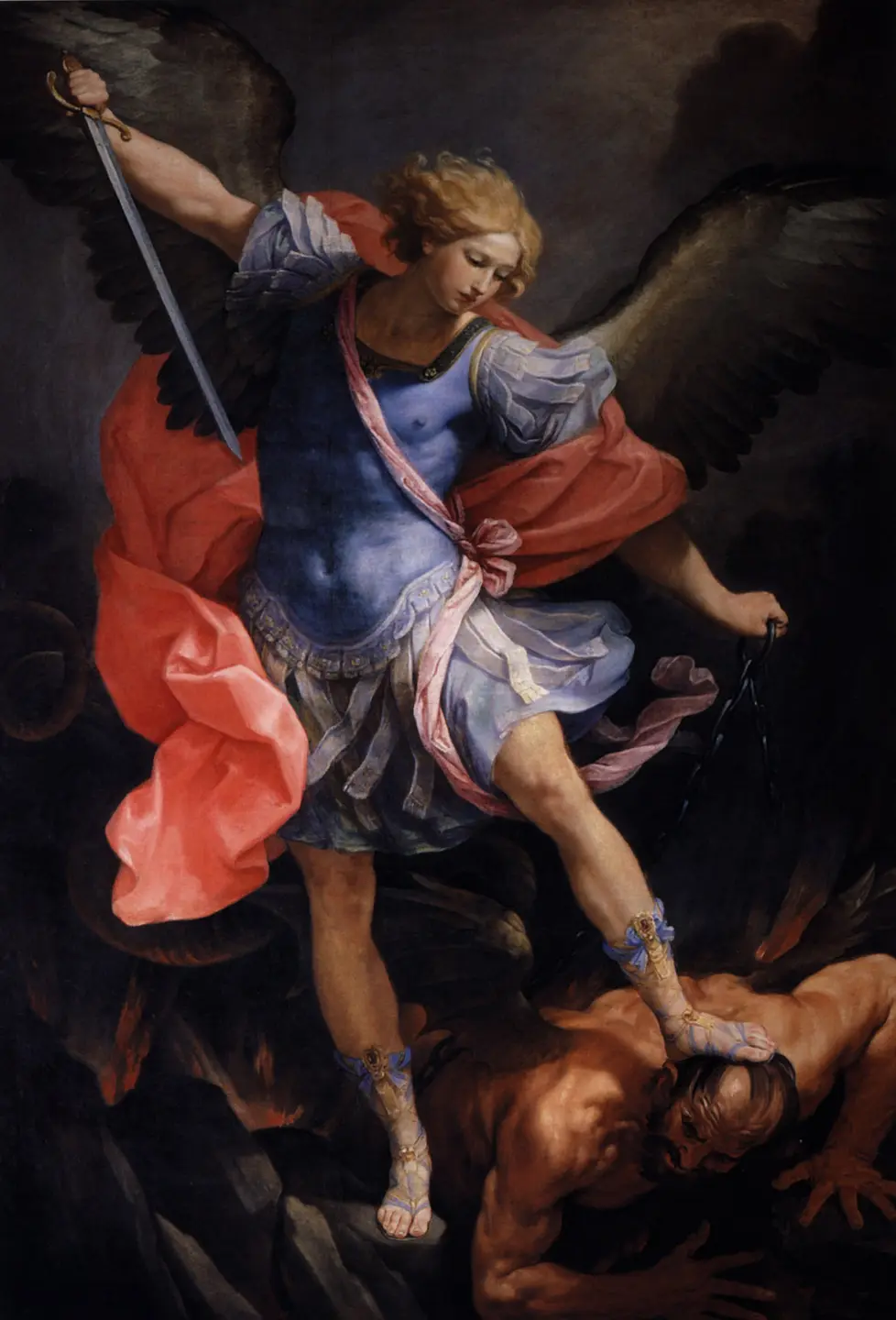
Monotheism and religious dualism concern different questions about ultimate reality. The presence of an adversary does not automatically establish two equal divine principles.
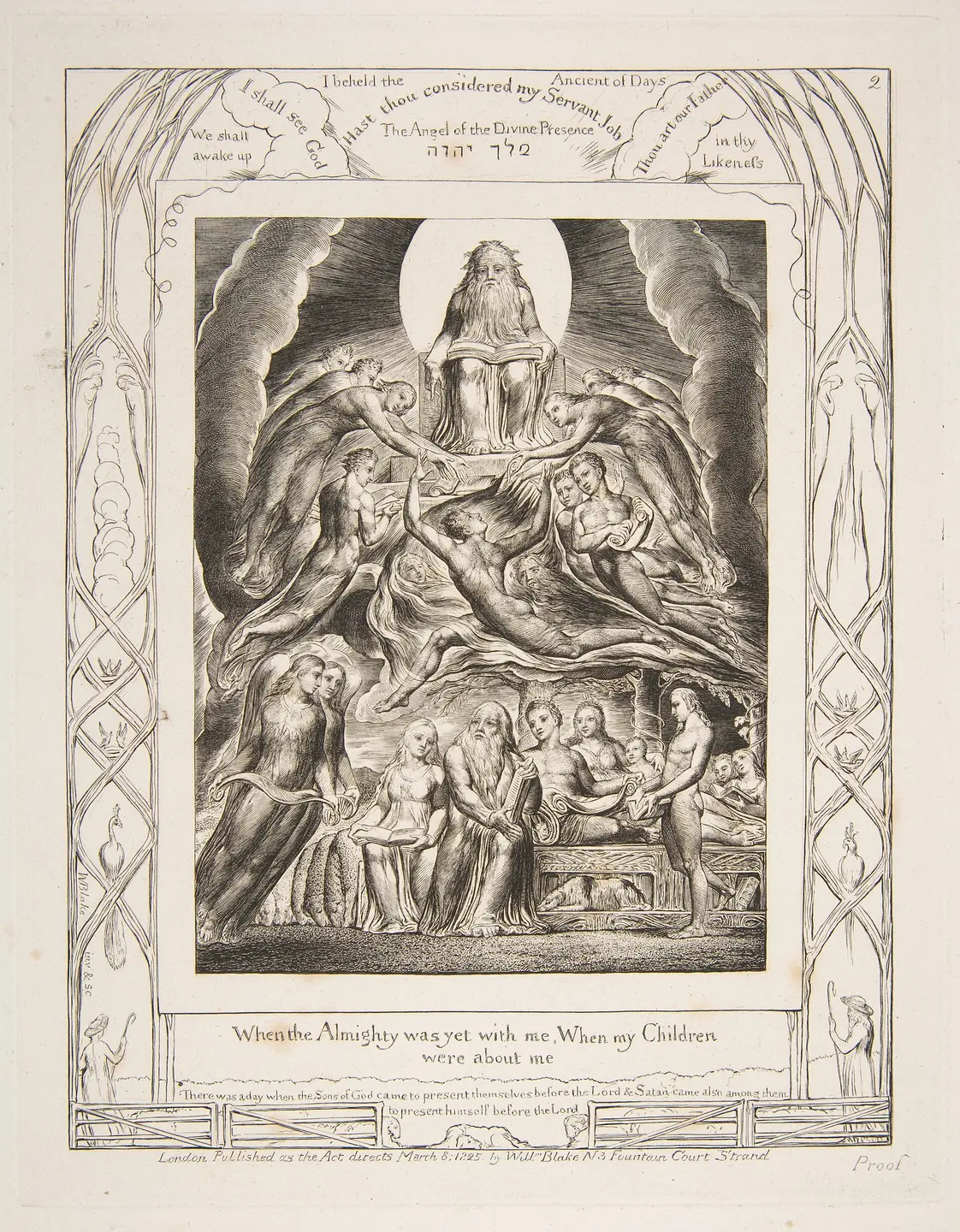
Job 1–2 presents Satan in a heavenly assembly and in a dispute about Job’s righteousness. The passage should be read before later accounts of Satan’s origins are supplied.
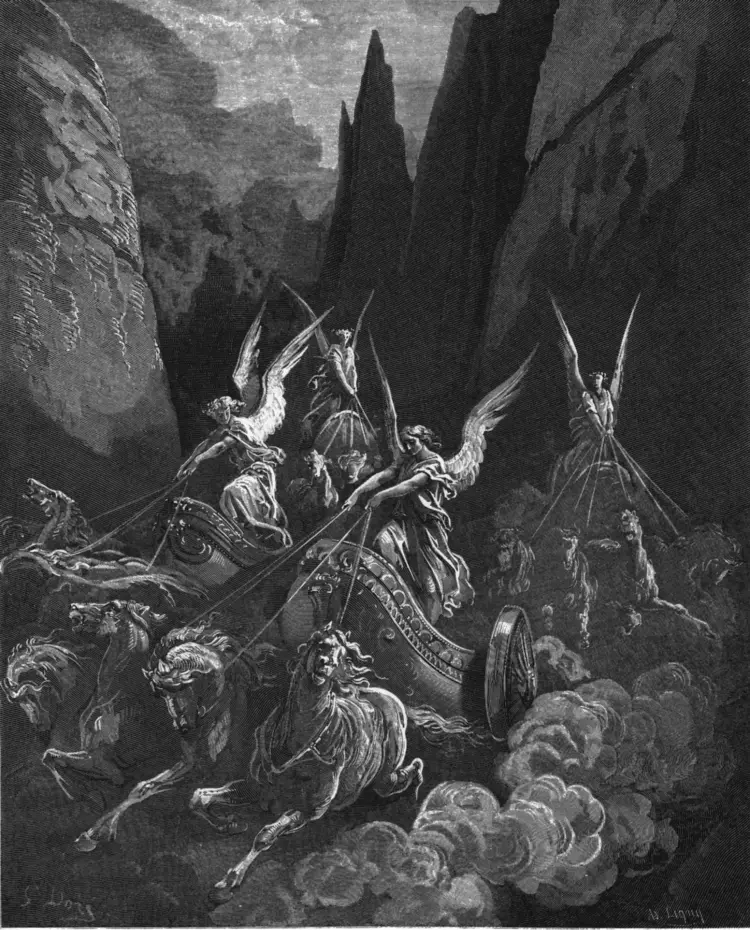
Zechariah 3 presents Satan accusing Joshua the high priest within a vision of judgment and restoration. The scene has a specific religious and literary purpose.
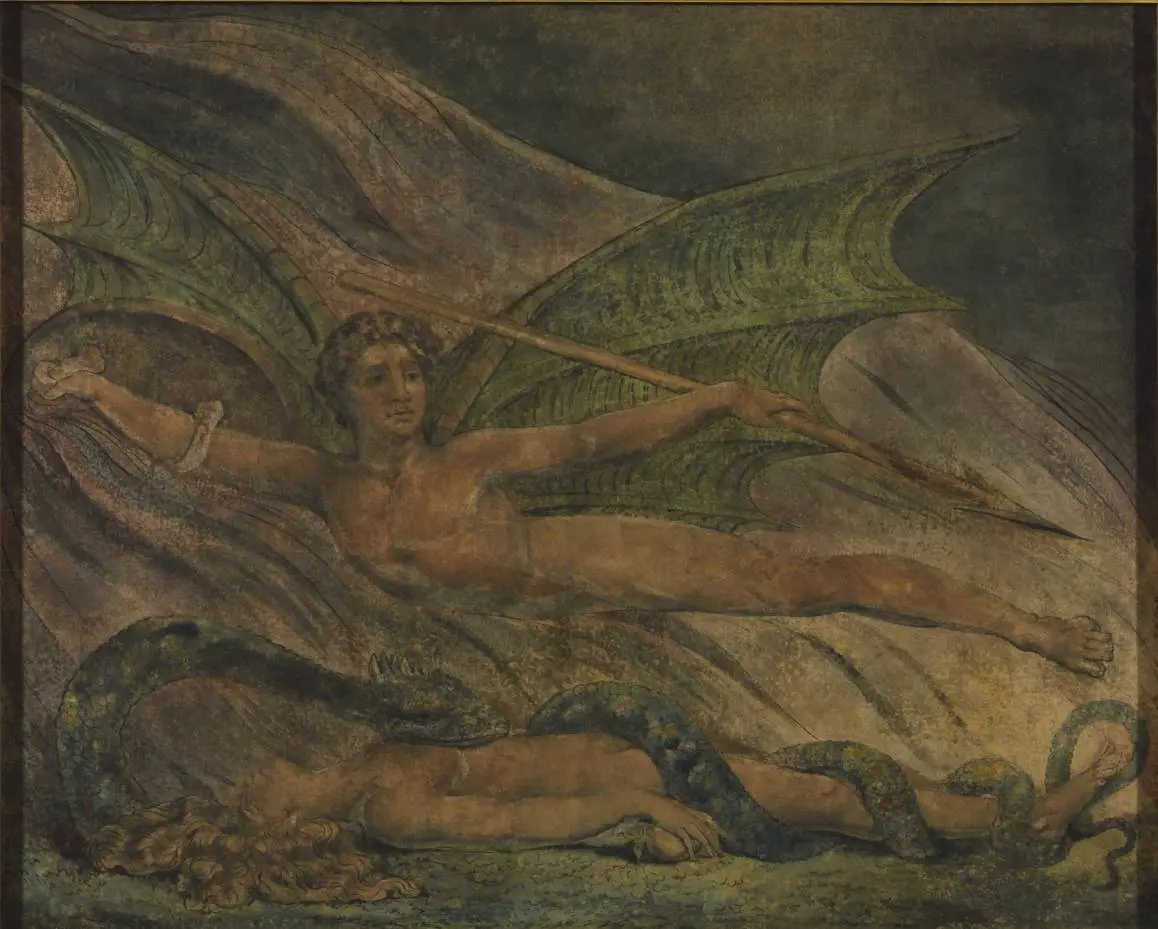
Romantic Satanism concerns literary and political readings that give Satan a positive role in opposition to tyranny or conventional authority. It should be distinguished from membership in a religious organization.