Demonology & Spirits
Bael
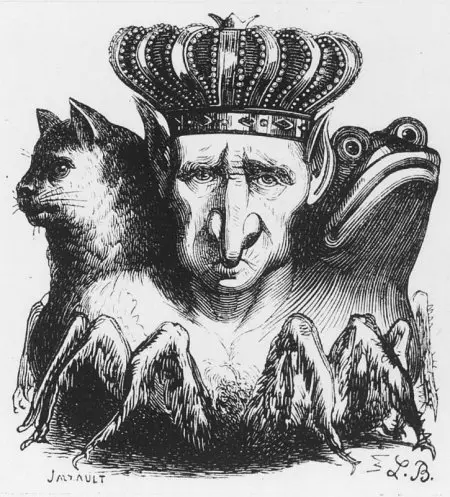
Bael is a ranked spirit in early modern magical catalogues. The Goetic figure should be distinguished from the wider use of the ancient title Baal.
Bael is a ranked spirit in early modern magical catalogues. The Goetic figure should be distinguished from the wider use of the ancient title Baal.
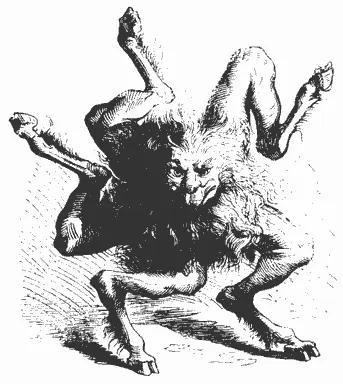
Buer is a spirit associated in magical catalogues with learning and healing. The well-known radial illustration belongs to later printed demonology.
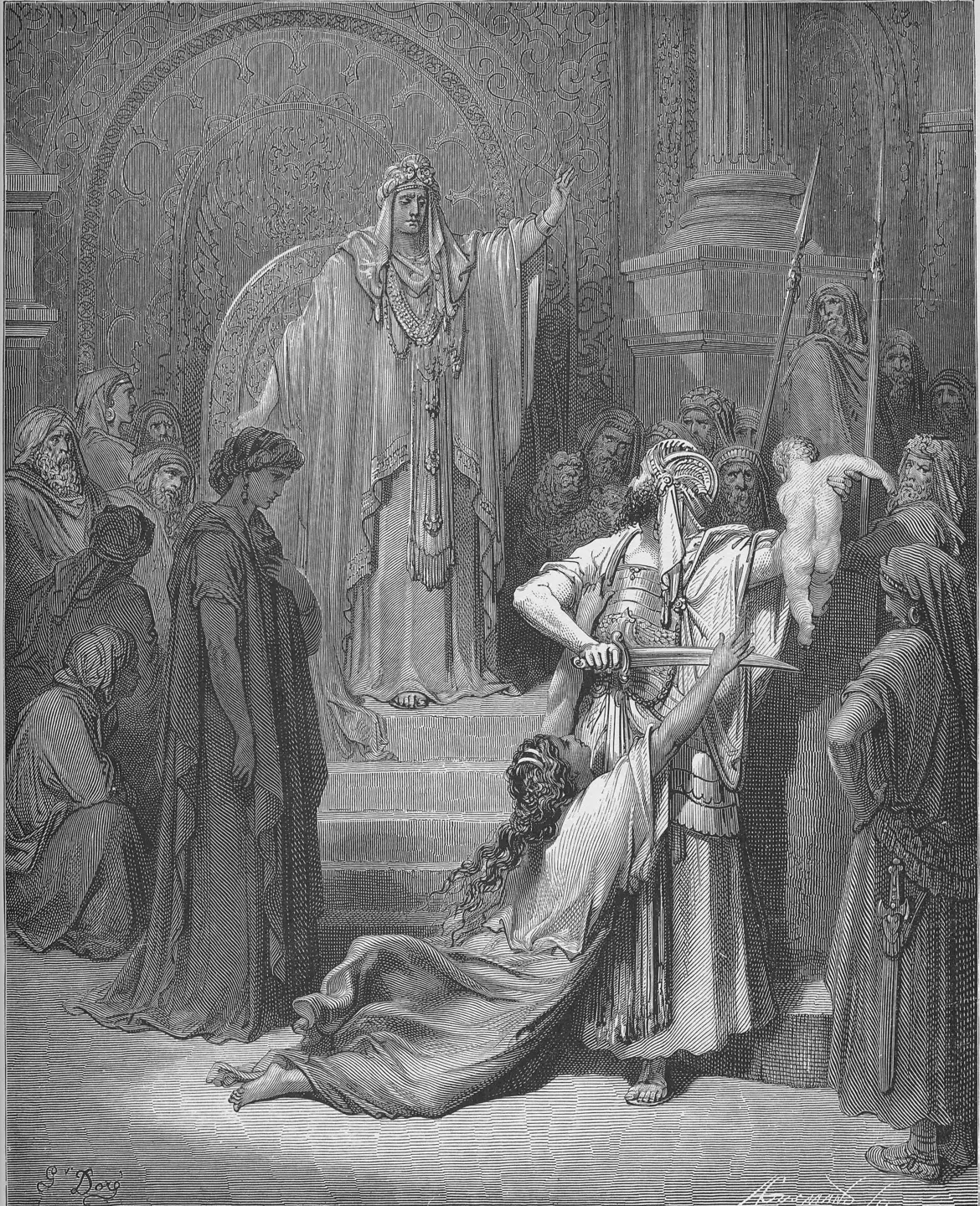
Solomon’s name supplies authority to several magical and religious works. Attribution to the king must be distinguished from the date and authorship of the surviving text.
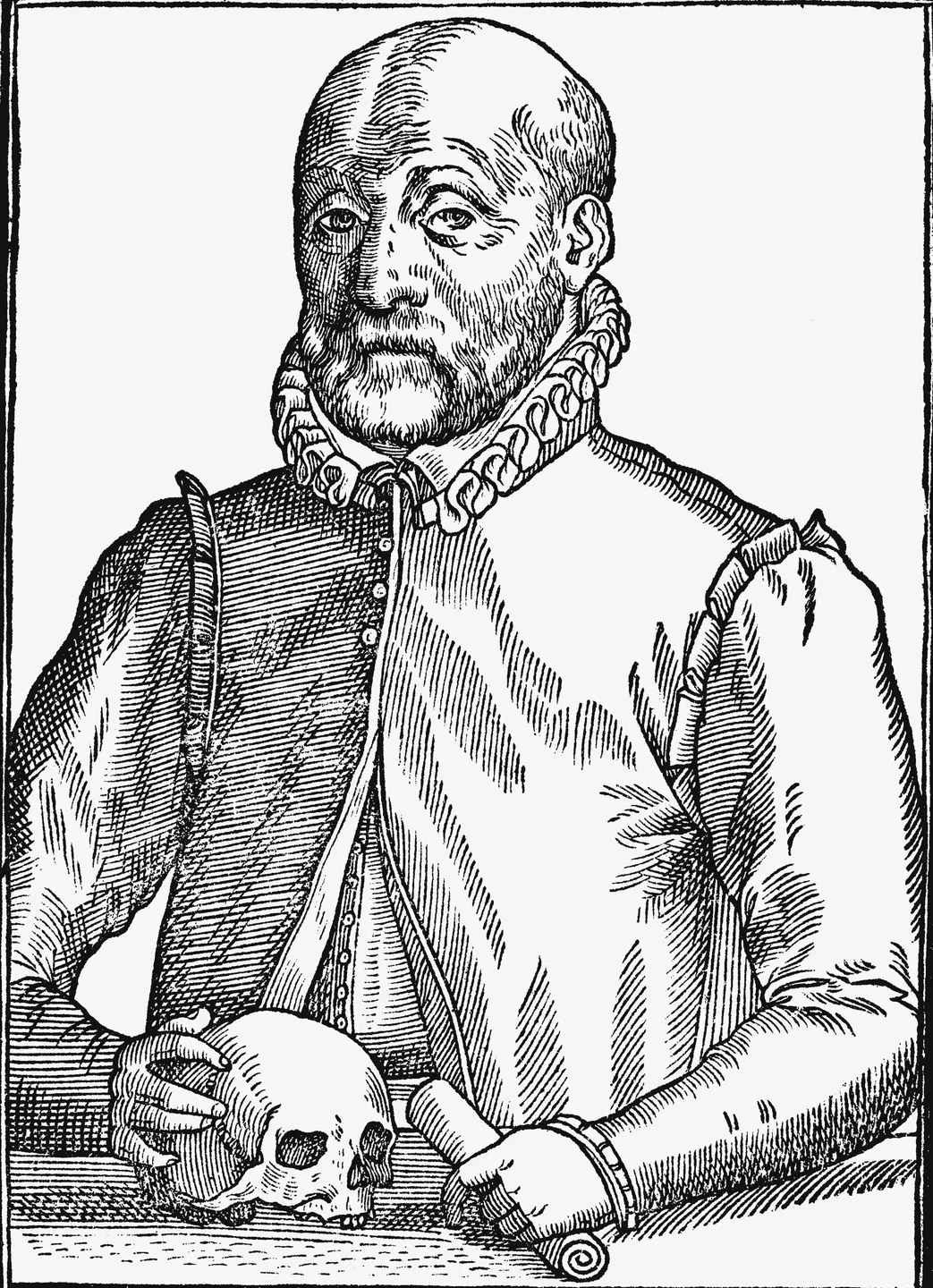
Pseudomonarchia Daemonum is a spirit catalogue associated with Johann Weyer. Its transmission helps explain similarities and differences in the later Ars Goetia.
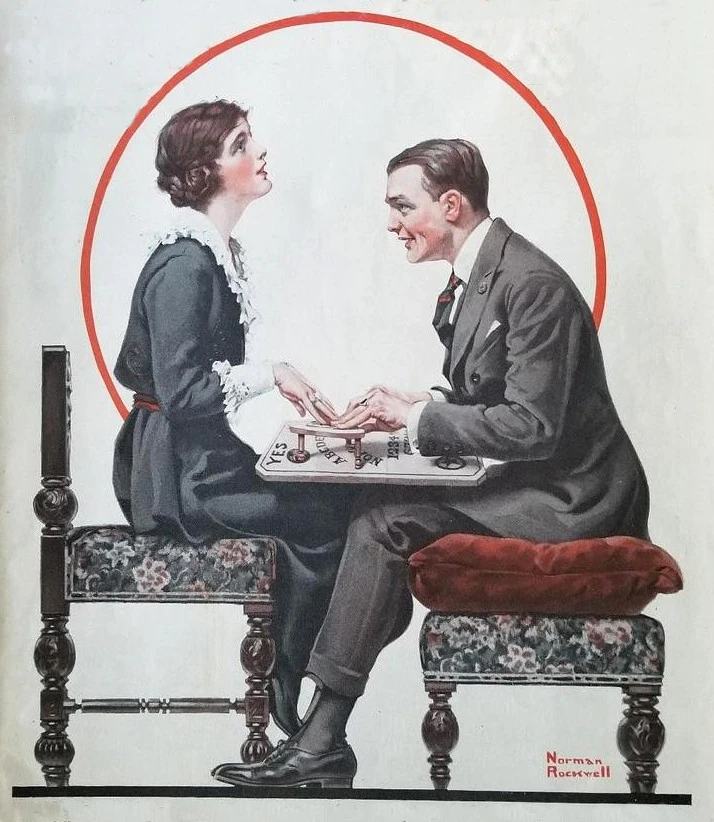
The patented talking-board game, its pointer and commercial history, and research on ideomotor movement and implicit memory.
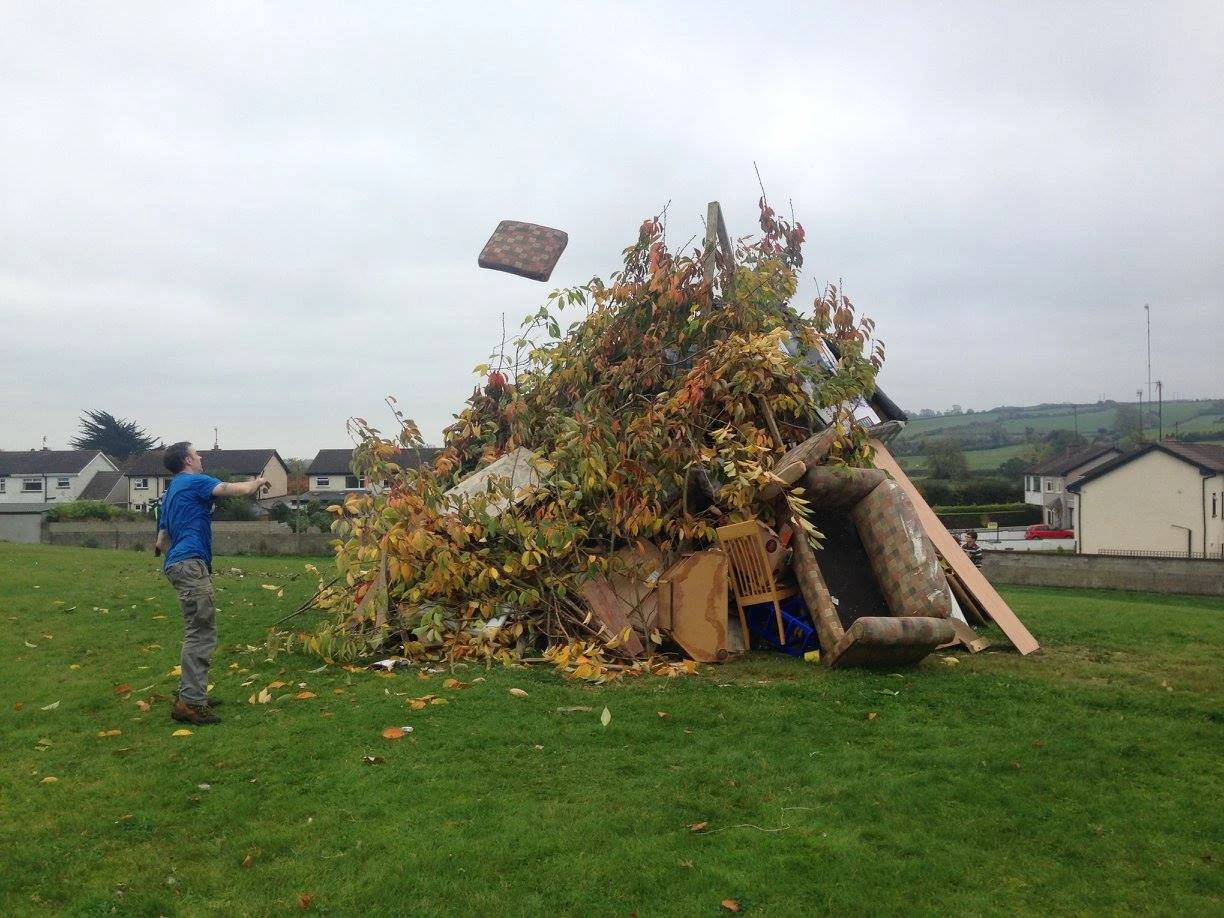
The Gaelic beginning-of-winter festival, Irish customs of food and divination, and its place in modern Pagan practice.
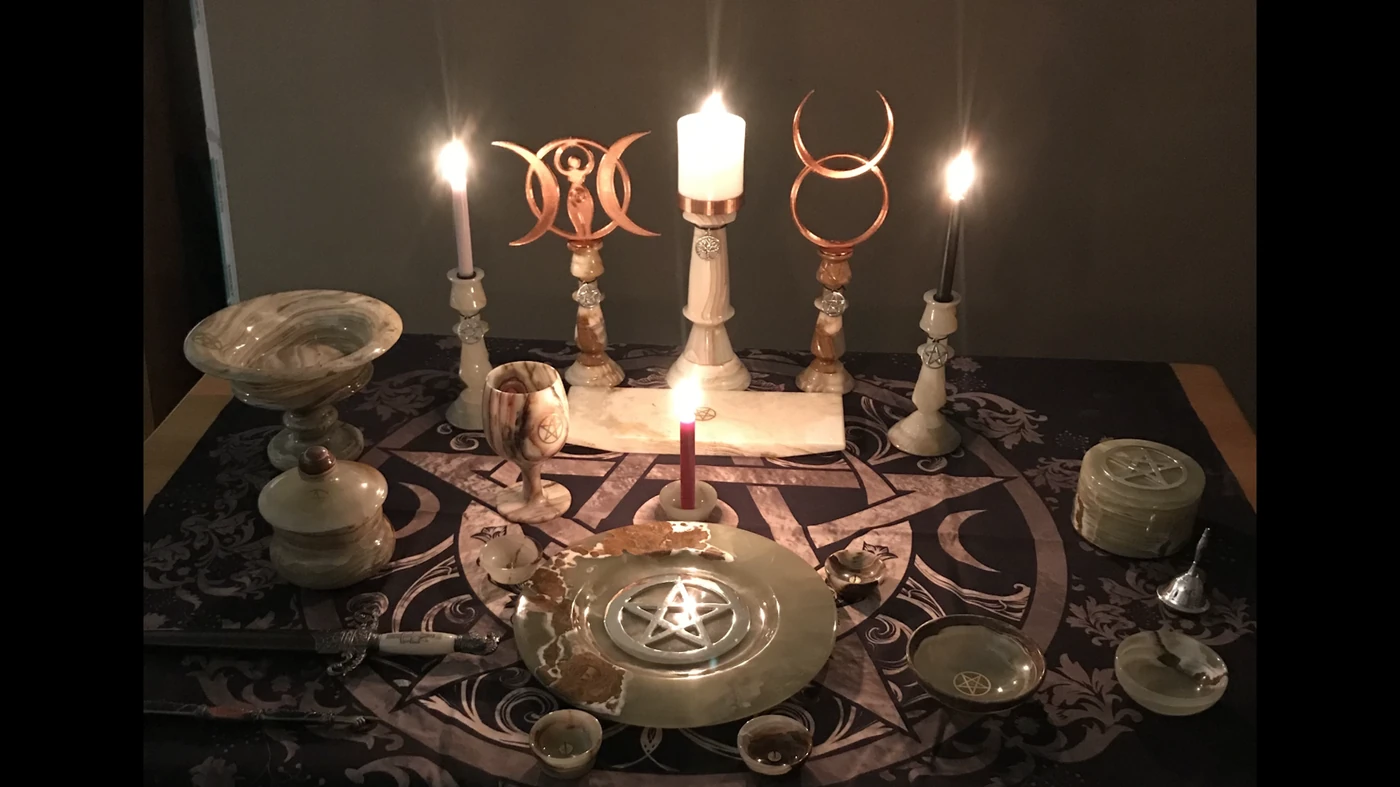
An altar is a designated place or surface used for religious devotion, ritual, offerings, sacred objects, or symbolic focus. Altars occur in many religious traditions, but their forms and meanings vary widely. In modern theistic Satanism an altar may function as a place for Prayer, Ritual, Offerings, meditation, spirit work, or the display of symbols connected with Satan and other beings.
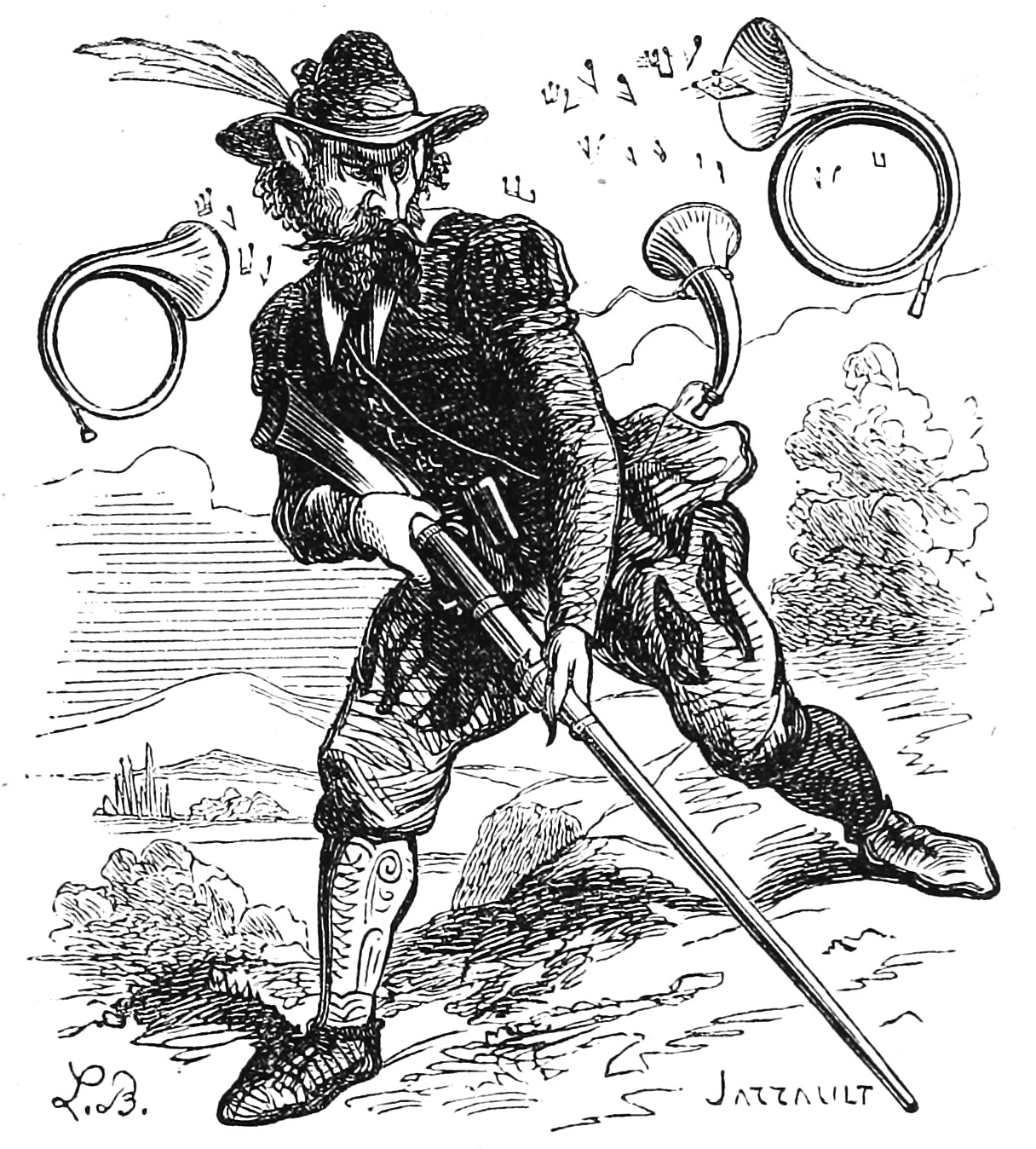
A Goetic duke connected with the speech of animals, enchanted treasure, and reconciliation.
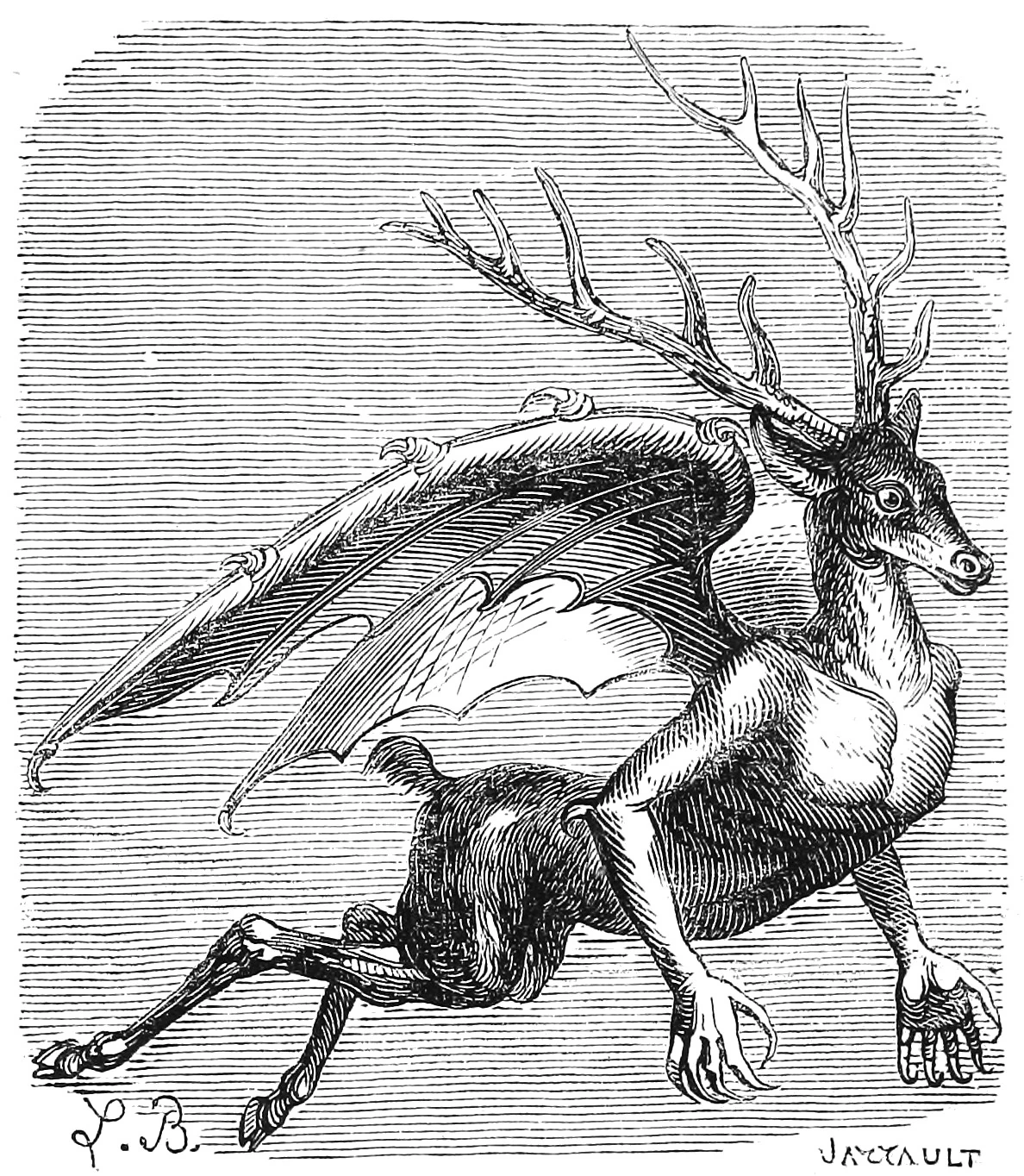
A Goetic earl depicted as a hart with a fiery tail, associated with storms and constrained answers.
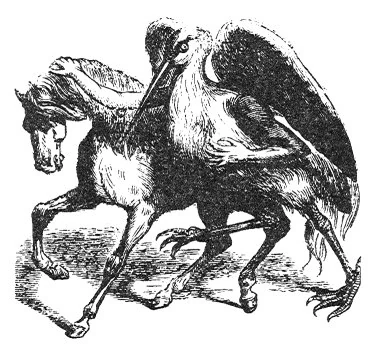
A Goetic marquis in bird form, associated with concealment, royal money, and unreliable answers.
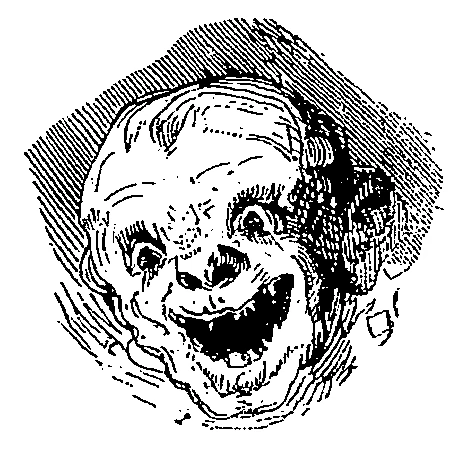
A Goetic earl associated with learned subjects, burial places, and lights at graves.
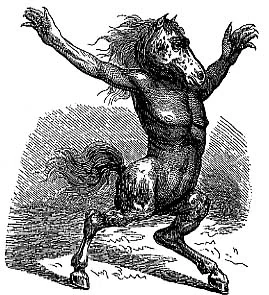
A Goetic prince portrayed as a horse and then a human, noted for the fidelity attributed to him.
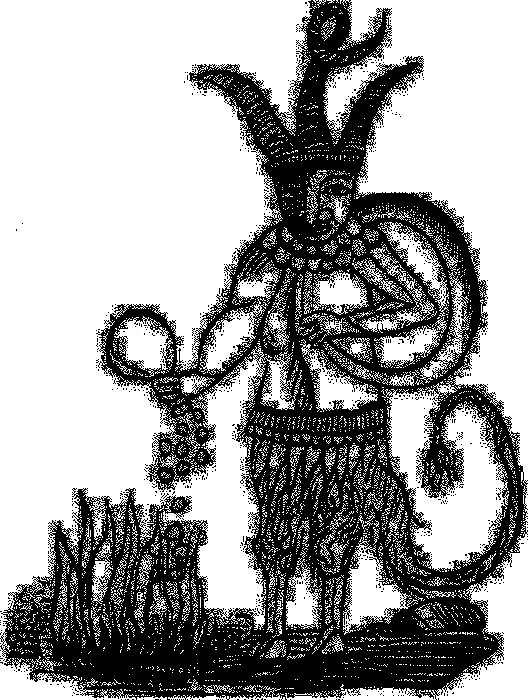
A grimoire best known for its staged encounter and pact with Lucifuge Rofocale.

The physician and author whose Pseudomonarchia daemonum supplied an important source for later spirit catalogues.
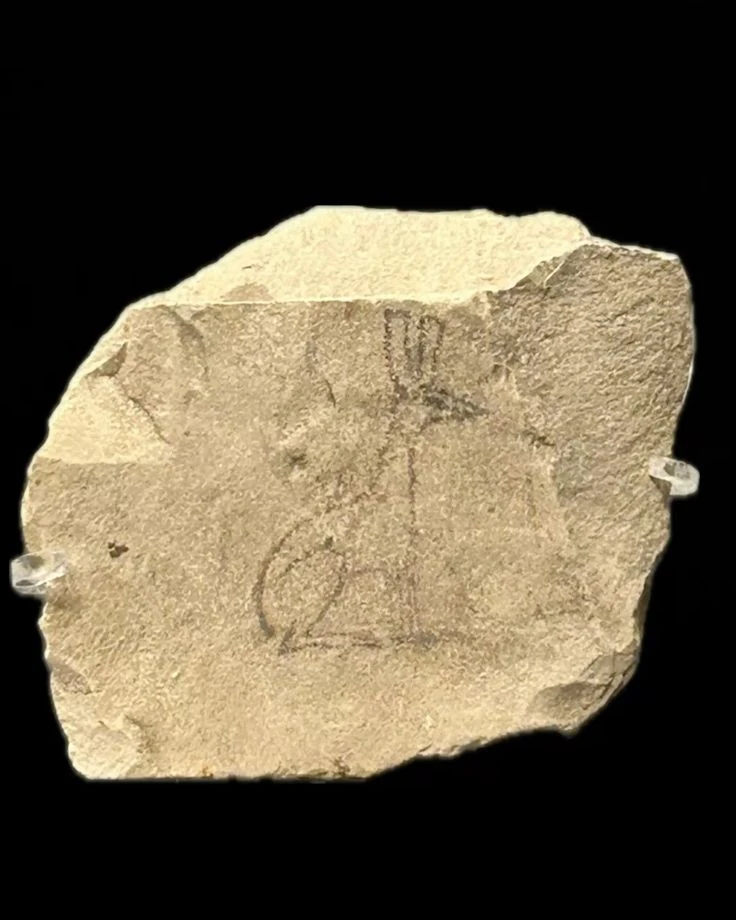
An ancient Egyptian deity associated with conflict and disorder, also reinterpreted in modern Setian religion.
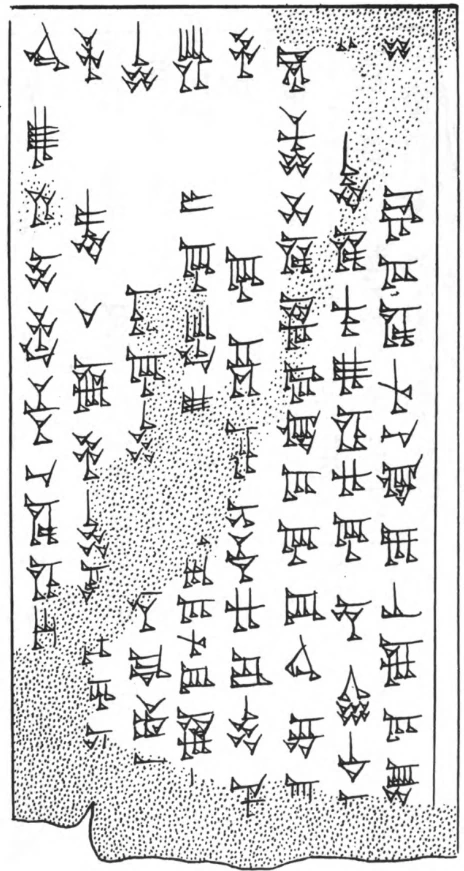
The primordial sea figure in the Babylonian creation epic Enuma Elish, defeated by Marduk in its account of cosmic ordering.
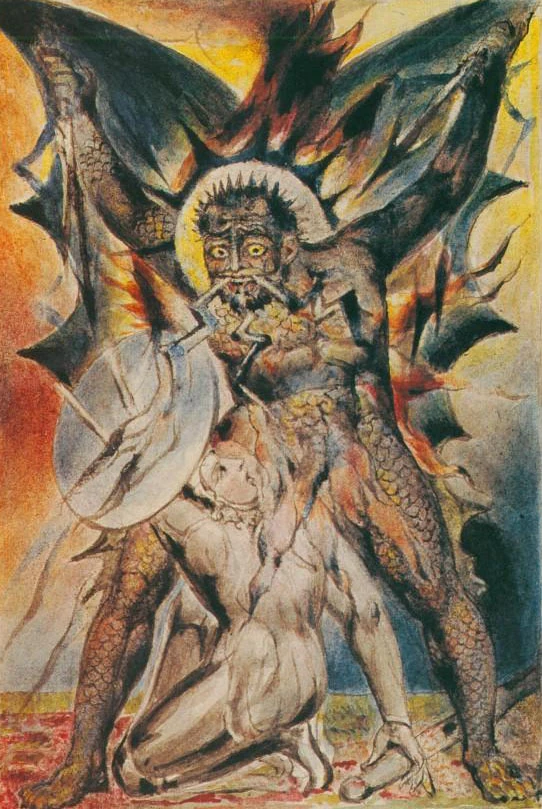
A biblical name associated with destruction, used in Revelation for the angel of the abyss.
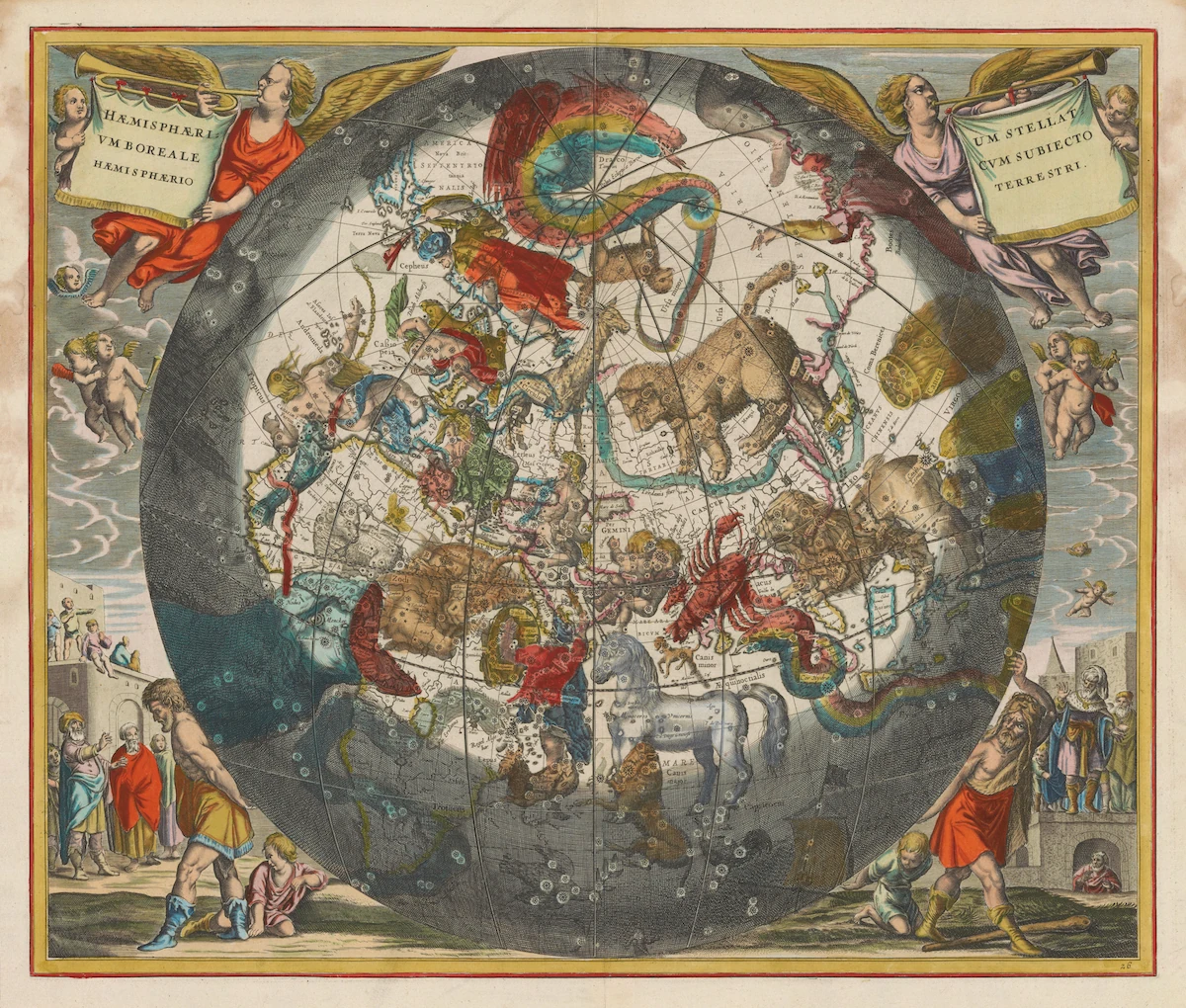
Magical systems using the seven traditional planets through timing, correspondences, images, and invocations.
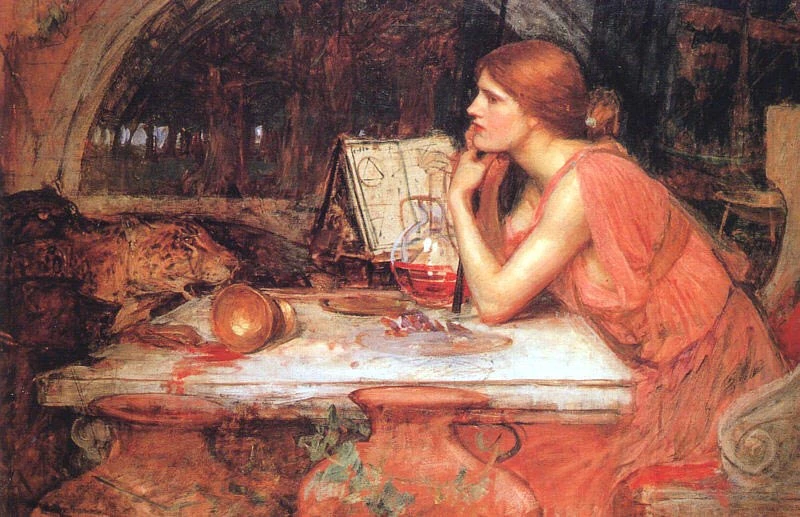
Ceremonies intended to clear, delimit, or reorder a ritual setting, with methods that vary by tradition.
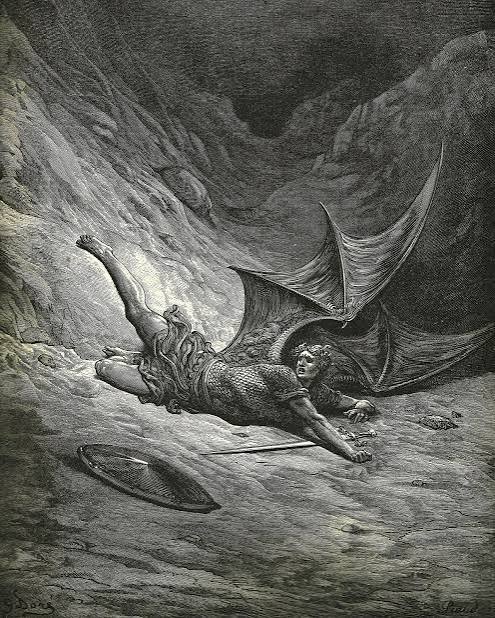
Modern theistic Satanism refers to contemporary religious currents in which Satan is understood as an independently real deity, spirit, intelligence, or metaphysical presence and is approached through devotion, ritual, prayer, magic, contemplation, or other religious practices. It is part of the wider field of modern Satanism but differs from explicitly non-theistic movements that use Satan primarily as…