Demonology & Spirits
Semjaza
Semjaza is a leading figure in the Enochic account of the Watchers’ oath and descent. His role differs from the teaching and punishment associated with Azazel.
Semjaza is a leading figure in the Enochic account of the Watchers’ oath and descent. His role differs from the teaching and punishment associated with Azazel.
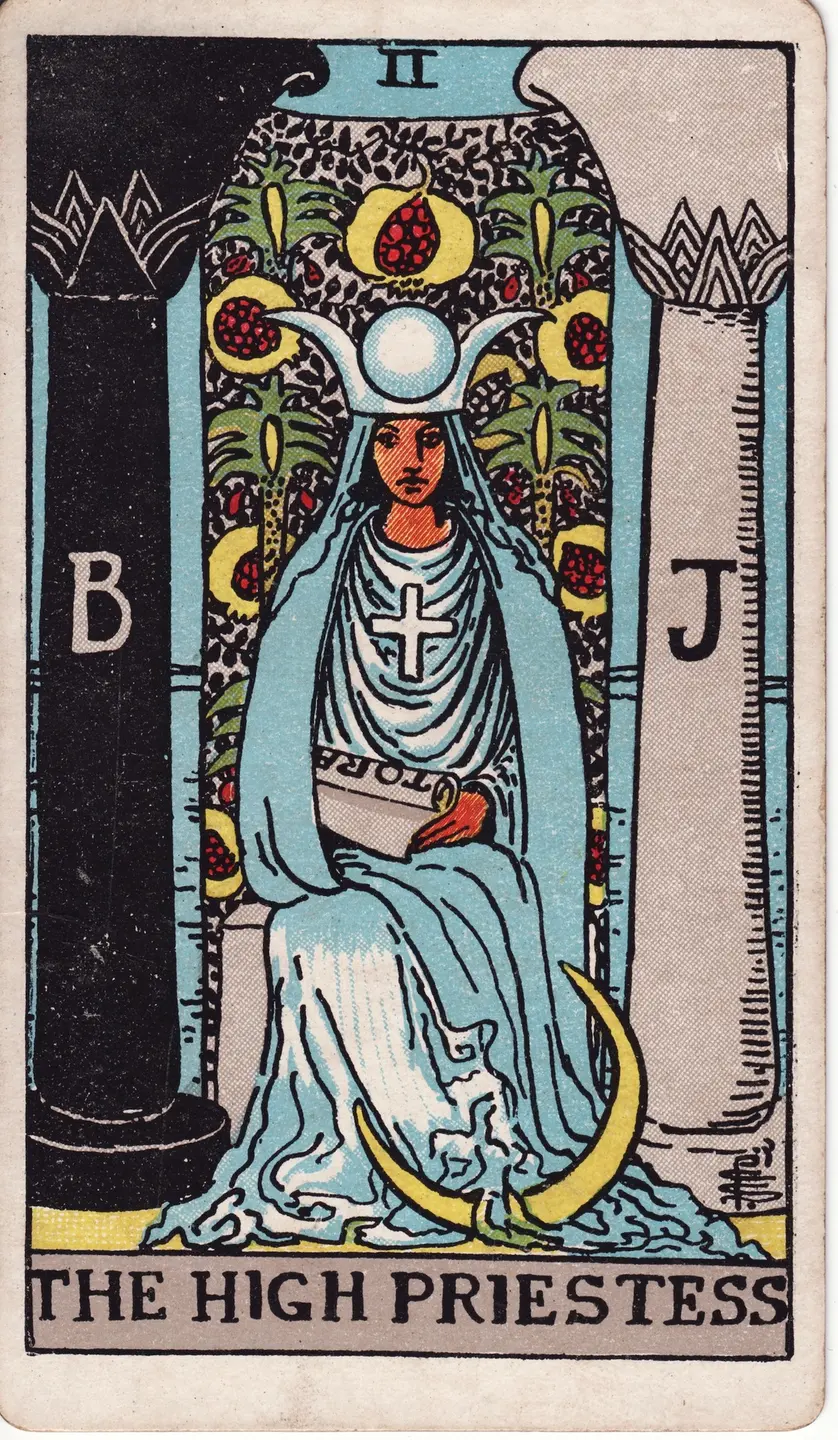
Tarot developed as playing cards before becoming an influential tool of occult interpretation. The history of the cards differs from later claims about their hidden origins.
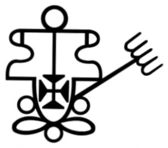
A Goetic king riding a bear, with offices concerning hidden knowledge, treasure, and cosmology.
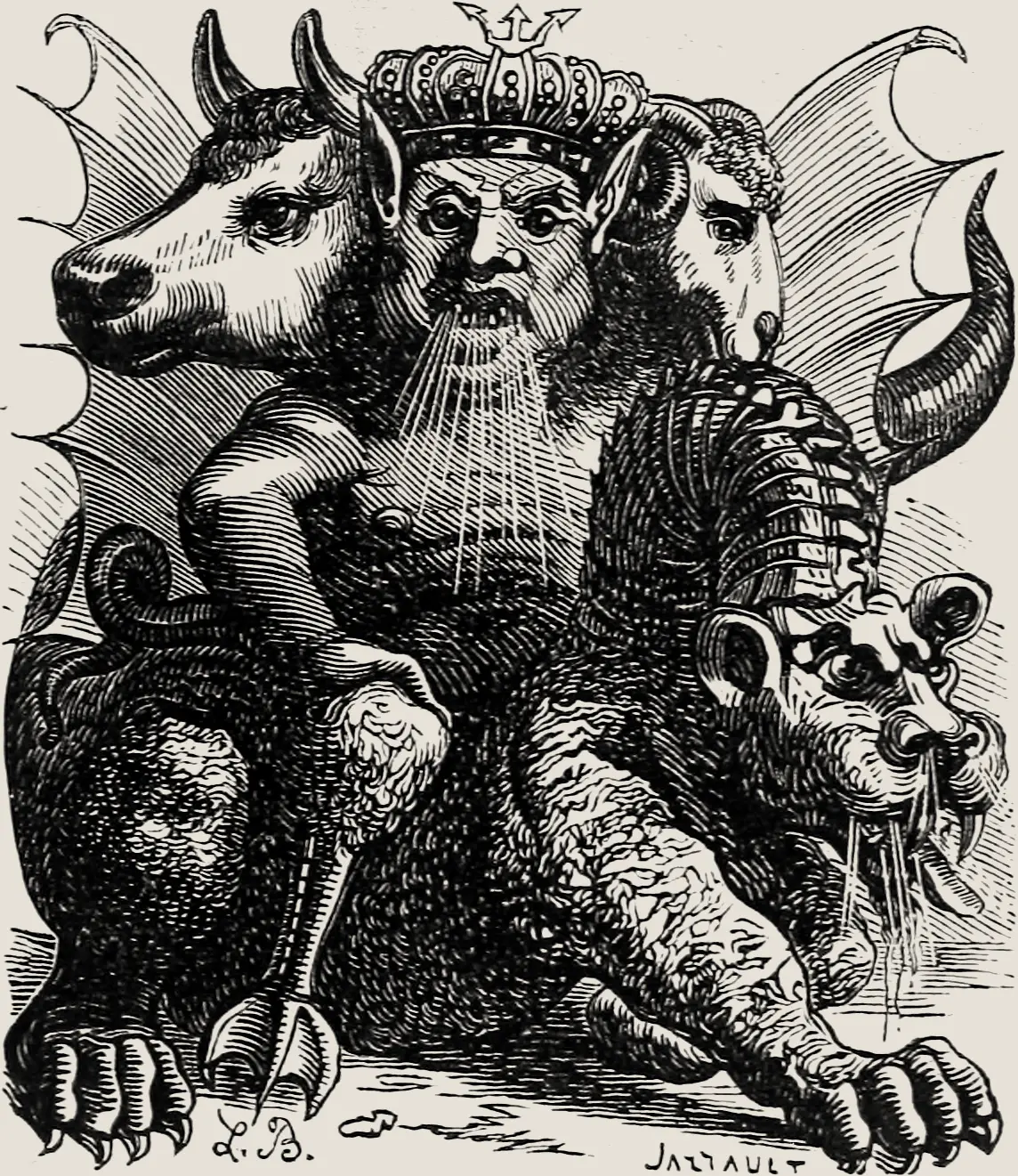
Asmodeus appears in the narrative of Tobit and in later magical and demonological literature. His different roles reflect the purposes of those texts.
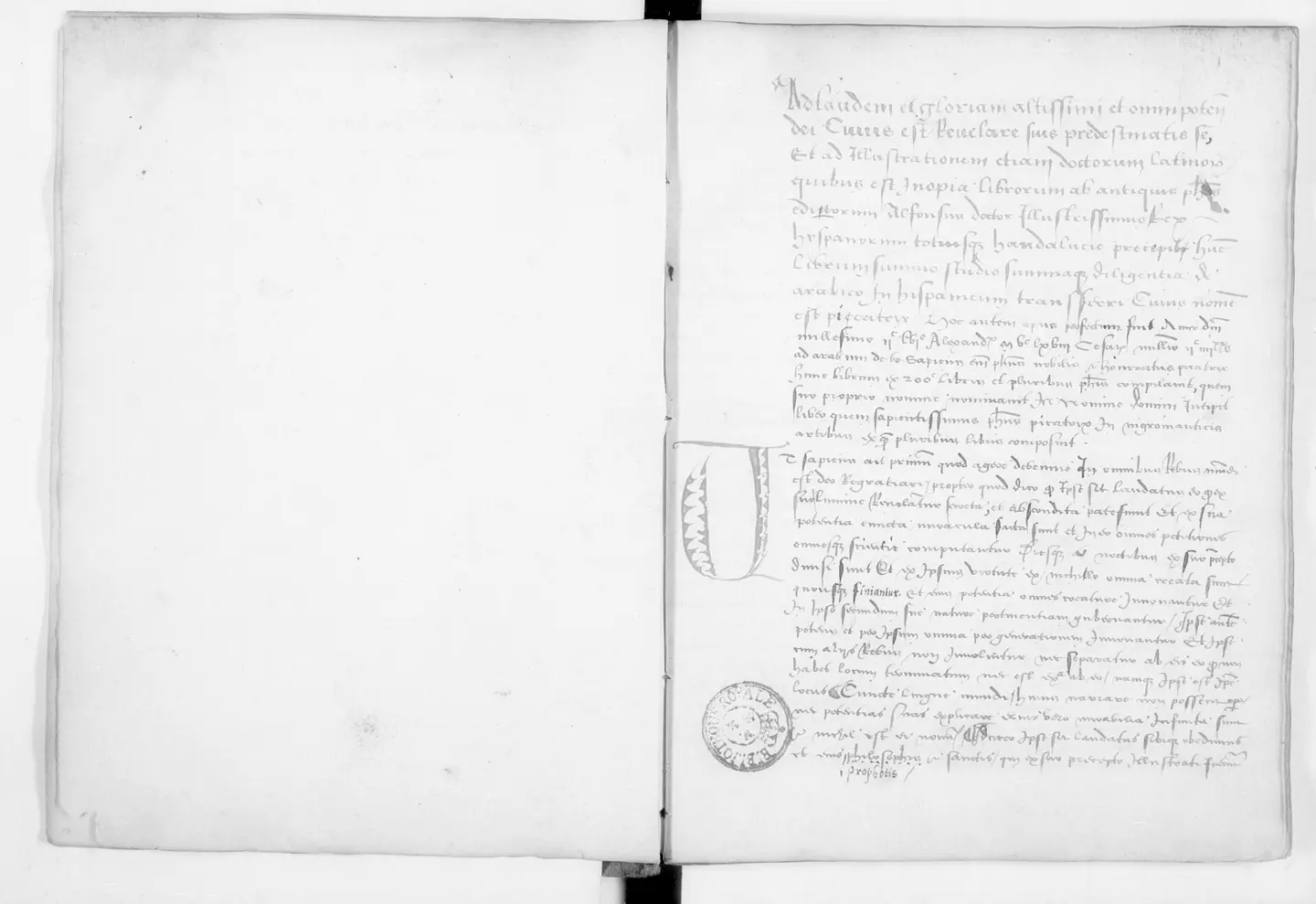
Picatrix is the Latin title associated with an influential Arabic work of astral magic. Its cosmological and ritual framework differs from a catalogue of Goetic spirits.
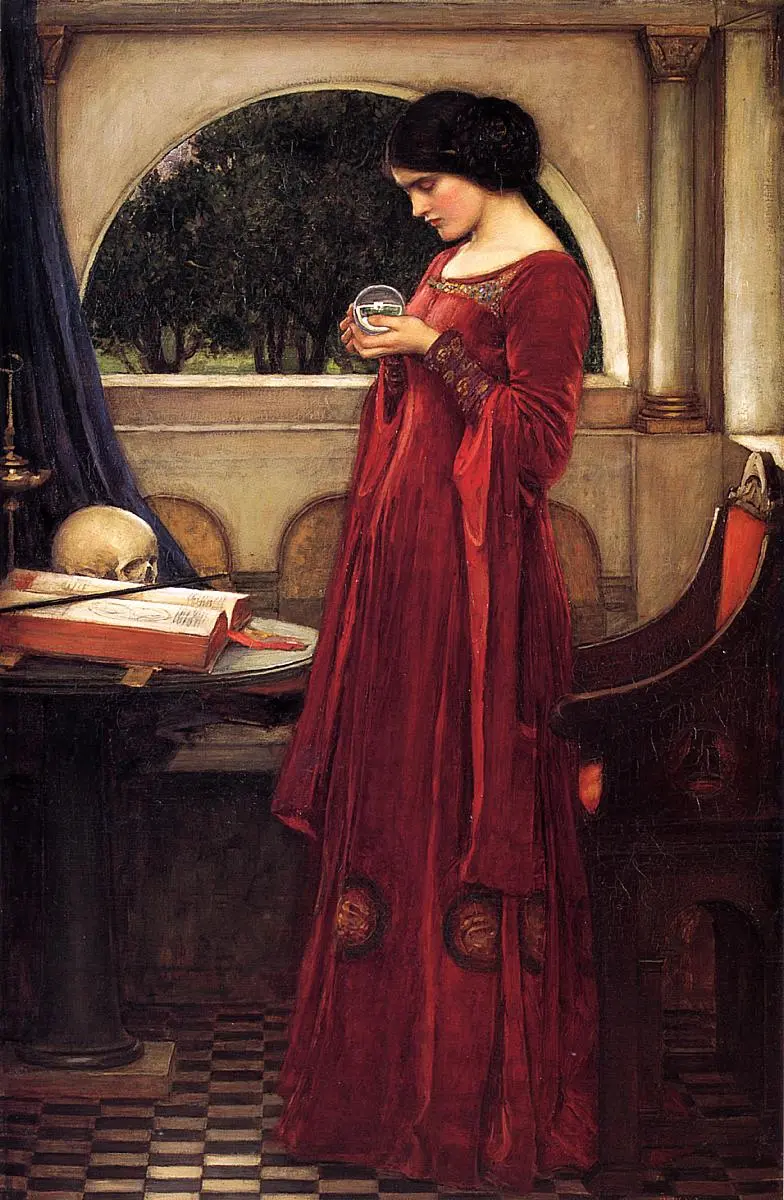
Divination consists of practices that interpret signs as answers, indications, or guidance. Methods differ in their religious assumptions and in the kinds of claims they make.
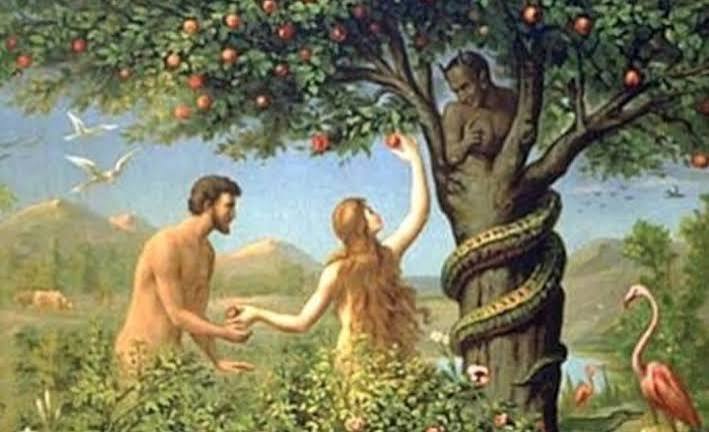
The serpent in Genesis 3 persuades the woman to eat from the tree of knowledge. The chapter does not name Satan. Later texts and interpretations connect the serpent with the Devil, adding to the history of the Eden story.
Grigoripedia is the official online encyclopedia of Satano-Grigorism, maintained by members of the Grigorist Temple of Satanael. Launched in June 2026 according to its About page, it documents the religion’s beliefs, deities, scriptures, history, holidays, and terminology from a Satano-Grigorist perspective.
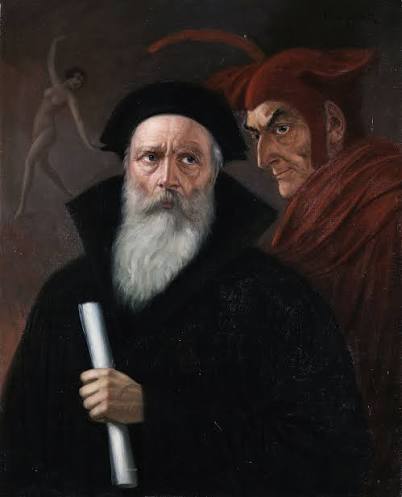
Faust is the scholar or magician at the center of a European legend about bargaining with the Devil. The 1587 Faust book, Marlowe’s Doctor Faustus, and Goethe’s Faust give the story different treatments of knowledge, desire, damnation, and human striving.
The Malleus Maleficarum is a Latin treatise associated with the inquisitor Heinrich Kramer. It combined demonological argument with proposals for prosecuting alleged witches. Its allegations, treatment of women, and influence require critical historical reading.
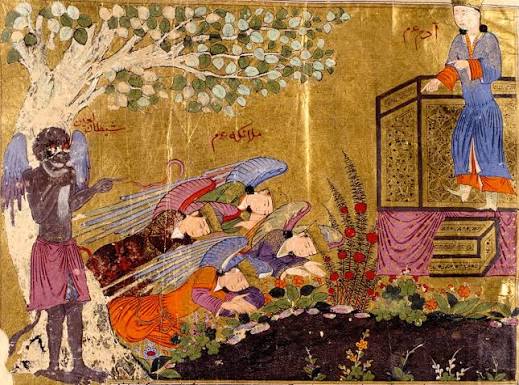
Iblis is the figure who refuses God’s command to bow to Adam in the Qur’an. Islamic commentary and Sufi literature explore his pride, his relationship to the jinn, his role as a tempter, and the meaning of his disobedience.
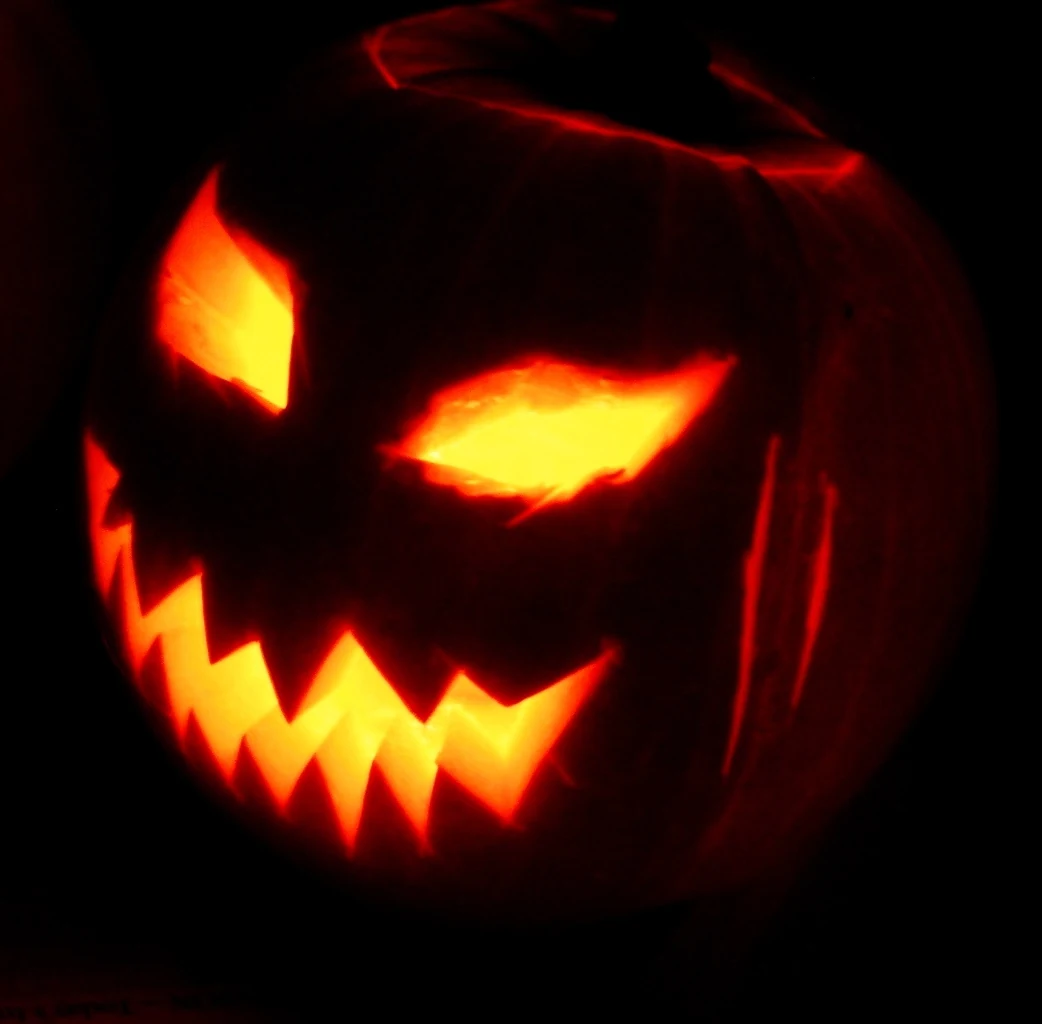
The public holiday of 31 October, including lanterns, visiting customs, disguise, and its Celtic and Christian histories.
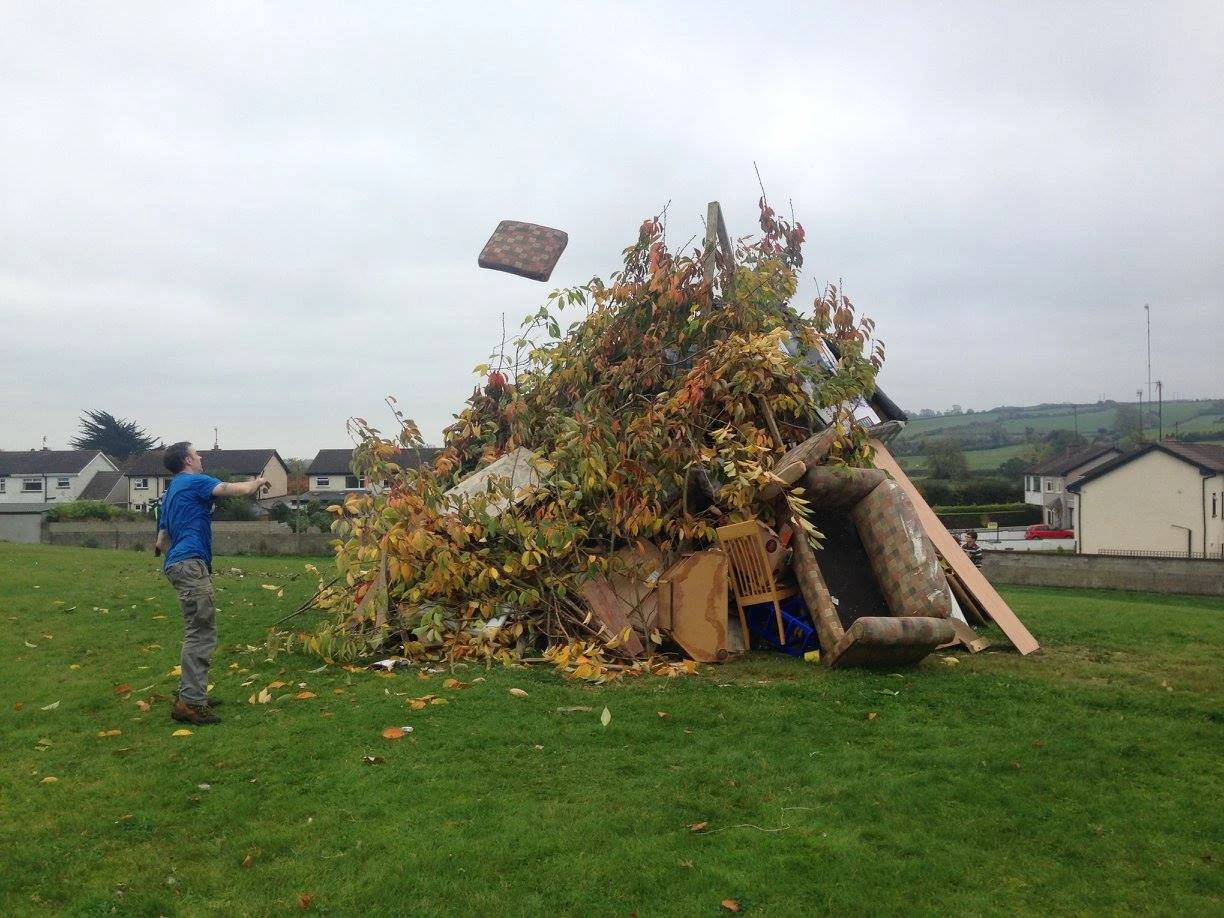
The Gaelic beginning-of-winter festival, Irish customs of food and divination, and its place in modern Pagan practice.
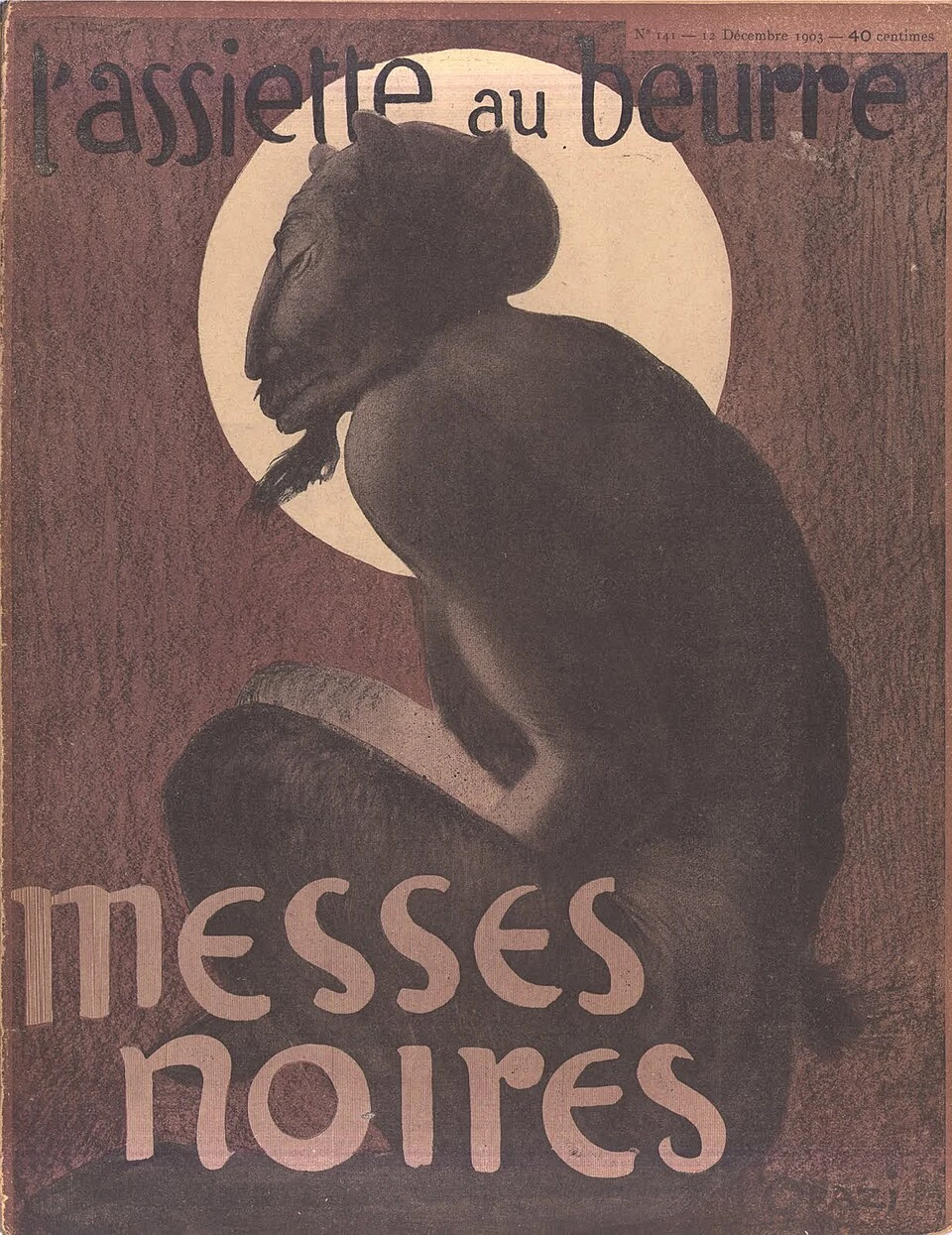
A term for ritual inversion of Christian worship, with Huysmans's literary portrayal and a modern distinction from Satanic Mass.
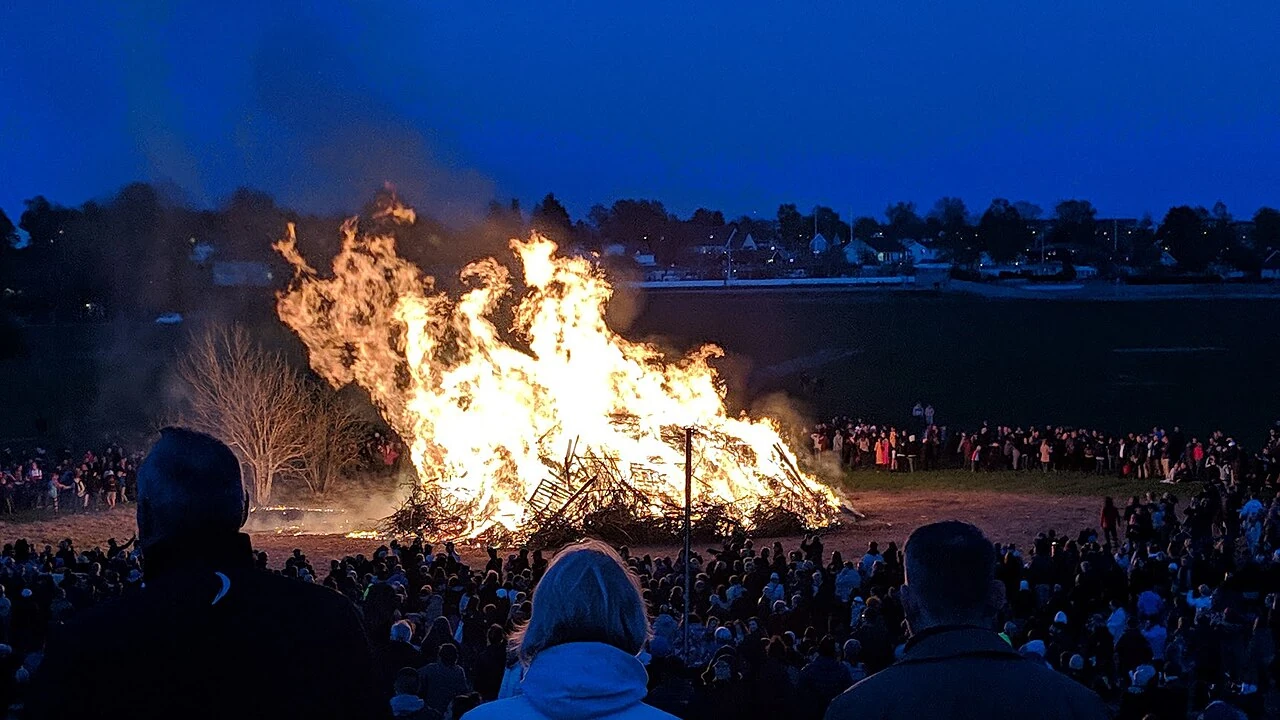
The different holiday calendars published by the Church of Satan and The Satanic Temple, with dates and organizational meanings.
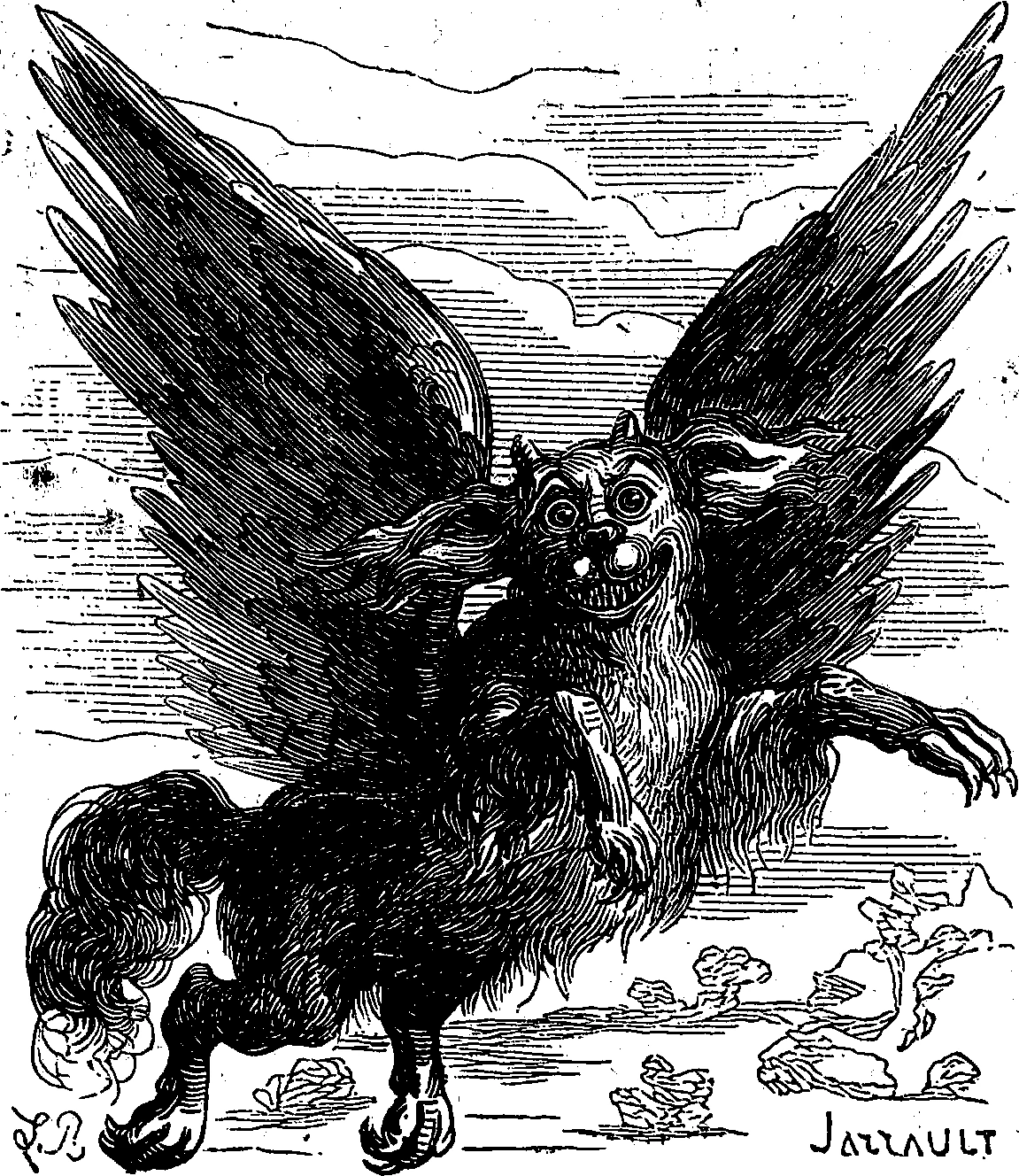
A Goetic spirit combining learned offices with a violent reputation and a winged dog form.
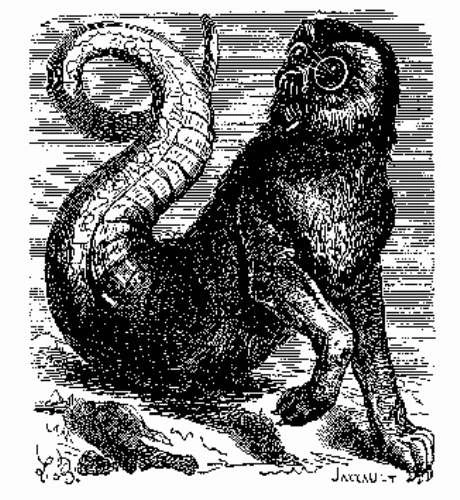
A Goetic marquis with a wolf-like appearance, associated with knowledge and the making or resolution of disputes.
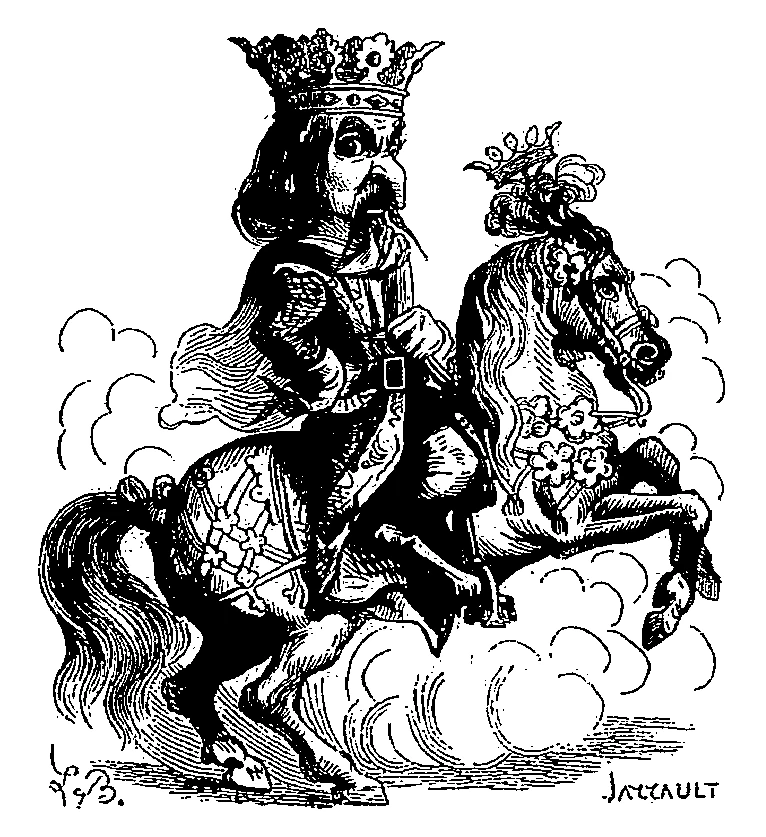
A Goetic duke riding a red horse, credited with knowledge, honors, and the transformation of metals.
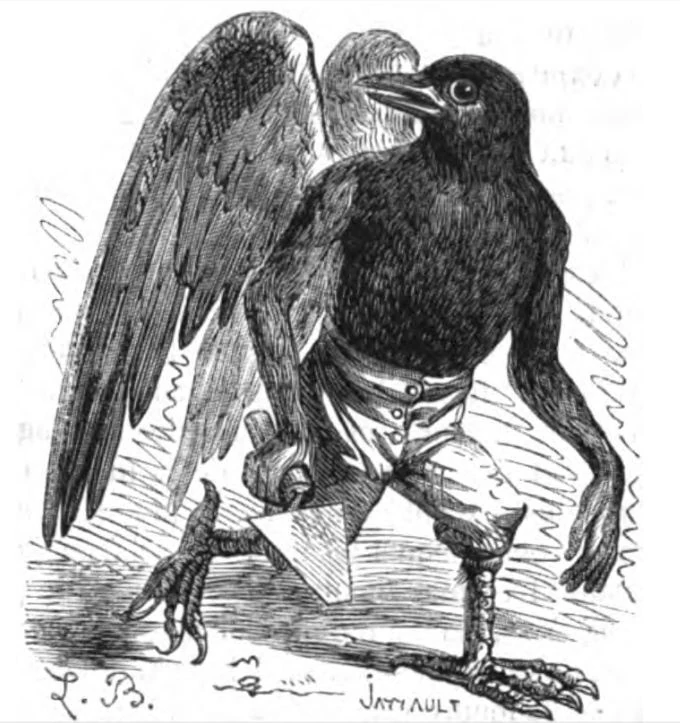
A Goetic president in a dark bird form, associated with building and a warning about offerings.
The Goetic knight, associated with philosophy, learned arts, and forms of divination.